REVIEW · FOX GLACIER
Mount Cook: Aoraki/Mt Cook & The Glaciers 55 Minute Flight
Book on GetYourGuide →Operated by The Helicopter Line Mount Cook · Bookable on GetYourGuide
Snow on a glacier feels unreal.
This 55-minute Mount Cook helicopter loop is all about scale: you’ll follow the Tasman Glacier route from the air, then land in snow near Aoraki/Mt Cook and keep the views rolling toward the West Coast.
I especially like how much this packs in for the time—glaciers that usually take separate days to compare, all from one flight. You do have one real consideration: routes, landings, and flight paths can shift with weather and pilot discretion, and the experience lives on top of that alpine uncertainty.
In This Review
- Key things to know before you fly
- Starting at Glentanner Park Centre: the Mount Cook “gateway”
- Following the Tasman Glacier from the air: where scale becomes real
- Landing on snow near Aoraki/Mt Cook: the moment you’ll remember
- From the Southern Alps to the West Coast: the “glacier-to-glacier” connection
- Fox Glacier and Franz Josef Glacier: two icons, one flight loop
- Timing and group size: what a 55-minute flight actually means
- Price and value: what $523 is buying you
- What to bring (and what to leave behind) for glacier-level comfort
- Best-fit traveler: who will love this most
- Should you book the Mount Cook glaciers flight?
- FAQ
- Where does the flight start and end?
- How long is the experience?
- Do you definitely land on snow?
- Which glaciers can you see on this flight?
- Is there a pilot who provides commentary?
- What’s included in the price?
- What should I wear and bring?
- Is the flight affected by weather?
Key things to know before you fly
- Small group (up to 6): quieter, easier photo stops, and less crowd pressure at the landing spot
- 55 minutes includes the landing: your time on the glacier is part of the clock, not extra time you have to hope for
- Alpine snow landing (subject to snow levels): you may land on snow by Aoraki/Mt Cook, depending on current conditions
- Three glacier regions in one loop: Tasman Glacier plus views toward Fox and Franz Josef
- Pilot commentary is part of the value: you get context while the scenery changes fast
- No drones or selfie sticks: keep hands free for balance and clear camera framing
Starting at Glentanner Park Centre: the Mount Cook “gateway”
Your day starts at Glentanner Park Centre in the Mount Cook area. This matters because you’re going straight into real alpine terrain fast—no long drive later to “get to the good part.” It also keeps the trip simple: you fly, you land, you see the glaciers, and you’re back where you started.
If your lodge is around Aoraki/Mt Cook Village, you may be offered complimentary transport to and from the area. That’s a nice touch because it removes the hassle of timing buses or trying to coordinate rides when weather can force changes.
You can also read our reviews of more tours and experiences in Fox Glacier.
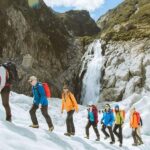
Following the Tasman Glacier from the air: where scale becomes real
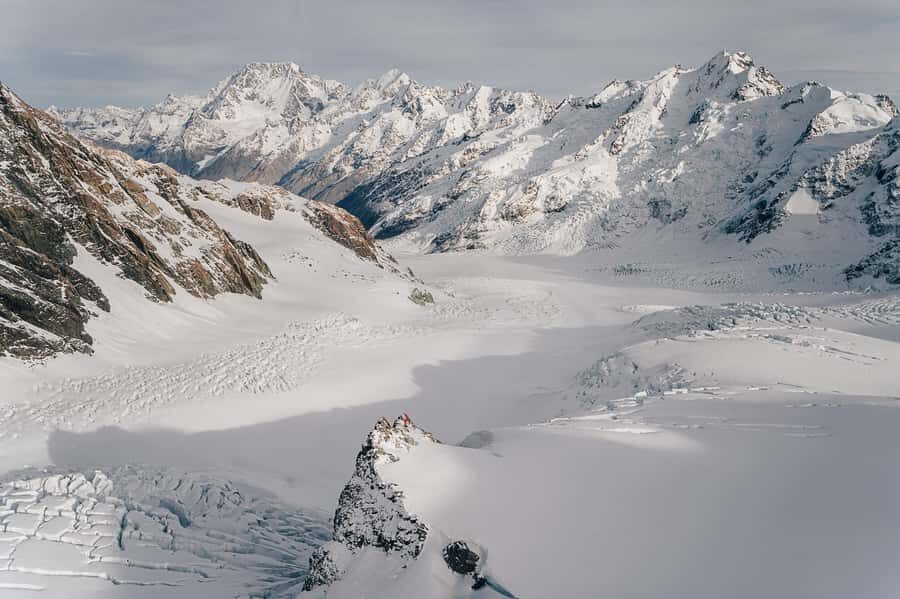
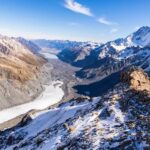
The flight begins with a run over Tasman Glacier Lake, then you move into the corridor of the Tasman Glacier—New Zealand’s longest glacier. In practical terms, this is one of those rare ways to understand how big a glacier system really is. From the air, you can actually track the glacier’s path like a living route rather than just seeing a white wall from one roadside viewpoint.
This glacier stretches about 23 km long and reaches up to 4 km wide in places. Again, you don’t have to memorize numbers—what you’re really taking in is how wide and continuous the ice field looks when you’re not limited to trails or viewpoints.
One of the most praised parts is the calm, smooth feel of the flight when conditions cooperate. Clear weather turns this into a show: sharp contrast, distinct ridgelines, and an easier time spotting the glacier’s shape under changing light.
Landing on snow near Aoraki/Mt Cook: the moment you’ll remember
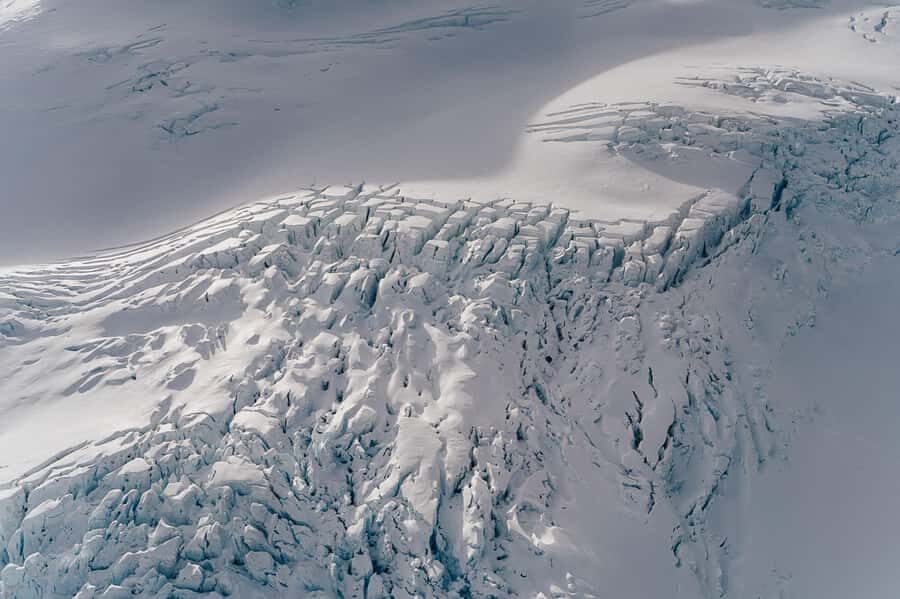
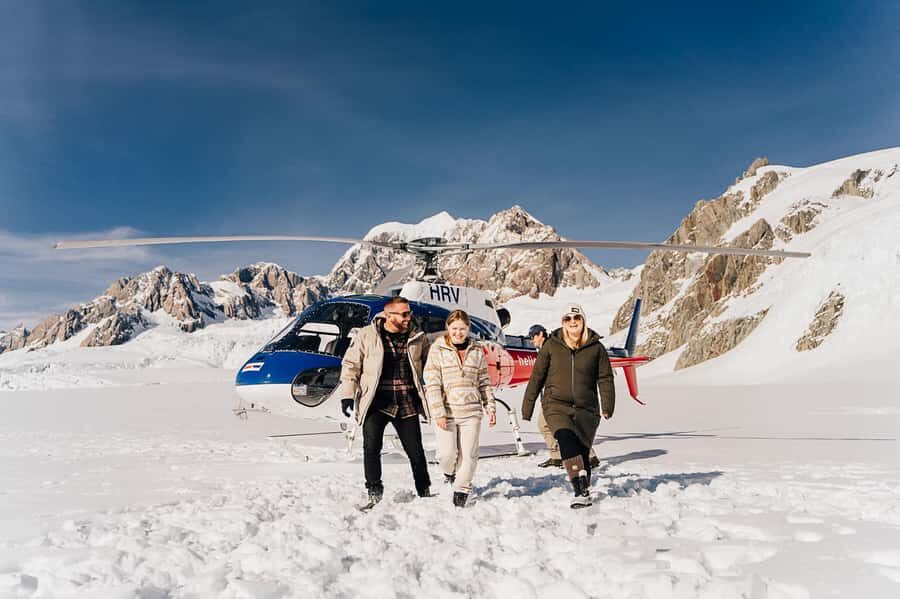
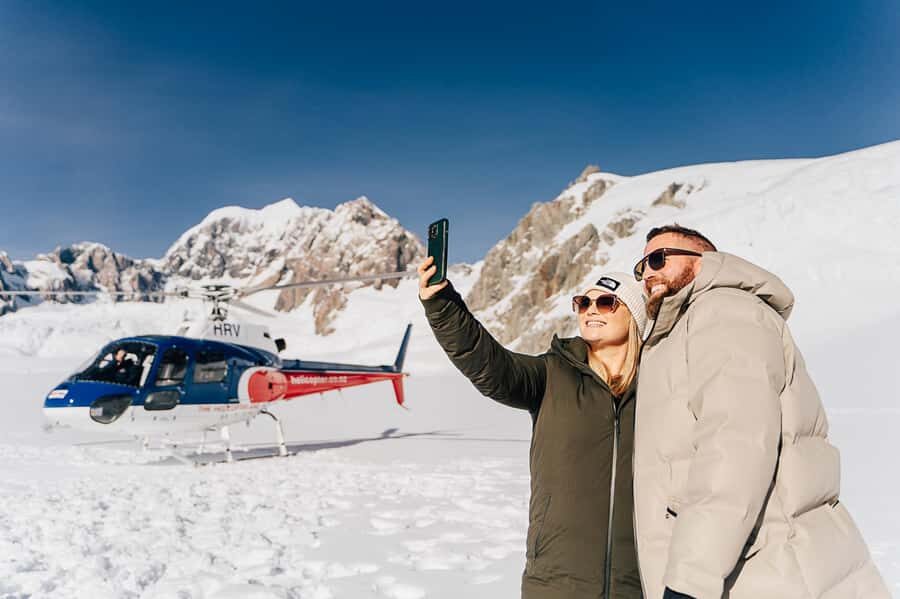
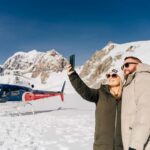
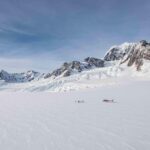
The signature move is the alpine landing on snow near Aoraki/Mt Cook. That snow landing is subject to snow levels, but when it happens, it changes the whole feeling of the experience. You’re not just watching nature from above—you’re stepping into a place most people only ever see from far away.
Aoraki/Mt Cook is New Zealand’s tallest peak, and the view from a snow landing area gives you a more personal sense of height and weather exposure. Even if you’ve seen photos before, the scale hits differently when the mountain is right in front of you and the ice is under your boots.
Photo tip, plain and simple: keep your camera ready right as you land and follow the pilot’s timing. Once you’re on snow, wind, cold air, and quick cloud changes can happen fast, so you want your shots without rushing.
From the Southern Alps to the West Coast: the “glacier-to-glacier” connection
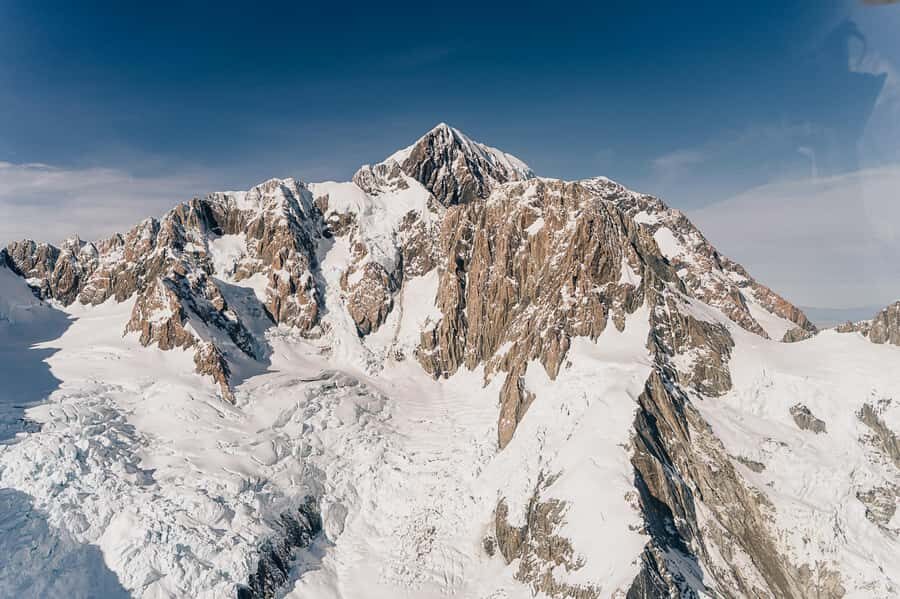
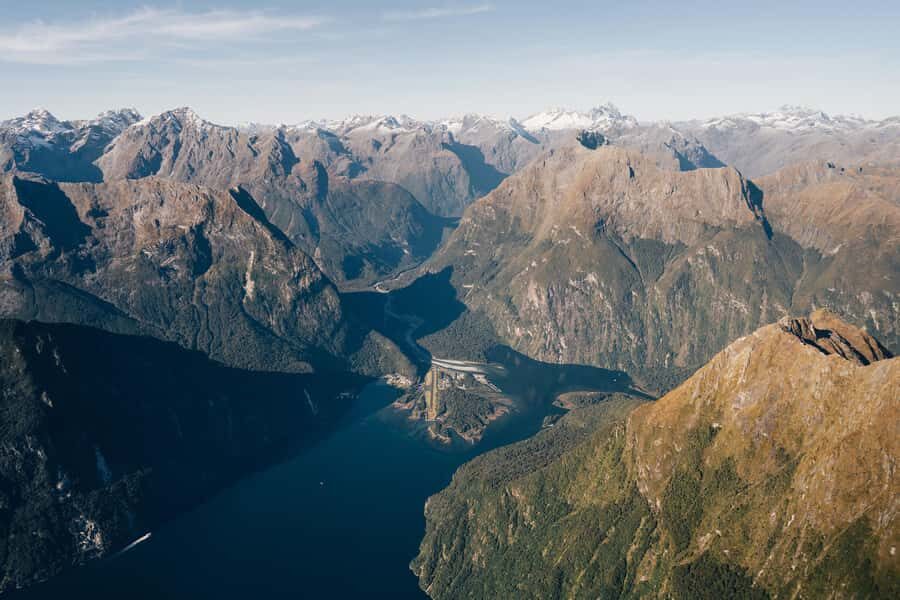
After the alpine stop, the flight keeps moving through the rugged Southern Alps toward the West Coast. This is where the value really shows up: instead of treating each glacier as a separate day trip, you connect the dots in one continuous aerial route.
You get views that let you understand the region’s geography as a system—ridges, valleys, and ice flows that link across the mountain chain. The best part is that this doesn’t require hiking for hours or picking between viewpoints. The helicopter does the routing, so you spend your time seeing more, not transferring and waiting.
There’s also a mental benefit here. Seeing the mountains from different angles helps you judge distances and slope changes. It’s the kind of perspective you just can’t replicate from one fixed point.
Fox Glacier and Franz Josef Glacier: two icons, one flight loop
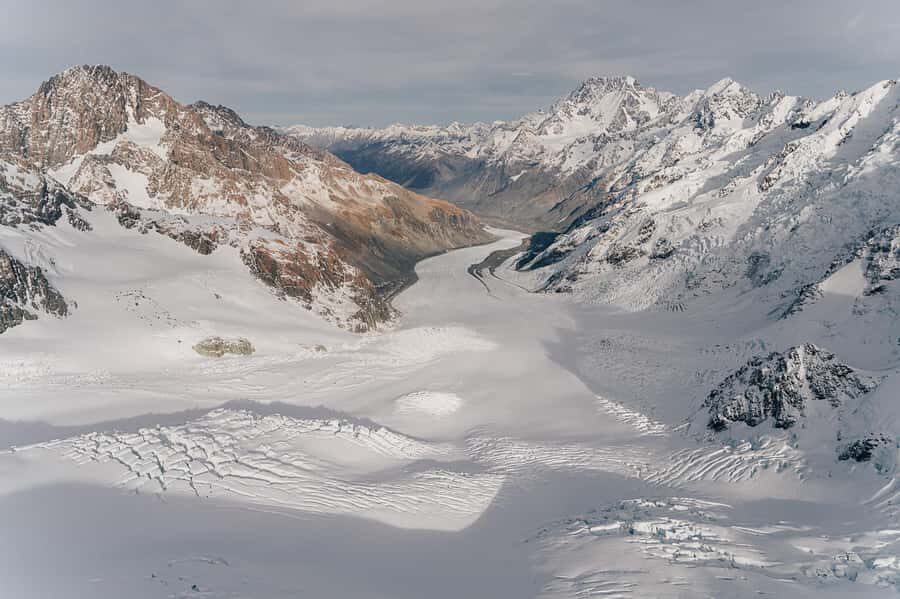
Near the West Coast, the flight includes views of Franz Josef and Fox Glaciers. These are big names, but the real point isn’t celebrity status—it’s comparison. You can see both in the same journey, which makes it easier to notice differences in how the ice sits within the surrounding terrain.
The route also helps you understand why this area is so dramatic. The glaciers appear in distinct segments of the mountain-and-coastal setup, and the aerial angle makes their edges and surrounding rock forms easier to read.
One thing I like about this flight style is it’s not just about “spot the glacier.” The pilot commentary adds context while you’re moving, so the scenery starts to make sense as glacial systems rather than isolated photo stops.

Timing and group size: what a 55-minute flight actually means
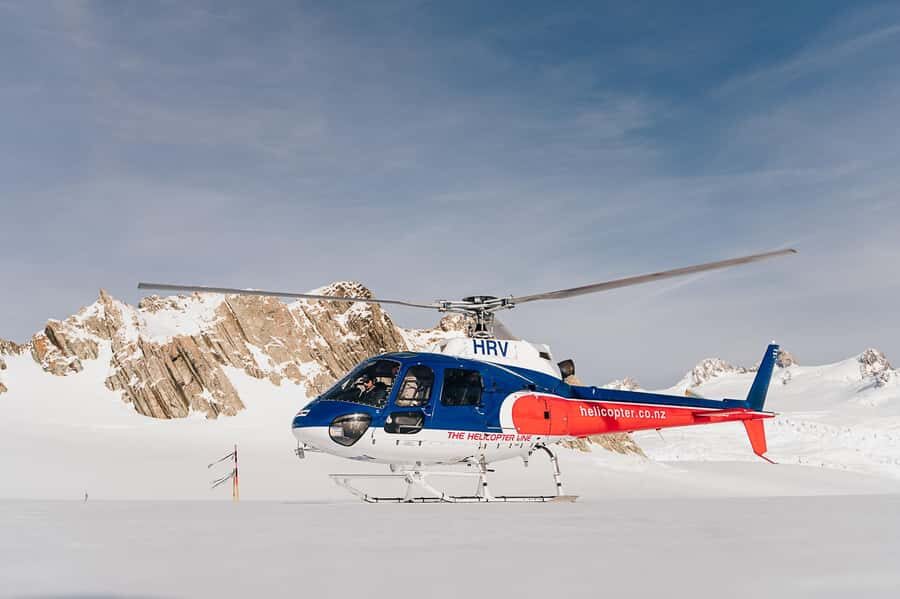
This experience runs about 55 minutes, and that includes the landing. That’s important because you don’t need to imagine you’ll have a long glacier walk. The emphasis is on maximum viewpoint time plus a short, memorable time on snow when conditions allow.
The group is limited to 6 participants, which helps the whole operation feel less hectic. With a small group, the boarding and movement at the landing area tends to be calmer, and you’re less likely to feel boxed in while trying to shoot photos or film short clips.
English live commentary is part of the experience too. You’ll get enough explanation to understand what you’re seeing, without the tour turning into a lecture. And since this is weather-driven, having a pilot who guides your attention matters more than you’d think.
Price and value: what $523 is buying you
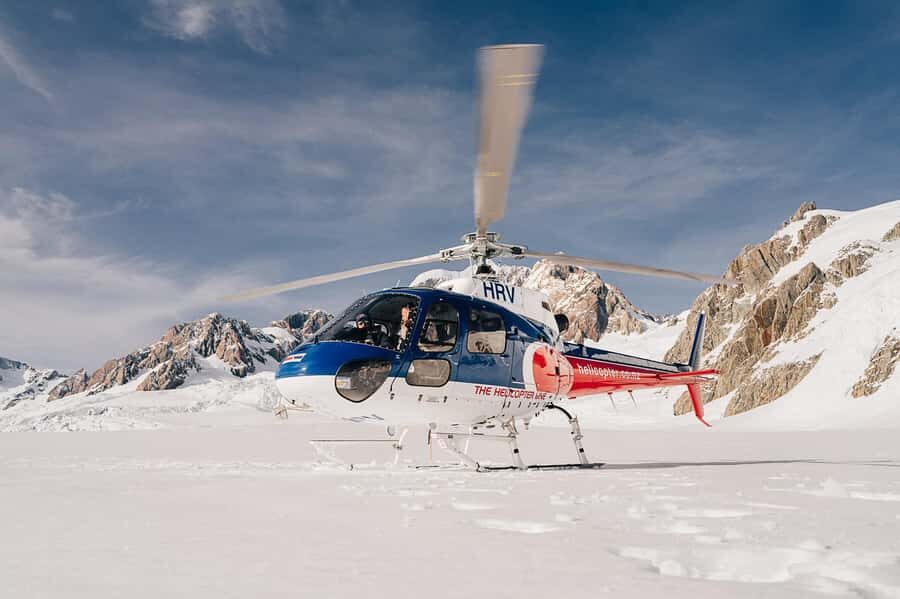
At $523 per person for a 55-minute helicopter flight, this isn’t cheap. The real question is value per minute—and what you get is not just aerial sightseeing.
You’re paying for:
- A single flight that connects major glacier regions in one go
- An alpine snow landing (subject to snow levels)
- Informative pilot commentary while you’re in the air
- Concession fees that go toward conservation and sustainability management
When I look at value, I compare this to the effort and time required to do the same “see multiple glaciers, multiple angles, and the mountain” goal by ground. If your itinerary is tight, or you’re not up for multi-day logistics, the helicopter turns a big region into one efficient window of wow.
One practical note: flight times are approximate and can change. If you’re the type who likes certainty down to the minute, this is something to plan around—but it’s also exactly why booking early with flexibility is recommended.
What to bring (and what to leave behind) for glacier-level comfort
You’ll want warm clothing even if it’s mild in town. On snow and in open air movement, cold finds the gaps fast. Closed-toe shoes are a must, and sunglasses help with glare off ice.
Bring a camera, and have your gear ready before you lift off. The scenery changes quickly, and you don’t want to be digging for batteries while the best angle is happening.
A few things you can’t bring:
- Drones
- Selfie sticks
- Tablets/iPads
That’s all about safety and operational simplicity in a cramped aircraft. Keep it simple: phone or camera with the right strap beats extra gadgets.
Best-fit traveler: who will love this most
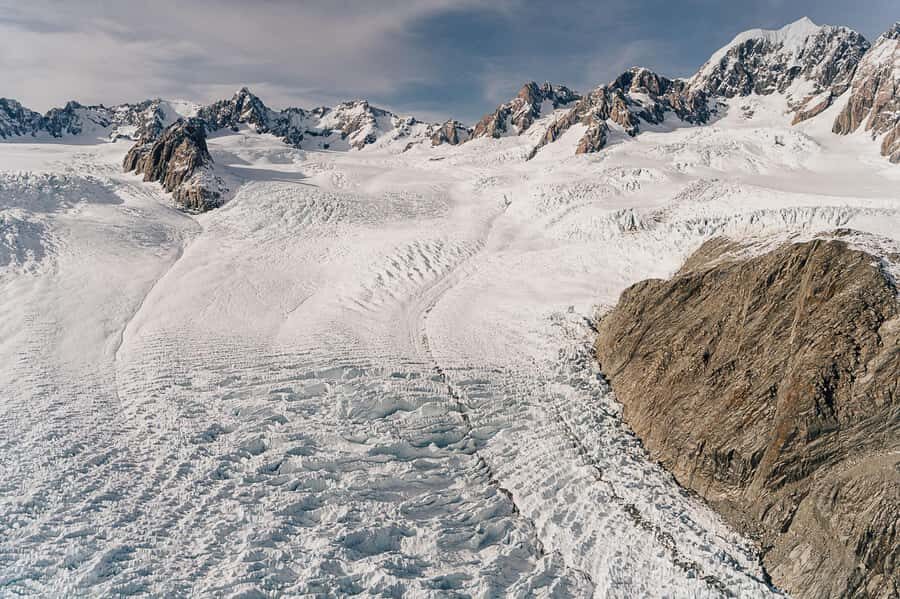
This flight works best if you want the glaciers without the hiking grind. If your trip has limited days, you’re short on time, or your fitness level rules out heavy alpine efforts, this gives you a wilderness fix with minimal exertion.
It’s also a good fit if you like photography but hate waiting in traffic for “the one perfect viewpoint.” Here, the helicopter changes the angle for you. Even in summer, you get a sharp mountain-and-ice look because you’re flying into the alpine zone.
If you’re traveling with kids: children must accompany a paying adult. Infants under 4 years and under 15 kg sit on an adult’s knee, while larger infants need their own seat.
Wheelchair access is listed, so if that applies to you, it’s worth confirming details with the provider when you book.
Should you book the Mount Cook glaciers flight?
I’d book it if you want a high-impact glacier experience without spending your whole trip traveling between viewpoints. The biggest reasons to say yes are the small group, the glacier-focused route, and the chance at an alpine snow landing by Aoraki/Mt Cook.
I’d think twice if you need fixed, guaranteed timing and routes—because weather and the pilot’s discretion can change what happens in the air. Also, because helicopter travel is pricey, make sure you’re okay with spending $523 on “conditions-dependent nature.”
If you’re flexible with your schedule and you’re excited by the idea of seeing Tasman, Fox, and Franz Josef connected in one loop, this is one of the more efficient ways to get a real sense of the South Island’s glacier world.
FAQ
Where does the flight start and end?
It starts and ends at Glentanner Park Centre (Mount Cook).
How long is the experience?
The duration is 55 minutes, and that includes the alpine landing.
Do you definitely land on snow?
You’ll land in snow subject to snow levels.
Which glaciers can you see on this flight?
You’ll see the Tasman Glacier and have views toward Fox and Franz Josef Glaciers during the flight loop.
Is there a pilot who provides commentary?
Yes, there is informative pilot commentary as part of the experience.
What’s included in the price?
Included items are a scenic helicopter flight, an alpine snow landing (subject to snow levels), pilot commentary, and complimentary transportation may be provided to and from Aoraki/Mt Cook Village.
What should I wear and bring?
Bring warm clothing, sunglasses, a camera, and closed-toe shoes.
Is the flight affected by weather?
Yes. Flights, landings, and routes may vary due to weather and the pilot’s discretion, and flight times are approximate.