REVIEW · NAPIER
National Aquarium of New Zealand in Napier General Admission
Book on Viator →Operated by The National Aquarium of New Zealand · Bookable on Viator
Curious about New Zealand’s underwater side? The National Aquarium in Napier turns a self-guided circuit into a walk from land animals to the ocean, ending in a big undersea exhibit with stingrays gliding overhead. You can also plan around the 10am and 2pm daily feeding times for extra action.
I really like how the visit mixes iconic Aotearoa animals in one place, including brown kiwi and tuatara. And I love the ocean section for the simple reason that it gives you real time with sea life, including stingrays that move like they own the water.
The main drawback is timing. Since it is self-guided, if you miss the feeding times, the visit can feel a bit more like quiet viewing than a show.
In This Review
- Quick hits before you go
- Napier aquarium in one visit, mountains to sea
- How to plan your visit around 10am and 2pm feedings
- From introduced species to native tuna (eels)
- Brown kiwi and tuatara: Aotearoa icons in one circuit
- The largest undersea exhibit and stingrays gliding through water
- Divers feed fish, plus penguin moments from the viewing platform
- How long should you plan: 30 minutes or 90 minutes?
- Price value at $18.31: what you’re really paying for
- Practical Napier tips: mobile ticket and a smooth visit
- Should you book the National Aquarium of New Zealand in Napier?
- FAQ
- What is the National Aquarium of New Zealand in Napier?
- How much does general admission cost?
- What are the opening hours?
- How long should I plan to spend there?
- Is this a self-guided experience?
- What animals or exhibits can I expect to see?
- Are there animal feeding times?
- Do I get a ticket with the experience?
- Do I need to print anything, or is it mobile?
- Is free cancellation available, and what is the deadline?
Quick hits before you go
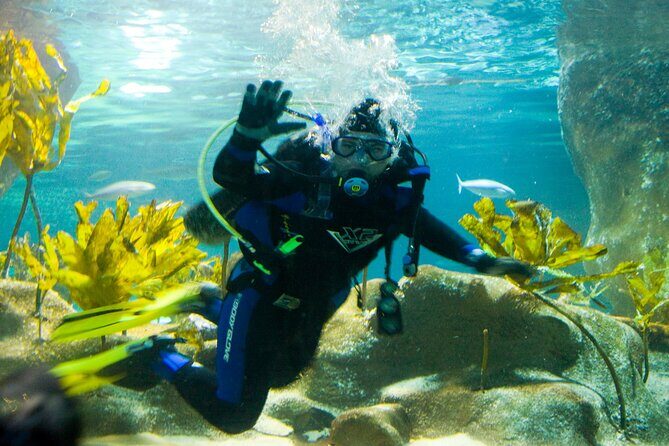
- Mountains to sea layout: You can follow the story of wildlife from land to water without needing a set route.
- Daily feeding at 10am and 2pm: Build your visit around those times if you want the most visible animal moments.
- Aotearoa standouts: You get a chance to see brown kiwi and tuatara along with other species.
- Native tuna (eels): The aquarium highlights New Zealand wildlife, not just general aquarium favorites.
- Stingrays in the largest undersea area: This is where the pace and views often slow down the most.
- Viewing platform moments: From the reviews, divers feeding fish and penguins being fed can be a highlight when they are on display.
Napier aquarium in one visit, mountains to sea
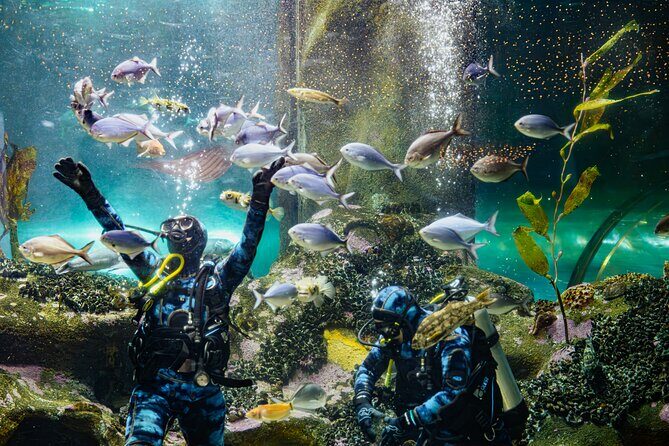
This is one-stop aquarium time in Napier, set up for an easy self-guided visit. You enter and work your way through a range of exhibits that go from mountains to sea, so you are not just looking at tanks. You are moving through different habitats and animal themes in one go.
The opening hours make it flexible: it is open 7 days a week from 9am to 5pm. That matters because you can choose the time of day that fits your Napier plans, then still have room to slow down. Typical visit length is 30 minutes to 1 hour 30 minutes, so you can keep it as a quick stop or treat it like your main activity.
Admission is $18.31 per person, and that price buys you a ticket plus access to the full self-guided experience. The practical value here is that you get both land-and-ocean variety and the chance to catch feeding moments, without booking a separate guided tour.
A few more Napier tours and experiences worth a look
How to plan your visit around 10am and 2pm feedings
If you want the most memorable animal moments, aim to be inside for the scheduled feedings. The aquarium runs feeding times 10am and 2pm daily, and those are often the times when you see animals become more active and visible.
Here is the simple strategy I recommend: pick one feeding time and build your visit around it. If you arrive shortly before 10am or 2pm, you can spend the first part of your visit walking through earlier exhibits with a calmer pace, then switch into show-time mode for the feeding.
This is also why the self-guided setup works. You can control your pace, but you still get a natural anchor in the day. If your schedule does not line up with the feedings, it will still be worth it, but you will want to set expectations for calmer viewing.
From introduced species to native tuna (eels)
One of the interesting parts of the experience is the mix of what you see. The aquarium includes introduced species alongside New Zealand-focused exhibits. That matters because it helps you compare different kinds of animals within the same building, rather than having one narrow theme.
Then, it shifts into native highlights, including tuna (eels). Even though people often think of eels as something you see in nature, this gives you a chance to observe them in a controlled setting where you can watch their movement and behavior for longer than you might in the wild.
What I like about this section is the way it supports curiosity. When you see animals grouped by theme, you naturally start reading the information next to them, and you get a better sense of why a particular species is included in the aquarium collection. Since you are self-guided, those small pauses add up fast.
A small consideration: if you are someone who wants constant activity, some areas may feel slower than the ocean tank section. That is normal for aquariums. Plan for a mix of slow viewing and moments that feel more lively.
Brown kiwi and tuatara: Aotearoa icons in one circuit

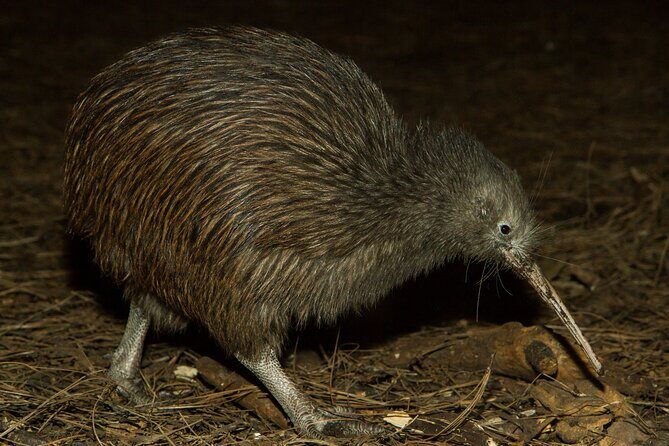
The standout land-animal highlights are brown kiwi and tuatara. These are not typical aquarium staples, and having them within the same visit as the sea life is a big reason the ticket feels efficient.
Seeing a brown kiwi in a controlled environment can be especially memorable because kiwi are one of those animals most people associate with New Zealand in general terms, not something they expect to see during a standard aquarium visit. The same goes for tuatara, which adds a distinct, very New Zealand flavor to the overall experience.
What makes this part valuable is the contrast. You go from water-focused exhibits into creatures that represent Aotearoa itself. If you are traveling with kids, it gives you a variety of “wow” moments instead of only one type of spectacle.
The only practical thing to keep in mind is that visibility can vary by how animals are positioned at the time you visit. The aquarium cannot guarantee a perfect view at every minute, so give yourself enough time to look calmly and move at an unhurried pace.
The largest undersea exhibit and stingrays gliding through water
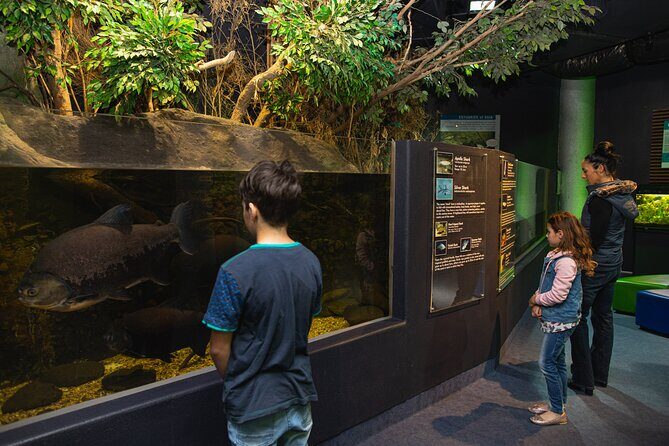
After the earlier animal sections, the aquarium finishes with under the sea, including its largest exhibit. This is where you typically feel the biggest change in scale and atmosphere.
Stingrays are a major highlight here. The aquarium experience is described as you watching stingrays gliding through the water, and that kind of motion is exactly what makes large viewing areas work. You can stand, look, and feel like you are watching something in motion rather than just viewing a still animal.
Even if you do not know much about marine life, this section helps you get oriented quickly. You pick up visual patterns right away: the slow sweep of the water, the way rays travel, and how the exhibit space is designed for viewing.
For me, the key value is that you get time. This is not a rushed pass-through. You can linger in the parts that catch your attention and skip the ones that do not, while still having access to the whole route.



Divers feed fish, plus penguin moments from the viewing platform

One of the most praised moments in the experience involves a closer-up feeling to the feeding process. From the reviews, you can watch divers feed the fish from a viewing platform. That changes the tone from passive viewing to active observation.
You may also catch little penguins being fed, which adds another layer to the sea section. Penguins are fast, visual, and usually easy to watch once you spot them, so their feeding time can be a great moment for families and anyone who likes clear cause-and-effect animal behavior.
Even without details beyond the feeding happening, the takeaway for you is simple: if you are standing in the right place when feedings are underway, you will likely see more than just fish moving in the background.
If your day timing is flexible, this is another reason to plan around 10am and 2pm. A feeding session gives you a built-in reason to slow down and pay attention.
How long should you plan: 30 minutes or 90 minutes?

The aquarium gives you a wide visit window: 30 minutes to 1 hour 30 minutes. How long you should plan depends on your style.
If you want the fast version, you can focus on the key zones: the major Aotearoa highlights first, then save most of your time for the ocean exhibits where stingrays and the undersea viewing area are. In a short visit, you will still get a solid overview because the whole place is designed as a self-guided circuit.
If you like a slower pace, add time so you can actually watch how animals move. The ocean exhibit is often where people linger most, and giving yourself extra minutes makes the experience feel less like checking boxes.
Since you are self-guided, you can also tailor your pace to your energy level that day. No appointment needed, no group pacing. You just decide what to prioritize while keeping an eye on feeding times if you want that energy spike.
Price value at $18.31: what you’re really paying for
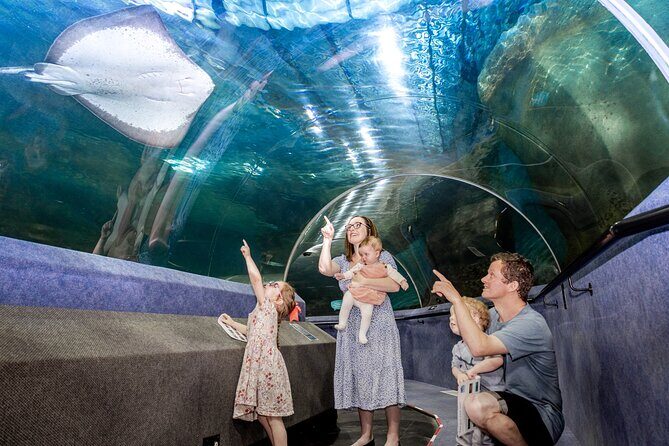
At $18.31 per person, you are paying for more than tanks. You are paying for a mix of exhibit themes that includes land animals, native wildlife like tuna (eels), and the big undersea centerpiece with stingrays.
The value is strongest if you time your visit for feeding. Feedings at 10am and 2pm add a live, time-based element to the experience. Instead of only looking at animals on display, you are watching animals respond during a routine moment.
It is also good value for groups because the self-guided structure makes it easier to manage different interests. Someone who loves birds can focus on brown kiwi, while someone who cares about marine life can spend more time in the largest undersea exhibit.
If you are traveling as a couple or alone, it still works well. It is short enough to fit into a day plan, but varied enough that you will not feel bored after the first few exhibits.
Practical Napier tips: mobile ticket and a smooth visit
This experience uses a mobile ticket, which is a small but real convenience when you are traveling around. You avoid printing hassles and you can keep everything on your phone.
It is also described as being near public transportation, so you are not forced into a car-only plan. That’s helpful if you are mixing aquarium time with other Napier stops.
Service animals are allowed, and the experience is noted as something most travelers can participate. That’s useful when you are trying to keep your schedule realistic.
Since it is self-guided, the best practical tip is simply to give yourself permission to read and pause. The aquarium flows from mountains to sea, and the point of that design is that the order helps you connect what you are seeing.
Should you book the National Aquarium of New Zealand in Napier?
I think this is a strong booking choice if you want a wildlife-focused stop that goes beyond standard fish tanks. The combination of brown kiwi, tuatara, native tuna (eels), and a major undersea exhibit with stingrays makes it feel like more than one theme. Add in the chance to see feedings at 10am and 2pm, and the ticket price feels easier to justify.
Book it if:
- You like a mix of land and sea animals in one outing
- You want a short, flexible activity during Napier opening hours
- You are excited by feeding-time viewing from a platform
Skip or reconsider if:
- You only care about constant action, and your schedule never lines up with the feedings
- You prefer a fully guided, talk-through experience rather than self-paced exploring
If your goal is an efficient, New Zealand-flavored wildlife visit with memorable undersea viewing, this one makes a lot of sense.
FAQ
What is the National Aquarium of New Zealand in Napier?
It is an aquarium experience in Napier, New Zealand, with a self-guided route through exhibits from mountains to sea and an undersea section as the biggest highlight.
How much does general admission cost?
The price is $18.31 per person.
What are the opening hours?
It is open 7 days a week from 9am to 5pm.
How long should I plan to spend there?
Plan for about 30 minutes to 1 hour 30 minutes.
Is this a self-guided experience?
Yes. You self guide your way through the exhibits.
What animals or exhibits can I expect to see?
You can see introduced species, native tuna (eels), brown kiwi, tuatara of Aotearoa, and an undersea section with sea life such as stingrays.
Are there animal feeding times?
Yes. Feeding times are 10am and 2pm daily.
Do I get a ticket with the experience?
Yes. Admission ticket is included.
Do I need to print anything, or is it mobile?
It uses a mobile ticket.
Is free cancellation available, and what is the deadline?
Free cancellation is available. You can cancel up to 24 hours in advance for a full refund, based on the experience’s local time.