REVIEW · AUCKLAND
Nocturnal Wonders Tawharanui Kiwi Spotting and Stargazing Tour
Book on Viator →Operated by Social Nature Movement · Bookable on Viator
Night in Tawharanui hits different. This 3-hour small-group tour takes you into Tawharanui Regional Park as twilight fades, with a real shot at kiwi spotting and a stargaring session away from Auckland glare. You also get time to ask questions and slow down enough to notice what’s moving in the dark.
I especially like two parts: the chance to learn from guide Justin as you search for signs of kiwi activity, and the guided stargazing setup with telescopes and binoculars plus stories tied to indigenous astronomy. The only real catch is that the tour requires good weather, so if conditions are poor you’ll need to accept a date change or refund.
In This Review
- Key highlights worth your attention
- Why Tawharanui at night is a different kind of nature show
- The 3-hour flow: kiwi trail to a dark-sky stargazing site
- Kiwi Discovery Adventure: reading the bush in twilight
- Stargazing with telescopes and indigenous astronomy stories
- Small-group attention: why 10 people feels like the sweet spot
- Equipment you actually need: telescopes, binoculars, and night-focused guidance
- Glamping tents are optional, but consider what you’re paying for
- Practical tips so your night goes smoothly
- Price and value: is $93.09 a fair deal?
- Who this Tawharanui night tour is best for
- Should you book the Nocturnal Wonders Tawharanui tour?
- FAQ
- How long is the Nocturnal Wonders Tawharanui Kiwi Spotting and Stargazing tour?
- What’s the group size limit?
- What’s included in the tour price?
- What wildlife and nature do you look for?
- Where does the tour start?
- Do you have to pay for stargazing equipment?
- Can I add glamping?
- What happens if the weather is bad?
- Is there free cancellation?
Key highlights worth your attention
- Up to 10 people: you can actually ask questions instead of whispering into the dark
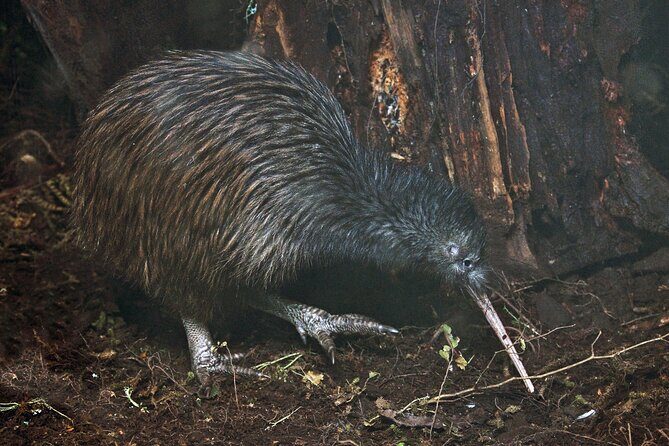
- North Island brown kiwi focus: you’re hunting for traces, not just hoping
- Telescopes + binoculars included: you get the gear for real star viewing
- Dark-sky stargazing spot inside the park: far from city light
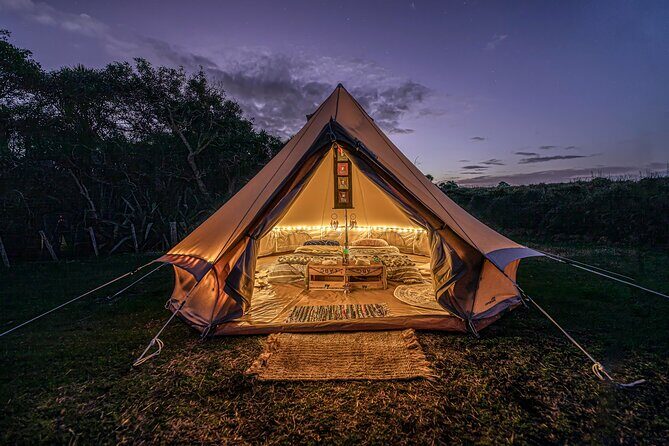
- Optional glamping: you can turn the night into a longer stay (camp fees not included)
Why Tawharanui at night is a different kind of nature show
Tawharanui Regional Park is already a top Auckland-area nature spot by day. But at night, the park changes its rhythm fast. The point of this tour is simple: most wildlife activity happens when people head back to beds, so you go when the park starts doing its real work.
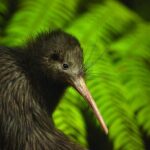
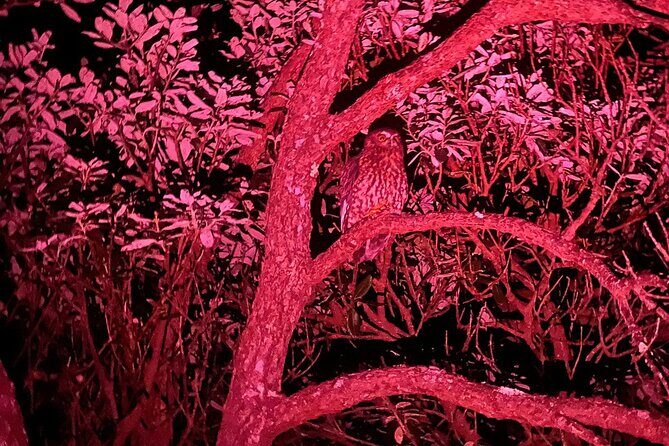
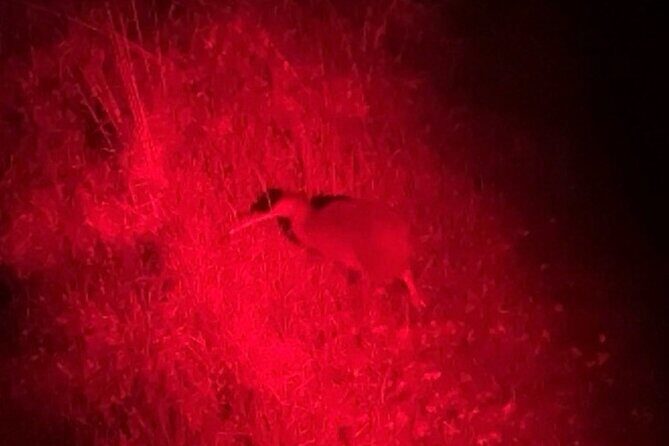
You’re out in native bush looking for nocturnal birds, insects, and reptiles, including the North Island brown kiwi. That matters, because kiwi spotting isn’t like photographing a bird at a feeder. The best chance comes from paying attention to signs and timing—quiet steps, patient scanning, and a guide who knows what to look for. One guest even thanked guide Justin after seeing three kiwis and getting very close to one, which is exactly the kind of outcome this format aims for.
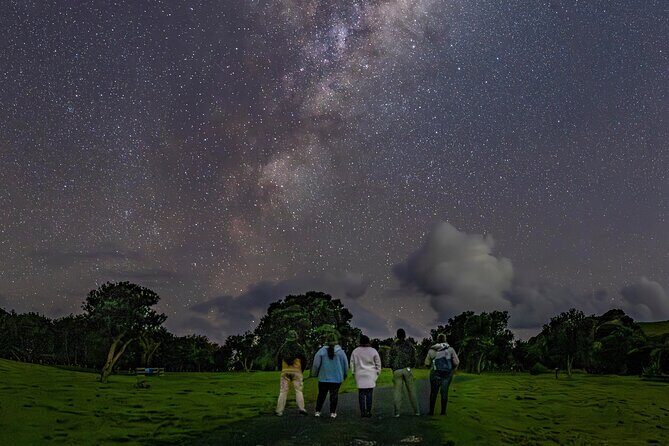
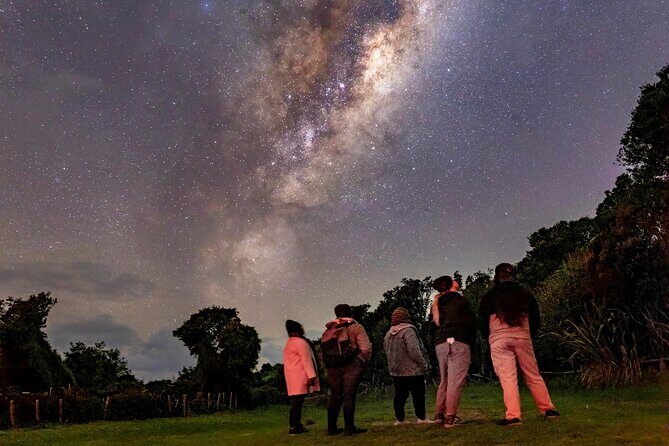
Stargazing is the other half of the magic. Instead of looking at stars from a street corner, you go to a stargazing site within the park that’s far from city lights. So the sky actually behaves like a sky. Expect stars, planets, and constellations to be easier to pick out, with help from telescopes and binoculars.
You can also read our reviews of more tours and experiences in Auckland.

The 3-hour flow: kiwi trail to a dark-sky stargazing site
This tour runs for about 3 hours and loops back to the meeting point at the end. It’s timed for twilight and then full night—when kiwi activity can start and when the sky gets properly dark.
The structure is what I find smart. You don’t jump straight to the stars. You start with the kiwi discovery walk as twilight falls, which gets you thinking like a night-naturalist. Then, once your eyes adjust, you shift to the celestial side at a secluded stargazing site inside the park.
For practical planning, think of it as a short adventure with two distinct moods:
- First, a walking search for activity in the bush.
- Then, a calmer sit-and-look experience with astronomy explanations and viewing gear.
That mix is great if you like animals and you also want something brainy to do after the nature part.
Kiwi Discovery Adventure: reading the bush in twilight
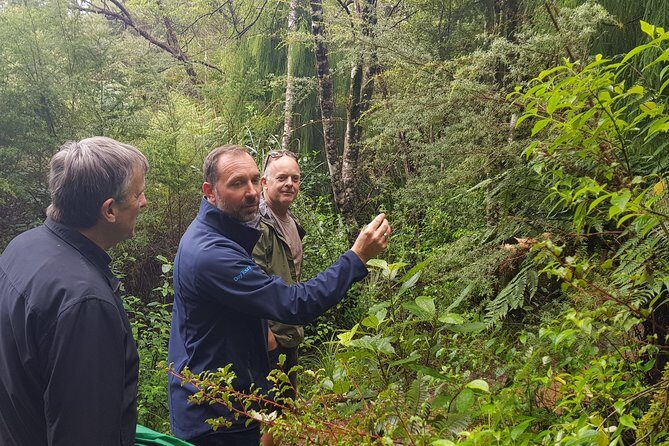
The kiwi portion is the main event, and it’s built around staying alert as you follow your experienced guide through the park’s native bush. Instead of turning the night into a spotlight-fest, you’re guided to watch for traces of kiwi activity as twilight turns into dark.
Here’s what that means for you on the ground:
- You’ll be moving slowly, because rushing makes it harder to notice small sounds and subtle signs.
- You’ll learn what kinds of clues matter, and why kiwi behavior often shows up indirectly.
- You’ll have time to ask questions, which is key for turning a first-time kiwi encounter into something you understand.
The tour also frames kiwi discovery with context—insights about these birds as you travel through the park. That’s useful because it helps you separate what you’re seeing from what you’re guessing. If you’ve ever watched a nature documentary and wondered how you’d spot anything in real life, this style of guided night walk is the answer.
If guide Justin is on your date, you’ll likely appreciate the enthusiasm that comes through in the one high-rating guest story tied to seeing multiple kiwis and getting close. Even if you don’t get the same luck, you’ll still come away with a better sense of how kiwi spotting actually works.
Stargazing with telescopes and indigenous astronomy stories
Once you switch to the stargazing site, the atmosphere changes. The goal is to help your eyes and mind lock onto the sky, with help from telescopes and binoculars provided by your guide.
You’ll be looking at:
- Stars (the kind you can actually see clearly from a darker site)
- Planets (when conditions line up)
- Constellations (mapped into something you can recognize)
What I like here is that the tour doesn’t treat stargazing like a simple star-counting exercise. You also get stories about indigenous astronomy. That adds meaning beyond the visuals. You’re not just spotting objects; you’re learning how people connect the night sky to knowledge and navigation.
And because you’re inside the park at a secluded location, the view is less about fighting headlights and more about enjoying the sky. For Auckland visitors especially, this is a big deal. Light pollution can turn stargazing into a sad sketch. This tour is designed to avoid that.
Small-group attention: why 10 people feels like the sweet spot
This is a maximum of 10 travelers, and that tiny-group size is not a random detail. It changes the whole experience.
In a group this size:
- You can hear your guide’s cues instead of competing with voices.
- You can ask questions during the walk without feeling rushed.
- The guide can adjust pacing based on how you’re doing and what the night is giving you.
It also makes the kiwi search feel more respectful. Night wildlife tends to do better when people aren’t crowding around the same spot, talking loudly, or blocking paths. A small group helps keep things quiet and controlled.
This is also where the “lots of chances to ask your guide questions” promise becomes real. With a guide who’s actively teaching and watching, you’ll spend less time wondering what to do and more time knowing what’s happening around you.

Equipment you actually need: telescopes, binoculars, and night-focused guidance
The tour includes specialized equipment, and that’s a real value point. For stargazing, telescopes and binoculars aren’t just nice to have—they help you see more clearly and make the explanations practical instead of abstract.
Think of it like this:
- Binoculars help you scan and find what the guide is pointing out.
- Telescopes let you see fainter details when viewing conditions cooperate.
- The guide’s instructions tie it together so you know what you’re looking at and why it matters.
For the kiwi portion, the “equipment” is less about gear in your hands and more about the guide’s know-how. You’re given a structure for observing the bush, which is what makes wildlife spotting possible even when animals stay unpredictable.
And because this is a guided experience with a focused purpose, you’re not spending your night trying to figure out timing, routes, or viewing spots.
Glamping tents are optional, but consider what you’re paying for
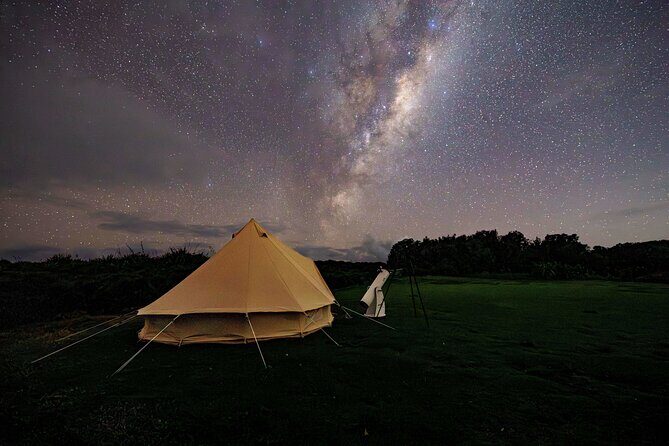
If you want to make it a longer night, there’s an option to enhance the experience by camping out in glamping tents. That sounds fun, and it can turn the tour into a more immersive adventure without rushing to a campsite schedule.
But there’s an important cost note: campsite bookings and fees are not included. So if you choose glamping, you should expect additional charges on top of the tour price.
When glamping is worth it:
- You want extra time in the park atmosphere.
- You don’t want the night to end right when the tour finishes.
- You’re the type who likes staying out longer when conditions are good.
When it might not be:
- If you’re trying to keep the budget tight.
- If you prefer simple plans and don’t want extra booking steps.
Practical tips so your night goes smoothly
You’re out at night in native bush, so your comfort affects how well you can enjoy the experience. Here are the practical things I’d plan for.
1) Dress for a cool, dark walk. Even without exact temperatures listed, New Zealand nights can feel chilly once the sun drops. Wear warm layers you can move in, plus something waterproof or wind-resistant if you own it.
2) Bring a headlamp only if you truly need it. The tour is guided for night conditions, so avoid blasting light around. If you use any light, keep it low and use it only when necessary.
3) Be ready to walk slowly and wait. Kiwi spotting isn’t instant. The best moments come after you settle and let the guide lead.
4) Keep your questions ready. With a small group, this is the best time to ask about what you’re seeing and why. If you’re curious about kiwi habits or the star stories, ask while you’re still in the thick of it.
5) Watch the weather day-of. The tour requires good weather. If clouds, rain, or poor conditions roll in, the plan can change.
Price and value: is $93.09 a fair deal?
At $93.09 per person for about 3 hours, this tour isn’t the cheapest thing on the Auckland itinerary. But it’s also not just a walk with a guide and a vague promise.
You’re paying for:
- A small group capped at 10
- A guided kiwi search during twilight and night
- A stargazing session using telescopes and binoculars
- Specialized equipment and expert guidance
- A park admission ticket listed as free for the experience
The value here is the combination. If you tried to piece this together yourself—finding a dark-sky spot, getting stargazing gear, and learning where and how to look for kiwi activity—you’d quickly spend time, money, and energy just to recreate the same basics. This tour packages it into one focused night with the right timing.
And if you’re someone who loves both wildlife and the night sky, this is a strong use of a short time window in Auckland, especially when daylight tours feel crowded or repetitive.
Who this Tawharanui night tour is best for
This works especially well if you:
- Want kiwi spotting in a way that feels educational, not just luck-based
- Like small groups and clear guide direction
- Enjoy stargazing and want help identifying what you’re seeing
- Prefer authentic nature experiences over a big tourist production
It can also suit families and most visitors, since the tour lists that most travelers can participate. If you’re comfortable walking at night and staying patient in a dark setting, you’ll fit right in.
Should you book the Nocturnal Wonders Tawharanui tour?
I’d book it if you’re looking for one ticket that gives you two night experiences—kiwi discovery and stargazing—without needing to figure out dark-sky logistics or equipment on your own. The small-group cap (10) plus the included telescopes/binoculars makes it feel like a real guided outing, not a casual stroll.
I would think twice only if you hate the outdoors at night or you know your schedule is tight and you can’t handle weather-driven changes. Since the tour requires good weather, a plan with built-in flexibility wins.
If you do book, show up ready to walk quietly, ask questions, and let your eyes adjust. That’s when this kind of night in Tawharanui pays off.
FAQ
How long is the Nocturnal Wonders Tawharanui Kiwi Spotting and Stargazing tour?
It’s about 3 hours.
What’s the group size limit?
The tour has a maximum of 10 travelers.
What’s included in the tour price?
You get a knowledgeable guide and specialized equipment. Telescopes and binoculars are provided for the stargazing part, and a free admission ticket is listed.
What wildlife and nature do you look for?
You search for nocturnal birds, insects, and reptiles, including the North Island brown kiwi.
Where does the tour start?
It starts at Tawharanui Regional Park, 1181 Takatu Road, Tāwharanui Peninsula 0986, New Zealand, and ends back at the same meeting point.
Do you have to pay for stargazing equipment?
No. The specialized equipment for stargazing is provided by the guide.
Can I add glamping?
You can choose to enhance the experience by camping out in glamping tents, but campsite bookings and fees are not included.
What happens if the weather is bad?
This experience requires good weather. If it’s canceled due to poor weather, you’ll be offered a different date or a full refund.
Is there free cancellation?
Yes. You can cancel up to 24 hours in advance of the experience for a full refund. Cancellation cut-off is based on local time.