REVIEW · AUCKLAND
Private 2 Hour Surf Lesson
Book on Viator →Operated by Aotearoa Surf School · Bookable on Viator
Surfing in Auckland is easier than you think. Te Arai’s sandy shore and calm, consistent conditions make a big difference for beginners, and the coaching is set up to match your level rather than the other way around. I like that it’s truly private (your group only) and that you get all equipment included, so you can focus on learning without a shopping run first.
What I’d keep in mind is the obvious one: the lesson is weather-dependent. It runs when conditions are good, so plan for possible rescheduling if the ocean doesn’t cooperate.
If you want a lesson that moves from basics to actually standing on the board, this is a clear, structured class. You’ll get step-by-step help on safety, positioning, paddling, ocean awareness, getting out the back, timing, takeoff, and wave riding.
In This Review
- Key things to know before you go
- Te Arai’s surf conditions: why beginners get a real shot
- The private lesson setup: what you really get in 2.5 hours
- Price and value: what $126.67 buys you (and why it’s not just the waves)
- Where it starts: Aotearoa Surf School and getting ready fast
- The lesson plan: safety first, then the exact skills to ride
- Safety and equipment design
- Positioning and paddling technique
- Ocean awareness and getting out the back
- Timing & takeoff, then the popup
- Riding waves
- Learning at your pace: how private coaching changes everything
- What to bring (and what you don’t need to worry about)
- When Auckland weather plays games: planning for good conditions
- Who should book this private surf lesson in Te Arai
- Should you book? My decision checklist
- FAQ
- What is the duration of the surf lesson?
- Where is the meeting point?
- Is this lesson private?
- Is equipment included?
- Do I need to be an experienced surfer?
- What skills are you taught during the lesson?
- Is sunscreen included?
- Are taxes included in the price?
- Are souvenir photos included?
- What happens if the weather is poor?
- Is there a cancellation deadline for a refund?
Key things to know before you go
- Te Arai is beginner-focused thanks to Auckland’s East Coast reputation for calmer, more consistent surf.
- One-to-one instruction lets you progress at your pace instead of watching everyone else go first.
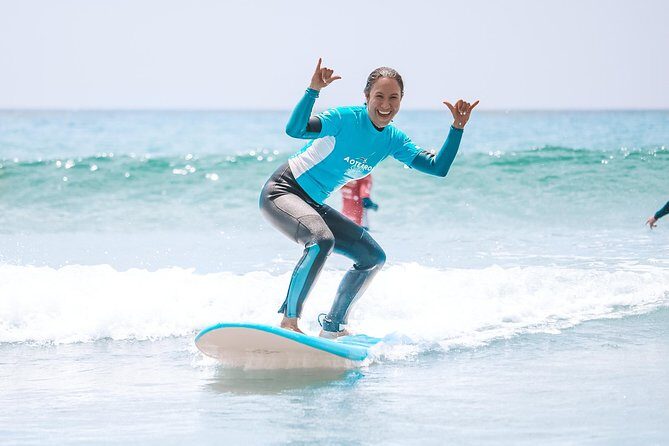
- Full gear is included: surfboard, leash, wetsuit, and rash shirt, plus sunscreen.
- You practice the whole surf process from safety checks to the popup and riding inshore waves.
- Kids and beginners fit the same lesson style, with instructors who’ve coached children (including an 8-year-old) and still kept the vibe fun.
- Progress happens fast for first-timers, with examples of parents standing up and riding within the lesson.
Te Arai’s surf conditions: why beginners get a real shot
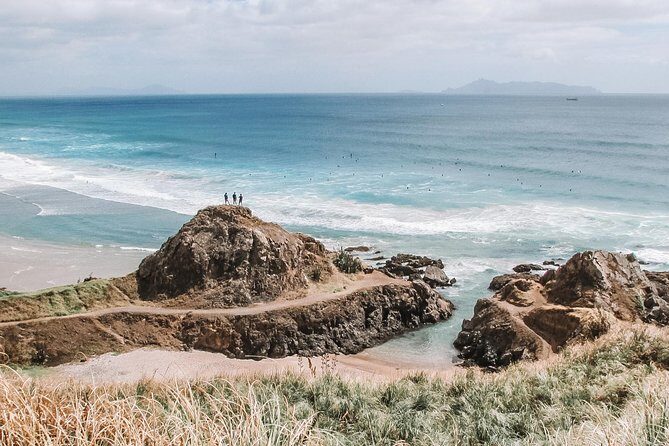
Auckland’s East Coast is known for more forgiving surf than a lot of other places, and Te Arai is picked for a reason. The beach here is sandy, and the wave pattern tends to be more beginner-friendly—meaning you spend less time wrestling the board and more time building the skills that matter.
That matters because surf lessons fail when they’re too advanced too fast. Here, the whole class is built around fundamentals: how to stay safe, how to move on the board, and how to coordinate your body with paddling and takeoff. If you’re brand new, that structure keeps you from learning through frustration. If you already have some experience, the same steps still work because you can fine-tune where you’re losing balance or timing.
Also, the ocean component is not treated like an afterthought. You’ll get coaching on ocean awareness and what to do when you’re trying to get out past the break. That’s the stuff that makes you feel calmer out there—and it helps you make better decisions fast.
You can also read our reviews of more private tours in Auckland



The private lesson setup: what you really get in 2.5 hours
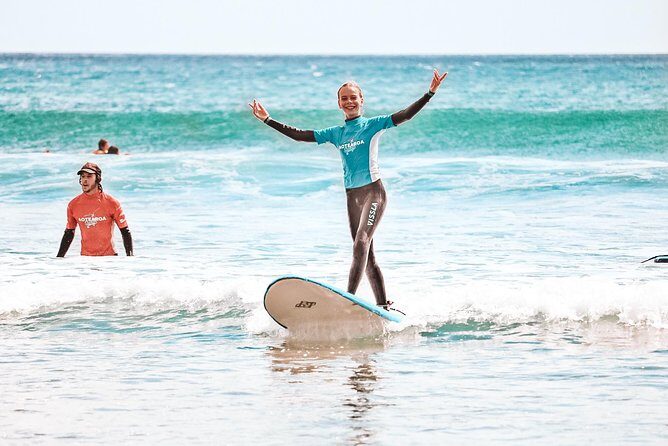
The lesson itself is 2 hours of surf time, wrapped in a total experience time of about 2 hours 30 minutes. That extra half hour is the practical stuff: meeting, getting geared up, quick safety talk, and time to walk through what you’re practicing before you hit the water.
This is designed as a private activity. Only your group is involved, so you’re not sharing an instructor’s attention with a bigger crowd. In plain terms, that means more feedback when something feels off—like your paddling rhythm, where your feet land during the popup, or whether your timing is early or late.
You’ll also get a lesson that can be tailored to ability. That’s useful because “beginner” is a wide category. Some people need help simply not falling when they stand up. Others can pop up but keep missing the wave rhythm. With one-to-one coaching, you can focus on what’s actually holding you back.
One small thing to note: souvenir photos of yourself are not included. If you want them, you’ll need to purchase them separately.
Price and value: what $126.67 buys you (and why it’s not just the waves)
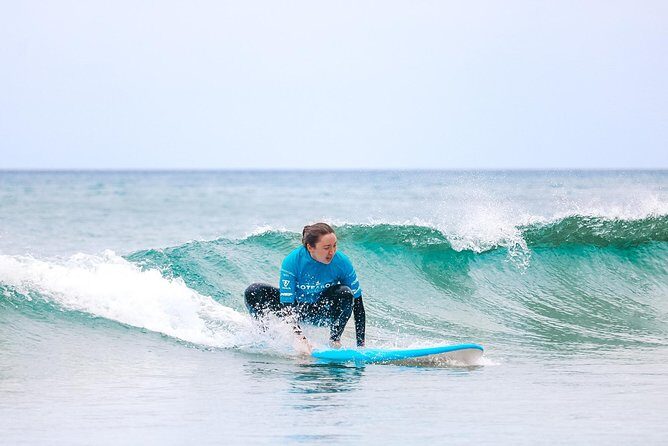
At $126.67 per person, the value is in the coaching time and the included equipment—not in some vague promise of a good day at the beach.
Here’s what you’re paying for that’s genuinely useful:
- A qualified and experienced instructor giving real-time feedback
- All equipment needed for the session (board, leash, wetsuit, and rash shirt)
- Sunscreen included
- Taxes, fees, and handling charges covered
If you’ve priced surf lessons before, you know that gear can be a hidden expense—especially wetsuit rental and basic board setup. Here, you show up and the lesson is ready to happen.
And because it’s private, you’re buying less waiting time and more practice time. That difference is huge for beginners who otherwise spend a first lesson just learning how to balance, not actually learning how to ride.
If you’re traveling with friends or family, the listing also mentions group discounts. So if your group is large enough to qualify, you may be able to reduce the per-person cost while still keeping the coaching feel.
Where it starts: Aotearoa Surf School and getting ready fast
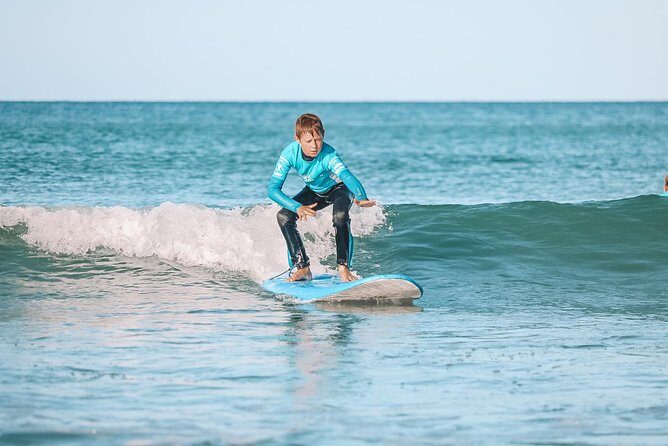
Your meeting point is at 708 Te Arai Point Road, Te Arai 0975. The activity ends back at the same meeting point, so it’s straightforward. You’re not juggling transport across multiple spots—just a clean start, a clean surf session, and you’re done back where you began.
When you arrive, expect the usual “gear up and go” flow:
- Fit and safety check for your wetsuit and rash shirt
- Surfboard and leash setup appropriate for your session
- A short briefing to set expectations on how you’ll learn today
That setup time matters for beginners. If you feel confident with the gear early, you focus on the lesson instead of fiddling with stuff while the waves roll in.
And there’s a practical upside for families and groups: the class design is made to keep people engaged. One set of parents and kids talked about the instructor being great at keeping a child like Sebastien (age 8) comfortable while still teaching skills that build toward standing up.
The lesson plan: safety first, then the exact skills to ride
The curriculum is clear and methodical. You’ll work through surf basics in the order that makes sense on the beach and in the water. Here’s what you can expect the instructor to cover:
A few more Auckland tours and experiences worth a look



Safety and equipment design
You start with what keeps you out of trouble. That includes basic safety rules plus how the gear works for you—especially the leash, the board choice, and how your body should behave on and off the surfboard.
Positioning and paddling technique
Next comes positioning. In surf, being in the wrong place wastes energy and makes every wave feel impossible. You’ll learn how to line up and how to paddle efficiently, so you can actually reach the waves rather than arriving exhausted.
Ocean awareness and getting out the back
This is the “real ocean” part: reading the water, understanding where you are in the lineup, and learning how to get out the back. The goal is to make you safer and more confident, not to scare you with the hazards.
Timing & takeoff, then the popup
Once you’re paddling and positioned, you move to takeoff timing. Then you practice the popup—so the transition from lying down to standing is something you can do on purpose instead of hoping it happens.
Riding waves
Finally, you work on riding. For many first-timers, the win is getting up and traveling a short distance inshore—and that’s exactly the kind of measurable progress this lesson aims for.
That last point is why people often come away feeling proud. One beginner story described how the dad, who’d never surfed before, was able to stand and ride toward shore by the end of the session. That’s the outcome you want from a first lesson: clear progress you can feel immediately.
Learning at your pace: how private coaching changes everything
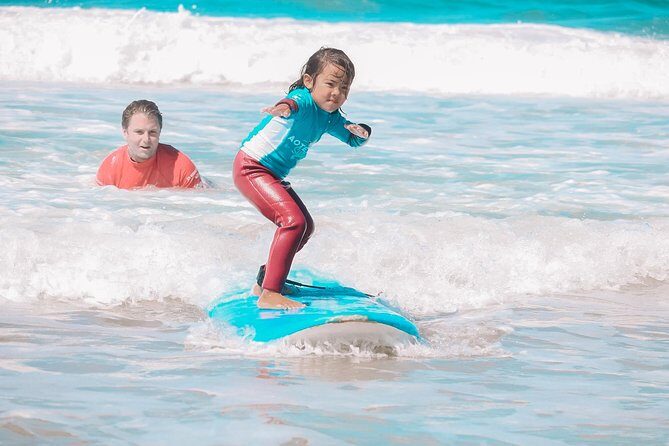
In group lessons, you often get one main coaching moment, then you wait your turn. In a private session, the instructor can adjust the lesson tempo in real time.
For example, if your paddling is fine but your feet placement during the popup is off, the instructor can focus on that without dragging you through a long “retry everything” cycle. If you’re learning from zero, they can keep it simple and repeat the same setup until it clicks.
This is also why kids and teens tend to do well in this kind of format. In one family group, five teenage girls were kept motivated and still learned a lot—no lost attention spans, and no lesson that feels like a lecture. The private, coaching-first style helps because the instructor can spot confusion immediately and respond fast.
And if you’re traveling with multiple people, flexibility matters. One group described having to amend their booking multiple times as their numbers grew (from 9 to 12 to 14). That kind of planning stress is real for vacation days, and it’s helpful when the company is responsive enough to adjust.
What to bring (and what you don’t need to worry about)
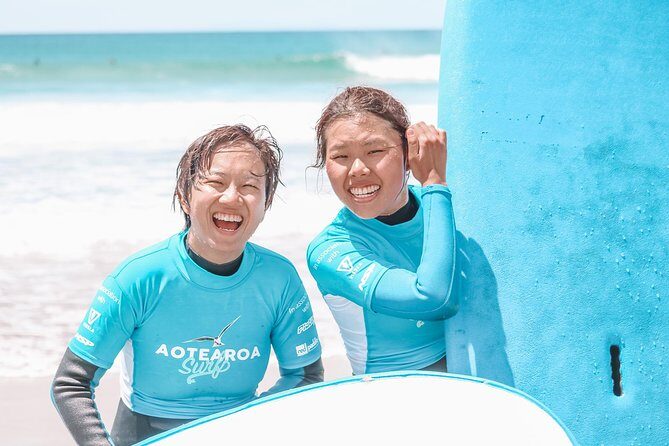
From what’s included, you don’t need to plan for surf rental or wetsuit logistics. You’ll get:
- Surfboard
- Leash
- Wetsuit and rash shirt
- Sunscreen
That means your main job is just showing up ready to learn. You might still want to bring:
- A towel if you like to dry off quickly afterward
- Sunglasses or a hat for before/after water time
- Any personal comfort items you rely on (though the core equipment is covered)
You should also have a moderate physical fitness level. Surf is work, even in smaller waves, because paddling burns calories fast and the popup takes leg and core control. But “moderate” is broad enough that most healthy adults—and many teens—can handle it with the right coaching.
When Auckland weather plays games: planning for good conditions
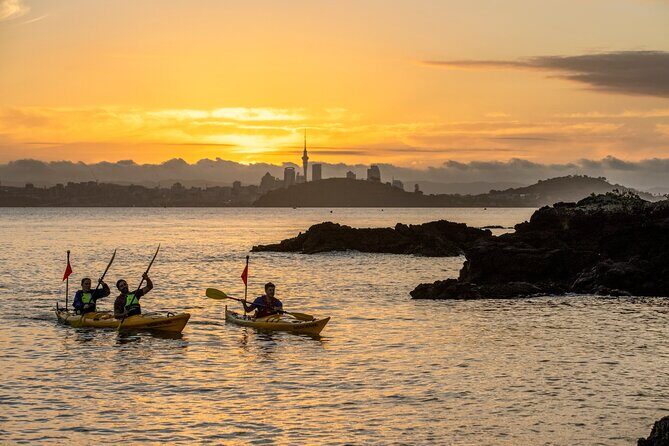
This surf lesson requires good weather. If poor weather causes cancellation, you’ll be offered a different date or a full refund. That policy is important because ocean conditions can change quickly, and surf lessons are only fun when you’re not constantly getting held back by wind, swell, or unsafe water.
That said, you may still see variability in how the day feels. One past experience described an amazing session even during stormy tropical conditions. The lesson can still be a great day when conditions allow enough safety and consistency to teach effectively—but the decision always comes down to what the instructor can do safely on the day.
So my practical advice: have a flexible mindset. If you’re visiting Auckland, it’s smart to schedule this kind of activity with some buffer in your itinerary.
Who should book this private surf lesson in Te Arai
This is a strong fit if:
- You’re a complete beginner and want structured guidance from safety to riding
- You already surf but want someone watching your technique and correcting specific problems
- You’re traveling with family members where each person’s learning speed may differ
- You prefer one-to-one feedback over waiting in a group
It’s also useful if you’re coaching someone new to the water—like a child or a teen—because private tuition gives the instructor room to keep the session comfortable and focused.
If you’re the kind of person who learns best by doing (not watching), this lesson format makes sense. You’ll be in the water for a full session, practicing the sequence rather than just hearing about it.
Should you book? My decision checklist
Book this private surf lesson if you want:
- The fastest path to standing and riding during your first surf day
- Equipment taken care of for you
- A structured lesson that covers safety, paddling, takeoff timing, popup mechanics, and riding
- A coaching style that can adapt to your ability rather than forcing a one-size approach
Don’t book it if:
- You’re not willing to deal with weather variability (good conditions are required)
- You want a long, scenic beach outing rather than a skills-focused session
If you’re on the fence, here’s the simplest way to decide: you’ll get the best value when you treat the session like training, not just entertainment. Arrive ready, listen carefully, and commit to practicing the popup and takeoff rhythm. With that mindset, you’re very likely to leave Te Arai feeling like you learned something real—and not just got knocked around by waves.
FAQ
What is the duration of the surf lesson?
The surf lesson is 2 hours, and the full experience time is about 2 hours 30 minutes.
Where is the meeting point?
You meet at 708 Te Arai Point Road, Te Arai 0975, New Zealand.
Is this lesson private?
Yes. It’s a private activity, and only your group will participate.
Is equipment included?
Yes. You’ll receive a surfboard, leash, wetsuit, and rash shirt.
Do I need to be an experienced surfer?
No. The lesson is suitable for complete beginners, and it can be tailored to your ability.
What skills are you taught during the lesson?
You’ll cover safety, equipment design, positioning, paddling technique, ocean awareness, getting out the back, timing & takeoff, mastering the popup, and riding waves.
Is sunscreen included?
Yes, sunscreen is included.
Are taxes included in the price?
Yes, all taxes, fees, and handling charges are included.
Are souvenir photos included?
No. Souvenir photos of yourself are available to purchase, but they are not included.
What happens if the weather is poor?
This experience requires good weather. If it’s canceled due to poor weather, you’ll be offered a different date or a full refund.
Is there a cancellation deadline for a refund?
You can cancel for a full refund if you cancel at least 24 hours before the experience’s start time. If you cancel less than 24 hours before, the amount paid is not refunded.