REVIEW · MARAHAU
Three Day Classic Kayaking in New Zealand
Book on Viator →Operated by Abel Tasman Kayaks · Bookable on Viator
Seals close enough to count their whiskers. On this three-day classic run in Abel Tasman National Park, you kayak from the Totaranui/Awaroa side down toward Marahau, with the big draw being Tonga Island and Tonga Bay in the marine reserve—prime waters for Kekeno fur seals and blue penguins. I especially like the fact that you’re not left to figure it out: this is a fully outfitted, guided trip with food handled, including that calm, beachside lunch break. One consideration: this is real sea time, so weather and conditions matter, and the operator may adjust plans if safety requires it.
What makes the experience feel different is the pacing and setting. You get day after day of rugged coastline, beaches, lagoons, islands, and even Maori pa sites, then you settle in overnight with camp time that includes stargazing—people talk about the Milky Way here for a reason—plus sleep to waves and wake to bird song. You’ll also be in a group capped at 100, and guides have a reputation for keeping things moving without rushing.
In This Review
- Key highlights that make this classic kayaking trip worth it
- Where you’re kayaking: Abel Tasman’s coastline, end to end
- Tonga Island is the wildlife magnet (and why kayaking helps)
- Three days on the water: what your route day feels like
- Day one: getting into the groove near Abel Tasman
- Day two: Tonga Island and Tonga Bay in focus
- Day three: paddling out toward Marahau with the park still unfolding
- Camping with real comfort built in: waves, bird song, and Milky Way nights
- Food on the trip: why included meals matter more than you think
- Guides, safety, and why tides make the difference
- Price and value: what you’re really paying for
- Who this trip is best for (and who might want a different style)
- Before you book: simple prep that helps your trip go smoother
- Should you book this Three Day Classic kayaking adventure?
- FAQ
- Where does this activity start and end?
- How long is the kayaking trip?
- What’s the price per person?
- What food is included?
- Is return transport from Nelson or Motueka included?
- What wildlife should I look for?
- How far in advance should I book?
- What happens after I book?
- What if the weather is poor?
- Can someone travel with a service animal?
Key highlights that make this classic kayaking trip worth it
- Tonga Island and Tonga Bay marine reserve kayaking: a wildlife-focused day with fur seals and blue penguins.
- Full catering for 3 days: breakfast, lunch, dinner, and snacks, with dietary requirements supported.
- North-to-south Abel Tasman route: the northern stretch is often quieter, so the feel is more private.
- Camping that leans scenic, not stressful: night skies, wave sounds, and bird song are part of the deal.
- Guides who manage tides and group flow: you get instruction and safety support so you can focus on paddling and wildlife.
Where you’re kayaking: Abel Tasman’s coastline, end to end
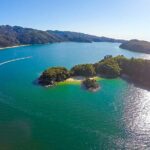
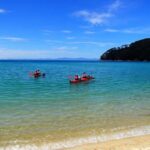
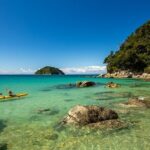
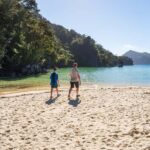
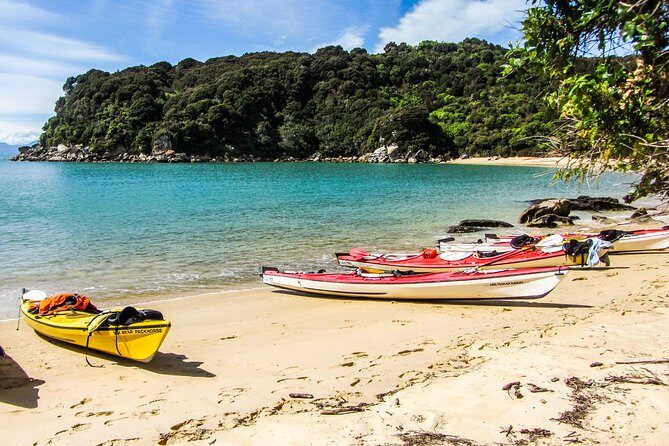
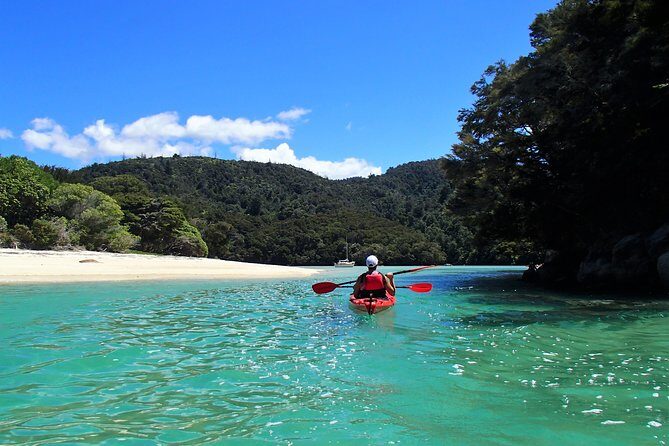
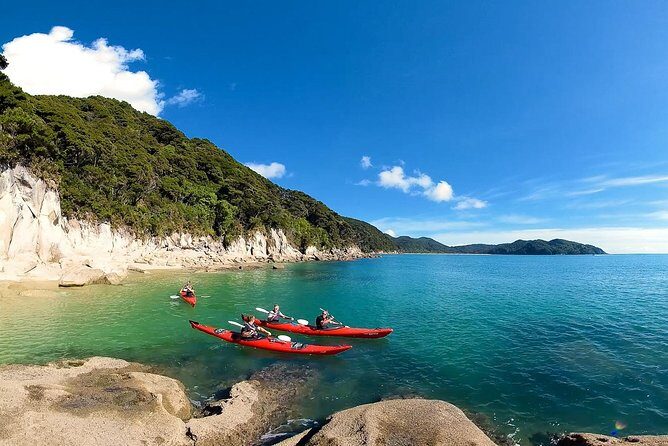
This trip is all about Abel Tasman National Park’s classic coastline look: golden sand, rugged rock, and those mix-and-match stretches of water and forest that make the park so famous. The route you paddle follows the iconic north-to-south sweep—from Totaranui/Awaroa down toward Marahau—so you’re not doing laps in one small area. Instead, you’re traveling along the coast with enough variety that it stays interesting day after day.
Even though it’s a “classic” itinerary, it’s not the kind of sightseeing where you’re herded from one stop to another. The operator builds in time for you to actually enjoy beaches and explore small coastal features—things like lagoons and islands—rather than just zip past them. If you like travel that feels like you’re part of the environment, this style fits.
A few more Marahau tours and experiences worth a look

Tonga Island is the wildlife magnet (and why kayaking helps)
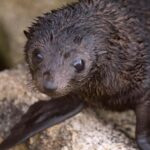
The star of the show is Tonga Island, part of a marine reserve along the Abel Tasman coast. This is where the seals live in big numbers—Kekeno fur seals, to be exact. When you’re out by kayak, you’re not just looking at them from shore at a distance. You’re moving through their water world, which changes what you notice: behavior, timing, and how seals use the coastline.
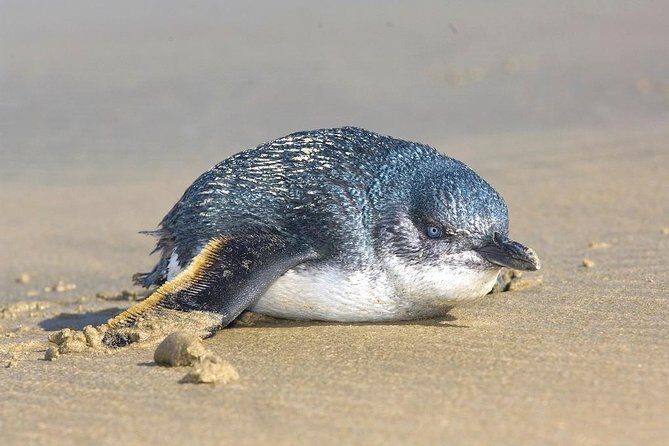
You’ll also be on the lookout for blue penguins. They’re not something you can guarantee on any single day (wildlife is wildlife), but Tonga Island and the surrounding waters are a strong target area. What I like about this setup is that the trip doesn’t feel like a forced “wildlife checklist.” It’s more like you’re learning how this ecosystem works as you paddle—then the animals show up as part of your day.
Tonga Bay also matters because it’s a calmer counterpoint to the rugged shoreline. That’s where the kayaking and beach breaks can feel especially satisfying. In practical terms, it makes the trip feel balanced: wildlife time, then coastline time, then a meal that actually lands in the right place.
Three days on the water: what your route day feels like
You’re signing up for multi-day sea kayaking with camping built in. That means you’re thinking in blocks: paddle, stop, explore, eat, rest, repeat. The “classic” format here is designed to keep you in a steady rhythm with a guide managing the plan and safety.
Day one: getting into the groove near Abel Tasman
Your day starts around an 8:15 am launch schedule from the meeting point at 273 Sandy Bay–Mārahau Road, Mārahau 7197. From there, you’ll be guided as you settle into the paddling pace. The trip is aimed at being fully catered, which matters on day one because you won’t spend your energy on figuring out gear or food. You’ll spend that energy doing what you came for: getting comfortable in the kayak and learning how the coastline reads from the water.
Day one also tends to be a good chance to build your confidence. The operator emphasizes the northern section’s quieter feel—seldom visited compared with the more famous hotspots—so you can ease into the experience without constant crowds.
Day two: Tonga Island and Tonga Bay in focus
If you want the biggest wildlife day, plan your expectations for the Tonga Island/Tonga Bay focus. This is the day described as spending an entire stretch exploring the rugged coastline and beautiful beaches in the Tonga area.
What you can reasonably expect here:
- Paddling along a rocky, seal-and-bird coast
- Stops that let you step onto beaches and take your time
- Learning moments about the local ecosystems
- A lunch break that’s specifically set up as beachside, with ocean views
This is also where group energy usually peaks. When the seals are active and penguins decide to show themselves, everything feels sharper: you notice small movements, you watch tides and wind angles more closely, and you start feeling like you’re part of the place rather than just touring through it.
A few more Marahau tours and experiences worth a look
Day three: paddling out toward Marahau with the park still unfolding
By the end of the trip, you’re heading toward Marahau, where the experience finishes back at the meeting point. The third day often feels like a “best of” mix, because you’ve already learned what the coast looks like from your earlier paddling days, so your brain recognizes patterns faster: where beaches feel protected, where birds seem to hover, and how the coastline changes as you move.
The trip’s design—north-to-south—means you’re not repeating the same scenery. That helps the last day stay satisfying instead of fading into “just get us back.”
Camping with real comfort built in: waves, bird song, and Milky Way nights
One of the most appealing parts of this classic format is that you can go from paddling to sleeping without a mountain of planning. The trip is fully catered, and you’re not meant to be problem-solving camp logistics while also tired from kayaking.
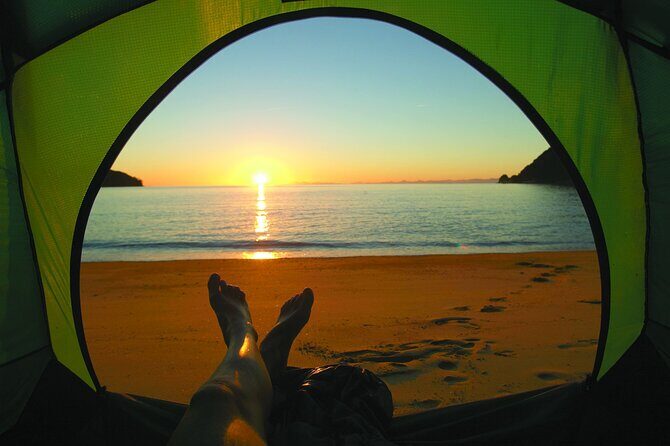
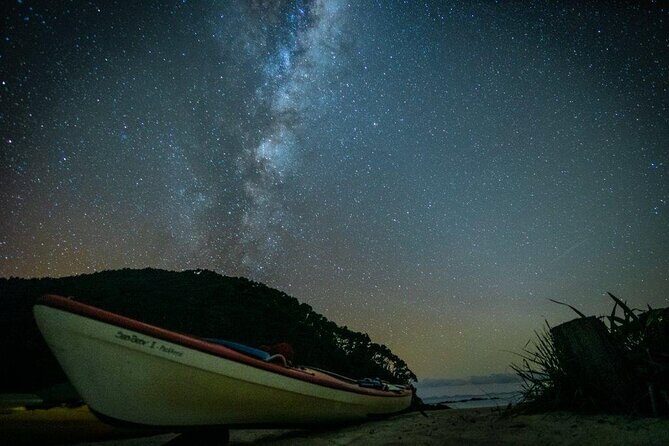
The operator also leans into what makes Abel Tasman special after dark. They highlight the Milky Way as truly amazing in the park, and they describe the experience of drifting off to sleep listening to the waves, then waking to bird song. That’s not just poetic marketing. It’s the payoff for being out there for days instead of hours.
Practically, this kind of overnight stay changes how you remember the trip. The coastline isn’t only something you look at during daylight stops—it becomes sound, rhythm, and sky. If you’ve ever done day trips and felt like you missed the “evening version” of a place, this fixes that.
Food on the trip: why included meals matter more than you think
Food is included every day: breakfast, lunch, dinner, plus snacks. That’s a big value piece because it removes the two biggest pain points on outdoor tours—unexpected hunger and last-minute planning.
What I like most is that dietary needs are catered for. The trip explicitly says dietary requirements are handled for breakfast, lunch, dinner, and snacks. In other words, this isn’t a vague promise. It’s part of how the trip runs.
From a traveler’s point of view, meal support also affects your paddling quality. If you don’t have to hunt for food or guess at what you can eat, you can keep your energy steady and your mood calm. And because lunch is described as a stop that lets you enjoy your meal looking out over the ocean, it’s not just fuel—it’s a real break.
Guides, safety, and why tides make the difference
This kayaking tour is guided, and the operator talks directly about safety responsibilities. You get the necessary information, training, and safety equipment to participate, and you’re expected to listen to directions and make responsible decisions while out on the water.
They also point out serious health and safety risks that can come with outdoor water activities, including sea sickness, heat stroke, hypothermia, drowning, and property damage. The key point for you: take instruction seriously, don’t push through discomfort, and treat changing conditions as part of the experience rather than an inconvenience.
Guides have a reputation for managing the group flow well. In particular, names like Mitchell and Awatea come up as guides who keep the trip running smoothly and professionally. Other guide names such as Whitney, Lou, Darryl, and Louisa are associated with a calm, attentive style—caring for families, checking in on needs, and sharing wildlife and history as you go.
Tides and timing matter in Abel Tasman. Even without getting technical, you can feel it: the water changes how the coast sits, and that affects where you can paddle comfortably and how your stops feel. A good guide turns that variable into something you notice in a fun way, not something that stresses you out.
Price and value: what you’re really paying for
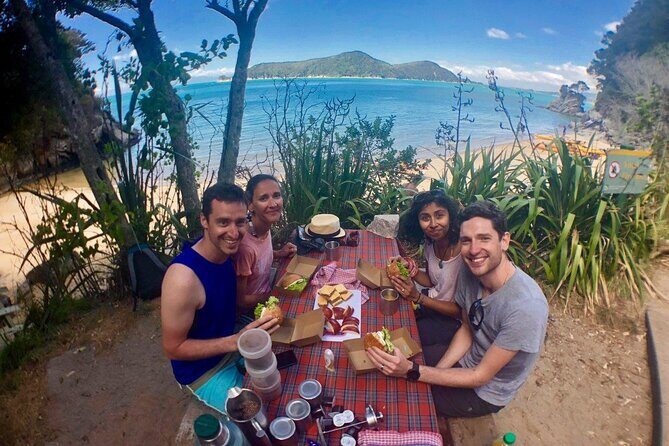
The price is $744.07 per person for about 3 days. That’s not a low number, but it’s also not just “a kayak rental.” You’re paying for a full, guided overnight adventure in a national park setting, including:
- Guided kayaking time
- Full catering (breakfast, lunch, dinner, snacks)
- A fully outfitted experience
- Safety support, plus planning around conditions
Return transport from Nelson/Motueka is not included. That’s one of the few clear cost add-ons you’ll need to handle separately. Pickup and transfers from Nelson or Motueka are mentioned as hassle-free, which helps—because you still want part of the trip to feel easy.
Another value clue: on average, this itinerary is booked about 58 days in advance. That tells me the dates can fill, especially during busy summer periods. If you’re set on a specific travel window, I’d plan to lock it in early rather than waiting for the last minute.
Who this trip is best for (and who might want a different style)
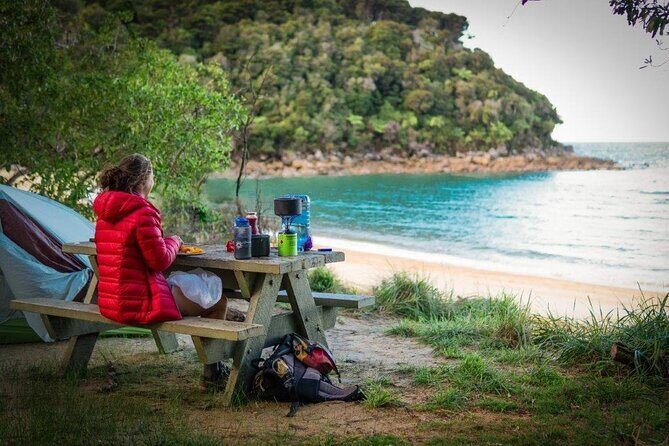
This classic three-day kayaking/camping trip works well if you want:
- The park experience at a slower, more hands-on pace
- Wildlife time that feels connected to the ecosystem, not just a distant photo
- Included meals so your energy stays where it should
- Overnight sky time and a quieter feel than day-only schedules
It also suits families, based on how the trip describes being fully catered and how guide styles are noted for caring attention. If someone in your group has a dietary requirement (including coeliac mentioned in the experience context), the tour’s stated catering approach is a strong reason to consider it.
You might think twice if:
- You strongly dislike being out in changing weather and real water conditions
- You’d prefer minimal paddling and more time on shore only
- You’re looking for a super short outing (this is three days)
Before you book: simple prep that helps your trip go smoother
You don’t need to become a sea-kayaking expert to do this, but you should show up ready to follow instructions and handle basic outdoor comfort challenges. Here’s what I’d do:
- Plan for the possibility of weather-related changes. The operator requires good weather and may adjust if safety requires it.
- Be honest about your comfort in open water. Sea sickness and temperature changes are explicitly noted as risks.
- Think through dietary needs early. The trip states dietary requirements can be catered for across all meals.
Also note it’s capped at a max of 100 travelers, which usually helps keep the experience from turning into chaos.
Should you book this Three Day Classic kayaking adventure?
If your idea of a great trip is kayaking in a national park that actually feels like you’re living there for a few days, this one is a strong match. The mix of Tonga Island wildlife time, included meals, and overnight camping with proper sky time is a rare combo. You’re not just paying to see a place—you’re getting the sounds, the schedule, and the coastline rhythm that make Abel Tasman memorable.
Book this if you want a structured outdoor adventure without the hassle of figuring out food and camp. Skip it if you need everything to be predictable and low-weather-risk, or if three days of paddling and sea time sounds like too much.
If you do decide to go, try to choose a date when you’re comfortable being flexible. The payoff comes from being there when the coastline and marine reserve life are at their best.
FAQ
Where does this activity start and end?
It starts at 273 Sandy Bay–Mārahau Road, Mārahau 7197, New Zealand, at 8:15 am. The activity ends back at the meeting point.
How long is the kayaking trip?
The duration is listed as 3 days (approximately).
What’s the price per person?
The price is $744.07 per person.
What food is included?
Breakfast, lunch, dinner, and snacks are included. Dietary requirements are catered for.
Is return transport from Nelson or Motueka included?
Return transport from Nelson/Motueka is not included in the trip price. You’ll need to book it separately. Pickup and transfers from Nelson or Motueka are described as hassle-free.
What wildlife should I look for?
The marine reserve of Tonga Island is known for large populations of Kekeno (New Zealand fur seals). The trip also notes chances to look out for blue penguins.
How far in advance should I book?
On average, this tour is booked 58 days in advance, so booking ahead is a smart move.
What happens after I book?
Confirmation is received within 48 hours of booking, subject to availability. The tour uses a mobile ticket.
What if the weather is poor?
This experience requires good weather. If it’s canceled due to poor weather, you’ll be offered a different date or a full refund.
Can someone travel with a service animal?
Service animals are allowed.