REVIEW · ROTORUA
One Day Birding Adventure
Book on Viator →Operated by Foris Eco Tours · Bookable on Viator
Birds in New Zealand can feel like a scavenger hunt.
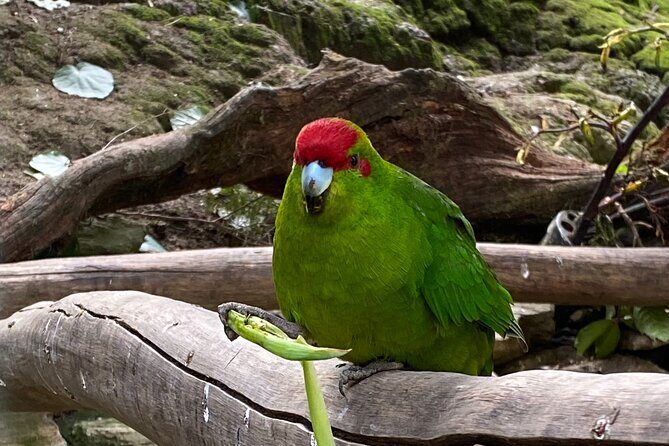
This one-day adventure takes you through Whirinaki Forest and across birding areas around the Bay of Plenty, using a spotting scope and binoculars to help you spot species in their natural settings. You’ll be guided by a local conservation-minded expert who helps you identify what you’re actually seeing, from miromiro (tomtits) to yellow-crowned kakariki.
Two things I really like: the small group size (max 4) that makes it easier to ask questions and keep your eyes on the right spots, and the fact that lunch is included so you don’t turn the day into a hangry bird-watching sprint. One possible drawback: you’ll want a moderate fitness level, since you’re out for about seven hours moving between forest, wetland, and shore viewing areas.
In This Review
- Key takeaways before you go
- Why Whirinaki Forest Changes a Rotorua Birding Day
- Small-Group Comfort With Foris Eco Tours (and Why It Matters)
- Binoculars, Spotting Scopes, and How You’ll Actually Find Birds
- From Forest to Wetlands and Shore Sites Around the Bay of Plenty
- Stop 1: Foris Eco Tours
- Forest time: where endemic birds feed and call
- Wetlands: different birds, different rhythm
- Shore sites: where edge habitats pay off
- The biggest practical point
- Lunch Included: Staying Sharp for a Full 7 Hours
- What You Get for $309.67: Value in Expert Time and Park Fees
- The Guide Factor: Why Tom’s Birding Style Feels Different
- Who This Birding Day Trip Is For (and Who Might Want Something Else)
- Booking Timing, Confirmation, and Tour Setup (What to Know Up Front)
- Should You Book This Rotorua Birding Adventure?
- FAQ
- What time does the birding tour start?
- How long is the One Day Birding Adventure?
- Where do you pick up and drop off in the Rotorua and Tauranga area?
- How many people are on the tour?
- Is lunch included, and can you get a vegetarian option?
- Do you provide binoculars and spotting equipment?
- What birds or species can you expect to identify?
- Is the tour refundable if plans change?
Key takeaways before you go
- Max 4 people means more attention on what’s in front of you, not just the group’s speed.
- Binoculars and a spotting scope are provided, so you can actually use the gear to pick out birds.
- Whirinaki Forest plus Bay of Plenty sites gives you more chances by covering forest, wetlands, and shore edges.
- Lunch included helps you stay focused through a full morning-to-afternoon birding block.
- Foris Eco Tours runs it with park fees included, so fewer surprises once you’re on the day.
- Tom’s inside knowledge shows up in how the guide explains what to look for and why it’s there.
Why Whirinaki Forest Changes a Rotorua Birding Day
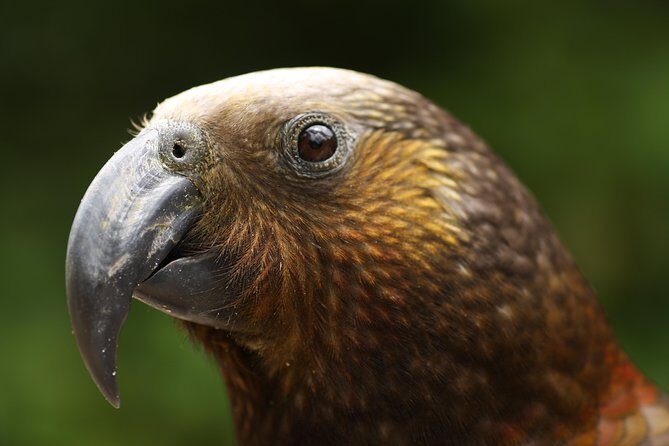
Rotorua is great for scenery, but the real reason this day trip feels special is the mix of habitat you get in one outing. You’re targeting endemic birds, and that works best when you’re in places they actually use: forest for songbirds, wetlands for different feeders, and shore areas where other species hunt along the edge.
Whirinaki Forest is the headline because it’s exactly the kind of setting where small differences matter. A slight shift in light, a particular patch of understory, or the way birds move through cover can all change what you spot. This tour is built around that reality, not around rushing from one photo stop to the next.
A few more Rotorua tours and experiences worth a look
Small-Group Comfort With Foris Eco Tours (and Why It Matters)
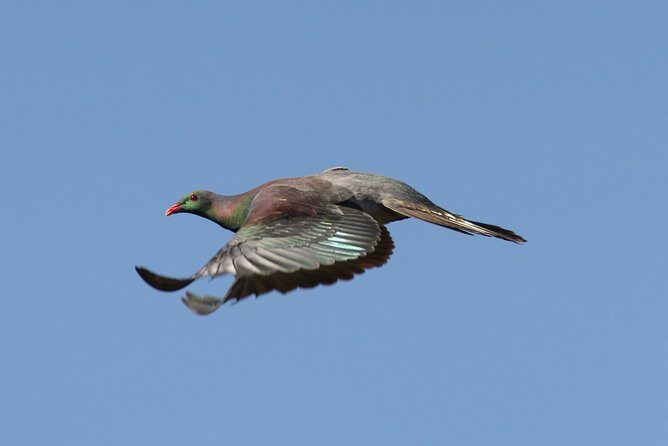
This isn’t a giant bus-and-blob situation. You’re capped at 4 travelers, and that single detail affects everything: you can reposition when birds appear, you can ask follow-up questions without waiting, and you’re less likely to lose the group when something calls from a tree line.
You’ll also get hotel pickup and drop-off from selected hotels in Tauranga or Rotorua. That’s a real convenience when you’re trying to start at 9:00 am and stay with the day’s rhythm. Birding rewards timing, and starting on time means you’re more likely to catch birds as activity builds.
Also, you’re not stuck renting your own gear. You’ll have binoculars and access to a spotting scope, which matters because the scope is where “I think that’s a bird” turns into “I can confirm what it is.”
Binoculars, Spotting Scopes, and How You’ll Actually Find Birds
New Zealand birding can feel tricky at first. A lot of birds are small, quick, and partly hidden, and you’re often trying to identify movement more than a full view. That’s why having the right tools plus an expert guide is the winning combo.
Here’s what the guide help likely looks like in practice: you’ll learn how to scan efficiently, how to track motion without losing the bird, and how to use the spotting scope once you have a target. You’re not just wandering with binoculars. You’re learning how to work them.
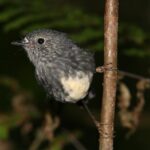
And since the tour explicitly focuses on identifying birds in their natural habitat, you’ll get help connecting what you see with real IDs. The day’s species examples include miromiro (tomtits) and yellow-crowned kakariki. Even if you only confirm a couple of species, the learning curve is the point. You come away with better “field instincts” for the next time you’re looking.
From Forest to Wetlands and Shore Sites Around the Bay of Plenty
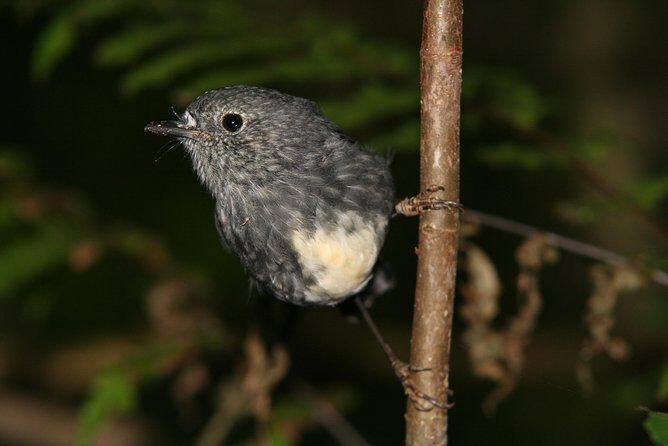
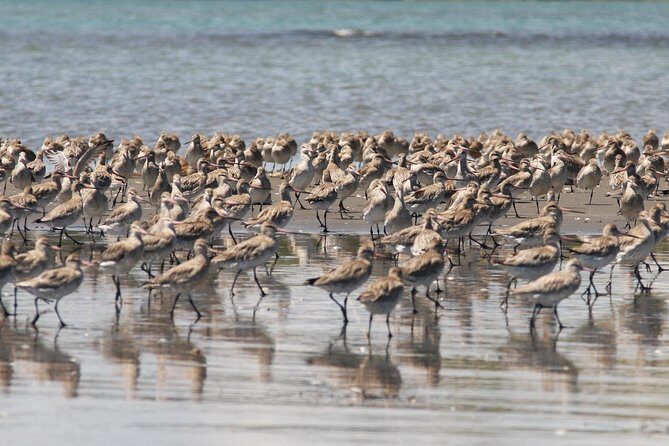
The day is structured around habitat types, which is a smarter way to bird than aiming for one location and hoping. The tour explores forest, wetland, and shorebird sites around the Bay of Plenty, so you’re matching bird behavior to the landscape.
Stop 1: Foris Eco Tours
Your start time is 9:00 am, with the morning beginning at Foris Eco-tours. This is where the day kicks off and you get oriented. It’s also the moment to get your birding basics lined up: how to handle the binoculars, when to switch to the scope, and what the guide will be watching for next.




Forest time: where endemic birds feed and call
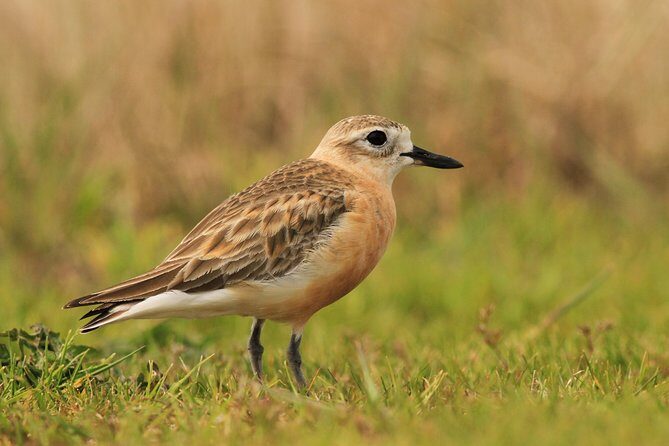
In forest settings, birds often stay in cover. You might notice calls first, then movements that you only partially see. Forest birding is rewarding because birds can be active even when you don’t have a full view. The upside is that forest habitats often bring songbird-style action. The downside is that it can be darker and more visually busy, so you’ll rely more on the guide’s scanning technique.
Wetlands: different birds, different rhythm
Wetlands tend to change the “bird tempo.” You’ll likely see birds that move along edges and seek food in open or semi-open ground. Compared with forest, wetlands can feel easier for spotting because there’s more open sight. The trade-off is that conditions like light and weather can affect visibility, so you’ll want to stay adaptable and keep listening as much as looking.
Shore sites: where edge habitats pay off
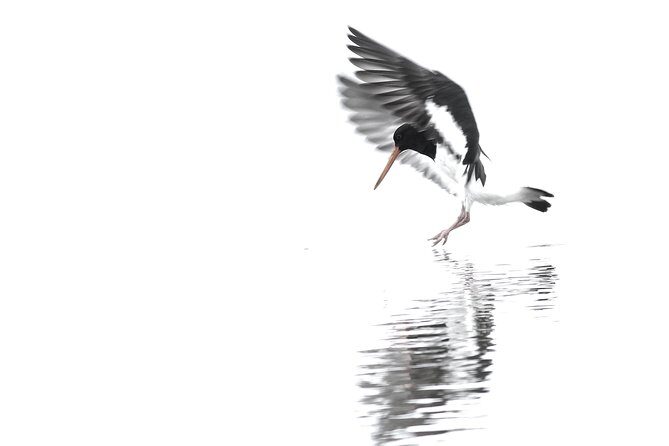
Shore areas bring another set of strategies. Birds often work the margins—where land meets water—so patience helps. You might spot a bird farther out than you expect, which again is where the spotting scope earns its keep. The challenge with shore sites is distance and glare, so you’ll do better if you’re ready to adjust your angle and keep scanning in a steady pattern.
The biggest practical point
Don’t expect every moment to be a clear, close-up win. This tour is designed to maximize odds by giving you multiple habitat shots during one day. That approach is better than betting the whole day on one species at one spot.
Lunch Included: Staying Sharp for a Full 7 Hours
A seven-hour tour can be long if you’re hungry. The fact that lunch is included helps you keep your energy up through the day’s prime birding windows. Birding is not a sit-and-sip activity; your focus matters, and fatigue makes you miss the small stuff.
Because you’re moving between forest, wetland, and shorebird areas, you’ll also appreciate that lunch is part of the structure. It reduces decision fatigue—no frantic searching for food halfway through a good birding run.
Vegetarian options are available if you tell the operator when booking, so you won’t have to improvise.
What You Get for $309.67: Value in Expert Time and Park Fees
Let’s talk money. At $309.67 per person for about 7 hours, it’s not a budget outing. But the price starts looking more reasonable when you break it down into what’s included:
- National park fees are included
- Lunch is included
- A driver/guide and transport by private vehicle are included
- Hotel pickup and drop-off are included for selected hotels
- Binoculars and a spotting scope are part of the experience
You’re paying for a full day of guided birding with gear and access costs handled. A solo birding day can add up fast if you factor in vehicle time, park entry, and renting equipment (not to mention the cost of not knowing where the best viewing chances are).
One more value signal: this tour is typically booked well in advance (it’s been booked on average 163 days ahead). That suggests demand and limited availability. If you wait too long around popular seasons, you may end up with fewer options.
The Guide Factor: Why Tom’s Birding Style Feels Different
The strongest praise from past participants centers on the guide’s ability to teach, not just lead. The name Tom comes up for his inside knowledge and skill at helping you learn what you’re seeing. That matters because birding isn’t just spotting; it’s understanding.
A good guide helps you avoid the most common traps:
- confusing similar species
- missing birds you’re looking past
- misunderstanding calls versus visual movement
With Tom’s approach, you’re not stuck with random bird guesses. You’re building real identification confidence. And that turns a good day into a useful one, even if birding hands you fewer sightings than you hoped.
Also, the tour is conservation-minded. That changes how you experience the landscape: you’ll focus on behavior and habitat, not just ticking off names.
Who This Birding Day Trip Is For (and Who Might Want Something Else)
This tour fits best if you want guided birding with practical instruction and you’re happy spending a full day outdoors.
You’ll likely enjoy it if:
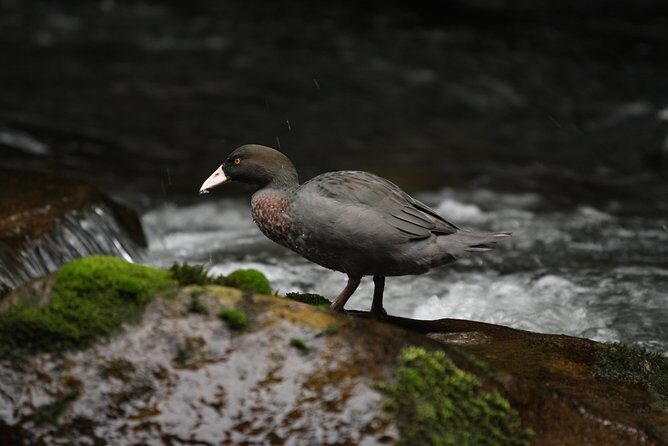
- you’re curious about endemic New Zealand birds
- you want expert help using binoculars and a spotting scope
- you prefer a small-group pace and personalized attention
- you’re starting from Rotorua or Tauranga and want pickup handled
You might choose differently if:
- you’re expecting a short, low-movement walk where everything stays right in front of you
- you want a purely scenic tour with birds as a bonus (this is bird-focused)
- you’re not comfortable with about moderate physical fitness for a seven-hour day outdoors
One logistical note: the tour has minimum age 18 and a maximum of 4 travelers, so it’s adult-focused and intimate by design.
Booking Timing, Confirmation, and Tour Setup (What to Know Up Front)
You start at 9:00 am and you’ll be done after about 7 hours. You’ll receive confirmation within 48 hours of booking, subject to availability. It’s a mobile ticket experience, which keeps things simple on the day.
The operator also requires at least 2 people per booking. And the tour includes selected hotel pickup, which means you’ll want to double-check that your accommodation area is covered when you book.
If you want the best chance at your preferred date, I’d treat it like a popular activity and plan ahead. With that average booking lead time, spots can tighten.
Should You Book This Rotorua Birding Adventure?
If your goal is to see New Zealand birds in real habitat and leave with a better understanding of what you’re spotting, I think it’s an easy yes. The combination of Whirinaki Forest, broader Bay of Plenty habitats, and expert guidance from Tom gives you both opportunity and learning.
It’s also a strong pick for value if you’d otherwise have to manage your own transport, park access, and equipment. Paying for one guided day that includes park fees, lunch, transport, and birding gear is the kind of practical trade-off that works on an island holiday.
Only book if you’re comfortable with a full outdoor day and a moderate fitness level. If you’re set on strolling, this won’t be the format you want.
FAQ
What time does the birding tour start?
The tour starts at 9:00 am.
How long is the One Day Birding Adventure?
It runs for about 7 hours.
Where do you pick up and drop off in the Rotorua and Tauranga area?
Pickup and drop-off are available from selected hotels in Tauranga or Rotorua.
How many people are on the tour?
The group is capped at a maximum of 4 travelers.
Is lunch included, and can you get a vegetarian option?
Lunch is included, and a vegetarian option is available if you advise at booking.
Do you provide binoculars and spotting equipment?
Yes. You’ll be provided binoculars, and a spotting scope is used to improve your chances of spotting birds.
What birds or species can you expect to identify?
The tour focuses on New Zealand endemic birds, with examples including miromiro (tomtits) and yellow-crowned kakariki (parakeets).
Is the tour refundable if plans change?
Yes, you can cancel for free up to 24 hours before the experience’s start time for a full refund.