REVIEW · AKAROA
Akaroa: 4WD Safari and Guided Sea-Kayaking Experience
Book on GetYourGuide →Operated by Pohatu Penguins and Sea Kayaking · Bookable on GetYourGuide
Flea Bay feels like an ocean secret. I love the 4WD safari that rides you to the Pohatu area with big cliff views, and you get your wildlife viewing from the comfort of double kayaks on calm-enough days. The main consideration is that paddling safety depends on sea conditions, so the guide may change plans if conditions don’t cooperate.
This is a 270-minute outing from Akaroa with an experienced kayak guide, live commentary, and all the wet-weather gear (life jackets, dry jackets, and dry bags). You choose an early morning or scenic afternoon departure, with the afternoon option adding photo stops along the drive and returning late enough that you’ll want dinner planned ahead.
In This Review
- Key highlights worth your attention
- Akaroa 4WD to Pohatu: the ride that sets the tone
- Gear and safety: how this stays fun without getting risky
- Entering Pohatu Marine Reserve: cliffs, caves, and “this is why we came”
- Wildlife viewing you can actually understand
- How the morning and afternoon options change your day
- What $80 gets you, and where you’ll spend extra
- What to bring and what to wear (so you stay comfortable)
- Who this tour fits best (and who should skip it)
- Should you book this Pohatu 4WD and sea-kayaking safari?
- FAQ
- FAQ
- Where is the meeting point?
- Do I need kayaking experience?
- How long will I be on the water?
- What wildlife might I see at Pohatu?
- Is food or drink included?
- Is gear provided?
- How old do children need to be?
- What should I wear or bring for kayaking?
Key highlights worth your attention
- Crater-rim 4WD ride to Pohatu Flea Bay for photo-worthy coastline and volcanic scenery
- All gear provided so you can focus on paddling and wildlife, not shopping for kit
- Sea cliffs, reefs, and deep sea caves around Pohatu Marine Reserve
- Flea Bay Island and an island arch reachable only when conditions are settled
- Wildlife with real context, including penguins, seals, seabirds, and the chance of dolphins
- Guides like Ben, Kevin, Duncan, and Vila show up repeatedly in the experience with strong conservation talk and careful safety
Akaroa 4WD to Pohatu: the ride that sets the tone
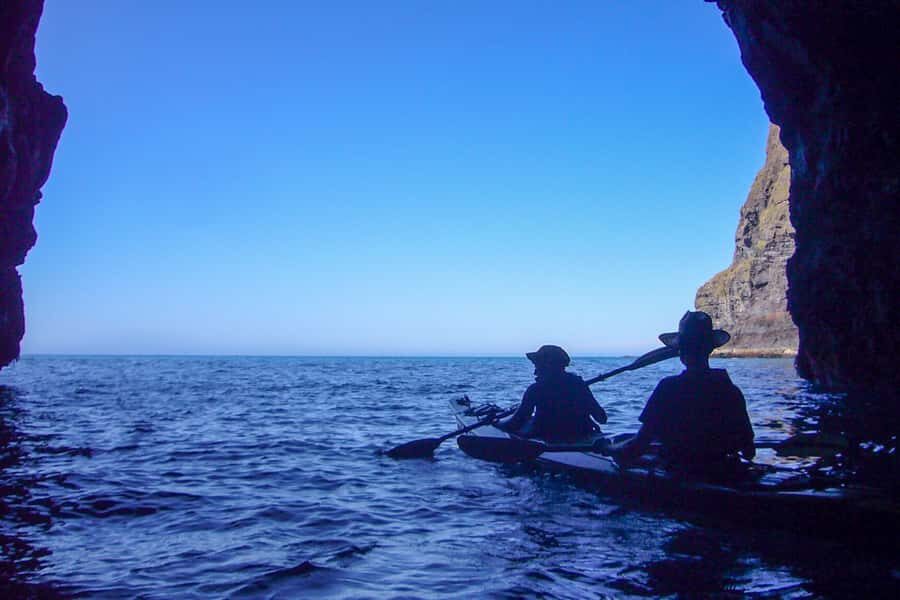
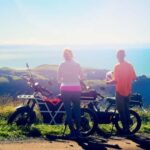
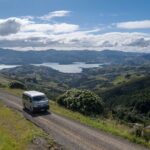
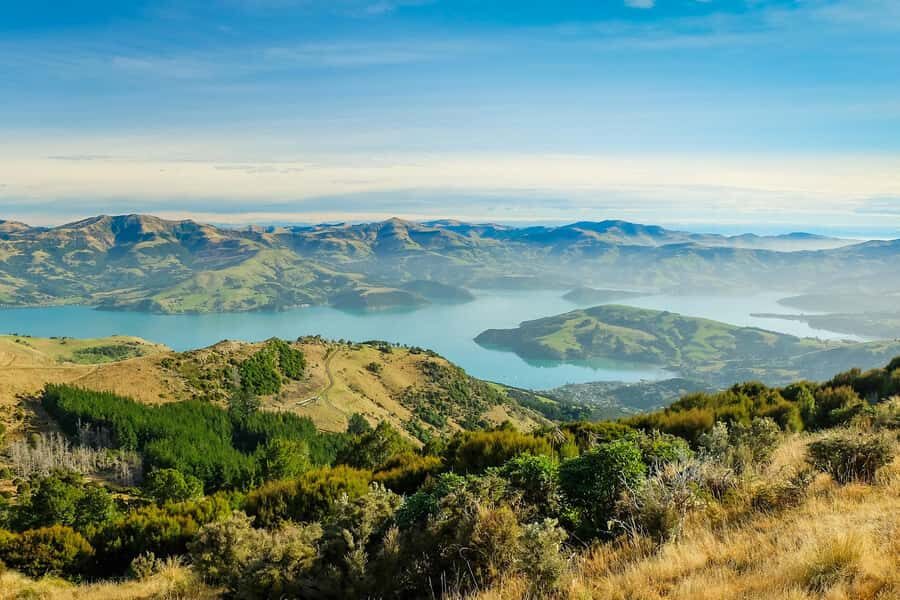
You start in Akaroa and meet before St Peter’s Church. Then you head out by 4WD minivan, crossing over the crater rim area of the Akaroa volcano as you make your way toward Pohatu Flea Bay. This isn’t just transport. It’s part of the experience, because you’re already reading the coastline like a local—where the cliffs cut deep, where reefs sit, and how exposed this stretch can be.
On the afternoon departure, you also get photo stops along the way. If you’re the type who likes to slow down and take a few extra shots, that extra roadside time is a real plus, because the scenery changes fast as you move around the peninsula.
Even if you’re not a “scenery first” traveler, I think this section matters. By the time you reach the water, you’ll understand what you’re looking at, and you’ll spot wildlife signs more easily once you’re paddling.
You can also read our reviews of more guided tours in Akaroa
Gear and safety: how this stays fun without getting risky
The nice part for first-timers: you don’t need prior kayaking experience. The trip is run in settled, safe conditions when conditions allow, and the guide runs things with safety as the priority.
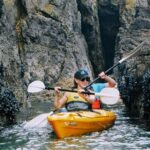
What makes it feel workable is that you’re given the full setup. You wear a life jacket, get a dry jacket, use a spray deck, and keep your valuables dry in a dry bag. That matters because sea kayaking can mean spray (and sometimes more), and you don’t want to spend the day worrying about whether your phone will survive.
Then there’s the human factor: the guide makes the final call on whether it’s safe for you (and for kids) to kayak. That’s not a small detail. One review notes a windy day where the guide was very aware of conditions and ensured the experience was still worthwhile—exactly what you want from someone who takes responsibility seriously.
Practical tip from me: bring a towel and change of clothes, even if you expect calm water. In a double kayak, a little splash can still leave you cold, and warm you up again fast—no drama required.
Entering Pohatu Marine Reserve: cliffs, caves, and “this is why we came”
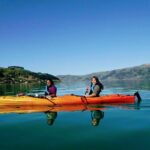
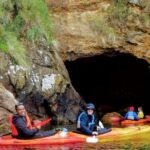
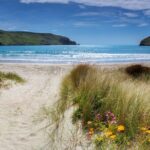
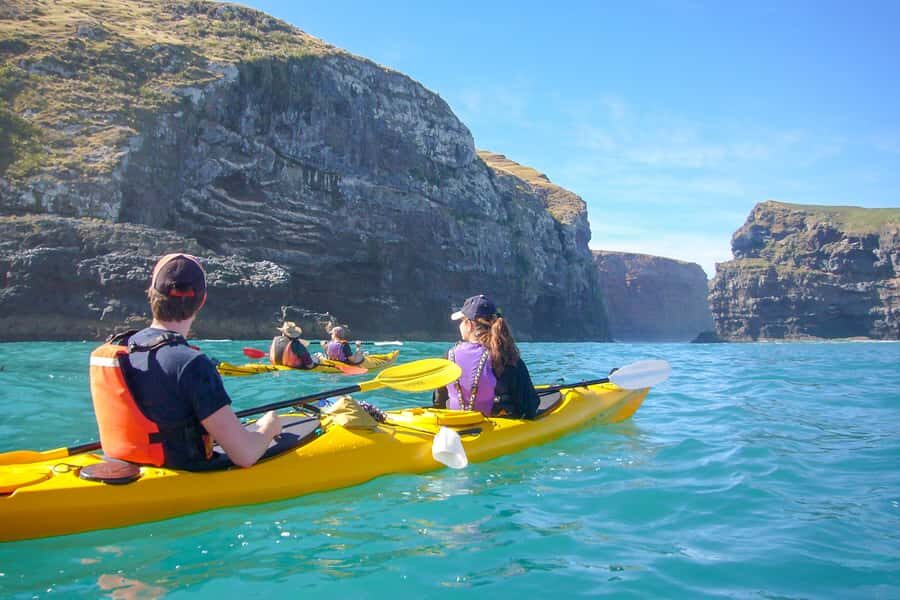
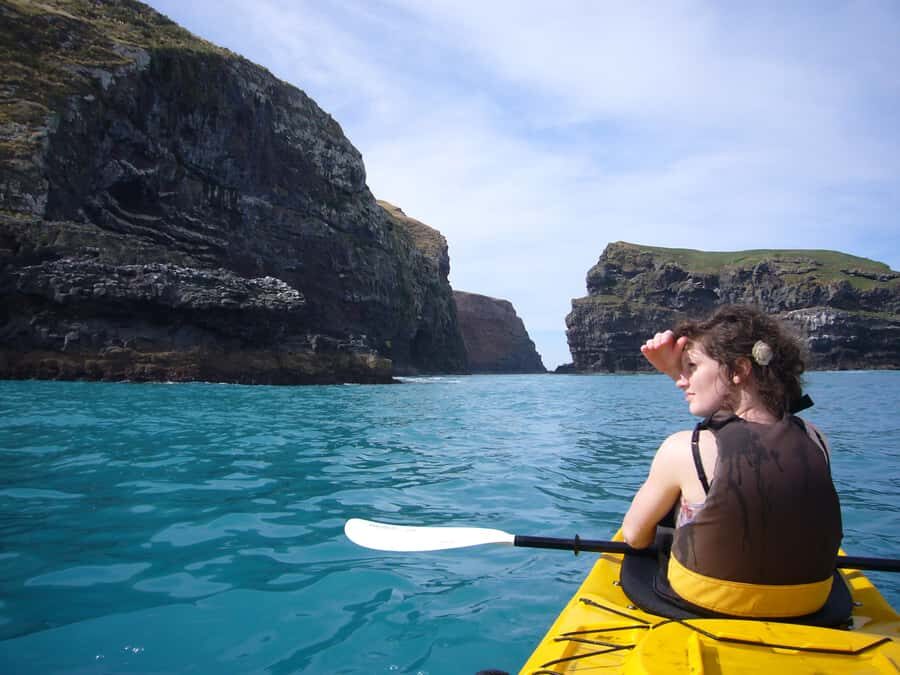
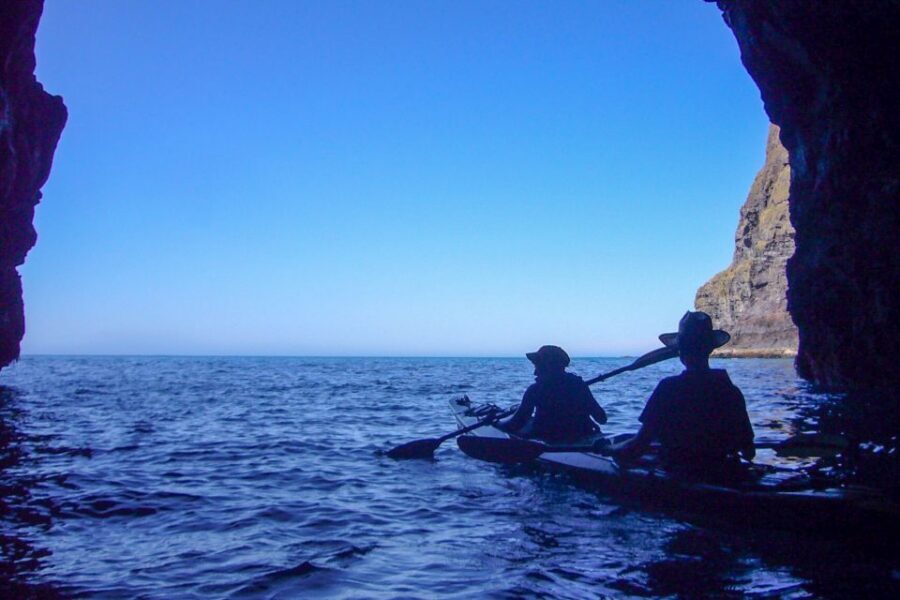
Once you’re kitted up, you head out to explore the outer coast of Pohatu Marine Reserve. The scenery here is the main character: towering sea cliffs, rock stacks, reefs, and deep sea caves. On a calmer day, you may even get the kind of sea-cave moment that feels like you’ve been let into a secret passage carved by the ocean.
Pohatu Flea Bay is also where Flea Bay Island and an island arch can be reached—again, only when the sea conditions are settled. That’s one reason this trip is so satisfying: you don’t just “kayak somewhere.” You kayak to specific coastal features, and you learn what shapes them.
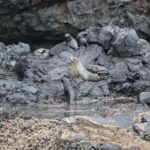
You’ll be on the water about 1 to 1.5 hours, depending on conditions and what you spot. Wildlife spotting changes the pace, and that’s part of the deal. When there are fur seals hauled out or penguins moving along the rocks, slowing down is what makes it feel special instead of rushed.
Wildlife viewing you can actually understand
Wildlife is the headline, but the smarter part is how you see it. From the kayak, you’re positioned for natural behavior—not just a quick glance from a distance.
Here’s what the experience can include:
- Penguins (including the chance of seeing them on rocks)
- Seals, including mothers with pups in some sightings
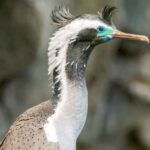
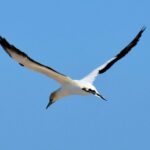
- Seabirds along the coast
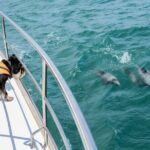
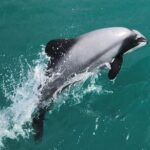
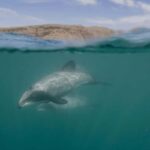
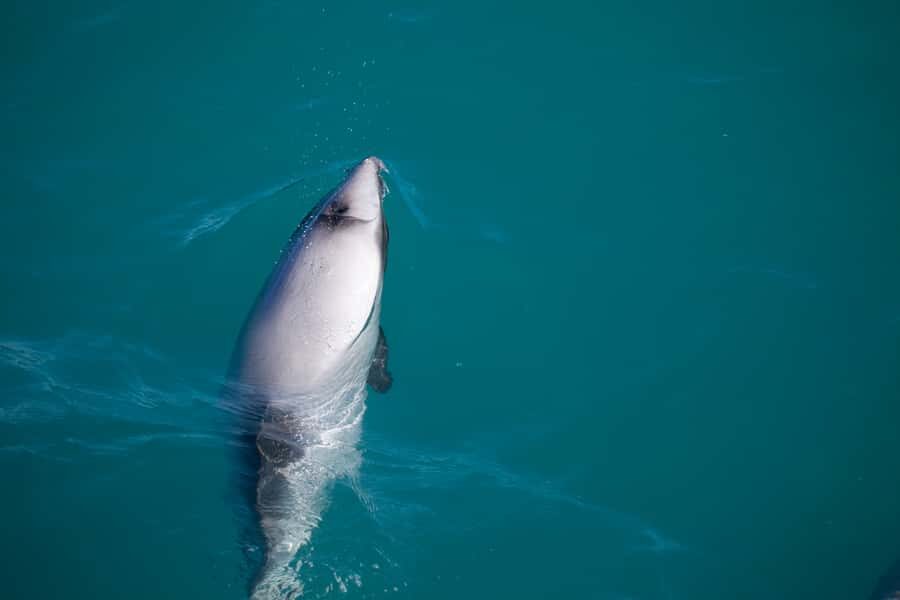
- Dolphins are possible, with the note that the world’s smallest dolphin may occur
- Plus, you learn what you’re seeing and why it matters
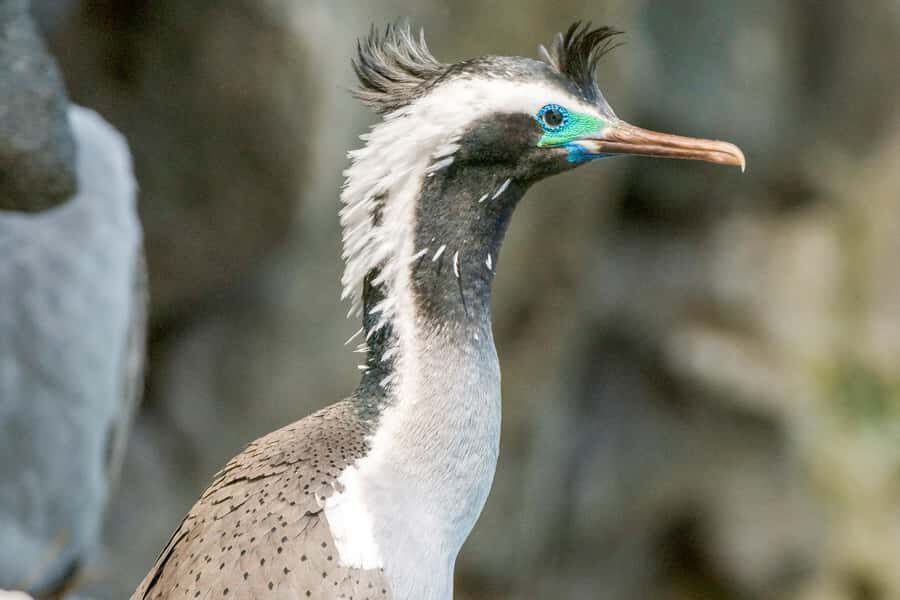
Multiple guides—Ben, Kevin, Duncan, and Vila show up often—are praised for combining wildlife sightings with conservation context. One review even mentions seeing penguins through conservation work, and another mentions how the guides talk about penguin burrows and protection efforts.
Two quick expectations to keep you grounded:
- Wildlife is wild. You can have a slow morning on the water and still come away with a great experience.
- The guide’s safety decisions can affect how close you get and where you paddle.
If your goal is purely “guaranteed animals up close,” you might leave feeling annoyed. If your goal is nature viewing with good positioning plus education, this style of tour usually lands really well.
How the morning and afternoon options change your day
This trip runs with two departure options: an early bird morning or a scenic afternoon. Both deliver the 4WD ride, kayaking, and guided commentary. The difference is mainly pacing and photo time.
For the afternoon tour, photo stops are included during the drive, and you’ll likely return after most restaurants and shops close. The practical advice is simple: organize dinner before you leave. I’d follow that, because you don’t want to be hunting food when you’re back cold, tired, and slightly damp.
If you’re traveling with a tight schedule, the morning option can be easier. You get the same core experience without eating up your entire day. Either way, factor in the clothing change and towel time, and you’ll feel much more comfortable afterward.

What $80 gets you, and where you’ll spend extra
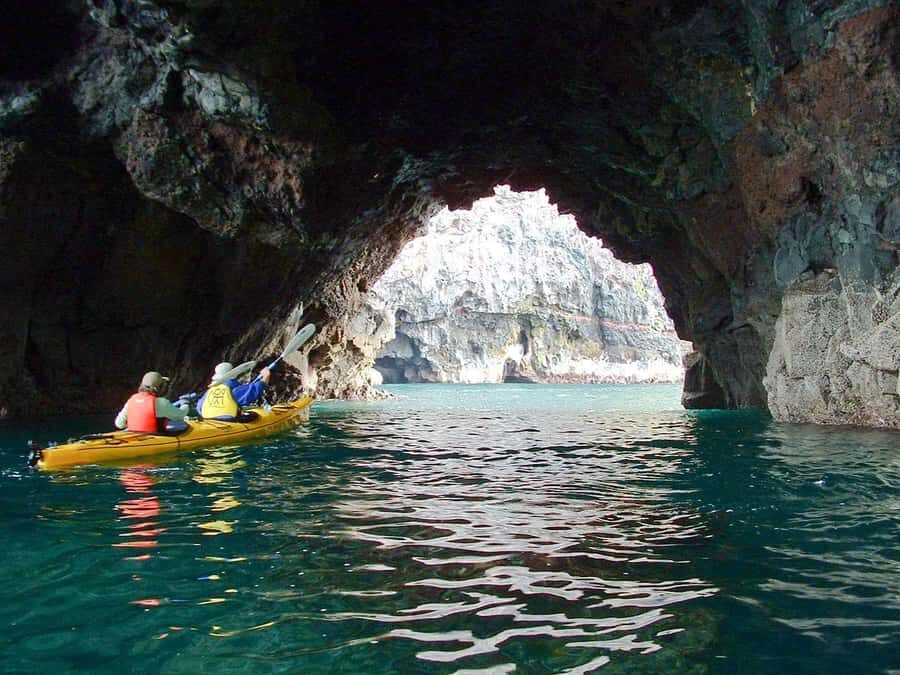
At around $80 per person for a 270-minute guided experience, the value is in the package. You get the 4WD minivan transport, a kayak guide, live commentary, and all the kayaking gear (dry jacket, life jacket, dry bags, and the spray deck setup). You also get the kayaking time that most people can’t easily arrange themselves without local knowledge.
The main “not included” item is food or drink. So if you’re doing the afternoon option, plan a meal beforehand and bring water. The gear list also asks for sunglasses, a hat, biodegradable sunscreen, and weather-appropriate layers. That’s not the kind of tour where you want to arrive in cotton shorts and hope for the best.
One more value point: the guides’ conservation focus shows up in the feedback. Several reviews tie the experience to real protection work around the penguin habitat and emphasize that the operators care about what’s happening on the ground—not just the sightseeing.
What to bring and what to wear (so you stay comfortable)
This is the part that determines whether the day feels easy or slightly miserable. The tour lists smart basics, and I agree with all of them.
Bring:
- Sunglasses and a hat
- Water
- Biodegradable sunscreen
- A towel
- Change of clothes
- Comfortable, weather-appropriate layers
Wear:
- Comfortable clothes you can handle if you get wet
- Leggings or shorts that can be rolled up if water reaches your legs
- Layers you can add or remove
Avoid:
- Jeans (not suitable for kayaking)
I’d also pack a simple plan for after: warm dry clothes, and something to wipe off salt spray. Your hands and face can feel wind-cold even on a bright day, so having a quick warm-up ready makes a big difference.
Who this tour fits best (and who should skip it)
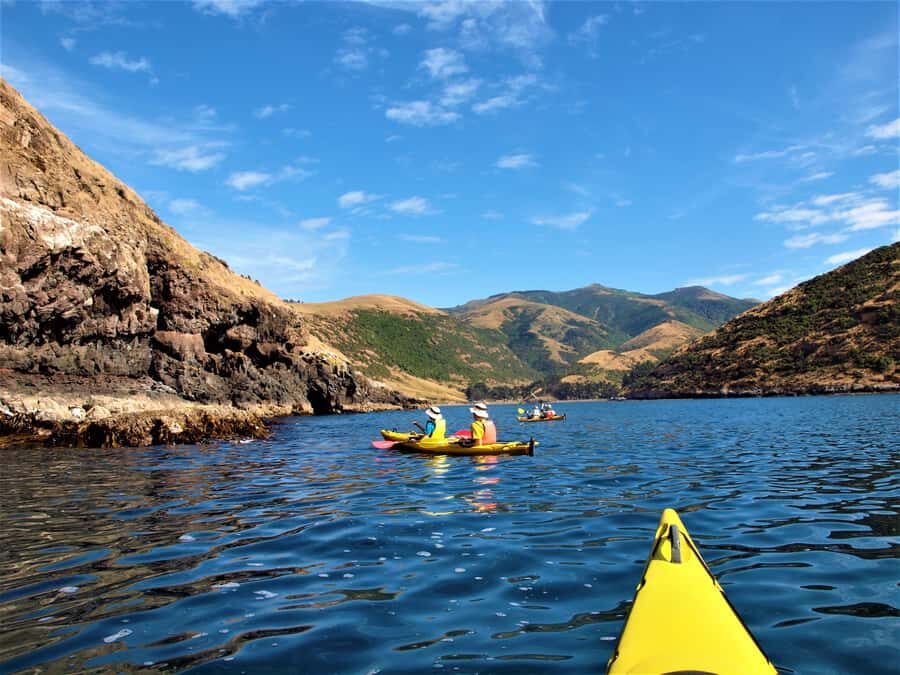
This trip fits best if you want a mix of scenic driving and hands-on nature viewing. It’s also ideal if you’re traveling with wildlife on your mind but you still want real context and a guide who can explain what’s happening on the coast.
It’s not suitable for:
- Children under 8 (kids must be at least 8, paired with an adult)
- Toddlers/infants (not permitted regardless of sea conditions)
- Wheelchair users
The guide will also weigh in based on sea conditions, personal fitness, and kayaking ability. So if you’re dealing with mobility limitations or you’re expecting a leisurely “sit back and float” day, I’d reconsider. This is active kayaking, even when the water is settled.
For families, it can work well when the child meets the age requirement and the parent is comfortable pairing up and following safety instructions closely.
Should you book this Pohatu 4WD and sea-kayaking safari?
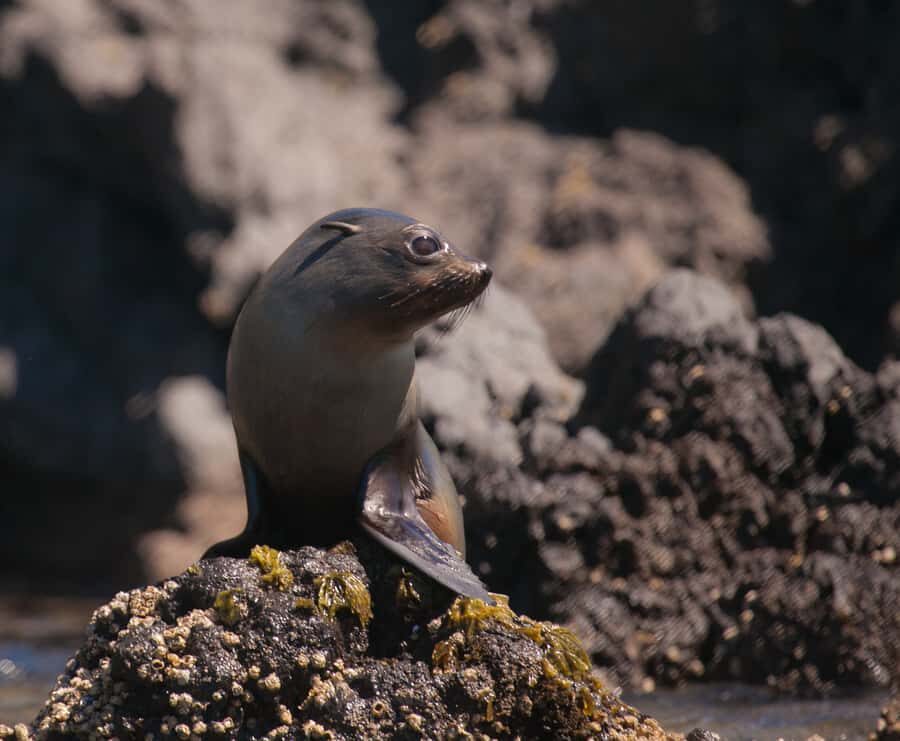
Book it if you want an Akaroa day that’s more than a photo stop—one where you’re out on the water learning the coastline, seeing wildlife, and returning with real stories (plus good conservation context). The combination of 4WD access to Flea Bay plus guided sea kayaking is the magic trick here, especially because you’re not trying to do this on your own.
Skip it if you need a fully predictable, always-the-same route, or if you’re not comfortable with the reality that sea conditions guide the plan. This tour is safer and better when you treat the guide’s call as part of the experience, not a nuisance.
If you’re booking now, my simple checklist is:
- You’re okay dressing for spray and changing clothes afterward
- You can follow safety instructions closely
- You’re excited about wildlife viewing and learning why this habitat matters
FAQ
FAQ
Where is the meeting point?
You meet before St Peter’s Church in Akaroa.
Do I need kayaking experience?
No experience is needed. The trip is run in settled safe conditions and led by an experienced kayak guide.
How long will I be on the water?
You’ll be on the water for about 1 to 1.5 hours, depending on sea conditions and wildlife sightings.
What wildlife might I see at Pohatu?
The experience can include penguins, seals, dolphins (possibly including the world’s smallest dolphin), and various sea birds. Exact sightings depend on conditions.
Is food or drink included?
No. Food and drink are not included, so plan accordingly.
Is gear provided?
Yes. The tour includes all kayaking gear such as life jackets, dry jackets, spray deck, and dry bags.
How old do children need to be?
Children must be at least 8 years old. Toddlers and infants are not permitted.
What should I wear or bring for kayaking?
Bring sunglasses, a hat, biodegradable sunscreen, water, a towel, and change of clothes. Wear comfortable clothes that can handle getting wet, and avoid jeans since they aren’t suitable for kayaking.