REVIEW · AKAROA
Akaroa Dolphins ~ Harbour Nature Cruise
Book on Viator →Operated by Akaroa Dolphins · Bookable on Viator
A wild place needs a calm boat. This Akaroa dolphin cruise mixes real wildlife spotting with a roomy catamaran, plus an included NZ drink and warm cookies. I like the stability and deck space of a two-hull boat. It makes scanning the water less stressful, especially if the sea gets a little choppy.
One thing to plan around: wildlife sightings are never guaranteed. You’re choosing a best chance cruise, not a controlled show. And the operator has a clear conservation rule: no swimming with dolphins.
In This Review
- Key things to know before you go
- Akaroa Harbour on a catamaran: why this format works
- The 2-hour plan: Lighthouse, Akaroa views, and Banks Peninsula angles
- Hector’s dolphins, fur seals, and white-flippered penguins: what you’re actually hunting
- The dog-powered spotting system (and why it’s not just cute)
- Comfort, clothing, and the real weather talk
- Value check: $80.67 for 2 hours, and where the money goes
- Conservation rules that protect the experience
- Who this cruise is best for (and who might want another option)
- Should you book Akaroa Dolphins ~ Harbour Nature Cruise?
- FAQ
- How long is the Akaroa Harbour Nature Cruise?
- Where does the tour start?
- How much does the tour cost?
- What is included in the price?
- What wildlife can you look for?
- Are dolphin sightings guaranteed?
- What happens if you do not see dolphins?
- Can you swim with the dolphins?
- What time should you check in?
- What is the cancellation policy?
Key things to know before you go
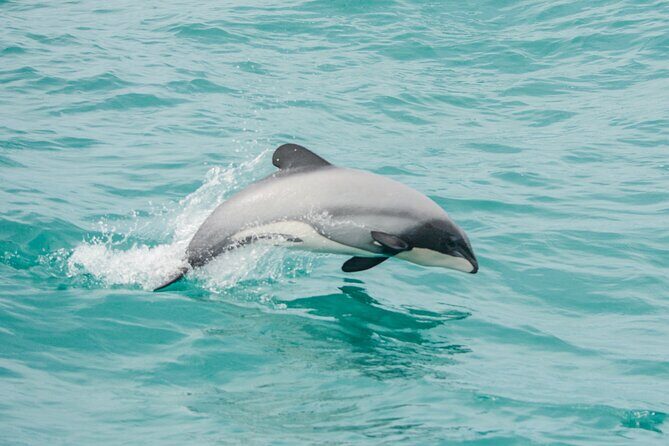
- Hector’s dolphins are the star: rare, and they often show up in small groups.
- Catamaran comfort: a two-hull design gives more room and stability than many single-hull options.
- Included NZ drink + family-recipe cookies: a practical little perk that feels like local hospitality.
- Spotting help on board: dolphin-spotting dogs wear life vests and assist the team.
- No swimming with dolphins: they keep the encounter wildlife-first, not human-interaction-first.
- Dolphin-free? If you don’t see dolphins, you can cruise again for free.
Akaroa Harbour on a catamaran: why this format works
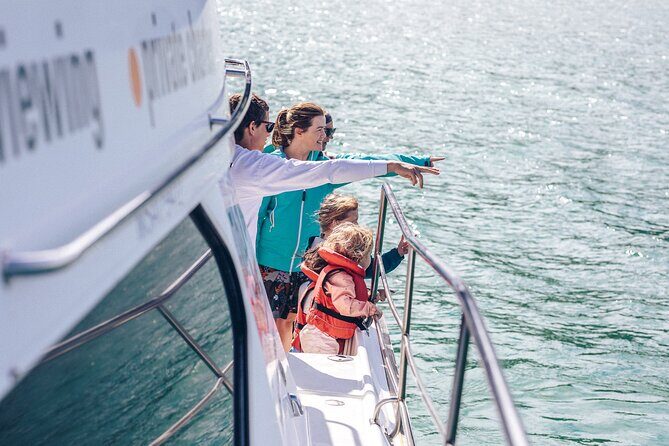
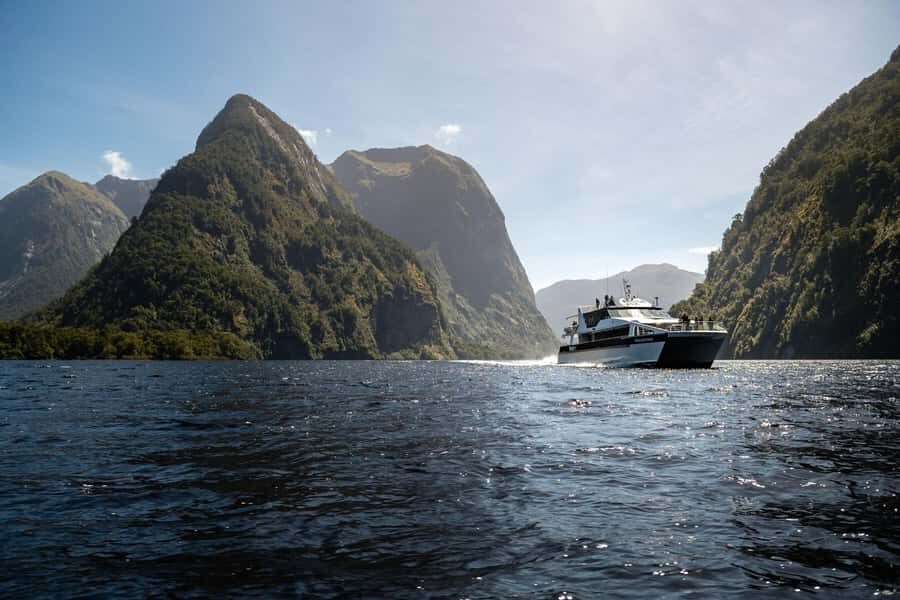
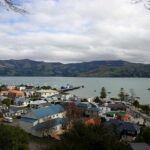
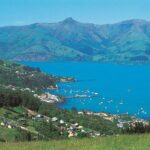
Akaroa sits on Banks Peninsula, and the harbour is one of the easiest places in the area to get out on the water and start looking. The real win here is the boat choice. A roomy catamaran means you’re not packed into a narrow single-hull ride. You get more deck space to shift positions when you spot movement, and you stay more comfortable if the water has that bouncy feel.
The overall vibe is family-friendly and laid back. The cruise runs about 2 hours, which is long enough to get into the right areas for wildlife, but short enough that you won’t feel trapped if the weather changes. The shipboard setup also makes it easier to focus on the job at hand: watch the surface, watch the shadows, and notice how the birds behave when something is moving below.
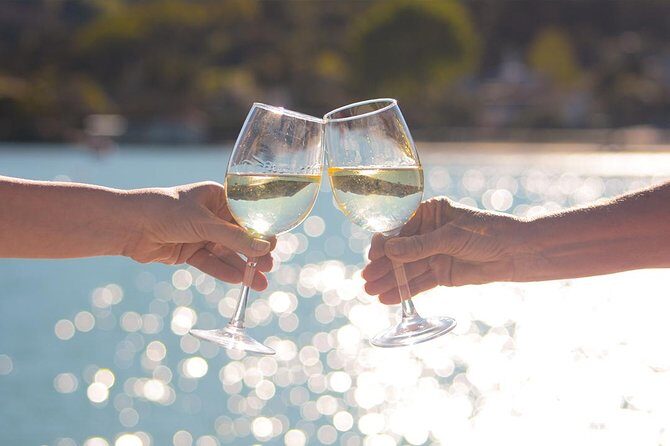
Two other details matter for your enjoyment. First, you get an included drink, either NZ beer, NZ wine, or a non-alcoholic option. Second, you get homemade cookies, made from a family recipe. It sounds like a nice-to-have, but it actually helps on a cool harbour day. Warm cookies plus a hot drink-like snack energy is a small thing that keeps spirits up while you wait for dolphins.
You can also read our reviews of more boat tours in Akaroa
The 2-hour plan: Lighthouse, Akaroa views, and Banks Peninsula angles
You’ll meet at 65 Beach Road, Akaroa. Then you’re out on the water with a skipper and guide who run the cruise with a mix of local talk, wildlife focus, and practical spotting tips.
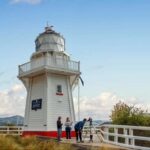
Stop 1: Akaroa Lighthouse
This is a good first taste of the coastline from the water. Lighthouse viewpoints are useful because you’re starting with a clear frame of reference. You can orient yourself fast, then later compare what you see with what you recall from shore. On many Akaroa cruises, the coastline features are more interesting when you see them from a moving angle, not just from a single lookout.
The lighthouse area is also an early cue zone for spotting. If wildlife is around, it often shows up while you’re transitioning out from the immediate harbour visuals. Even when dolphins don’t show instantly, you’re training your eye early, and that helps later.
Stop 2: Akaroa (the harbour run)
This part is about seeing Akaroa from the water with time to scan. Akaroa has a distinctive feel from the harbour—waterline buildings, small bays, and the way the coastline folds inward. From the catamaran, you also notice how sound and wind affect bird and seal activity.
This is where you’ll likely spend most of your attention watching for movement changes: surfacing patterns, quick breaks in the water, and the telltale behavior of seabirds. If you’re hoping for seals and penguins as well as dolphins, this mid-cruise stretch is where your odds improve simply because you’re giving time for the harbour’s rhythm to play out.
Stop 3: Banks Peninsula (wider viewing)
Banks Peninsula is the bigger backdrop behind all of this. When you head farther out, the view opens up and you get new angles on the shoreline. That matters because wildlife doesn’t stay “on cue” near one specific spot. With time and movement, you’re increasing your chance of crossing an animal path.
One practical caution: conditions can change once you get out past the more sheltered sections. If you get seasick, take that seriously. A review noted that the sea can turn rough once you reach open water areas. Your best move is to check with the team at check-in about what the water feels like that day.
Hector’s dolphins, fur seals, and white-flippered penguins: what you’re actually hunting
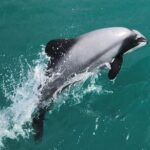
The advertised target is Hector’s dolphins, Akaroa’s famous harbour wildlife. These dolphins are rare and the cruise is built around responsible viewing with a valid Department of Conservation Marine Mammal Viewing Permit. That permit piece isn’t just paperwork—it’s what makes the operation legally authorized to bring people out for dolphin and seal viewing in the harbour.
Now for the honest part: you can’t guarantee sightings. But you can choose a tour that stacks the odds and then handles the encounter correctly.
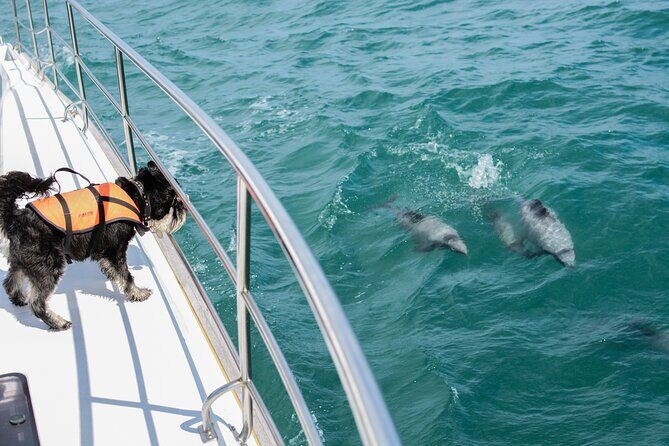
Here’s what makes Hector’s dolphins a bit special compared with other dolphins you might have seen elsewhere. In Akaroa, they often travel in small groups—commonly 2–3 individuals. That explains why one day might feel like a “lot of dolphins,” and another day might feel quieter even if the wildlife is still around. When you understand that, you won’t panic if you don’t see a massive pod.
What else you might see in the mix:
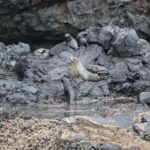
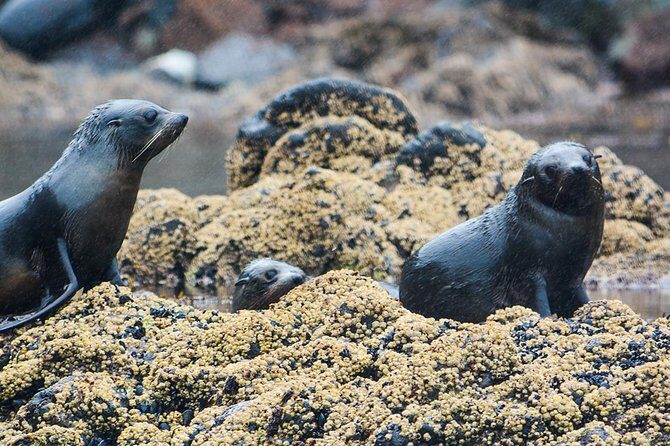
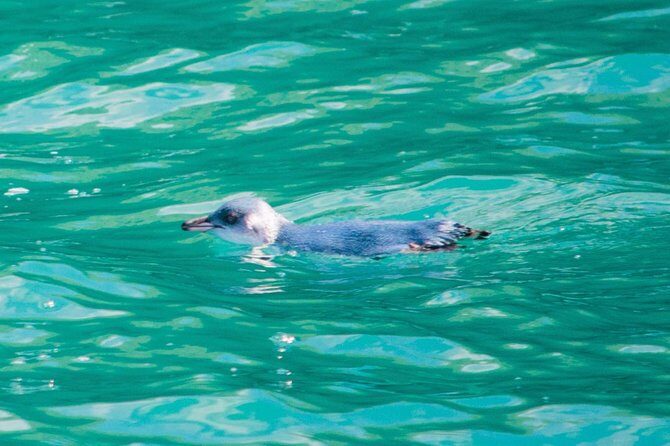
- New Zealand fur seals, sometimes swimming close and creating a moving silhouette.
- White-flippered penguins, which tend to be more limited in appearances and depend on where they’re active.
- Other seabirds along the route.
A big plus from the way this cruise is run: they have a high success rate, and if you don’t see dolphins, you can join again for free. That’s one of the rare value guarantees in this kind of experience because it reduces the fear of paying and coming up empty.
The dog-powered spotting system (and why it’s not just cute)
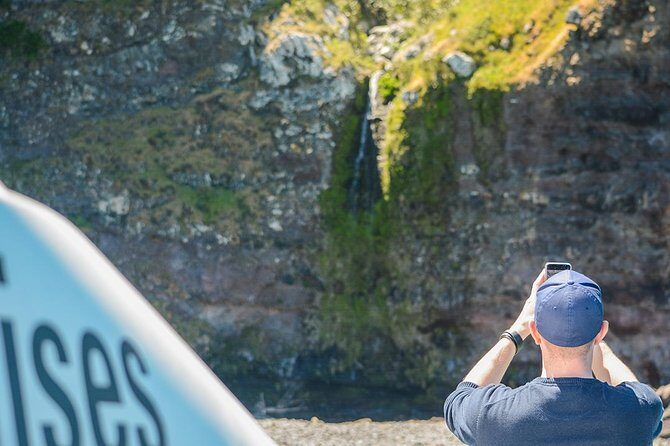
The onboard highlight for many people is the dolphin-spotting dog. The cruise uses dogs equipped with life vests, and they help the team locate where to look. In the reviews, that dog is often described as a star presence—named Albie or similar forms of that name—and people talk about how well the dog “tuned in” to spotting.
That matters because spotting wildlife isn’t only about scanning. It’s also about timing and attention. When you’re searching a moving surface with distance and waves, the best “radar” is usually a trained human and a trained system—pairing the team’s expertise with animal behavior support can make the hunt feel more effective.
So if you like animal-focused tours that still follow conservation rules, this is a good match. Also, it’s a morale boost. On cool days, a calm crew plus a friendly dog makes the whole cruise feel lighter while you’re waiting for that first dolphin surfacing.
Comfort, clothing, and the real weather talk
This is a harbour cruise, so conditions can change. Even with a stable catamaran, wind and chill can hit once you’re out farther. One review tip was simple: take a warm jacket if you’re planning to sit near the front where you can catch the wind. Another review mentioned the operator provided spare coats if you forgot one. That’s a smart and practical touch.
If you’re bringing kids, this is also a cruise that tends to work well with families. One review described a child getting a chance to hold the wheel during photo moments. It’s not the main event, but it turns a wildlife cruise into a memory, not just a look-and-see.
Also keep in mind that the boat has a maximum of 35 travelers, so you’re not in a crowd of dozens. You’ll still have to share space, but it’s sized for attention. That helps with scanning because people can actually reposition and point without chaos.
You can also read our reviews of more dolphin watching tours in Akaroa
Value check: $80.67 for 2 hours, and where the money goes
At $80.67 per person for about 2 hours, this isn’t a bargain snack. But it’s also not priced like a private speedboat fantasy.
Where your money goes:
- A two-hull catamaran that stays comfortable and stable.
- A permitted operator running authorized dolphin viewing.
- Real-time guidance on where and how to look.
- The included NZ drink (beer or wine or non-alcoholic) and homemade cookies.
- The spotting workflow, including the dolphin-detection dog and a team that watches constantly.
The value is strongest if you’re traveling for wildlife, not just scenery. If your goal is Hector’s dolphins in Akaroa, this cruise is built for that target. And the free return if you miss dolphins removes some of the biggest risk in tours like this.
Conservation rules that protect the experience
This cruise makes one conservation decision very clear: they do not swim with dolphins. That reduces the chance of an encounter becoming human-driven and keeps the focus on wildlife behavior rather than interaction.
They also emphasize responsible viewing. With the Marine Mammal Viewing Permit, they’re operating within legal and conservation guidelines, and they have a stated policy that matters for both animal welfare and for your expectations. You’re there to observe, learn, and enjoy—without turning dolphins into a swim program.
If you care about doing this the right way, that rule is a big green flag.
Who this cruise is best for (and who might want another option)
Book this if:
- You want one solid wildlife outing from Akaroa with a good chance at Hector’s dolphins.
- You’d enjoy seals and penguins as bonus sightings rather than a hard promise.
- You like a boat that doesn’t feel tight, with enough deck space to search properly.
- You’re okay with the fact that animals are wild and sightings can vary.
You might hesitate if:
- You know you’re very sensitive to wind and swell. Even with a stable catamaran, open-water conditions can still feel rough.
- You need a guaranteed wildlife checklist. This is a high-chance cruise, not a guarantee.
Should you book Akaroa Dolphins ~ Harbour Nature Cruise?
If your top priority is Hector’s dolphins in Akaroa, I’d put this on the short list. The combination of a roomy catamaran, included drink and cookies, and the dolphin-spotting dog system makes it feel practical, not gimmicky. Add the free return if dolphins don’t show, and the risk drops.
My main planning advice is to treat weather and clothing as part of the experience. Bring warm layers, especially if you tend to feel cold easily. Then settle in, scan patiently, and remember that Hector’s dolphins often show up in small groups.
In other words: you’re not buying a promise. You’re buying a smart, responsible chance to see Akaroa’s real wildlife up close.
FAQ
How long is the Akaroa Harbour Nature Cruise?
The cruise is about 2 hours.
Where does the tour start?
It starts at 65 Beach Road, Akaroa 7520, New Zealand, and it returns to the same meeting point.
How much does the tour cost?
The price is $80.67 per person.
What is included in the price?
You get a complimentary drink (beer, NZ wine, or a non-alcoholic option), homemade cookies made from a family recipe, and local knowledge from the skipper and guide.
What wildlife can you look for?
You’ll be on the water looking for Hector’s dolphins, plus the chance to see fur seals, white-flippered penguins, and other wildlife.
Are dolphin sightings guaranteed?
No. Sightings can’t be guaranteed because the animals are wild. The operator says they have a high success rate.
What happens if you do not see dolphins?
If you don’t see dolphins, you can cruise with them again for free.
Can you swim with the dolphins?
No. The tour does not include swimming with dolphins, for conservation reasons.
What time should you check in?
Check-in is no later than 30 minutes before departure, and boarding is about 15 minutes beforehand.
What is the cancellation policy?
Free cancellation is available up to 24 hours in advance for a full refund. If you cancel less than 24 hours before, there is no refund. Weather issues may lead to a different date or a full refund, and the tour may also be canceled if a minimum number of travelers isn’t met.