REVIEW · AKAROA
Akaroa: Pohatu Penguins Scenic Nature 2-Hour or 4-Hour Tour
Book on GetYourGuide →Operated by Pohatu Penguins and Sea Kayaking · Bookable on GetYourGuide
Some trips teach you fast. This one mixes Akaroa’s geology with hands-on conservation at Pohatu Bay. I like that you’re not stuck in a classroom: you get photo stops over the harbor and outer coast, then you’re out at a working sheep farm with real-life penguin protection work. Two things I really like are the 4WD crater-rim viewpoints (about 700 meters up) and the chance to learn how little penguins survive on mainland New Zealand. A possible drawback: penguin sightings and any rehab viewing depend on the season, so winter trips may feel more nature-and-history focused than penguin-focused.
The best part is how the guide turns the landscape into a story you can see. Guides like Kevin (funny, fast with details), Becky (excellent guiding and great calm vibes), Joey and Duncan (strong local knowledge), and Meg (conservation work focus) show up in the feedback, and the through-line is the same: you’re riding through a real ecosystem, not just ticking off a viewpoint. If you want your main goal to be guaranteed penguin viewing every minute, plan for flexibility and let the day unfold.
In This Review
- Key highlights at Pohatu Bay, in plain terms
- Entering the story: why this feels different from a typical penguin outing
- The 4WD drive over the crater rim: views at about 700 meters up
- Pohatu Flea Bay and the working sheep farm stop
- Penguin nesting boxes in season: what you can see (and why timing changes everything)
- Wildlife beyond penguins: seals and other nature moments
- The 4-hour option: Akaroa Heads Lighthouse Reserve and homemade muffins
- Price and value: what you’re really paying for
- Practical tips that make the day smoother
- Who should book this Pohatu Penguins scenic tour from Akaroa
- Should you book this tour or choose something else?
- FAQ
- How long is the Akaroa Pohatu Penguins Scenic Nature Tour?
- What does the tour include?
- Where is the meeting point in Akaroa?
- Is this tour wheelchair accessible?
- Can I use flash photography or smoke during the tour?
- When can I expect to see penguins or nesting box activity?
- Is the tour mostly about penguins?
- What should I bring with me?
Key highlights at Pohatu Bay, in plain terms
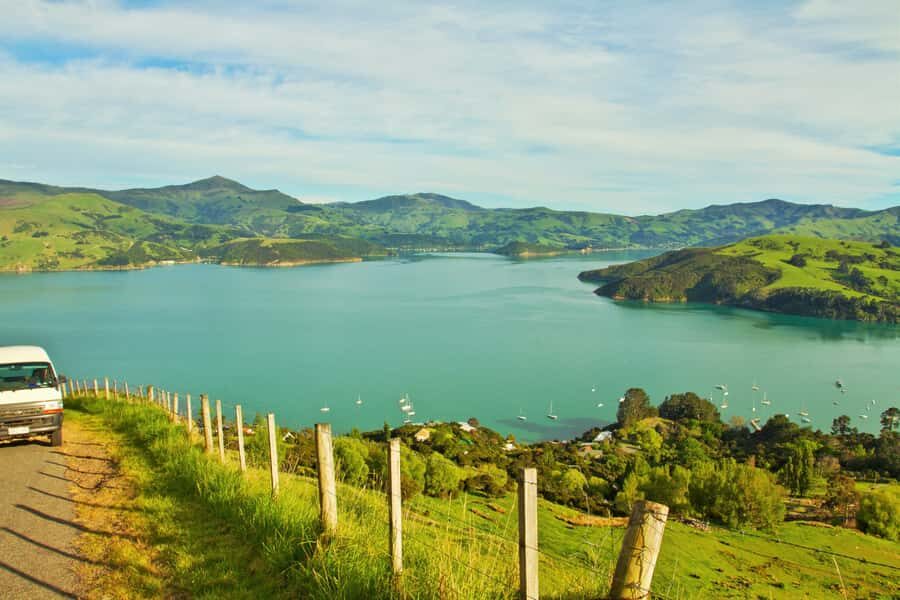
- 4WD crater-rim lookout near an extinct volcano for big views over Akaroa and the Pacific
- Pohatu Bay farm visit where you can meet sheep and hand-feed them
- Penguin nesting boxes in season with conservation monitoring led by your guide
- Wild Side Conservation area and a visit that directly supports penguin protection
- Optional 4-hour extension to Akaroa Heads Lighthouse Reserve with tea, coffee, and homemade treats
Entering the story: why this feels different from a typical penguin outing
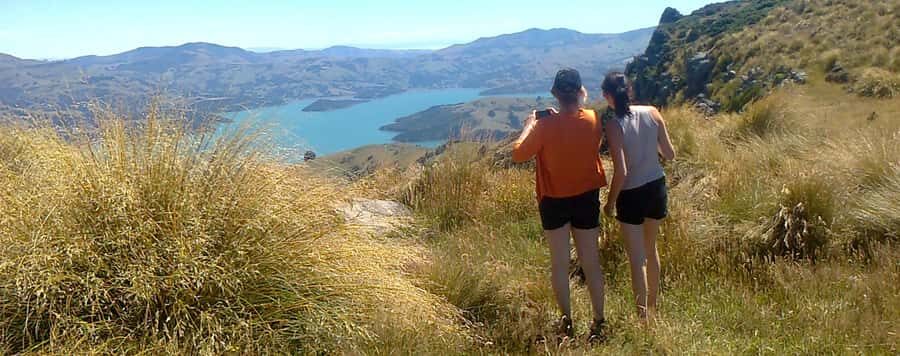
This tour is built around the idea that penguins are part of a wider place. Yes, Pohatu Bay is the penguin stop, but the day is also about flora, fauna, and why the Akaroa area looks the way it does. You’ll learn local history and how people use (and protect) the land—especially in a working landscape that includes sheep farming.
That balance is what makes it worth your time. If you’re the type of traveler who gets bored on “drive, park, photos, done” tours, you’ll probably like the way this one keeps shifting gears: viewpoints, then farm life, then conservation monitoring (when it’s available). And because it’s guided, you’re not left guessing what you’re looking at from the road.
One more thing: it’s a nature tour first, not a penguin show. The tour is designed to protect and observe the colony responsibly, and the emphasis is on understanding rather than crowding.
A few more Akaroa tours and experiences worth a look
The 4WD drive over the crater rim: views at about 700 meters up
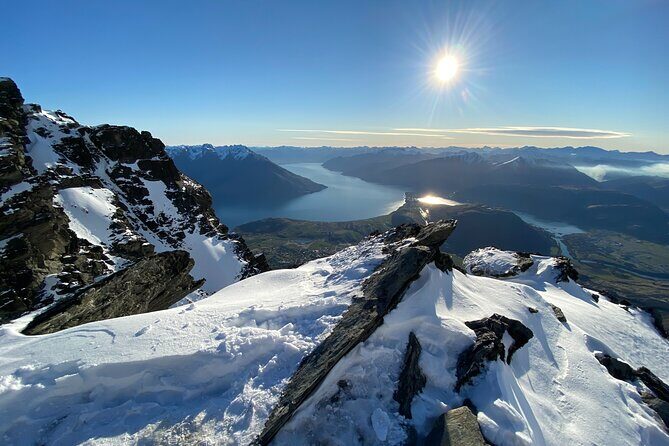
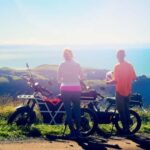
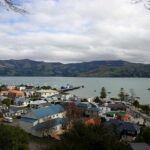
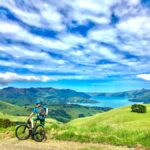
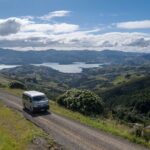
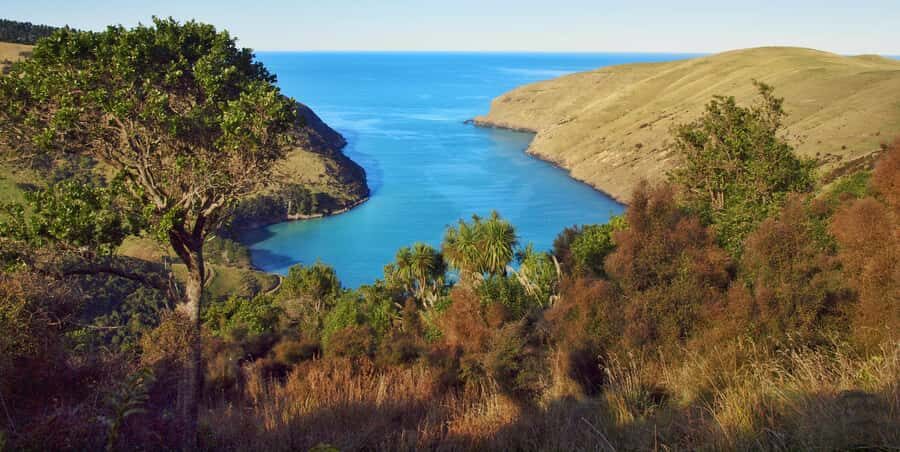
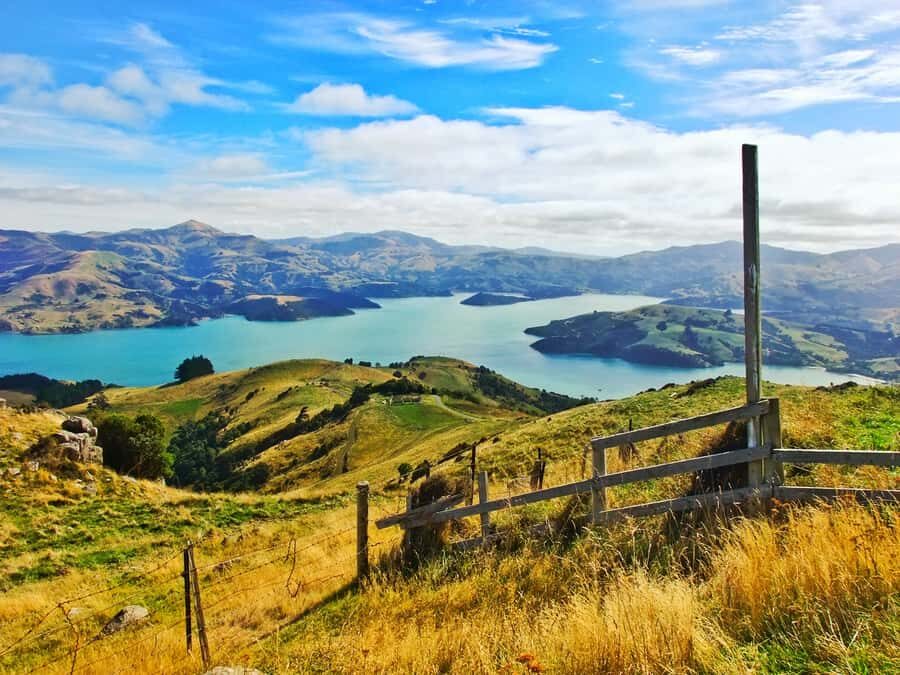
You start with a 4WD scenic safari in a 4WD minivan. The drive takes you in and out of viewpoints, and a big moment is standing on the crater rim of the extinct Akaroa volcano. The lookout is around 700 meters high, which changes your perspective immediately—suddenly Akaroa Harbor and the outer coast don’t look like a postcard; they look like a system.
This is also where the guide’s commentary matters. Expect live explanations about the region’s geography and history as you move through it. The photo stops are not just for convenience; they help you build a mental map of where the bay, coast, and farm area fit together.
Practical note: a 4WD tour is usually the right call in this kind of terrain, and this one is specifically set up for it. If you’ve only done “easy road” sightseeing around town, this will feel like a step up in access.
Pohatu Flea Bay and the working sheep farm stop
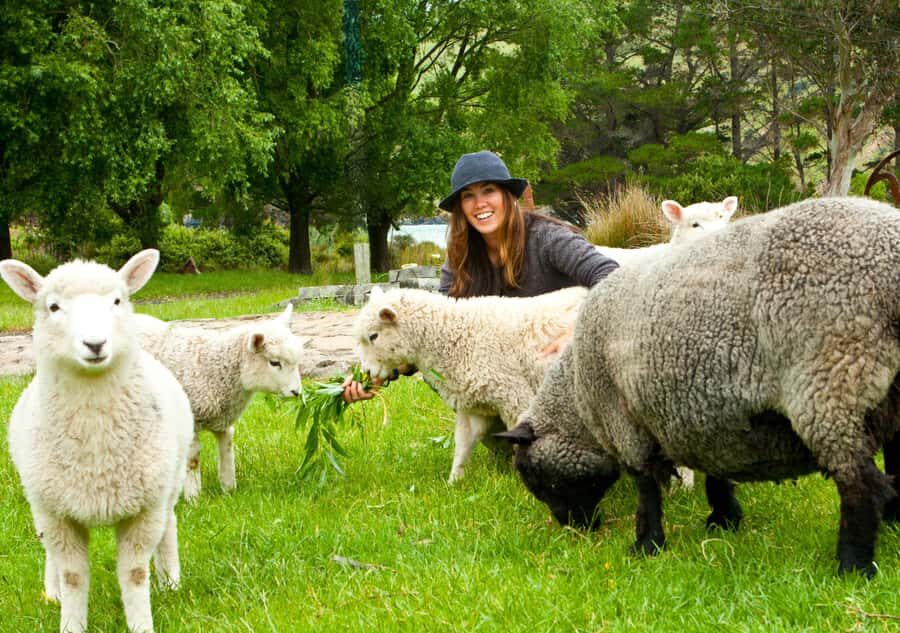
After the viewpoints, you head toward Pohatu Flea Bay area, where the day turns from views to people-and-land. A key stop is a local family’s farm where you can meet pet sheep and hand-feed them. That sounds simple, but it’s one of those small moments that makes conservation feel real. You’re not just hearing about habitat and ecosystems—you’re seeing the farm that sits in the middle of the conservation work.
If you’re visiting with kids, this is often the part that wins them over quickly. Many guests end up remembering the farm time as much as the penguins, because feeding sheep is interactive and immediate. For adults, it’s a reminder that conservation on mainland New Zealand isn’t separate from everyday land use—it’s stitched into it.
Also, the farm visit sets up the penguin story. Little penguins don’t survive on luck. They rely on safe nesting and stable habitat, and the farm setting helps explain why monitoring and rehabilitation efforts matter.
Penguin nesting boxes in season: what you can see (and why timing changes everything)
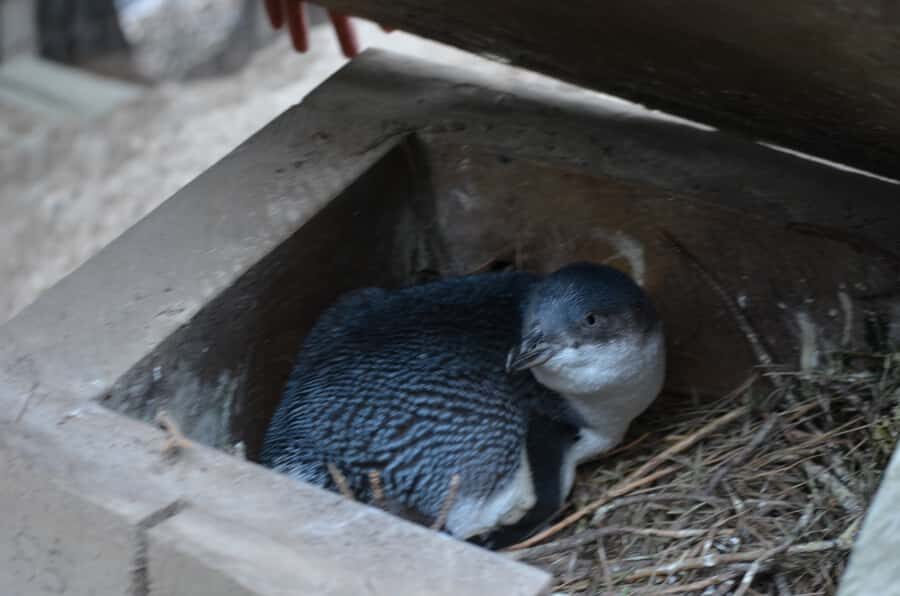
Penguins are part of the tour, but what you’ll actually experience depends on the season. In season, you may monitor nesting sites and view penguin nesting boxes with your guide. This is where you get the best chance for close-up viewing—especially compared with purely coastal lookouts.
Here’s the key nuance: the tour is not designed to create a penguin-viewing spectacle. Instead, it focuses on conservation monitoring and education. That’s why guides often take their time to explain what the colony needs and how the team supports it.
You might also see rehabilitation efforts at certain times, including supplemental feeding. One important timing window mentioned for this rehab activity is mid-November to mid-February. Even then, crowding is managed: only the extended 4-hour tour may be able to view rehabilitation work. So if penguin rehab viewing is high on your list, the 4-hour option is the smarter pick.
Also, some seasons are quieter. Off-season visits can still include moments like seeing penguins in boxes, but you should expect a more variable experience. That variability isn’t a reason to skip it—it’s just the reality of working with wildlife.
Wildlife beyond penguins: seals and other nature moments
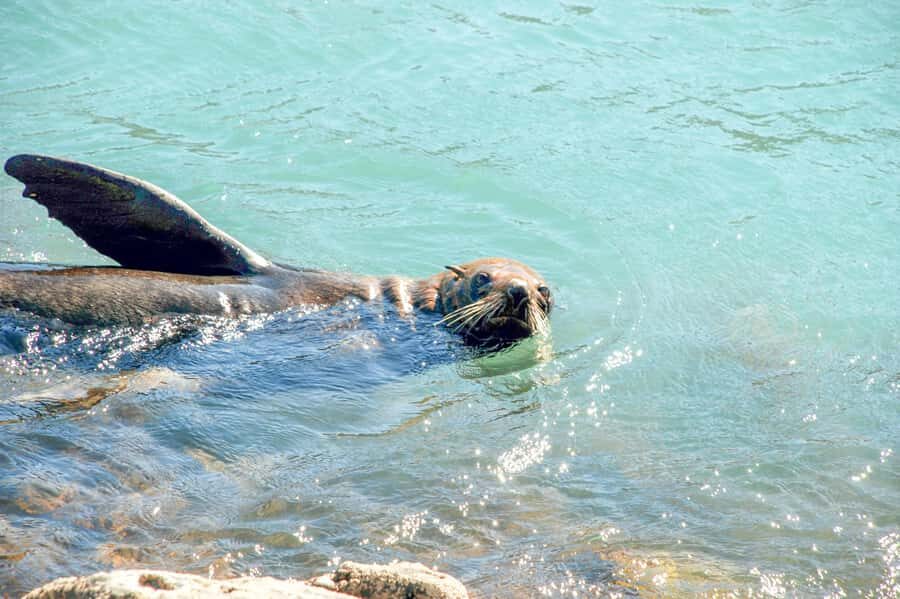
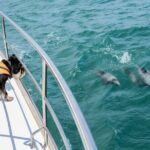
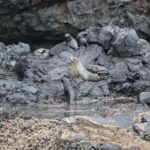
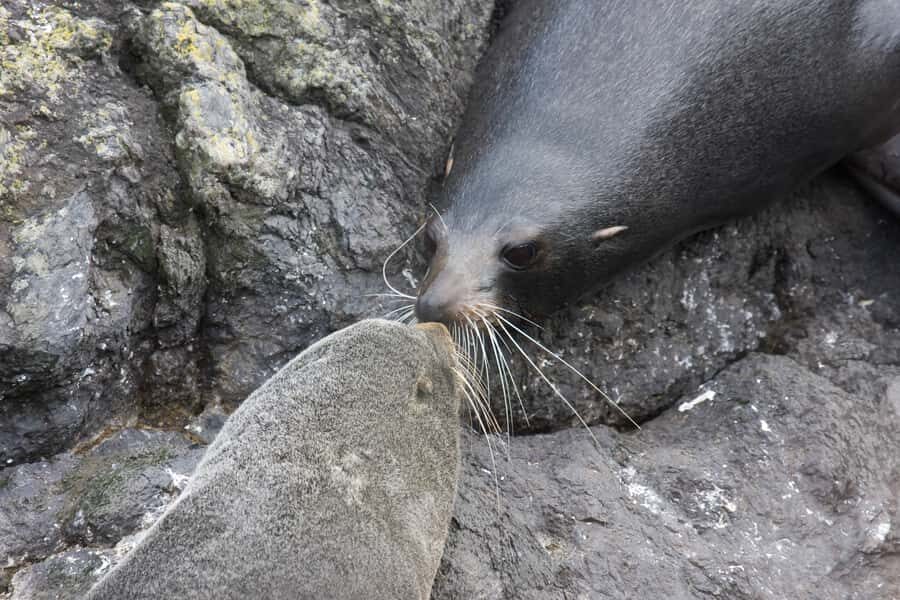
Even when penguins aren’t front-and-center, the area can still deliver wildlife encounters. Several guests report seeing fur seals and getting penguin sightings depending on the day and season. You can also expect native wildlife and scenery to be part of the overall experience, because the tour is rooted in the Wild Side Conservation area’s broader ecology.
If your trip window is short, this is a nice advantage. You’re not gambling everything on one species. The day’s structure gives you multiple chances to see life—first from above at the crater rim, then down at sea level and farm edges.

The 4-hour option: Akaroa Heads Lighthouse Reserve and homemade muffins
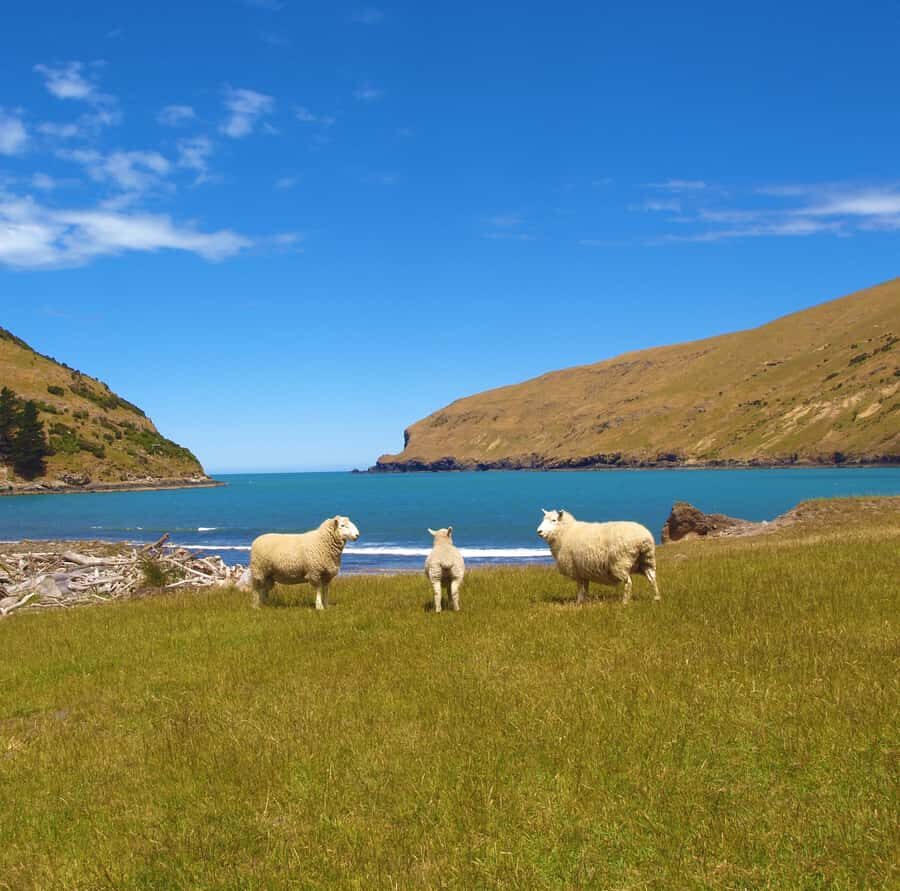
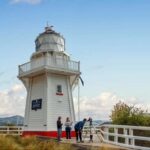
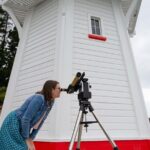
If you choose the longer tour, you’re basically buying more time in the best places. The extended 4-hour itinerary adds a visit to the cliff-tops of Akaroa Heads Lighthouse Reserve. This is a great trade if you like lingering at viewpoints and scanning for wildlife and changing weather on the coast.
The 4-hour tour also includes tea, coffee, and homemade muffins and cakes. That’s not just a snack. It gives you a calm break so you can reset after driving and walking, and it adds a cozy, local feel that many short tours skip.
One more advantage: the longer format gives more time at Flea Bay area. Since penguin activity and wildlife behavior can be slow and unpredictable, that extra time helps. If you’re the type who hates rushing, the 4-hour option usually fits better.
Price and value: what you’re really paying for
At $56 per person, this tour can look “mid-priced” compared with basic sightseeing. But the value comes from what’s included and what your ticket supports.
You’re paying for:
- 4WD transport in a minivan (not a standard sedan loop)
- an experienced local guide with live commentary
- multiple photo stops and viewpoint time
- and importantly, a tour that directly funds penguin conservation work at Pohatu Bay
That last point matters. You’re not just paying for access—you’re helping support the ongoing work that protects nesting sites and rehabilitation efforts. In the feedback, people consistently mention the sense of purpose behind the day, especially when the guide explains what the conservation team does.
Is it perfect value if your only goal is guaranteed penguin viewing? Not really. The tour can be season-dependent. But if you want real nature, real habitat work, and a guide who can explain what you’re seeing, $56 feels fair.
Practical tips that make the day smoother
A few practical things will help you enjoy this more.
Wear comfortable shoes. Some areas can be uneven, and this is a nature-and-farm environment, not flat city sidewalks. Bring water and a camera. You’ll also want to be ready for changing weather—one guest even described a tough day with very bad weather, yet still found the experience rewarding because the guide adapted and kept the program engaging.
Rules are clear:
- no smoking
- no flash photography
If your goal includes photos of penguins or boxes, go with steady light and normal camera settings. Flash isn’t allowed, so plan on patience instead of blasting.
Meeting point: Unit 2, 8 Rue Balguerie, Akaroa. Look for the shade sails on the building behind the BNZ building on Rue Lavaud.
Who should book this Pohatu Penguins scenic tour from Akaroa
This is a strong match if you:
- want Akaroa views but also want more than a harbor photo loop
- care about penguin conservation and want to understand it, not just spot wildlife
- enjoy geology, ecology, and local history explained on the ground
- travel with kids who enjoy animals (especially the farm feeding part)
It may be a poor fit if you:
- need wheelchair access or have mobility impairments (this tour is not suitable for wheelchair users or people with mobility impairments)
- want a guaranteed penguin spectacle regardless of season (pied penguin timing varies; nesting boxes are in season, rehab viewing is time-specific)
Should you book this tour or choose something else?
Book it if you like guided nature days that connect viewpoints, farmland, and conservation into one story. The crater-rim setting at about 700 meters, the chance to hand-feed sheep, and the possibility of nesting-box monitoring (in season) make it feel purposeful—not just scenic. And if you’re there mid-November to mid-February and rehab viewing matters to you, the 4-hour option is the better bet because only that length may allow viewing of rehabilitation work.
Skip or rethink it if your priority is strictly penguins only, at a predictable time, with minimal driving and walking. The tour’s focus is broader than penguins, and penguin encounters can be seasonal and variable.
FAQ
How long is the Akaroa Pohatu Penguins Scenic Nature Tour?
You can choose a 2-hour or a 4-hour option. The 4-hour tour includes additional time at Akaroa Heads Lighthouse Reserve and a food break with tea, coffee, and homemade muffins or cake.
What does the tour include?
It includes scenic transport by 4WD minivan, photo stops, an experienced local guide with live commentary, and (on the 4-hour tour) tea, coffee, and muffin or cake.
Where is the meeting point in Akaroa?
Meet at Unit 2, 8 Rue Balguerie, Akaroa, behind the BNZ building on Rue Lavaud. Look for the shade sails on the building.
Is this tour wheelchair accessible?
No. It is not suitable for wheelchair users or people with mobility impairments.
Can I use flash photography or smoke during the tour?
No. Flash photography is not allowed, and smoking is not allowed.
When can I expect to see penguins or nesting box activity?
Native wildlife and penguins can be seen in season. Penguin rehabilitation efforts are most likely from mid-November to mid-February, and rehabilitation viewing is managed so that only the extended 4-hour tour may be able to view it at certain times.
Is the tour mostly about penguins?
It’s more of a nature and history-focused tour than a pure penguin program. Penguins are part of the experience, but the tour’s overall emphasis is on the wider ecosystem and the area’s story.
What should I bring with me?
Bring comfortable shoes, a camera, and water.