REVIEW · AKAROA
Akaroa: Pohatu Little Penguins 3-Hour Evening Experience
Book on GetYourGuide →Operated by Pohatu Penguins and Sea Kayaking · Bookable on GetYourGuide
Penguins feel bigger at dusk. From Akaroa you head to Pohatu/Flea Bay to watch white-flippered little penguins in their real routine. I like that this isn’t just sightseeing; it’s built around careful monitoring and how the colony works.
What I really love is the way the tour balances close-up viewing with wildlife respect. You walk among nesting areas that use small wooden “houses,” and you get binoculars and camouflage gear so you can watch without shouting or flashing lights.
One thing to weigh up: penguins can be quiet or slow to come ashore, and the guides won’t use artificial lights. That means viewing is likely, not guaranteed, especially with weather and seasonal changes.
In This Review
- Key things to know before you go
- Why Akaroa’s Pohatu Penguins Feel Special at Dusk
- The 4WD Crater-Rim Ride: Harbor Views Before You Even Reach the Bay
- Arriving at Pohatu/Flea Bay: Walking the Colony Without Disturbing It
- Nesting Boxes, Moult Season, and the Ones You Might Actually See
- Viewing From Shore to Water: Binocular Time and Quiet Wins
- The 30+ Year Conservation Piece: Why This Feels Worth $68
- Practical Comfort: Wear for the Cold, and Move for Narrow Trails
- Who Should Book This Akaroa Little Penguins Experience
- Should You Book the Akaroa Pohatu Little Penguins Evening Tour?
- FAQ
- What’s the meeting point for the tour?
- How long is the experience, and is the timing fixed?
- Will there be flash photography or artificial lights?
- What should I bring?
- Is penguin viewing guaranteed?
- Is the tour suitable for wheelchair users?
Key things to know before you go
- Dusk timing matters: your departure shifts with sunset, and the experience ends when it gets too dark.
- You’re part of monitoring: you’ll help check nesting sites and collect observation data.
- No flash, no artificial lighting: viewing relies on natural light for the colony’s sake.
- A 4WD crater-rim drive: expect dramatic views on the way to the bay.
- Seasonal penguin rhythms: breeding, moult, quiet months, then winter comings-and-goings.
- Small group pace: capped at 12, so you’re not shoulder-to-shoulder in the colony.
Why Akaroa’s Pohatu Penguins Feel Special at Dusk
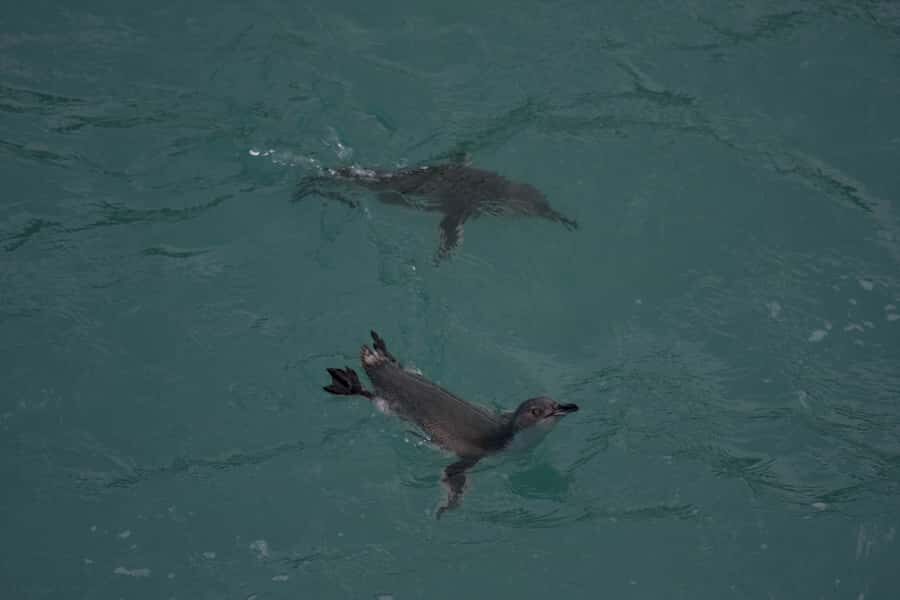
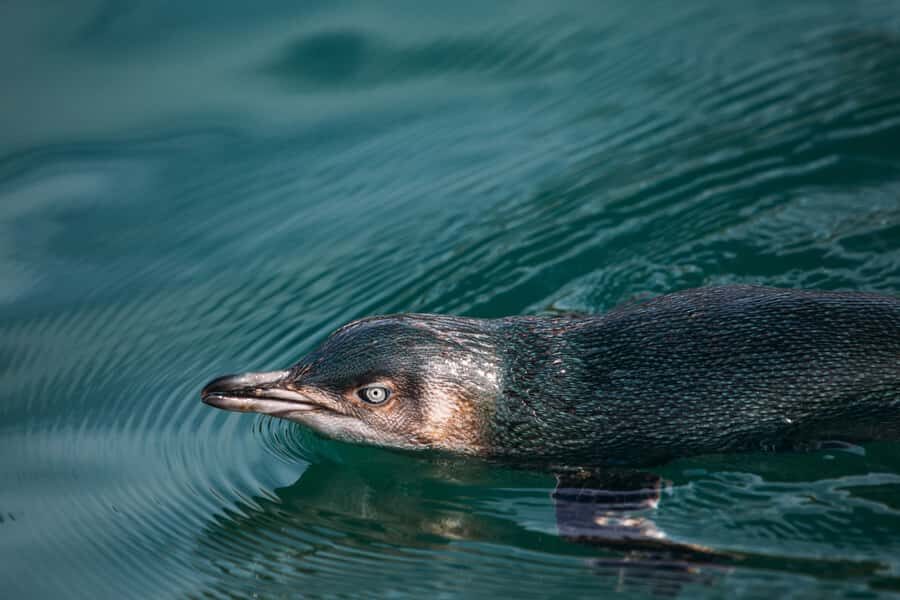
Akaroa’s penguins have a home-rhythm that’s easy to miss in daylight. This evening format catches them when they’re more active—socializing on the water and, at the right moment, starting to return to shore.
The big draw here is the mix of wildlife time and real-world conservation work. You’re not just standing at a fence hoping for motion; you’re in a guided setting designed to keep disturbance low while still letting you learn.
And you’ll get a human-scale story of survival. The tour highlights how long-term conservation and monitoring, stretching back decades, helped pull the little penguins away from extinction pressure in this area.
You can also read our reviews of more evening experiences in Akaroa
The 4WD Crater-Rim Ride: Harbor Views Before You Even Reach the Bay
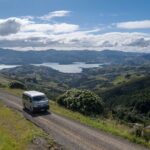
You’ll meet before St Peter’s church in Akaroa, then head out in a 4WD minivan. The route crosses the crater rim of the Akaroa volcano, which means the drive comes with big “wait, look at that” moments.
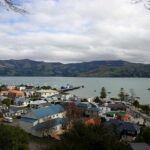
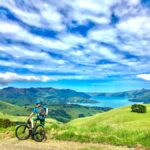
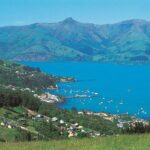
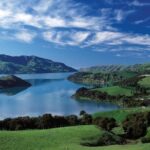
Expect photo stops with views across Akaroa Harbour and out toward the open Pacific. If you’re the type who likes scenery, this is more than a transport gap; it’s part of the story of where the penguins live and why this coast is so unique.
Along the way, the guides often bring the peninsula to life with talk about local wildlife and how the area’s geography shapes what you’ll see later. In the past, guides such as Ben, Tayla, Mona, Kevin, and Geraldine have been praised for tying penguin behavior to the wider Akaroa natural world.
One practical note: the drive is part of a 3-hour block, so if the weather is cold or rainy, you’ll feel it during the journey. Bring layers you can move in and that you don’t mind wearing longer than you expected.
Arriving at Pohatu/Flea Bay: Walking the Colony Without Disturbing It
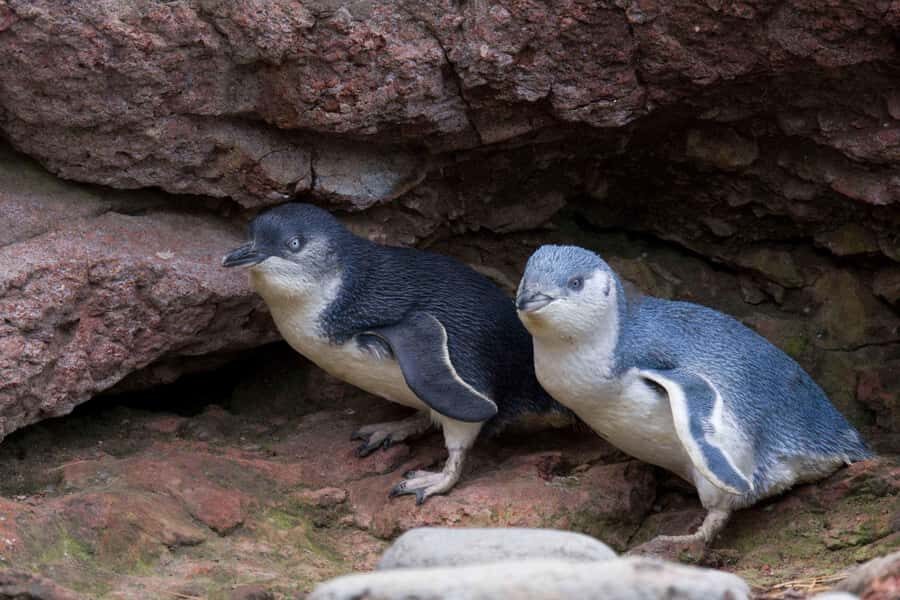
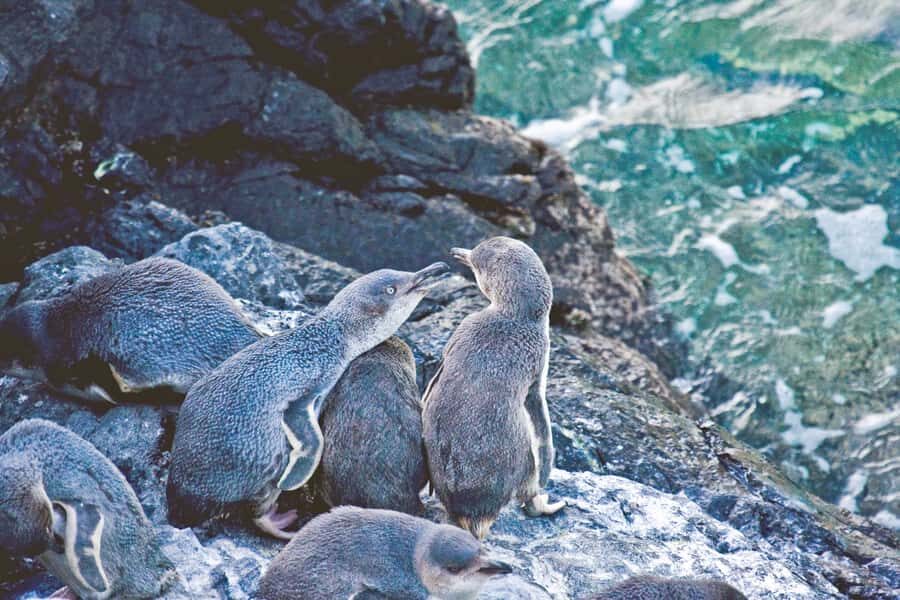
Once you reach Pohatu/Flea Bay, the heart of the evening kicks in. You’ll walk around the colony with your guide, focusing on nesting sites marked by the small wooden houses used for monitoring.
This isn’t a wild free-for-all. The tour is set up for controlled, guided visits because the habitat is sensitive and the birds are nesting. That guided approach is the difference between seeing penguins and accidentally making their lives harder.
During this stage, you’ll do observation tasks like monitoring nesting sites and helping with data collection. Your presence is part of the long-term conservation loop—your eyes and attention feed into how the project tracks “doing well” versus problems that need intervention.
To help you see without ruining the moment, you’ll get camouflage gear and binoculars. That gear isn’t for show; it helps you blend into the environment so the penguins aren’t forced into extra stress.
Nesting Boxes, Moult Season, and the Ones You Might Actually See
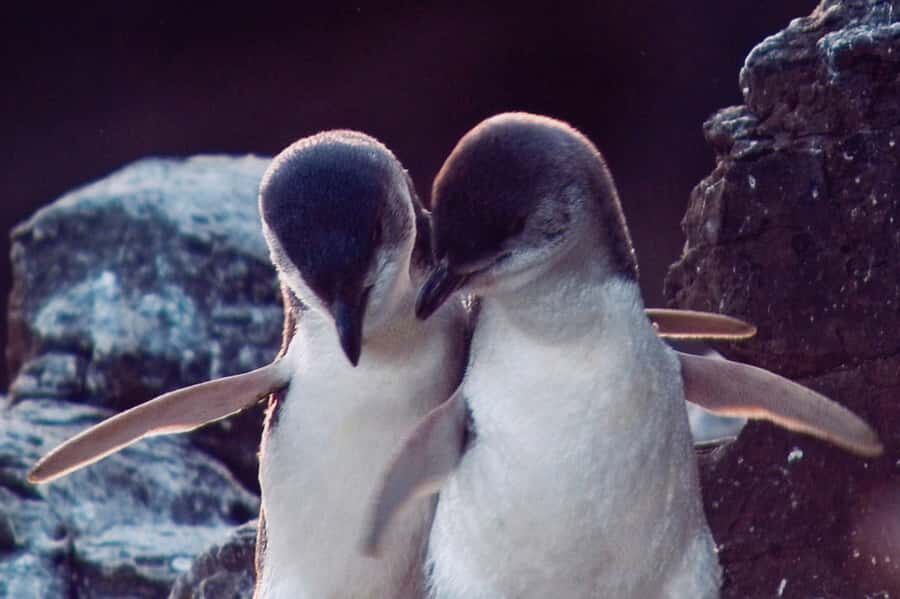
The tour’s main focus is the colony itself—watching penguins up close in their nesting areas. That said, what you see depends on season and timing, and the guides are upfront that penguin behavior drives the outcome.
Here’s the seasonal picture so you can set expectations realistically:
- Breeding happens from mid-September to the end of December.
- Then birds go through moult until about mid/late February.
- There are generally no penguins from early March to mid-April.
- Over winter, penguins come and go, and sightings can be harder.
In the most active months, the colony can feel busy, and you may see penguins in nesting boxes as well as moving around nearby areas. In quieter months, you’ll still be learning the system—how nesting sites are checked and what signs matter—but the birds may be fewer.
In terms of behavior, look for penguins socializing out in the water. As darkness falls, the chance of some returning to shore improves, but the window isn’t huge, and it can close quickly if conditions shift.
Important: the tour doesn’t use artificial lighting because light disturbs the birds. So if you’re hoping for a guaranteed “penguins on the beach” finale, plan for a more honest experience: you’re watching what the colony naturally offers.
Viewing From Shore to Water: Binocular Time and Quiet Wins
A major reason this tour earns high marks is how it helps you get value from limited light. Once you’re in position, the guides use binocular viewing to extend your reach—so even when penguins stay just out of easy sight, you still have something to do besides wait.
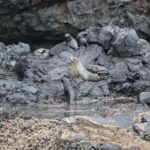
You might spot penguins further out or see them coming and going along the bay. And some evenings include extra wildlife moments such as seals in the water or around the bay, which adds surprise variety to the night.
Just remember the trade-off: because the colony is the priority, the pacing isn’t about maximizing “count per minute.” It’s about watching carefully, in the right places, at the right time, while minimizing disturbance.
Also, your schedule is tied to daylight. If you arrive during a night when the light drops fast, you might get fewer “on shore” moments before visibility fades.
The upside is that this makes the experience feel more like fieldwork than a performance. You’re learning how penguins move through a normal cycle, not forcing an artificial one.

The 30+ Year Conservation Piece: Why This Feels Worth $68
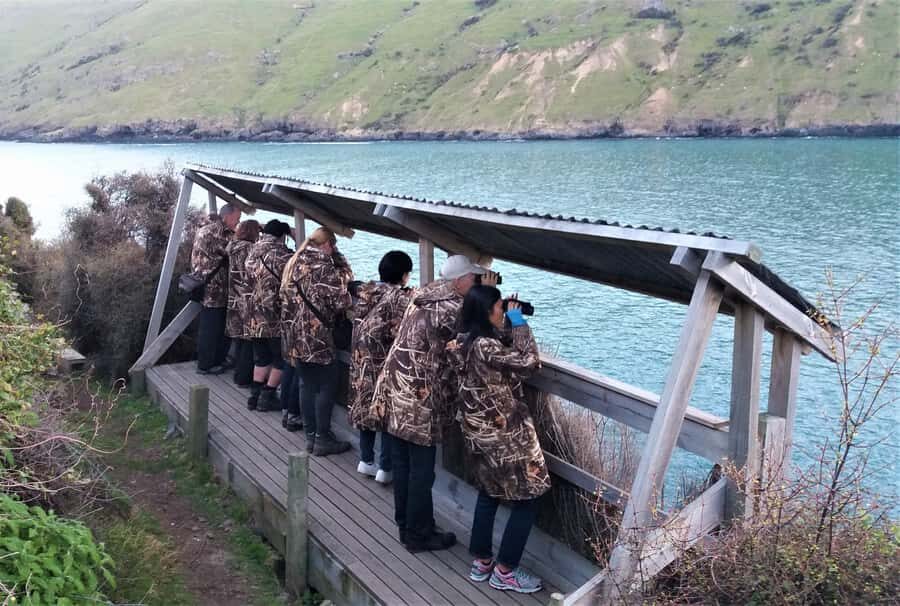
This tour doesn’t just say conservation matters—it builds it into the evening. The experience is connected to a 30-year conservation and monitoring project, with you assisting as part of the observation work at the colony.
That matters for two reasons. First, little penguins are vulnerable, and monitoring helps the team detect changes early. Second, it turns your ticket into a tangible contribution: your time and attention help the project track nesting success and overall colony health.
Guides are often praised for making that mission understandable. People have credited their guides with clear explanations of penguin behavior and the wider ecology of the Akaroa Peninsula, not only facts about penguins but the “why” behind the conservation approach.
Price-wise, $68 for 3 hours includes more than a seat on a bus. You’re getting the 4WD drive, a guide, photo stops, binoculars, camouflage gear, and the key conservation-focused access to the breeding colony under guided rules.
If you’re deciding between a standard penguin viewing slot and this monitoring-style visit, I’d lean toward the one that makes you part of the work. This one gives you a deeper reason to care what you’re seeing.
Practical Comfort: Wear for the Cold, and Move for Narrow Trails
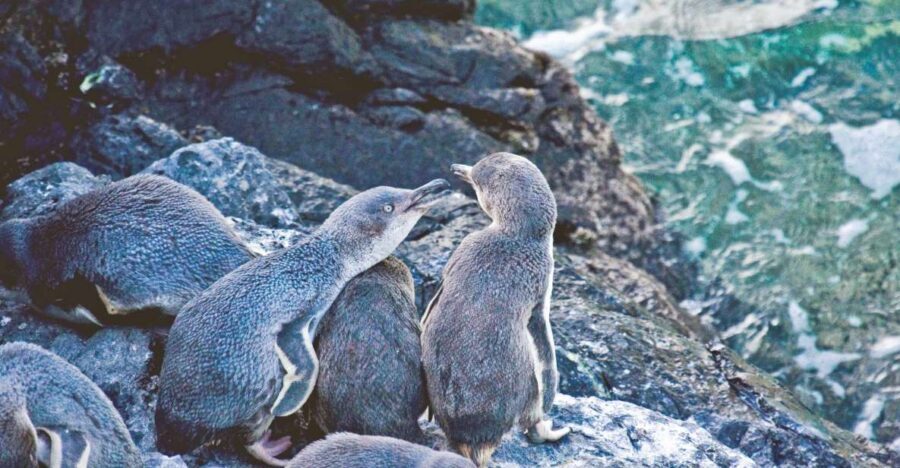
This isn’t a sit-down show. You’ll walk around the colony, and you should expect uneven ground and paths that can be narrow or steep in spots.
Bring hiking shoes and weather-appropriate layers. Even in seasonally pleasant months, evenings at the coast can turn chilly, and at least some guests have described the conditions as cold and rainy.
You’ll also want to know what’s off-limits:
- No flash photography.
- No smoking.
- Keep noise down.
The no-flash rule is more than etiquette. It supports the core idea that artificial light can disturb the penguins, so the tour leans on natural viewing instead.
Group size is capped at 12, which helps with the pacing and makes it easier for your guide to manage spacing in the colony. It also means you can ask questions without feeling like you’re in a lecture hall.
And if you have mobility concerns, note that the tour is not suitable for people with mobility impairments or wheelchair users.
Who Should Book This Akaroa Little Penguins Experience
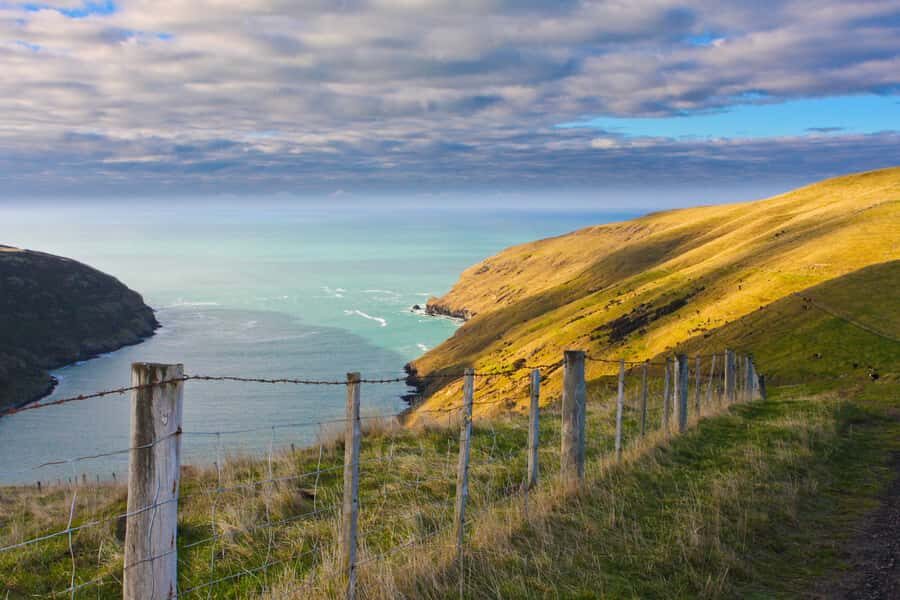
This is a great pick if you want penguins with context. I’d recommend it to first-time visitors who love learning how animals live, and to repeat NZ travelers who like conservation stories that are hands-on rather than just informational.
It also works well if you’re okay with uncertainty. The guides won’t guarantee penguins will come ashore before full darkness, and they won’t use lights to force it. If you can accept that and focus on the whole evening—the views, the colony work, the behavior—you’ll probably come away happy.
If you’re traveling with someone who dislikes walking or gets stressed on narrow paths, you might need to choose a different style of penguin encounter. This one is built around access to a breeding colony, and that means it asks more of your legs.
Should You Book the Akaroa Pohatu Little Penguins Evening Tour?
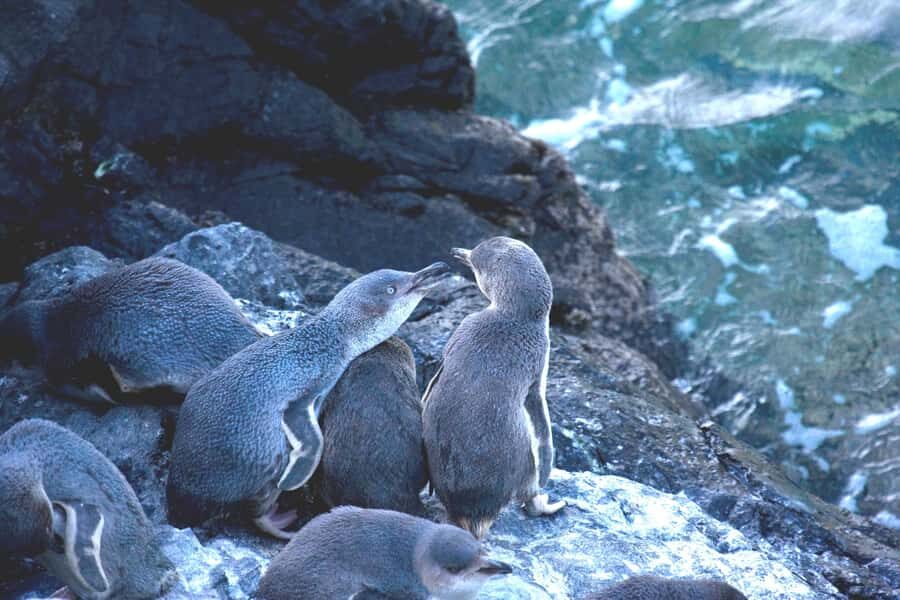
Yes, if you want a penguin encounter that feels respectful, structured, and genuinely tied to conservation. The combination of 4WD crater-rim scenery, colony monitoring, and natural-light viewing makes it feel like an evening with a purpose, not just a checklist stop.
Book it especially if you’ll appreciate seasonal differences. If you’re there during breeding or moult (mid-Sep through late Feb), your odds of seeing more active colony moments tend to be better. And even when penguin numbers are lower, you’ll still come away with a clearer understanding of how the project works and what the birds need.
Don’t book it if you need a guaranteed “penguins on the beach” finale or you can’t handle a walk in potentially challenging terrain. In that case, look for a more accessible or more lighting-assured option.
FAQ
What’s the meeting point for the tour?
You’ll meet before St Peter’s church in Akaroa.
How long is the experience, and is the timing fixed?
The experience lasts about 3 hours, and the departure time changes depending on sunset. The operator emails you updated details near your tour date.
Will there be flash photography or artificial lights?
No. Flash photography isn’t allowed, and the tour doesn’t use artificial lighting because it can disturb the penguins.
What should I bring?
Bring hiking shoes and weather-appropriate clothing.
Is penguin viewing guaranteed?
No. The colony is watched in natural conditions, and it cannot be guaranteed that penguins will come ashore before it gets too dark.
Is the tour suitable for wheelchair users?
No. It isn’t suitable for people with mobility impairments or wheelchair users.