REVIEW · AKAROA
Akaroa Nature and History Private Tour – The 7th Generation
Book on Viator →Operated by The Seventh Generation · Bookable on Viator
Akkaroa can feel small, but the stories aren’t. This private tour uses local history and nature knowledge to help you connect the harbour, the hills, and the people who shaped them. I like how it’s built around places you can’t really piece together on your own.
What I like most is the guide. Marie Haley is a finalist in the 2024 New Zealand Tourism Awards and she brings the kind of storytelling that makes dates and names stick. I also love the balance: Māori history, French settlement, and ecological detail all get equal time, not one as an afterthought.
One consideration: this is a short, road-and-stops style tour (about 3 hours), so it’s not a long walking hike. If you have mobility limits, plan for some vehicle entry and short stop durations.
In This Review
- Quick hits before you go
- Why Akaroa’s history makes more sense with a local guide
- Meet Marie Haley: historian, ecologist, and storyteller
- Lighthouse stop: Stevenson family ties you can actually picture
- Takapuneke Reserve: geology lessons plus human routes and trade
- Onuku Church (Kaik): Treaty of Waitangi history with a place to stand
- French Akaroa sites: buildings you’ll understand, not just see
- Akaroa Heritage Park and the harbour-view picnic break
- Nature and sightseeing drive: Hinewai Reserve and conservation in action
- Price and value: what $341.32 per group really buys
- Timing, weather, and how to prep so the day goes smoothly
- Who should book this Akaroa nature and history tour
- Should you book The 7th Generation Akaroa Nature and History tour?
- FAQ
- How long is the Akaroa Nature and History Private Tour?
- How many people can be in the group?
- What’s the price?
- Is pickup offered, and where is the tour starting?
- Do I need to bring tickets?
- What kind of places will we see during the tour?
- Is the tour dependent on weather?
- Are service animals allowed?
Quick hits before you go
- Private, up to 4 people: you get space for questions and a calmer pace than group tours.
- A Stevenson-family lighthouse connection: you’ll hear a specific thread linking Akaroa to the Robert Louis Stevenson story.
- Takapuneke Reserve context: geology, Polynesian navigation and exploration, plus the European flax trade.
- Onuku Church (Kaik): Treaty of Waitangi history framed with a beautiful Māori church stop and photos.
- Hinewai Reserve and conservation work: you’ll learn how invasive exotic weeds are managed to regenerate native forest.
- End of the Earth drive and harbour viewpoints: you’ll pair big scenery with clear explanations of what you’re seeing.
Why Akaroa’s history makes more sense with a local guide
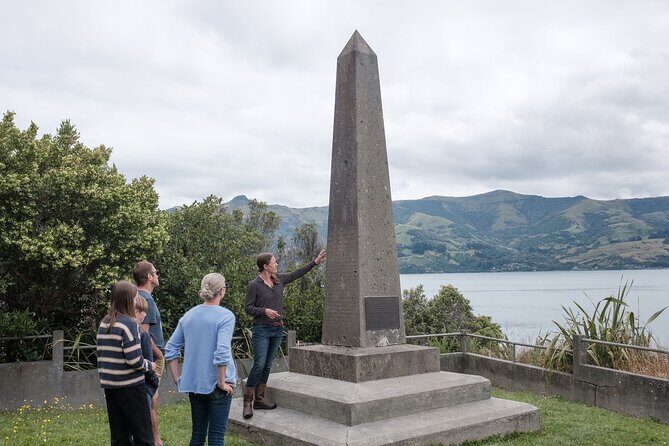
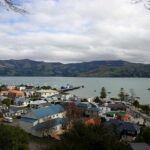
Akaroa looks postcard-simple: a harbour town on Banks Peninsula, with French charm and ocean views. But the deeper you go, the more you realize it’s really a meeting point of cultures, trade routes, and contested arrivals.
That’s what this tour does well. You don’t just get facts. You get the “why” behind them, so the town stops feeling like a name on a map. And because it’s a private experience owned and operated by the 7th Generation descendant of the French settlers, the stories aren’t generic. They’re personal, anchored to a family thread that still lives in the area.
You can also read our reviews of more tours and experiences in Akaroa.

Meet Marie Haley: historian, ecologist, and storyteller
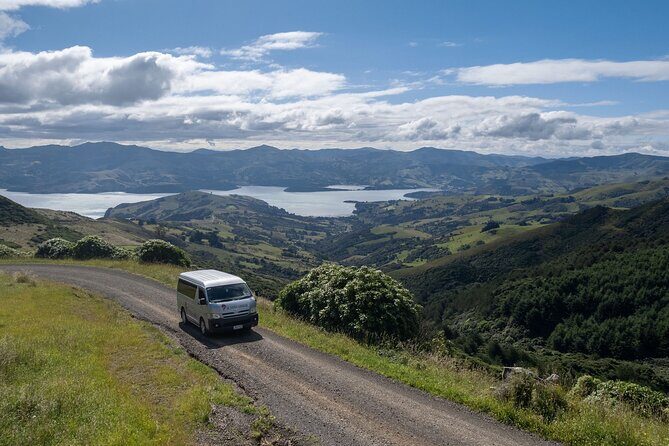
The heart of the experience is Marie Haley’s way of teaching. She’s not only a trained historian and ecologist; she’s also described (and it shows in how people respond) as a natural storyteller. That matters because Akaroa’s best moments often come from connections you’d miss if you only read signs.
From the start, Marie Haley frames the day as “nature and history in conversation.” You’ll learn how landforms connect to navigation, how trade shaped what arrived, and how later settlement patterns changed the town’s look and buildings. It also helps that the operation has strong recognition: she was a finalist at the 2024 New Zealand Tourism Awards for Tourism Business Excellence. That’s a good signal that this isn’t a casual side project.
If you like tours where you can ask follow-up questions without feeling rushed, this format fits. The private setup means you can slow down when a topic clicks, like Treaty history or what “End of the Earth” actually means in this context.
Lighthouse stop: Stevenson family ties you can actually picture
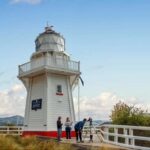
One of the first standout elements is the historic Akaroa Lighthouse. This isn’t treated as a quick photo moment. You’ll also hear its incredible connection to the Robert Louis Stevenson family.
What makes this valuable is the way it changes how you look at the lighthouse. Instead of seeing it as a piece of old infrastructure, you’ll connect it to a wider story of people and movement across the region. Even if you’re not a Stevenson reader, you’ll leave with a clearer picture of why this corner of the world mattered to writers, sailors, and families.
This is also a good warm-up stop. You’re building context before you head inland and farther out, so later explanations land better.
Takapuneke Reserve: geology lessons plus human routes and trade
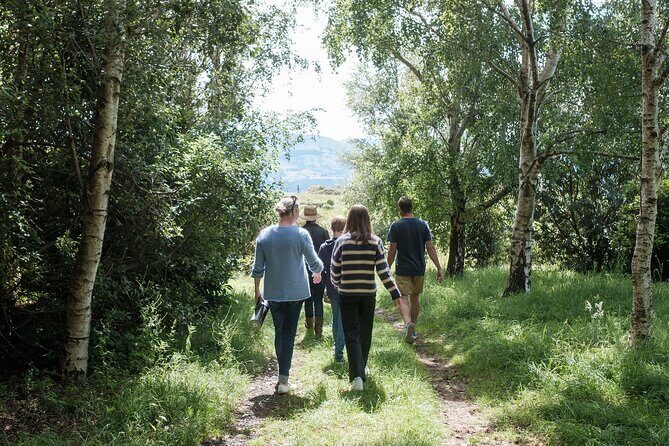
Takapuneke Reserve is where the tour expands from town history into the bigger New Zealand story. This stop is designed for learning without feeling like a classroom.
Here’s what you can expect to cover:
- The geological and natural history of New Zealand
- Polynesian navigation and exploration
- European arrival and the flax trade
- A look at the Brig Eli (mentioned as part of what you’ll learn)
The value of this mix is that it connects timelines that are easy to separate in your head. Geology becomes the foundation, navigation becomes the “how did people find these coasts,” and the flax trade becomes a practical reason Europeans had to show up. When you understand those links, Akaroa isn’t just French façades and harbour walks. It becomes a point on a network.
Practical note: this stop is listed as about 30 minutes and includes a free admission element. It’s long enough to absorb the story, but short enough to keep the tour moving.
Onuku Church (Kaik): Treaty of Waitangi history with a place to stand
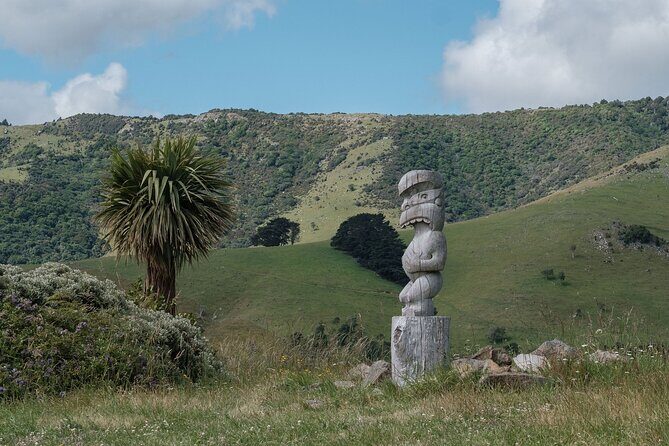
Next up is Onuku Church, also known as Kaik. This stop focuses on the Treaty of Waitangi and a key early British role, including the first British Resident to New Zealand.
You also get the chance to experience the church itself and take photos. Even with the time being about 20 minutes, this is the kind of stop where you’ll feel the difference between “reading about events” and seeing a physical place where those ideas were carried, spoken, or debated.
Why I think this matters: Treaty discussions can feel abstract on a screen. A Māori church stop anchors the conversation in real space and gives you a moment of stillness while the guide ties the historical threads together.
If you’re sensitive to heavier themes, approach this as part of understanding the full Akaroa picture, not as a side note. It’s one of the more “human” stops on the day.
French Akaroa sites: buildings you’ll understand, not just see
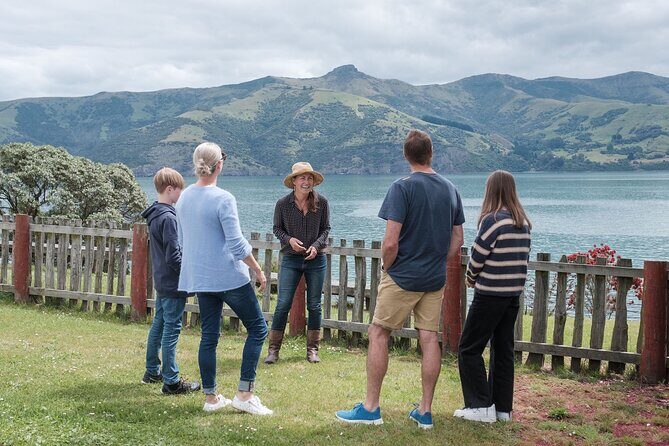
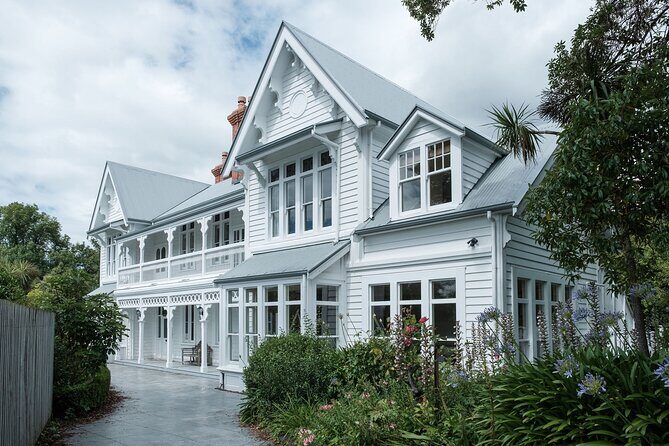
After the church, the tour shifts back to Akaroa’s French town identity. You’ll visit the town itself and see historic buildings. The tour frames these sites as connected to the guide’s family story, which is why they’re more memorable than a standard list of landmarks.
This part of the day is where you start noticing patterns:
- which buildings feel “Old World”
- how settlement choices shaped the town center
- how the French identity sits beside Māori history and later British influence
The practical payoff: you’ll walk away with a sense of how Akaroa is layered. You can look at a building and know what kind of story to attach to it, instead of just thinking it’s pretty.
Akaroa Heritage Park and the harbour-view picnic break
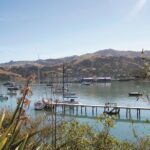
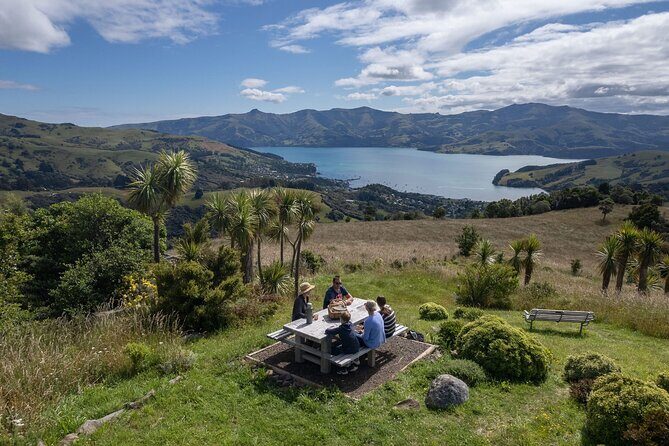
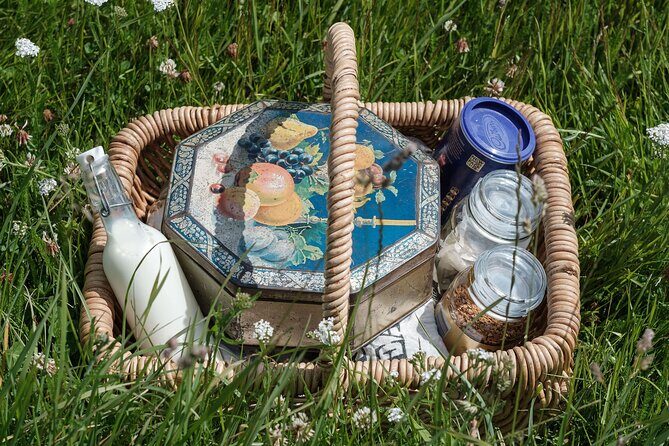
The tour includes a stop at Akaroa Heritage Park with a scenic overlook of Akaroa Harbour. There’s also time for a picnic here, and that’s a smart way to keep the tour from feeling like nonstop narration.
About 30 minutes are allocated here. That’s enough time to take in views, eat something if you’ve brought it, and let the earlier history and culture settle in while you watch the water.
Why this works: harbour scenery isn’t just for photos. Once you’ve learned earlier navigation and settlement context, you’ll understand why the harbour mattered so much. You’ll also get a slower rhythm, which is welcome in a 3-hour day.
Nature and sightseeing drive: Hinewai Reserve and conservation in action
After the town stops, you shift into nature and sightseeing driving. One of the main highlights here is Hinewai Reserve, described as the largest private reserve in New Zealand.
You’ll learn how Hinewai is regenerating native forest by addressing invasive exotic weeds. That’s not a vague conservation slogan; it’s the kind of detail that helps you picture the work behind what you’re seeing.
This stop is valuable even if you don’t consider yourself a “nature person.” The reason is that it teaches you how ecosystems change when people intervene in the right way. Instead of only seeing “green,” you learn what’s being managed and why it matters for native plants and habitat.
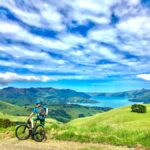
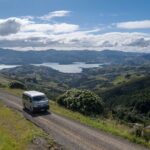
The tour also includes a drive to the End of the Earth. In a place like Akaroa, this phrase tends to become real quickly. You’ll likely feel the “edge of the world” mood the moment the views open up, but with the guide’s context so it doesn’t feel like a marketing line.
Price and value: what $341.32 per group really buys
At $341.32 per group (up to 4 people) for about 3 hours, this isn’t the cheapest way to see Akaroa. But it’s also not priced like a city big-bus tour. It’s priced like a private, story-driven experience with a serious local specialist.
Here’s how I’d think about value:
- You’re paying for a guide with both historical and ecological training, not just someone who knows a route.
- Private format matters. In a group, your question might wait until the next stop. Here, you can follow the thread you care about.
- The tour packs multiple high-impact stops into one efficient half-day, including lighthouse context, Treaty history, and conservation learning.
If you’re traveling as a couple or a small family, the per-person cost can look more reasonable fast. If you’re solo, it may feel steep compared with general tours, but the trade-off is you’re getting tailored storytelling and a calmer pace.
Also note: this tour is booked on average 218 days in advance. If you’re visiting in peak season or during a popular week, you’ll want to plan ahead.
Timing, weather, and how to prep so the day goes smoothly
This experience runs about 3 hours and requires good weather. That’s not a small detail. Akaroa’s best views are weather-dependent, and a short tour means you don’t get much wiggle room if conditions are poor.
Prep tip:
- Bring layers for coastal wind changes.
- Wear shoes that work for short steps and uneven spots around attractions.
- If you’re planning a picnic at Akaroa Heritage Park, think simple: grab-and-go snacks and drinks.
If you have mobility concerns, you should tell the provider ahead of time. The tour notes some flexibility may be required when entering and exiting the vehicle, and that helps the guide tailor the pacing and support.
Who should book this Akaroa nature and history tour
This is a great fit if you want:
- a private tour (up to 4) instead of squeezing into a larger group
- history that connects to the place you’re standing
- nature explanations that are specific, not generic
- a guide who teaches through story, including personal family threads from the French settlers
It may not be your best match if you prefer long hikes, self-guided wandering, or a strict museum-only style. This tour is built for short stops plus driving, with learning delivered in measured chunks.
Should you book The 7th Generation Akaroa Nature and History tour?
Book it if you want Akaroa to feel understandable on day one. The lighthouse-and-Stevenson link, Treaty-era stop at Onuku Church (Kaik), the Takapuneke Reserve context, and the conservation lesson at Hinewai Reserve give you a full-spectrum view in just a few hours.
Skip it if your ideal day is mostly unstructured walking, or if weather sensitivity is an issue you can’t manage. Otherwise, this is the kind of tour where you’ll come away with a stronger mental map and a set of stories that make Akaroa stick.
FAQ
How long is the Akaroa Nature and History Private Tour?
The tour lasts about 3 hours.
How many people can be in the group?
It’s a private tour for your group, up to 4 people.
What’s the price?
The price is $341.32 per group.
Is pickup offered, and where is the tour starting?
Pickup is offered, and the meeting point is 78 Rue Lavaud, Banks Peninsula, Akaroa 7520, New Zealand. The tour ends back at the meeting point.
Do I need to bring tickets?
The tour uses mobile tickets.
What kind of places will we see during the tour?
You’ll visit several key stops, including the Akaroa Lighthouse, Takapuneke Reserve, Onuku Church (Kaik), Akaroa Heritage Park, and areas connected to Hinewai Reserve and the End of the Earth drive.
Is the tour dependent on weather?
Yes, it requires good weather. If it’s canceled due to poor weather, you’ll be offered a different date or a full refund.
Are service animals allowed?
Yes, service animals are allowed.