REVIEW · AKAROA
Sailing and Wildlife Tour Akaroa Fox II Sailing
Book on Viator →Operated by Fox 2 Sailing Adventures · Bookable on Viator
Akaroa’s dolphins come with a sail plan. This Fox II trip pairs quiet sailing with wildlife watching around Banks Peninsula, plus local history as you pass landmarks near the harbour. I love how the boat leaves you enough time for other Akaroa stops, and I also like that the experience is built around eco-friendly viewing rather than chasing animals.
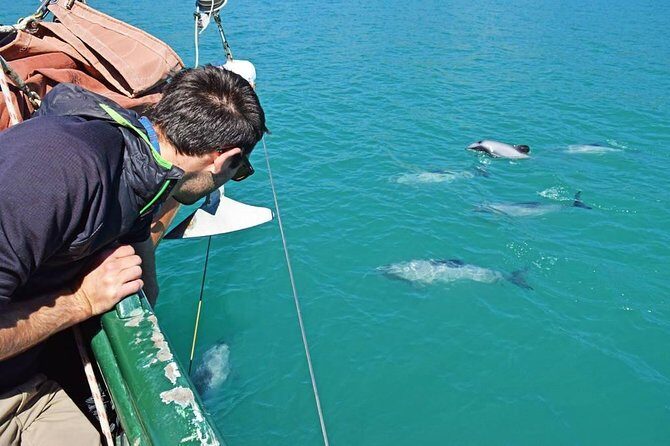
My favorite part is the combination of wildlife and stillness. When the engine powers down and you glide under sail, you get a calmer pace for spotting marine life like Hectors dolphins (a protected species), plus seals and seabirds. There’s also solid narration from the captain and crew, and you’ll hear details that connect the scenery to the area’s working-water past.
One thing to consider: you’re relying on good weather for the full experience. If conditions are rough, you may be offered another date or a refund, so pack layers and be ready to be flexible.
In This Review
- Key things to know before you book Fox II Sailing Adventures
- Fox II Wooden Sailboat: what makes this sailing feel special
- Daly’s Wharf to your first bearings: how the trip starts
- Stop at the Akaroa lighthouse site: built in 1880, moved in 1980
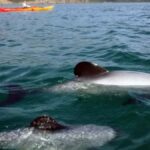
- Wildlife time in Akaroa Harbour: Hector’s dolphins, seals, penguins, albatross
- Banks Peninsula views: why the scenery isn’t the main event, but still matters
- Captain Roy and crew narration: facts you can actually use
- Price and value at about $90–$95 per person
- Weather, timing, and practical tips for a smoother sail
- Who should book this Akaroa wildlife sailing (and who might not love it)
- Should you book Sailing and Wildlife on the Akaroa Fox II?
- FAQ
- What is the duration of the Akaroa Fox II sailing and wildlife tour?
- Where does the tour start and end?
- What kind of boat is used on the tour?
- How many people are on the tour?
- What wildlife might you see?
- Does the tour leave time for other activities?
- Is good weather required?
- When will I receive confirmation after booking?
- Is there a cancellation window for a full refund?
- Is this tour private?
Key things to know before you book Fox II Sailing Adventures
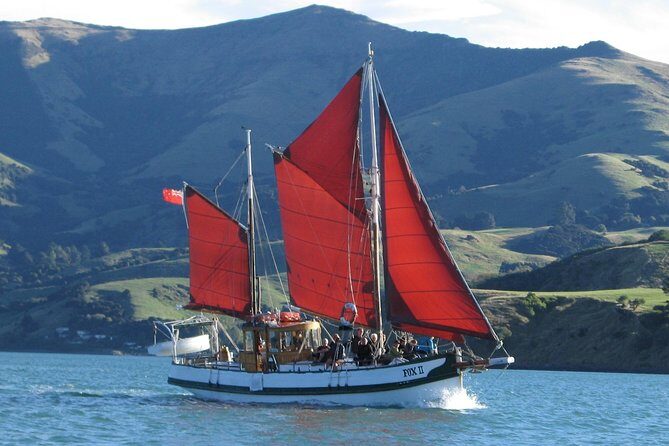
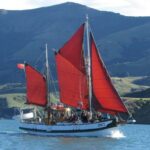
- Vintage Fox II wooden ketch over 100 years old, one of New Zealand’s oldest working ketch boats
- Hector’s dolphin viewing in Akaroa’s waters, with wildlife kept undisturbed
- 2 hours 45 minutes approx. that still leaves room for other activities in town
- Small group size (max 30 travelers) for a more relaxed wildlife hunt
- Daly’s Wharf departure/return makes the day trip feel simple and self-contained
Fox II Wooden Sailboat: what makes this sailing feel special
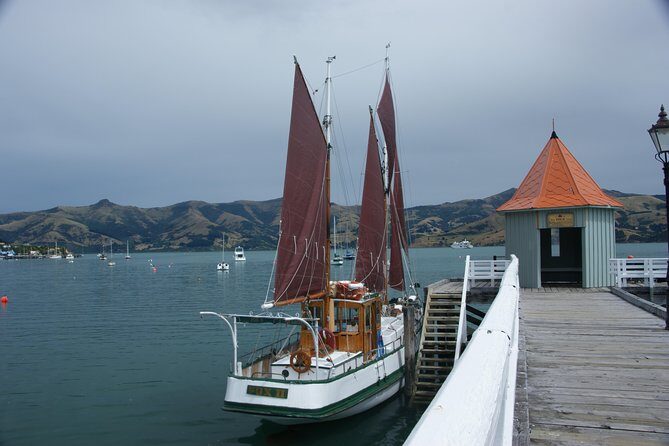
This isn’t a loud, motor-first “look quick and go” style tour. The Fox II is a vintage wooden ketch (built in an era when sailing mattered), and it changes how you experience the water. Even if it’s your first time on a sailboat, the trip feels grounded: you’re moving slowly enough to notice birds, shifts in the water, and the way the harbour opens up toward the peninsula.
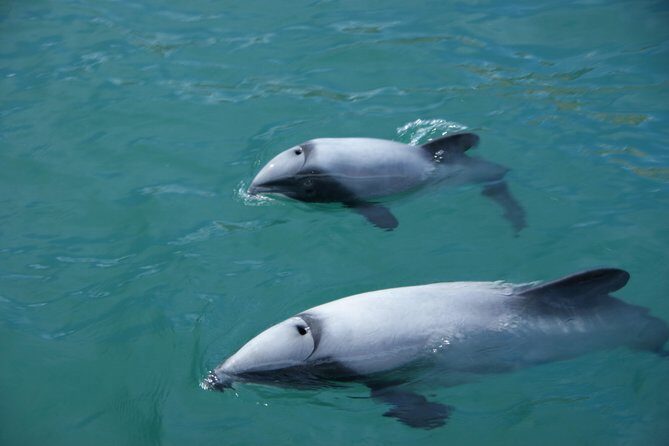
The other big reason it feels different is the eco approach. The tour is designed so you’re close enough to observe wildlife, but not close enough to disturb it. That matters with species like Hector’s dolphins, which are protected for a reason. You’re not there to “collect” an animal sighting. You’re there to respect their space and enjoy what shows up naturally.
And yes, it’s also a classic “step back in time” experience. If you like old boats and practical history, this one fits. It’s not just scenery; it’s a working vessel with character.
You can also read our reviews of more boat tours in Akaroa
Daly’s Wharf to your first bearings: how the trip starts
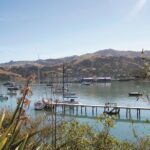
The sailing begins at Daly’s Wharf in Akaroa, and it ends back at the same meeting point. That round-trip format is underrated value. You don’t need to figure out taxis or late transfers after your wildlife time is done; you’re already where you started.
The tour runs about 2 hours 45 minutes. Because it’s a half-day experience, it’s easy to build a full Akaroa day around it. You can do lunch, a harbour stroll, or a short drive to a viewpoint afterward without feeling like the sailing steals your whole day.
Group size stays capped at 30 travelers, so you’re not packed in like a speedboat tour. You can actually focus on what the captain is pointing out—especially when wildlife shows up unexpectedly. And because it’s near public transportation, it’s straightforward if you’re not bringing your own car.
Stop at the Akaroa lighthouse site: built in 1880, moved in 1980
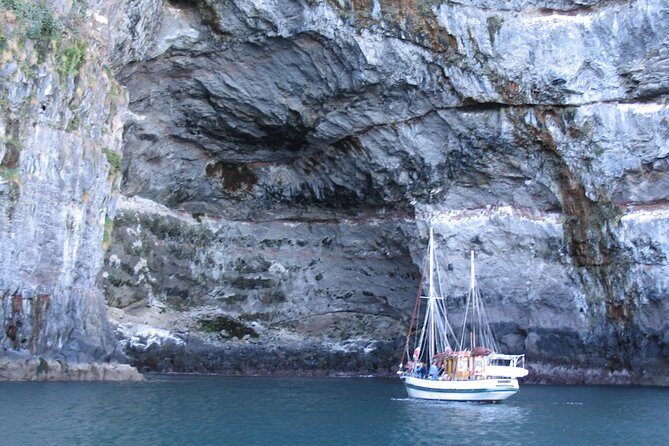
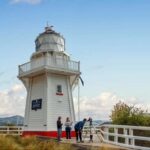
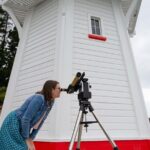
Early in the experience, you’ll make a stop connected to the lighthouse story at Akaroa Heads. The key detail here is that the structure was built in 1880 and later moved to its current site in 1980. That’s the kind of fact that makes a “quick photo stop” feel more meaningful.
Why I like this stop: it gives context before you’re scanning the water. Akaroa’s harbour has always been about navigation, weather, and safe passages. A lighthouse theme helps you understand why this coast looks the way it does and why certain points around the headlands matter.
What to watch for: use the stop to get your bearings—where the harbour sits, where the headlands create sheltered water, and how the coastline channels wind and waves. That makes the next stage of the trip easier, because you’ll understand what you’re seeing rather than just guessing.
Wildlife time in Akaroa Harbour: Hector’s dolphins, seals, penguins, albatross
This is the heart of the trip. The tour focuses on spotting rare and protected wildlife in its natural habitat, and Akaroa is one of those places where you can sometimes see wildlife without it feeling like a theme park.
The tour description highlights species you might encounter at sea and around the harbour:
- Hector’s dolphins
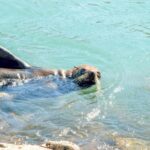
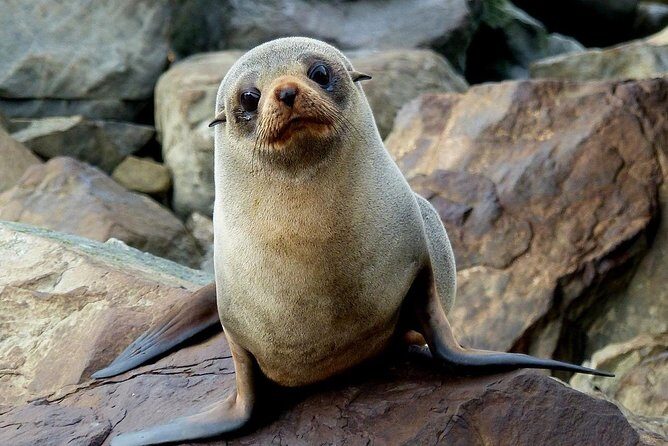
- New Zealand fur seals
- Little blue penguins
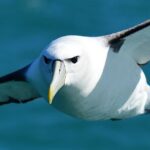
- Albatross
Here’s the practical reality: dolphin sightings can happen more than once, but they’re never guaranteed on a specific day. On some sails you may catch dolphins repeatedly as the boat moves through good viewing zones. On others, they might be elusive. The best thing you can do is trust the crew’s search plan and stay patient when the water looks calm but doesn’t immediately “announce” animals.
Why the boat choice matters: the Fox II can sail quietly, and that helps with observation. When you reduce noise and vibration, animals are more likely to behave normally. That’s why you’ll hear about switching from engine power to sail power. The quiet time isn’t just romantic; it’s also functional for wildlife viewing.
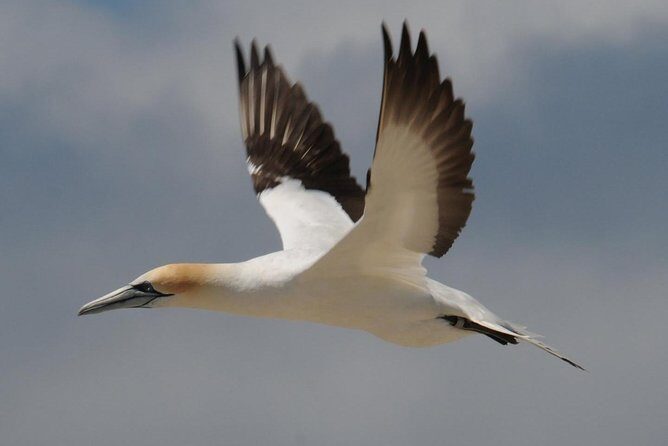
Also pay attention to seals and seabirds. Even if dolphins are shy, the area can still feel alive. When you see seals lounging or birds hovering and wheeling, you often get a sense that the marine food web is active—exactly what you hope for when you came for dolphins.
One more detail that stands out from the on-water experience: the captain’s commentary tends to connect animal behavior with the local setting. That’s how you move from a random sighting to actually understanding what you’re watching.
Banks Peninsula views: why the scenery isn’t the main event, but still matters
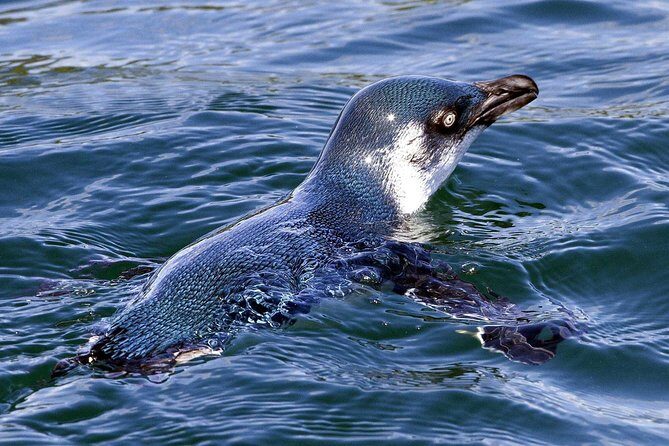
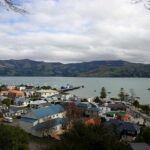
You’ll see the harbour and the wider coastal backdrop of Banks Peninsula, but the tour’s structure keeps the focus where it should be: the animals and the boat.
Still, the views add real value. Akaroa’s harbour geography creates sheltered pockets where wildlife can frequent, and headlands shape how light and wind fall across the water. When you’re out long enough—nearly three hours—you get multiple angles of the same stretch of coastline, which helps your photos and your sense of place.
If you’re the type who likes understanding the “why” behind what you see, this tour helps. Local history and marine talk gives the coast a story. Even if the weather shifts, you’ll notice how quickly the water changes character in this part of New Zealand.
Captain Roy and crew narration: facts you can actually use
A huge part of why people rate this trip so highly is the human side. The captain and crew are friendly, and the commentary brings in local history and marine context, not just generic “look over there” directions.
Captain Roy is specifically mentioned in feedback, which matters because it signals consistency in who leads the experience. A good narrator helps you spot animals sooner and interpret what you’re seeing—like why dolphins might surface where they do, or why certain birds appear at certain times.
You’ll also feel that the crew genuinely enjoys the trip. That may sound soft, but it’s practical: when staff care, you get better pacing, calmer movement around sightings, and clearer guidance on when to keep quiet and when to scan.
And if you get a moment near the chapel area, there’s at least one account of music being played during a pause. It’s not something you should count on, but it’s a nice reminder that the crew sometimes adds thoughtful touches that turn the sail into a memory.
Price and value at about $90–$95 per person
At $89.98 per person (and sometimes listed around $95 depending on the exact offering), you’re paying for three things:
1) a real sailing experience on an old working wooden ketch
2) dedicated wildlife watching time in a known local area
3) guided interpretation from the captain and crew
This is the key value question for you: are you coming for the dolphins specifically, or are you open to a broader wildlife day that includes dolphins plus seals, penguins, and birds if they show up?
If you’re the “I want dolphins no matter what” type, you still have to accept the natural variability. You may see dolphins multiple times, or you might get fewer sightings that day. But even when dolphins are light, this kind of coastal wildlife sailing often keeps the water interesting through seals and seabirds.
Compared with tours that feel more like a ride-by, this one is structured for time and attention. The half-day length helps too. Three hours at sea is long enough to matter, but short enough that you don’t feel trapped into one thing for the entire day.
Weather, timing, and practical tips for a smoother sail
The tour requires good weather. That’s not just a legal note—it’s the difference between an enjoyable wildlife hunt and a trip where you’re forced to shorten or reschedule. If you’re planning around other Akaroa activities, build in flexibility.
A few smart moves:
- Dress in layers. Even if the day starts mild, coastal wind can pick up fast.
- Bring sun protection. Marine wildlife spotting often means you’ll be outside scanning for long stretches.
- Wear footwear with decent grip. Deck surfaces can be wet even on a calm day.
- Bring your patience. When you’re looking for dolphins and birds, it can take time for the water to give you the moment you came for.
Timing-wise, you’ll be back at the wharf at the end. That makes it easier to keep dinner plans later that evening without worrying about late returns.
And since the maximum group size is 30, you’ll want to arrive a bit early to get settled and meet the crew without rushing.
Who should book this Akaroa wildlife sailing (and who might not love it)
This trip is a great fit if you want:
- A wildlife-focused sailing experience rather than a sightseeing-only cruise
- A boat with character (the Fox II is a big part of that)
- Local narration and history that helps you understand what you’re seeing
- A half-day format from Christchurch area access via the Akaroa day trip setup
It may be less ideal if you:
- Hate waiting. Wildlife watching means you sometimes scan longer than you expect.
- Want a guaranteed, scheduled animal moment. Nature isn’t on a timetable.
- Prefer private experiences as a strict requirement. The standard tour is not private, but private sailing options exist starting at $500 per trip for 2–6 people.
For families, the experience can work well because it’s a relaxed time at sea with staff-led guidance. Just remember it’s still wildlife viewing: you’re outside and it can involve cool air and quiet scanning time.
Should you book Sailing and Wildlife on the Akaroa Fox II?
I’d book it if you’re excited by the combo of a traditional sailing vessel and real wildlife watching in Akaroa’s harbour region. The value is strongest when you’re open to what the ocean gives you that day, because Hector’s dolphins and other protected species are wild animals, not show animals.
I would also book it for the reason that matters most: you’re not just buying a ticket. You’re buying time on the water with a crew that talks through what you’re seeing and respects the animals’ space. Even when dolphin sightings are slower, the rest of the marine life and the quiet under sail can still make the trip feel like a true Akaroa experience.
If you’re on the fence, ask yourself one simple question: do you want dolphins as the top prize, or do you want a broader wildlife sail where dolphins are the headline but not the only act? If your answer is both, this is a strong choice.
FAQ
What is the duration of the Akaroa Fox II sailing and wildlife tour?
It lasts about 2 hours 45 minutes.
Where does the tour start and end?
It starts at Daly’s Wharf in Akaroa and ends back at the meeting point.
What kind of boat is used on the tour?
The tour is on the Fox II, a vintage wooden sailboat (a working ketch) that is over 100 years old.
How many people are on the tour?
The tour has a maximum of 30 travelers.
What wildlife might you see?
The tour focuses on spotting Hectors dolphins, New Zealand fur seals, little blue penguins, and albatross.
Does the tour leave time for other activities?
Yes. It’s described as a half-day trip, which leaves time for other plans in Akaroa.
Is good weather required?
Yes. The tour requires good weather, and if it’s canceled due to poor weather you’ll be offered another date or a full refund.
When will I receive confirmation after booking?
Confirmation is received within 48 hours of booking, subject to availability.
Is there a cancellation window for a full refund?
Yes. You can cancel up to 24 hours in advance of the experience for a full refund.
Is this tour private?
The standard sailing is not described as private. Private tours are offered starting at $500 per trip for 2–6 people.