REVIEW · AKAROA
Akaroa: Wildlife Cruise with Dolphins and Penguins
Book on GetYourGuide →Operated by Fox II Sailing & Wildlife Adventure · Bookable on GetYourGuide
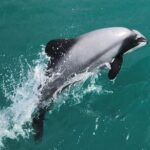
Hector’s dolphins make Akaroa feel alive. This 3-hour cruise on the Fox II gives you real sailing time plus rare wildlife sightings, backed by onboard stories in French, Maori, and English. I love the small-group setup and the mix of Harbour + Pacific wildlife routes, so you’re not stuck staring at one spot for hours. The main drawback to plan around is simple: nature controls the timing, so you may not see every species on every trip.
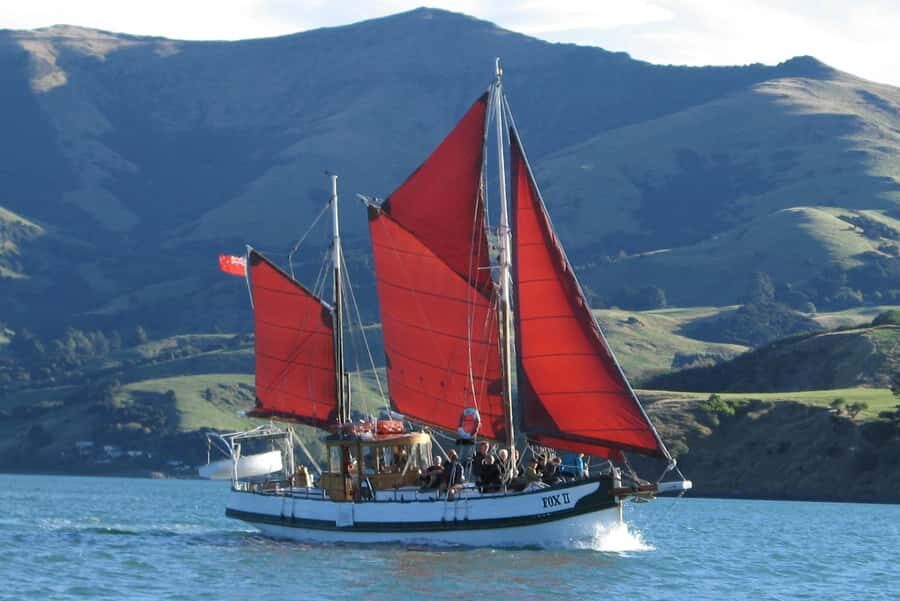
What really makes this one worth your money is that it’s not just a boat ride. You’re on New Zealand’s oldest ketch—the Fox II, a hand-built kauri gaff-rigged vessel from 1922—and you get narration while you move through caves, cliffs, and waterfalls. In the videos you’ll see dolphins come right up, but the better takeaway is how close you can get while still staying respectful and safe at sea.
If you’re sensitive to sound, take note: one rider flagged that music can feel too loud inside a cave when sound carries. And if the weather turns, you’ll want to lean on the borrowed coat and dress for wind off the water.
In This Review
- Fox II cruising: dolphins, penguins, and real age-of-sail in Akaroa
- Key things I’d circle before you go
- Getting onto the Fox II at Daly’s Wharf (and where to meet)
- Step 1: Akaroa Harbour sailing for dolphins, seals, and seabirds
- A small reality check worth keeping
- Step 2: Out toward the Pacific for cliffs, caves, and waterfalls
- Dolphins up close: Hector’s dolphin encounters you should plan around
- Penguins, seals, and albatrosses: what you might spot (and why it’s worth scanning)
- The history narration: French, Maori, and English stories at sea
- Boat details that affect your comfort: coats, drinks, and the calm of small groups
- What you’ll be offered onboard
- Music: fun, but watch the cave acoustics
- Price and value: is $77 per person worth it?
- Who should book this Akaroa dolphins and penguins cruise
- Should you book the Akaroa Wildlife Cruise with Dolphins and Penguins?
- FAQ
- How long is the Akaroa wildlife cruise?
- What does the tour cost?
- Where do I meet for the cruise?
- How big is the group?
- What languages is the live guide using?
- What wildlife might I see?
- What is included in the price?
- What onboard food and drinks are available?
Fox II cruising: dolphins, penguins, and real age-of-sail in Akaroa
This is the kind of Akaroa experience that feels practical and grown-up. The boat is classic wood, not a floating platform. The route aims for wildlife in the harbour and out toward the Pacific, with stops framed by dramatic coastal scenery—cliffs, caves, and waterfalls you can actually see from the water.
You’re also buying a guide-led experience. The onboard narration weaves together French, Maori, and English local history while you’re scanning for seabirds and marine life. That adds meaning to the sights, especially if you like your scenery with context, not just a quick “over there is a cave” moment.
Key things I’d circle before you go
- Hector’s dolphins: the rare stars of Akaroa’s coastal waters
- Fox II (1922): kauri gaff-rigged ketch with decades of local operation
- Harbour + Pacific routing: you’re not limited to one small stretch
- Close wildlife viewing: seals, seabirds, and even penguins can be spotted
- Small group (up to 10): easier sightlines and a calmer vibe
You can also read our reviews of more boat tours in Akaroa
Getting onto the Fox II at Daly’s Wharf (and where to meet)
Your day starts at the water. The meeting point is in front of Ma Maison Restaurant on the waterfront area, with the cruise running from Daly’s Wharf. This matters because you’re not dealing with long bus transfers into town—Akaroa’s compact, so you can stay focused on the sea day.
The cruise is about 3 hours, with the sailing time filling the trip rather than turning it into a long wait. That’s part of the value: you’re paying for time on the water, not just time getting oriented.
One detail I like for first-timers: you’ll be in a small group (limited to 10). In a wildlife setting, that translates to less crowding along the rails and more calm for listening to the guide.
Step 1: Akaroa Harbour sailing for dolphins, seals, and seabirds
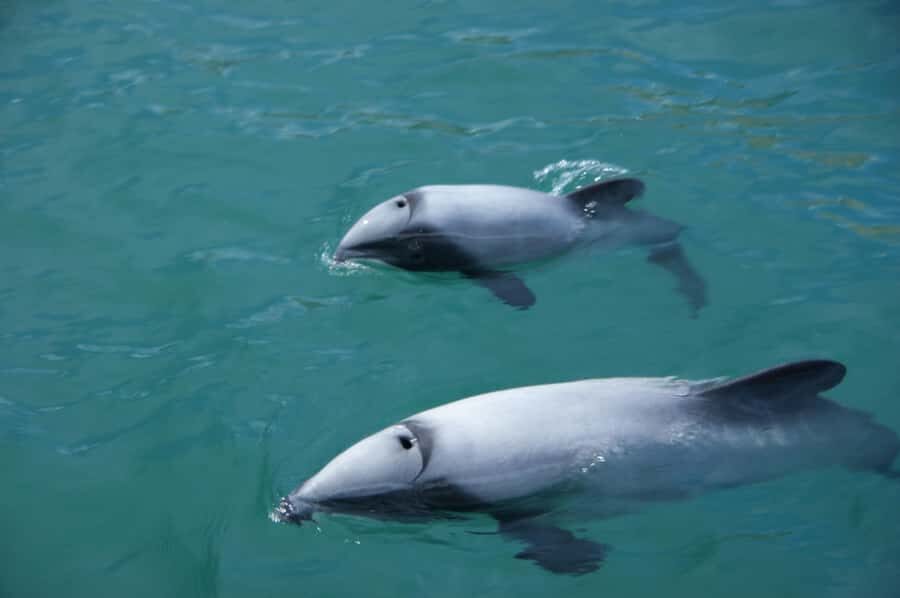
The first leg keeps you closer to shore and sets up the wildlife watching. You sail inside Akaroa Harbour for roughly the first part of the trip, and the goal is clear: look for dolphins (especially Hector’s dolphins), plus seals and seabirds.
Hector’s dolphins are rare enough that the experience can feel like watching a living secret. They’re not the kind of animal you can “guarantee,” but the planning is there: the harbour is part of the effort, not an afterthought.
As you cruise, you’ll also watch for other marine birds. The common theme is motion: birds wheel overhead, you scan the waterline, then the guide calls attention to what’s showing up. It’s not silent either—there’s often music onboard, and some riders specifically noted it can ramp up when dolphins appear, making the moment feel more playful than clinical.
What to watch for:
- Where seabirds suddenly concentrate (often a clue to what’s happening under the surface)
- Any calm water or quick surfacing patterns that break the “normal” look
- Seals lingering near rocky edges where dolphins sometimes move through
A small reality check worth keeping
Even with great guiding, wildlife is still wildlife. If the sea is choppy, sightings can be harder. If winds are strong, the captain may adjust where you spend time. The good news: you’re out there long enough (3 hours) for the odds to improve without turning it into an all-day commitment.
Step 2: Out toward the Pacific for cliffs, caves, and waterfalls
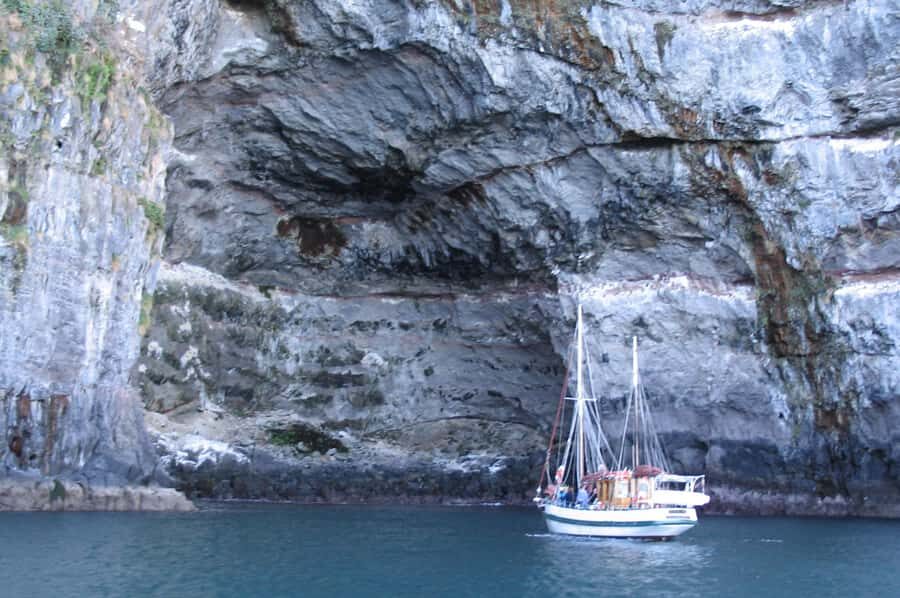
After the harbour portion, you’ll spend time along the more dramatic coastline—where the views do the talking. You’ll head beyond the harbour into the Pacific side of Akaroa, and that’s where the scenery becomes a bigger part of the “why this boat” story.
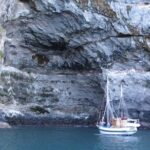
This section is about cliffs, caves, and waterfalls seen from the water. From a boat, you get angles you can’t easily replicate on foot, and it also changes the wildlife conversation: seabirds often hang where the coastline gives them air currents and cover, while marine mammals may move along the edges of sheltered waters.
You’ll also get that history narration while you’re watching. The guide ties together the human story—French, Maori, and English connections—with the natural one, so you’re not just passing through beautiful places without knowing what they mean.
Practical tip: if the cave stop includes music, and you’re the type who prefers quiet, consider bringing earplugs. One rider specifically noted music in a cave felt too loud, likely because sound carries differently in enclosed spaces.
You can also read our reviews of more dolphin watching tours in Akaroa
Dolphins up close: Hector’s dolphin encounters you should plan around
This cruise’s identity is built on one animal: Hector’s dolphins. They’re the rarest, and that’s why the route matters. A harbour sail alone can produce sightings, but the combination of harbour and Pacific scanning is what gives you multiple chances for that “right now” moment.
When dolphins appear close, the vibe changes fast. Riders described a relaxing atmosphere and music turning into part of the excitement as dolphins showed up and seemed curious about the boat. That matters because it affects how you experience the viewing: less like a checklist, more like a shared moment at sea.
You’re also on a real sailing vessel, which can feel more natural around marine wildlife than a louder motor. It doesn’t make sightings guaranteed, but it can make the whole encounter calmer and more respectful.
Penguins, seals, and albatrosses: what you might spot (and why it’s worth scanning)
This cruise doesn’t market itself as a single-species hunt. It’s a wildlife watch, and that’s why it can work even on days when one animal isn’t cooperating.
You may see:
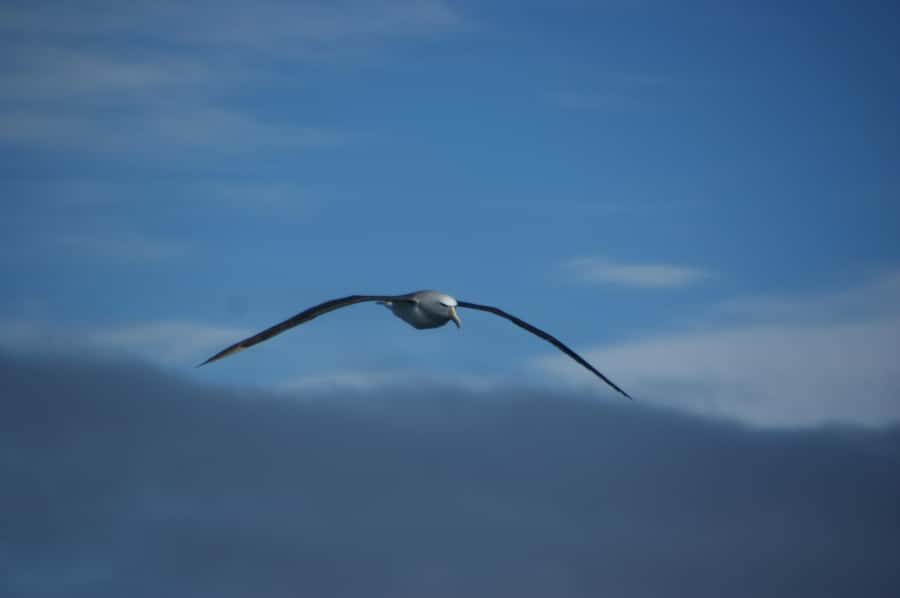
- Penguins (including small blue penguins)
- Seals
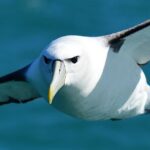
- Albatrosses
- Many seabirds across different points of the route
The key is that you’ll get multiple “windows” for wildlife. You’re moving through different water zones—harbour first, then open coastal water—so the species mix can change. That’s also why the small group matters: you can actually see over the heads in front of you, and you’re not stuck behind a knot of people.
How I’d approach it mentally: treat the trip like three separate chances—harbour viewing, coastal scenery and bird watching, then whatever surprises come during the return. You’re paying for the search experience as much as the final sighting.
The history narration: French, Maori, and English stories at sea
One of the best parts is that the guide isn’t only calling out wildlife. You’ll get historical narration during the sail, tied to French, Maori, and English local history.
That blend works well here because Akaroa’s story is layered. You’re sailing along a coastline that has meant different things to different groups over time. Hearing that while you look at caves and cliff faces can make the geography feel more meaningful.
If you care about context (even just a bit), this angle is a real value-add. It turns the cruise from sightseeing into learning you can actually remember.
Boat details that affect your comfort: coats, drinks, and the calm of small groups
You’re on a wooden ketch: The Fox II, hand built in 1922 in Auckland, made from kauri, and rigged as a gaff-rigged ketch. It’s privately owned and has been operating in Akaroa Harbour for over 30 years. Add to that a Qualmark Gold Accreditation, which signals strong standards around quality, safety, and sustainability.
All of that matters because it affects the whole vibe. This isn’t a fly-by-night wildlife boat. It’s an operation built for repeat seasons.
What you’ll be offered onboard
The included comfort touches are simple but welcome:
- Coffee and tea, plus hot chocolate (HC)
- Biscuits
- A Fox II coat you can borrow for warmth
You can also purchase wine, beer, nonalcoholic beverages, and snacks. That’s nice because you can treat it like a relaxed afternoon rather than a strict “pack a lunch” chore.
Music: fun, but watch the cave acoustics
Music shows up as part of the mood. One rider said it worked well during the dolphin moments, but it got too loud inside a cave. If you like controlled audio environments, plan for that.
Price and value: is $77 per person worth it?
At $77 per person for about 3 hours, the value comes from a few things that line up nicely:
- Real sailing time on a historic vessel (not just transport)
- Wildlife variety: dolphins are the headline, but seals, penguins, and seabirds are part of the experience
- Small group limit (10) which improves both comfort and the viewing experience
- Included drinks/snacks (coffee/tea/HC/biscuits) plus warmth support via a borrowed coat
- Guided narration that ties natural sights to human history
If your goal is a quick, cheap view from the harbor, there are other options. But if you want an experience that feels like a real day on the water—with history, animals, and scenery—this hits the sweet spot.
Who should book this Akaroa dolphins and penguins cruise
This is a strong fit if you:
- Want Hector’s dolphins as the main target (or you’re excited by rare wildlife)
- Prefer a calmer, small-group boat day
- Like your coastal scenery with a guide narrative, not just a headset and a silent deck
- Are traveling as a couple, friends, or a small family group that doesn’t want to cram onto a big vessel
It may be less ideal if you want a long, multi-stop itinerary packed with “must-see” land sites. This cruise is focused: water, wildlife, caves and cliffs—then back.
Should you book the Akaroa Wildlife Cruise with Dolphins and Penguins?
Yes, I’d book it if you’re excited by the combination of Hector’s dolphins, a historic sailing boat, and a route that actually includes both harbour and open coast. The small group limit, included warm coat, and guided French/English narration make it feel thoughtfully put together, not thrown together.
Skip it only if you know you can’t handle wind/cool weather on a boat (even with a coat) or if you strongly prefer quiet, because music can carry—especially in cave acoustics.
If you want a short, meaningful slice of Akaroa that connects wildlife and place, this is the kind of cruise that makes the whole region feel personal fast.
FAQ
How long is the Akaroa wildlife cruise?
The cruise lasts 3 hours.
What does the tour cost?
It’s $77 per person.
Where do I meet for the cruise?
Meet in front of Ma Maison Restaurant on the water.
How big is the group?
The group is limited to 10 participants.
What languages is the live guide using?
The live tour guide speaks French and English.
What wildlife might I see?
You may see Hector’s dolphins, penguins, seals, and albatrosses, along with many seabirds.
What is included in the price?
Included are coffee, tea, hot chocolate, and biscuits; a Fox II coat to keep warm; wildlife viewing with narration; and time sailing in both Akaroa Harbour and the Pacific Ocean.
What onboard food and drinks are available?
Wine, beer, nonalcoholic beverages, and snacks are available for purchase.