REVIEW · AKAROA
Solar Explorer in Akaroa – Sun-Viewing Tour with Telescopes
Book on Viator →Operated by Akaroa Stargazing · Bookable on Viator
Seeing the Sun close-up beats any postcard. This guided daily Sun tour in Akaroa turns daylight astronomy into a short, friendly show at the Akaroa Lighthouse, with you guided through real solar features. I especially loved live ZWO Seestar S50 images shared during the session, and I also liked that you can capture your own shots using a smartphone adapter.
There is one main thing to watch: the experience needs good weather, so clouds can affect what you see and how the timing plays out. Also, you’re responsible for getting yourself to the meeting point, since private transport isn’t included.
In This Review
- Key things to know before you go
- Why Akaroa’s Solar Explorer is a rare daytime star show
- Akaroa Lighthouse viewing: the quick 30-minute flow
- Telescopes and live Sun photos with ZWO Seestar S50
- What you’ll see: sunspots, solar flares, and surface activity
- The guide makes it: Luca and real weather-smart help
- Price and value: $24.20 for a high-tech mini lesson
- Weather and timing: the main factor you can’t ignore
- Getting there: what’s included, what isn’t, and what to bring
- Who should book this Sun-viewing tour
- Should you book Solar Explorer in Akaroa?
- FAQ
- How long is the Solar Explorer Sun-viewing tour in Akaroa?
- Where do we meet for the tour?
- What equipment is used to view the Sun?
- Do you share photos with me during the tour?
- Can I take pictures using my smartphone?
- What will I be able to observe on the Sun?
- How large are the groups?
- What happens if the weather is poor?
- What cancellation options do I have?
Key things to know before you go
- Akaroa Lighthouse is the launch point for a simple, walk-up Sun viewing session
- A small group (max 8) keeps the vibe personal and the questions flowing
- ZWO Seestar S50 live imaging means you get high-resolution visuals on the spot
- Smartphone adapter support lets you try solar photography without guesswork
- Expert-guided viewing focuses on what you’re looking at, not just equipment
- Weather matters for best views, so stay flexible
Why Akaroa’s Solar Explorer is a rare daytime star show
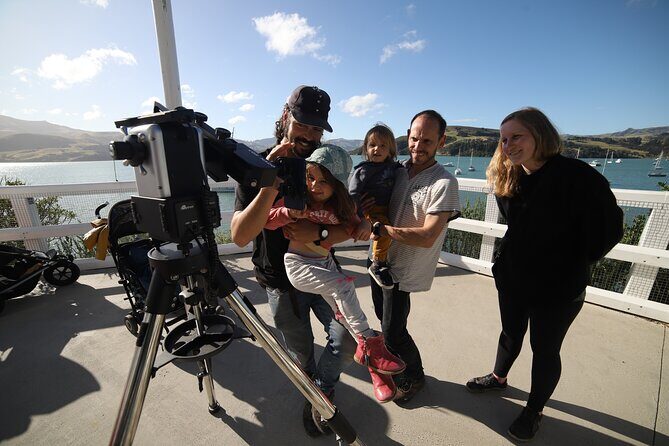
Akaroa is famous for views at sunset, but this tour flips the script. Instead of waiting for the night sky, you spend about 30 minutes studying our nearest star while you’re still in daylight at the Akaroa Lighthouse.
This is one of the few experiences built specifically for the Sun, which changes the whole rhythm of the trip. You’re not trying to spot something faint and far away. You’re looking at solar activity that happens right there in front of you—spots, eruptions, and other surface action—then you learn what it means.
I also like that it’s positioned as a family-friendly, all-ages activity. You don’t need to be an astronomy nerd to have a good time, and you don’t need to know the basics beforehand. The guide handles the science in a clear, practical way.
You can also read our reviews of more tours and experiences in Akaroa.


Akaroa Lighthouse viewing: the quick 30-minute flow
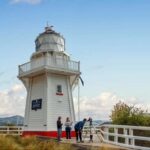
Your session begins at the Akaroa Lighthouse, at 145 Beach Road, Akaroa 7520. The tour is short on purpose (about 30 minutes), so it works well as a half-plug-in stop on an Akaroa day trip.
The lighthouse location is a smart choice for this kind of thing. It’s an obvious meeting point and it feels like a proper local landmark rather than a random parking-lot meetup. You’re there to observe, and the rest is organized around getting you looking through the solar telescope efficiently.
Because the time is tight, you should go in with the right expectations. This isn’t a long lecture or a full-night stargazing marathon. It’s a focused, hands-on introduction, built around getting clear viewing conditions and then showing you what the telescope can do.
Telescopes and live Sun photos with ZWO Seestar S50
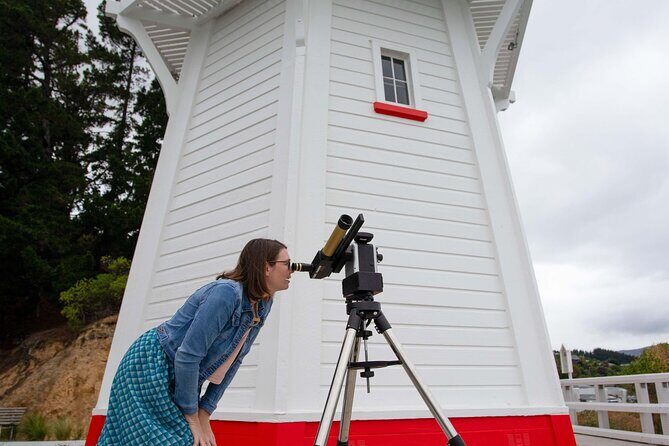
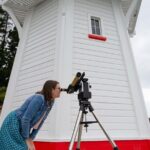
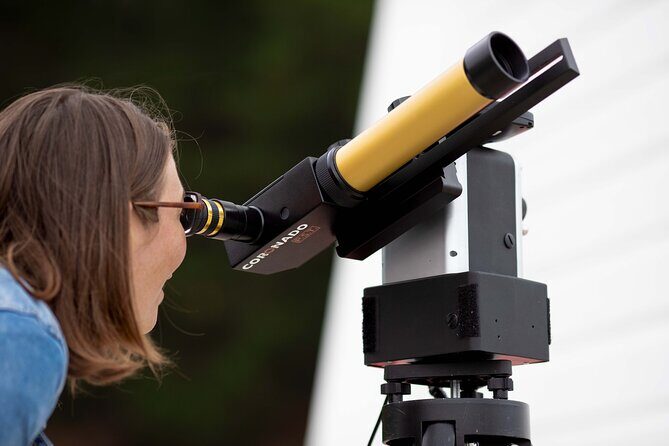
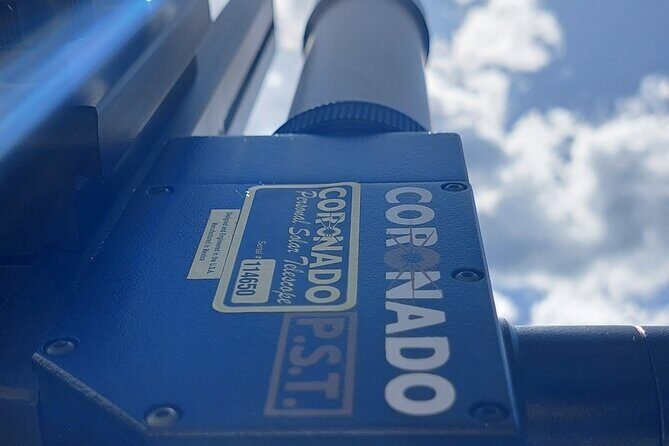
The headline tech is the solar telescope system using a ZWO Seestar S50 smart telescope. The key for you is that it’s not just showing you the Sun through an eyepiece. You get high-resolution digital photos captured live, and those images are shared with you instantly.
That instantly-shared piece matters more than you might think. It takes away the typical frustration of solar viewing, where your view is great but your results are blank, blurry, or simply not recordable. Here, the tour builds in a practical outcome: you leave with visuals you can actually use.
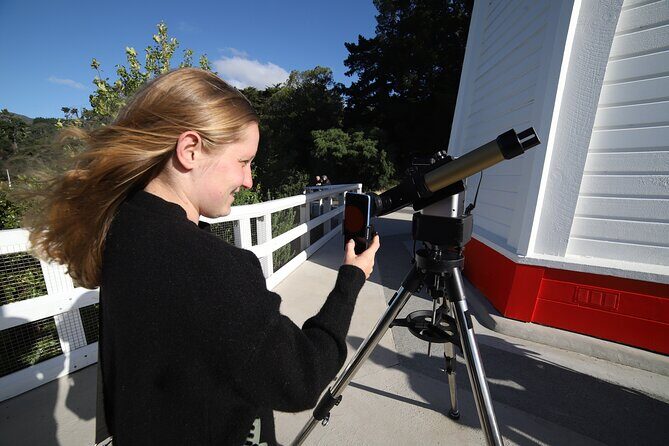
The tour also supports a hands-on photography approach. There’s a smartphone adapter, so you can line up your phone with the telescope and take your own solar images. You don’t have to be a camera expert to try it. You just need to follow the guide’s direction and take the chance while the Sun is looking cooperative.
One more nice detail: the experience is described as using specialized solar viewing equipment. That’s exactly what you want for Sun observation—this isn’t a casual “try your luck with filters” situation.
What you’ll see: sunspots, solar flares, and surface activity
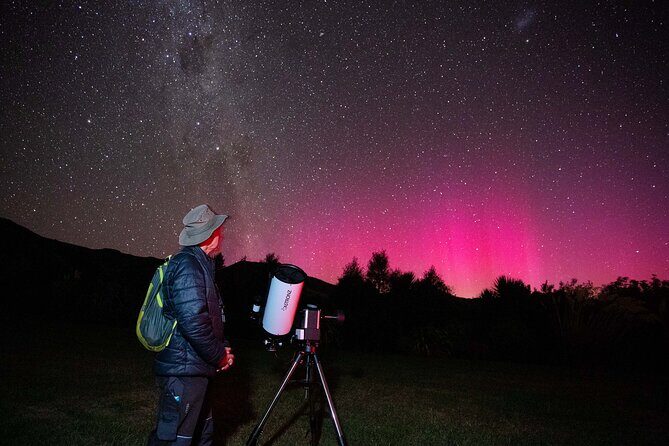
The Sun isn’t just a bright circle. With the specialized setup, you’ll observe features like sunspots and solar flares, plus intricate surface activity. In plain terms, this is how you start connecting the idea of solar weather with something visible in real time.
A couple of details really stuck with people who did the tour: seeing sunspots clearly and noticing active eruptions. When your guide points out what you’re actually looking at, those features go from spooky science words to concrete shapes and movement you can recognize.
This is also why the tour fits both beginners and repeat-curious folks. If you’ve never seen the Sun through a telescope, it feels like a plot twist. If you’ve seen nighttime constellations before, this gives you a different side of astronomy.
The guide makes it: Luca and real weather-smart help
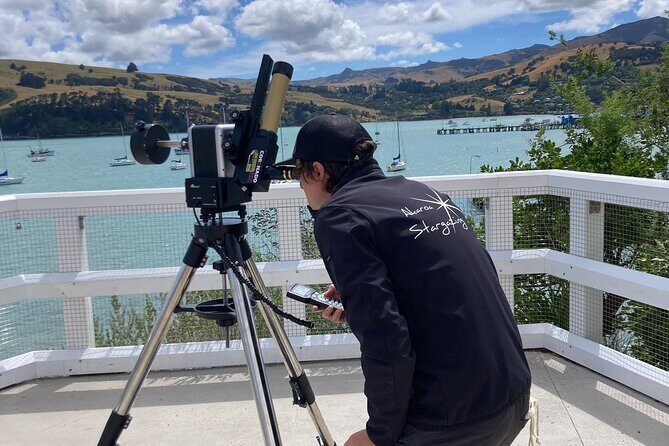
What pushes this tour above a basic tech demo is the way it’s guided. An expert astronomer leads you through what’s happening, and that guidance turns equipment into understanding.
The name that comes up again and again is Luca. In at least a few cases, he was proactive when the weather shifted and helped guests adjust plans due to clouds, including moving to the next suitable slot. That kind of communication is a big deal on a Sun tour because you’re dealing with a sky you can’t control.
I’d treat this as a “listen closely, then act fast” kind of experience. When your view improves, you’ll want to be ready to look, ask, and take your shot. A guide with weather sense helps you maximize your chance of seeing the good stuff instead of just waiting around.
Also, this feels like a small, family-run operation rather than a big conveyor-belt business. That usually means more attention per person, and it often shows in how the staff talk to you and keep the group moving.
If you have time, you might even be able to stop by a local shop in Akaroa to talk through plans when clouds roll in. One person specifically noted a shop visit on Rue Balguerie, which is a nice example of how the team works with guests on-the-ground.


Price and value: $24.20 for a high-tech mini lesson
At $24.20 per person, this is not a bargain you’ll forget. But the value is pretty clear once you factor in what you get.
You’re paying for three things at once:
- access to specialized solar viewing equipment
- guided explanation from an expert astronomer
- live digital imagery captured with the telescope and shared with you during the session
If you tried to recreate this DIY, you’d quickly hit the cost wall for proper solar equipment and then the time wall figuring out settings. Here, you show up, the equipment is ready, and you get the “instant results” component without needing to master astrophotography first.
The short duration also helps value. In about 30 minutes, you get a guided introduction plus actual outputs (live images and your own smartphone attempt). If you’re doing an Akaroa day trip, that’s efficient.
Weather and timing: the main factor you can’t ignore
The experience requires good weather. For you, that means you should build some slack into your day, even if you’re on a tight schedule. Cloud cover can block views, and Sun observing is one of those activities where “not perfect” can turn into “not much to see.”
The good news is that the team has shown they’ll work with guests when conditions change. Luca’s weather-smart handling is a strong signal that they’re trying to get people the best available viewing time rather than just running on the clock.
So the best move is simple: don’t plan the tour as your only hope of clear-sky entertainment that day. Treat it as a “daylight astronomy option” and keep your schedule flexible enough to roll with a better slot if needed.
Getting there: what’s included, what isn’t, and what to bring
The tour uses a mobile ticket, and it starts and ends back at the meeting point at Akaroa Lighthouse. Use of the specialized solar telescope and the smartphone adapter are included, along with instant digital photos captured during the tour.
What isn’t included is private transportation. That’s straightforward. You’ll want to arrange your own way to Akaroa and to the lighthouse area.
In terms of what you should bring, the biggest practical item is your smartphone if you want to use the adapter. The tour specifically supports snapping photos through the telescope with that setup, so having your phone charged and ready is a smart idea.
Group size is capped at 8 travelers, so you’ll be in a small cluster rather than a big crowd. That’s good for questions and for getting individualized help when aligning phones or understanding what you’re seeing.
One more comfort point: service animals are allowed, and the tour is described as suitable for most travelers. It’s also near public transportation, which helps if you’re not driving.
Who should book this Sun-viewing tour
You’ll probably love Solar Explorer if you:
- want a short, high-tech astronomy experience during an Akaroa day trip
- like instant results (live Sun images you receive right away)
- want an expert guide explaining what you’re looking at, not just “look through the scope”
- enjoy trying hands-on photography, even if you’re not an advanced photographer
You might skip it if you:
- need a guaranteed outdoor viewing regardless of cloud cover
- prefer longer sessions and deeper observing blocks
- don’t want to build in a little flexibility for weather
Should you book Solar Explorer in Akaroa?
If you’re in Akaroa and you want something that’s genuinely different from the usual sightseeing, I think this is an easy yes. Live Sun imaging, a smartphone photo option, and an expert like Luca guiding you through real solar features makes it feel like more than a gimmick.
Just go in knowing it’s weather-dependent and it’s intentionally short. When the Sun cooperates, this is the kind of experience you’ll talk about later because you’ll have both the memory and the images to prove it.
FAQ
How long is the Solar Explorer Sun-viewing tour in Akaroa?
It runs for about 30 minutes.
Where do we meet for the tour?
You meet at Akaroa Lighthouse, 145 Beach Road, Akaroa 7520, New Zealand.
What equipment is used to view the Sun?
The tour uses specialized solar telescopes and a ZWO Seestar S50 smart telescope for live digital viewing and images.
Do you share photos with me during the tour?
Yes. The digital photos of the Sun captured with the ZWO Seestar S50 are shared instantly.
Can I take pictures using my smartphone?
Yes. There is a smartphone adapter so you can snap visuals through the telescope.
What will I be able to observe on the Sun?
You’ll observe features such as sunspots, solar flares, and intricate solar surface activity.
How large are the groups?
The tour has a maximum of 8 travelers.
What happens if the weather is poor?
The experience requires good weather. If it’s canceled due to poor weather, you’ll be offered a different date or a full refund.
What cancellation options do I have?
You can cancel for free up to 24 hours in advance of the experience. If you cancel less than 24 hours before, the amount you paid is not refunded.