REVIEW · AUCKLAND
Browns Island Motukorea Sea Kayak Tour
Book on Viator →Operated by Social Nature Movement · Bookable on Viator
Browns Island turns a calm paddle into a story lesson. This sea kayak tour over the Hauraki Gulf and onto Motukorea pairs serious scenery with easy-to-follow guidance, plus a tight dose of local history—from Māori food-gathering landscapes to a homemade early airplane trial in 1909. I especially like the mix of wildlife sanctuary time and geology context, because it makes the island feel more than just a dot on the water. One thing to consider: if you’re truly brand-new to sea kayaks, you may find the paddle demanding, and that can affect how smoothly the day goes.
What makes it work well is the way the guide connects what you see with what the island used to be. The operator’s focus on instruction shows in a standout way, with Chris noted as friendly and helpful, and with praise for the instructors deep local knowledge and storytelling. The possible drawback is simple: this is weather-driven and ocean-paced, so if conditions feel rough or your kayak control isn’t solid yet, you’ll want to be honest about your comfort level from the start.
In This Review
- Quick hits before you go
- What Browns Island (Motukorea) is really about
- Kayak day in Auckland: timing, group size, and how the pace feels
- Paddle out across the Hauraki Gulf to Motukorea (Stop 1)
- Walking the volcanic island and spotting wildlife (Stop 2)
- Heading back to St Heliers with Hauraki Gulf views (Stop 3)
- The guide and the stories: what you’re paying for beyond the paddle
- Price and value for a 4-hour guided sea-kayak
- Who should book this tour, and who should practice first
- Small things that make a big difference on the water
- Should you book this Browns Island Motukorea sea kayak tour?
- FAQ
- How long is the Browns Island Motukorea Sea Kayak Tour?
- What time does the tour start, and where do you meet?
- What is the maximum group size?
- What weather conditions does the tour require?
- Is the island admission included in the price?
- What is the cancellation window?
Quick hits before you go
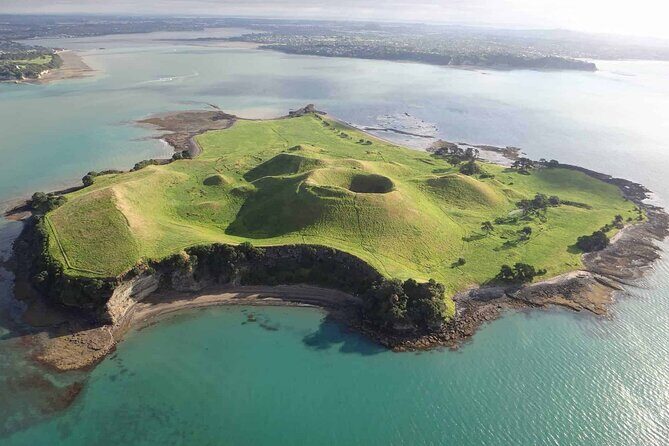
- Motukorea is a volcanic cone from an eruption about 25,000 years ago, part of the active Auckland Volcanic Field
- Wildlife spotting is a real goal, with chances to see tūī, pūkeko, and silvereye, plus skinks and geckos
- History is layered: early settler horse crossings, Māori farming and fishing, and pā site remnants
- Aviation history is part of the story, tied to Alex and Claude Barnard’s 1909 homemade flying machine trials
- Small groups (max 16) keep the pace manageable and the guide easier to reach
- Expect a 4-hour outing built around a paddle out, island time, and a paddle back
What Browns Island (Motukorea) is really about
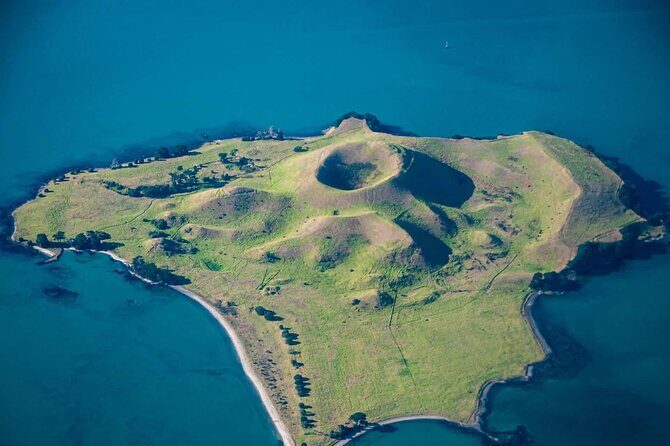
Browns Island is called Motukorea too, and that dual name fits the whole experience. You get a volcanic landform near Auckland that’s now uninhabited, but it still carries physical evidence of multiple eras of people and animals using this place.
First, the island itself. Browns Island is a volcanic cone linked to an eruption roughly 25,000 years ago. It’s part of the Auckland Volcanic Field, which matters because the island isn’t just scenery—it’s geology you can reason about while you’re there. Even the ground story has a twist: volcanic shell beds have turned up remnants of the Sydney mud cockle. That’s the kind of detail that makes the island feel real, not like a brochure photo.
Then there’s the human story, which isn’t one straight line. Early settlers reportedly swam horses across the harbor, and Māori communities thrived here through farming and fishing over centuries. Remnants of pā sites are still part of the landscape, so you’re not just looking at nature—you’re seeing traces of how people used this area.
Finally, the island has an aviation footnote that feels almost impossible until someone explains it. In 1909, Alex and Claude Barnard launched a homemade flying machine from the island’s peak, and those trials are considered New Zealand’s first aeroplane trials. On this kind of tour, that sort of fact lands better because you’re standing where it happened, then paddling away on the same water that once framed the island’s role in early modern life.
A few more Auckland tours and experiences worth a look
Kayak day in Auckland: timing, group size, and how the pace feels
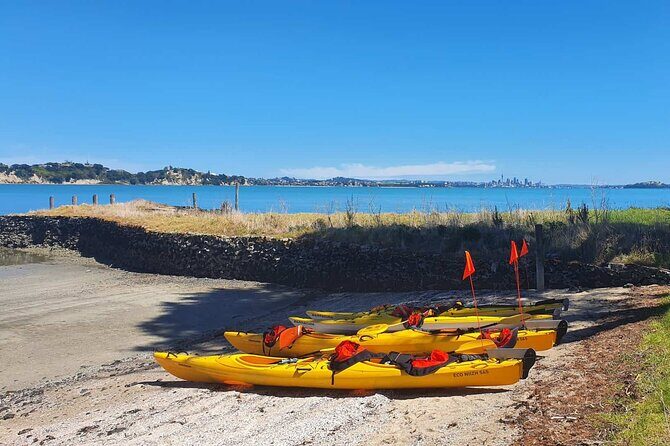
This tour is listed as about 4 hours, starting at 10:00 am. The group size caps at 16 travelers, which is big enough to share excitement, but small enough that the guide can actually help if you’re adjusting your technique.
You’ll meet at St Heliers Bay Boat Ramp, 384 Tamaki Drive, St Heliers. From there, the day is structured around two short paddles (out and back) plus island time in the middle. That setup is practical: you get a solid stretch of time on the water, then a separate chunk where you can slow down and focus on spotting birds, reading the island features, and hearing the historical/geological links.
Also, the day runs on good weather. That’s not filler wording. In a sea-kayak setting, conditions can change the experience fast. The operator’s policy is to offer another date or a full refund if poor weather cancels the trip, so you’re not stuck hoping for calm seas.
Value note that matters: the listed price is $93.09 per person and the day includes free admission tickets on the components. You’re paying mainly for guided paddling time, instruction, and an interpretation of a place that’s hard to understand on a quick visit.
Paddle out across the Hauraki Gulf to Motukorea (Stop 1)
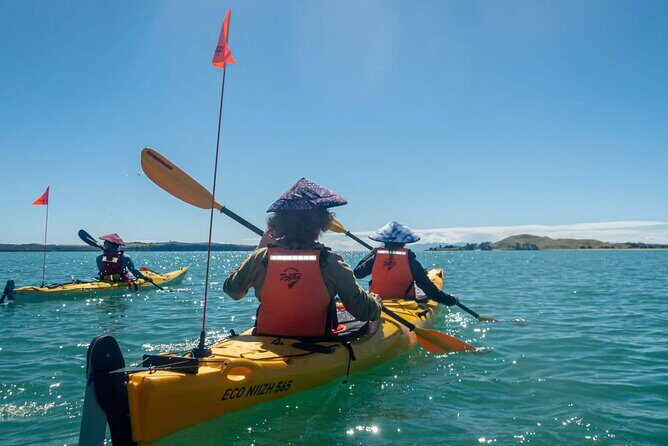
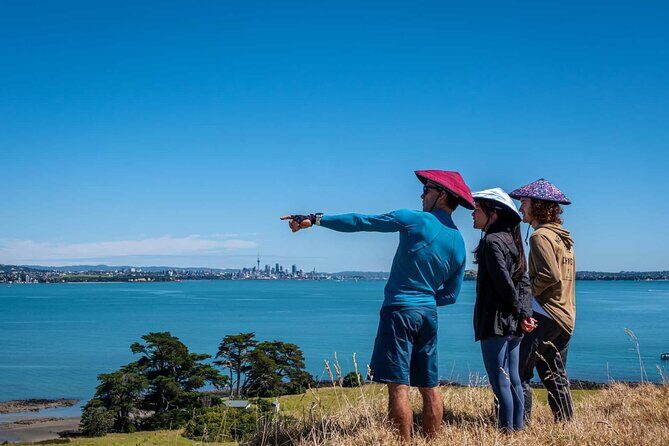
The first stretch of the day is about getting your bearings and matching your effort to the water. You’ll paddle from the Auckland CBD side area over to Browns Island, with the experience framed around Hauraki Gulf and Waitematā Harbour views.
This is the part where you’ll likely notice how different sea kayaking feels compared with a lake or a protected bay. Even if the water looks calm, you’ll be managing small adjustments—tracking, keeping your kayak pointed where it should go, and using your body to keep your strokes efficient.
For me, this is also where the tour starts paying off emotionally. The coastline and islands in this region make you feel like you’re part of Auckland’s daily seascape, not just visiting it. The tour time at this stage is about 1 hour, which is long enough to settle in and short enough that you won’t feel like you’re fighting fatigue before the island.
What to watch for: the guidance includes wildlife observation, and you may get chances to notice marine creatures and seabirds along the way. Don’t plan on guaranteeing sightings, but it’s worth staying heads-up and not locked into your paddling rhythm the whole time.
Walking the volcanic island and spotting wildlife (Stop 2)
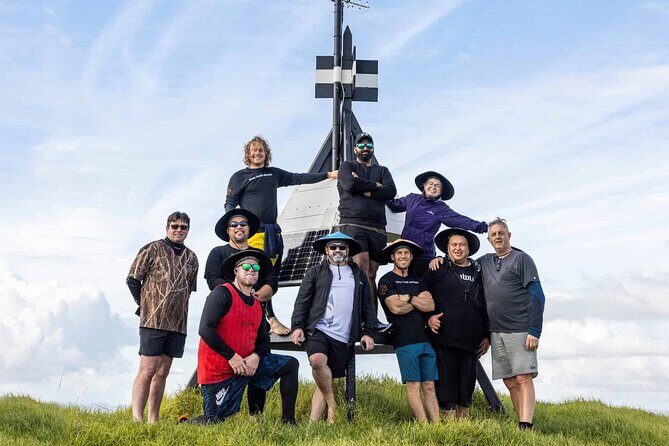
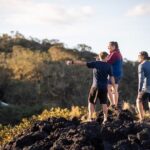
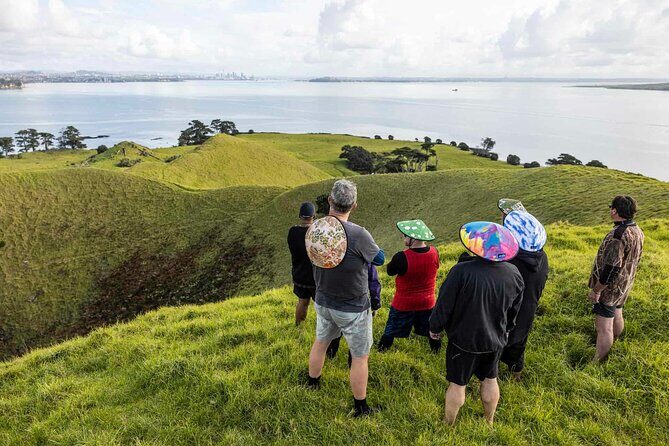
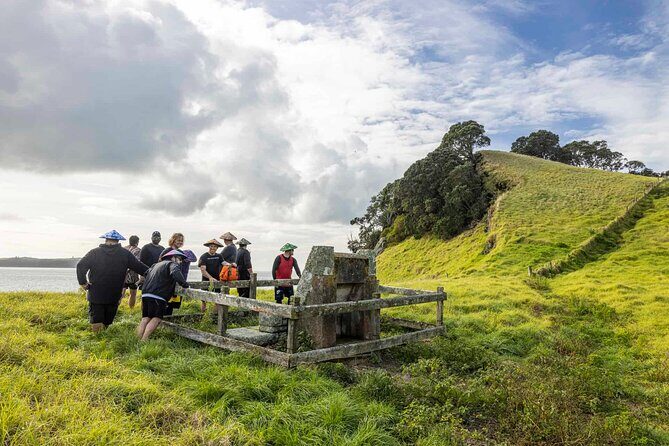
The island time is the heart of the experience. You’ll get about 2 hours on Browns Island (Motukorea) to explore its volcanic setting and historical remnants, while it functions as a wildlife sanctuary and recreational reserve.
This is where the tour stops being just an active outing and becomes a place-based learning moment. The island’s status as an uninhabited volcanic cone means there’s less distraction from modern life, so it’s easier to connect the stories to what’s physically around you. You can think of it like reading a textbook with a shoreline cover page.
Wildlife is a major reason to choose this stop. The tour information specifically calls out native birds such as tūī, pūkeko, and silvereye, plus skinks and geckos. If you’re the type who gets satisfaction from spotting small, quick animals, you’ll likely have a good time here. If you prefer big, obvious sightings, you may need a little patience—but the sanctuary setting is exactly why the tour exists.
History here is not abstract. You’re guided through what the island represents across time: early settler horse crossings, Māori farming and fishing, and remaining evidence of pā sites. And then you get that aviation story tied to the Barnard homemade flying machine trials in 1909. That combination—agriculture and settlement, then sudden modern technology—feels like the island has been quietly steering local history for centuries.
A practical consideration: because this is a volcanic reserve with wildlife, you’ll want to move carefully and follow the guide’s lead. The goal is to observe without turning the island into a stampede.
Heading back to St Heliers with Hauraki Gulf views (Stop 3)
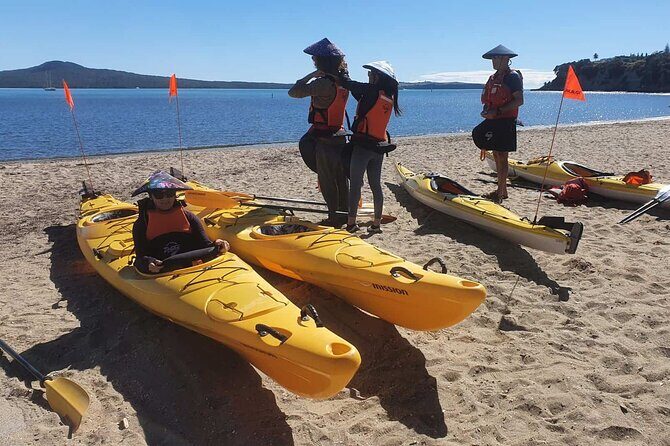
The return paddle is another 1 hour. It’s usually a different mood than the outward leg: you’ve already adjusted to the water, and you’ve had time to absorb the island details, so the journey back can feel smoother—more like drifting than working.
You’ll continue to see Hauraki Gulf and Waitematā Harbour views as you head back toward the meeting point area. And you may get more chances to spot marine life and birds, since the tour keeps wildlife observation part of the plan even on the way out.
If you’re thinking about effort, this is also where I’d tell you to pace yourself earlier. Sea kayaking is cumulative. If you push too hard on the first paddle, you might start cutting corners on the final one. Don’t. It’s better to control your strokes, keep your kayak stable, and let the last stretch be the reward rather than the slog.

The guide and the stories: what you’re paying for beyond the paddle
A sea-kayak tour can be scenic and still feel thin. This one has the key ingredient that makes it worth your time: story-led guiding that connects the landscape to real events.
That came through in the way the guide was described. In one experience, Chris stood out as friendly and helpful, especially when the group member struggled with the kayak and the plan didn’t go exactly as expected for that person. That detail matters because it tells you the guide isn’t just giving facts; they’re actively trying to help you manage the experience.
In stronger feedback, the instructors were praised for a wealth of knowledge about the area and the stories behind it. That matters because Browns Island’s appeal is layered. You can walk around and see a volcanic island with birds, or you can understand why a mud cockle shows up in shell beds, why pā sites matter, and why 1909 aviation belongs to this shoreline.
If you’re the kind of traveler who likes learning while doing, this is the right format. It’s not a lecture that interrupts kayaking. The information follows the land and water you’re actually seeing.
Price and value for a 4-hour guided sea-kayak
Let’s talk value plainly. At $93.09 per person for about 4 hours, you’re paying for:
- a guided sea-kayak session on Auckland’s harbor waters,
- time on a volcanic island reserve,
- and interpretation tied to geology, ecology, and local history.
The tour also notes group discounts and includes free admission tickets as part of the listed components. That means you’re not getting nickel-and-dimed for the island entry piece.
Is it cheap? No. But it’s also not just a short paddle around a marina. You’re getting a full morning block with an island component that’s meaningful enough to support wildlife sanctuary status and educational interest (for students and researchers, the island is described as useful for volcanology, geology, and environmental conservation learning).
If you have limited time in Auckland and you want one activity that feels different from city sightseeing, this is a strong contender. You get movement, nature, and place-based context in one go.
Who should book this tour, and who should practice first
This tour is described as suitable for most travelers, and it’s built for beginners in the sense that the outing is designed to be accessible. But sea kayaking is still sea kayaking, and one review showed a learner who didn’t manage the plan as expected due to kayak inexperience.
So here’s my practical take:
- If you’re an active person who can handle paddling for an hour at a time, you’ll likely enjoy it a lot—especially if you like wildlife and local stories.
- If you’ve never tried a kayak before, you can still go, but be ready to work on technique fast. Choose a calm day, listen closely, and don’t pretend you can muscle through. The guide’s help (including Chris’s friendly assistance in one case) can make the difference.
- If you want a guaranteed relaxed cruise, this may not be your best fit. Ocean conditions and your own comfort level can change the vibe.
Small things that make a big difference on the water
These are the habits that help you get the best day possible:
- Keep your focus up and forward often, not only on your paddle. That’s how you catch birds and marine life without losing control.
- If you’re new, ask questions early. The guide’s role is to help you run the plan smoothly, and early feedback saves you from awkward corrections later.
- Dress for cool harbor conditions and expect a real outdoor outing. Even in decent weather, water can feel colder than you expect.
- Be ready for learning as you go. The island’s volcanic story, the Māori pā remnants, and the 1909 Barnard aviation trials are easier to remember when you hear them where they apply.
Should you book this Browns Island Motukorea sea kayak tour?
If you want one Auckland experience that mixes wildlife sanctuary time, volcanic island context, and hands-on paddling, I think you should book it. It’s also a great choice if you like guided interpretation—this isn’t just a photo stop, and the praise for the instructors’ knowledge tells you the stories are part of the product, not an optional bonus.
I’d pause if you’re brand-new and worried about kayak handling. In that case, your best move is to go with realistic expectations, be honest with your comfort level at the start, and commit to following the guide’s technique cues closely.
One more nudge: pick a weather window you trust and go in with curiosity. Browns Island works best when you’re willing to look at small details—birds, shell-bed clues, and the human traces in the landscape—while you’re already doing something active.
FAQ
How long is the Browns Island Motukorea Sea Kayak Tour?
It’s about 4 hours total, including paddling time and island time.
What time does the tour start, and where do you meet?
The tour starts at 10:00 am, meeting at St Heliers Bay Boat Ramp, 384 Tamaki Drive, St Heliers, Auckland 1071.
What is the maximum group size?
The tour has a maximum of 16 travelers.
What weather conditions does the tour require?
The experience requires good weather. If it’s canceled due to poor weather, you’ll be offered a different date or a full refund.
Is the island admission included in the price?
Yes. Admission tickets are listed as free for the tour components.
What is the cancellation window?
You can cancel for free up to 24 hours in advance for a full refund.