REVIEW · DUNEDIN AND THE OTAGO PENINSULA
Wildlife and Penguin Tour
Book on Viator →Operated by The Otago Peninsula Eco Restoration Alliance · Bookable on Viator
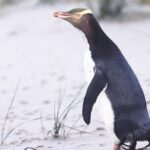
Hoiho penguins, zero squinting needed. This 90-minute small-group tour from Portobello gives you high-quality binoculars and complimentary waterproof jackets, plus a conservation-first setup that helps you actually understand what you’re seeing. The one real catch: penguin and wildlife behavior is unpredictable, so close views can vary day to day.
What I like most is the pacing. You start with a short theatre-style intro, then visit a rehabilitation centre when penguins are present, and finally head into a reserve area on a walk of about 2km. If you hate waiting for wildlife to do wildlife things, it may feel like a test of patience—though the guide’s context makes that downtime way more meaningful.
In This Review
- Key points at a glance
- Why the Otago Peninsula is a smart place to hunt for hoiho
- The “theatre to field” setup: what happens before you see wildlife
- Stop 1 at the Otago Peninsula Eco Restoration Alliance: the full 90-minute rhythm
- Rehabilitation centre time: closer views when hoiho are present
- A fair warning about expectations
- The nature walk in the reserve: about 2km of guided coastline wildlife time
- Gear that actually helps: binoculars and waterproof jackets
- Small-group format: why max 15 is better than a crowd
- Price and value: $46.54 for a focused wildlife-conservation experience
- What animals you might see (and what to watch for)
- When to schedule your day for better viewing chances
- Who should book this tour, and who should think twice
- Should you book the Wildlife and Penguin Tour with OPERA?
- FAQ
- What’s included in the Wildlife and Penguin Tour?
- Where do I meet for the tour?
- How long is the tour?
- Is there walking, and is it difficult?
- What animals might I see besides yellow-eyed penguins?
- Can I cancel for a full refund?
Key points at a glance
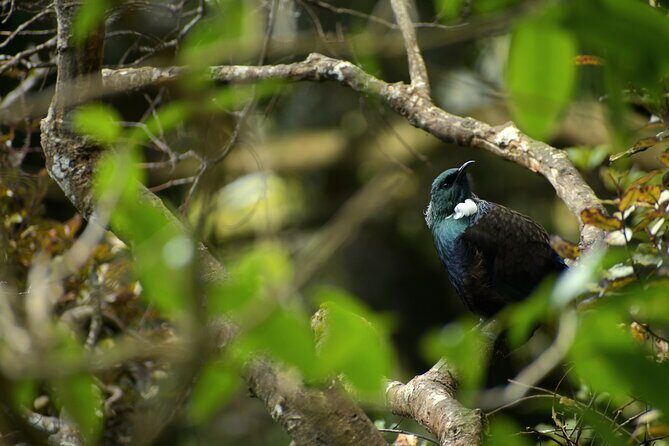
- Binoculars included so you don’t spend the whole time doing eye-squint math
- Waterproof jackets provided for wet coastal weather and splashy guardrails
- Yellow-eyed penguins (hoiho) focus with conservation education built into the tour
- Rehabilitation centre option for closer views when penguins are present
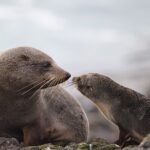
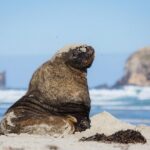
- Wildlife variety beyond penguins, including fur seals, sea lions, and other birds
- Small group size (max 15) for easier questions and better guide attention
Why the Otago Peninsula is a smart place to hunt for hoiho
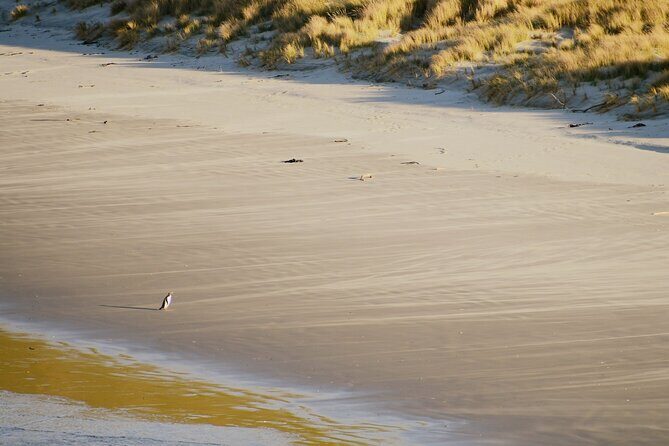
If you’re traveling to New Zealand hoping for yellow-eyed penguins, the Otago Peninsula is one of the most practical places to try. These penguins (hoiho) are endangered, and seeing them takes patience and luck—because they’re wild animals, not a theme-park schedule.
That’s exactly why this tour’s structure matters. You’re not just driving to a viewpoint and hoping for a miracle. You get a quick education first, you get time in a rehabilitation setting when penguins are present, and then you move into a reserve where the chance of natural sightings exists. It’s the closest thing to a “best shot” plan without pretending control is possible.
Also, the tour doesn’t treat penguins as the only story. Along the way, you’ll have opportunities to see other wildlife—fur seals, sea lions, and birds—so even a slow penguin day doesn’t mean you came away empty-handed.
A few more Dunedin and The Otago Peninsula tours and experiences worth a look

The “theatre to field” setup: what happens before you see wildlife
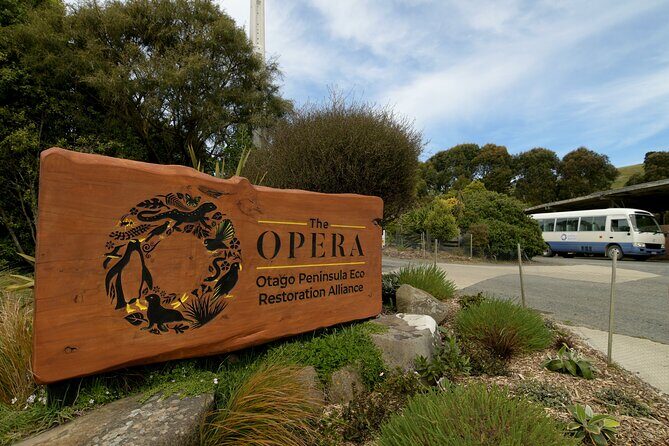
Your tour begins at 45 Pakihau Road, Portobello, Dunedin (with the experience ending back at the same meeting point). After you check in and get settled, you start with a theatre-style introduction focused on yellow-eyed penguins and the conservation work protecting them.
This first step is more than a waiting-room formality. It helps you spot what matters when you get outside—like how the penguins’ habits affect where and when you might see them. It also gives you context for the rehabilitation side of the story, so you’re not just watching animals behind a fence with zero meaning attached.
I appreciate that you’re not dropped into the action cold. You get your bearings fast, and the rest of the tour clicks into place.
Stop 1 at the Otago Peninsula Eco Restoration Alliance: the full 90-minute rhythm
This tour runs about 1 hour 30 minutes and stays within the Otago Peninsula Eco Restoration Alliance experience flow. The day is typically split into three parts:
1) theatre intro
2) rehabilitation centre visit (when penguins are present)
3) short bus trip and an approximately 2km nature walk in a reserve
The benefit of this rhythm is simple: it gives you multiple chances at meaningful encounters. A wildlife viewing day can shift fast. One segment may feel quiet. Another might deliver the moment you were hoping for. The tour is designed to handle that reality.
Rehabilitation centre time: closer views when hoiho are present
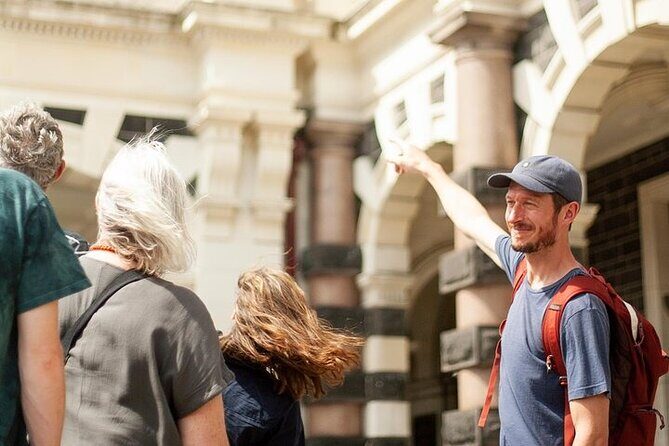
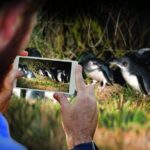
The highlight for many people is the rehabilitation centre portion, because it gives you a chance at penguins up close. You’ll only be able to see the penguins there when they’re present, which means some days are better than others—but the tour doesn’t promise control. It promises opportunities.
What you’ll likely notice here is the difference between learning and simply seeing. In the rehab setting, you can understand how recovery, monitoring, and care connect to the penguins’ endangered status. And because the tour includes time with a guide, you’re not left guessing what you’re looking at.
This part can also be emotionally moving. Even if you stay practical, the conservation mission comes through in a way that’s hard to get from a quick roadside stop.
A fair warning about expectations
The nature portion is still nature. The rehabilitation centre can offer closer viewing, but the wild reserve walk is subject to behavior and timing. One visitor feedback notes that on some days you may see less in the wild than you hoped for. That doesn’t mean the tour is bad—it means you’re buying a chance, not a guarantee.
If you’re coming mainly for hoiho in the wild, go in knowing you might get more certainty at the rehab stage than the reserve stage.

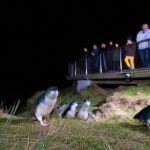
The nature walk in the reserve: about 2km of guided coastline wildlife time
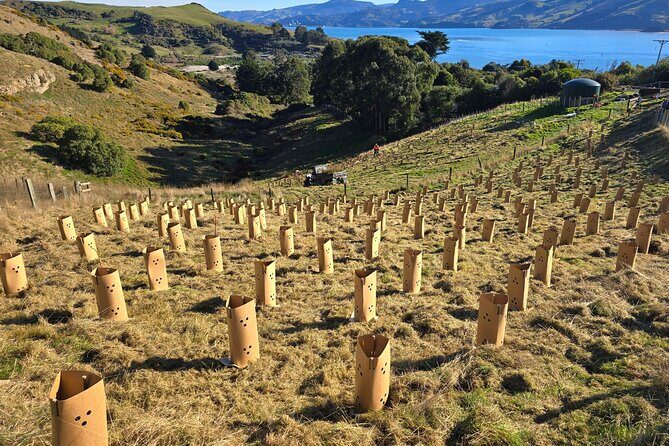
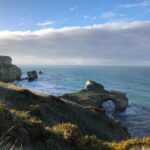
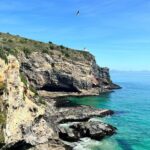
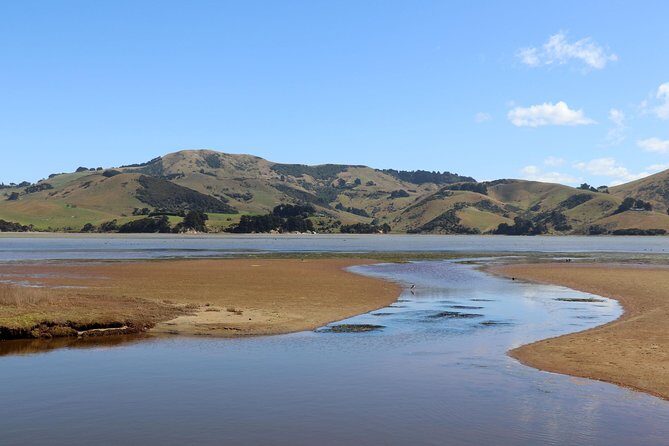
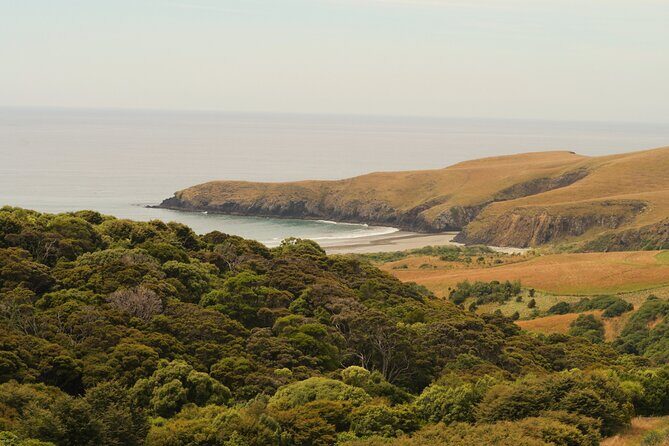
After the theatre and rehab visit, you’ll take a short bus trip into a reserve. Then you’ll do a guided nature walk of about 2km (1.25 miles).
The good news: this is a manageable distance for most people with moderate fitness. The tour is described as suitable with a moderate physical fitness level. You’re not training for a marathon; you’re walking at wildlife pace, with stops where your guide can point out what to watch for.
The challenge: wildlife doesn’t follow your itinerary. If penguins are out, you may catch more. If they’re not, you may mostly enjoy the setting and other wildlife like seals or birds.
Also, the 2km walk doesn’t mean constant action. Some of the best moments can be short. A bird call can lead to a quick spotting. A seal might appear at just the right time. Your job is to stay alert without burning out.
Gear that actually helps: binoculars and waterproof jackets
This tour includes two comfort upgrades that genuinely change the experience:
- High-quality binoculars are provided, so you’re not stuck using weak phone zoom or cheap tourist optics.
- Complimentary waterproof jackets help you stay dry enough to focus on wildlife rather than packing up because you’re soaked.
When you’re dealing with coastal weather—wind, mist, and occasional spray—those jackets aren’t a gimmick. They help you stay present. And binoculars matter because wildlife spotting often means looking at small movement in a wide scene.
If you want a smoother, less squinty tour, this inclusion is a big deal for value.
Small-group format: why max 15 is better than a crowd
This is a maximum of 15 travelers. That size is meaningful. With a smaller group, you can ask questions and actually get answers that match what you’re seeing in that moment.
It also affects how the guide manages the walk and viewing points. You’re less likely to be stuck at the back behind a line of tall heads. You still might need to adjust positioning, but the tour structure is built to keep the group tight enough for real conversation.
If you like learning as you go—rather than passively following a cue at every stop—this group size supports that.
Price and value: $46.54 for a focused wildlife-conservation experience

At $46.54 per person, this tour sits in a range that feels reasonable when you add up what’s included. You’re getting:
- admission ticket
- a guide
- binoculars
- waterproof jacket
- a structured itinerary across the intro, rehab visit, and reserve walk
You’re not just paying for a location. You’re paying for time with trained staff and a plan that moves through conservation education, close viewing opportunities (when available), and a guided outdoor chance to see wildlife.
Could a cheaper alternative be available in the area? Sure. But if you factor in gear and interpretation—especially for an endangered-species focus—this one is easier to justify.
My practical advice: if penguins are your priority, you’re often better off paying for a tour that gives you context and multiple chances than spending the same day hopping between viewpoints with no local guidance.
What animals you might see (and what to watch for)
This tour focuses on yellow-eyed penguins (hoiho), and the experience is designed around the reality that sighting conditions can change. Besides hoiho, you may also see:
- fur seals
- sea lions
- other birds
In other words, you’re not betting everything on one species popping up in front of you. The chance of other wildlife adds insurance against a quiet penguin day.
One tip based on how these tours tend to work: if you get a good penguin moment, don’t rush off. Wildlife watching can reward staying still and letting small changes happen. Your guide’s cues will help you decide when to focus and when to move.
When to schedule your day for better viewing chances
The tour data you have doesn’t list specific departures, so I can’t promise you the perfect timeslot. But one useful guideline shows up in the provider’s own response: late afternoon or evening can be better for penguin viewing.
If you have flexibility when booking, consider choosing a later departure. That often matches natural activity rhythms for coastal wildlife. If your schedule locks you into a daytime slot, don’t panic. You can still have an excellent experience—just keep expectations flexible.
Who should book this tour, and who should think twice
This tour is a great fit if you want:
- a structured outing with interpretation, not just a drive-by
- included gear that makes viewing easier (binoculars and waterproof jackets)
- a conservation-focused approach to an endangered species
- a small group where you can ask questions
It’s worth thinking twice if:
- you’re the type who needs constant action and hates downtime
- you’re only satisfied by seeing penguins in the wild, because wildlife timing is unpredictable
- you’re uncomfortable with a guided walk of about 2km
On balance, it’s a smart choice for most nature lovers—especially those who like learning why conservation matters, not just collecting a sighting.
Should you book the Wildlife and Penguin Tour with OPERA?
Yes, if your goal is the best practical chance to see hoiho while understanding the conservation work behind the scenes. The value is strong because the tour includes binoculars and waterproof jackets, and because the itinerary mixes education, rehabilitation viewing opportunities (when penguins are present), and a guided reserve walk.
If your top requirement is guaranteed penguin viewing in the wild, then you should temper expectations. This experience is built around real wildlife behavior, and the tour acknowledges that sightings vary.
My final decision rule for you: if you want a guided, gear-supported day with multiple viewing windows, book it.
FAQ
What’s included in the Wildlife and Penguin Tour?
The tour includes a guide, complimentary waterproof jackets, and the use of high-quality binoculars. Admission is included as part of the ticket.
Where do I meet for the tour?
You start at 45 Pakihau Road, Portobello, Dunedin 9077, New Zealand. The tour ends back at the same meeting point.
How long is the tour?
The duration is approximately 1 hour 30 minutes.
Is there walking, and is it difficult?
Yes. After the reserve bus trip, you’ll take a guided nature walk of about 2km (1.25 miles). The tour notes a moderate physical fitness level is recommended.
What animals might I see besides yellow-eyed penguins?
In addition to yellow-eyed penguins (hoiho), the tour experience notes that you may also see fur seals, sea lions, and birds.
Can I cancel for a full refund?
Yes. Free cancellation is available up to 24 hours in advance for a full refund. If you cancel less than 24 hours before the start time, the amount paid is not refunded.