REVIEW · DUNEDIN AND THE OTAGO PENINSULA
Heritage Dunedin City Walking Guided Tour
Book on Viator →Operated by Tales From Darkest Dunedin · Bookable on Viator
Dunedin has stories in every corner. This guided walk strings historic buildings into a clear picture of colonial life, including the First Church of Otago, early settlers’ contact with Māori, and the city’s more shadowy moments. You’ll keep moving through the center, with short stops where the sights do the talking.
I especially like two things: the way the route keeps you oriented in a compact downtown loop, and the character of the commentary from local guides such as Gregor and Lolene. It’s not just dates and facts. The best moments feel personal, funny in spots, and grounded in real places you can point at while you walk.
One consideration: you’re on your feet for around 1.5 to 2 hours and the walk can include some hilly sections. Also, the tour depends on good weather, and timing can affect how long you feel out on the street.
In This Review
- Key Highlights You’ll Feel Fast
- Starting at The Octagon: Your Orientation in 15 Minutes
- The Railway Station Foyer: Royal Doulton Tiles and a Big-Photo Building
- Toitu Otago Settlers Museum Stop: The Josephine Locomotive Story
- Queens Gardens: Settler Beginnings, Rain, and Kai Tahu Connections
- Princes Street and the Cargill Memorial: Symbol Details You’ll Spot Later
- Broadway Medical Centre Area: Shopping Days, Scandal, and Tragedy
- Ending at Speight’s Brewery: Finish Strong with an Old-Pub Atmosphere
- What the Guides Really Add: Humor, Personal Perspective, and Darker Drama
- How Much Walking to Expect (and How to Prepare)
- Is It Worth $40.34? Value Check for a 2-Hour Heritage Fix
- Who Should Book This (and Who Might Skip It)
- Should You Book Heritage Dunedin City Walking Guided Tour?
- FAQ
- How long is the Heritage Dunedin City Walking Guided Tour?
- Where does the tour start and end?
- What is included in the price?
- Is private transport included?
- Does the tour run in any weather?
- How many people are in the group?
Key Highlights You’ll Feel Fast

- A tight downtown route that helps you understand where everything sits
- First Church of Otago tied into the wider colonial story
- Toitu Otago Settlers Museum stop with the Josephine locomotive connection
- Dunedin Railway Station foyer and its standout tiled interior
- Princes Street and Cargill memorial details you might otherwise miss
- Speight’s Brewery area finish with an easy post-tour drink option
Starting at The Octagon: Your Orientation in 15 Minutes
The tour begins at 50 The Octagon, right in Central Dunedin’s classic hub. This is a smart starting point because you’re not easing into the city with detours—you’re getting bearings immediately. Even if Dunedin isn’t your first stop on the South Island, the guide’s first minutes help you picture how the center developed.
From the opening, you’ll hear why certain buildings survived and others didn’t. That theme matters here: you’re learning how luck, timing, and local decisions shape what you see today. And because the group stays small (up to 10), you can usually ask questions without the whole walk turning into a lecture hall.
I recommend arriving a few minutes early so you can get oriented before you start. If it’s raining, take that moment to choose footwear you can trust on wet sidewalks.
You can also read our reviews of more walking tours in Dunedin and The Otago Peninsula

The Railway Station Foyer: Royal Doulton Tiles and a Big-Photo Building
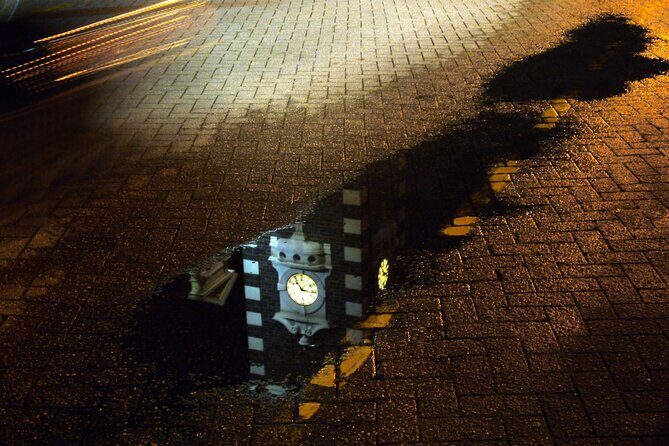
Next up is Dunedin Railway Station, the kind of place that looks famous from across the street. You’ll step inside the foyer, where the standout feature is the Royal Doulton tiled walls. This is the sort of detail that changes how you feel about the building. Outside, it’s a landmark; inside, it’s craftsmanship.
What makes this stop useful for your trip is the context. A station wasn’t just a transport hub—it was where money, news, and people started moving fast. That helps you connect Dunedin’s later growth to the infrastructure choices made earlier.
It’s also a good break in the middle of the walk. The time here is short, but you’re still close enough to really look at the tile work and the layout. If you’re the type who likes photographing interiors, this stop gives you exactly that without turning into a long detour.
Toitu Otago Settlers Museum Stop: The Josephine Locomotive Story

You’ll then pass Toitu Otago Settlers Museum, and the highlight is a story about Josephine, the first locomotive in Otago. The guide focuses on its journey—how it ended up where it did, how it nearly disappeared from history, and how it survived.
Even if you don’t go deeper into the museum exhibits on your own, this stop gives you a thread to follow. It’s about more than rail technology. It’s about how a region built itself, and how fragile some parts of that history were before preservation took off.
This is a stop that works well for different interests. If you like engineering, you get the locomotive angle. If you like social history, you get the meaning: transport changes settlement patterns, trade, and daily life.
Keep your eyes up during the pass-by portion. The tour format is designed so you’re learning while you move, not standing around waiting for the group to catch up.
Queens Gardens: Settler Beginnings, Rain, and Kai Tahu Connections

At Queens Gardens, the stories shift toward the early Scottish settlers and how they were received. You’ll hear how Kai Tahu Māori welcomed them, and you’ll also get the practical reality of living outdoors in a new place—rain, mud, and the hard grind that came before the settlement looked established.
This stop is valuable because it balances the romantic idea of settlement with the physical weather of the land. It’s easy to read rosy descriptions in old records; it’s harder to understand what people actually dealt with day to day. The guide uses the landscape and the garden setting to make those challenges feel real.
If you’re visiting in winter or shoulder season, expect the conditions outside to influence what you notice. Even when it’s dry, Dunedin weather can be changeable, and walking tours are at the mercy of the sky.
Princes Street and the Cargill Memorial: Symbol Details You’ll Spot Later
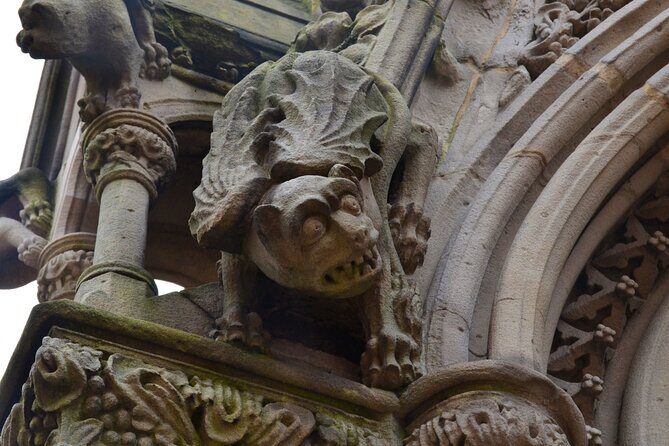
The walk continues to Princes Street, where the emphasis is on the Cargill memorial and its winged monkey carvings. These details are the kind of thing you’d walk past and miss if you didn’t know to look.
This is another good example of why a guided route beats aimless strolling. A monument like this isn’t just decoration. It reflects who held power, what the community wanted remembered, and how people chose to signal identity through stonework.
The tour also gives you a moment of breathing room here—time to slow down and actually look at carvings and shapes, not just scan the street.
If you’re the type who likes to follow architecture cues later (on your own, or from photos), this stop gives you visual anchors you can track as you explore the city afterward.
You can also read our reviews of more guided tours in Dunedin and The Otago Peninsula






Broadway Medical Centre Area: Shopping Days, Scandal, and Tragedy

Next comes the area near Broadway Medical Centre Dunedin Ltd. The building’s modern purpose is medical, but the stop is about what the site once was: a large shopping center, including the Mr and Mrs Loft shoe shop, and a scandalous and tragic ending.
This portion is a reminder that city centers keep layers. What looks normal today often sits on top of dramatic stories from the past. It’s also where the tour tone leans a little darker, and it’s the kind of storytelling that helps the city feel more human instead of museum-like.
A quick word to manage expectations: this is still a walking tour. You won’t get courtroom-level detail at every stop. But you do get enough to make you curious, and you’ll likely want to read more later when you have a quiet afternoon.
Ending at Speight’s Brewery: Finish Strong with an Old-Pub Atmosphere
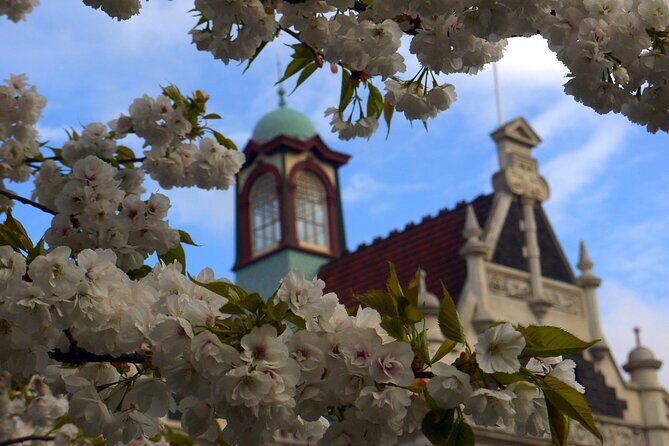
The tour ends near Speight’s Brewery, which is fitting because it’s a place built into Dunedin’s identity. You’ll see more historic buildings around the area, and then the day gives you two options.
You can stay and enjoy a drink in the restaurant and gift shop. Or you can ask the guide to take you back to the starting point in the Octagon if you prefer.
This finish works well because it matches how many people travel. You get your guided context up front, then you can choose how you want to spend the tail end of your trip—relax, snack, or keep exploring on your own.
If you’re timing dinner, I’d plan around a leisurely stop here. It’s one of those places where even a casual drink can turn into a longer hangout because the setting invites it.
What the Guides Really Add: Humor, Personal Perspective, and Darker Drama
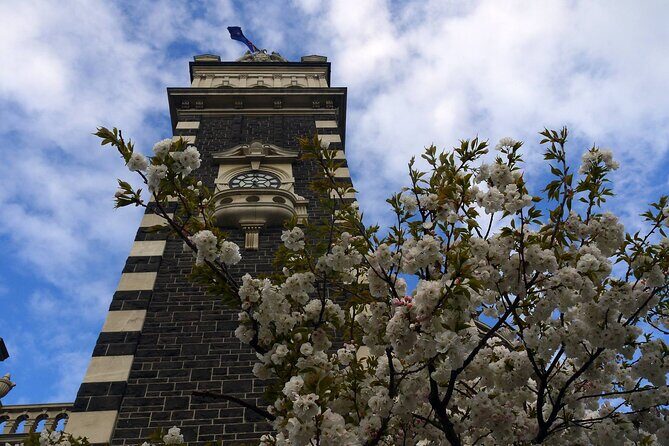
What stood out most in the experience is how the stories were delivered. Guides like Gregor and Lolene bring an on-the-ground feel to the city. They don’t only point out buildings; they make the city’s people easier to picture.
You also get a mix of tones. Some parts are light and amusing. Others include dark drama and intrigue—like early murders mentioned in the tour’s overall approach and the tragic note tied to the Loft shoe shop. The effect is that Dunedin doesn’t feel like a clean, curated postcard. It feels lived in.
This is also why the small group format matters. When you can hear questions and follow-ups, you usually learn more than the official route provides. One of the best uses of this tour is treating it like a fast way to build your Dunedin mental map, then using that map to explore the rest of the city with better instincts.
Just do one thing: show up ready to listen. A walking heritage tour rewards attention.
How Much Walking to Expect (and How to Prepare)
The experience runs about 1 hour 30 minutes to 2 hours and covers city sidewalks. For most people it works fine, but plan for time on your feet. One review noted that aside from one hilly section, the walk was easygoing, which matches the general reality of central Dunedin streets.
So pack smart:
- Wear shoes with grip for wet weather.
- Bring a layer. Dunedin can shift fast.
- If you get tired, don’t panic—your guide can usually slow down to keep the group together.
Also note the tour requires good weather. If conditions aren’t right, you may be offered another date or a refund, so check the forecast the day before.
Is It Worth $40.34? Value Check for a 2-Hour Heritage Fix
At $40.34 per person, this tour is priced for what you’re actually getting: a guided city loop plus commentary at multiple landmark stops. The short visits include at least one interior moment at the railway station foyer, and the museum connection is part of the narrative.
The value part for me is that it saves you time. Instead of spending half a day building your own route and researching why each building matters, you get a curated storyline in a compact format. You also leave with direction on where to look next.
Is it a bargain compared to a full museum ticket day? Not exactly. But for a morning or afternoon slot, it’s strong value—especially because the experience ties together architecture, settlement patterns, and relationships between settlers and Māori into one walking thread.
And if you end with a drink at Speight’s, you’re naturally extending the day without additional transport planning.
Who Should Book This (and Who Might Skip It)
This is a great fit if you want:
- Historic buildings without spending hours sorting out where to go
- A guided explanation that includes both everyday settlement details and darker stories
- A short, manageable walking plan for the city center
You may want to consider another option if you dislike any mention of tragic events, since the tour’s broader approach includes darker drama and intrigue. You might still enjoy it for the architecture, but your enjoyment will depend on how you personally feel about that tone.
It also suits couples, solo travelers, and grandparents visiting with older teens or adults. The mix of humor and context can land well across ages, as long as everyone’s comfortable with walking.
Should You Book Heritage Dunedin City Walking Guided Tour?
If you’re spending limited time in Dunedin and want a fast way to understand the city’s shape and stories, I think this is worth booking. The tour is compact, the guides (including Gregor and Lolene) clearly love the city, and you’ll pick up practical orientation alongside architecture details you can revisit later.
My only caution is the walking time and the weather dependency. Bring proper shoes, keep an eye on conditions, and treat it as a moving, story-driven stroll—not a slow museum day.
If your goal is to leave Dunedin knowing what to look for and why it matters, this tour can do that in just about two hours. Book it when you have a weather window, then spend the rest of your day using the city map you just built.
FAQ
How long is the Heritage Dunedin City Walking Guided Tour?
It runs about 1 hour 30 minutes to 2 hours.
Where does the tour start and end?
It starts at 50 The Octagon, Central Dunedin and ends on Rattray Street, Central Dunedin.
What is included in the price?
You get an in-person guide with commentary and direction. The tour stops you at key places during the walk.
Is private transport included?
No. Private transport is not included.
Does the tour run in any weather?
The tour requires good weather. If it’s canceled due to poor weather, you’ll be offered another date or a full refund.
How many people are in the group?
The tour has a maximum of 10 travelers.