REVIEW · DUNEDIN AND THE OTAGO PENINSULA
Otago Peninsula Wildlife Tour & Cruise
Book on Viator →Operated by Monarch Wildlife Cruises & Tours · Bookable on Viator
Penguins, albatross, and seals without the driving headache. This full-day tour pairs an Otago Peninsula sightseeing drive with a real wildlife cruise and a conservation visit right near Dunedin, so you’re seeing wild places without doing the logistics yourself. You’ll also roll past iconic coastline landmarks like the Taiaroa Head lighthouse as you search for seabirds and marine mammals around Otago Harbour.
I really like two things right away: the warm waterproof jackets and binoculars are provided, and the tour runs in a comfortable air-conditioned vehicle with a small group size (20 travelers max). It makes a long coastal day feel manageable, even when the wind kicks up.
The main thing to consider is that wildlife viewing depends on weather and animal behavior, especially for the yellow-eyed penguin. This isn’t a guaranteed zoo-style experience, so bring patience and keep your expectations flexible.
In This Review
- Quick take: what makes this tour work
- Otago Peninsula + cruise, timed for an efficient wildlife day
- The comfort advantage: minivan touring with a guide’s running commentary
- Stop 1: Otago Peninsula drive for big views and bird-friendly perspective
- Stop 2: Allans Beach for sea lions and dramatic coastal scenery
- Monarch Wildlife Cruise from Wellers Rock Wharf: your one-hour offshore search
- Yellow-eyed Penguin Conservation Reserve: what you learn matters
- Price and value: why $142.73 can be a smart buy
- What to bring and how to plan your timing
- Who this tour suits best (and who might feel friction)
- Should you book the Otago Peninsula Wildlife Tour & Cruise?
- FAQ
- How long is the Otago Peninsula Wildlife Tour & Cruise?
- What time does the tour start?
- Where does the wildlife cruise depart from?
- What wildlife might I see on the cruise and peninsula?
- What’s included in the price?
- What should I bring since meals are not included?
- Is pickup available?
- What level of walking or fitness is required?
Quick take: what makes this tour work
- Provided warm jackets and binoculars so you’re not scrambling for gear in Dunedin
- Small group (max 20) for better commentary and less time stuck in traffic
- Otago Harbour wildlife cruise out past Taiaroa Head lighthouse for seabirds and seals
- Yellow-eyed penguin conservation reserve with a rehab-center look and a guided walk
- Allan’s Beach shoreline stop for sea lions and big coastal scenery in about an hour
Otago Peninsula + cruise, timed for an efficient wildlife day
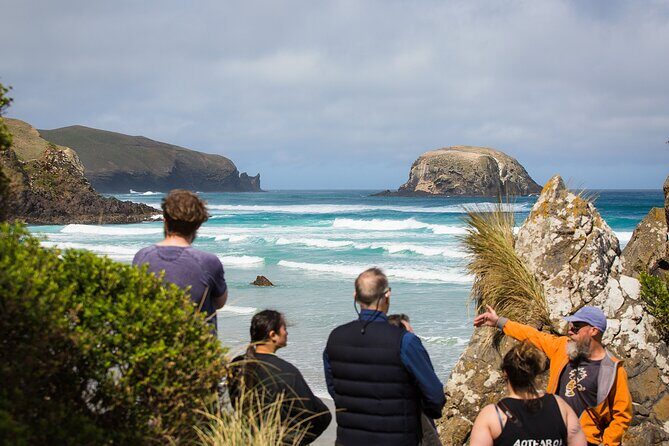
This is built like a smart circuit. You start at 2:00 pm and finish about 6.5 hours later, which is a nice window for Dunedin days when the morning feels like it goes too fast. You get the peninsula viewpoints first, then pivot to the water for the cruise, and end with the conservation reserve walk—so the day keeps changing pace instead of repeating the same scenery.
I like that the tour handles the main “hard parts” for you: transport, timing, and the interpretive layer. You ride in an air-conditioned vehicle, and you’re not forced to line up gear rentals or figure out parking. With live local commentary, you also get context for what you’re seeing—why certain birds show up where they do, and what conservation work is trying to protect.
If you’re planning around your other Dunedin activities, know this is a long-ish seated day plus two guided stops that involve walking. It’s described for moderate physical fitness, so wear supportive shoes and be ready for short walks, not endurance hikes.
You can also read our reviews of more boat tours in Dunedin and The Otago Peninsula
The comfort advantage: minivan touring with a guide’s running commentary
The rhythm here is simple. You get picked up (pickup is offered), then you’re transported between stops in a comfortable vehicle. The tour also uses a mobile ticket, which helps when you’re juggling bags, weather, and cameras.
One practical detail that shows up again and again in the reviews is how much the guide’s style matters. Guides like Will, Danny, and Tim are mentioned for being friendly and for answering questions, with a strong focus on local geography and wildlife. That’s not just “nice to have.” When you’re scanning cliffs or tracking birds offshore, a guide who can translate what you’re looking at makes the difference between seeing wildlife and understanding it.
You’ll also be handed warm waterproof jackets and binoculars. That’s a big value add on the Otago Peninsula, where wind and sea mist can make you feel colder faster than you expect. You don’t need to bring special optics, but if you already own binoculars, you can still use your own—just having the provided pair means you’re set either way.
Stop 1: Otago Peninsula drive for big views and bird-friendly perspective
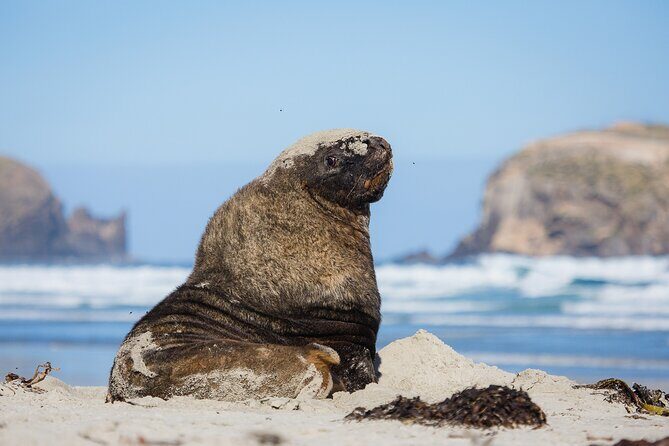
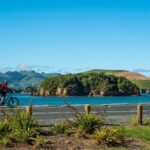
The first part is a scenic drive across the Otago Peninsula, and that matters more than it sounds. When your wildlife viewing depends on timing and luck, the drive is where you get your bearings—coastline angles, harbor views, and places where birds tend to cruise close to shore.
You’re not just watching from the road. The commentary is designed to help you “read” the coastline as you go. That’s useful because later you’ll be out on the water and in conservation areas, where knowing what features to look for helps you spot birds and marine mammals faster.
Some routes may include classic peninsula viewpoints along the way (one review notes stops around Hooker Inlet before Allans Beach). Even when stops vary slightly, expect the same idea: a guided tour of the places that put you in position for wildlife, not just photo pull-offs.
Drawback to keep in mind: even with an air-conditioned vehicle, you’ll likely spend a lot of time looking outward—so bring patience for the scanning moments. Wildlife days aren’t constant action; they’re bursts of activity.
Stop 2: Allans Beach for sea lions and dramatic coastal scenery
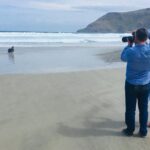
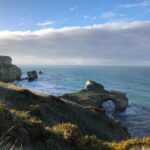
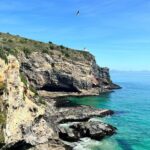
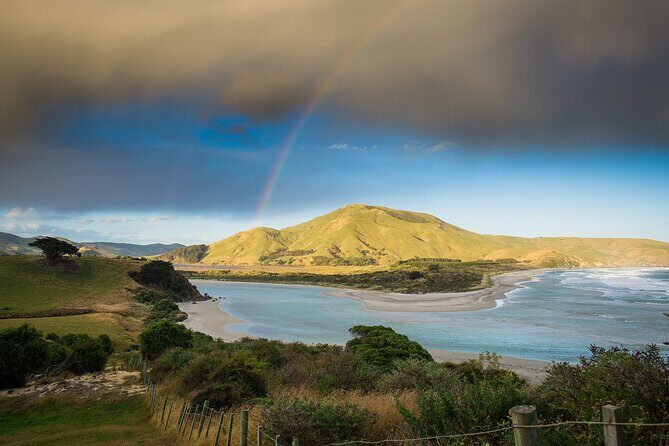
Allans Beach is one of the stops that makes this tour feel like more than just a cruise. You’ll take a short walk from the minivan to the shoreline (about one hour total at this stop), and the scenery is the kind that makes you stop talking and start photographing.
This stop is also where you have a good chance of seeing NZ sea lions. The important word here is chance. You might spot them hauled out on rocks or moving along the coastline, and sometimes you’ll see movement offshore before you spot the animals on land.
What I’d do to make this stop work: use the provided binoculars early. Don’t save them for “later,” because sea lion sightings can be quick. If there are birds nearby, track them too—seabirds often show you where marine life is present.
A small caution: coastal walking is usually easy, but the ground can be uneven near the beach. Wear shoes with grip, especially if the weather is damp.
Monarch Wildlife Cruise from Wellers Rock Wharf: your one-hour offshore search
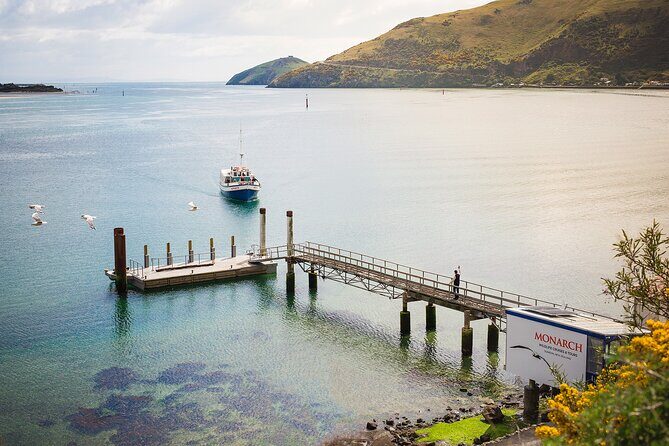
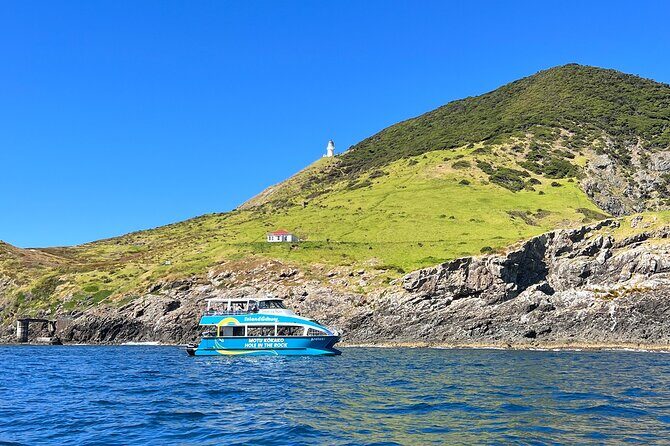
Next comes the highlight chunk for many people: the Monarch Wildlife Cruise. You board at Wellers Rock Wharf on the MV Monarch for about one hour.
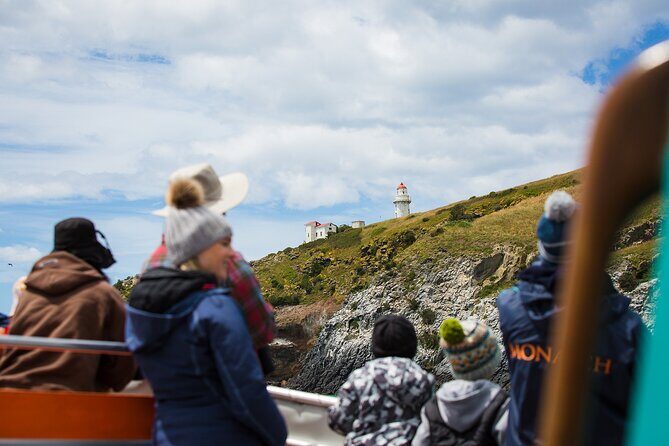
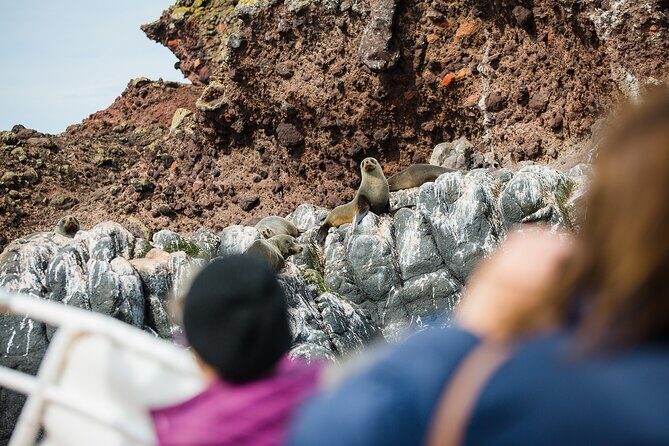
This is your best “seabird and marine mammals in motion” session. The crew looks for wildlife and gives you a guided ride past the Taiaroa Head lighthouse and out onto open water. From the information provided, you’re in the zone for fur seals, royal albatross, and other rare wildlife, plus a range of birds along the way.
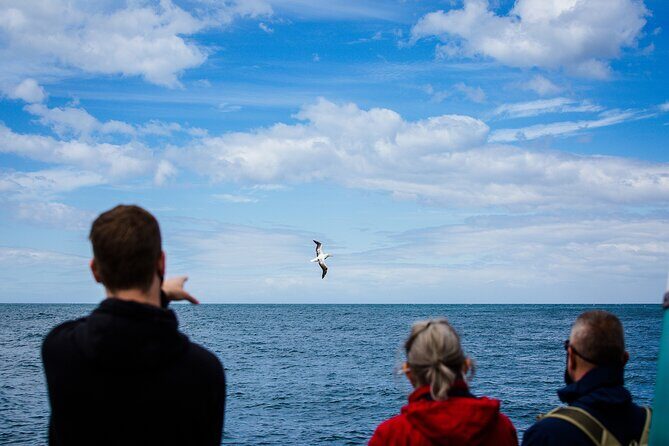
In several reviews, the cruise is described as a standout for variety—albatross sightings, seal encounters, and the overall feeling of being close to the action. One review even notes multiple albatross species during the cruise, which tells me the captain and crew focus on more than just one target.
Two practical tips:
- Bring your camera ready, not packed away. Albatross and seals don’t wait for you to adjust settings.
- Pay attention to where the crew tells you to look; their spotting pattern is often the difference between one distant view and several meaningful ones.
Also, remember this is a cruise: seas can be choppy. The tour runs only with good weather, but if it’s breezy, hold onto stability and dress in layers.
A few more Dunedin and The Otago Peninsula tours and experiences worth a look
Yellow-eyed Penguin Conservation Reserve: what you learn matters
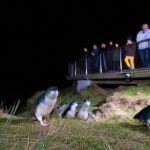
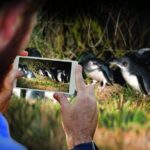
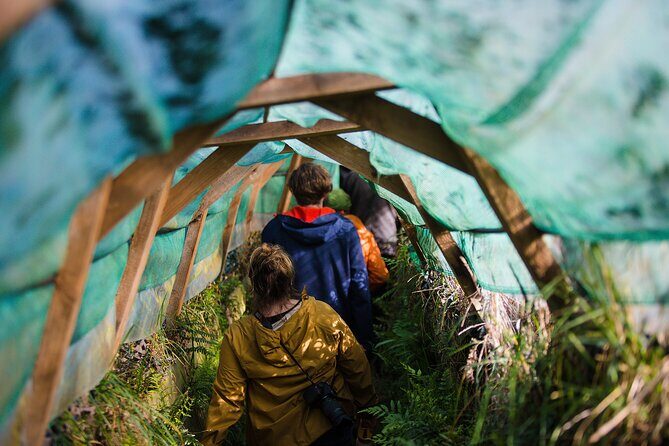
The final major stop is the Yellow-eyed Penguin Conservation Reserve visit with the Otago Peninsula Eco Restoration Alliance. You’ll get a guided walk (about 1 hour 30 minutes) that includes a behind-the-scenes look at an on-site rehab centre, then time in the reserve.
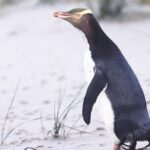
If you care about conservation beyond photos, this is why the tour is more valuable than a basic sightseeing loop. You’re not only seeing wildlife; you’re seeing the efforts to protect one of New Zealand’s most threatened coastal birds.
The tone here is practical and respectful. You’re in a reserve environment designed around the penguins’ needs, so expect guided rules about where to stand and how close to get.
Now the big expectation-setting point: yellow-eyed penguins aren’t guaranteed. One of the responses in the review set notes that with dramatic drops in the NZ coastline, there are occasionally days with no viewing. That’s not a reason not to book. It is a reason to stay calm if the penguins don’t show.
If they do appear, you’ll usually remember the moment—not just because it’s a rare sighting, but because you’ll understand what recovery and habitat protection are trying to achieve.
Price and value: why $142.73 can be a smart buy
At $142.73 per person, this isn’t a budget “do it yourself” outing. But you also aren’t paying for a single attraction. You’re paying for a full package: guided peninsula touring by air-conditioned vehicle, the 1-hour Monarch Wildlife Cruise, live commentary, and the provided warm waterproof jackets and binoculars.
Here’s how I think about value on days like this:
- If you tried to recreate this on your own, you’d need transport around the peninsula plus a cruise ticket, and you’d lose the guided interpretation that helps you spot wildlife faster.
- The included gear saves you money and hassle, especially if you’re arriving in Dunedin with only day-travel clothing.
- The small-group size (20 max) is part of the value. You get more room to hear instructions and ask questions without a giant crowd drowning out the guide.
The one clear cost you’ll still handle yourself is meals. Meals or drinks are not included, so plan to bring a packed lunch. This is the one area where you can control comfort: snacks, water, and something filling make the day smoother.
What to bring and how to plan your timing
This tour runs from 2:00 pm and lasts about 6 hours 30 minutes, including vehicle time plus stops. That’s enough time that you should plan like it’s a full outing, not a quick add-on.
Bring:
- A packed lunch (meals/drinks aren’t included)
- Rain gear or at least a waterproof layer, since it’s a coastal day and the tour requires good weather to operate
- Camera and phone with spare battery (cold can drain batteries faster)
- A light extra layer under the provided jacket if you run cold
How to plan your day:
- Don’t stack two “long walks” back-to-back. This tour already has walking time at the beach and at the conservation reserve.
- If you’re doing other Dunedin sightseeing, keep a buffer before and after so you’re not rushed.
Also note that service animals are allowed, and the tour is near public transportation, which can help if you’re not using the pickup.
Who this tour suits best (and who might feel friction)
This tour is ideal for you if you want a guided wildlife day without the stress of route planning. It’s especially good if you’re the type who enjoys wildlife spotting but also wants to understand what you’re seeing while you spot it.
It’s a strong fit for:
- Nature lovers who care about birds and marine mammals
- First-time visitors to Dunedin who want an efficient day on the peninsula
- Anyone who appreciates conservation context at the yellow-eyed penguin reserve
It may be less satisfying if:
- You hate long vehicle stretches. Even with comfort, you’ll be seated for significant periods.
- You’re very sensitive to sound quality or you need very clear audio. One review complained about the guide and sound system, so audio can be a variable.
The good news is that the overall rating is high, and many comments focus on organization and guide friendliness. The “best for” group is clearly the wildlife-and-education crowd.
Should you book the Otago Peninsula Wildlife Tour & Cruise?
I’d book this if you want a one-day plan that mixes peninsula driving, Allans Beach shoreline time, and a Monarch cruise aimed at seabirds and seals, then ends with a conservation reserve visit. The biggest strength is that it turns distant wildlife into a guided, understandable experience, and it saves you the planning that would be annoying to do on your own.
I’d think twice before booking only if you can’t handle the idea of non-guaranteed wildlife (especially yellow-eyed penguins) or you’re not comfortable with a moderate walking day plus hours in transit.
If you go in with the right mindset—layer up, bring snacks, and expect short bursts of action—you’ll get exactly what this tour is good at: a compact, well-supported taste of Otago’s wildlife world.
FAQ
How long is the Otago Peninsula Wildlife Tour & Cruise?
It runs about 6 hours 30 minutes (approx.).
What time does the tour start?
The start time is 2:00 pm.
Where does the wildlife cruise depart from?
The Monarch Wildlife Cruise boards at Wellers Rock Wharf.
What wildlife might I see on the cruise and peninsula?
You’ll look for birds such as albatross, plus fur seals and sea lions, and you may also see penguins at Penguin Place / the yellow-eyed penguin conservation reserve.
What’s included in the price?
You get a guided Otago Peninsula tour by air-conditioned vehicle, a 1-hour Monarch Wildlife Cruise, live commentary, complimentary binoculars and warm waterproof jackets, and GST.
What should I bring since meals are not included?
Meals or drinks aren’t included, so bring a packed lunch and plan for snacks and water.
Is pickup available?
Pickup is offered.
What level of walking or fitness is required?
The tour recommends a moderate physical fitness level, with walking involved at stops like Allans Beach and the conservation reserve.