REVIEW · LAKE TEKAPO
Lake Tekapo: Stargazing Experience at Cowan’s Observatory
Book on GetYourGuide →Operated by Dark Sky Project · Bookable on GetYourGuide
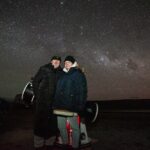
The stars here feel close enough to touch. This 75-minute session at Cowan’s Private Observatory is built for real stargazing: sheltered observation craters, an expert astronomer guiding what to look for, and telescopes when the night offers good targets. I especially like the focus on the Southern sky and the way the guide adjusts the plan each night so you’re not just following a fixed script.
The main drawback to consider: it’s not the cheapest option, and if you already know your way around bright planets and things like Jupiter’s moons, you may want more advanced material than what this format is best at.
Even if you’re a first-timer, the setup is designed to keep you comfortable and watching. The craters help block both wind and stray light, so your eyes can actually do their job. And yes, you’ll need to show up ready for cold—warm layers really matter here.
In This Review
- Key things that make this stargazing outing worth your time
- Why Cowan’s Private Observatory works so well in Tekapo
- The 75 minutes: what your night pacing is actually like
- Observation craters: comfort that changes what you can see
- Milky Way viewing in a Gold Standard dark-sky reserve
- Naked-eye stargazing plus telescopes: the right order
- How the guide makes the sky feel understandable
- Weather and night reality: what to do when conditions change
- What to bring so your night goes smoothly
- Price and value: is $77 per person fair for 75 minutes?
- Who this tour suits best (and who might want something else)
- Should you book Cowan’s Observatory stargazing?
- FAQ
- How much does the Lake Tekapo stargazing experience cost?
- How long is the stargazing experience?
- Where do I meet for the tour?
- Is transportation included?
- What activities are included during the 75 minutes?
- Are telescopes provided?
- What languages will the live guide speak?
- Are children allowed?
- What should I bring?
- Are flash photos allowed?
Key things that make this stargazing outing worth your time
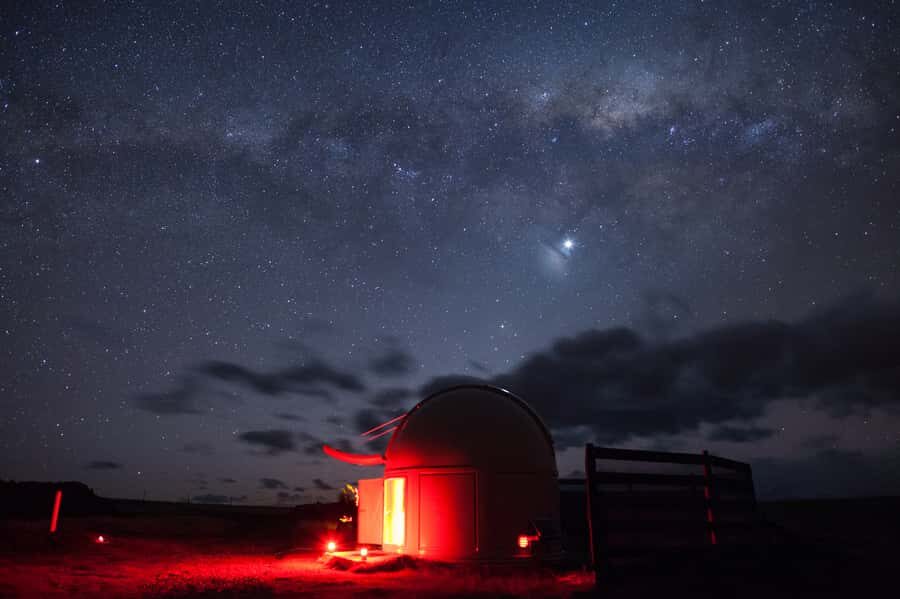
- Observation craters sheltered from wind and light pollution so the sky stays clear and steady
- Gold Standard International Dark Sky Reserve viewing conditions that make the Milky Way easier to see
- An astronomer who customizes what you look at based on what’s visible that night
- Naked-eye stargazing first, then powerful telescope views to match your comfort level
- Return transport from the Dark Sky base in Tekapo so you’re not driving in the dark
- Real-world clarity: one guest highlighted Vickey’s patient, clearly repeated explanations
Why Cowan’s Private Observatory works so well in Tekapo
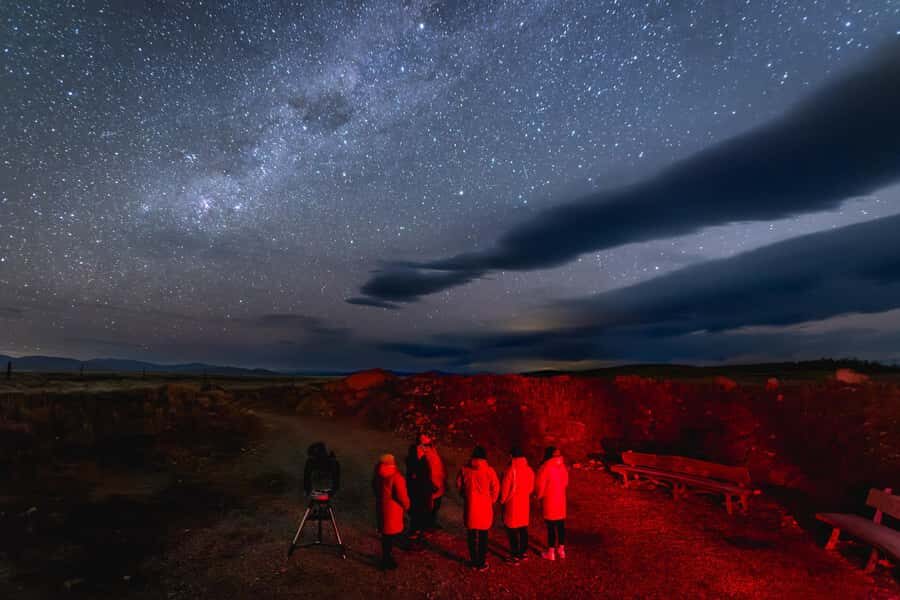
Lake Tekapo already has a reputation for dark skies, but Cowan’s Private Observatory takes that idea seriously. You’re not just standing somewhere scenic with binoculars. You’re placed into purpose-built observation craters—think sheltered viewing spots designed to cut the wind and reduce stray light. That matters more than people expect. Wind makes people fidget, lose their rhythm, and miss fine details. Stray light makes faint stars fade into the background.
This is the kind of tour where the “where” quietly improves the “what.” In a region like this, your eyes are your main tool. If the conditions are right and the distractions are controlled, you start seeing structure in the sky instead of just looking at points of light.
Also, the location is in the world’s largest Gold Standard International Dark Sky Reserve. That’s not marketing fluff. It’s basically a promise that the night sky is treated like something worth protecting, which is exactly what you want when the goal is the Milky Way and southern constellations.
You can also read our reviews of more tours and experiences in Lake Tekapo.
The 75 minutes: what your night pacing is actually like
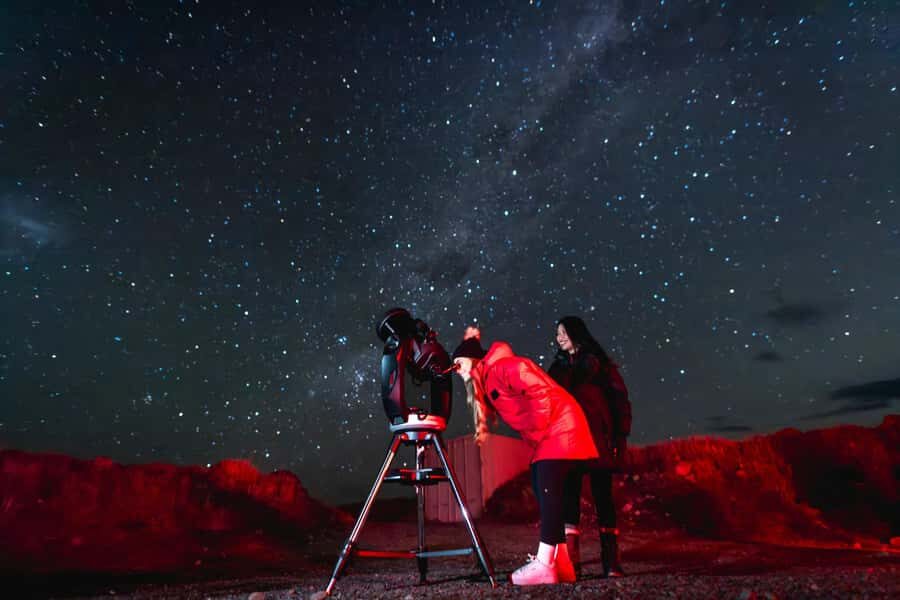
This experience runs about 75 minutes, which is long enough to get oriented and still short enough that you won’t feel like you’re freezing forever. The core flow is simple and effective:
You’ll start with guided stargazing using your eyes—then you’ll move into telescope viewing when your guide identifies what’s best. Because the astronomer customizes the experience based on what’s visible that night, you won’t get the same “checklist” every time. That keeps it more interesting and also makes it feel more tailored to what the sky is offering right then.
Here’s why that timing works for most people:
- First-timers need a chance to learn how to look before they’re asked to interpret telescope views.
- Repeat stargazers still get value because targets shift with conditions, and the guide ties observations together instead of just pointing at objects.
You’re also with a guide who’s focused on making the sky make sense, not just showing you the prettiest images. One guest specifically praised Vickey for explaining clearly and repeating key points so everyone could follow along. That kind of pacing is rare and hugely helpful when you’re learning on the fly.
Observation craters: comfort that changes what you can see
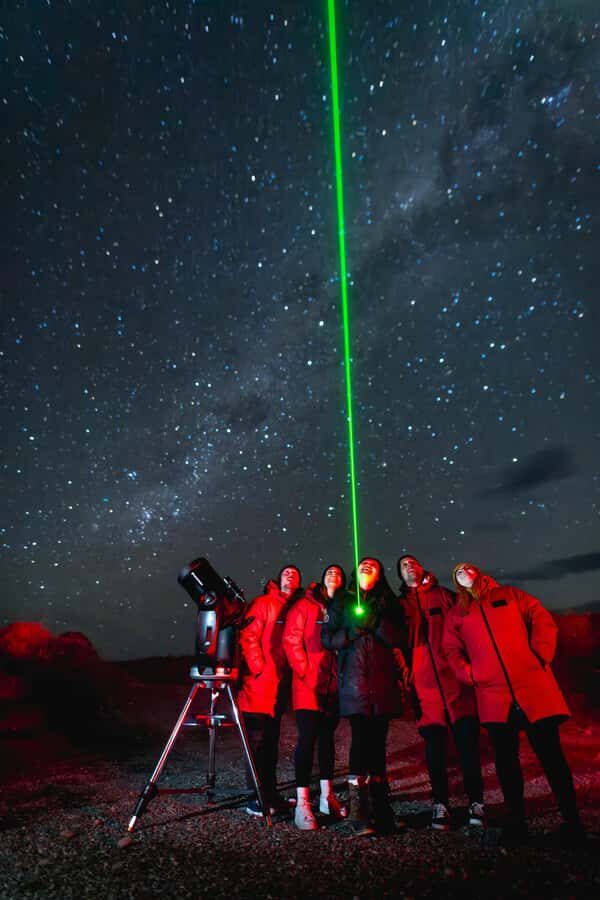
The biggest practical win here is the crater setup. On a night trip, most stargazing disappointment comes from small problems: gusty wind, cold hands, people trying to find spots for photos, or bright light bleeding into the view. The sheltered craters reduce those issues so you can stay locked on the sky.
A good stargazing session also needs continuity. If you’re constantly relocating, you lose dark adaptation and your attention. With a controlled viewing space, you can relax into the experience and gradually notice more.
One more point: you’ll likely be asked not to use flash photography. That’s for a reason. Flash wipes out everyone’s night vision and can ruin the moment for the group. It also helps keep the focus on what your eyes can actually pick out, not on a camera screen.
Milky Way viewing in a Gold Standard dark-sky reserve
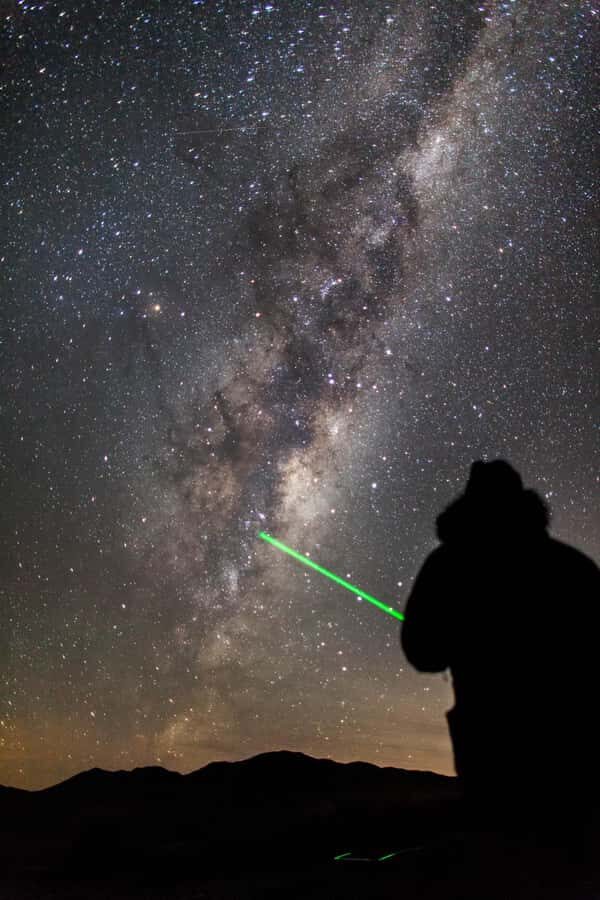
The International Dark Sky Reserve designation is what makes Tekapo special, and this tour is built around taking advantage of that. In plain terms, it means less light pollution and better visibility of faint detail.
What you should expect to notice first is brightness contrast: the Milky Way won’t just look like a faint smear. In good conditions, it can show texture—like bands and branching hints—because the sky is dark enough for your eyes to start doing real work.
What’s also great is that this isn’t only about the Milky Way. The guide’s focus on the southern skies helps you connect stars and patterns so the night doesn’t feel like random dots. You start learning how to orient yourself, then your telescope views become more meaningful. Seeing an object is cool. Understanding where it fits in the sky is the part that tends to stick.
Naked-eye stargazing plus telescopes: the right order
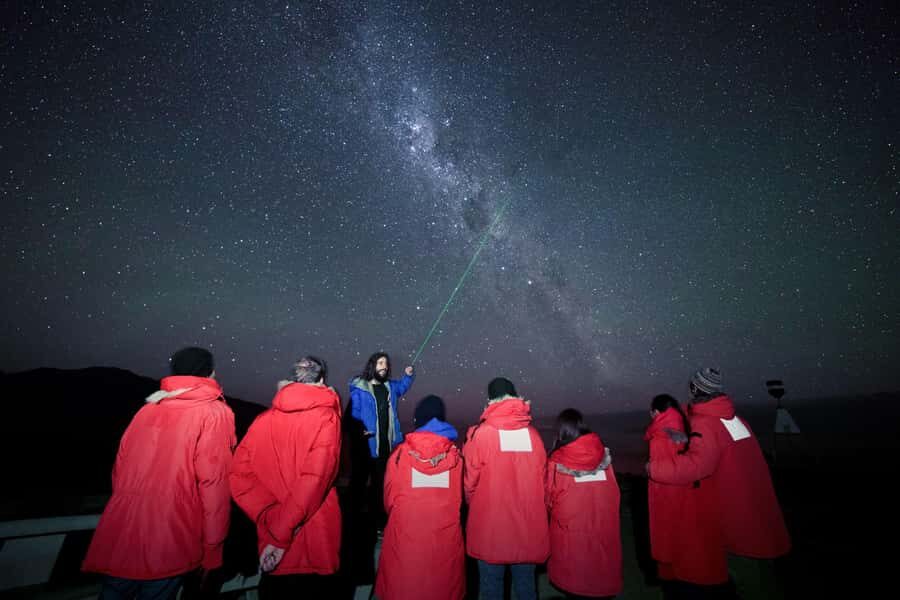
I like that this experience doesn’t start with equipment. You begin with naked-eye stargazing, which is honestly the best training. Your eyes learn what “good sky” looks like. Your guide can point out landmarks you can keep finding without a screen or settings menu.
Then the telescopes come in. Powerful telescopes are included, which means you’re not limited to what you can see with your own eyesight. The guide can shift gears quickly, showing you what’s visible and then switching to magnified views when it makes sense.
A practical note: what you see depends on the night. The tour is designed around adjusting to conditions, so don’t expect every object every time. The experience is built to be smart about what the sky allows that evening.
That flexibility is also why the tour can feel more or less satisfying for different skill levels. If you’re brand new, the guided pacing helps you build a baseline fast. If you’re already experienced—especially with brighter, commonly hunted targets—the “introduction” tone may feel more basic. One guest noted that it’s a great fit for novice astronomers, and that experienced stargazers might not get as much out of it if they already know things like Jupiter’s moons.
How the guide makes the sky feel understandable
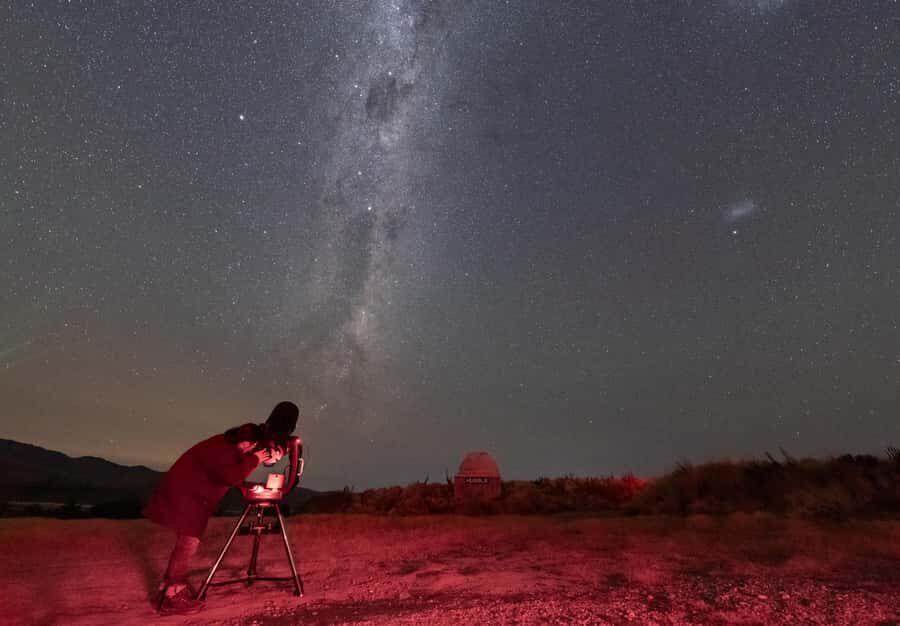
Stargazing is as much about communication as optics. The best guides teach you how to look, then they explain what you’re seeing in a way that sticks. This tour leans into that approach, and it shows in the feedback.
One highlight that comes through clearly: Vickey received praise for being amazing and for explaining things in a way that guests could follow. The same guest mentioned that explanations were repeated often, which is exactly what you want when you’re cold, tired, and trying not to blink at the wrong moment.
Here’s what that means for you:
- You’ll likely get prompts that help you locate things without feeling lost.
- You’ll get context—like what an object is, why it looks the way it does, and what to watch for.
- The guide isn’t rushing. The goal is shared understanding, not speed.
Also, the guide is set up for multiple languages: Chinese, English, and Japanese. If your group needs a language option, this helps keep the experience smooth.
Weather and night reality: what to do when conditions change
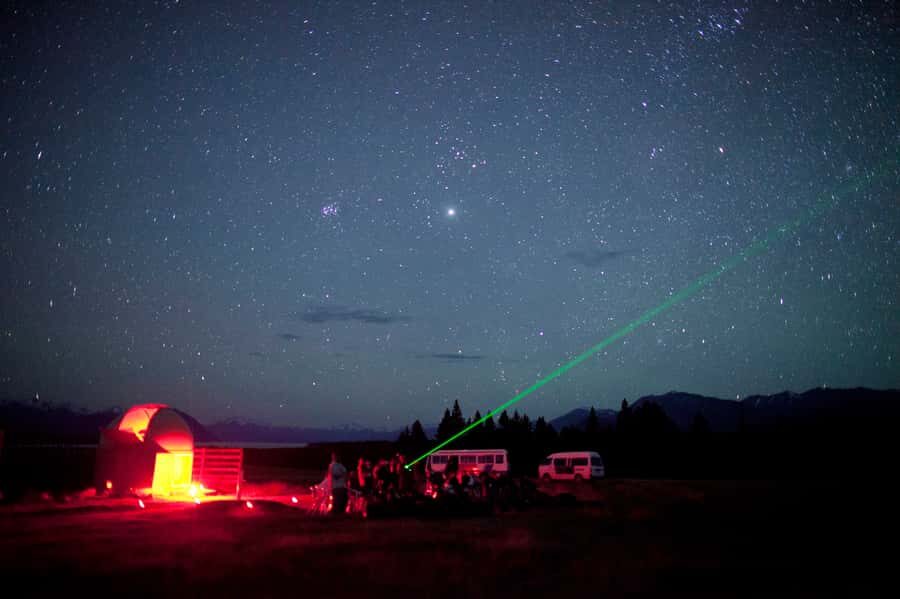
You’re booking a night activity, so you’re dealing with actual weather. The good news: the operator is set up to cancel tours in bad weather, and you’ll either get an indoor alternative or a full refund. That’s the kind of contingency that protects your time.
For you as a planner, the practical move is simple: don’t treat this as the one single must-do of your trip with no backup. If you’re staying in Tekapo for at least a day or two, you’ll usually have more freedom to choose a slot that lines up with a decent sky.
What to bring so your night goes smoothly
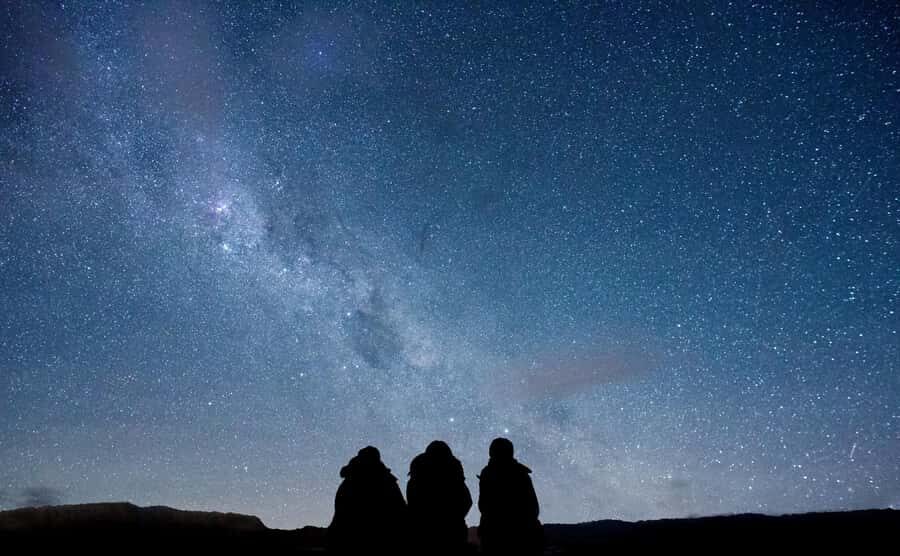
Even if the craters feel protected, you’re still outside in the dark. The tour is clear on what you should bring: warm clothing, plus a hat and scarf. Warm layers are essential regardless of season. This isn’t “bring a jacket if you feel chilly” advice. It’s “you will feel chilly” advice.
A few practical tips based on how stargazing works:
- Wear layers you can adjust, because you’ll likely feel cold while waiting and then warmer when you’re shifting focus.
- Keep your hat and scarf secure so wind doesn’t steal them at the worst moment.
- Leave flash photography behind. It’s not allowed.
One guest also said the company had jackets available for use when needed. That’s reassuring, but I still wouldn’t rely on finding your exact size in the moment—bring your own warmth first.
Price and value: is $77 per person fair for 75 minutes?
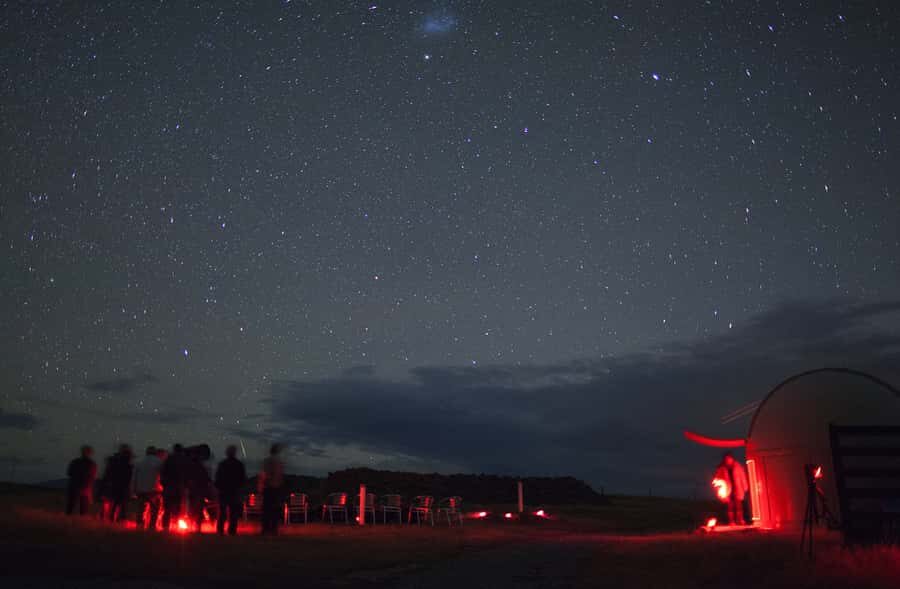
$77 per person for 75 minutes sounds like a lot until you break down what’s included—and what’s not.
What you get for the price:
- A full astronomy guide who helps you see and understand what’s up there
- Naked-eye stargazing plus powerful telescopes
- Return transport from the Dark Sky base building in Tekapo
- A viewing setup designed specifically to reduce wind and light pollution
What you don’t get:
- Food or drink
So is it good value? For most visitors, yes—because the tour combines three things that are hard to replicate yourself: dark-sky infrastructure, expert guidance, and telescope access. If you’ve ever tried to piece together stargazing on your own in a cold, dark place, you know how quickly it turns into stress instead of stargazing.
The “maybe not” part is skill level. If you’re already comfortable spotting brighter planets and know what you want to look at, the tour’s intro-friendly pacing might feel like more explanation than discovery. That doesn’t mean it’s bad—it just means the tour is aimed at building understanding, not performing an advanced observing session.
Who this tour suits best (and who might want something else)
This experience is built for a wide range of people. It’s a strong fit if you want a guided introduction to the southern sky and you appreciate comfort while you learn. The tour is also wheelchair accessible, and the format is engaging enough for families, with one important restriction.
Children under 5 years are not allowed. So if you’re traveling with younger kids, you’ll need another option.
This tour tends to shine for:
- First-timers who want help finding things and interpreting them
- Families looking for a structured, memorable night activity
- Returning stargazers who like guided context more than advanced technical sessions
It may be less satisfying if:
- You’re already deep into astronomy and expect a long, technical observing program
- You’re only chasing specific targets and don’t want the guide’s “what’s best tonight” approach
Should you book Cowan’s Observatory stargazing?
If you want a straightforward, high-quality way to experience the Milky Way from one of New Zealand’s best dark-sky settings, I’d book it. The price makes more sense when you consider the sheltered crater viewing, the included transport, and the fact that you’re not left alone trying to figure things out in the cold.
Book it with confidence if you’re:
- New to stargazing or still learning the southern sky
- Looking for an easy, guided night that feels worth the drive
- Willing to dress warmly and follow the no-flash rule
Skip or reconsider if you:
- Already know a lot of what’s commonly shown on beginner stargazing sessions
- Want food included (since nothing is provided)
- Need certainty around weather every single night (because plans can be replaced or refunded)
FAQ
How much does the Lake Tekapo stargazing experience cost?
It costs $77 per person.
How long is the stargazing experience?
The experience lasts about 75 minutes.
Where do I meet for the tour?
You meet at the Dark Sky Project booking office, 1 Motuariki Lane, Lake Tekapo 7999.
Is transportation included?
Yes. Round-trip transportation is included from the Dark Sky base building in Tekapo, with a driver guide.
What activities are included during the 75 minutes?
You’ll do guided stargazing that includes naked-eye viewing plus use of powerful telescopes.
Are telescopes provided?
Yes. Telescopes are included as part of the experience.
What languages will the live guide speak?
The live tour guide is available in Chinese, English, and Japanese.
Are children allowed?
Children under 5 years are not allowed.
What should I bring?
Bring warm clothing, a hat, and a scarf.
Are flash photos allowed?
No. Flash photography isn’t allowed.