REVIEW · AUCKLAND
Māori Cultural Experience & Auckland Museum Admission
Book on GetYourGuide →Operated by Auckland Museum - Tamaki Paenga Hira · Bookable on GetYourGuide
You can feel Māori culture in motion. The Living Taonga performance at Auckland Museum explains haka origins and packs it all into story, song, and dance. I especially like the way the orators and performers teach you what you’re seeing, not just making it entertaining.
I also like the value of rolling straight into Auckland Museum afterward, since you get the full day to explore New Zealand heritage and natural history at your own pace. One thing to plan around: the Māori Court and Pacific Galleries are temporarily closed for essential maintenance, so part of the museum’s Māori-focused space won’t be available.
In This Review
- Living Taonga at Auckland Museum: What You’re Really Paying For
- Quick Take: Top Highlights to Prioritize
- Timing Your Day for a Smooth Museum Visit
- Māori Cultural Experience: Living Taonga Performance Breakdown
- Waiata and Voice
- Poi: Skill You Can See Up Close
- Storytelling and Dance
- Haka: Origins and Identity
- Auckland Museum After the Show: What to Do With Your All-Day Ticket
- The one thing to know: Māori Court & Pacific Galleries are closed
- Price and Value: Is $37 a Fair Deal?
- Where to Meet and How to Get There Without Stress
- Parking and timing sanity
- Museum Rules That Affect Your Day
- Photography, Performance Etiquette, and Common Real-World Tips
- Who This Fits Best (and Who Might Skip It)
- Should You Book This Experience?
- FAQ
- FAQ
- How long is this experience?
- Where does the experience meet?
- What is included in the ticket price?
- Is food included?
- Can I bring luggage or large bags?
- Is the experience wheelchair accessible?
- Is the Māori cultural experience available on Anzac Day (25 April)?
- What are Auckland Museum opening hours?
- Are the Māori Court & Pacific Galleries open?
- Is free cancellation available?
Living Taonga at Auckland Museum: What You’re Really Paying For
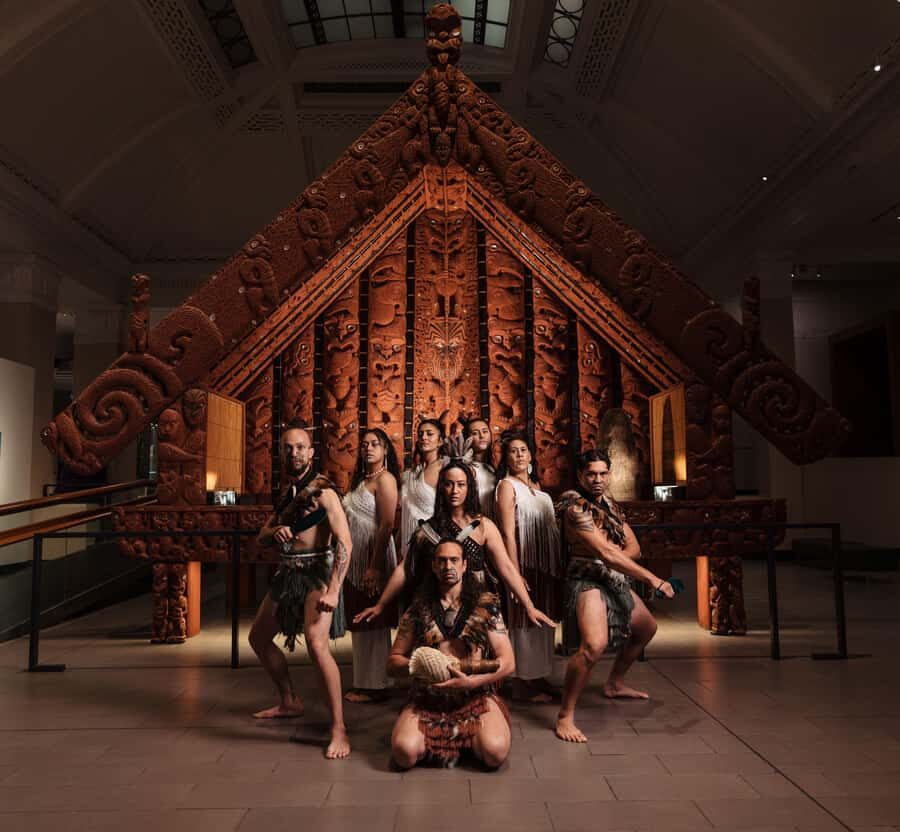
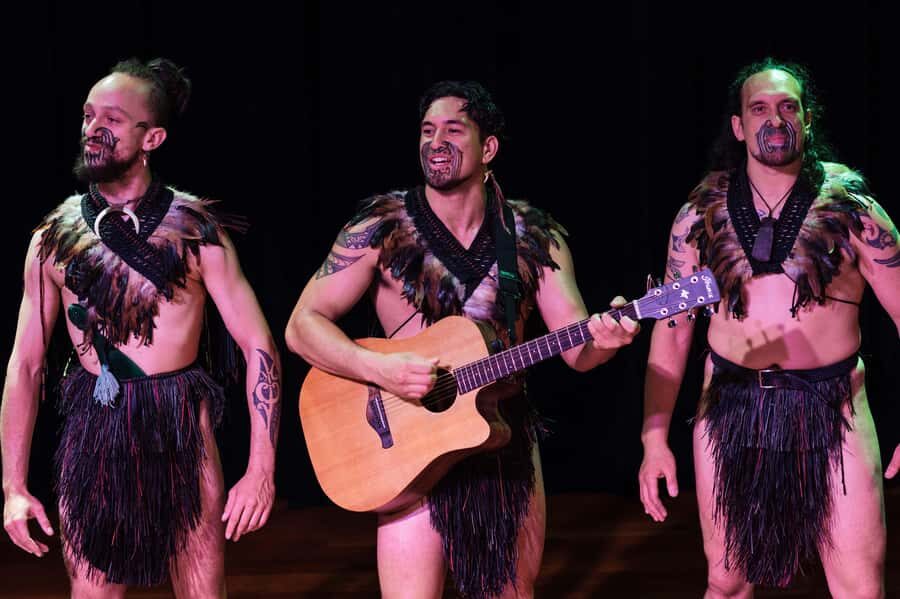
This isn’t just a show you watch and forget. The Māori Cultural Experience: Living Taonga is built to explain meaning—through voice, movement, and the context behind famous traditions like the haka. It’s guided by esteemed Māori artists and orators, so the message lands with authority and warmth.
Expect a performance that mixes several elements: waiata (traditional songs), the skill and rhythm of poi, and storytelling and dance that tie it together. If you’ve heard the word haka before but never had a clear sense of where it comes from and what it represents, this is a strong place to start.
And then there’s the practical advantage: your ticket isn’t limited to the cultural performance. You’re covered for general admission to Auckland Museum the same day, which means you can build a full museum outing instead of squeezing everything into 30 minutes.
Quick Take: Top Highlights to Prioritize
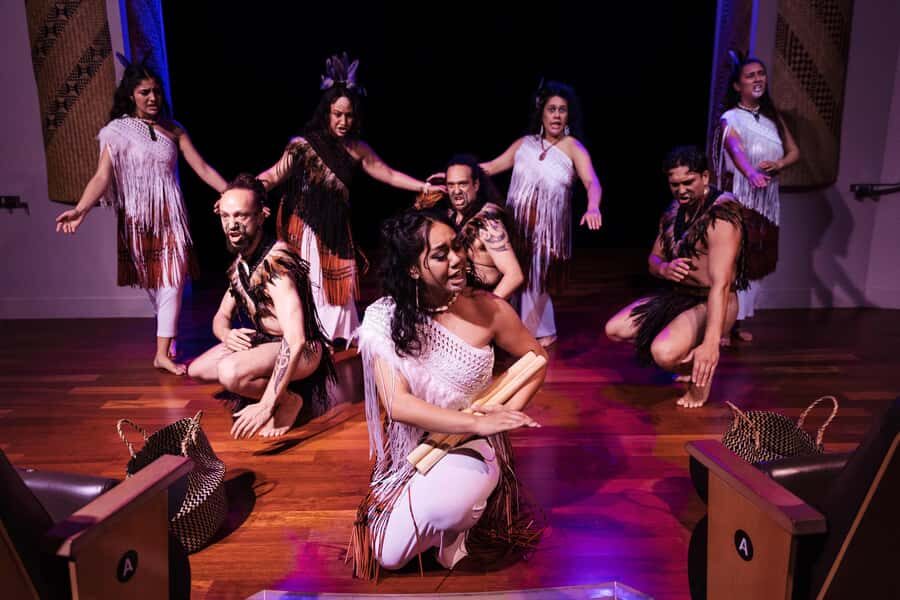
- Living Taonga performance focused on storytelling, waiata, poi, and Māori spirit
- Haka origins and meaning explained as part of the cultural program
- All-day Auckland Museum admission so you can explore after the performance
- Clear, audible narration and humor that keeps the experience engaging
- Plan for early arrival so you don’t miss setup time before the show
You can also read our reviews of more museum experiences in Auckland


Timing Your Day for a Smooth Museum Visit
You’re looking at a full-day format, even though the cultural performance itself is short. The key is to treat the show like the centerpiece, then let the museum fill the rest of your time.
Here’s a practical way to structure it:
- Arrive early to get settled. A common tip is to get there at least 20 minutes before the performance starts.
- Use that time to orient yourself inside/around the museum area and avoid that last-minute scramble.
- After the performance, spend time in the exhibits at your own pace—this is where the day turns from a single event into an actual learning trip.
Museum hours matter. On weekdays it’s 10:00–17:00, and on weekends and public holidays it runs 09:00–17:00. There’s also late opening every Tuesday until 20:30, which can be a great option if you want a quieter museum feel after the rush.
Māori Cultural Experience: Living Taonga Performance Breakdown
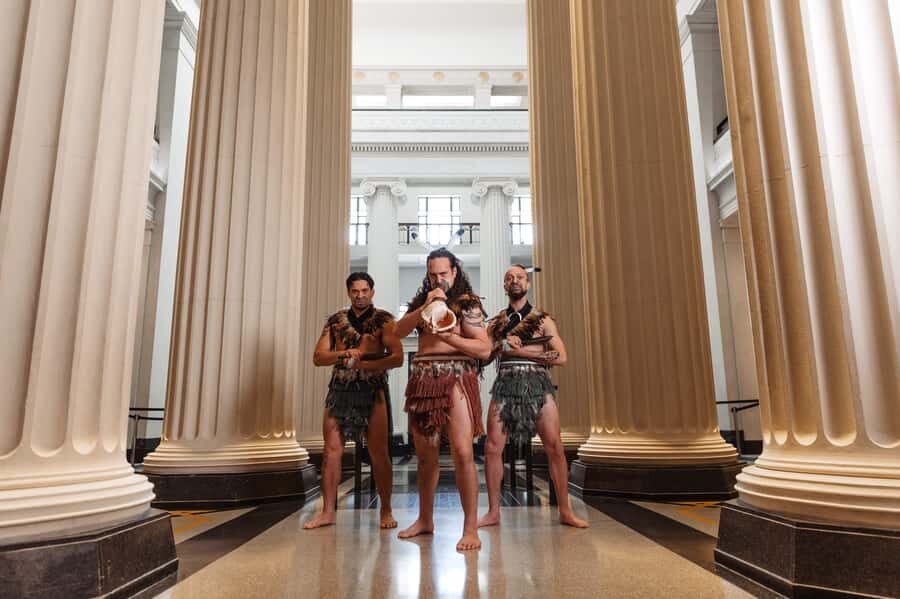
The Living Taonga program is designed around the idea that Māori culture is living heritage—something carried forward, not locked in a display case. You’ll see multiple forms of expression layered together, and the best part is that you don’t have to guess what they mean.
Waiata and Voice
Traditional singing isn’t just background music here. It’s part of the way stories are carried. Expect the performance to use voice as a tool for explanation and connection, not just sound.
Poi: Skill You Can See Up Close
Poi is one of those arts where timing and control matter. In a short performance, it can still feel like a lot of technique packed into minutes. If you like movement arts, this is a highlight.





Storytelling and Dance
The orators and performers connect the pieces into a single thread—story to movement to song. One of the best feedback points from past visitors is that the narration stays clear and audible, and even includes a light, human touch that helps you stay with it.
Haka: Origins and Identity
The big draw for many people is the haka angle. You’ll learn about the origins and meaning of the world-famous ritual—how it’s tied to strength, unity, and identity. This is where the performance does real educational work, since haka is easy to oversimplify if you’ve only seen it as spectacle.
Auckland Museum After the Show: What to Do With Your All-Day Ticket
Once the performance ends, you’ll have the rest of your day for Auckland Museum’s exhibits. This is where you can go from cultural performance to broader context.
You can explore:
- Natural history
- New Zealand heritage
- Treasured taonga (cultural treasures) on display
That range is useful. Some visitors come for Māori culture specifically; others want New Zealand’s big picture. The museum supports both, and you can dip into whichever sections you’re most curious about.
The one thing to know: Māori Court & Pacific Galleries are closed
Auckland Museum’s Māori Court & Pacific Galleries are temporarily closed due to essential maintenance. This affects your expectations if you were hoping to spend time in those specific spaces.
So I’d plan your day as: cultural performance first, museum exploration second. That way, even if those galleries aren’t available, you still get a meaningful day.
Price and Value: Is $37 a Fair Deal?
At $37 per person, you’re paying for two parts in one:
1) Museum entry, and
2) the Māori Cultural Experience: Living Taonga.
That bundled approach is what makes this feel fair. A lot of cultural events charge extra on top of museum entry, and it can start to feel like a separate line item. Even when older bookings treated it like an add-on, the performance itself tends to land as educational and memorable—not just a quick entertainment stop.
The main “value check” for you is this:
If you want a short, guided introduction to Māori traditions (including haka meaning) and you also plan to spend a few hours in the museum, then this is a solid use of your time and money.
If you’re only interested in a quick museum skim, it might feel like more than you need. But if you’re the type who reads signs, looks closely at objects, and enjoys structured learning, you’ll likely feel you got your money’s worth.
Where to Meet and How to Get There Without Stress
Your meeting point is Auckland War Memorial Museum, Parnell, Auckland 1010. This location is handy because you’re not dealing with a random backstreet pickup—your day starts at a clear landmark.
The museum is about a 30-minute walk from the city, or around a 5-minute drive. Public transport is an option too, which matters if you don’t want to pay for a city parking hunt.
Parking and timing sanity
On-site parking is available, including two levels of secure car parking, and there’s also free parking in the Auckland Domain for up to 3 hours. If you’re going to linger at the museum, that time limit is worth factoring in.
Museum Rules That Affect Your Day
Small rules can change how comfortable your visit feels, so here are the ones that matter.
- No food or drinks during the experience (so plan to eat later, outside the performance ruleset).
- No luggage or large bags. If you’re traveling with bulky gear, you’ll need a plan for storage.
- Wheelchair access is available, but wheelchairs can’t be pre-booked. They’re subject to availability on site.
Also, the host and greeter language is English and Māori, which can make the welcome feel more grounded and local.
Photography, Performance Etiquette, and Common Real-World Tips
The biggest practical note: during the performance, you’ll need to follow the cues given by the performers and staff. Some shows restrict photography during certain moments, and you should assume you may be asked not to film or take photos during active sections.
If you like getting good shots, the smart move is to focus on being present during the performance. Then use the museum exhibits afterward for your photos.
Arriving early helps here too, because you’ll be settled before the show starts and less rushed if staff requests any quick instructions.
Who This Fits Best (and Who Might Skip It)
This is a great fit if:
- You want a clear introduction to Māori culture with story and context
- You’re interested in haka meaning, not just the performance
- You enjoy museums and want an all-day plan, not a short detour
This might be less ideal if:
- You only have time for a quick stop and don’t plan to explore the museum exhibits
- You specifically want to see the Māori Court and Pacific Galleries right now (they’re temporarily closed)
Should You Book This Experience?
I’d book it if you want your day in Auckland to include something more than sightseeing photos. The Living Taonga performance gives you structure—waiata, poi, storytelling, and haka meaning tied together—then your ticket turns into an all-day museum pass.
If you’re already museum-ready, the value at $37 looks even better. Just remember the Māori Court & Pacific Galleries are closed, and plan your expectations around what’s available plus the performance itself.
FAQ
FAQ
How long is this experience?
The experience is set up as a 1-day visit, with all-day museum admission included for the same date.
Where does the experience meet?
The meeting point is Auckland War Memorial Museum, Parnell, Auckland 1010, New Zealand.
What is included in the ticket price?
Your ticket includes museum entry and Māori Cultural Experience: Living Taonga.
Is food included?
No. Food and drinks are not included.
Can I bring luggage or large bags?
No. Luggage or large bags are not allowed.
Is the experience wheelchair accessible?
Yes, the experience is wheelchair accessible. Wheelchairs are available on site, subject to availability, and can’t be pre-booked.
Is the Māori cultural experience available on Anzac Day (25 April)?
No. The cultural experience is not available on Anzac Day (25 April).
What are Auckland Museum opening hours?
Open weekdays 10:00–17:00 (except Christmas Day). Weekends, public holidays, and school holidays are 09:00–17:00 (except Christmas Day). The museum is open late every Tuesday until 20:30.
Are the Māori Court & Pacific Galleries open?
No. Māori Court & Pacific Galleries are temporarily closed due to essential maintenance.
Is free cancellation available?
Yes. You can cancel up to 24 hours in advance for a full refund.