REVIEW · AORAKI MOUNT COOK VILLAGE
Mount Cook: Tandem Skydive Experience
Book on GetYourGuide →Operated by INFLITE Mt Cook Ski Planes & Helicopters · Bookable on GetYourGuide
One wrong move is not an option here. The tandem setup and pro coaching make this Mount Cook experience feel thrilling, but controlled. The big hook is the combo: a 20-minute scenic flight first, then you jump for the view of a lifetime.
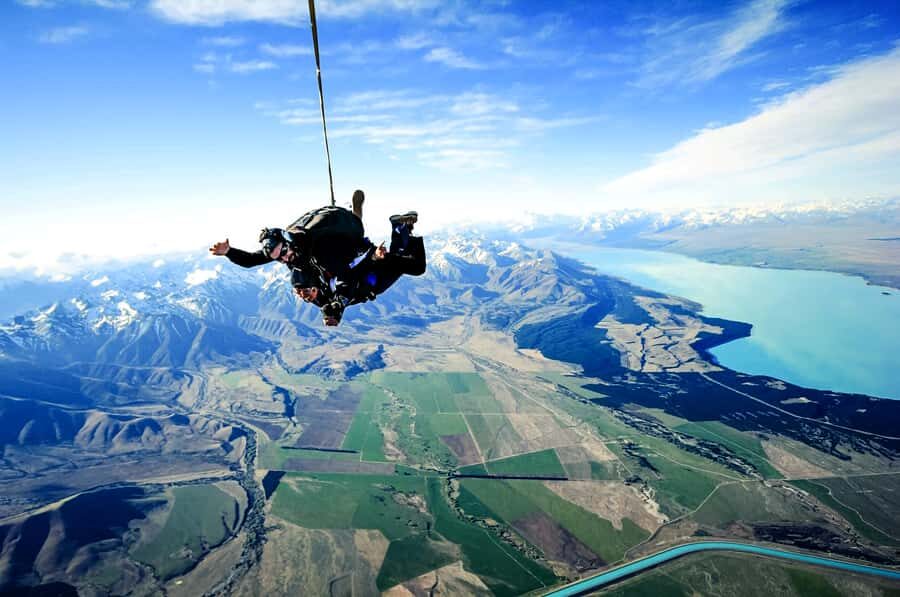
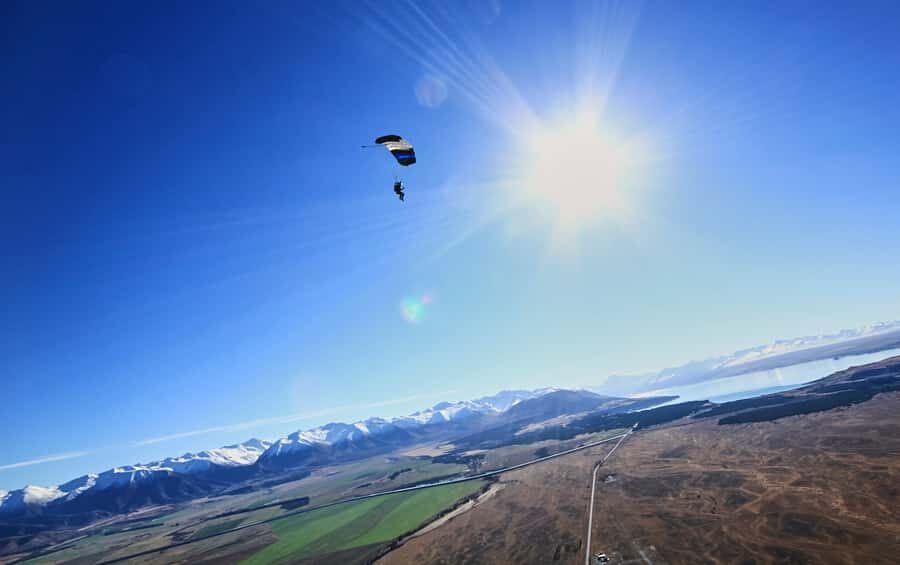
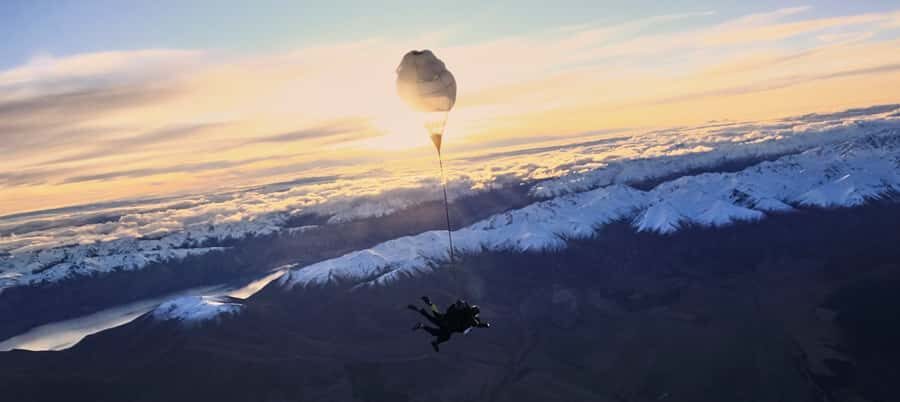
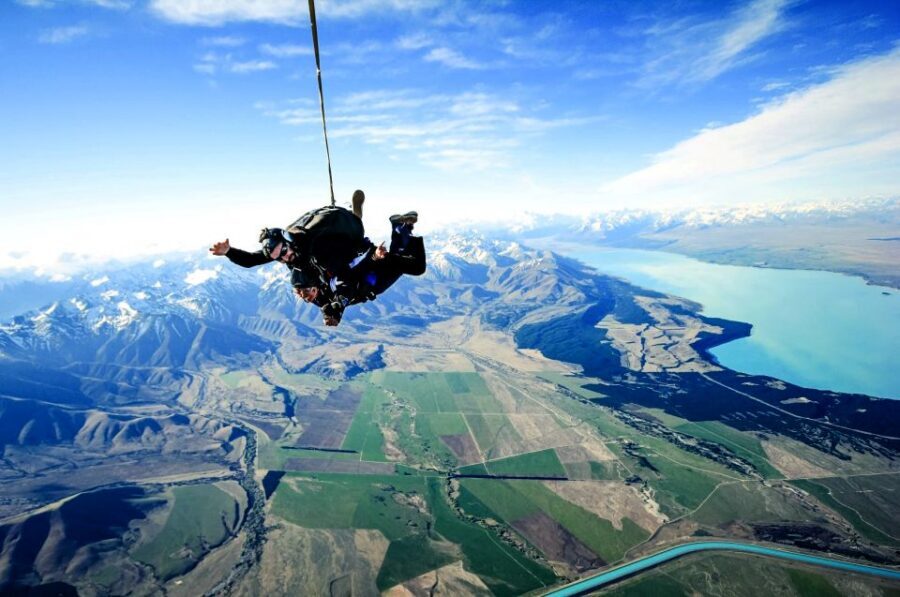
I especially like the scenery payoff. From the air you’re treated to snow-capped peaks, glaciers, and lakes around Aoraki/Mt Cook National Park, plus the famous lakes Pukaki and Tekapo.
One consideration: weather can shut it down. Wind and conditions can cause last-minute cancellation, and that can be frustrating if you planned it for a special day.
In This Review
- Key things I’d zero in on
- Why the Mount Cook view makes a tandem jump worth it
- Your 3-hour rhythm: from Pukaki-Twizel Airport to final landing
- The 20-minute scenic flight: use it to calm your brain
- The jump height choice: 13,000 vs 16,500 feet
- Free-fall up to 70 seconds: what it feels like, without the scary parts
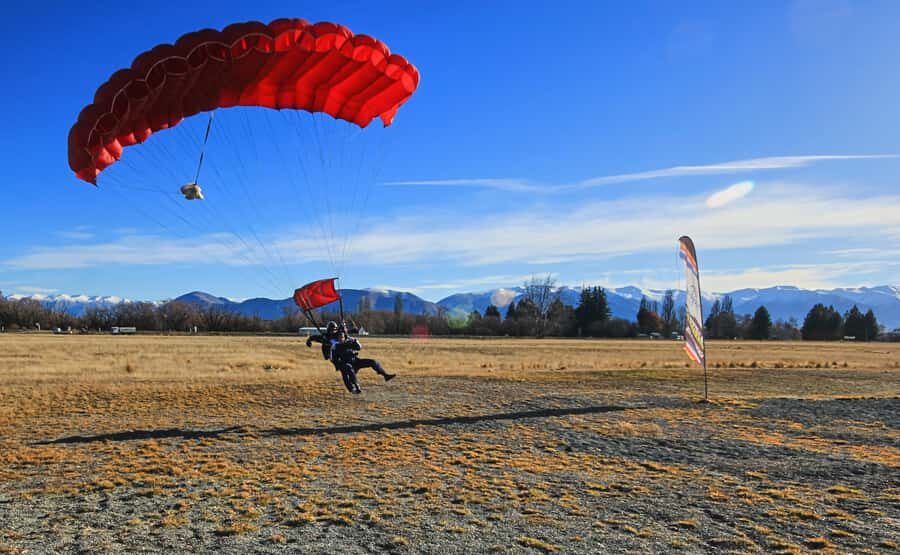
- Parachute phase: about five minutes to take in the whole picture
- Photo and video options: how to make the keepsake worth it
- What can go wrong (and how to protect your plans)
- Price and value: $238 is mostly about safety and time in the air
- Who should book this tandem jump?
- Getting there: where you meet and why transport ratings matter
- Should you book this Mount Cook tandem free-fall jump?
- FAQ
- Where do I meet for the experience?
- How long does the tandem jump experience take?
- What jump heights are available?
- How long is the free-fall and parachute time?
- What’s included in the price?
- What’s not included?
- Is there photo or video?
Key things I’d zero in on
- Small group (up to 8) keeps the pace calmer and attention more personal
- Two jump heights (13,000 or 16,500 feet) gives you choice depending on how intense you want it
- Up to 70 seconds of free-fall is the main event, not just a token drop
- About 5 minutes under canopy means you get time to take it in and breathe
- Professional tandem master handles the steps, so you’re not guessing mid-air
- Photo/video options help you turn a big, blurry moment into a real memory
Why the Mount Cook view makes a tandem jump worth it
A tandem free-fall jump is one thing. A tandem free-fall jump over the South Island’s biggest drama is another.
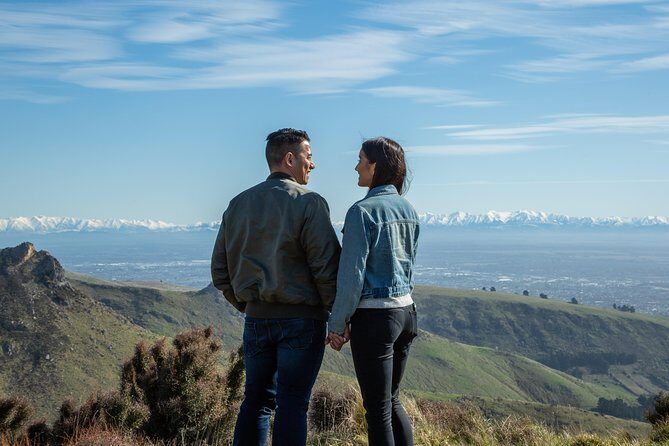
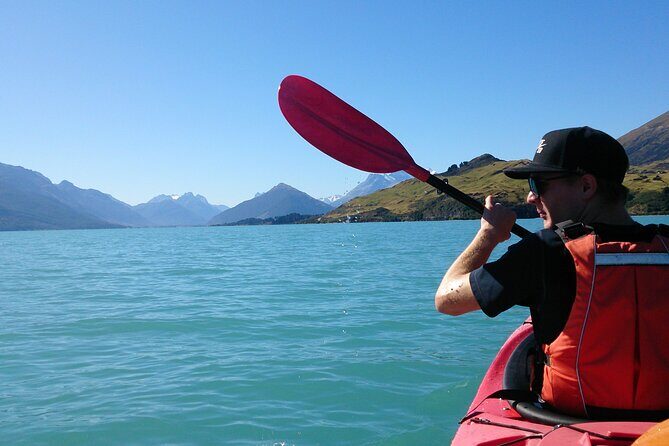
This area has a very specific kind of scale. You’re looking at Aoraki/Mt Cook National Park, with mountain walls that look too steep to be real. Then the land opens up into Lakes Pukaki and Tekapo, with their clear, bright water laid out below like someone spilled ink across the valleys.
From a comfort point of view, that matters. When people get nervous, it helps to have something bigger than your own nerves. Here, the views give your brain a job: count peaks, spot lakes, watch the glaciers and snowfields slide by. You’re not staring at a blank sky. You’re flying over a real-world postcard.
You can also read our reviews of more tours and experiences in Aoraki Mount Cook Village.

Your 3-hour rhythm: from Pukaki-Twizel Airport to final landing
Plan for a little extra time. The whole experience runs about 3 hours, but I’d budget 2–3 hours from when you arrive at the airport. That cushion helps because check-in, gear fitting, and the pre-jump talk all take time.
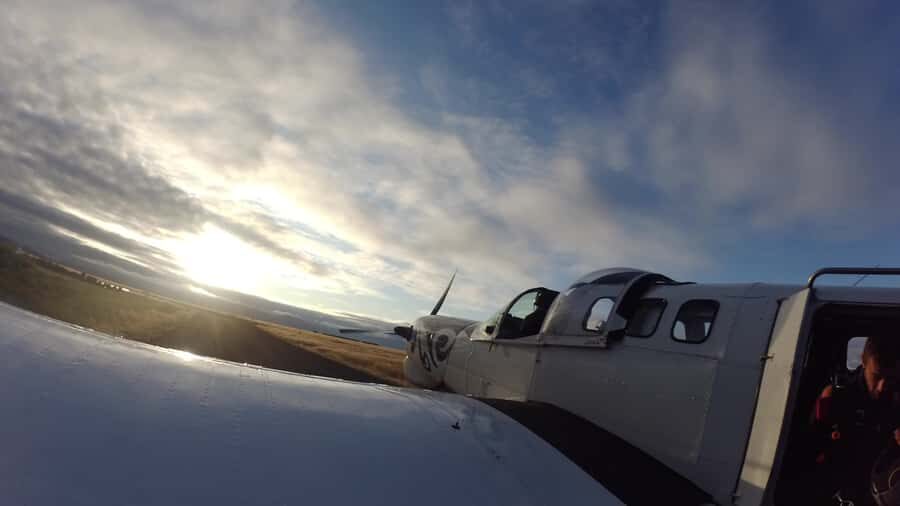
You meet the operator at Pukaki-Twizel Airport. From there, you’ll get sorted into your group and go through the standard safety and briefing process before anything moves up the sky.
A typical pace looks like this:
- You arrive, check in, and get fitted with your equipment.
- You meet your tandem instructor and do the safety briefing.
- Then comes the 20-minute scenic flight, where you’re strapped in and settling your nerves.
- After the jump, you experience free-fall (up to 70 seconds), then switch to the parachute phase (around 5 minutes).
- You finish with landing and time to wrap up and, if you chose it, handle photo/video.
One small but important perk: this is a limited small group experience (up to 8). That means you’re less likely to feel like a number in a factory line.
The 20-minute scenic flight: use it to calm your brain
If you’re the kind of person who worries in advance, the scenic flight is your chance to get out of your head.
Those 20 minutes in the air are not just there for comfort. They’re also when you start recognizing the terrain below. You’ll be able to pick out the shape of the valleys, the way the mountain ridges stack up, and where the lakes sit in the bigger picture.
This is also when you’ll likely notice the vibe of your tandem master. In the best moments, an instructor gives you just enough reassurance to help you focus. One set of feedback I saw highlighted how reassuring guides can be when you’re nervous, which is a big deal. That calm tone matters because it changes your body from bracing to participating.
You can treat this phase like training for the jump. Breathe slow. Keep your hands where you’re told. And when your mind starts to sprint ahead, bring it back to what you can see through the windows.
The jump height choice: 13,000 vs 16,500 feet
You’ll jump from either 13,000 feet or 16,500 feet above the ground. That choice affects how intense the experience feels and how long you spend in free-fall.
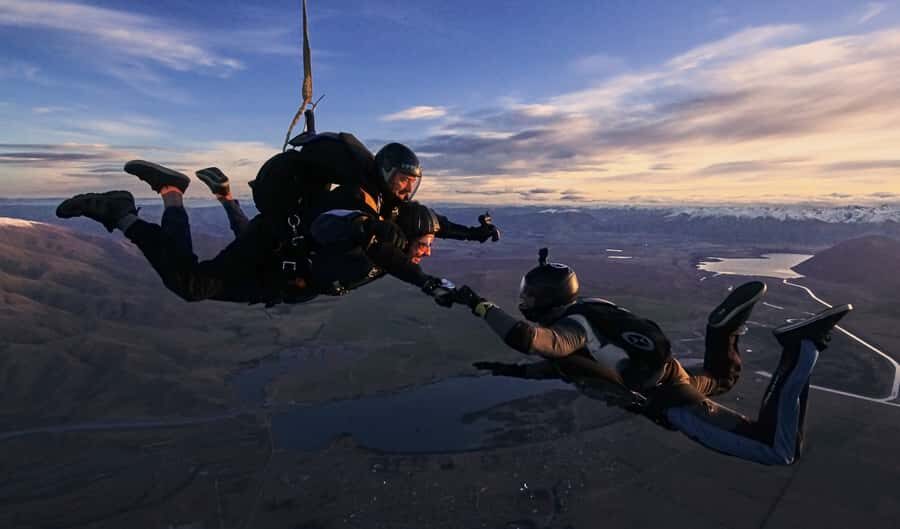
What you can count on is the promise of up to 70 seconds of free-fall. That’s long enough to feel like a full segment, not a quick thrill. It’s high-speed and physical in the most interesting way—your body reacts, your senses go sharp, and the world suddenly feels bigger and farther away.
In a tandem setup, you’re not doing this alone. You’re strapped to a professional tandem master who handles the technical steps. Your job is basically to listen, relax as much as you can, and enjoy the fact that gravity is doing its thing under expert control.
Free-fall up to 70 seconds: what it feels like, without the scary parts
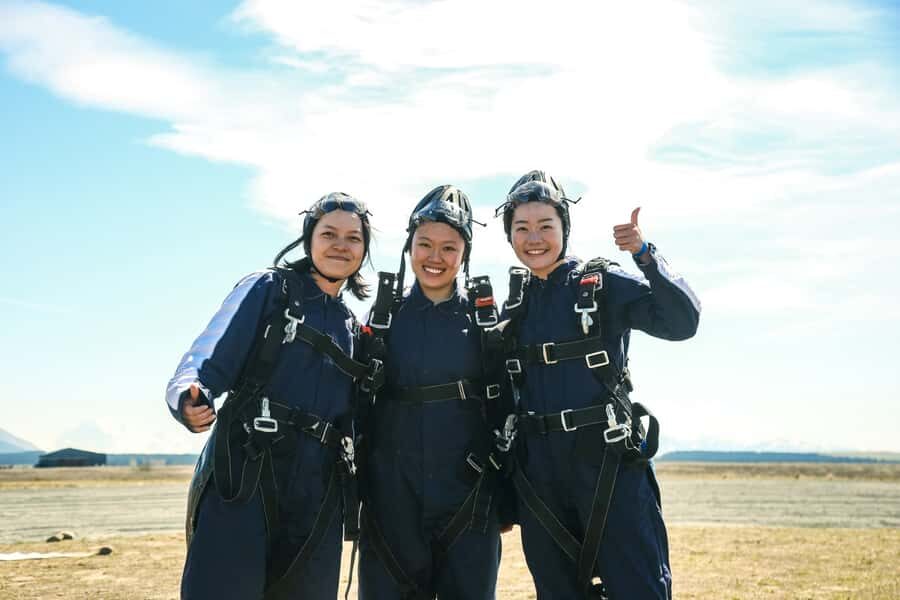
Free-fall is the moment most people remember. You go from sitting in a plane to suddenly moving so fast your thoughts catch up late.
Because this is tandem, you’re not worrying about deployment decisions or timing. The instructor manages that. The experience is built around the idea that you’ll be paired with a professional who looks after you through every step.
Here’s what you should expect, emotionally:
- The first seconds feel like a jolt.
- Your brain shifts from fear to focus because the sensation is so strong.
- Then you get a stretch where you realize you’re actually okay—and the views become the point.
In feedback, I saw two guide names come up for their reassurance and performance: Javier and Megan. The theme there was simple. Nervous people get nervous less when the guide explains what’s happening and keeps their tone steady. That kind of guidance turns the unknown into a planned moment.
Parachute phase: about five minutes to take in the whole picture
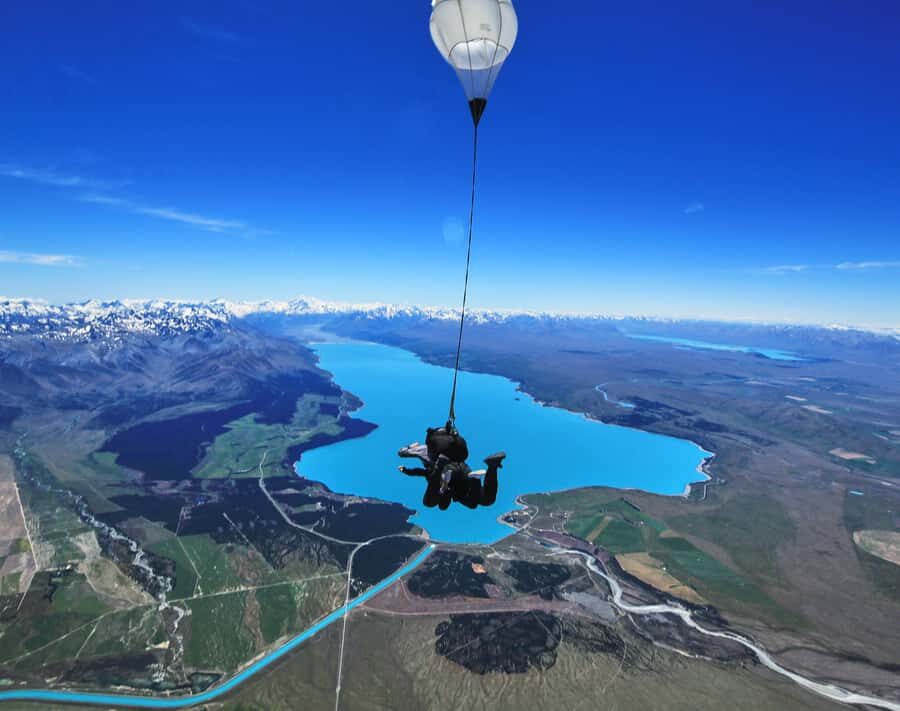
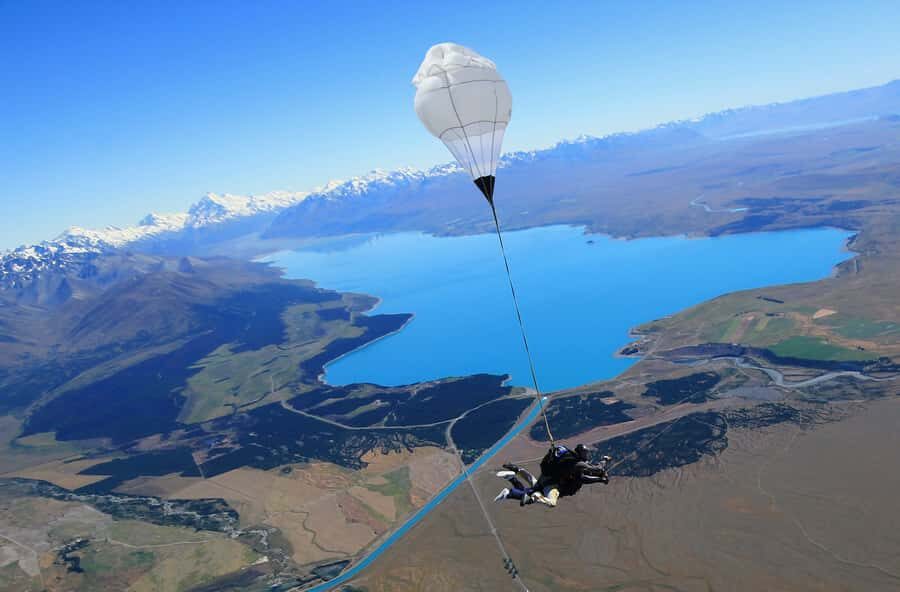
Once the parachute opens, the mood changes fast. Free-fall is fast and loud in your body. Under canopy, things slow down enough for your brain to catch up.
You’ll get around 5 minutes of parachute glide. That’s the part where you can actually see details: the shapes of the ridges, the contrast of snow against rock, and the way lakes sit like punctuation marks in the valleys.
This is also when photo and video options become more valuable. If you’re paying for a memory, the canopy phase is where you’re most likely to look out and react, not just survive the jump moment.
If you want a calmer photo plan, pick a simple goal: get your face on camera at least once during the canopy glide, when the scenery is clear and stable. Don’t try to micromanage the whole sequence. Your tandem master will be managing flight and safety.
Photo and video options: how to make the keepsake worth it
You can capture your experience with photo and video options. Since the exact format and cost aren’t specified here, I’ll focus on decision-making.
If you’re the type who hates thinking about gear while you’re nervous, pre-decide what you want. It’s easier to say yes to a package ahead of time than to scramble during check-in.
Also, keep expectations realistic:
- Your footage will be tied to the phases you’re in (scenic flight, free-fall, canopy).
- The best “I can’t believe I did that” shots usually come from the canopy stretch when you can look around.
If you’re traveling with someone who wants proof, consider how many keepsakes you’ll actually use later. One well-framed set is usually better than trying to collect everything.
What can go wrong (and how to protect your plans)
Weather is the big wildcard for this kind of activity. In one experience, a jump was cancelled due to wind, and the person had already traveled a long way. That’s the reality of outdoor adventure in New Zealand: sometimes the sky has other plans.
There are also hints that rescheduling can happen in ways that disrupt tight itineraries. In one case, the slot got moved and the group later faced cancellation after the delay. The frustration there wasn’t the weather itself—it was the way communication and timing played out.
So here’s my practical advice:
- Don’t schedule this as the only activity on a must-hit day.
- Keep your phone ready for updates on the same day.
- If you’re planning it as a surprise (like a birthday), bring a backup idea that doesn’t depend on the jump happening.
And if your timing is flexible, that flexibility is worth real money in stress reduction.
Price and value: $238 is mostly about safety and time in the air
The price is $238 per person for the tandem jump experience, and it includes the essentials:
- Your tandem jump (from 16,500 feet or 13,000 feet)
- Safety briefing
- An instructor
- All equipment
What’s not included: food and drinks, and hotel pickup/drop-off.
So where’s the value? It’s in three places:
- You get the whole setup, not just the jump moment. Equipment and briefing are part of the package.
- You’re buying access to a very specific view zone—Mount Cook and the lakes area—plus a scenic flight time block.
- You’re paying for guided expertise during the risky-feeling part, which is the free-fall segment.
Is it cheap? No. But if you want a once-in-a-lifetime South Island aerial experience that’s built around safety and coaching, the price matches the product. You’re not paying for a short thrill; you’re paying for an entire sky day that includes flight time, training, and tandem control.
Who should book this tandem jump?
This works for a wide age range. Participation is encouraged for all ages, but if someone is under 18, parental or guardian consent is required. Children under 12 should be evaluated individually.
If you’re nervous, you’re in the right place. Tandem instructors are used to that. The key is to trust the process and listen during the briefing. The best feedback I saw tied to reassurance from instructors—especially Javier and Megan—so if you connect with your guide, the experience gets easier fast.
This is also a strong fit if you:
- Want big scenery without a multi-day hike
- Like experiences with a clear structure and a start-to-finish timeline
- Prefer a small group environment (up to 8)
If you have zero flexibility in your schedule, or your day is built around a precise timeline, treat weather risk seriously and plan a Plan B.
Getting there: where you meet and why transport ratings matter
You meet the local partner at Pukaki-Twizel Airport. Hotel pickup/drop-off isn’t included, so you’ll want to plan your own way to the meeting point.
That said, transport seems to be a bright spot. One detail I found useful: 91% of reviewers gave the transport a perfect score. That doesn’t remove weather issues, but it does suggest the “getting to the airport” part tends to work well.
Before you go, I’d confirm your exact arrival time window with the operator after booking so you don’t feel rushed at the start. In experiences like this, calm arrival makes everything smoother.
Should you book this Mount Cook tandem free-fall jump?
Book it if you want the classic South Island big-view moment and you’re okay with nature having control over the schedule. The mix of scenic flight + up to 70 seconds of free-fall + about 5 minutes under canopy is a strong package, and the small group size makes the whole thing feel less chaotic.
Skip it or think hard if your plans can’t flex at all. Wind cancellations happen, and one bad timing day can scramble a tight itinerary. If this is a surprise for a special person, give yourself breathing room so the day can still feel like a win even if the sky says not today.
FAQ
Where do I meet for the experience?
Meet the local partner at Pukaki-Twizel Airport.
How long does the tandem jump experience take?
The experience lasts about 3 hours, and you should allow around 2–3 hours from arrival at the airport.
What jump heights are available?
You’ll jump from either 13,000 feet or 16,500 feet.
How long is the free-fall and parachute time?
You can experience up to 70 seconds of free-fall, followed by about 5 minutes with a parachute.
What’s included in the price?
Included: safety briefing, an instructor, all equipment, and the tandem jump (from 13,000 or 16,500 feet).
What’s not included?
Food and drinks and hotel pickup/drop-off are not included.
Is there photo or video?
There are photo and video options available to capture your jump.
If you want, tell me your travel month and whether you’re coming from Queenstown or elsewhere, and I’ll help you shape a realistic day plan around this (with a solid Plan B).