REVIEW · AORAKI MOUNT COOK VILLAGE
Mount Cook: Tasman Glacier Helicopter Flight
Book on GetYourGuide →Operated by Glacier Helicopters · Bookable on GetYourGuide
A glacier flight beats the postcard. From Aoraki/Mount Cook you’ll fly above the Tasman Glacier and the Hochstetter Icefall, then step onto ice for panoramic views of the “Cloud Piercer.”
I love the mix of flight plus a real stop on the glacier. That alpine landing is the difference between seeing ice from above and actually feeling how big it is.
One thing to weigh: this experience depends on favorable weather. If conditions are off, your departure time can shift, and flights can even be cancelled.
In This Review
- Key things you should know before you go
- Where the flight goes: Tasman Glacier, Hochstetter Icefall, and Mount Cook’s Cloud Piercer
- The 40-minute ride: what to expect after you check in
- The glacier landing: why the “step onto ice” part matters
- Seeing neves and crevasses: the science-y parts you’ll actually notice
- Burnett Mountains and Mackenzie Basin views: the “big picture” payoff
- How to photograph this flight (without turning into a frantic full-time photographer)
- Comfort and packing: what to bring for cold ice and rotor wind
- Price and value: is $391 per person worth a helicopter flight?
- Weather reality: the one thing you can’t control
- Who this is best for (and who should pass)
- Should you book the Mount Cook Tasman Glacier helicopter flight?
- FAQ
- How long is the Mount Cook Tasman Glacier helicopter flight?
- Where do I check in?
- Is food and drinks included?
- Is hotel pick-up or drop-off included?
- What’s included with the flight?
- How many people are in the group?
- Is there a guide on board?
- What should I bring and wear?
- Is there a cancellation policy?
Key things you should know before you go
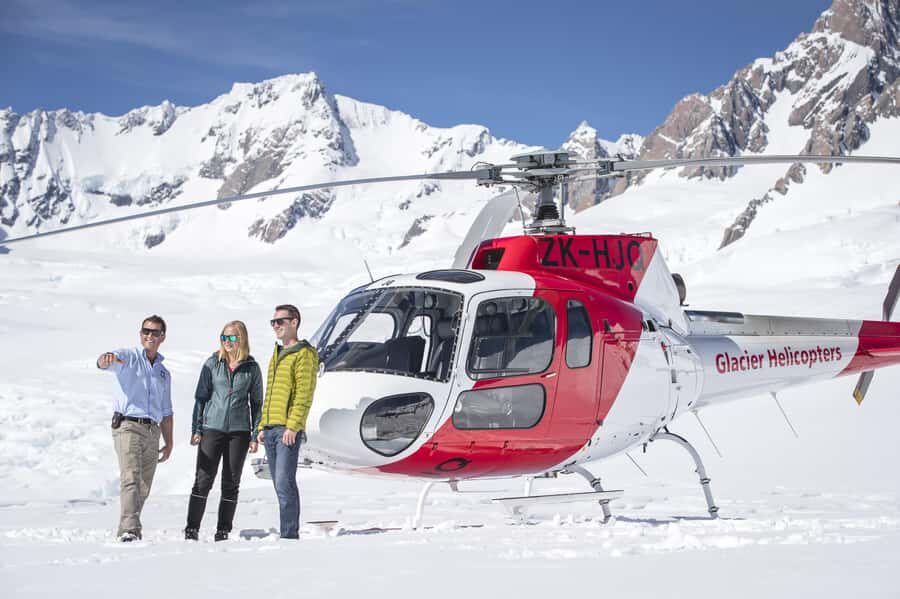
- Tasman Glacier + Hochstetter Icefall: you get the icefall drama from the air, then time on the glacier itself
- Glacier landing: included, so you’re not just floating around looking out a window
- Small group (up to 5): more room for attention, photos, and quiet moments
- Upper Tasman details: you’ll see neves and crevasses shaped over centuries
- Big-picture views: Burnett Mountains and the Mackenzie Basin show up in the same flight
- Weather matters: check-in closes 30 minutes before departure, so don’t roll up late
Where the flight goes: Tasman Glacier, Hochstetter Icefall, and Mount Cook’s Cloud Piercer
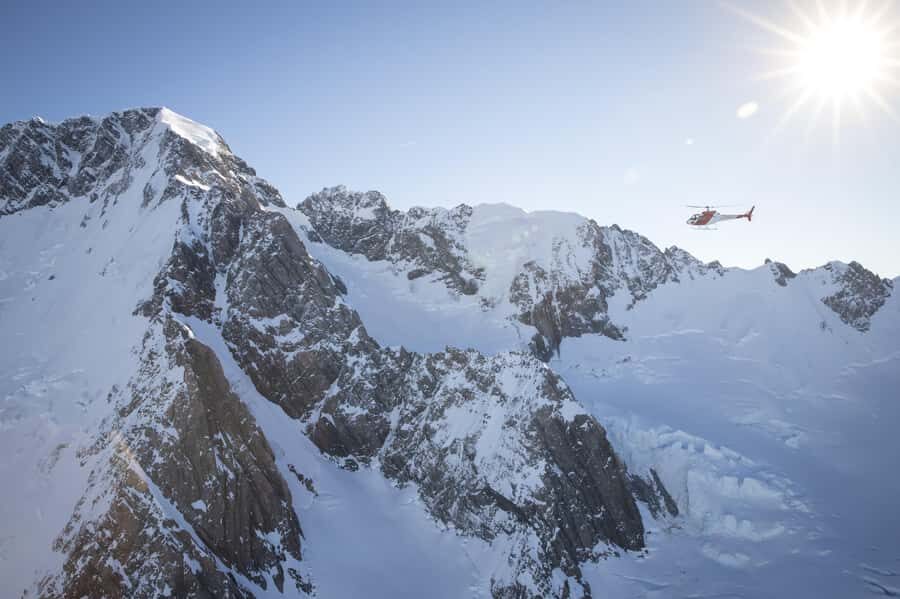
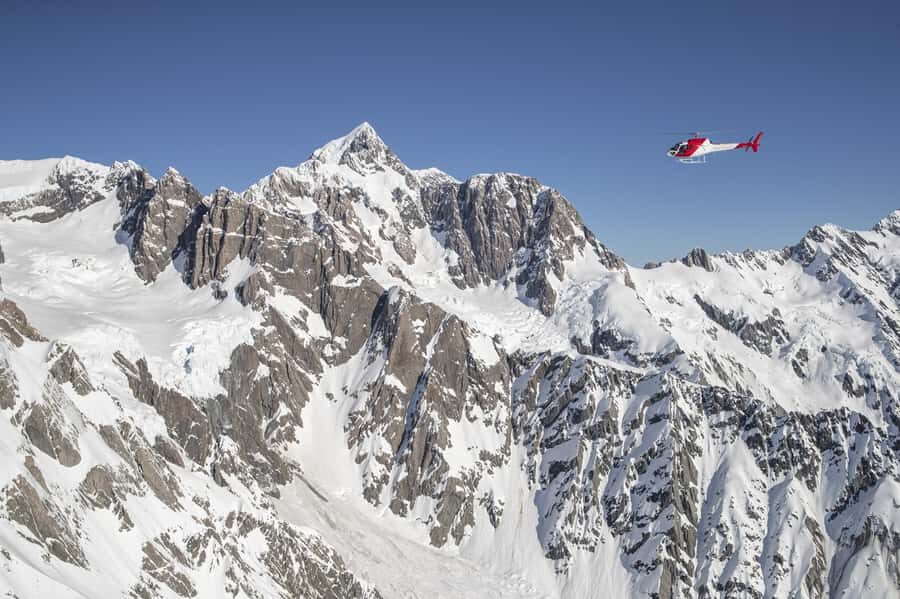
This is one of those Mount Cook experiences that’s hard to fully appreciate from photos. The Tasman Glacier is immense, but the real wow-factor is how the terrain reads from above. In the air, the glacier’s texture, flow, and scale come into focus fast. You stop thinking in terms of a single mountain and start seeing a whole system of ice, valleys, and ridgelines.
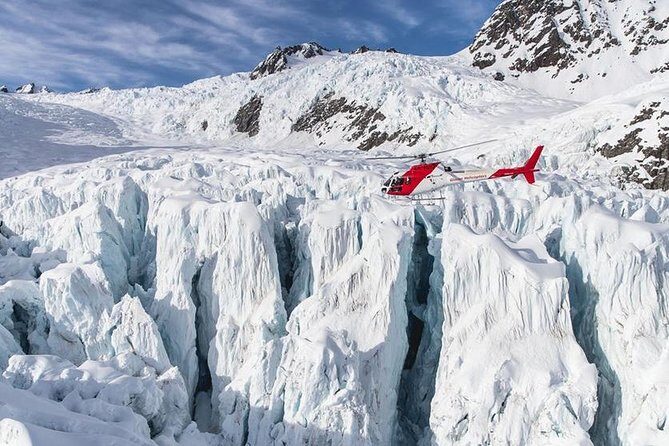
Then there’s the Hochstetter Icefall. An icefall looks almost like a frozen waterfall, with ice breaking and spilling down the mountainside. From the helicopter, you’re positioned to understand the icefall’s shape and direction—how it cascades, and how it feeds the wider glacier.
And yes, you’ll be taking in Aoraki/Mount Cook, often nicknamed the Cloud Piercer. Even when you’re not standing right at its base, the mountain’s presence pulls everything into one view. It’s the kind of scenery where your brain keeps trying to zoom in, even after you’ve already taken your third photo.
A few more Aoraki Mount Cook Village tours and experiences worth a look
The 40-minute ride: what to expect after you check in
The experience runs about 40 minutes total. That timing matters because helicopters on the glacier are about managing windows: weather, flight paths, and landing conditions. So think of this as a concentrated hit of views and ice time—not a long sightseeing loop.
You’ll start by going to the meeting point at Glacier Helicopters Ltd, 81 Bowen Drive, in Aoraki/Mount Cook Village. There’s no hotel pick-up or drop-off included, so you’ll want to plan your own way there and give yourself buffer time.
Once you’re checked in, you’ll board the helicopter and lift off from the base area. Expect a live English guide on board, giving context as you move across the glacier and toward the icefall. The best part of the short format is that you’re not stuck staring at one direction for an hour. You’ll rotate through multiple angles quickly, which keeps the scenery fresh.
In practice, the flight can run later if weather shifts. That’s normal in this region. In one recent booking experience, the landing happened later than planned due to weather—still enjoyable, but it’s wise to keep your schedule flexible on the day you book.
The glacier landing: why the “step onto ice” part matters
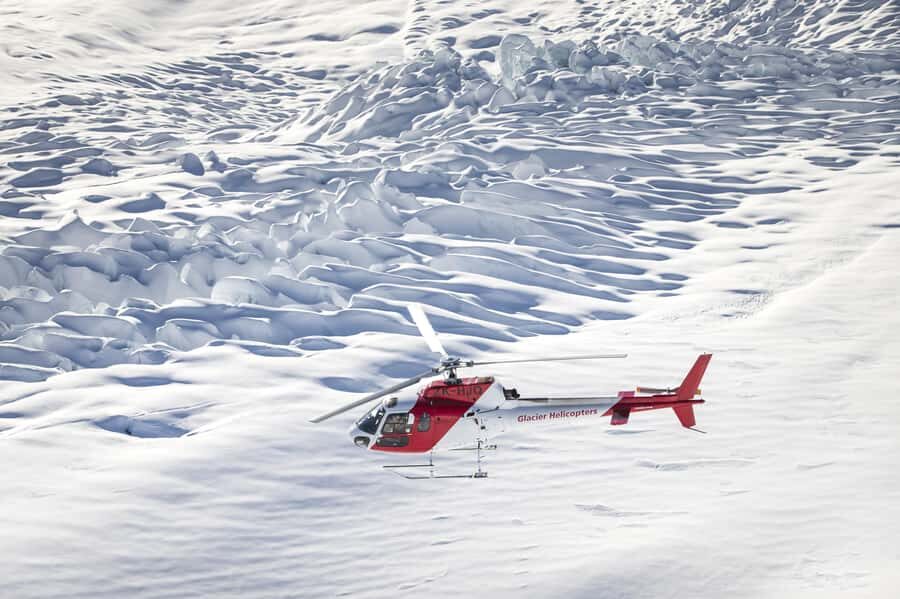
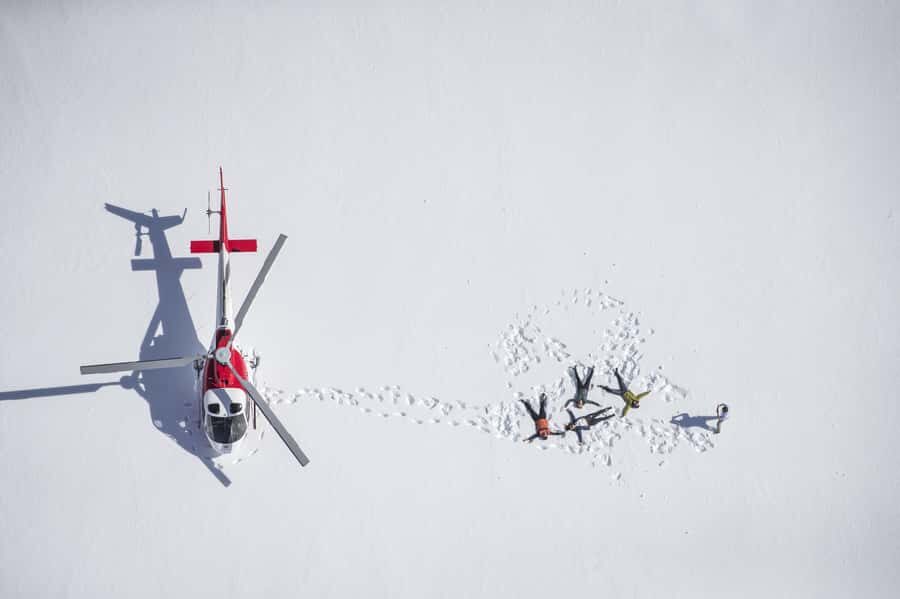
The landing is what turns this from a view into a memory. Flying over the Tasman Glacier is already impressive, but stepping onto the glacier changes the whole relationship you have with it. The ice doesn’t read as abstract anymore. It feels physical. The scale becomes real, and the surface texture is something you can actually notice up close.
An alpine landing is included, and that’s a big deal given the price. With most sightseeing, you pay for access—here, you get access to the ice itself. You’re not just looking through a cockpit window; you’re on the glacier long enough to take it in and look around.
You’ll also get the kind of sightlines that are hard to recreate from the air alone. Standing on the ice gives you perspective on how crevasses and ridges break the surface. It’s the difference between seeing shapes and understanding how the glacier is layered and fractured.
One small consideration: bring warm clothing even if the day outside looks decent. Helicopter rotor wind can make the landing feel colder than you expect, and you’ll want to stay comfortable while you look around and photograph.
Seeing neves and crevasses: the science-y parts you’ll actually notice
The upper Tasman Glacier is where you’ll spend most of your viewing time. You’ll see neves and crevasses—terms that sound academic until you’re looking at them from near enough to make sense of the shapes.
Neves are compacted snow zones—basically the older layers of snow that have been transformed over time. On the glacier, they often show up as lighter or textured areas compared with other ice surfaces. When you spot neves, you’re seeing a timeline made visible: snow that didn’t just fall yesterday.
Crevasses are cracks where the glacier’s movement and stress have split the ice. From the helicopter, crevasses can look like jagged lines drawn across a map. On the landing, they can look deeper and more dramatic because you’re not only viewing them from above—you’re learning their scale by standing nearer to the terrain.
And then you’ll connect those details back to the icefall. The Hochstetter Icefall is where the glacier’s movement and gravity turn into something that looks like a cascade. It’s not just scenic; it helps you understand how ice behaves in steep terrain.
Burnett Mountains and Mackenzie Basin views: the “big picture” payoff
This flight isn’t only about ice. You’ll also get expansive vistas of the Burnett Mountains and the Mackenzie Basin. That matters because glaciers sit inside bigger stories: river systems, valley shapes, and mountain ranges that channel wind and weather.
From the air, the basin and surrounding ranges help you understand orientation and scale. You’ll likely find yourself checking the terrain the way you’d read a relief map—ridges, valleys, and open spaces that make the glacier look even more remote.
The goal isn’t to memorize geography. It’s to feel how Aoraki/Mount Cook anchors the region. When you can see the mountain, the ice, and the surrounding basin in one continuous view, your mental picture of South Island’s interior locks in.
How to photograph this flight (without turning into a frantic full-time photographer)
You’ll want a camera and you’ll want sunglasses. Bright snow surfaces can reflect hard, and glare can ruin a shot even when the scene looks perfect to your eyes.
Practical tips that help:
- Wear comfortable clothes that handle wind. The helicopter cockpit and landing area can feel cooler than you planned for.
- Use a jacket layer you can keep on during the glacier landing. You’ll move around less than you think, but you still want warmth.
- Keep sunscreen in your bag and use it before you start. Higher altitudes and strong light add up.
You’ll also have a chance to take photos from multiple angles. In at least one booking experience, the pilot took photos of people and also made sure everyone had time to see the same views. That kind of coordination makes a difference in small-group settings where everyone wants the same shot.
If you go with friends or family, decide early who’s in charge of photos for the group. With a 40-minute window, you don’t want half the party stuck fiddling with settings while the best icefall view flies past.
Comfort and packing: what to bring for cold ice and rotor wind
The essentials you should bring are straightforward:
- Comfortable shoes
- Warm clothing
- Sunglasses
- Camera
- Sunscreen
- Comfortable clothes
That list isn’t overkill. Glacier air can feel sharp, and landing time is short enough that you don’t want to spend it adjusting uncomfortable layers.
Also note what’s not allowed: smoking isn’t permitted. It’s a small detail, but it’s part of what keeps glacier landings safe and clean.
And because there’s no food or drinks included, you should plan accordingly. If you’re arriving from elsewhere in the area, I’d eat before you go so the whole experience stays focused on the flight instead of snack logistics.
Price and value: is $391 per person worth a helicopter flight?
At $391 per person for about 40 minutes, this isn’t cheap. But value depends on what you’re comparing it to.
If your alternative is ground-based viewpoints, you’ll miss two things:
- The sense of scale you only get from flying over the ice system
- The chance to step onto the glacier with an alpine landing
This tour includes panoramic views and the glacier landing. It also runs with a small group limited to 5 participants, and you have a live English guide. Those three factors—landing access, guided context, and small-group time—are where the price tends to make sense.
What you should factor in, though:
- No hotel pick-up means you’ll pay (or spend time) getting to the base yourself
- No food and drinks means you’ll need to handle that before or after
- The experience depends on favorable weather, so treat the day as flexible
I think the best way to judge value is to ask yourself: do you want to experience the Tasman Glacier as more than a viewpoint? If yes, the glacier landing and the icefall perspective justify the cost. If you’re mostly chasing a quick photo and you’re fine staying on land, you might feel the price more than the payoff.
Weather reality: the one thing you can’t control
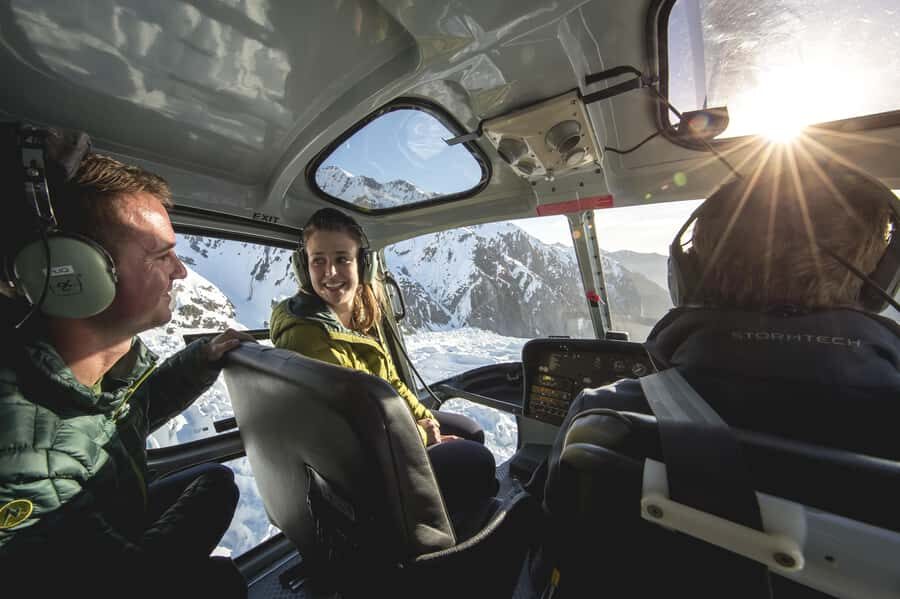
The biggest operational factor is weather. The flight is subject to favorable weather conditions, and that affects timing. Your check-in also matters: check-in closes 30 minutes before departure, so late arrivals can cause missed departures even if the day overall is workable.
If you’ve built your whole schedule around one exact minute, loosen it. Keep the rest of the day flexible if you can. In this region, conditions can change quickly, and helicopter operators have to be cautious.
A balanced mindset helps: even when weather causes delays, the experience is still often described as a highlight. When weather is truly bad, flights can be cancelled, so make sure you’re booking with confidence in the flexibility you want.
Who this is best for (and who should pass)
This works best if you:
- Want a once-in-a-trip view of the Tasman Glacier and Hochstetter Icefall
- Like guided context, not just silent sightseeing
- Prefer small groups (up to 5) and a more personal experience
- Are excited by ice details like neves and crevasses, not only by big scenery
It may not be the right fit if:
- Your schedule is too tight for weather shifts
- You dislike paying for a short time block, even when it includes a landing
- You hate cold wind and don’t want to dress for it
- You were hoping for hotel pick-up or included food (it’s not included)
Should you book the Mount Cook Tasman Glacier helicopter flight?
I’d book it if you want the full Mount Cook interior experience: icefall drama from the air, glacier time on the ground, and big-range views of the Mackenzie Basin and Burnett Mountains—all with a live English guide in a small group.
I’d hesitate if you’re flying in on a hard schedule, can’t dress for cold conditions, or you’re mainly photo-shopping. In those cases, the weather dependency and the cost will feel heavier than the payoff.
If you can keep your day flexible and you genuinely want to experience the glacier, not just look at it, this flight is one of the most direct ways to do that in South Island.
FAQ
How long is the Mount Cook Tasman Glacier helicopter flight?
The duration is 40 minutes.
Where do I check in?
Check in at Glacier Helicopters Ltd, 81 Bowen Drive, Aoraki/Mount Cook Village, New Zealand.
Is food and drinks included?
No, food and drinks are not included.
Is hotel pick-up or drop-off included?
No, hotel pick up and drop off are not included.
What’s included with the flight?
It includes an alpine landing and panoramic views.
How many people are in the group?
The group is small, limited to 5 participants.
Is there a guide on board?
Yes, there is a live tour guide in English.
What should I bring and wear?
Bring comfortable shoes, warm clothing, sunglasses, a camera, and sunscreen, plus comfortable clothes.
Is there a cancellation policy?
Yes. You can cancel up to 24 hours in advance for a full refund.