REVIEW · AORAKI MOUNT COOK VILLAGE
Mount Cook: Tasman Glacier and West Coast Helicopter Flight
Book on GetYourGuide →Operated by Glacier Helicopters · Bookable on GetYourGuide
Fifty minutes, and you’re in glacier country. This Mount Cook helicopter flight is built around a glacier landing plus big-time views of Aoraki/Mount Cook, with the added wow of crossing to the West Coast and seeing Franz Josef and Fox Glaciers from above. I like that the trip feels efficient: you get multiple iconic spots in one short outing, not a full day of driving and guesswork. One consideration: it runs only in favourable weather, and if clouds or wind roll in, you may wait for conditions to clear.
This is also a surprisingly personal-feeling experience. The flight departs from Glacier Helicopters at 81 Bowen Drive in Mount Cook Village, and there’s no hotel pickup, so you’ll be self-sorting your start. The upside is you’re not spending your precious minutes in a shuttle van.
If you’re prepared to dress warm and keep your camera handy, this is the kind of nature moment that sticks. The staff are focused on smooth flying and making it work even when the sky doesn’t cooperate right away.
In This Review
- Key things I’d circle before you book
- Why this helicopter flight feels different than a normal scenic stop
- Where you start: Glacier Helicopters at 81 Bowen Drive
- The 50-minute route over the Tasman and the Southern Alps
- Tasman Glacier Lake: where the wow begins
- Crossing the Southern Alps: the “mountain wall” effect
- Aoraki/Mount Cook from above: what makes it feel grand
- The glacier landing: walking on ice (and why it’s worth the money)
- Practical reality: bring warm layers and comfy shoes
- Franz Josef and Fox Glaciers: the West Coast wow factor
- Price and value: is $499 for 50 minutes fair?
- You’re paying for time you can’t easily replace
- You’re paying for the glacier landing specifically
- You’re paying for a guided, photo-friendly experience
- What to bring (and what actually matters once you’re there)
- Weather, waiting, and nerves: the real decision points
- If you’re nervous about heights
- Who this tour fits best
- Should you book the Mount Cook helicopter with glacier landing?
- FAQ
- Where is the meeting point?
- How long is the flight?
- How many people are in the group?
- Is hotel pickup included?
- Are food and drinks included?
- What language is the tour guide?
- What should I bring?
- Is there anything I’m not allowed to do?
- What happens if the weather is bad?
- What’s the cancellation policy?
Key things I’d circle before you book
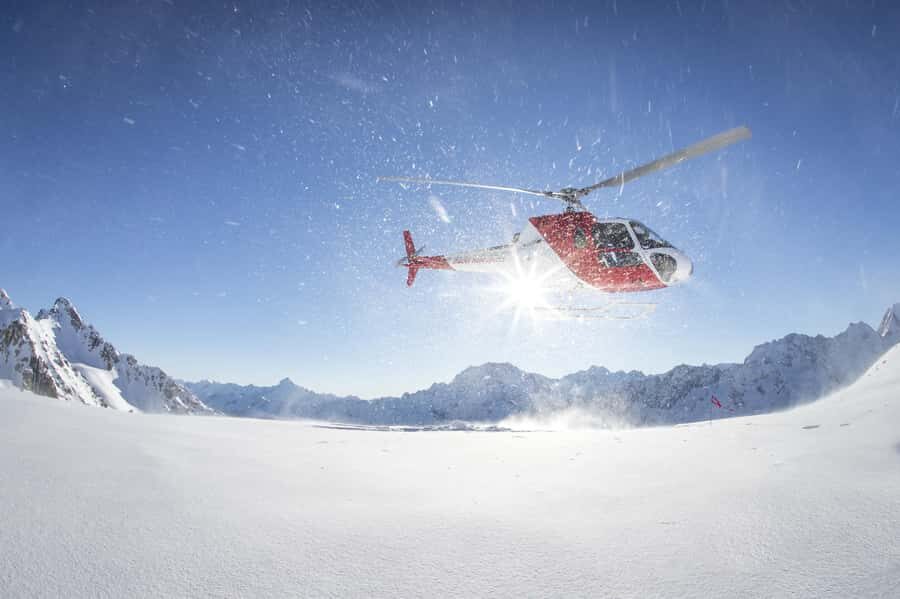
- Glacier landing on the ice: you’re not just looking at snow from the air
- Aoraki/Mount Cook from above: the tallest NZ peak looks different when you can see its angles
- Tasman Glacier Lake views: a signature view you can’t get from most ground viewpoints
- Southern Alps crossing: the flight line connects the islands’ biggest mountain wall to the West Coast
- Franz Josef and Fox Glaciers at close range: you see their size and position, not just postcards
- Staff support that goes beyond the basics: clear communication, photo help, and a genuinely careful vibe
Why this helicopter flight feels different than a normal scenic stop
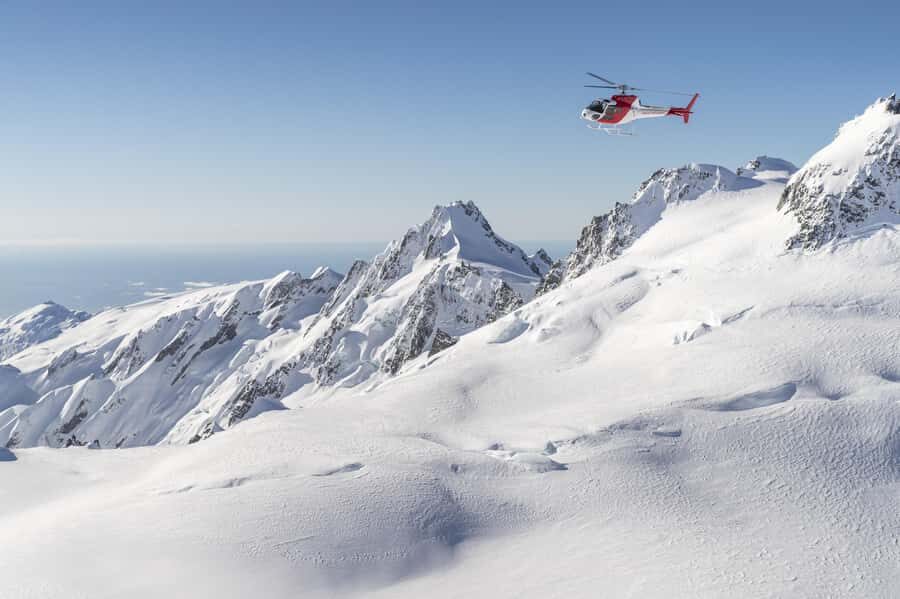
A road trip gives you views. A helicopter gives you scale.
In this 50-minute flight, you’re high above the Tasman area first, then move across the Southern Alps to the West Coast. The important part is not only what you see, but how you see it. From the air, glacier edges, rock ridges, and valleys line up in a way that makes the region feel like one connected system, not separate sightseeing boxes.
I also like that the experience is structured around moments, not “just flying.” You get those classic big-name icons—Aoraki/Mount Cook, the Tasman Glacier Lake, and the West Coast glaciers—plus a real landing on a pristine glacier. That landing turns the whole thing from sightseeing into a memory you can almost feel in your boots.
A few more Aoraki Mount Cook Village tours and experiences worth a look
Where you start: Glacier Helicopters at 81 Bowen Drive
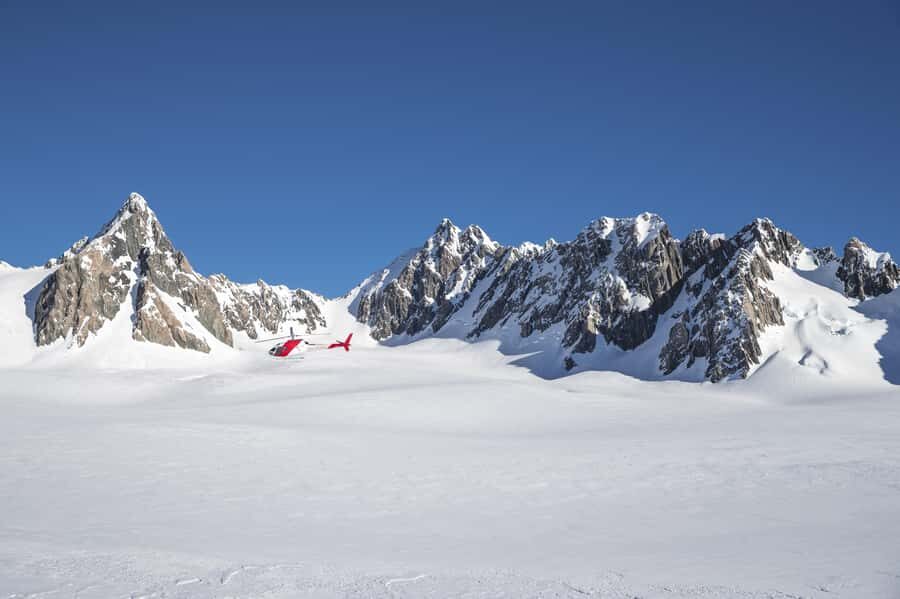
You’ll meet at Glacier Helicopters Ltd, 81 Bowen Drive, Aoraki/Mount Cook Village. There’s no hotel pickup or drop-off included, so plan to be there on your own steam.
Check-in closes 30 minutes before departure, so treat that as a hard stop, not a suggestion. If you’re coming from nearby lodging, build in a buffer for parking and sorting warm layers, sunglasses, and camera gear. (Yes, you’ll want all of it. The photos are part of the point.)
The 50-minute route over the Tasman and the Southern Alps
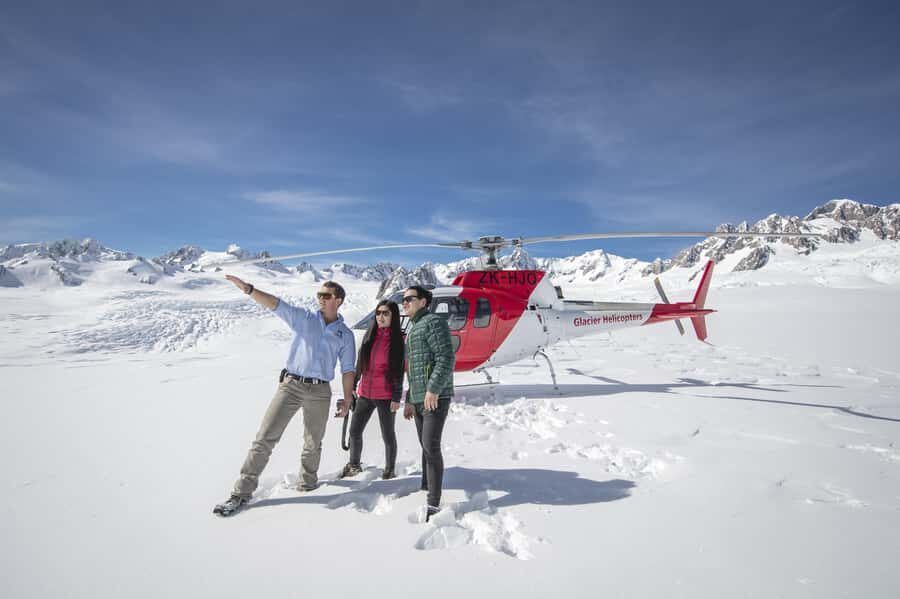
This flight is short, which is part of why it’s so compelling. You’re not spending hours in the air wondering when it will start. You get a concentrated “greatest hits” path: the Tasman side first, then the Southern Alps, then the West Coast.
Tasman Glacier Lake: where the wow begins
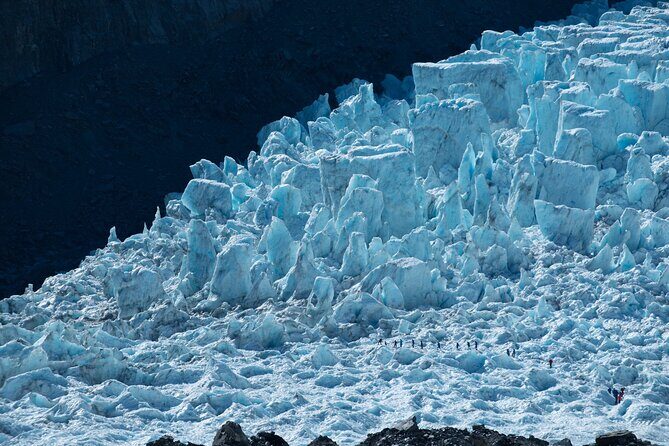
One highlight is soaring over the Tasman Glacier Lake while following the path of the Tasman Glacier. Even if you’ve seen glaciers in photos, the real thing hits harder: you can trace how ice feeds into the lake and how the surrounding rock holds the whole scene in place.
It’s also the part where your camera tends to get its first workout. The light over water and ice can look dramatic, even when the sky is moody. And yes, weather matters—if clouds and wind show up, you may wait, but that usually improves your odds of clear views once you’re airborne.
Crossing the Southern Alps: the “mountain wall” effect
When you cross the Southern Alps, you start seeing why Aoraki/Mount Cook sits in a kind of natural amphitheater. From the air, mountain ranges don’t feel like lines on a map. They feel like walls—sharp ridges, deep valleys, and sudden changes in terrain that you can’t fully understand from the ground.
If you like geology or just plain scale, this is the payoff: your brain finally gets the picture.
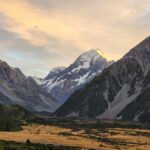
Aoraki/Mount Cook from above: what makes it feel grand
Aoraki/Mount Cook is New Zealand’s tallest peak, and from a helicopter you understand what “tallest” means in practical terms. It’s not only height; it’s the way the summit towers over the ridges around it.
You’ll likely notice the summit shape and the way the surrounding peaks frame it—views that are hard to replicate from viewpoints at ground level. And if conditions allow you clear sightlines, that first solid glimpse can feel like the whole trip clicks into place.
There’s also a subtle benefit: when you see the mountain from multiple angles in the same short outing, you get a quick education in how it sits within the Southern Alps. That’s one reason helicopter time can be such good value when you’re limited on vacation days.
The glacier landing: walking on ice (and why it’s worth the money)
The most memorable part of this flight is the landing on a glacier.
Instead of staying safely in the cabin, you step onto a real patch of ice. That changes your relationship with the scenery instantly. Your brain stops treating the glacier like a distant object and starts treating it like a place with texture, cold air, and real footing. It’s also the moment where the experience becomes shareable in a way that flight-only tours often can’t match.
You can expect the staff to help with the experience at the landing, including photos. One of the standout details from a prior flight: a pilot took great photos at the stop on the glacier, and in one instance the pilot (Dan) even helped find a lost phone in the snow. That’s not just a nice story—it shows the team’s focus on guests and problem-solving.
Practical reality: bring warm layers and comfy shoes
On a glacier landing, you’re dealing with cold and slippery surfaces. The basics matter:
- Warm clothing (you’ll feel the chill even if it’s not freezing at ground level)
- Comfortable shoes for standing and walking
- Sunglasses and sunscreen because ice and light can be harsh
You’re not being asked to do anything extreme, but you are stepping onto a surface that’s not the comfort of a walkway. Dress like you’re going outside in winter, not like you’re waiting in line at a café.
Franz Josef and Fox Glaciers: the West Coast wow factor
After crossing the Southern Alps, you’ll shift to the West Coast side of the island and see the Franz Josef and Fox Glaciers from above.
From the air, glaciers read differently than they do on hikes. You see their positions in the valley systems. You can also judge the scale of the ice fields and how they sit against darker rock and forests (where present). It’s that “size and placement” view that makes aerial sightseeing feel more meaningful than a distant lookout.
And because this route includes both glaciers in one flight, you don’t have to make tough trade-offs between seeing one or the other. You get the full West Coast glacier picture.
Price and value: is $499 for 50 minutes fair?
At $499 per person for a 50-minute helicopter flight (including a glacier landing), the price tag is real. This isn’t a budget activity. The value comes from what you’re buying:
You’re paying for time you can’t easily replace
Getting this kind of view from the ground usually means long drives, limited viewpoints, and fewer “icon-to-icon” connections in a single day. This flight compresses Mount Cook, Tasman Glacier area, the Southern Alps crossing, and the West Coast glacier views into one compact window.
You’re paying for the glacier landing specifically
Many scenic flights stop at the air. Here, you add landing on pristine ice. That turns the experience from “see” to “do,” which is usually where the money feels most justified.
You’re paying for a guided, photo-friendly experience
The flight includes a live English guide, and the team handles the experience with clear communication. When the weather is rough, they explain what’s happening and adjust. That reduces stress, and stress is the enemy of good vacation photos.
My take: if you want an experience that feels truly “special” in New Zealand—something you can’t easily copy on your own—this is one of the few helicopter options that earns its price through the landing plus the route.
What to bring (and what actually matters once you’re there)
Here’s what will make your flight smoother and your photos better.
Bring
- Warm clothing (even on days that feel mild outdoors)
- Comfortable shoes (for the glacier landing)
- Sunglasses (ice glare is real)
- Camera (and spare battery if you carry one)
- Sunscreen
- Comfortable clothes you can move in
Don’t plan on
- Food and drinks being included. Plan to eat before you go.
- A hotel pickup. You’re meeting at 81 Bowen Drive.
Also remember: smoking isn’t allowed. It’s a nature place, plus it’s a confined flight environment.
Weather, waiting, and nerves: the real decision points
This experience is subject to favourable weather conditions. That means clouds and wind can impact when you fly.
The good news is that the team’s approach matters just as much as the sky. On a day with cloud and wind, the staff waited about an hour for conditions to clear and stayed kind and professional the whole time. That patience matters because it turns a potentially stressful delay into a guided experience rather than a frustrating gamble.
If you’re nervous about heights
If heights make you anxious, you should still know what to expect: you’ll be in the air, and you will see the drop-offs from above. But one guest shared that the ride felt smooth, and the glacier stop plus the pilot’s friendliness helped them push through the worry. If you’re on the fence, that’s encouraging—but don’t ignore your comfort level. If flying in general is a no-go, you’ll probably feel it here too.
Who this tour fits best
This helicopter flight is ideal if you:
- Want maximum impact in a short time window
- Care about glaciers as a living system, not just a view
- Like seeing multiple major icons without spending your day in the car
- Value a small group setup (it’s limited to 1 participant, so the experience can feel very personal)
It may be less ideal if you:
- Hate waiting for weather. Delays can happen when conditions aren’t right.
- Have mobility issues that make standing on icy ground difficult. The information you have confirms warm clothing and comfortable shoes, but it doesn’t spell out accessibility details beyond that.
- Prefer a low-cost, no-pressure outing with no gear planning.
Should you book the Mount Cook helicopter with glacier landing?
I’d recommend booking if you want one trip in New Zealand that feels genuinely rare: a glacier landing plus views of Aoraki/Mount Cook and the West Coast glaciers, all tied together in one short flight.
Before you commit, ask yourself two things:
- Do you feel good about dressing very warm and standing on ice for a short glacier stop?
- Are you okay with the possibility of waiting for clouds or wind to improve?
If your answers are yes, this is the kind of experience that pays you back every time you look at your photos. And if you love big scenery but don’t want to spend days chasing it, this one is hard to beat.
FAQ
Where is the meeting point?
You’ll meet at Glacier Helicopters Ltd, 81 Bowen Drive, Aoraki/Mount Cook Village, New Zealand.
How long is the flight?
The duration is 50 minutes.
How many people are in the group?
The group is small, limited to 1 participant.
Is hotel pickup included?
No. Hotel pickup and drop-off are not included.
Are food and drinks included?
No. Food and drinks are not included.
What language is the tour guide?
The live tour guide is English.
What should I bring?
Bring comfortable shoes, warm clothing, sunglasses, a camera, and sunscreen.
Is there anything I’m not allowed to do?
Smoking is not allowed.
What happens if the weather is bad?
The activity is subject to favourable weather conditions, so flights may be delayed or adjusted based on conditions.
What’s the cancellation policy?
You can cancel up to 24 hours in advance for a full refund.