REVIEW · WELLINGTON
Small-Group Beekeeping Experience in Tauherenikau
Book on Viator →Operated by Greytown Honey · Bookable on Viator
Bees are the main characters here. This small-group experience with Greytown Honey walks you through how New Zealand mānuka honey goes from hive work to the final jar, with a proper safety setup and time to taste what’s being made.
What I love most is how the tour follows the process step-by-step, not just a slideshow version. I also like that you get hands-on time to inspect a beehive and learn what different bee roles look like in real life.
One consideration: this experience is weather-dependent, so if conditions aren’t right you may need to switch dates or plan for a full refund.
In This Review
- Key Points You’ll Care About
- Where Tauherenikau Honey-Making Starts: The Honey Stables
- The Safety Briefing and Hive Inspection That Makes It Click
- What the Factory Portion Adds: Hive to Jar, Not Just Tasting
- Honey Tasting and the Greytown Honey Store Stop
- Small-Group Dynamics: Why 75 Minutes Feels Just Right
- Optional Add-Ons: Botanical Trees and Make Your Own Honey
- Weather, Timing, and What to Expect on Arrival
- Who This Tour Fits Best (and Who Should Skip It)
- Should You Book This Beekeeping Experience in Tauherenikau?
- FAQ
- What is the duration of the Small-Group Beekeeping Experience in Tauherenikau?
- Where does the tour start?
- What time does it start?
- How much does it cost?
- How many people are in the group?
- Is a mobile ticket used?
- What happens during the tour?
- Does the tour include honey tasting?
- What add-ons are available?
- Is the tour weather-dependent?
- Who should avoid booking?
Key Points You’ll Care About
- Small group size (max 12): you get closer attention during the hive and factory parts.
- Safety gear is provided: you’re not left to figure it out on your own.
- Real hive inspection plus processing: you see both the living part and the food-production part.
- Honey tasting at the end: you can connect flavors to what you learned.
- Optional add-ons are available: botanical trees and make-your-own honey take extra time (and cost).
- Works well for most people: it’s generally suitable, but it is not recommended for travelers with anaphylaxis.
Where Tauherenikau Honey-Making Starts: The Honey Stables
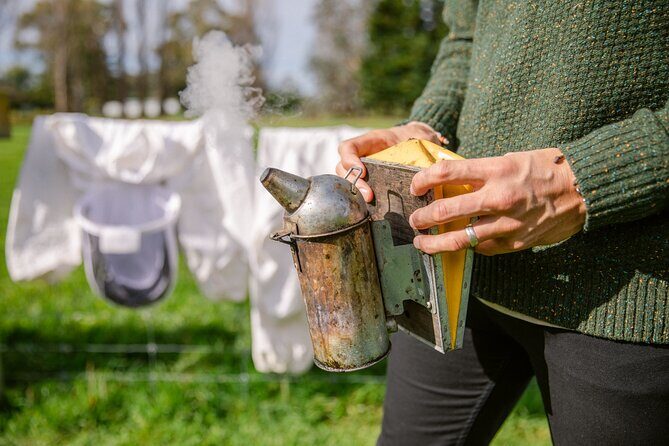
I like that the experience begins in a place built for learning, The Honey Stables, instead of jumping straight to the bees. Right away, you get the story of Greytown Honey’s journey to award-winning mānuka honey.
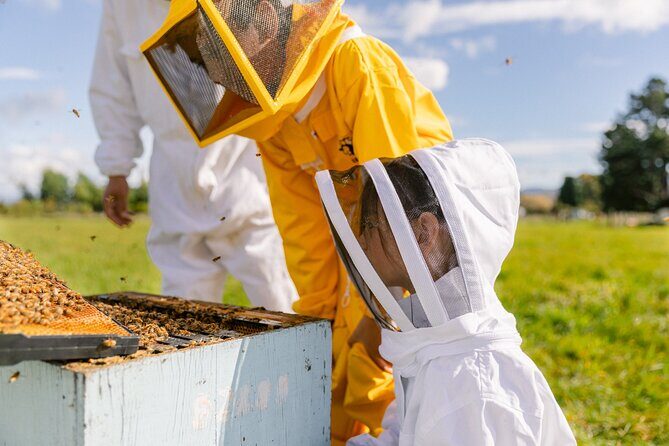
Then comes the practical part: health and safety. This isn’t the kind of activity where you’re expected to know what to do in the first minute. You’ll get the safety equipment you need to join the beehive inspection comfortably, which makes the whole thing feel calmer and more doable.
This opening also helps you get in the right mindset. Before you’re anywhere near the hives or the processing line, you understand the full flow: hive to jar. That matters because honey-making is easy to romanticize if you only see the product shelf. Here, you see the steps behind it.
You can also read our reviews of more tours and experiences in Wellington.


The Safety Briefing and Hive Inspection That Makes It Click
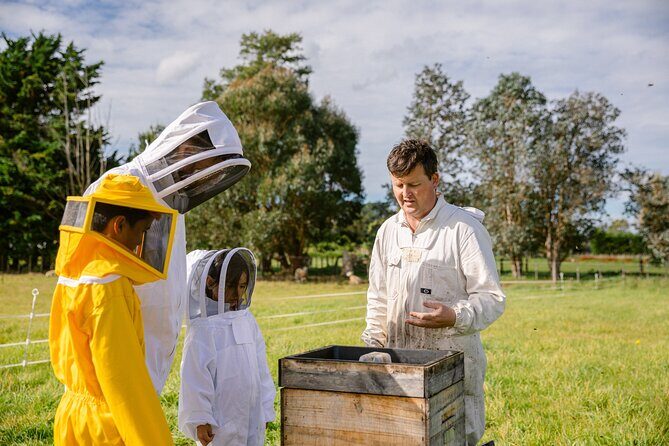
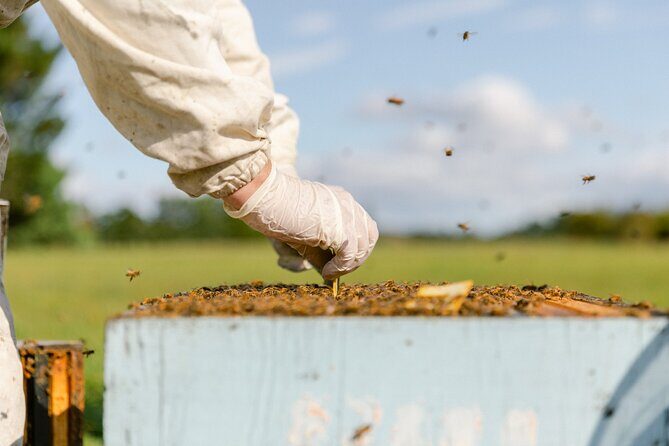
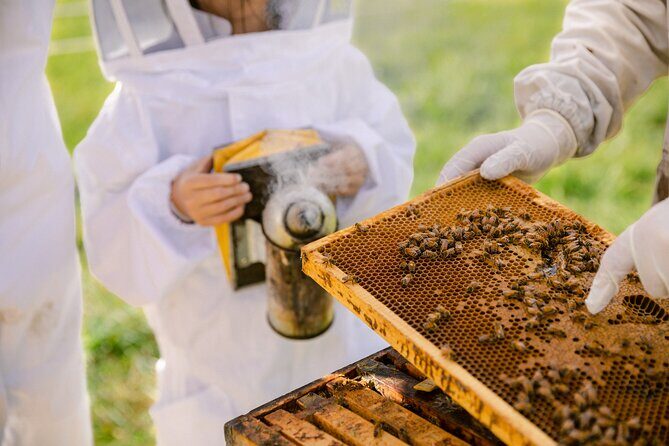
The most memorable part is the section focused on the beehive itself. After the safety talk and gear, you inspect a beehive and learn how the hive works from the inside.
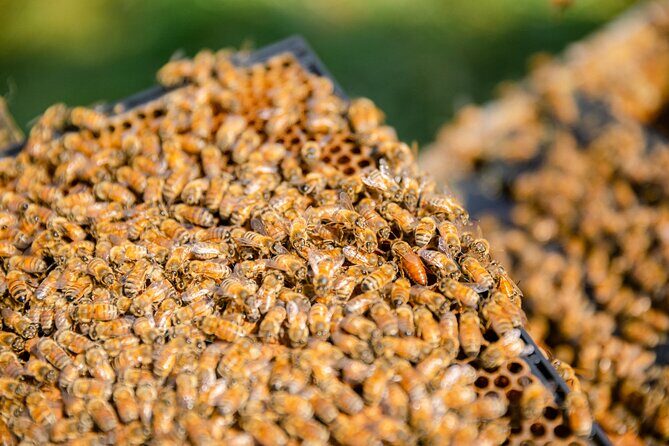
You’ll learn about the different roles bees play in the hive and what it looks like before you move on to processing. That visual understanding is key. Honey isn’t just a sticky end result—it’s connected to how the hive functions day to day, and this is where the tour gives you something you can actually picture.
If you’re someone who likes animals but worries about doing things wrong, you’ll probably appreciate this pacing. You get a structured walk-through, then you get to look for the pieces of the system—rather than being dropped into a chaotic, unsupervised moment.
What the Factory Portion Adds: Hive to Jar, Not Just Tasting
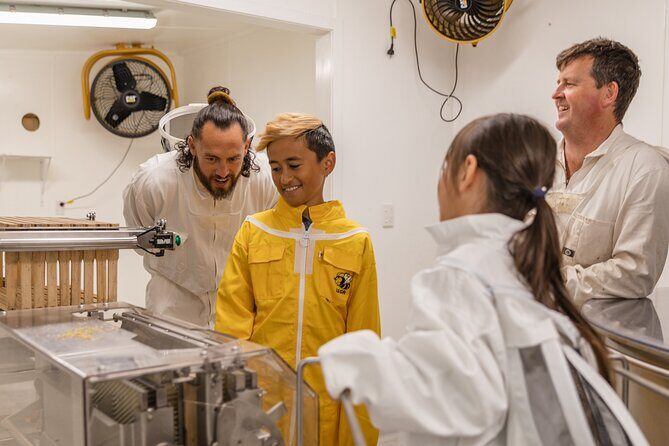
After the hive time, you move into the factory to follow honey through the processing process from hive to jar. This is where the tour shifts from nature to production, but it stays connected.
You’re not just learning that honey exists. You’re learning that it has a processing path—one that takes place after the bee side of the story. For me, this is where the tour earns its keep, because it answers the question many first-timers have: what happens after the bees do their work?
You also get a clearer sense of why the product ends up as something you can buy, gift, and taste consistently. When you understand that transition, the tasting at the end feels less random. It becomes a finish line to the learning you just did.
Honey Tasting and the Greytown Honey Store Stop
The tour wraps back at the factory store. This is where you shift from learning mode into sampling mode. You’ll get a honey tasting and an overview of additional products in their range and why they’ve added them.
This store stop is a smart final chapter. You’re already primed—by the hive roles you saw and the processing steps you followed—to notice differences rather than just chase sweetness.
Also, if you like bringing home something that feels connected to a real place, this is one of those rare experiences where the shop isn’t a forced add-on. It’s the logical place to compare flavors after seeing how the product is made.
Small-Group Dynamics: Why 75 Minutes Feels Just Right
The duration is about 1 hour 15 minutes, and the group size maxes out at 12 travelers. That combo tends to create a good balance: enough time to do more than one thing, but not so long you start losing track.
At $42.66 per person, the value comes from the full arc: you cover hive inspection, factory processing, and honey tasting in a single package. If you’re doing this as a standalone “food experience,” that’s a lot of content for the time.
And booking interest is fairly steady; the average booking lead time is 31 days. That’s not a reason to panic, but it does suggest this isn’t the kind of activity you should treat as last-minute if you want a specific date.



Optional Add-Ons: Botanical Trees and Make Your Own Honey
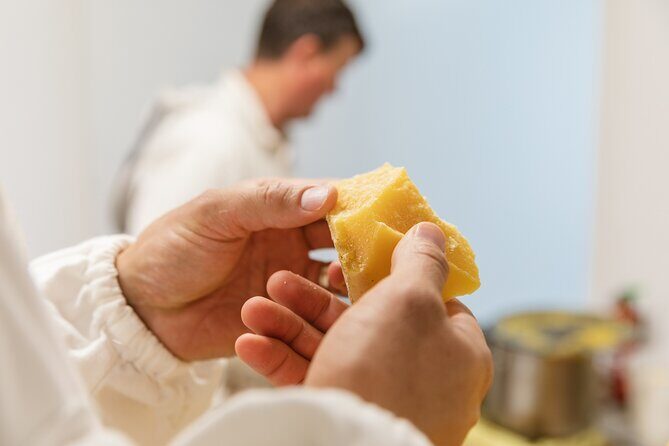
Greytown Honey offers two add-on options you can contact them to add onto your tour:
- Botanical Experience: a show-and-tell through their native tree sanctuary.
- Make Your Own Honey: you label and fill your own honey to take home.
Both add-ons require extra time—plan for an additional 15 minutes each activity—and extra costs apply.
If you’re deciding whether to add something, I’d match it to what you want from the day. If you want more about the natural environment around the bees, the botanical tree sanctuary can add context. If you want a hands-on souvenir, make your own honey turns the tasting into something you can physically take away.
Weather, Timing, and What to Expect on Arrival
This activity runs with a specific start time: 10:30 am. It starts at 58 Moroa Road, Tauwharenīkau 5771, New Zealand, and it ends back at the meeting point.
Because it requires good weather, be ready for a change. If the tour is canceled due to poor weather, you’ll be offered a different date or a full refund. That’s important because the beehive inspection element depends on conditions.
You’ll receive confirmation at booking time, and you’ll use a mobile ticket. That keeps things simple—no paper scavenger hunt needed.
Who This Tour Fits Best (and Who Should Skip It)
Most travelers can participate, and service animals are allowed. If you want an easy, structured intro to mānuka honey production, this is a strong pick.
This is especially good for:
- food lovers who like learning how things are actually made
- curious travelers who want both animal-time and a production look
- anyone who wants a short trip that still feels meaningful
It is not recommended for travelers with anaphylaxis. That’s the one clear safety limitation listed, so if that’s you or someone in your group, this may not be the right fit.
Should You Book This Beekeeping Experience in Tauherenikau?
I’d book it if you want a compact, hands-on, end-to-end honey education. The tour’s big strength is that it doesn’t stop at tasting. You see the hive, you follow processing from hive to jar, and you finish with samples and store time.
It’s also a good match for small-group travelers. With a maximum of 12 people, the experience feels less like a conveyor belt and more like guided attention.
If you’re booking around uncertain weather, just be flexible. And if the idea of a hive inspection makes you nervous, lean into the fact that safety gear and a safety briefing are part of the plan—so you’re not figuring it out alone.
If those points land for you, this is one of the more practical ways to experience New Zealand mānuka honey beyond the supermarket label.
FAQ
What is the duration of the Small-Group Beekeeping Experience in Tauherenikau?
It runs for about 1 hour 15 minutes.
Where does the tour start?
The meeting point is 58 Moroa Road, Tauwharenīkau 5771, New Zealand.
What time does it start?
The start time is 10:30 am.
How much does it cost?
The price is $42.66 per person.
How many people are in the group?
The maximum group size is 12 travelers, and there is a minimum number of 2 people for the tour.
Is a mobile ticket used?
Yes, the experience uses a mobile ticket.
What happens during the tour?
You start in The Honey Stables, learn about Greytown Honey and health and safety, get safety equipment, inspect a beehive, then go into the factory to follow honey through processing from hive to jar. The tour ends with a honey tasting and an overview of additional products.
Does the tour include honey tasting?
Yes, there is a honey tasting at the end in the factory store.
What add-ons are available?
Two add-ons are available by contacting the provider: a Botanical Experience in a native tree sanctuary, and Make Your Own Honey where you label and fill your own honey to take home.
Is the tour weather-dependent?
Yes. It requires good weather. If canceled due to poor weather, you’ll be offered a different date or a full refund.
Who should avoid booking?
It is not recommended for travelers with anaphylaxis. Service animals are allowed, and most travelers can participate.
If you want, tell me your travel dates and whether you’re considering the add-ons, and I can help you decide which option best fits the kind of experience you want.