REVIEW · KAIKOURA
Kaikoura: Whale Watching Flight with Guided Commentary
Book on GetYourGuide →Operated by Wings Over Whales · Bookable on GetYourGuide
Whale watching from the air feels unreal. You’ll get guaranteed window seats and real-time commentary as the pilot tracks whales and dolphins over Kaikōura’s coast and mountain backdrop. The main catch is simple: it’s only a 30-minute flight, and sightings still depend on where the animals surface.
I especially like that you’re not just watching from a plane shell. Before takeoff, you get a safety talk plus an audio-visual intro to Kaikōura’s marine life, so you know what you’re looking for the moment you’re airborne. The other upside: it’s a small-group flight limited to 6 people, which keeps the experience personal and focused.
One more thing to consider: the flight can be affected by conditions, and if the whales aren’t where they need to be, you might still end up with a great scenic flight rather than a guaranteed whale moment. Still, the organization here is built for whale-spotting—pilots coordinate with each other and time the circling around sightings.
In This Review
- Key Highlights That Make This Flight Worth It
- Why a 30-Minute Whale Flight Works in Kaikōura
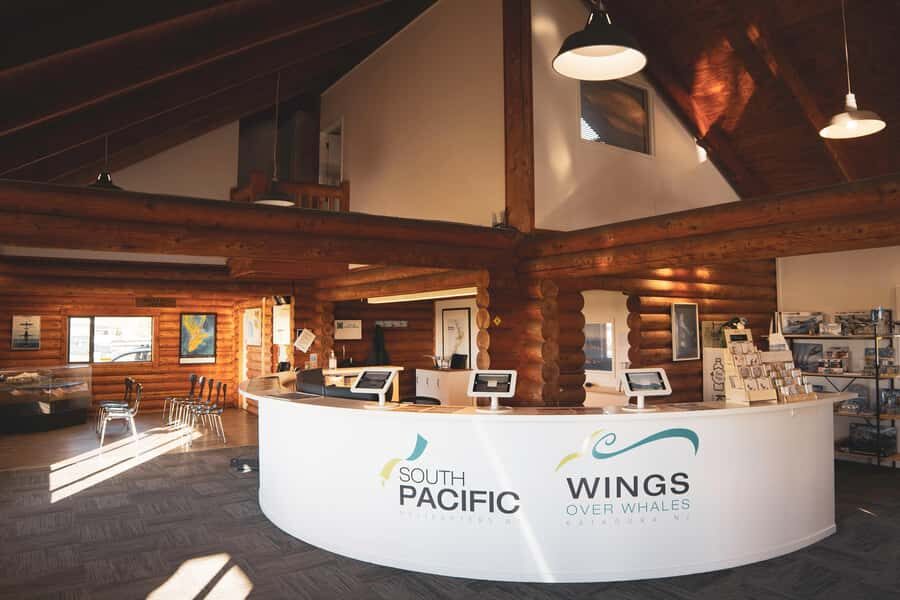
- Check In at Kaikōura Airport Log-Cabin Terminal
- The Pre-Flight Safety and Marine Life Talk
- What You’ll See in the Air: Sperm Whales and Dolphins, Plus Migration Chances
- Window Seats, Photo Angles, and How the Pilot Plans the Best Viewing
- Timing, Weather, and the Real Odds of Spotting Whales
- Comfort, Weight Limits, and What to Bring
- Cost and Value: Is $164 Worth It?
- Should You Book This Kaikōura Whale Watching Flight?
- FAQ
- How long is the whale watching flight?
- Where does the tour depart from?
- Do I get a window seat?
- What marine animals might I see?
- Is there a safety briefing before the flight?
- Are drinks included?
- How big is the group?
- Is this tour wheelchair accessible?
- Is there a weight limit?
- Can I cancel and get a full refund?
Key Highlights That Make This Flight Worth It
- Guaranteed window seats for everyone, so photos and whale spotting don’t depend on luck
- Real-time tracking of the aircraft, helping you plan around departures and timing
- Pre-flight audio-visual marine talk paired with safety equipment and a briefing before takeoff
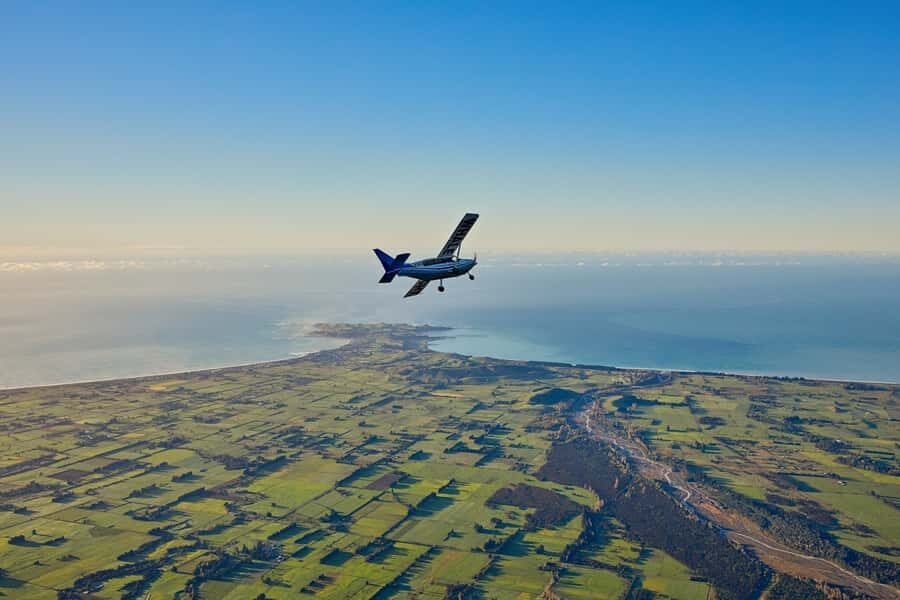
- Aerial views over coastline, peninsula, and Kaikōura mountain ranges, plus reef and surf patterns from above
- Residents and migrants on the menu: sperm whales and dusky dolphins, with chances for blue, humpback, minke, and orcas
Why a 30-Minute Whale Flight Works in Kaikōura
Kaikōura is one of those places where whales really can shape the day—and this flight fits perfectly if you don’t have hours to spare. For $164 per person, you’re paying for something specific: the ability to cover large distances quickly and spot whales from above without waiting for a boat to find them.
The flight is short, so you’re not stuck watching the same view for a long time. You’re usually there to get the payoff: seeing whales and dolphins in real space, from above the waterline, where you can often pick out movement and breathing patterns fast.
If your schedule is tight (cruising through the South Island, changing bases, or just not wanting a full day), this is the kind of experience that squeezes an important moment into a manageable window.
You can also read our reviews of more guided tours in Kaikoura
Check In at Kaikōura Airport Log-Cabin Terminal
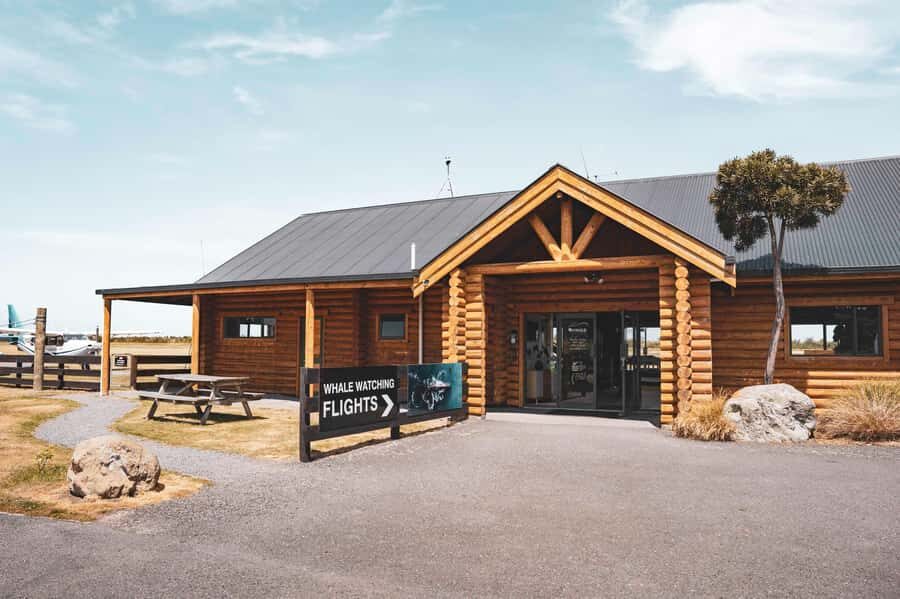
You’ll start at the log-cabin terminal at Kaikōura Airport (State Highway 1 area, 617 State Highway 1). Plan to arrive at least 30 minutes early, because this experience is run like a tight little operation—briefing first, then you’re moving to aircraft readiness.
What I like about the base setup is that you’re not left hanging outside. There’s a comfortable viewing lounge, plus FREE hot beverages (tea, coffee, or hot chocolate), which is a nice touch in coastal weather. There’s also a café and a retail shop on site, so you can handle snacks and browsing without hunting around town.
If you’re coming from your accommodation, courtesy vehicle transfers may be available—just contact the staff to arrange it. That matters in Kaikōura, where you don’t want logistics to eat up your limited time.
The Pre-Flight Safety and Marine Life Talk
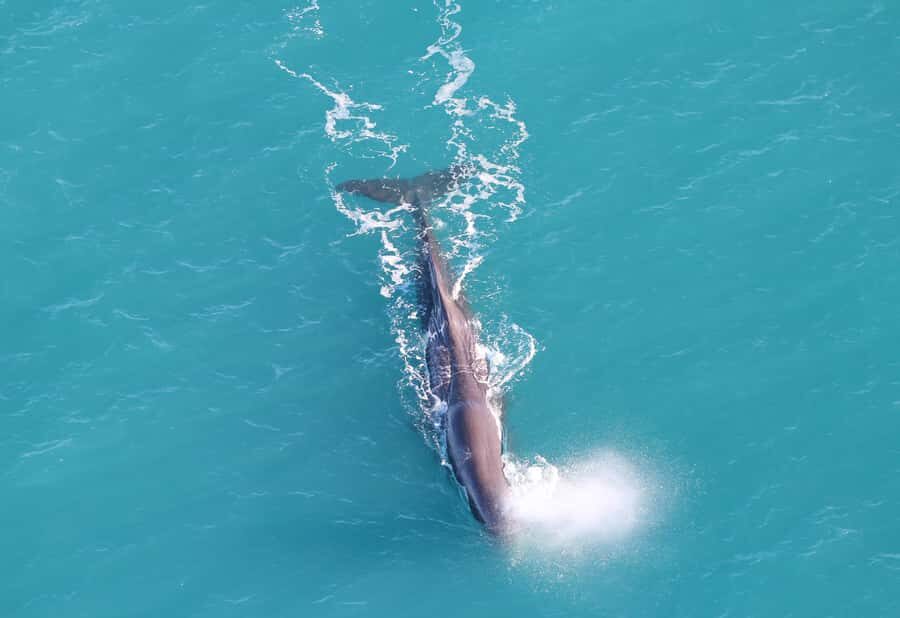
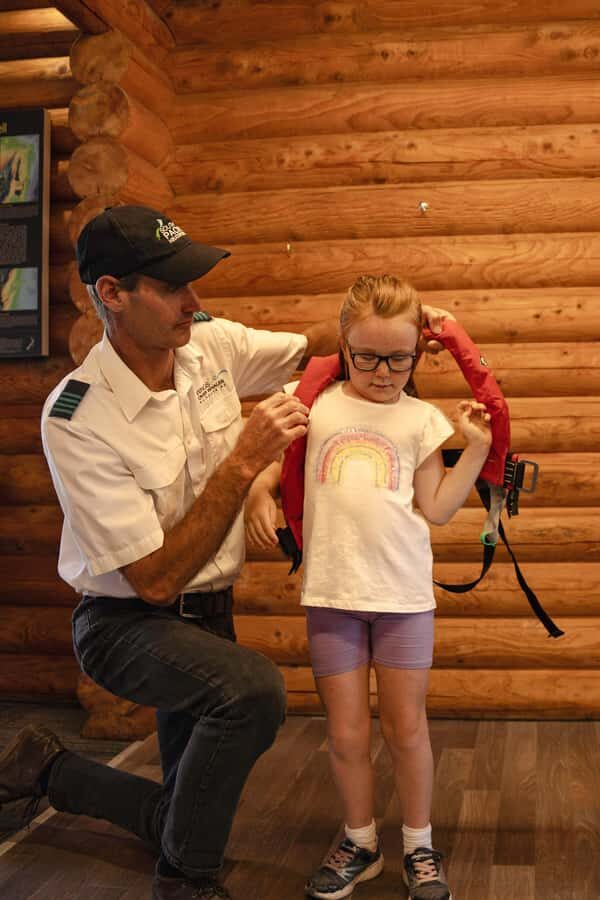
Before you fly, you’ll get a briefing that mixes safety with what you’re actually likely to see. You’ll also receive life jackets and safety equipment, so you’re not trying to figure out the basics while your seatbelt is on and the plane is warming up.
What makes this part valuable is the marine education. The audio-visual presentation covers local marine life, and the goal is straightforward: you should recognize key features from the air. Even if you’re a first-timer, you’ll be less confused when you see dorsal shapes, surfacing patterns, and groups of dolphins moving along the coast.
In practice, that kind of briefing upgrades the whole flight. Without it, whale watching can turn into a guess. With it, you’re watching with intent.
What You’ll See in the Air: Sperm Whales and Dolphins, Plus Migration Chances

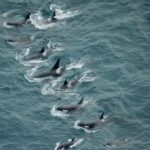
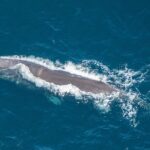
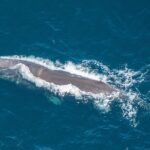
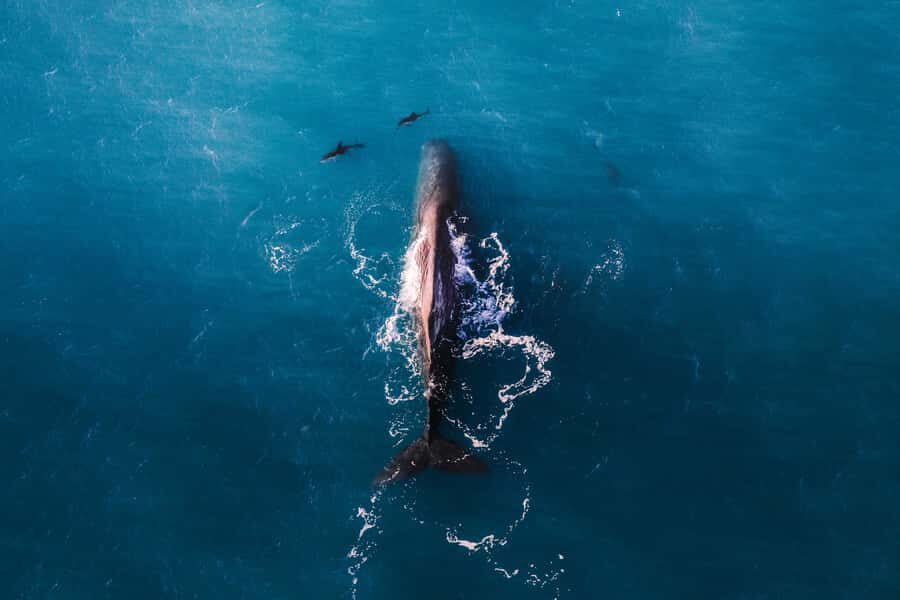
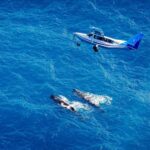
This is primarily built around resident whales in the Kaikōura area. You’re set up to spot sperm whales in the air, and dusky dolphins are part of the regular wildlife picture.
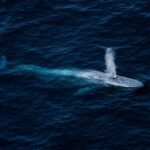
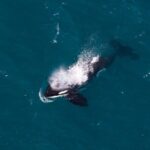
On top of those residents, you may also be routed over seasonal migratory areas. The tour describes the possibility of seeing blue whales, humpback whales, minke whales, and orcas, depending on where the animals are at the time.
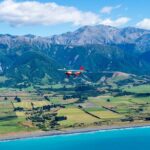
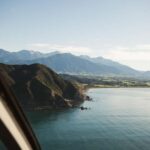
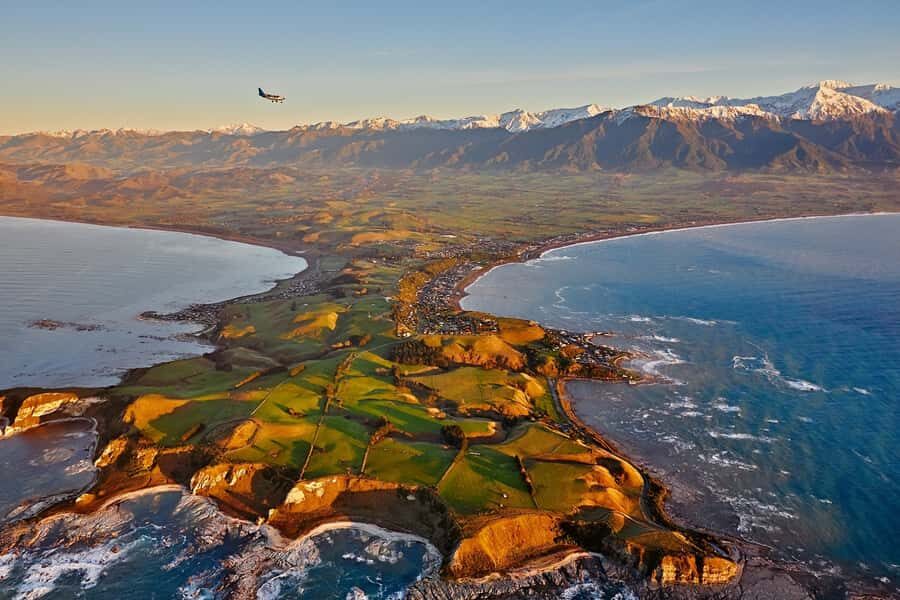
From the plane, the view does something a boat can’t: it gives you context. Kaikōura’s coastline, peninsula shapes, and mountain ranges form a clear map underneath you. That helps explain whale movement—feeding and migration often follow conditions you can sometimes spot from above, like currents and coastal shelf edges.
Just remember: species identification from above can be tricky. That’s why the real-time commentary matters (more on that next), and why pilots may circle a bit to get better sightlines.
Window Seats, Photo Angles, and How the Pilot Plans the Best Viewing
Every participant gets a window seat, and that one detail has a huge impact on your experience. In a boat tour, not everyone gets the perfect side of the vessel. Here, everyone has a view that’s oriented toward the spotting area.
The pilot commentary is live and focused on whale behavior and local ecosystems. You’re not stuck with a generic script—you get real-time updates about what the whales are doing and where they’re likely to surface again.
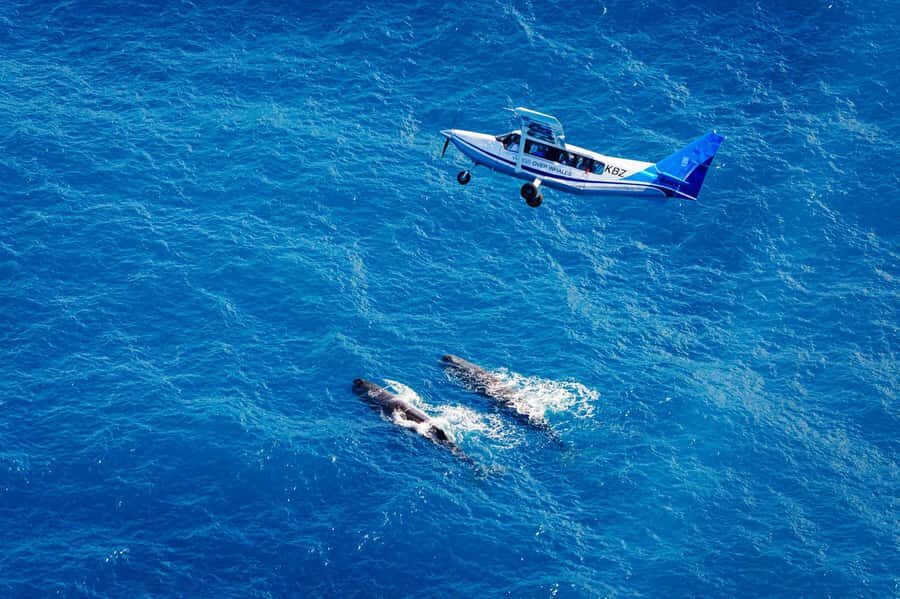
There’s also a specific viewing technique that you’ll feel in the flight. The plane may rotate or re-position around a sighting so each person gets a better look from their side. One passenger even mentioned the pilot timing turns so they could photograph both angles during the circling phase.
If you’re a photographer, this is where the value is clear. You’re shooting from a stable window position, with a view that can include everything: whales, coastline, and the shape of the water below.
You can also read our reviews of more whale watching tours in Kaikoura


Timing, Weather, and the Real Odds of Spotting Whales
Aerial whale watching is weather-dependent by nature, and Kaikōura can shift quickly. One important consideration is that flights can be delayed if conditions aren’t right. That doesn’t mean the operator is unprepared—it means safety and visibility come first.
Even with the best tracking, sightings can’t be forced. Sometimes you might get exactly what you want—a sperm whale sighting with dolphins in the same time window. Other times, you might see dolphins and get a strong scenic component while the team keeps searching.
This is where the company’s operational style helps. The tour includes real-time tracking of the aircraft, and the descriptions indicate that the pilots are experienced with marine life patterns and local spotting. You’ll also hear commentary that ties the sightings back to behavior, not random luck.
My practical advice: treat it as a whale-first experience with a bonus scenic pay-off. That mindset keeps the day satisfying even if the whales are slower to show themselves than expected.
Comfort, Weight Limits, and What to Bring
This flight is built for short time-on-air, but you still need to be comfortable while you’re waiting and boarding. Bring comfortable shoes and sunglasses—those two items cover most of what you’ll need.
You’ll be provided life jackets and safety gear. That’s not just a box-check; it signals how seriously they take safety procedures for a flight that runs close to the coast.
There’s also a weight limit: the activity is not suitable for people over 264 lbs (120 kg). That’s worth checking early if you’re unsure whether you fit within the constraints.
If you’re sensitive to cold, remember this is a coastal environment and you’re up in the air. The base offers hot drinks to take the edge off while you wait.
Cost and Value: Is $164 Worth It?
At $164 per person for about 30 minutes of flight, this isn’t a bargain in the way a short local bus ride is. You’re paying for a specific advantage: speed plus an aerial perspective over a coastline known for whale life.
The best value case is when you:
- Want a top-tier wildlife encounter without losing half a day
- Care about photos from guaranteed window seats
- Prefer guided, real-time whale behavior explanations rather than scanning randomly
It also tends to make sense if you’re already planning to spend time in Kaikōura anyway. This flight is a concentrated hit of wildlife and scenery in a place where whales are a core part of the region.
Could it feel pricey if you hate the idea of not controlling the wildlife outcome? Yes. No whale tour is a guarantee. But the flight is designed to maximize your odds through planning, tracking, and on-the-spot circling when whales appear.
In other words: the cost buys structure, expertise, and access to views you simply can’t recreate from shore.
Should You Book This Kaikōura Whale Watching Flight?
Book it if you want the quickest path to whale sightings with a guided, photo-friendly setup. The guaranteed window seats, the live pilot narration, and the chance to see resident sperm whales and dusky dolphins make this a strong choice in a short time window.
I’d also book it if you’re the kind of traveler who enjoys learning while you watch—because the pre-flight marine talk and safety briefing help you spot what matters once you’re above the water.
Skip it only if you know you’ll be disappointed by the reality that whales aren’t on a schedule and that flights can be weather-sensitive. If you can accept that possibility and you’re excited by the aerial scenery as a real part of the experience, this flight is very hard to beat for value.
FAQ
How long is the whale watching flight?
The whale watching flight portion is about 30 minutes.
Where does the tour depart from?
It departs from the log-cabin terminal at Kaikōura Airport. The starting location is listed as 617 State Highway 1.
Do I get a window seat?
Yes. The experience states that everyone gets a window seat.
What marine animals might I see?
The tour highlights resident sperm whales and dusky dolphins, and it also mentions chances to spot blue whales, humpback whales, minke whales, and orcas.
Is there a safety briefing before the flight?
Yes. The experience includes a wildlife and safety briefing, along with audio-visual presentation and safety equipment.
Are drinks included?
Yes. Free tea, coffee, or hot chocolate are included, and the Winter Warmer Special mentions an extra free hot drink on request at check-in.
How big is the group?
It’s a small group limited to 6 participants.
Is this tour wheelchair accessible?
Yes, wheelchair access is listed as available.
Is there a weight limit?
Yes. It’s not suitable for people over 264 lbs (120 kg).
Can I cancel and get a full refund?
Yes. Free cancellation is available up to 24 hours in advance for a full refund.