REVIEW · KAIKOURA
Kaikōura Whale Watching Scenic Flight (40 Minutes)
Book on Viator →Operated by Air Kaikoura · Bookable on Viator
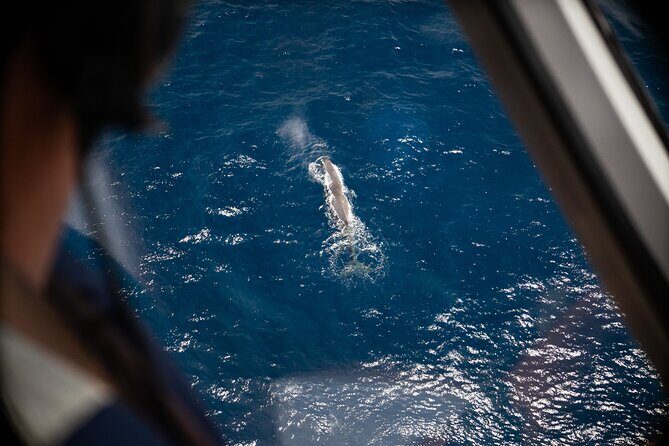
The best part is the view. This small-group whale-watching flight turns Kaikōura’s coast into a front-row seat from the sky, with window seats for every passenger and headset commentary from the pilot. I love that the team gives you a proper pre-flight briefing before takeoff, and I love how they work the aircraft positioning so both sides of the plane get good looks. One consideration: you’re paying to watch wildlife, not a guaranteed show—especially because sperm whales can stay down for long stretches.
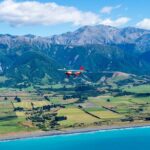
You’ll also get a dramatic look at Kaikōura’s rugged alpine backdrop as you fly out and back. The flight itself is short (about 40 minutes), so it’s a nice option if you want animal time without a long day.
In This Review
- Key things to know before you go
- The 40-minute flight that feels longer than it is
- Check-in and the small-plane setup at Kaikōura
- What actually happens before you lift off
- Whale spotting from the sky: what you’re most likely to see
- Pilot commentary and why the aircraft circles
- Scenery on top of wildlife: Kaikōura from alpine to sea
- The one honest drawback: no whale guarantee, and timing can vary
- Weather, refunds, and how flexible you should be
- Price and value: is $170.66 worth a 40-minute flight?
- Who this flight is best for (and who should think twice)
- Should you book this Kaikōura whale-watching flight?
- FAQ
- How long is the Kaikōura whale-watching scenic flight?
- Do I get a window seat?
- Is a whale sighting guaranteed?
- Where do I meet for the tour?
- What’s included in the ticket price?
- What if the flight is cancelled due to weather, or I need to cancel?
Key things to know before you go
- Every seat is a window seat so you’re not stuck behind someone’s head or camera bag.
- Live pilot narration helps you understand what you’re seeing (and what you might be missing).
- Max 7 travelers keeps the cabin calm and the group easy to manage.
- It’s built around sperm whales (deep divers), so patience is part of the deal.
- Weather matters—if conditions aren’t right, your flight may shift or be cancelled.
- No food or drinks included, so plan accordingly before check-in.
The 40-minute flight that feels longer than it is
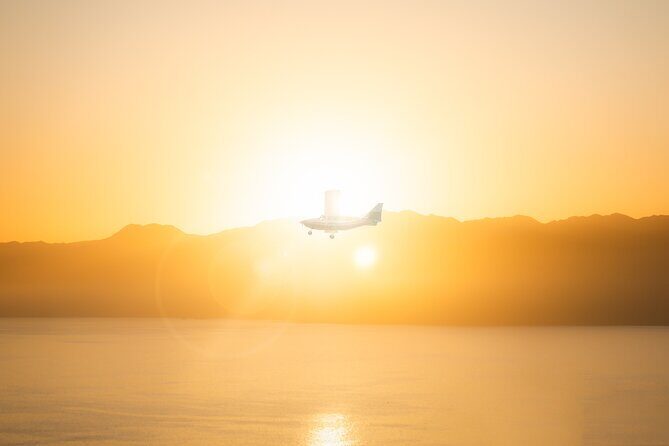
This is one of those tours where the main attraction is also the method. You’re not driving to a lookout and hoping. You’re flying to where the action is, and you get to watch it from above—often the fastest way to spot spouts, breaks in the surface, or pods moving along the coast.
A “40 minutes (approx.)” flight sounds brief until you’re up there. From the air you can track patterns. You’ll see where dolphins or whales are moving, and how the coastline and ocean currents shape the scene. For many people, the short duration is a huge plus: you get the thrill without spending half the day on transport and waiting.
If you’re sensitive to motion, the short hop can also be easier than a longer boat day. Still, you are in a small aircraft over open water, so if you’re prone to nausea, bring what works for you.
You can also read our reviews of more whale watching tours in Kaikoura
Check-in and the small-plane setup at Kaikōura
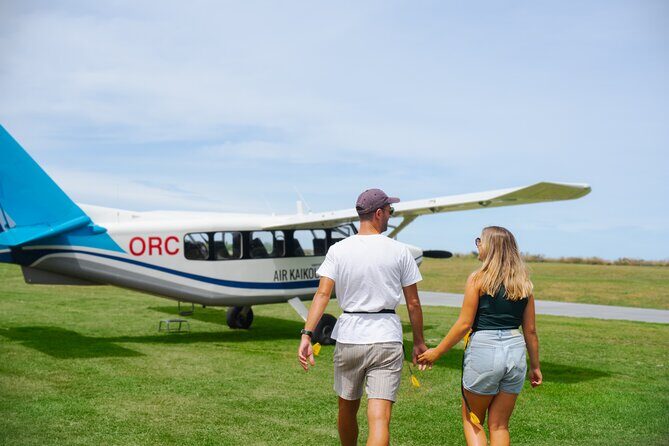
You meet at 627 State Highway 1, Peketā 7374. The tour ends back at the same meeting point, so you’re not stuck figuring out a second pickup.
Plan your timing like this: you should check in 30 minutes before your scheduled flight time. That window matters because they want everyone ready for the briefing and safety steps before you taxi.
One practical advantage is location. Kaikōura Airport is about a 10-minute drive from Kaikōura, which keeps the pre-flight stress low. No hotel pickup is included, so factor in your own transport (or local rides) if you’re staying outside town.
Inside the aircraft, the comfort story is simple. You’ll have a window seat for every passenger. That single detail changes the experience. You’re all looking out at the same world, instead of sharing sightlines like it’s a school trip.
What actually happens before you lift off
Before departure, you’ll do two key things:
1) Check in and get a pre-flight briefing on Kaikōura’s marine life
2) Listen to safety information, then board for departure
The briefing matters more than you’d think. When you know what you’re looking for—whale blow patterns, dolphin behavior, the general “rhythm” of marine mammals—it becomes less like random scanning and more like decoding a live nature show.
Then you depart from the airport for the whale-watching area just off the coast. The goal is to position the aircraft to spot marine life from above, while keeping the flight efficient enough to still fit into the short schedule.
Whale spotting from the sky: what you’re most likely to see
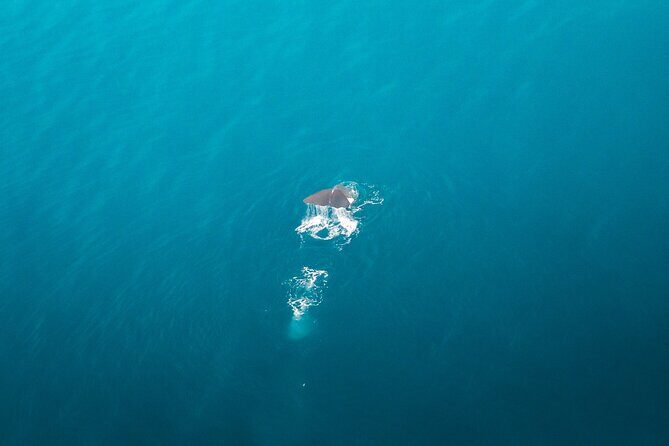
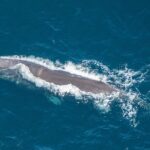
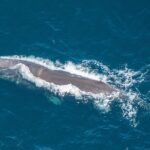
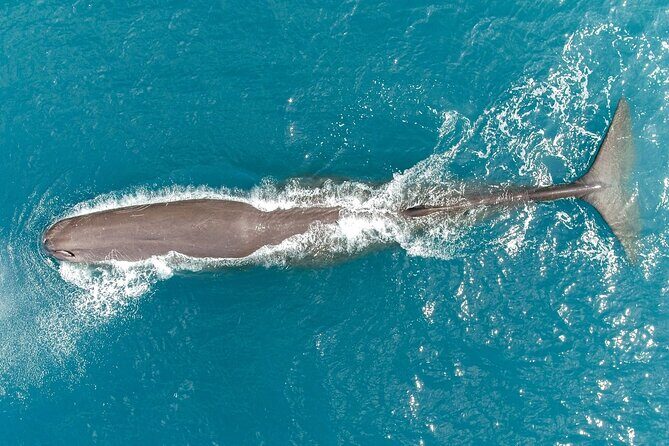
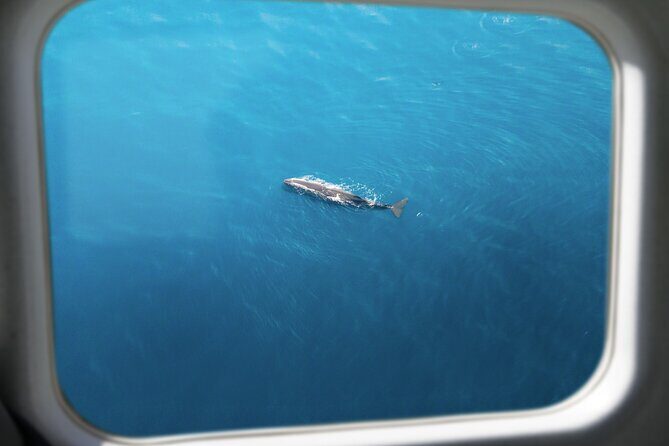
The star here is sperm whales. These are the giants people come for in Kaikōura, and the operation is built around them. There’s an important wildlife reality check: sperm whales are deep divers, and they can spend 40–80 minutes underwater at a time.
That’s why a flight can be amazing even without a constant stream of sightings. The pilot is tracking movement and dive timing, and sometimes you’ll get a quick pop-up, other times you’ll circle as the whale surfaces later. Either way, the experience is about being at the right place at the right time—then responding when the ocean gives you a sign.
You might also see other species and activity, including:
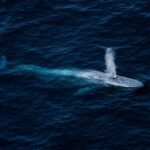
- Blue or humpback whales
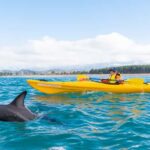
- Dolphins
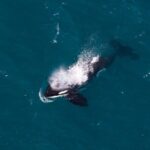
- Orcas (not guaranteed, but possible)
- Other marine mammals common to the area
In real life, you’ll often get a mix. Many flights include dolphins even if whale timing is slower. That’s still worth it from the air because dolphins don’t just appear—they move in ways that make the ocean feel alive.
Pilot commentary and why the aircraft circles
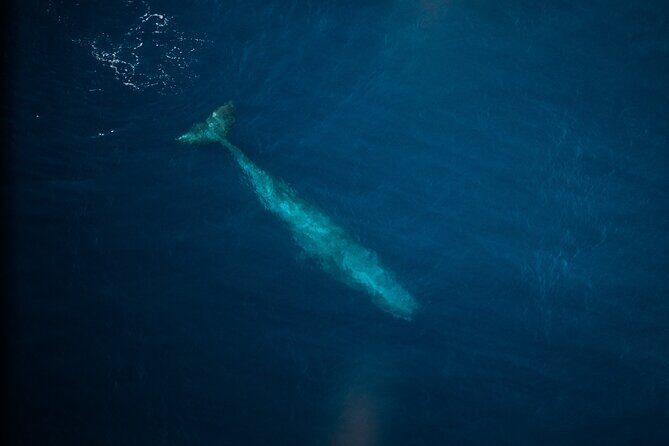
The flight includes headset with live pilot commentary, which is a big part of the value. When the pilot talks you through what’s happening, you stop guessing. You learn how they’re reading the water and why they choose certain directions.
I also love (and you’ll likely appreciate) the way crews try to make viewing fair. On flights where sightings happen, the aircraft may circle so passengers on both sides of the plane get time looking—not just one half of the cabin stuck with bad angles.
It’s not just “good manners.” From the sky, the sighting angle matters. A pod or whale surface can shift fast, and the pilot’s job is to keep everyone seeing the action instead of chasing it with their heads.

Scenery on top of wildlife: Kaikōura from alpine to sea
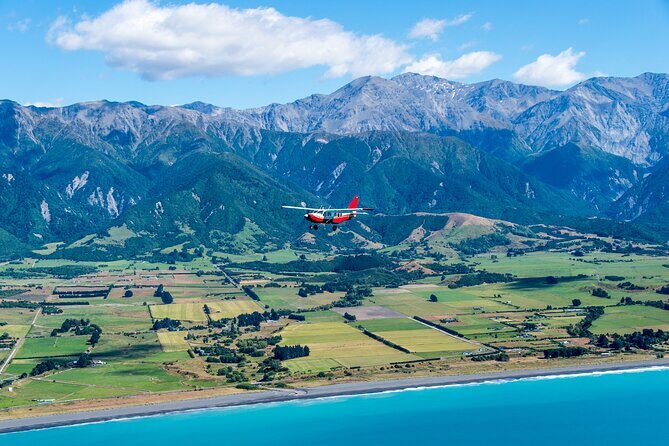
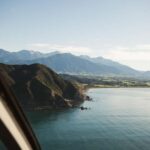
Even if you focus on marine life, don’t ignore the rest of the scenery. You’ll fly with Kaikōura’s dramatic mountains in the distance, and the coastal shape creates a visual “map” of where the whales and pods might be moving.
This is one reason a short flight can feel satisfying even when the animal timing is complicated. You’re getting both:
- ocean views wide enough to spot movement patterns
- mountain-and-coast contrast that you just can’t get from a roadside pull-off
And because you’re up there, landing feels gentle and quick—more like a reset than a slog.
The one honest drawback: no whale guarantee, and timing can vary
The biggest consideration is simple: wildlife doesn’t follow schedules. Even with tracking and good conditions, there’s never a 100% guarantee.
If your goal is to see whales no matter what, this might feel stressful. But the operator response to missed sightings is also part of the story: they work with you when they can, and they’re clear that sperm whales may stay underwater a long time before surfacing.
Also keep an eye on timing. The experience is advertised as about 40 minutes, and most people get close. Still, real flights can run slightly short or shift based on when sightings happen, weather, and how the aircraft needs to position.
If you’re the type who gets bothered by uncertainty, you might want to mentally reframe this as a “wildlife search flight,” not a factory-produced animal guarantee.
Weather, refunds, and how flexible you should be
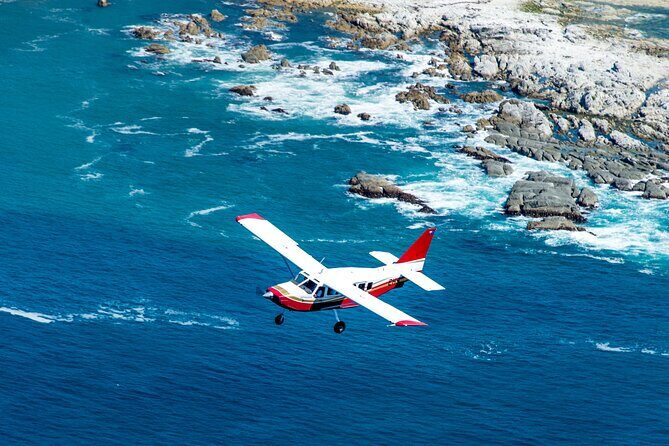
This tour requires good weather. If weather cancels your flight, you’ll be offered a different date or a full refund. That’s standard for this kind of flying, but it’s worth planning around.
So here’s my practical advice: try to schedule this earlier in your Kaikōura stay (not your last day). That gives you room if you need to rebook due to conditions. It also reduces the chance you’ll be forced into a timing mismatch with other plans.
Cancellation is free up to 24 hours in advance for a full refund. If you’re within a tight schedule, make sure you understand the local cutoff time based on your booking details.
Price and value: is $170.66 worth a 40-minute flight?
At $170.66 per person, this isn’t the cheapest way to see whales. But it’s also not pretending to be.
Here’s why I think it can be good value if your priorities match:
- You’re getting a guaranteed window seat setup for everyone.
- You get a live pilot explaining what you’re seeing, not just a recorded script.
- You’re flying above the ocean where sightings can be clearer than from the shore.
- You’re paying for time with the animals in a way that’s often harder to replicate on a slower, surface-based boat day.
Where value can slip is if your expectations are rigid. If you absolutely need multiple whale species on every flight, your results will depend on timing. If, instead, you’re happy with whales or strong marine life activity (plus the scenery and the narration), this is one of the more efficient ways to experience Kaikōura’s marine world.
Who this flight is best for (and who should think twice)
This experience is a great fit if you:
- Want a short, high-impact whale option
- Prefer small group attention (the max is 7 travelers)
- Enjoy learning from someone who’s actively piloting and scanning
- Like the idea of seeing marine life from above
It’s a tougher fit if you:
- Need a guaranteed whale sighting at a specific time
- Hate dealing with weather-related changes
- Are very sensitive to aircraft noise or motion (even though the flight is short)
One more practical note: if you’re over 120 kg, you’ll need to contact the provider in advance, since they can’t refund you for arriving above the weight limits.
Also, if you bring a service animal, you’re allowed—just follow any instructions at check-in.
Should you book this Kaikōura whale-watching flight?
I’d book it if you want the best chance to see marine life quickly, with everyone getting a real view and a pilot who narrates as you fly. The combination of window seats for all, live commentary, and a small cabin makes it feel like a premium way to experience Kaikōura, even though the flight is short.
Skip it or reconsider if your budget is tight and you need certainty more than possibility. This is wildlife. Sometimes it’s a headline whale moment. Sometimes it’s dolphins and scenery with a whale window that doesn’t open on your schedule.
If you’re flexible with dates and okay with the “hunt for whales” mindset, this flight earns its reputation.
FAQ
How long is the Kaikōura whale-watching scenic flight?
It’s advertised as about 40 minutes in the air. You should check in 30 minutes before your flight time.
Do I get a window seat?
Yes. The flight includes a window seat for every passenger.
Is a whale sighting guaranteed?
No. The operation can’t guarantee whales, since it’s wildlife and sperm whales can spend 40–80 minutes underwater at a time.
Where do I meet for the tour?
You meet at 627 State Highway 1, Peketā 7374, New Zealand, and the experience ends back at the meeting point.
What’s included in the ticket price?
Included: the 40-minute scenic flight, window seat for every passenger, and a headset with live pilot commentary.
What if the flight is cancelled due to weather, or I need to cancel?
This experience requires good weather. If it’s cancelled due to poor weather, you’ll be offered a different date or a full refund. You can cancel up to 24 hours in advance for a full refund.