REVIEW · KAIKOURA
Kaikoura: Whale Watching Flight with Commentary
Book on GetYourGuide →Operated by Air Kaikoura · Bookable on GetYourGuide
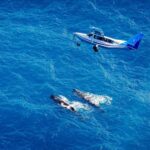
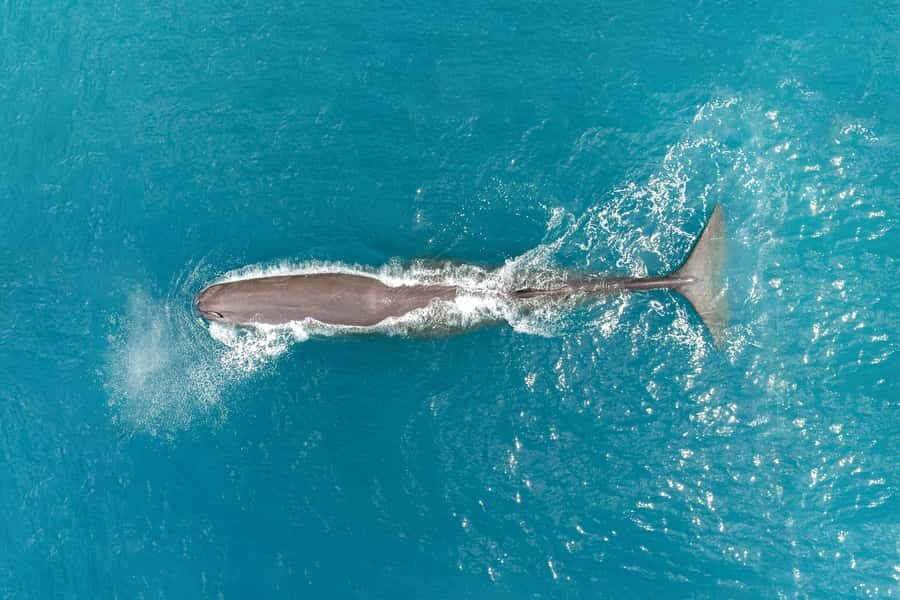
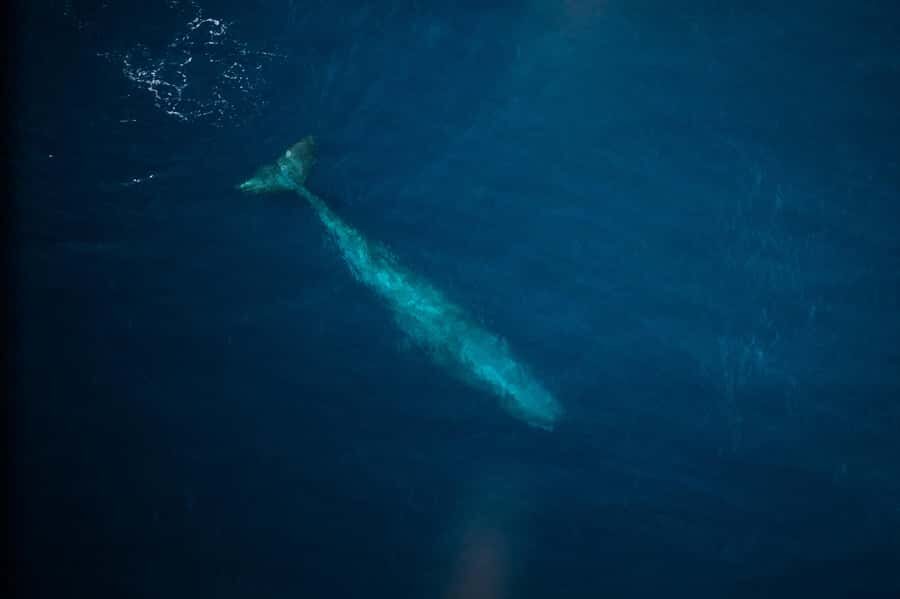
Sperm whales look different from above. This Kaikōura whale-watching flight is built around guaranteed window seats for every passenger and live commentary through listening headsets, so you’re not stuck watching from the back or guessing what you’re seeing out the window. The small plane also lets the pilot cover a big swath of ocean quickly, which matters when you’re trying to catch whales at the surface.
Still, here’s the one catch to keep in mind: whales are wild animals, so sightings aren’t guaranteed, and the experience is designed for you to fly for the hunt even if the ocean stays quiet that day.
In This Review
- Key things that make this Kaikōura flight worth it
- Why a Kaikōura whale-watching flight beats a boat trip
- What you’re really paying for: $131 buys time in the air and seat access
- Preflight at 627 State Highway 1: why check-in timing matters
- The flight itself: 30 minutes of whale hunting over Kaikōura
- Real-time updates from the pilot
- Whale sightings aren’t promised, so focus on how the hunt works
- If you want the best odds
- Photos from the air: the guaranteed window seat advantage
- The 10-minute photo stop back at Air Kaikoura Aero Club
- Comfort, weight limits, and motion: what to consider before you book
- Who this Kaikōura flight suits best
- Should you book this whale-watching flight in Kaikōura?
- FAQ
- How long is the flight time in the air?
- Do I get a window seat?
- Is hotel pickup included?
- What’s the meeting location?
- What if the flight can’t operate due to weather?
- Are whale sightings guaranteed?
- Do I need to check in early?
Key things that make this Kaikōura flight worth it
- Guaranteed window seat for everyone so both sides of the plane can actually enjoy the view (and photos).
- Short-air-time but smart searching: 30 minutes in the air to cover more ocean than most boat routes.
- Live headset commentary so you understand what you’re seeing while you’re seeing it.
- Pilot coordination from the air and with other craft using real-time info to chase sightings.
- Famous whale sightings sometimes get named during the flight, like Mohio and The Chief.
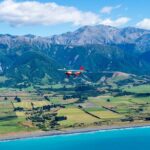
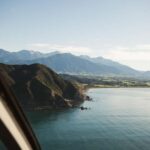
- You still get dramatic scenery even without whales, including alpine ranges and turquoise coastal reefs.
Why a Kaikōura whale-watching flight beats a boat trip
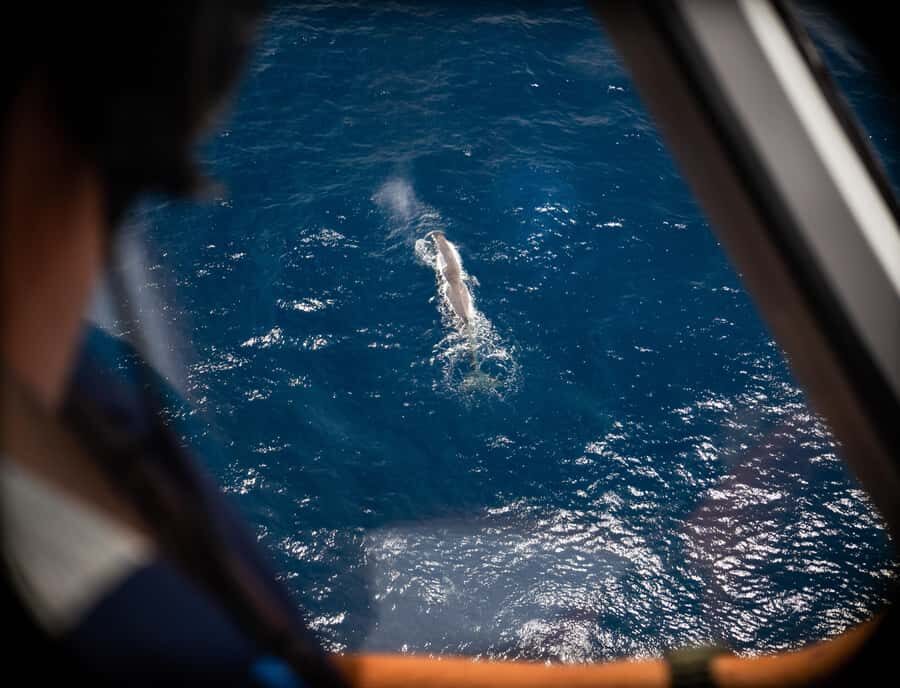
If you’re choosing between sea time and air time in Kaikōura, you’re really choosing between scope and lingering. Boats can be wonderful, but they’re limited by speed and distance. A flight flips the equation: you can scan large ocean stretches fast, and you can also circle back quickly when a sighting pops up.
That matters because whales don’t hang around on a schedule you can control. They surface, breathe, and move on—especially species that may spend time deeper. From the sky, you get a better shot at repeatedly finding activity in a wider area, which is exactly what this experience is trying to do.
The best part is that the flight isn’t only about whales. The Kaikōura coastline from above is stunning on its own—sharp mountain lines meeting the sea, plus reef areas that look like patterns beneath the turquoise water. Even if the whales are shy, you’re usually not bored up there.
You can also read our reviews of more whale watching tours in Kaikoura
What you’re really paying for: $131 buys time in the air and seat access
At $131 per person for a total 40-minute block (with 30 minutes actually in the air), this isn’t the cheapest way to do whale watching. But it can feel like good value for three reasons.
First, every seat is a window seat. That sounds like a small detail until you’re on a tour where half the group is craning around poles or fighting for a view. Here, the setup is designed so you can look right out the window without playing “spot the gap.”
Second, you’re not stuck in one small area. The pilot can search far more ocean distance than a boat trip typical to the region, which increases the chance you’ll see whales (even though sightings still can’t be guaranteed). That’s the practical reason plane-based whale watching often feels like a better gamble.
Third, the commentary is part of the value, not an afterthought. With headsets and ongoing guidance, you’re not just watching random splashes—you get context as the pilot tracks the action. People often come away talking about both the animals and the flying/navigation.
Preflight at 627 State Highway 1: why check-in timing matters
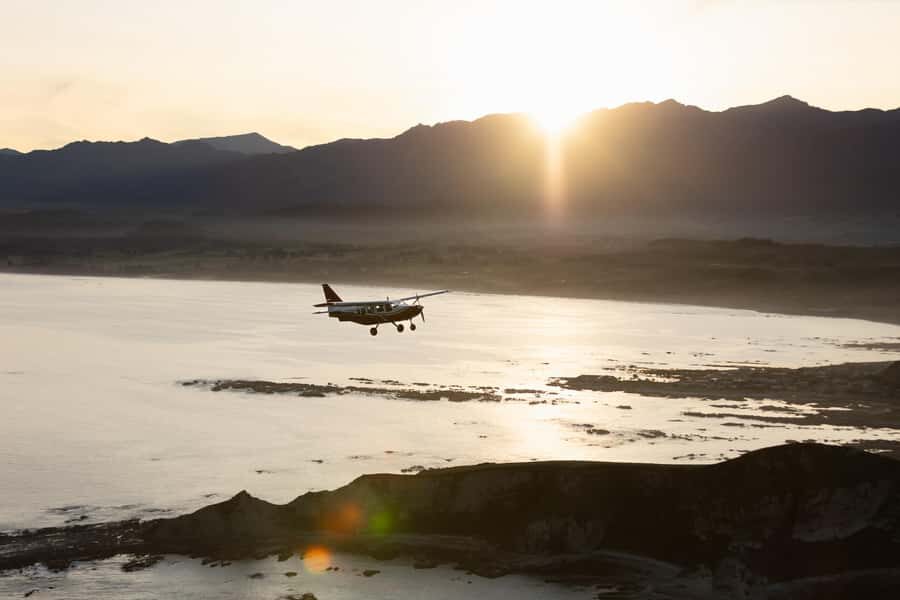
You meet at 627 State Highway 1, then head to the Air Kaikoura Aero Club at the airport area, about a 10-minute drive south of Kaikōura. Free parking is available, and it’s worth arriving with enough buffer because the schedule is tight.
Plan for check-in 30 minutes before your flight time. The important part: if you’re not there when check-in closes, your flight can depart without you. This is one of those tours where “we’ll wait a bit” isn’t the business model.
Before you go airborne, you’ll get a safety briefing and then the flight starts. You’ll also have listening headsets for English commentary. If you’re easily distracted by motion or noise, these headsets make the experience smoother because you can follow what’s happening without straining.
The flight itself: 30 minutes of whale hunting over Kaikōura
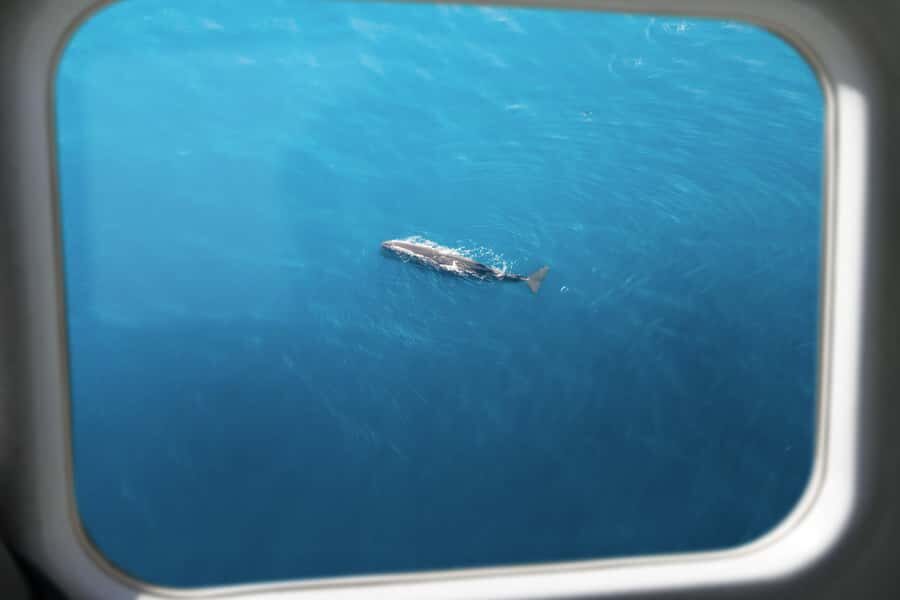
Once in the air, the goal is simple: cover distance, look for whales, then put the plane in the best position for views.
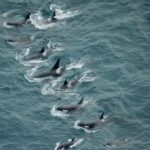
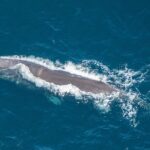
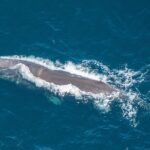
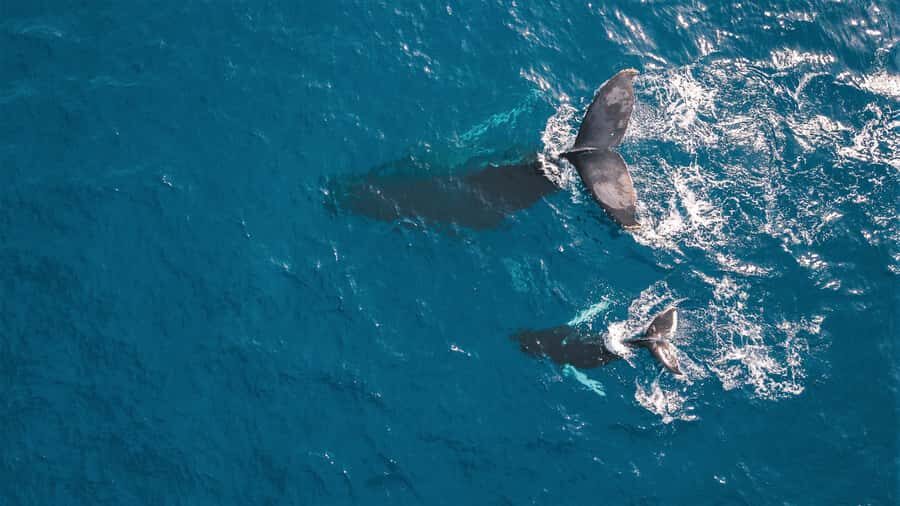
You’ll likely fly over the Kaikōura coastline and offshore waters, where sperm whales are a frequent visitor. From the air, sperm whales can look huge in a way that’s hard to understand from sea level. The scale jumps out when you see the body, then the surfacing patterns, then where the animal moves relative to reefs and coastline.
You might see:
- Sperm whales
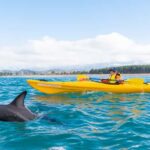
- Dusky dolphins
- Humpback whales
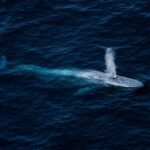
- Blue whales
- Orcas
- Other marine life that’s active in the same area
Even when you find whales, don’t expect a long, uninterrupted “show.” What you’re really watching is whale behavior: surfacing, breathing, diving, then repositioning as the whale moves. The pilot will keep scanning and then often circle in a way that helps people on different sides of the plane get clear sightlines. That’s a big deal if you care about both photos and just seeing the moment well with your own eyes.
Real-time updates from the pilot
One thing that’s consistently impressive is the live feel of the experience. The pilot gets updates and uses them to find whales faster. You may hear guidance that sounds like the pilot is also coordinating with other boats and aircraft—basically making sure you’re looking in the right direction when the whales appear.
In some cases, whales you spot may be discussed by name (examples you might hear include Mohio and The Chief). That’s not guaranteed every flight, but it’s a sign of how closely the team tracks local wildlife over time.

Whale sightings aren’t promised, so focus on how the hunt works
Let’s be honest: the big variable is whether whales show up during your flight window. This isn’t like a zoo exhibit. Whales are wild, and sightings cannot be guaranteed.
What I like about how this is handled is that you’re given honest expectations before you go. The provider aims to give the best chance for sightings, and you’ll hear straight talk about the likelihood. That keeps you from feeling misled if you don’t get the exact species you hoped for.
Also, the flight time can be adjusted to align better with whale diving patterns. That means you might not fly at the exact minute you booked. It’s annoying when you’re trying to plan everything else around a strict timetable, but it’s also why whale-watching flights can be more effective: they’re built around behavior, not just time.
If you want the best odds
You can’t control the whales, but you can control your readiness:
- Arrive early and be ready for check-in.
- Dress for wind and cool air at the airport area.
- Bring the mindset that the scenery is part of the value, even on a whale-light day.
Photos from the air: the guaranteed window seat advantage
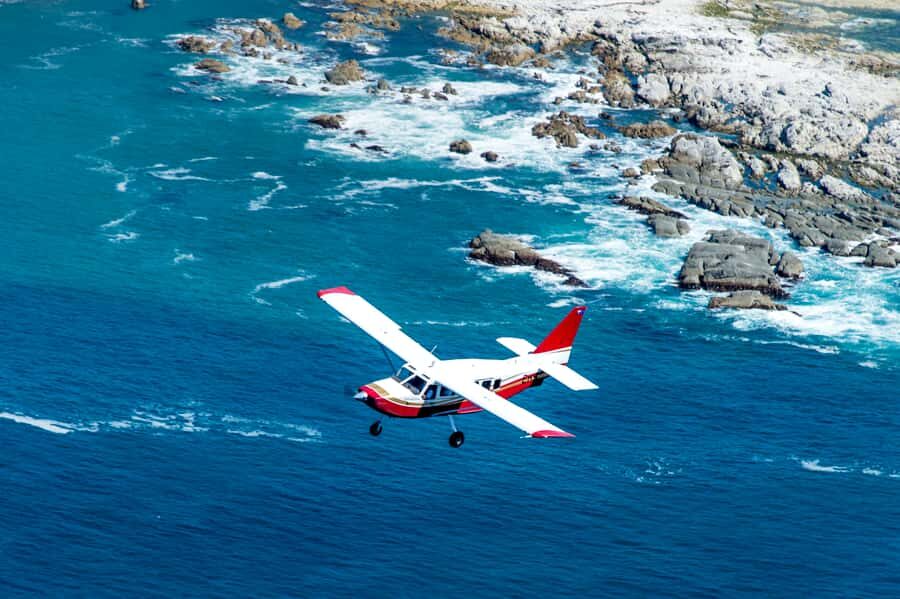
If you care about photos, this setup is a big win. Since every passenger has a window seat, you’re not stuck behind someone else’s shoulder, and you can frame shots directly from your side.
From above, you can also capture both the animal and the environment in the same image: coastline edges, reef patterns, and the way the whales move relative to shore. Some of the most satisfying shots tend to be the moments right after a whale surfaces—when you can see location and behavior together.
Quick photo tip: keep your expectations realistic. Glass windows and quick circling mean you’ll want to keep your camera ready, but you won’t have a long time to compose every shot. If you’re going for whale photos, treat the experience like a series of short photo opportunities rather than one big “perfect moment.”
The 10-minute photo stop back at Air Kaikoura Aero Club
After the airborne portion, you return and there’s a short photo stop at Air Kaikoura Aero Club for about 10 minutes. It’s not a long stop, so don’t plan it as a chance to stroll around for a full break. Think of it as a brief window to reset, grab a few more photos, and get oriented before heading back.
That short grounded time can still be useful. If you’re the type who loves collecting tour “proof,” this gives you that quick moment to document the aircraft area and tie the experience together in your travel photos.
Comfort, weight limits, and motion: what to consider before you book

This is a small group experience, limited to 7 participants, which usually means more personal attention from the pilots and smoother logistics inside the aircraft.
There are a few practical notes to consider:
- Weight limit: You’ll need to be at or under 264 lbs / 120 kg.
- Infants on adult laps: the infant must be 11 kg and under to qualify as a lap infant; otherwise it’s classed as a child ticket.
- Weather dependence: flights are weather dependent. If the flight can’t operate due to poor weather, you’ll get a full refund.
One more thing: because the pilot may circle rapidly to give different passengers the best view, motion can be part of the experience. Some people report feeling the effect of faster circling. If you’re prone to motion sickness, that’s worth factoring into your decision. You don’t want a “great flight” to turn into an uncomfortable one.
Wheelchair access is listed as available, but you should still plan ahead and confirm what works best for your situation if you have mobility needs.
Who this Kaikōura flight suits best
This is a great fit if you:
- Want the best chance to spot whales by covering more ocean distance fast
- Like having guided commentary instead of just scanning water blindly
- Care about photo-friendly window views
- Prefer a shorter, concentrated experience (total around 40 minutes), not a long boat outing
It may be less ideal if you:
- Need guaranteed whale sightings (no wildlife tour can promise this)
- Are extremely sensitive to motion from quick circling
- Prefer very long on-water time to watch animals for a while (this is built for aerial searching, not all-day hanging around)
Should you book this whale-watching flight in Kaikōura?
My take: if whale watching is a top priority in Kaikōura and you want a strong shot at seeing whales while also enjoying huge views of the coastline and Kaikōura’s dramatic surrounding ranges, this is a smart booking.
It’s not the kind of activity where you can treat the price as “guaranteed whales.” The real value is the way the flight is designed: window seats for everyone, headset commentary, and a pilot who uses real-time info to find whales. Even on quieter days, you’re still getting a memorable aerial look at the region.
So I’d book it if you can handle the wild-animal uncertainty and you want a focused, high-view, photo-capable experience. I’d hesitate only if motion sensitivity is a serious issue for you or if your whole plan depends on seeing a specific whale species at a specific time.
FAQ
How long is the flight time in the air?
You get a 30-minute flight in the air, with a total experience time of about 40 minutes including the safety briefing and the short photo stop.
Do I get a window seat?
Yes. Every passenger gets a guaranteed window seat, which is part of what makes the views and photos so much easier.
Is hotel pickup included?
No. Hotel pickup and drop-off are not included.
What’s the meeting location?
You meet at 627 State Highway 1, then go to the airport area where the Air Kaikoura Aero Club operates (about a 10-minute drive south of Kaikōura). Free parking is available.
What if the flight can’t operate due to weather?
If the flight can’t operate due to poor weather conditions, you’ll receive a full refund.
Are whale sightings guaranteed?
No. Whales are wild animals and sightings cannot be guaranteed. You’ll receive honest information on the likelihood before you fly.
Do I need to check in early?
Yes. Check in is 30 minutes prior to your flight time. If you are not present at check-in, the flight may depart without you.