REVIEW · KAIKOURA
Seal Kayaking Adventure in Kaikoura
Book on Viator →Operated by Seal Kayak Kaikoura · Bookable on Viator
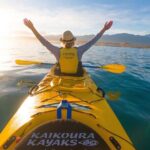
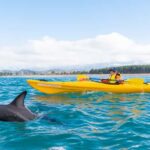
One sentence of truth: pedal kayaking makes wildlife spotting easy. In Kaikoura, I love how this tour uses foot-pedaled kayaks so your hands stay free for photos, and how a local guide helps you aim for the best chances of spotting fur seals, birds, and even dolphins.
The biggest win for me is the vibe: small-group attention without the stress of learning paddling first. The trade-off to consider is that wildlife viewing is never guaranteed, and the tour depends on good weather, so you’ll want to be flexible if conditions are rough.
In This Review
- Key Things I’d Book This For
- Pedal Kayaks, Fur Seals, and the Kaikoura Coast Setup
- The 3-Hour Plan: What Happens From Launch to Return
- First: Gear up and get kayak-ready fast
- Then: Pedal out and learn where to look
- Along the way: Wildlife viewing in real time
- Finish: Return to the meeting point
- Seal Spotting: What You’re Likely to See (And Why It’s So Close)
- Sunset vs Special Seal-Spotting Tours: Picking the Right Vibe
- Sunset tour: calmer mood, dramatic light
- Special seal-spotting tour: more focus on finding animals
- The Real Value: Why Foot-Pedaled Kayaks Change Everything
- Guides Who Actually Put You in the Right Spots
- How Much Fitness Do You Need?
- What to Bring (So You Stay Comfortable and Photo-Ready)
- Price and Value: Is $83.78 Worth It?
- Should You Book Seal Kayak Kaikoura?
- FAQ
- Where does the tour start?
- How long is the kayaking tour?
- Do I need any kayaking experience or upper-body strength?
- What wildlife can I expect to see?
- How big is the group?
- What fitness level do I need?
- Are there weight restrictions?
- Is there a cancellation option if weather affects the tour?
- Are children allowed?
Key Things I’d Book This For
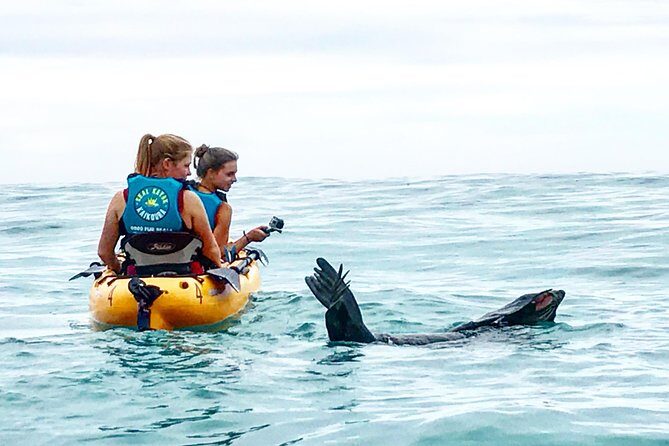
- Foot-pedaled kayaks: move with your legs, keep your hands free for photos
- Local guide scouting: you’re guided to places with strong seal-spotting odds
- Close-to-nature wildlife time: fur seals, sea birds, and sometimes dolphins or penguins
- No upper-body workout required: you only need moderate fitness
- Small group size (max 14): easier guidance and more relaxed pacing
Pedal Kayaks, Fur Seals, and the Kaikoura Coast Setup
Kaikoura has a special way of putting wildlife on your doorstep. This seal kayaking experience is built for that. You’re not just watching the coast from shore. You’re out on the water, using a kayak that’s designed for stability and easy control, with pedaling that keeps your hands free.
Instead of gripping a paddle and constantly shifting your posture, you’ll use your feet to propel the kayak. That small detail matters. It changes how you take photos, how often you can look around, and how quickly you can settle into seal-spotting mode. One rider even described it as freeing up hands for pictures, and I get why. When the animals are active, you don’t want your arms doing all the work.
The other thing I like is the guide-led focus on biodiversity. Kaikoura’s marine life is varied, and the tour is set up to help you notice more than just the seals. You’re also looking out for sea birds, and there’s real potential for dolphins and even penguins, depending on what’s happening that day.
A few more Kaikoura tours and experiences worth a look
The 3-Hour Plan: What Happens From Launch to Return
This is a roughly 3-hour outing on the water, and the pacing stays relaxed. You’re not training for a marathon, but you are doing some movement—enough to feel like an adventure rather than a sightseeing cruise.
First: Gear up and get kayak-ready fast
At the start, you’ll meet at 18 Beach Road, Kaikōura 7300. From there, you’ll get set up with the pedal kayak and safety guidance from your local guide. In the comments, people consistently praised how easy the kayaks are to use and how stable they feel. That matches what you’d hope for with wildlife viewing: if the boat is steady, you can focus on scanning for movement instead of bracing every wave.
You should also plan for wind. At least one guest called out that jackets are provided to keep you warm when it gets breezy. Layers help too, because you’ll be near the water for the full session.
Then: Pedal out and learn where to look
Once you’re on the water, the work turns into looking. The guide steers you toward the places where seals are likely to be visible. Guides named Logan and Eva came up more than once in the feedback, and the common thread was clear: they know where to go and what to watch for.
You’ll move at a cruising pace. Even people worried about fitness level said the pedaling option felt manageable, and the seating/back support helped make the experience comfortable. That means you can keep your attention on the animals rather than your legs burning.
Along the way: Wildlife viewing in real time
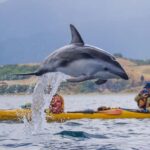
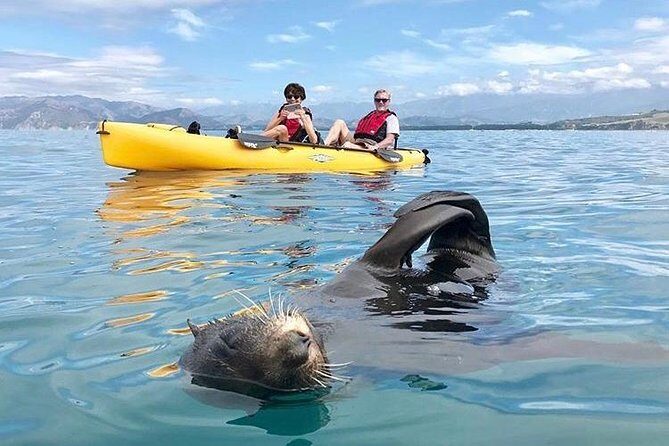
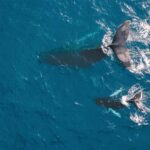
This is where the tour earns its 5-star reputation. Multiple guests described seeing lots of fur seals close at hand, including seals on rocks and in the water. Several people also spotted dolphins—sometimes as a pod—and lots of birds riding the coastlines or hovering near feeding areas.
One guest even mentioned a lone penguin sighting, and others noted blue penguin glimpses. Again, sightings depend on luck and timing, but the overall theme is consistent: you’re in the right zone for wildlife, and your guide helps you maximize your odds.
Finish: Return to the meeting point
When the 3 hours are up, the tour ends back at the starting point at 18 Beach Road. The whole loop is designed to be low-stress: you do a bit of leg-powered boating, get your photos, learn something about what you’re seeing, and then you’re back on land without lingering fatigue.
Seal Spotting: What You’re Likely to See (And Why It’s So Close)
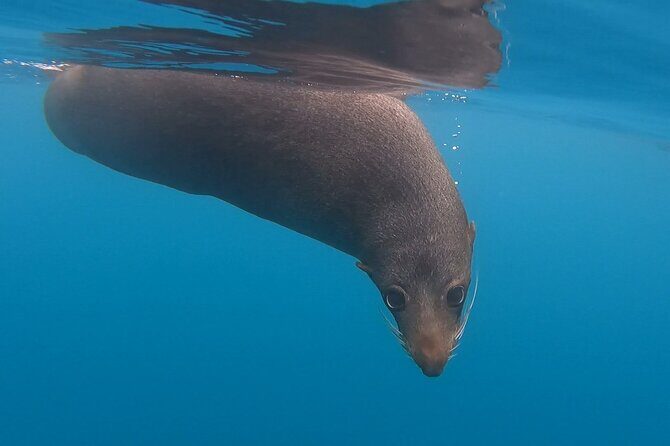
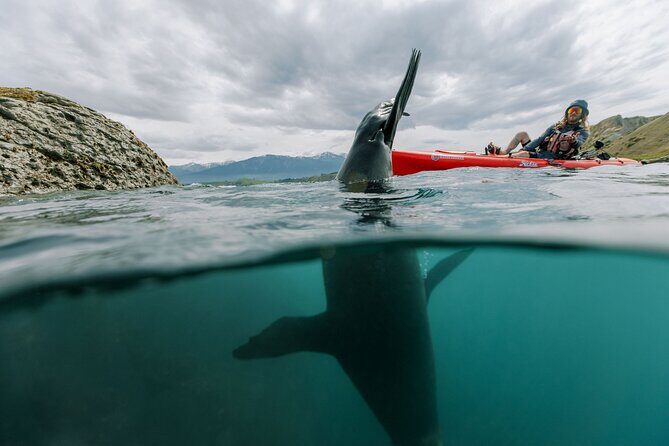
This tour is centered on New Zealand fur seals. The reason it feels different from looking from shore is simple: from the water, seals don’t have to stay at a distance for you to see them. You can watch their behavior—head pops, movement near rocks, and how they use the coastline.
Many guests described fur seals as the main stars, and a lot of them said they saw several at once, not just a single quick glance. A few noted the best views were from the kayak and that it beat their expectations for closeness.
The dolphin sightings are the nice bonus. If dolphins are around, you might see them swim alongside or circle nearby. A couple of people specifically described pods of dolphins during their session, which is one of those Kaikoura moments you’ll remember later when the rest of your vacation feels like a blur.
Birds are usually part of the scene too. Even if you don’t spot every species, you’ll likely notice seabirds using the air and shoreline edges. The guide’s job here is to help you connect what you’re seeing to the local biodiversity—how the marine and coastal life interact.
Now for the honest consideration: you can do everything right and still have a slower wildlife day. One rider said they didn’t see as many seals as hoped, and that’s normal. Weather, current, and animal movement all play a role.
Sunset vs Special Seal-Spotting Tours: Picking the Right Vibe
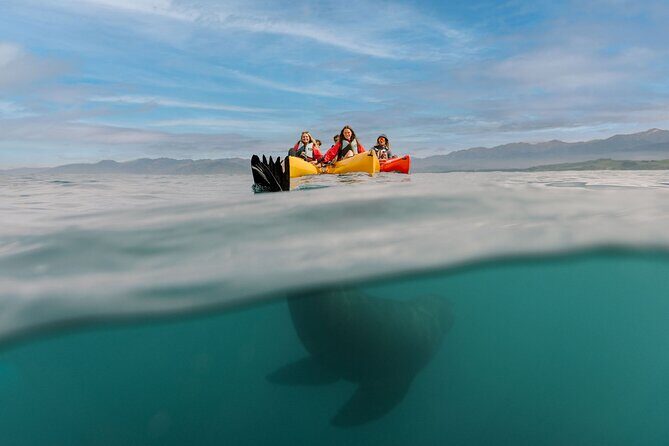
You typically get a choice between a sunset tour and a special seal-spotting option. Both can be great, but they feel different.
Sunset tour: calmer mood, dramatic light
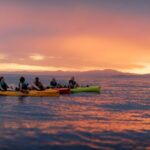
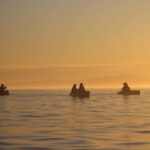
A sunset cruise tends to add atmosphere. More than one guest described sunset as beautiful, and it’s easy to see why: the light gets softer, the coast looks more cinematic, and you’re in “slow down and watch” mode. If you want a memorable photo finish and a relaxed pace, sunset is a strong choice.
Special seal-spotting tour: more focus on finding animals
A special seal-spotting option is for people who care most about the wildlife odds. The trade is that sunset magic might be less central than the plan to reach high-probability viewing spots.
If your goal is maximum seal time, I’d lean toward the seal-spotting version. If your goal is a moodier, scenic session, go sunset.
Either way, the kayak setup stays the same: foot-powered movement and guide-led navigation so you can keep your hands free for spotting and photographing.
The Real Value: Why Foot-Pedaled Kayaks Change Everything
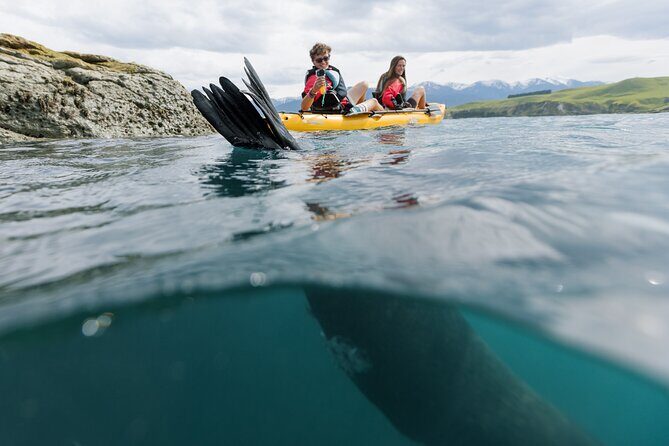
Let’s talk about what makes this tour feel easier than standard kayaking. Most people don’t arrive in Kaikoura planning to become arm athletes. They want to watch wildlife, not muscle through paddling.
Here, you pedal with your feet. That has three practical effects:
1) Hands stay free
You can swap between scanning, pointing your phone, and enjoying the view without dropping your rhythm.
2) Control feels simpler
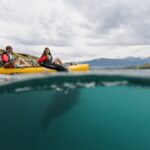
Multiple guests described the kayaks as easy to maneuver and very stable. Stability matters when you’re trying to get close enough for seals but not so close you’re constantly worried about tipping or wobbling.
3) You can match the group’s pace
Because the motion is controlled and steady, you’re less likely to fall into the “everyone is rowing harder than I expected” problem.
One rider compared it to never wanting to go back to regular kayaking again. That might be hyperbole, but the underlying point is solid: once you pedal, kayaking for wildlife becomes more about watching than working.
Guides Who Actually Put You in the Right Spots
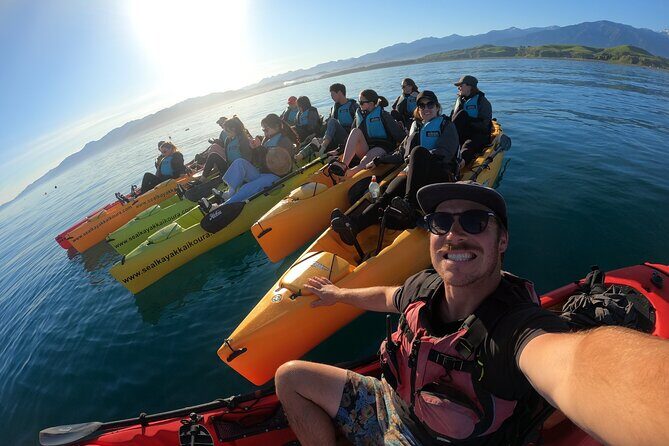
This is where small-group tours earn their keep. You’re capped at a maximum of 14 travelers, which helps the guide keep track of everyone without turning it into a herd.
Guide names came up often in the feedback. Logan led groups for more than one guest and was praised for knowing exactly where to go to spot seals and wildlife. Connor was another standout, with guests calling out his knowledge of the coastline and wildlife, plus his help when someone felt seasick during the trip. Emma also appears in the mix alongside Connor, suggesting the team rotates across outings.
Levi and Richie were mentioned in a scenario that showed care beyond the water: they helped immediately when there was a flat car battery issue on return. That’s not the core of the kayaking experience, but it does reflect the kind of support you can expect if something goes sideways.
You don’t need the guide to recite biology facts. What you do need is judgment: where to go, when to stop, and how to help you read the coastline like a wildlife magnet.
How Much Fitness Do You Need?
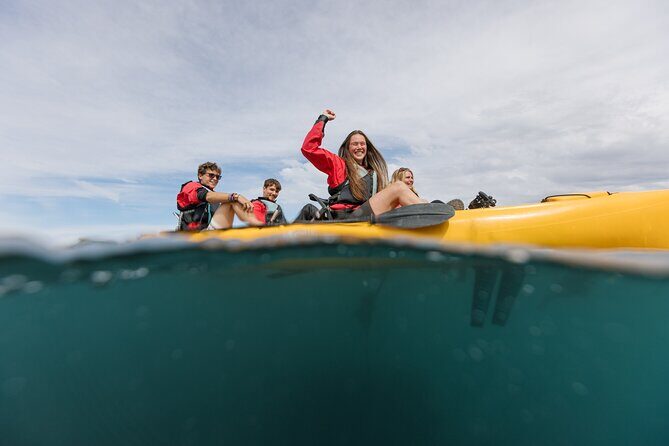
The tour says you should have moderate physical fitness level. That’s not code for “don’t come.” It’s more like: you should be comfortable sitting, moving on deck/shore, and doing some leg pedaling for a couple hours.
The good news from guest experience: people who weren’t the most physically fit still felt the kayak pedaling was manageable. The kayak chairs also have back support, and that matters if the weather is chilly or if you’re sitting while watching.
One caution: if you’re sensitive to motion, go into it knowing conditions can change. One guest mentioned seasickness, and their guide (Connor) was accommodating. Bring your common sense for nausea prevention if you’re prone to it, especially if the day has chop.
What to Bring (So You Stay Comfortable and Photo-Ready)
You don’t need a special kit, but you should pack like you’re going on the water in Kaikoura, where wind can show up fast.
What helps:
- Warm layers for wind (jackets are provided, but you’ll still want layers)
- Closed-toe footwear you’re comfortable pedaling in
- A water bottle
- Your phone/camera strap or a way to keep gear secure for photos
- Sunglasses (you’ll be looking at bright water and sky)
Also, don’t over-plan your exercise. This is still an active outing, but the point is enjoyment and wildlife viewing. You’ll pedal, you’ll watch, and you’ll take photos. You’re not doing upper-body training.
Price and Value: Is $83.78 Worth It?
At $83.78 per person, you’re paying for three things that actually matter to the experience:
- A local guide who puts you in seal viewing positions
- A specialized pedal kayak that’s designed for hands-free wildlife watching
- Time on the water in a setting where Kaikoura’s wildlife is the headline
Compared to basic sightseeing, what you’re buying here is the ability to get closer to seals than most shore-based viewing. And compared to standard kayaking, you’re buying less fatigue and more comfort, thanks to the foot-pedaled, stable kayak design.
Is it “cheap”? No. But for Kaikoura, where wildlife trips stand or fall on access and timing, this price feels aligned with the product: guide-led wildlife viewing plus a kayak setup that makes the experience easier for more people.
If you’re going to do only one wildlife-focused activity in Kaikoura, this is a strong contender.
Should You Book Seal Kayak Kaikoura?
If you want a hands-free, wildlife-first Kaikoura experience, I’d book it. This is one of those tours where the design details do real work: foot pedaling frees your hands, stability makes it easy to watch, and a small group helps the guide manage the trip without rushing.
I’d think twice only if one of these describes you:
- You get seasick easily and you’re not comfortable managing that risk.
- You want wildlife absolutely guaranteed. With seals, dolphins, and penguins, nature decides the final score.
- You’re hoping for a hard workout. This is moderate fitness activity, not a fitness boot camp.
Otherwise, it’s a smart value play: about 3 hours, a local team, and a very high chance you’ll leave with photos of fur seals so close they feel unreal.
FAQ
Where does the tour start?
The meeting point is 18 Beach Road, Kaikōura 7300, New Zealand. The activity ends back at the meeting point.
How long is the kayaking tour?
It runs for approximately 3 hours.
Do I need any kayaking experience or upper-body strength?
No. The tour is designed for people to go kayaking without prior experience, and there’s no requirement for upper-body strength because you use your feet to pedal.
What wildlife can I expect to see?
The tour is focused on New Zealand fur seals. You may also see birds and dolphins, and some guests reported seeing a penguin as well.
How big is the group?
The maximum group size is 14 travelers.
What fitness level do I need?
A moderate physical fitness level is recommended. The kayak design and pedaling option help make it manageable for people who aren’t very fit.
Are there weight restrictions?
Yes. Passenger weights must be advised if over 100 kg, up to a maximum of 115 kg. If you’re 115 kg to 125 kg, you must book a private tour for safety.
Is there a cancellation option if weather affects the tour?
Yes. There’s free cancellation up to 24 hours in advance for a full refund. The tour requires good weather, and if it’s canceled due to poor weather, you’ll be offered a different date or a full refund.
Are children allowed?
Children can join, but must be accompanied by an adult.