REVIEW · WANAKA
Māori Whakatau Welcome
Book on Viator →Operated by WanaHaka Wine Tours Maori Culture · Bookable on Viator
A Māori welcome is the quickest way to start understanding Otago. This Māori Whakatau Welcome from WanaHaka Wine Tours and Māori Culture turns Lake Wanaka into more than scenery by centering manaakitanga (hospitality) and kaitiakitanga (guardianship). I like that you get a real, full pōwhiri sequence (including the wero and the welcome speech), and you’re guided into the shift from strangers to whanau. One thing to consider: it runs in good weather only, so plan to be flexible if conditions are rough.
I also like the practical setup: you choose a morning or afternoon pōwhiri, you’re kept in a small group (up to 30), and you get private transportation handled for you. The vibe feels welcoming in a way guidebooks can’t copy, and people mention Joe as particularly helpful and genuinely great with kids. A possible drawback is that the souvenir items tied to the experience (including the bone carving) are listed as not included in the base price, so you’ll want to budget if you want the take-home keepsake.
In This Review
- Key reasons this pōwhiri welcome works so well
- Why a Māori pōwhiri in Wanaka is a fast way to understand Otago
- What happens during the welcome: wero, taiaha, and mihi whakatau
- Lake Wanaka’s role: manaakitanga and kaitiakitanga in real time
- Transport, timing, and group size (the stuff that decides if you’ll enjoy it)
- The take-home bone carving: what’s centered vs what’s included
- Price and value: $31.03 for a ceremony with real meaning
- Who this pōwhiri welcome is best for (and who should rethink it)
- Service style and comfort: small details that matter in a ceremony
- Should you book this Māori Whakatau Welcome in Wanaka?
Key reasons this pōwhiri welcome works so well
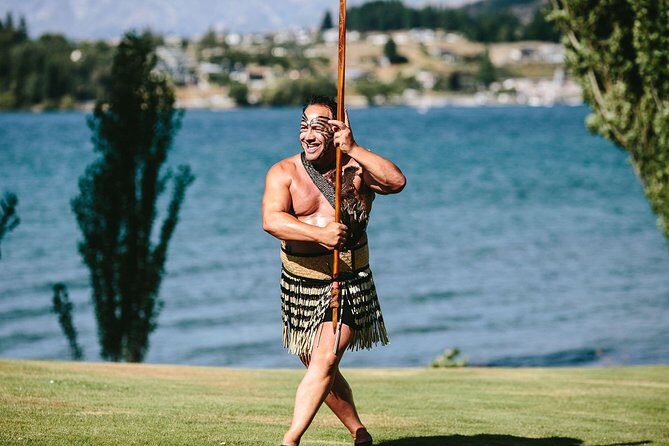
- Wero + mihi whakatau: you witness the challenge and the welcome speech as part of the full ceremony
- Lake Wanaka setting: you connect the ritual to manaakitanga and kaitiakitanga right where you stand
- Small-group feel: maximum 30 travelers means less crowding and more focus on the moment
- Family-friendly pricing: children 16 and under pay a discounted rate, with an adult required
- Guide-led calm: reviews highlight Joe as helpful and good at making it understandable for everyone
Why a Māori pōwhiri in Wanaka is a fast way to understand Otago
If your New Zealand trip starts with a quick “tick-the-box” museum day, you miss a layer. A Māori pōwhiri isn’t just a performance. It’s a formal way of arriving, acknowledging the land, and building relationships through words and action.
In this WanaHaka welcome, you’re hosted on the shores of Lake Wanaka, in Otago, with a clear cultural focus. The ceremony is tied directly to two concepts: manaakitanga (hospitality) and kaitiakitanga (guardianship of the land). That matters because it frames what you’re seeing. You’re not just watching people talk—you’re being shown how responsibility and respect work in Māori culture.
And I get why this gets booked early. With a morning start and choices for morning or afternoon, plus limited group capacity, it’s one of those experiences that’s easier to fit in when you book ahead. On average, it’s reserved about 137 days in advance, which is a strong sign it’s a popular “first-week” activity for many people.
You can also read our reviews of more tours and experiences in Wanaka.

What happens during the welcome: wero, taiaha, and mihi whakatau
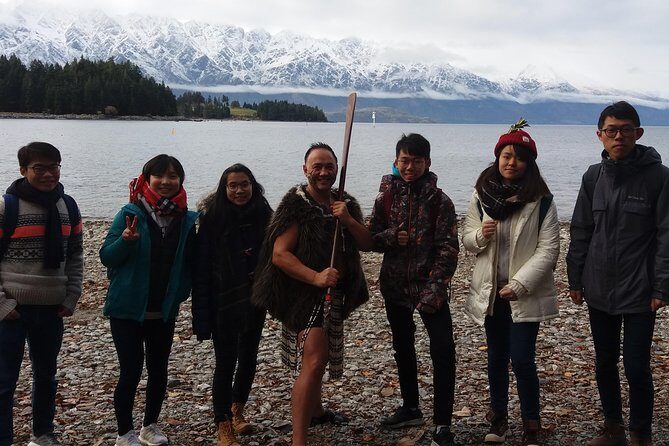
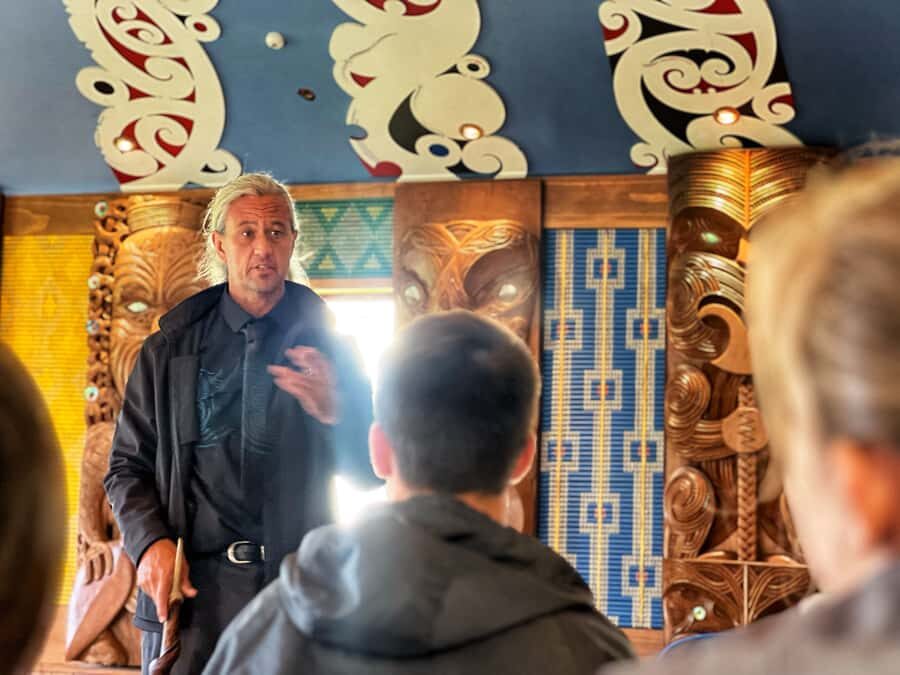
This experience centers on a full pōwhiri. You’ll be welcomed through the key elements of the ritual, not just a brief intro.
Here’s the flow you can expect, in plain language:
- You start with a wero/challenge involving a Māori warrior and a taiaha (a traditional long wooden weapon).
- Then you move through the core components of the welcome, including the mihi whakatau (the welcome speech).
- The intention is for the group to arrive as strangers and leave as whanau (family).
That “challenge first” piece is important. It sets an energetic tone and turns the ceremony into more than polite standing around. You feel the structure: there are moments that ask for attentiveness, and moments that shift the energy toward connection and welcome.
Also, don’t stress about knowing the cultural script ahead of time. A big part of the value here is that you’re guided through what’s happening and what it means. Reviews repeatedly call it very informative and helpful, and people specifically note Joe as a great guide—especially for kids, who often need a reason to stay interested for the full 40 minutes to an hour.
Lake Wanaka’s role: manaakitanga and kaitiakitanga in real time
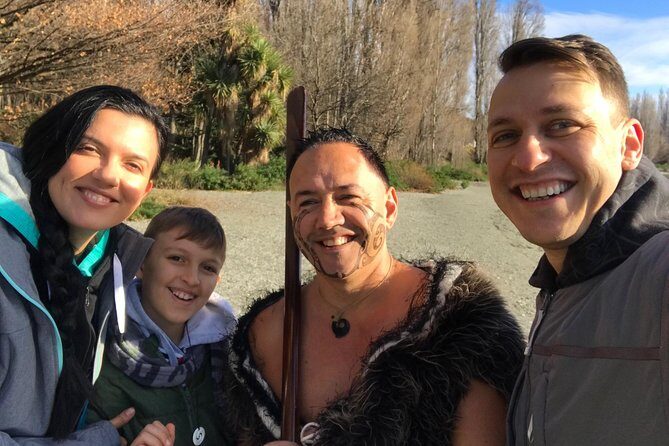
It helps that the setting isn’t abstract. When you’re near the water in Wanaka, the ceremony feels tied to place in a way you don’t get in a classroom.
WanaHaka’s approach makes two ideas do the heavy lifting:
- Manaakitanga (hospitality): the welcome is about how people receive others.
- Kaitiakitanga (guardianship): the land matters because it’s cared for by local responsibilities, including the role of iwi as custodians.
The idea you’ll hear is that pōwhiri invites visitors as they arrive on the whenua (land). That one word—whenua—changes the whole framing. It’s not “tourist spot.” It’s land with relationship, duty, and belonging.
A quick practical note: because you’re outdoors, dress for weather that can shift fast in this part of the South Island. You don’t need to be fancy. Comfortable layers and shoes you can stand in for a while make the experience easier.
Transport, timing, and group size (the stuff that decides if you’ll enjoy it)
This isn’t a free-form walking tour. It’s set up so you can focus on the ceremony.
A few points that make your day smoother:
- Duration: about 40 minutes to 1 hour (the itinerary also notes around 45 minutes).
- Start time: 9:30 am (and you can typically choose either a morning or afternoon pōwhiri when booking).
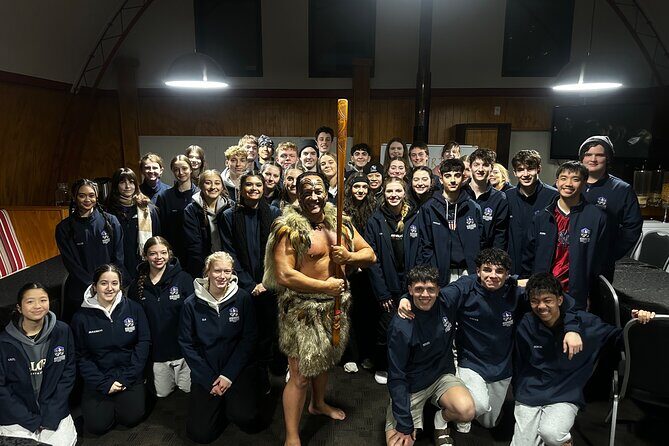
- Group size: maximum 30 travelers—small enough that you won’t feel swallowed by the crowd.
- Mobile ticket: you’ll use a mobile ticket rather than juggling paper.
- Private transportation: included, which is a big deal if you don’t want to figure out parking, timing, and shuttles.
Also, location matters. This pōwhiri can be done in either Queenstown or Wanaka. If you have a strong preference, email first to confirm your preferred location.
If you like planning ahead, book early. Beyond popularity, it also gives you flexibility if you want a specific time of day.
The take-home bone carving: what’s centered vs what’s included
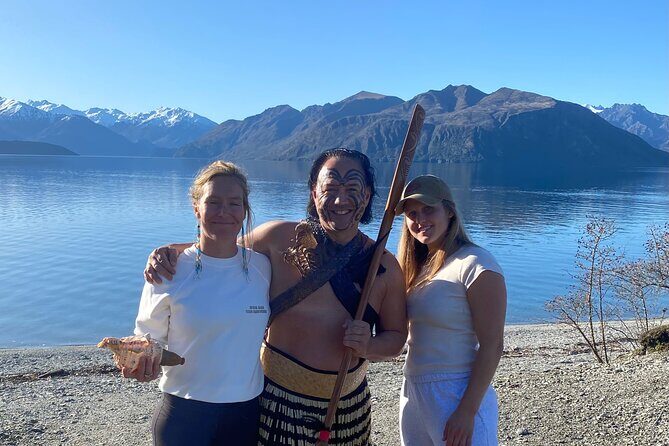
The experience is built around the idea of taking home an authentic Māori bone carving connected to your pōwhiri. That sounds like a major part of the emotional payoff—having something physical that marks the welcome.
But there’s a key detail for your budget: the “Included” list only mentions private transportation, while “Not Included” specifically lists the authentic Māori bone carving as an add-on. It also lists an additional item (a WanaHaka tea towel souvenir) as not included, and it notes souvenir photos are available to purchase.
So how should you handle this?
- If you want the carving or photos, assume there will be extra cost beyond the tour price.
- If you just want the ceremony itself, the base experience still delivers a full pōwhiri welcome sequence.
This kind of pricing setup isn’t unusual for cultural keepsakes. Still, it’s worth checking what you’re hoping to take home so you don’t get surprised at the end.


Price and value: $31.03 for a ceremony with real meaning
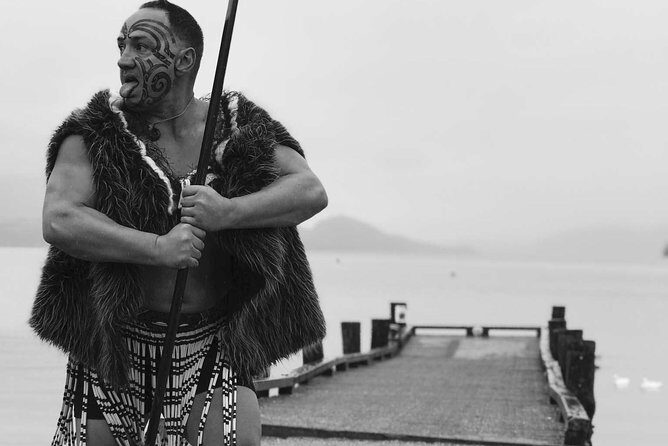
At $31.03 per person, this sits in the “surprisingly good value” lane—especially because you’re not only paying for a talk. You’re participating in a guided cultural ritual with a structured welcome and transport support.
Here’s how I’d evaluate the value:
- You’re getting a full pōwhiri experience, including the wero and mihi whakatau portions.
- You’re not managing logistics (private transportation is included).
- The group is capped at 30, which helps the experience feel more personal than mass sightseeing.
- Kids 16 and under have a discounted rate, so families can do it without feeling like the only one paying adult pricing.
The main “cost beyond the cost” is the souvenir side. The carving and some extras are listed as not included, so if you plan to buy the carving or photos, your total trip expense will rise.
But if you treat this as a meaningful “start here” experience—one that gives context for the rest of your time in Otago—it’s hard to argue it’s overpriced for the time you spend (40–60 minutes) and what you gain (a way to understand Māori welcome practices, not just see them).
Who this pōwhiri welcome is best for (and who should rethink it)
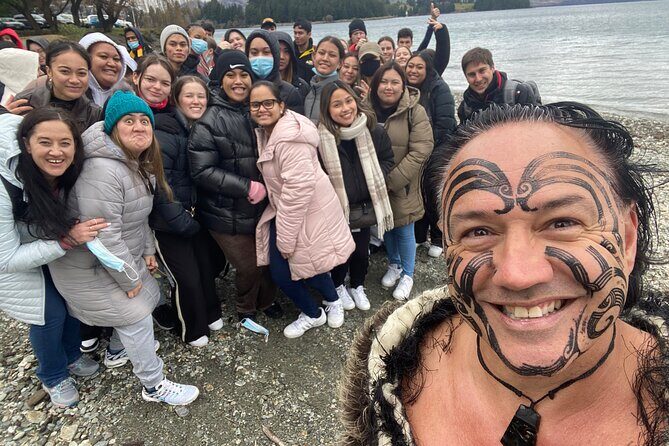
I think this experience fits a lot of travelers because it’s structured, short, and intentionally explained. It’s also designed for families.
It’s especially a good match if:
- You want to understand Māori culture in a way that connects to place, not a staged museum setting.
- You’re traveling early in your trip and want something that changes how you see New Zealand afterward.
- You’re bringing kids. Reviews mention children loved it, and the guide support (Joe highlighted in feedback) helps keep things clear.
Consider rethinking it if:
- You dislike outdoor activities or can’t handle being flexible with weather (good weather is required, and if it’s canceled due to poor conditions, you’ll be offered a different date or a full refund).
- You’re expecting the ceremony to be the only part and assuming souvenirs are included. The carving is listed as not included.
For most people, though, the short duration is the big win. You can do it without losing a whole day.
Service style and comfort: small details that matter in a ceremony
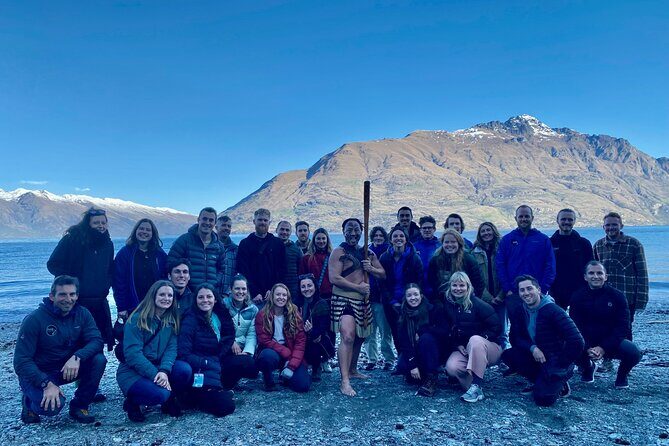
Even with a cultural focus, practical comfort still matters. Here are the things from the setup that help you feel ready:
- Confirmation comes at booking time.
- Children must be accompanied by an adult.
- Service animals are allowed.
- Most travelers can participate.
These are “peace of mind” items. When something is culturally structured and time-bound, you want to know the rules ahead of time.
And since this includes a wero with taiaha, there can be sharp visuals and a brief burst of intensity. If you’re bringing kids, it helps to explain that it’s part of a formal welcome challenge—not a fight. The guide presence is there to make the meaning understandable, and reviews highlight that Joe is helpful and informative.
Should you book this Māori Whakatau Welcome in Wanaka?
Book it if you want your New Zealand start to feel grounded in how people greet others, honor land, and build connection. The full pōwhiri format—especially the wero and mihi whakatau—gives you more than a quick cultural stop. It gives you a framework you can carry with you.
I’d also book it if you like good logistics: private transportation, a manageable time window, a small group cap, and a mobile ticket. That reduces friction so you can focus on being present.
One more nudge: if you care about taking home the bone carving or getting photos, check what’s included vs what’s available to purchase and plan your budget. And if weather looks iffy, keep your schedule flexible.
If you want one experience in Wanaka that feels like it has a heartbeat—not just a viewpoint—this is a strong choice.