REVIEW · WANAKA
Mou Waho Island: 3-Hour Cruise and Guided Nature Walk
Book on GetYourGuide →Operated by Lake Wanaka Cruises · Bookable on GetYourGuide
Lake Wanaka gets even better when it’s not just from shore. This 3-hour cruise and guided walk takes you out to Mou Waho Island, a predator-free Department of Conservation reserve, then up to viewpoints with serious mountain-and-water views.
Two things I really like: you get a relaxing fast boat ride out across Lake Wanaka first, and then you reach a lake-at-the-top moment that feels like a reward for the effort. Even better, guides such as Jamie and Toby bring the island to life with clear talk about plants, animals, and local history—plus they’ll help with the best spots for photos.
One consideration: the island walk isn’t long on paper, but it climbs about 150 meters and runs over uneven ground, so you’ll want good traction and a decent fitness level.
In This Review
- Key moments worth planning for
- Entering Mou Waho Island: predator-free nature that feels different
- The 3-hour flow from 100 Ardmore St (and why it’s easy)
- The fast cruise on Lake Wanaka: get your bearings early
- Guided eco-walk on Mou Waho: short distance, real climb
- Who should skip the walk
- The two top stops: lake-at-the-top views and a higher lookout rock
- What the guides actually do: flora, fauna, geology, and history
- Wildlife highlights: Buff Weka, Mountain Stone Weta, and bird-spotting reality
- Packing and clothing: Wanaka weather can change fast
- Price and value: is $101 per person actually fair?
- Who this Mou Waho tour suits best
- Should you book the Mou Waho Island cruise and nature walk?
- FAQ
- Where is the meeting point for the Mou Waho cruise?
- Do I need to check in before the cruise?
- How long is the experience?
- What is included in the $101 per person price?
- Is the guided island walk compulsory?
- How difficult is the walk to the top?
- What should I bring and wear?
- Is this suitable for children, and do you offer hotel pickup?
Key moments worth planning for
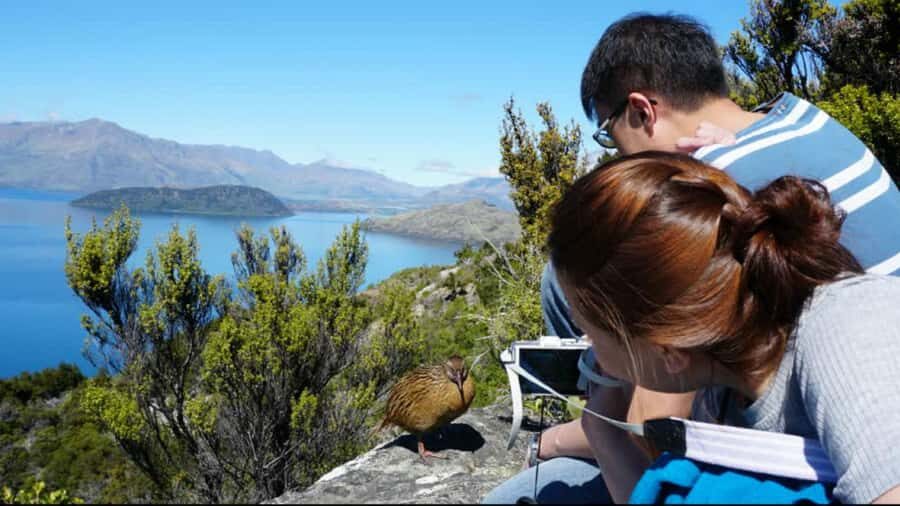
- Predator-free DOC reserve: see how restoration supports birds like the flightless Buff Weka
- Island walk to a top lake: optional, but the viewpoint stops are where the magic happens
- Guides with real field know-how: people like Jamie and Toby keep the hike interesting and photo-friendly
- Lake Wanaka from the water: a fast cruise that makes the scenery feel wide-open
- Wildlife chances: Buff Weka and Mountain Stone Weta are a big part of why you’re here
Entering Mou Waho Island: predator-free nature that feels different
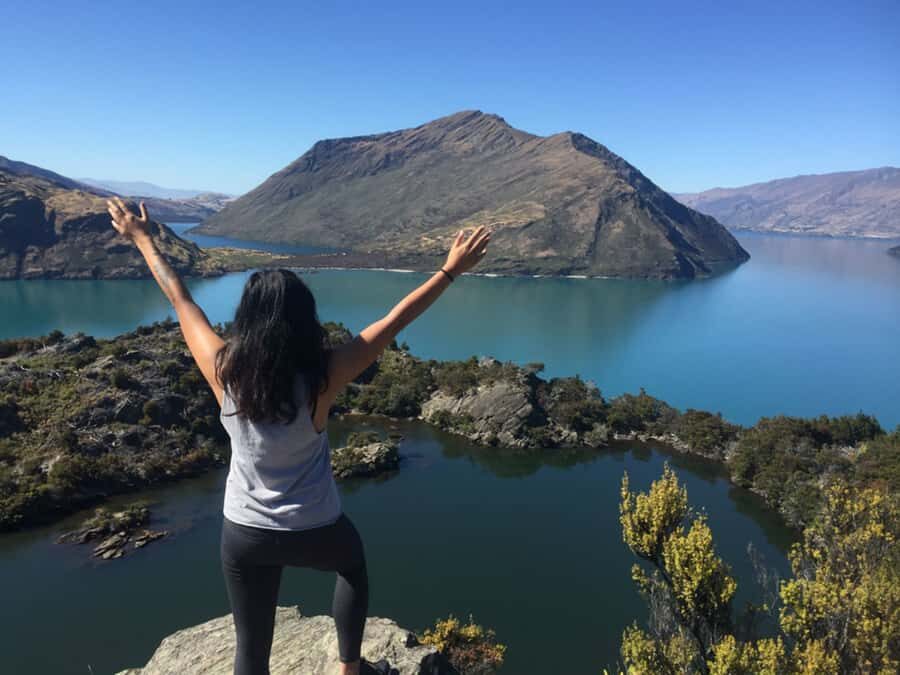
Mou Waho Island matters because it’s protected. It’s a Department of Conservation reserve with predators removed, which means wildlife you’d struggle to see elsewhere can survive and keep doing their thing.
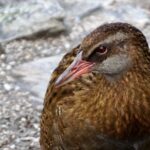
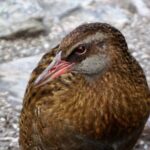
That difference isn’t just a feel-good slogan. The island is where you can encounter conservation results firsthand—like the Mountain Stone Weta and the rare flightless Buff Weka, which is described as extinct on the mainland since 1920. When you’re on a predator-free island, the ecosystem has a chance to rebuild, and the guide can explain what you’re seeing in a way that makes the whole place feel real, not staged.
I also like that this isn’t a “look at a plant then move on” kind of walk. With a guide, the island becomes a living museum: how the plants grow, how birds behave, and how the island fits into the wider Lake Wanaka world.
You can also read our reviews of more walking tours in Wanaka
The 3-hour flow from 100 Ardmore St (and why it’s easy)
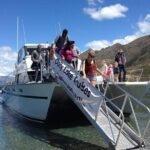
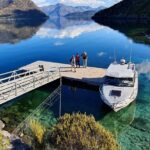
You start at 100 Ardmore St, by the Wanaka lakefront near the Dinosaur Park and close to the Old Town Jetty. You’re looking for a big sign on the beach, and you board from the lakefront—not from Wanaka Marina.
One handy detail: you don’t need to check in anywhere. And yes, it’s worth saying plainly—don’t go to Wanaka Marina even if you notice a vessel there before the cruise.
Timing-wise, the trip is built for people who want one great chunk of time, not a half-day chase. You’ll cruise out, spend time on the island with a guided walk, then cruise back. The whole thing stays around 3 hours, which makes it a smart add-on to a Wanaka itinerary without eating your entire morning or afternoon.
The fast cruise on Lake Wanaka: get your bearings early
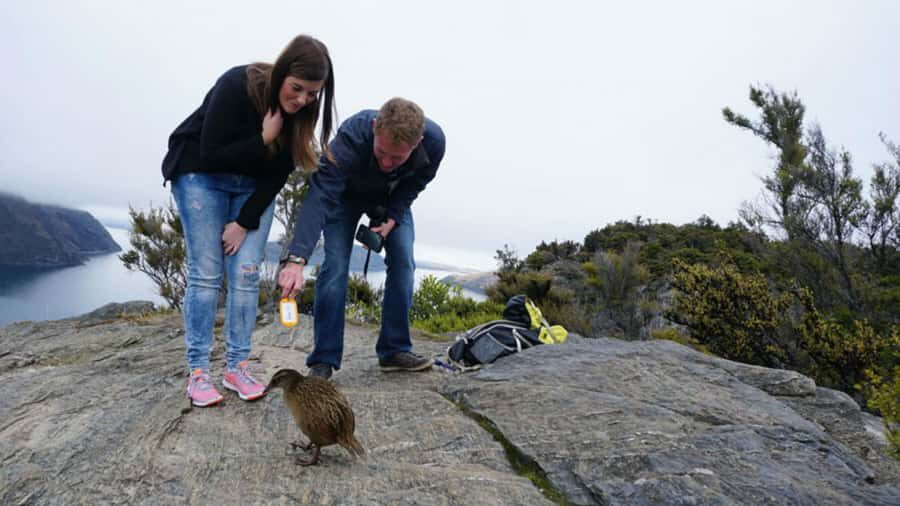
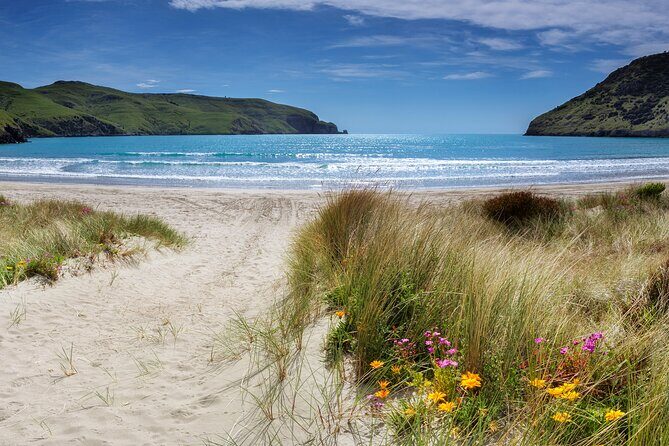
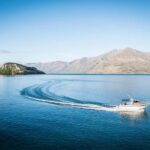
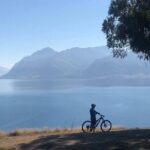
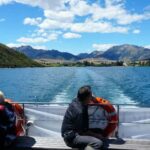
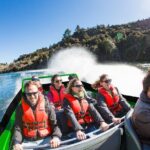
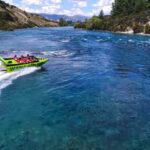
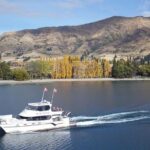
The boat portion is short, but it sets the tone. You’re headed across crystal-clear Lake Wanaka waters toward a remote island reserve, and it’s one of the best ways to see what Wanaka looks like when you’re surrounded by it.
This cruise is described as a fast “super taxi” style boat, and I like that it doesn’t feel dragged out. You get the scenery now—mountains, water, and the island itself—before you switch into walking mode.
Weather can change the feel. One review mentions a windy day where the guide drove brilliantly and kept everyone engaged throughout the hike talk. Another notes rain forecast, but the group still got blue sky after showers. In real life, that’s the Wanaka deal: dress for change, but don’t assume bad weather ruins the experience.
If you’re a photographer, the boat ride matters. The island is the destination, but the cruise gives you angles you can’t get from shore, and it sets you up to pick your best shots before you climb.
Guided eco-walk on Mou Waho: short distance, real climb
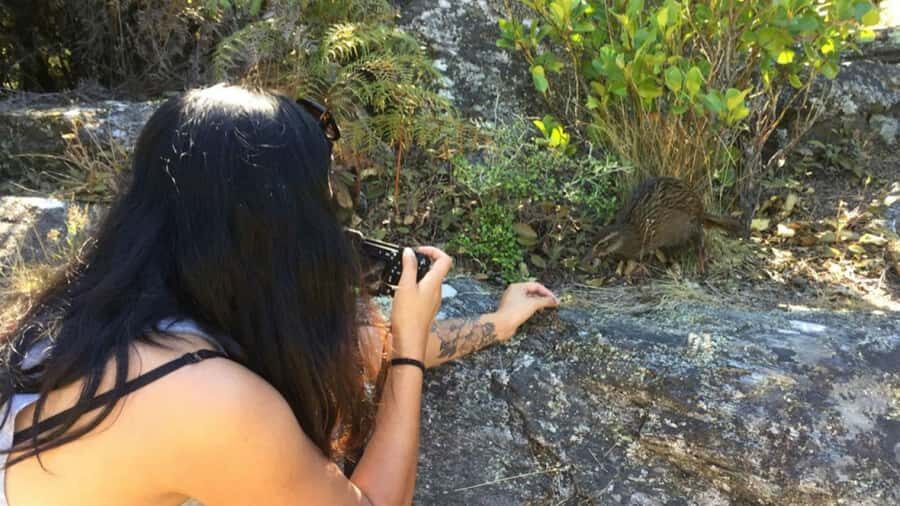
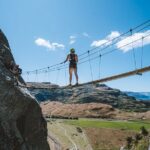
The island walk is about 1 kilometer total and rises around 150 meters above the beach on an average track. That sounds modest—until you remember it’s vertical climbing on uneven ground.
The good news: the walk is not compulsory. You can stay on the boat, hang out at the beach area, or do part of the route. That flexibility is genuinely useful, especially if you’re traveling with mixed mobility in your group.
What to expect on the climb:
- Uneven surfaces, so keep your steps deliberate
- Some uphill sections that feel steeper than you might guess
- Conditions can vary—reviews mention wet rocks and easy-to-navigate routes with a good guide
Guides also make a difference. People like Toby were described as adapting to weather and still getting everyone the full experience. Others pointed out that the climb wasn’t as steep as expected, but safety stayed front-and-center. That combination—honest expectations plus active guidance—helps a lot.
Who should skip the walk
The tour isn’t recommended for those with walking disabilities, uneven ground can be an issue, and it’s not suitable for wheelchair users. You’ll also want above-average fitness and mobility, even though the distance is short.
You can also read our reviews of more boat tours in Wanaka
The two top stops: lake-at-the-top views and a higher lookout rock
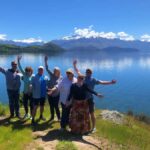
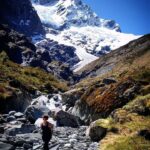
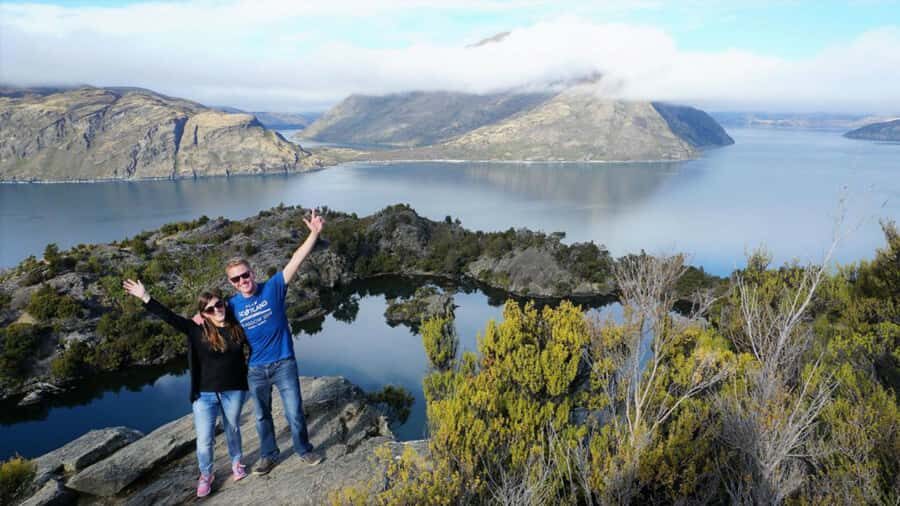
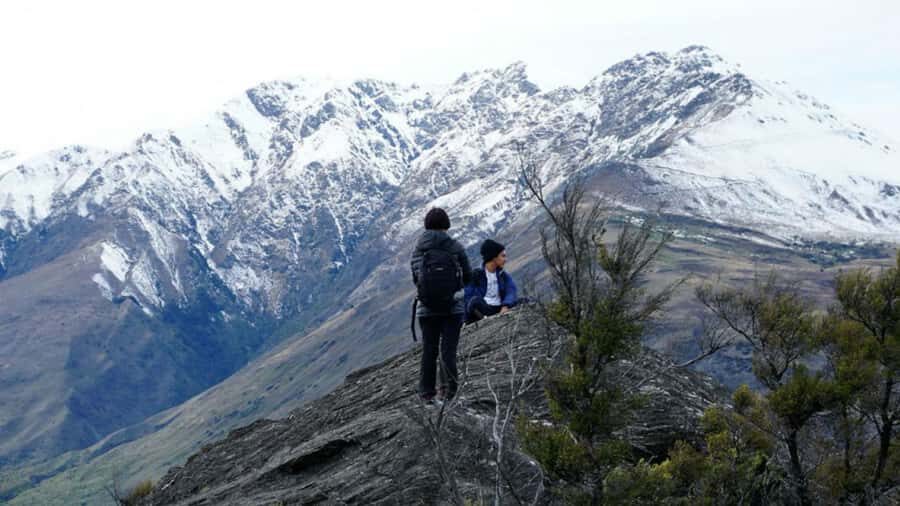
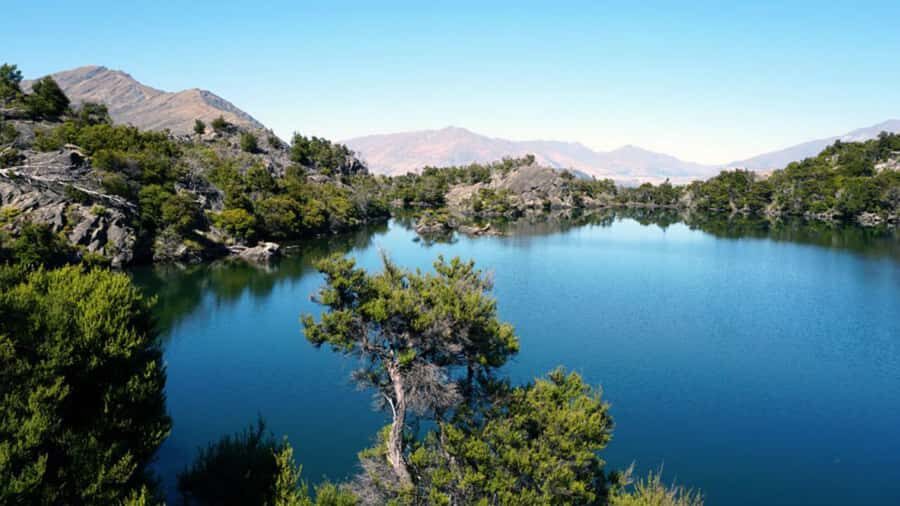
The walk has a payoff: you reach a lake right on top of the island, then you go even higher to a lookout rock. Those are the moments where the island’s “small size, big drama” vibe becomes obvious.
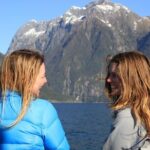
From the top, every direction feels open—mountains, water, and the island’s surroundings. Reviews repeatedly call out that the view from both stops is spectacular and memorable. One person highlighted that the view makes the effort worth it, even when conditions were rougher than ideal.
Also, the viewpoint rhythm matters. You don’t just slog upward and then arrive at one photo point. You get multiple “stop and look” moments, which helps even if the weather threatens to change again. It’s easier to stay energized when you know there are checkpoints ahead.
What the guides actually do: flora, fauna, geology, and history
A guided walk is only as good as the person leading it. In this case, the guides get high praise for being both friendly and information-rich.
The conversation tends to cover:
- Flora and fauna of Mou Waho and the surrounding islands
- Geology of the lake and island
- Both Maori and colonial history, connecting what you see to how the region changed over time
You’ll hear it from real guide personalities. Jamie is mentioned for taking a group of 10 up and pointing out interesting flora and fauna tidbits. Toby gets repeated mentions for engaging with everyone, sharing knowledge, and keeping the tone upbeat even when the weather turned messy. Tim and Rion also show up in reviews as strong hosts and helpers.
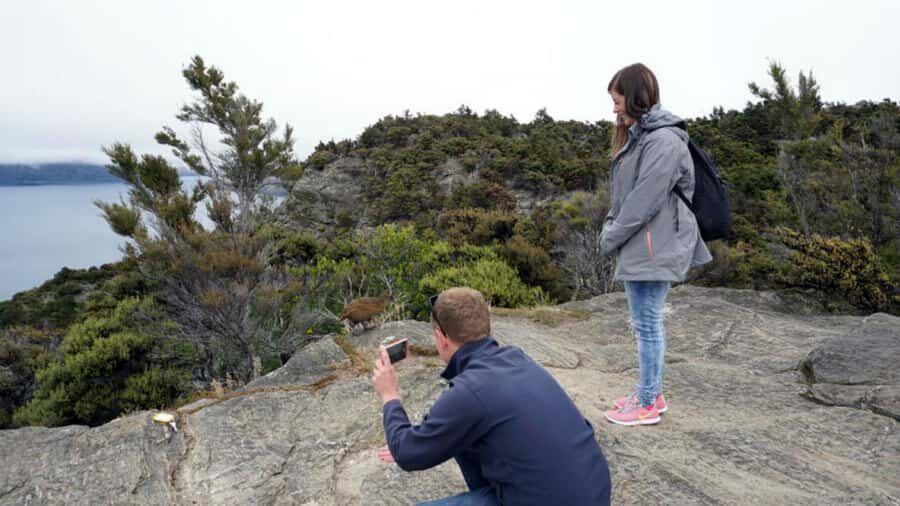
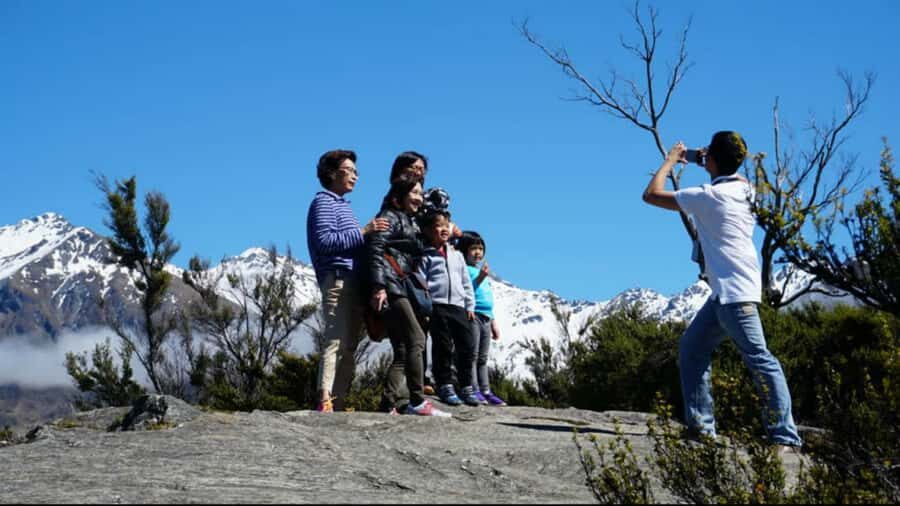
One practical benefit: guides will often help with photos. That matters if you don’t want to keep handing your camera to strangers. People specifically mentioned help taking photos and suggesting the best photo spots, which can turn a good trip into an actually satisfying one.
Wildlife highlights: Buff Weka, Mountain Stone Weta, and bird-spotting reality
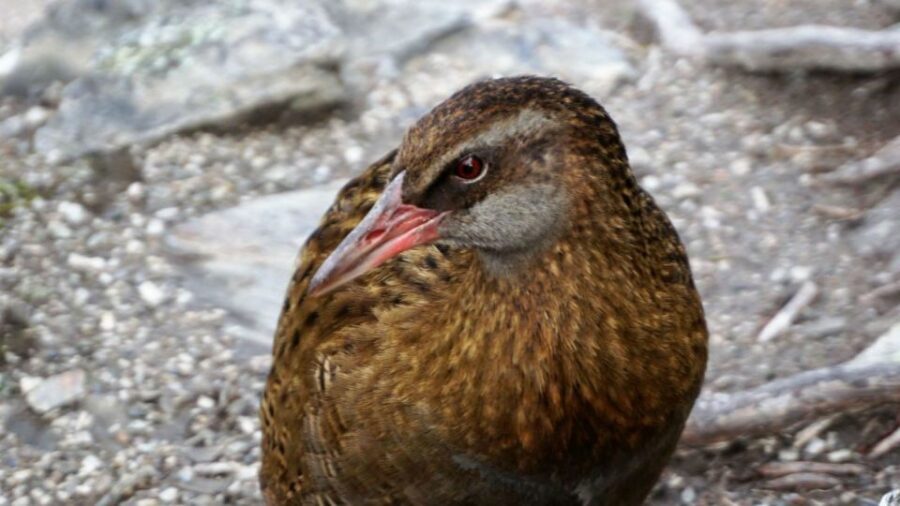
The reserve is built for wildlife, and the star is the Buff Weka. This flightless bird is rare, and it’s highlighted as a major conservation success story because it’s extinct on the mainland since 1920.
In real conditions, seeing wildlife isn’t guaranteed, but the chances are part of the reason the tour exists. Reviews mention sightings of Buff Weka multiple times—some groups saw two while there, and another noted seeing three, along with other birds and even a gecko.
How to maximize your odds (without getting weird about it):
- Stay calm and quiet when your guide points something out
- Keep your eyes scanning for movement in vegetation, not just on open ground
- Ask the guide where to look next—because they know the island’s rhythms
The Mountain Stone Weta is also called out. If you’re curious about insect life, this is a rare chance to see it in a protected context, not just learn about it from a book.
Packing and clothing: Wanaka weather can change fast
Bring your own basics. The tour asks you to pack:
- Bottled water
- Snacks
- Camera
- Hat and sunglasses
- Sunscreen
A warm jacket is advised because cool temperatures can happen anytime of year. I’d treat it as mandatory, not optional, especially when you’re near open water.
For footwear, don’t show up in smooth soles. Wear rugged outdoor shoes or boots with good tread. The island has uneven surfaces, and grip is the simplest way to make the climb feel easier and safer.
If you get motion sickness easily, note that boat rides can feel bumpy. Some reviews describe the ride out and back as bumpy, but still enjoyable—so pack accordingly if you’re sensitive.
Price and value: is $101 per person actually fair?
At $101 per person for a 3-hour outing, the value comes from what you’re getting in one package:
- A fast boat cruise to a remote DOC island
- A guided eco-walk with a local guide
- Department of Conservation park fees included
Could you visit Lake Wanaka and hike elsewhere on your own? Sure. But you’d be missing the guided nature interpretation and the access that comes with a hosted cruise to a specific predator-free reserve.
The best value angle here is that the tour is built to work for different ability levels. The walk is optional, so you don’t pay the full price expecting a “hard hike or nothing” day. You still get the boat ride, the scenery, and the island experience, then decide how far you want to go.
And because guides help with photo spots and keep the group moving safely, you’re spending your time in the right places instead of figuring it out on the fly.
Who this Mou Waho tour suits best
This is ideal if you like:
- Nature and conservation with a practical, hands-on component
- Guided explanations of plants, animals, geology, and history
- Short, scenic trips that don’t require half a day commitment
It also works well for people who want a “guided structure” but still want some freedom. The walk being optional is a big deal if you’re traveling with partners or friends who may pace differently.
A few clear boundaries based on the tour details:
- Unaccompanied minors aren’t allowed, and children must be accompanied by an adult
- It’s not recommended for people with walking disabilities or those using a wheelchair
Should you book the Mou Waho Island cruise and nature walk?
If you have a morning free in Wanaka and you want a nature experience that feels connected to real conservation outcomes, I’d book this. The predator-free setting plus the guided climb to viewpoints—especially the top lake and lookout rock—make it more than just another scenic boat ride.
I’d pass (or at least skip the climb) if uneven ground, steep effort, or mobility limits are a concern for you. The walk is short, but the rise and surfaces are not “stroller-friendly” territory.
If you can handle a 150-meter climb on uneven ground for a short distance, you’ll likely love it. And if you care about wildlife, keep your expectations realistic: the island offers strong chances, but you’re in nature, not a zoo.
In short: book it for the combination of Lake Wanaka cruise + predator-free reserve + guided wildlife storytelling, and bring good shoes. That’s the winning formula here.
FAQ
Where is the meeting point for the Mou Waho cruise?
You meet at 100 Ardmore St, near the Wanaka lakefront by the Dinosaur Park and close to the Old Town Jetty. Look for the big sign on the beach.
Do I need to check in before the cruise?
No. You do not need to check in anywhere. Also, don’t go to Wanaka Marina even if the vessel is there.
How long is the experience?
The tour runs for 3 hours.
What is included in the $101 per person price?
The price includes a fast boat cruise to Mou Waho Island, a guided island eco-walk, a knowledgeable local guide, and Department of Conservation park fees.
Is the guided island walk compulsory?
No. The island walk is not compulsory. You can remain on the boat, stay at the beach on the island, or complete part of the walk.
How difficult is the walk to the top?
The walk totals about 1 kilometer and rises about 150 meters above the beach on an average track. The tour advises an above average level of fitness and mobility, and it is not recommended for walking disabilities or wheelchair use due to uneven surfaces.
What should I bring and wear?
Bring bottled water, snacks, a camera, hat, sunglasses, and sunscreen. A warm jacket is advised. Wear rugged outdoor shoes or boots with good tread for grip.
Is this suitable for children, and do you offer hotel pickup?
Children must be accompanied by an adult, and unaccompanied minors aren’t allowed. Hotel pickup and drop-off are not included.