REVIEW · WANAKA
Wanaka: 4-Hour Intermediate Waterfall Cable Climb
Book on GetYourGuide →Operated by Wildwire Wanaka · Bookable on GetYourGuide
Hanging on cables above waterfalls sounds wild. This intermediate waterfall cable climb at Lake Wanaka turns that into a real, guided day with big views and bigger nerves.
I especially like the small groups (no more than 5 per guide) and how the staff builds you up with a safety briefing plus a practice climb at the base. I also love the payoff: lunch at the base of a 60m waterfall, with time to cool off and enjoy the scenery over mountains and farmland.
One thing to think hard about is height tolerance. You’re exposed on bridges and you must stay locked into the climbing system throughout, so if you panic with heights or lack full body mobility, this won’t feel fun.
In This Review
- Key highlights you’ll actually feel on the day
- Twin Falls start: helmets, harness, and a practice run before you go vertical
- 320 meters of iron rungs, pegs, ladders, and that blue-pool crossing
- Suspension bridges: where the views are worth the jitters
- Summit lunch at a 60m waterfall base: the break that makes it all feel worth it
- The 45-minute descent: how to end strong instead of wiped out
- What to bring for a comfortable intermediate climb (and what not to forget)
- Price and value: $224 for a guided 4-hour climb with lunch and safety gear
- Who this Wanaka via ferrata day suits best
- Should you book Wanaka’s 4-hour waterfall cable climb?
- FAQ
- How long is the Wanaka 4-hour intermediate waterfall cable climb?
- Do I need any climbing experience to do the intermediate route?
- What’s the height and difficulty level on this intermediate climb?
- Who shouldn’t do this activity?
- What should I bring?
- Where do I meet for the tour from Wanaka?
Key highlights you’ll actually feel on the day
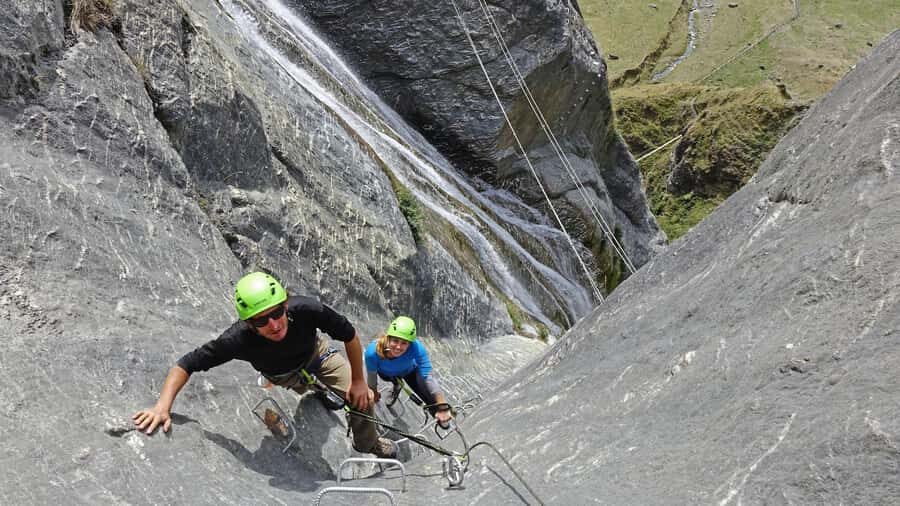
- World-high waterfall cable climb: a serious vertical ascent right next to cascading water.
- 320m vertical climb on an intermediate route: iron rungs, pegs, ladders, cables, and bridge crossings.
- Intimate guiding: small groups (up to 5 people per guide) and English-speaking instruction.
- Practice first: you train at the base before joining the main climb.
- Lunch at the waterfall: refuel at the summit base of a 60m waterfall, plus a swim if you want.
- Photo moments on the route: there’s a stop on a bridge for a huge waterfall photo.
Twin Falls start: helmets, harness, and a practice run before you go vertical
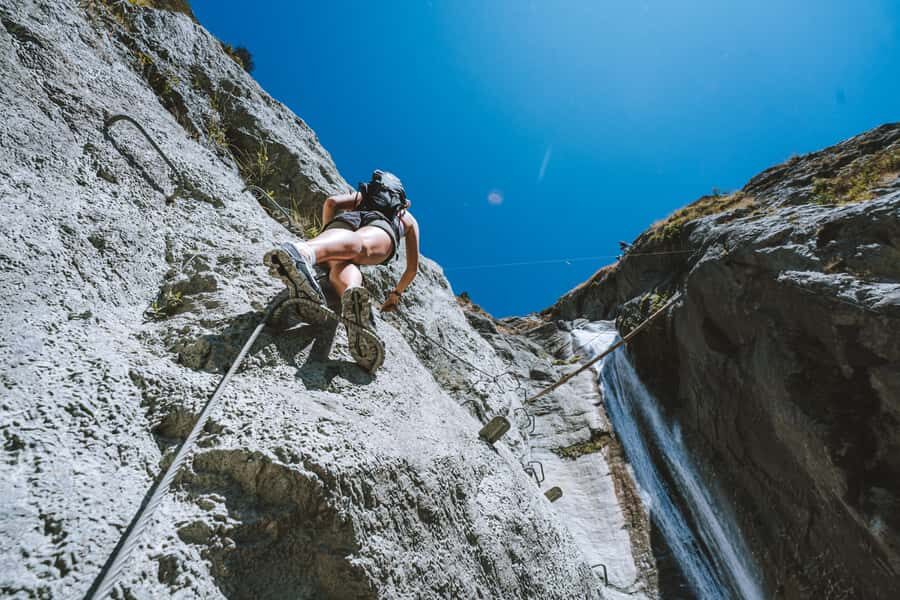
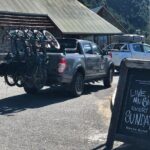
Your day starts at Twin Falls Waterfall. From Wanaka town, drive west along the Wanaka–Mt Aspiring Road, following the lake toward Treble Cone Ski Field and Mt Aspiring National Park. After about 20 minutes you’ll hit a cattle stop. Pull out immediately to the left in front of two waterfalls, and meet at the locked farm gate with the activity provider sign. If you reach the ski field road or a gravel road, you’ve gone too far.
This kind of start matters because it sets the tone: you’re not wandering in the dark trying to figure out what to do. You’ll get a safety briefing before anyone clips in.
Then comes the practice. You’ll put on your helmet and harness, and you’ll climb a practice route at the base of the waterfall. The idea is simple: learn how the system works and how to move safely before you commit to the 320m ascent. I like that approach because “first time” via ferrata days can otherwise turn into frantic guesswork.
Guides use training to help people relax into it. In past groups, guides like Ollie, Sarah, Tongi, Blair, Dolce, Connor, Ryan, Brandon, and Nolan have been credited with being friendly and patient, which fits the vibe you want on a route with real exposure. This is not just about gear. It’s about confidence.
You can also leave items you don’t need in a storage area at the base of the waterfall. That’s a relief if you bring extra layers, a bag you don’t want on the route, or anything you’d rather not be worrying about.
You can also read our reviews of more tours and experiences in Wanaka.
320 meters of iron rungs, pegs, ladders, and that blue-pool crossing
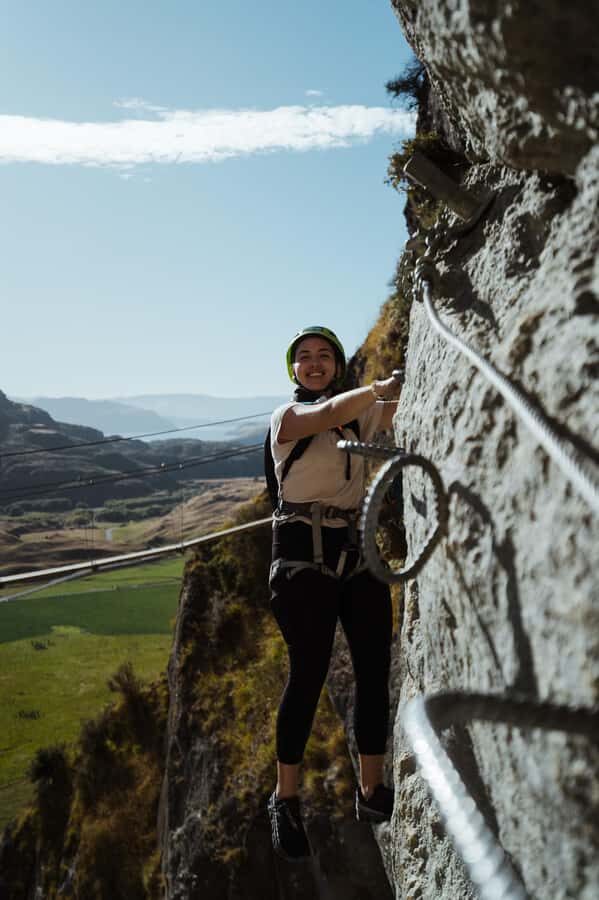
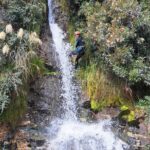
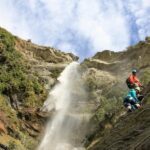
Once the practice route clicks, you move into the intermediate climb. This is the “highest waterfall cable climb” style experience built around a fixed system—cable, iron rungs, pegs, bridges, and ladders—so you can access routes next to waterfall walls that would be hard to reach any other way.
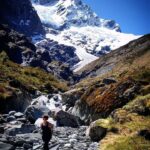
The intermediate route is designed to be challenging without needing prior climbing experience. You’ll climb up 320m of vertical cliff, crossing areas that include blue pools and more waterfall-side terrain as you go. This is one of those activities where the technique is less about strength and more about rhythm: how you place your feet, where you look, and how smoothly you stay connected to the system.
There’s also a photo stop. You’ll pause on a bridge next to a huge cascading waterfall. If you’re thinking, I’ll just take one quick picture and rush past it, I’d reconsider. That stop is part of the experience because it shows you the scale of what you’re doing. It’s one thing to hear 320m. It’s another to look out and realize you’re climbing in the middle of the waterfall’s world.
Also: you should expect the mix of hiking and rock-climbing walking. This isn’t a flat “stroll with a view.” The route uses a combination of climbing and walking segments, which is why they recommend a moderate fitness level and full body mobility.
The bright side: the guide is there with you, and you don’t need climbing credentials. The caution: you do need to be able to move your body through awkward positions while staying clipped in.
Suspension bridges: where the views are worth the jitters
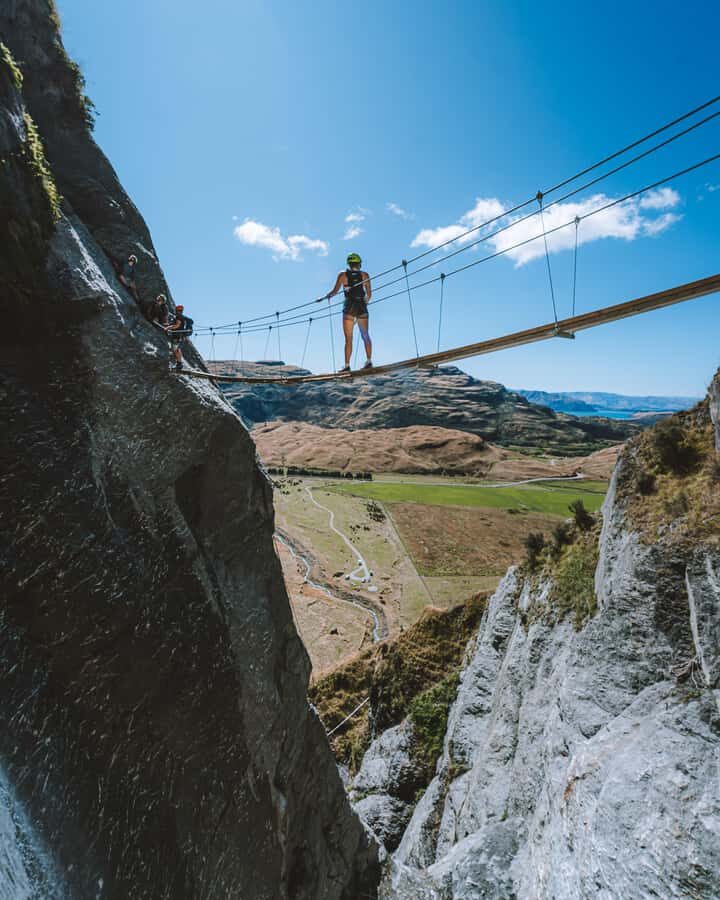
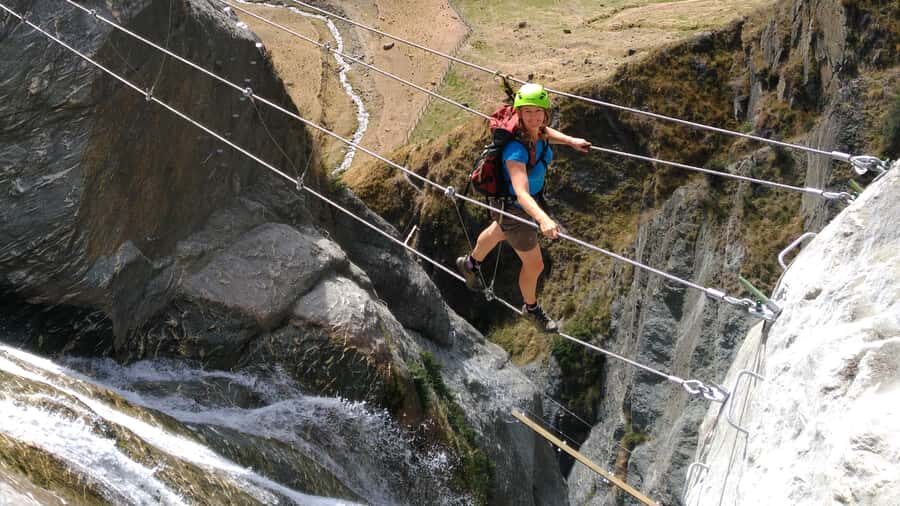
If you’re chasing thrills, the suspension bridges are the moment. As you work your way up, you cross bridges that add motion and exposure. Even if the climb itself is manageable, bridges can mess with your brain a bit. You’re high up. The waterfall is right there. And you can feel that open air around you.
This is why the intermediate rating matters. It’s not “kid gloves,” but it’s not the hardest version either. The key is how well you handle heights during the crossing itself.
A strong piece of advice shows up in guidance from real participants: if you’re scared of heights and you struggle to regulate your reaction, this isn’t a great fit. One person called out that because you’re responsible for hooking yourself into the climbing system all the time, the exposure is real. I’ll translate that into practical terms: you don’t just need bravery. You need steadiness.
What helps most on bridges is to slow down your decision-making. Move one step at a time. Keep your eyes on the next connection point, not on the drop. Breathe out slowly before you reach. It’s not macho training. It’s basic nervous-system management.
The upside is that the bridges deliver views you don’t get from any normal viewpoint around Wanaka. You see farmland and mountains, plus the lakeside region opening up as you climb. It’s a rare chance to look down and out while still being hands-on in the action.
Summit lunch at a 60m waterfall base: the break that makes it all feel worth it
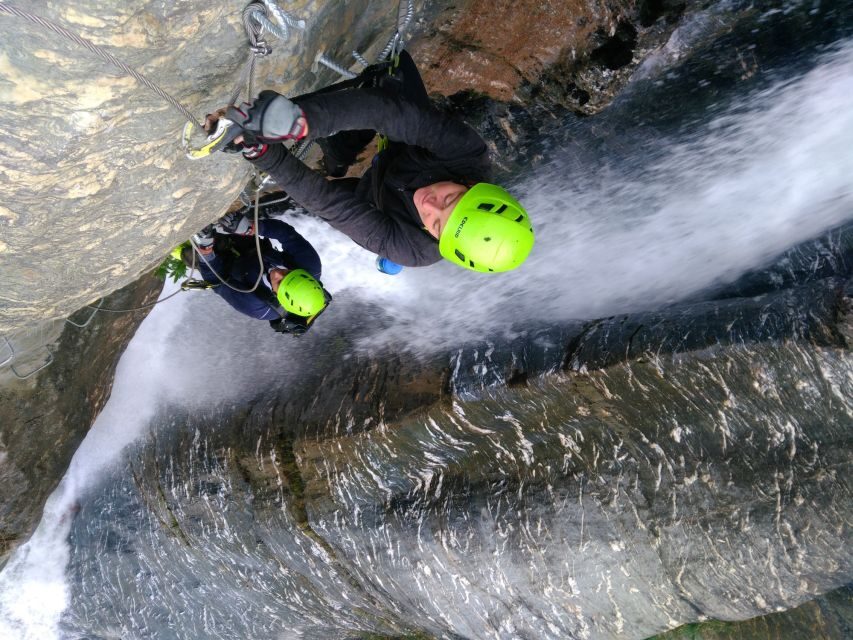
When you reach the summit of the climb, you relax at the base of the 60m waterfall for lunch. This is one of those details that quietly improves your whole day.
Why? Because via ferrata climbs can feel like constant work. Getting a proper break mid-experience means you can reset your legs, eat, and take in the views with less urgency. The lunch is included, so you’re not budgeting for a meal at an isolated spot.
There’s also time to do something simple and human: a quick swim, if conditions allow and you feel like it. One of the best-reviewed moments was the chance for a cold dip in the waterfall, which is exactly the kind of “I can’t believe this is my life” memory that sticks.
If you’re the type who worries about being cold, wet, or tired, this is your check-in point. Eat first, then decide if you want water time. If you want photos, it’s easier when you’ve stopped climbing and can actually pose.
Guides often help capture the moment too. In one group, the team took photos and sent them afterward, which is helpful because you’ll be busy focusing on your hands and feet during the climb.
The 45-minute descent: how to end strong instead of wiped out
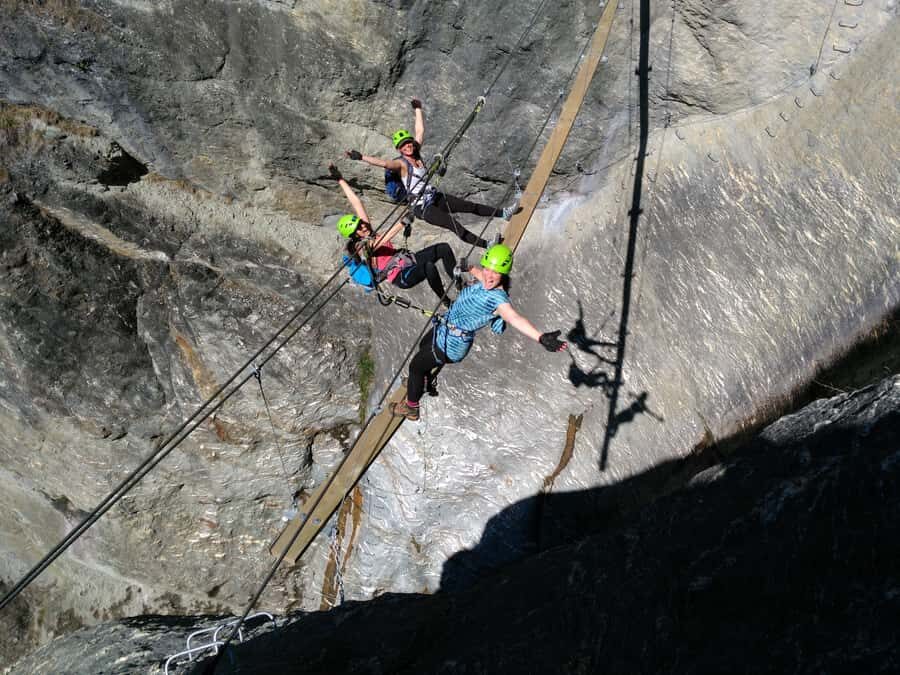
After lunch, you start the descent. The information you have is clear: the walk down takes about 45 minutes back to the starting point.
Descent is where people sometimes get overconfident. You’re not “done” just because you reached the top. Your legs may be tired, and your body may still be carrying tension from the exposed sections. Take your time. Use the same methodical movement you used during the climb.
Also, think about footwear. You’ll want shoes with grip for mixed surfaces. Comfortable doesn’t mean soft soles. It means you can place your feet with confidence, especially after a few hours of climbing.
And do a quick mental inventory. Water bottle isn’t included, so bring one if you can. Even if you sweat less than you expect, a hydration habit helps your body recover during that last hour.

What to bring for a comfortable intermediate climb (and what not to forget)
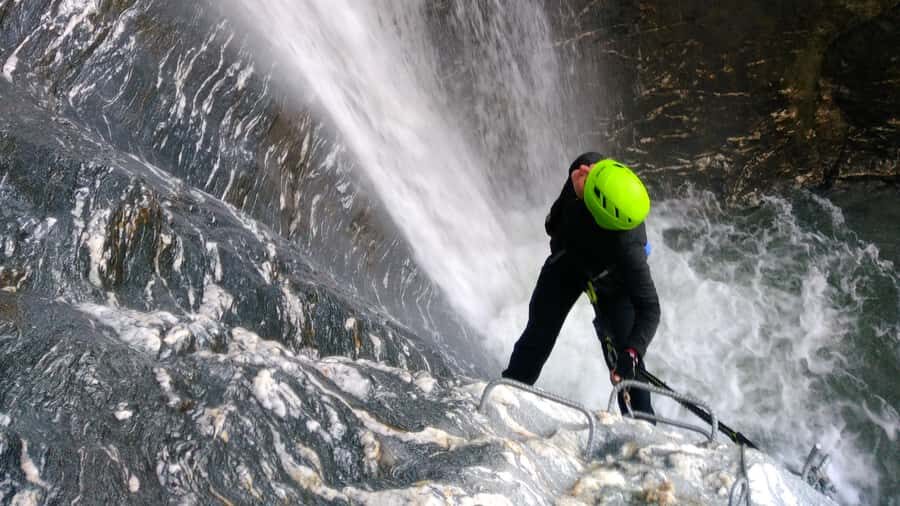
This activity blends hiking, rock-climbing style movement, and walking. So your packing list should match that reality.
Bring:
- Comfortable shoes and hiking shoes with solid grip
- Swimwear (optional for the swim time near the waterfall)
- Weather-appropriate clothing and outdoor clothing
- A camera at your own risk (if you bring one, treat it like an extra task)
- If you have one, a GoPro is recommended, attached to your person
Don’t count on buying water there. A water bottle is not included, so bring your own. Also, sunscreen matters. Even if it’s not blistering hot, you’re exposed and moving for hours.
One more practical item: full body mobility is required. That means you should feel comfortable raising arms, stepping into stable positions, and moving through harness gear without feeling trapped.
And know the limits:
- Not suitable for children under 10
- Not suitable for pregnant women
- Not suitable for people under 88 lbs (40 kg)
If any of those apply, skip this climb and look for a different kind of Wanaka adventure.
Price and value: $224 for a guided 4-hour climb with lunch and safety gear
The price is $224 per person for a 4-hour experience. On paper that can feel steep—until you map out what you’re getting.
Included:
- Expert guide
- Lunch
- Climbing safety equipment and briefing
- Introductory training climb
You’re paying for the systems access, not just scenery. The whole attraction is that fixed cable-and-rung setup next to waterfalls, and someone skilled is there to keep you moving safely through it. You’re also not doing this as a big crowd event. The small-group structure (up to 5 people per guide) adds value because you get more attention.
There’s also transport, and feedback is strong here: a 95% perfect-score rating for transport. That matters when you’re driving in rural Wanaka conditions and want your day to start without stress.
If you’re deciding between spending money on one active day versus a cluster of smaller tours, this one has a clean reason to exist: it’s high-effort, guided, and memorable in a way that a standard viewpoint just can’t replicate.
Who this Wanaka via ferrata day suits best
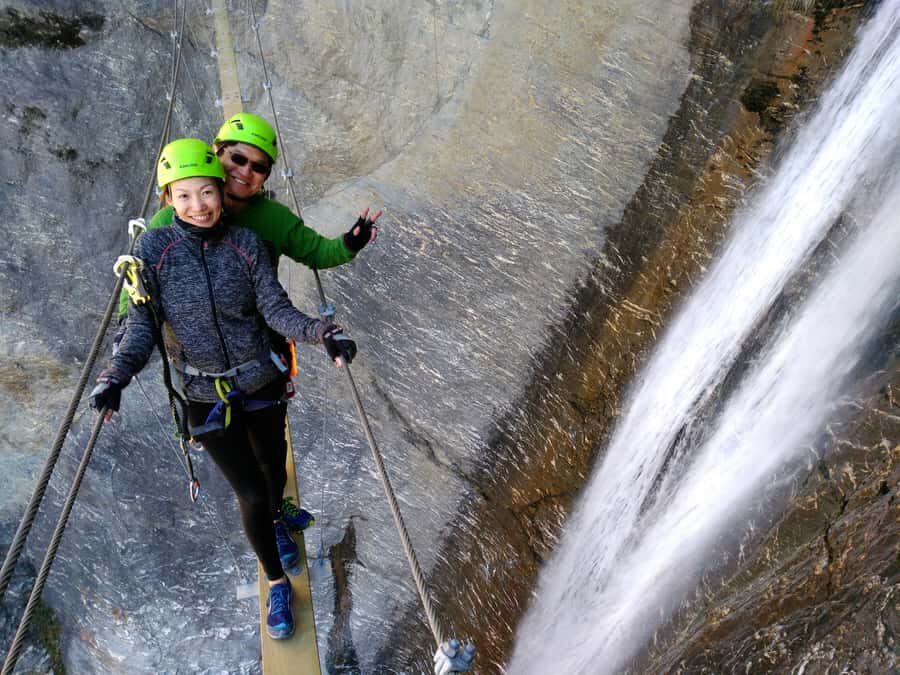
This intermediate waterfall cable climb is a great fit if you want:
- A first-time-friendly via ferrata route (you don’t need prior climbing experience)
- A controlled challenge with expert guidance
- A day that mixes vertical climbing, exposed bridge crossings, and real scenery payoff
- A fun group structure that stays intimate
It also works for a wide age range. One older couple specifically noted it wasn’t an issue for them, and other groups included teenagers and adults, with guides taking time to explain the system to a younger participant. That’s a good sign if you’re bringing a teen who can handle heights but needs reassurance about how to clip in.
It’s not a good fit if:
- Heights make you panic or you can’t regulate the fear response
- You can’t meet the mobility requirement
- You’re under 10, pregnant, or under 40 kg
Should you book Wanaka’s 4-hour waterfall cable climb?
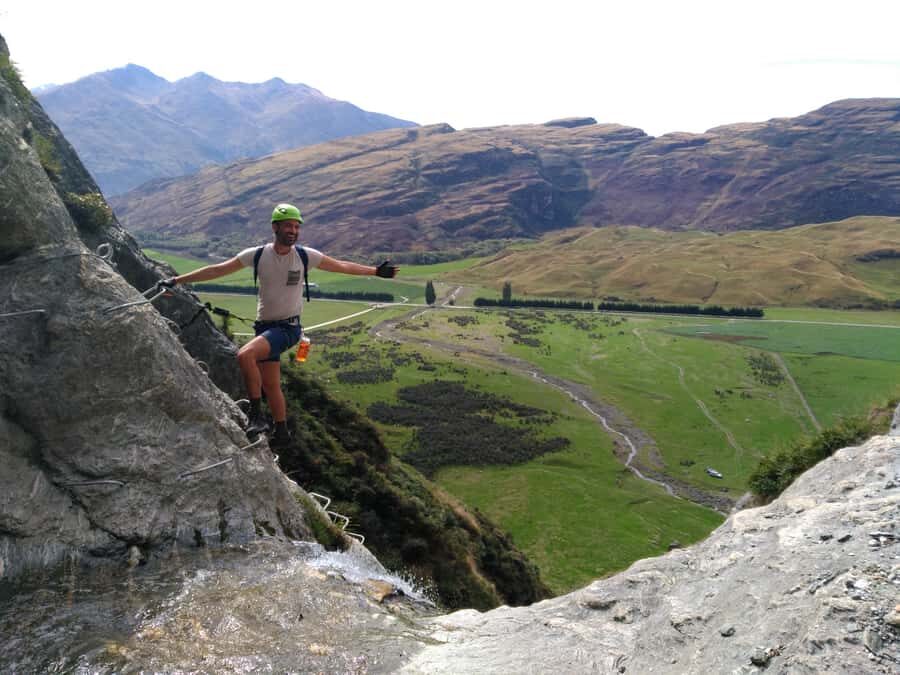
Book it if you can handle exposure and you want a guided challenge that feels like a once-a-trip story. The 320m climb, suspension bridges, and waterfall lunch add up to an experience with real intensity and a clear structure: practice, climb, pause, lunch, descend.
Skip it if you know you’ll struggle with heights even with coaching. This isn’t a gentle hike. You’re clipped into a system, moving next to waterfalls, and crossing bridges where your brain will be part of the work.
If you’re on the fence, ask yourself one question: can you stay calm enough to keep focusing on the next step? If yes, you’re going to have a day you talk about for years. If no, Wanaka has plenty of other adventures that won’t demand that level of courage.
FAQ
How long is the Wanaka 4-hour intermediate waterfall cable climb?
The total experience time is 4 hours.
Do I need any climbing experience to do the intermediate route?
No. You don’t need prior climbing experience, and the expert guides assist you. You’ll also do an introductory training climb at the base first.
What’s the height and difficulty level on this intermediate climb?
You climb 320 meters up vertical cliffs on an intermediate route. The day involves a mix of hiking, rock climbing, and walking, and it requires moderate fitness and full body mobility.
Who shouldn’t do this activity?
It isn’t suitable for children under 10, pregnant women, or people under 88 lbs (40 kg).
What should I bring?
Bring comfortable shoes or hiking shoes, swimwear, weather-appropriate outdoor clothing, and a camera if you want photos (at your own risk). A water bottle is not included, so plan to bring one.
Where do I meet for the tour from Wanaka?
Meet at a locked farm gate with the activity provider sign in front of two waterfalls. You’ll drive west from Wanaka along the Wanaka–Mt Aspiring Road, then after about 20 minutes (near a cattle stop) pull out immediately to the left in front of the waterfalls. If you reach the ski field road or a gravel road, you’ve gone too far.