REVIEW · ROTORUA
Rotorua Hiking: Mt Tarawera Guided Volcanic Crater Experience
Book on Viator →Operated by Kaitiaki Adventures Aotearoa · Bookable on Viator
Mt Tarawera is a volcano with a pulse. This guided crater hike from Rotorua mixes geology storytelling with real hiking on uneven volcanic ground, plus big views over the Waimangu geothermal area.
I love that the day runs with pickup and drop-off from your Rotorua hotel, so you’re not juggling car logistics. I also like the focus on what the 1886 eruption changed—how the terrain you walk on connects to the Waimangu Valley and the famous Pink and White Terraces.
One thing to take seriously: this is not an easy stroll. Even with a guide and group support, it’s strenuous at times, can feel exposed on steep bits, and weather can turn the crater edge cold and windy fast.
In This Review
- Key things I’d plan around
- How the Mt Tarawera Crater Experience Works (And Why It’s Worth Doing)
- What you’re really paying for
- Rotorua Pickup and Timing: The 4.5-Hour Rhythm You’ll Feel
- Stop 1: Kaitiaki Adventures Meeting Point and Your Safety Setup
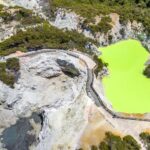
- Stop 2: Waimangu Volcanic Valley Views That Make the Geology Click
- The eruption connection you’ll walk with
- Stop 3: Rerewhakaaitu Bretts Road Camping Area (A Useful Transition Stop)
- Stop 4: Mt Tarawera Crater Edge Hike, Steep Bits, and the Optional Scree Run
- The hike difficulty: plan for work, not just views
- Optional scree run: fun if you’re prepared
- Weather matters more than you think
- Guides You Can Actually Learn From (And Feel Safe With)
- What to Wear: Socks, Shoes, and Layers That Actually Help
- Lunch and Food Planning: A Half-Day Means You Should Be Ready
- Who This Guided Mt Tarawera Hike Fits Best
- The Value Question: Is $121.01 a Good Deal?
- Should You Book This Mt Tarawera Crater Experience?
- FAQ
- How long is the Mt Tarawera crater hike tour?
- What does the tour cost, and what’s included?
- Do I need to bring lunch?
- Is there pickup and drop-off from my Rotorua hotel?
- Is this hike suitable for beginners?
- Will I hike on my own or with a guide?
- Is there more than one time option?
- What about the crater run or scree portion?
- What if weather is bad?
Key things I’d plan around
- Guided crater hiking, no navigation stress: you follow marked routes with a professional Kiwi guide and a group pace.
- Waimangu Valley panoramas: you’re rewarded with wide views tied to the eruption that reshaped the area.
- A real climb to the crater edge: winding trails up, then a steep return on uneven ground.
- Optional scree run: a controlled slide/run into the volcanic crater adds adrenaline if you’re up for it.
- Practical hiking tips from the field: higher socks can help prevent scoria from irritating your ankles.
- Max 20 people: it stays small enough for attention, but you still need to manage your own balance and stamina.
How the Mt Tarawera Crater Experience Works (And Why It’s Worth Doing)
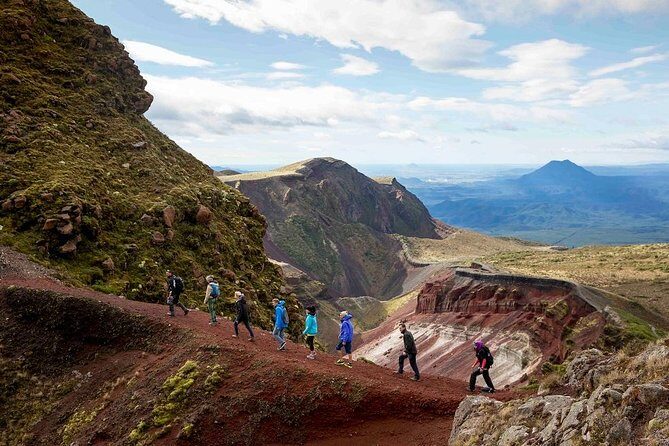
This half-day hike is built around one simple idea: you’ll experience Mt Tarawera in motion, not just from a lookout. You travel off-road into the central North Island wilderness, then walk trails that take you from the mountain area up toward the crater’s edge. Along the way, your guide connects what you’re seeing—rock, slopes, and geothermal surroundings—to what happened in the 1886 eruption.
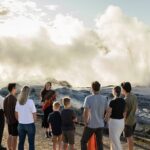
You’ll also get that classic “wow” moment of volcanic scale. From the rim, the views over the geothermal Waimangu Valley aren’t a quick snap-and-leave. The guides pace the hike in shorter segments, and you get time to look around, not just keep climbing.
You can also read our reviews of more guided tours in Rotorua
What you’re really paying for
At $121.01 per person, the cost isn’t only the hike. You’re paying for:
- a professional guide who can explain the geology and history as you walk
- transport (free pickup and drop-off from your Rotorua hotel)
- a guided route that reduces the risk of getting lost on a rugged trail
That’s also why this can feel better value than DIY. You’re buying time and confidence, especially if you’re not a trail-first person.
Rotorua Pickup and Timing: The 4.5-Hour Rhythm You’ll Feel
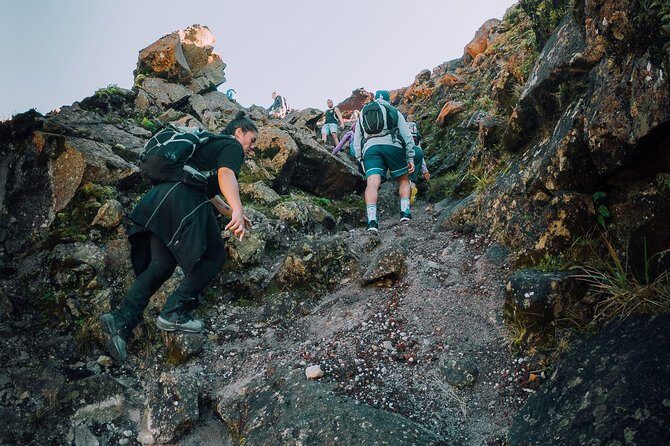
The tour runs about 4 hours 30 minutes total, and you can usually choose a morning or afternoon slot. That time frame matters because Mt Tarawera isn’t gentle. You’ll be moving on a half-day schedule that packs the climb and crater-edge views into a focused window.
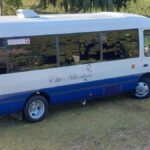
You’ll start with Kaitiaki Adventures as the first stop. Then you’ll head out toward the hike start area by road, including rougher sections. Expect a bumpy ride on dirt/bush roads; one traveler noted the transport can be less like a smooth highway transfer and more like a true off-road approach.
This tour keeps its size tight: maximum 20 travelers. That’s big enough to have variety in the group, but small enough for a guide to manage hiking pace and safety.
Stop 1: Kaitiaki Adventures Meeting Point and Your Safety Setup
At Kaitiaki Adventures, you get the “gear and expectations” portion of the day. This is where you find out the vibe: you’re going for a guided hike with some steep and uneven terrain, and you’re not expected to sprint.
It’s also a good moment to check your own readiness. If you’re thinking, I’m “moderately fit” but not really a hiker, take that seriously. The most common theme from the hike stories is that people who show up with proper footwear (and proper socks) feel way better once the trail turns rough.
A few travelers specifically recommend wearing higher socks to reduce irritation from scoria when it gets inside boots on talus slopes. That’s the kind of real-world problem you only notice once you’re on the rocks—so it’s worth acting on early.
Stop 2: Waimangu Volcanic Valley Views That Make the Geology Click
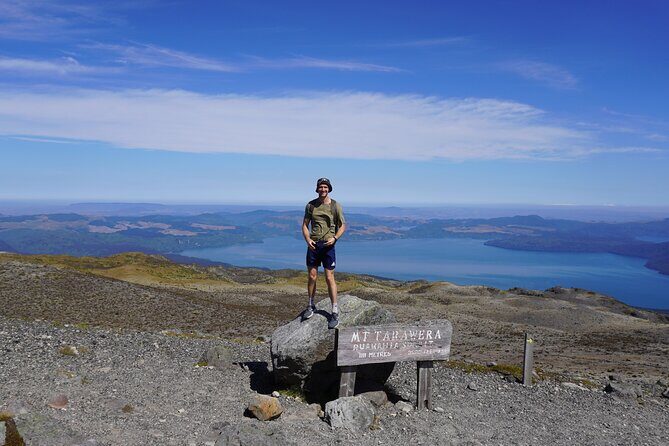
After Kaitiaki Adventures, you head toward the geothermal zone with Waimangu Volcanic Valley as a highlight stop. This is where the tour starts doing more than moving your feet.
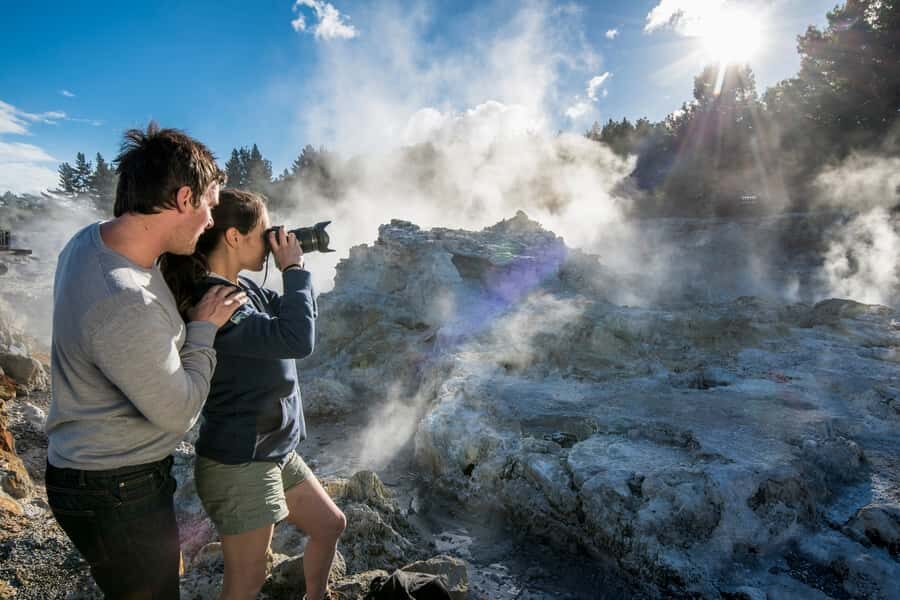
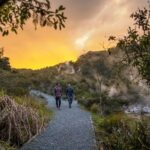
From Waimangu, and later from the crater area, you get the kind of panoramic volcanic views that make the eruption story make sense in your head. You’re not just hearing facts. You’re seeing the terrain those facts created.
You can also read our reviews of more hiking tours in Rotorua
The eruption connection you’ll walk with
The guides focus on the infamous Mt Tarawera eruption on June 10, 1886—and what it changed. The eruption created the world’s youngest geothermal valley, Waimangu, and it destroyed the legendary Pink and White Terraces.
Why that matters on a hike: when you later stand near the crater edge and look around, the “why is this rock like this?” questions stop feeling random. The terrain becomes evidence.
Stop 3: Rerewhakaaitu Bretts Road Camping Area (A Useful Transition Stop)
You’ll pass through Rerewhakaaitu Bretts Road Camping Area as Stop 3. This stop functions like a transition—moving from earlier travel into the main walking phase.
Even when it’s not the most photogenic spot on paper, it’s still useful. It’s the moment where the day slows down slightly so you’re ready for the climb. And since this tour is built around safety on uneven slopes, those in-between pauses can be what keeps the hike enjoyable instead of stressful.
Stop 4: Mt Tarawera Crater Edge Hike, Steep Bits, and the Optional Scree Run
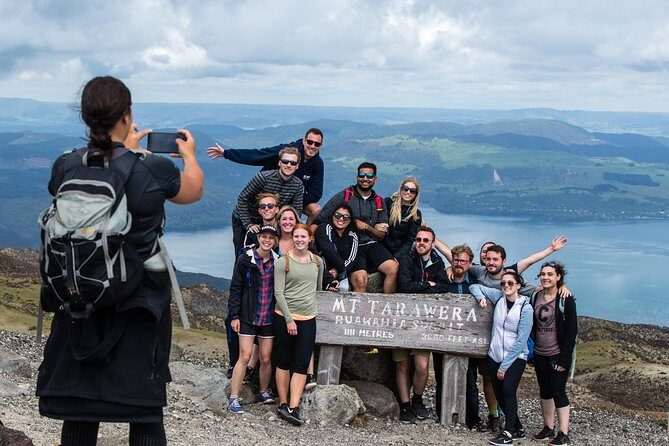
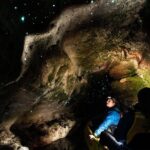
This is the heart of the experience: a guided walking route from the Mt Tarawera area up to the crater’s edge. The trail is described as winding, with volcanic ground underfoot. The views are a major payoff, including wide sightlines over the geothermal Waimangu Valley and what can feel like 360-degree panorama moments.
The hike difficulty: plan for work, not just views
Multiple travelers stressed the same point: this is not an easy hike. It can feel strenuous at times, and uneven ground plus steep downhill sections can make people work harder than expected. If you’re afraid of heights or you don’t like exposed edges, this may not be the right fit.
Also, your legs should be ready for a return downhill. One traveler described the steep, uneven come-back down as a real challenge. You don’t need to be an elite hiker, but you do need coordination and balance.
Optional scree run: fun if you’re prepared
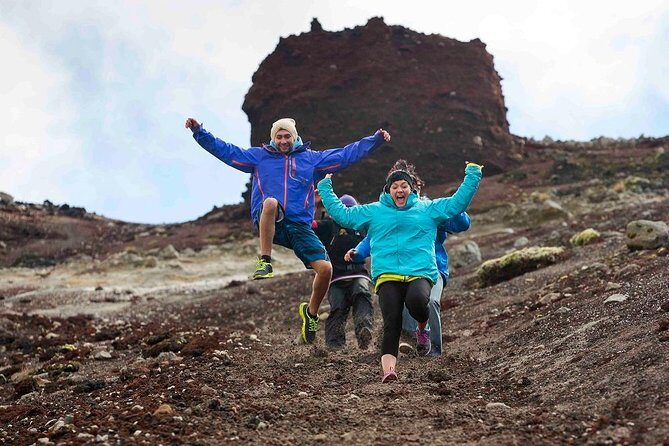
One signature feature is an optional scree run in to the heart of the volcanic crater. This is the adrenaline version of the hike. It’s also why footwear and balance matter even more: you’re dealing with loose volcanic fragments (scoria/talus type ground).
If you choose to do it, listen closely to your guide. The goal isn’t speed. It’s control, safety, and enjoying the descent without wrecking your ankles.
Weather matters more than you think
Several travelers noted wind and cold, especially in early autumn. Crater edges can catch gusts. If it’s windy, you’ll feel the temperature difference fast. If weather is poor enough, the tour may be canceled and rescheduled or refunded.
Guides You Can Actually Learn From (And Feel Safe With)
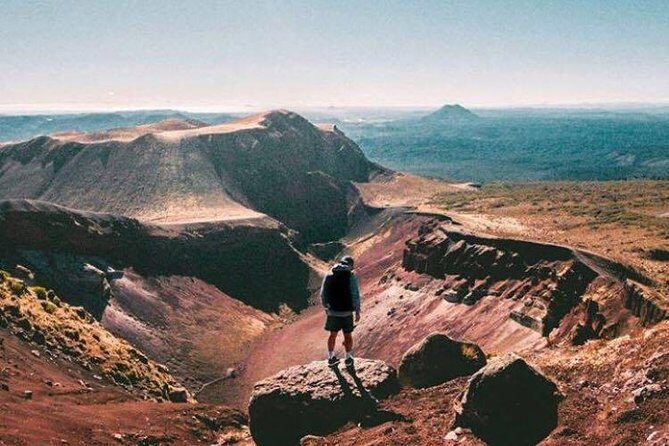
This is a guided tour with a professional Kiwi Guide. What stands out is how often the guides are described as both capable and genuinely good at group management—keeping pace, offering encouragement, and adjusting when someone needs help.
A number of guide names come up often in the stories: Jesse and Hauri, Jonathan, Chucky and Deborah, Jack/Jacky, Napier/Chuckie, Dan/Daniel, AJ, and Frank. You won’t choose your guide, but the pattern is clear: the team is strong on explanation and on keeping people safe on uneven terrain.
If you like cultural context and geology facts to show up together, you’re in the right place. One traveler highlighted how their guide shared Māori history, and the overall tone is that the guides treat the maunga as more than a workout.
What to Wear: Socks, Shoes, and Layers That Actually Help
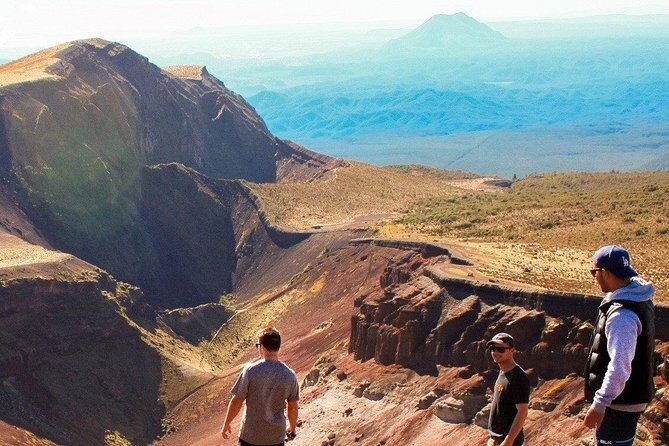
If you remember one practical thing, make it this: wear proper hiking shoes and consider higher socks.
Here’s why:
- volcanic slopes can include loose scoria/talus
- loose debris can work its way into boots
- higher socks can reduce cuts and irritation around the ankle area
Also, bring layers. Even if Rotorua mornings are mild, the crater edge can be cold and windy. A light wind layer and warm top can make the difference between enjoying the panorama and wanting to rush the photos.
Finally, don’t treat this as a sneakers-only day. One traveler said trainers seemed fine before the hike, then found the ground slick/awkward on scree. If you have any doubt, go for real traction.
Lunch and Food Planning: A Half-Day Means You Should Be Ready
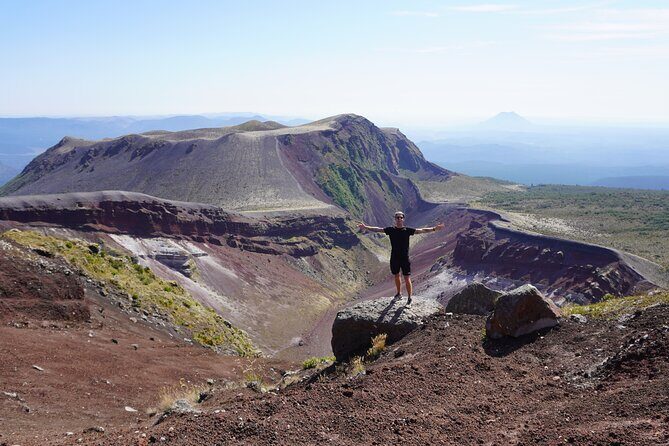
Lunch is not included. That’s not a dealbreaker, but it changes how you should think about timing.
Plan for:
- a snack or light meal before you start
- a water plan you’re comfortable with for 4.5 hours of moving
- simple calories you won’t hate eating while you’re gearing up
Since the day has a few stops and a main hike segment, having your fuel handled before you arrive will keep you from paying for it later on the climb.
Who This Guided Mt Tarawera Hike Fits Best
This experience suits you if you:
- want a guided route so you’re not figuring out the terrain on your own
- like learning geology while you walk through it
- can handle moderate fitness and some steep/uneven ground
- want panoramic crater-edge views without committing to a full day
You might want to skip it if you:
- are very afraid of heights
- don’t feel comfortable on uneven trails and steep descents
- expect an easy, flat hike
The small group size also helps. You can still meet people, but the hike doesn’t feel like a cattle line.
The Value Question: Is $121.01 a Good Deal?
Price is always personal, but here’s the way I’d judge value for this tour.
You get three big cost centers covered:
- Pickup and drop-off from your Rotorua hotel
- A guided crater hike with safety on rugged volcanic ground
- Transport out to the hiking area on off-road routes
Also, the experience isn’t only a hike. It includes the geology and eruption story tied directly to what you’re seeing: the 1886 eruption, the creation of Waimangu, and the loss of the Pink and White Terraces.
If you were to do this independently, you’d still need transport, route knowledge, and a way to interpret what you’re seeing. Paying a single fee for that package often feels fair—especially with the guide attention that comes with a max of 20 people.
Should You Book This Mt Tarawera Crater Experience?
I’d book it if you want an active, guided volcano day with real science and real views, and you’re willing to show up with solid footwear and a calm attitude toward steep, uneven bits.
Skip it if you want a relaxed hike, or if heights and scree make you anxious. This one rewards people who respect the terrain.
If you’re deciding at the last minute, my advice is simple: aim for proper shoes, consider higher socks for ankle protection, and plan for wind. Do those things, and Mt Tarawera feels like the kind of Rotorua experience you’ll remember long after the photo folder fills up.
FAQ
How long is the Mt Tarawera crater hike tour?
It lasts about 4 hours 30 minutes.
What does the tour cost, and what’s included?
The price is $121.01 per person. Included are the 4.5-hour Mt Tarawera Crater Experience, a professional Kiwi guide, and free hotel/motel pickup.
Do I need to bring lunch?
Lunch is not included.
Is there pickup and drop-off from my Rotorua hotel?
Yes. Free hotel/motel pickup and drop-off are included.
Is this hike suitable for beginners?
The tour is geared toward people with moderate physical fitness. It isn’t described as easy, and it can include strenuous parts, steep uneven ground, and exposure.
Will I hike on my own or with a guide?
You’ll be fully guided with a professional Kiwi guide and a group, which helps you avoid navigation stress.
Is there more than one time option?
Yes. There are morning or afternoon tours so you can choose what fits your schedule.
What about the crater run or scree portion?
There’s an optional scree run into the heart of the volcanic crater.
What if weather is bad?
This experience requires good weather. If it’s canceled due to poor weather, you’ll be offered a different date or a full refund.