REVIEW · DUNEDIN AND THE OTAGO PENINSULA
Southern Skies Stargazing Tour in Dunedin
Book on Viator →Operated by Horizon Tours · Bookable on Viator
Twinkling skies need a plan. This small-group stargazing tour out on the Otago Peninsula pairs clear-night viewing with warm drinks, light food, and Māori stories about the heavens.
I especially like that it keeps things comfortable and focused: you get coffee, tea, and light snacks, plus a light supper and hot drink while you wait for the sky to properly darken. I also like the human touch—personal attention on a max-10 tour, and a guide named Kylie who helps you aim your camera so the Milky Way doesn’t stay a blurry idea.
One thing to consider: the star-viewing depends on getting fully dark and on weather conditions, so clouds can shift what you see that night—even though the guide works to find better angles.
In This Review
- Key highlights at a glance
- Why Dunedin’s southern sky is worth a guided night
- Price and value: what $109 buys you in real terms
- Getting to the stars: pickup, timing, and how the night runs
- Otago Peninsula farm stop: warm drinks, Māori stories, and the first view
- Allans Beach stargazing: settling in for longer-sky moments
- Māori perspective on the stars: more than names on a chart
- Small-group attention with a guide named Kylie
- Aurora australis: what to expect, and how the guide handles real weather
- What to bring for a 4-hour night out
- Who this tour suits best
- Should you book Southern Skies Stargazing Tour?
Key highlights at a glance

- Max 10 travelers means more time with your guide and fewer people blocking your view
- Coffee, tea, light snacks, plus a light supper keep you warm while you wait for dark
- Māori sky stories add meaning to the constellations beyond just naming them
- Hotel pickup and drop-off from select hotels lowers the hassle in Dunedin
- Otago Peninsula farm spot + Allans Beach gives you two different stargazing moods
- Aurora australis viewing is possible under certain conditions, with flexibility if clouds show up
Why Dunedin’s southern sky is worth a guided night
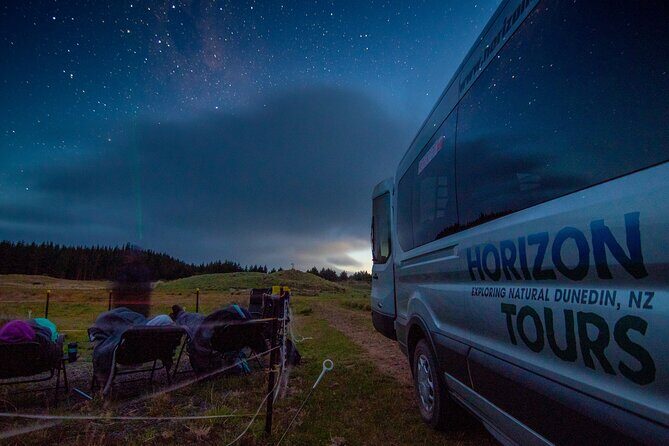
Dunedin and the Otago Peninsula sit in a place where the night sky feels close—especially when you’re far from city glow and the timing is right. The Southern Skies tour is built around that reality: it doesn’t rush you into darkness that isn’t ready yet. The evening start is seasonal, because they’re aiming for the sky to be completely dark before you really settle in.
What makes this tour genuinely appealing is the balance. You get the practical side—hot drinks, light food, and a small group where you can actually see and photograph. Then you get the “why” behind the stars, with a Māori perspective on celestial bodies. It turns stargazing from a checklist into a story you’ll remember when you’re back on daylight time.
And yes, you’ll be outside at night. That’s part of the point. The tour is designed to keep you comfortable while you wait for the sky to do its thing.
You can also read our reviews of more tours and experiences in Dunedin and The Otago Peninsula.

Price and value: what $109 buys you in real terms
At $109 for roughly 4 hours, this isn’t a bargain, and it isn’t trying to be. The value comes from three places you can feel right away:
- You’re paying for expert time and setup. With a group cap of 10, you’re not fighting a crowd for attention. The guide can help you re-position for better viewing and help with photo moments.
- You’re paying for comfort. Coffee, tea, light snacks, plus a light supper and hot drink means you don’t have to eat a full dinner or bring your own whole cold-weather kit just to last the evening.
- You’re paying for location. Otago Peninsula and Allans Beach are not “walk out your door” spots from central Dunedin. The tour moves you to places with better conditions for the southern sky.
If you’re traveling solo, the small-group format matters even more. I like that the experience is set up to make you feel included, not parked on the edge.
Getting to the stars: pickup, timing, and how the night runs
The tour starts at 50 The Octagon in Central Dunedin, and it ends back at the same point. If you’re staying in an area covered by the provider, hotel pickup and drop-off is available from select hotels, which is a huge quality-of-life upgrade after a day of driving or walking.
Timing is where the real planning happens. The start time depends on the season because the sky has to be fully dark. That’s not a trivial detail. Staring at stars through dusk and glare is like trying to watch a movie with the lights half-on. They’re working toward the “switch flip” moment when the southern sky becomes properly visible.
Also keep in mind the tour is about two main viewing stretches, each around an hour. That structure helps. You get time to settle, listen, drink something warm, and then switch locations when the scene improves.
Otago Peninsula farm stop: warm drinks, Māori stories, and the first view
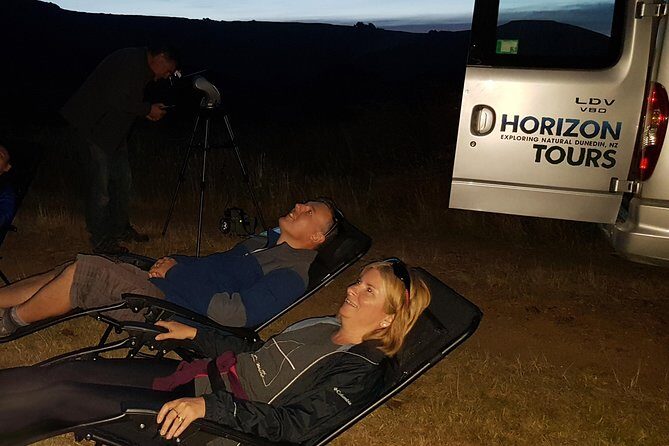
Your first stop is on the Otago Peninsula, at a farm setting. This is where you start the night with a mix of comfort and meaning: you look at the stars, you listen to Māori cultural stories, and you enjoy a light supper and hot drink.
Why that matters: farm-area stargazing gives you a better chance of dark-sky conditions compared to being closer to town. Even when the sky isn’t crystal-clear, being in the right location improves what you can pick up—especially in the southern sky.
The Māori storytelling element also sets the tone early. You’re not just waiting for darkness like a passive passenger. You’re learning as you wait, so the whole hour feels “used,” even before you’re photographing the Milky Way.
A small caution: because this is an outdoor night setting, comfort depends on weather. Even with warm drinks provided, you’ll want to dress for cold air and wind that can show up on the peninsula at night.
Allans Beach stargazing: settling in for longer-sky moments
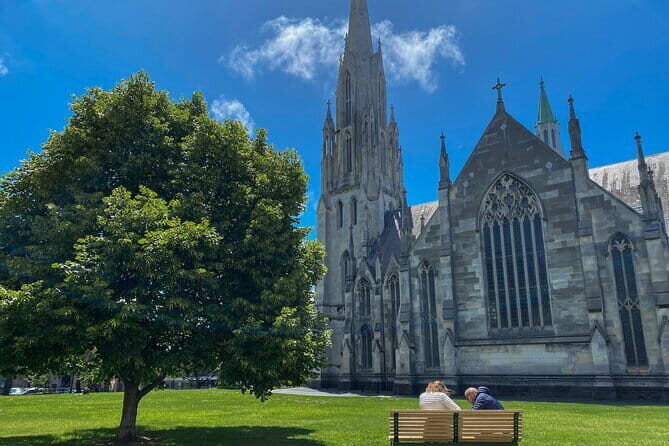
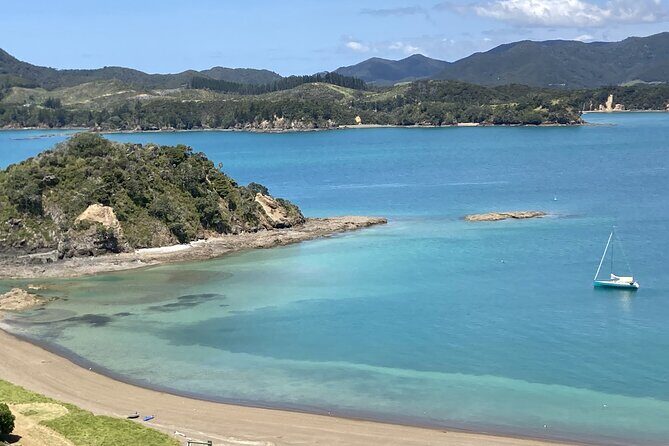
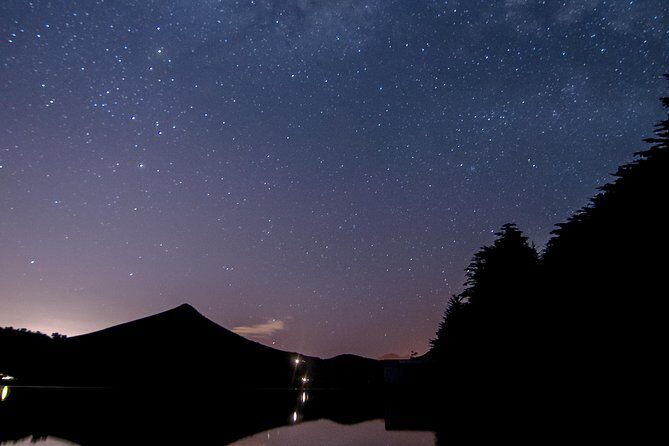
After the farm stop, you head to Allans Beach for the second viewing session. This part is less about food and more about staying put—settling in and focusing on stargazing and stories.
Beaches can be hit or miss depending on conditions, but the potential payoff is big: you often get open sightlines and fewer obstacles between you and the sky. With the tour duration being around 4 hours total, this second hour is your chance to get more consistent viewing once your eyes adjust to the dark.
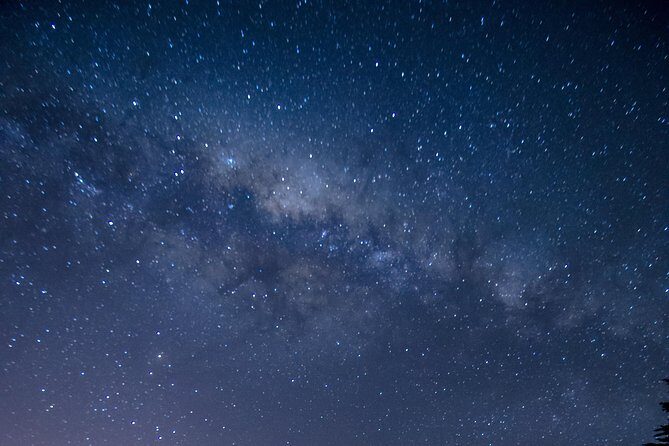
If you’re the type who wants photos, this is the time to slow down. The tour is designed for watching and photographing the sky, with the guide helping you while you’re busy trying to capture what your brain already knows is beautiful.


Māori perspective on the stars: more than names on a chart
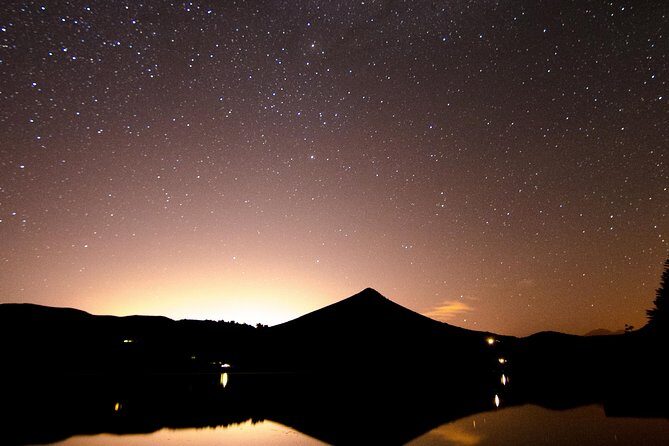
A big reason I’d recommend this tour is the Māori perspective on the sky. Instead of treating the stars like distant objects with labels only, the guide shares stories connected to celestial bodies. That changes the feeling of the night.
You’ll hear cultural stories during the viewing time, not in a classroom-style lecture. It’s timed to your surroundings: you’re listening while you look up. That combination tends to stick. And it also makes the tour feel respectful and grounded in local meaning, not just tourism.
The goal isn’t to replace science or “star map” thinking—it’s to add a layer of understanding that helps you see the sky as part of a living worldview.
Small-group attention with a guide named Kylie
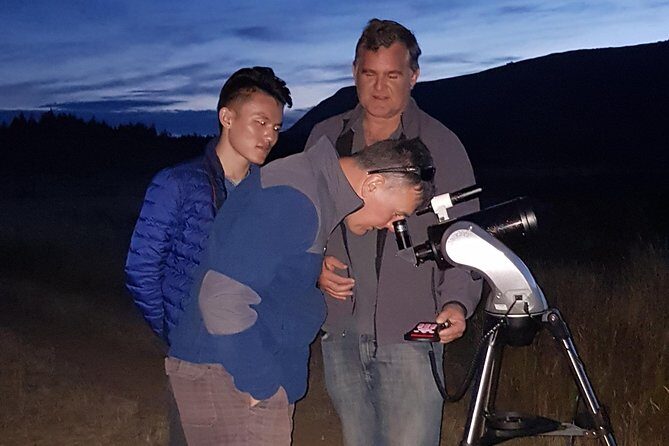
The tour caps at 10 travelers, and that shows in the way the experience works. With fewer people, the guide can spend time helping everyone keep their angle right and keep their attention where it matters: toward the sky.
One review specifically called out Kylie’s welcoming approach, especially helpful for solo travelers. Another highlighted how she takes care of the group while people are trying to photograph the Milky Way, plus that her singing added extra fun to the atmosphere.
That kind of guidance matters on a stargazing tour. Night photography isn’t just technical—it’s timing, patience, and knowing when to shift position. A guide who watches the sky with you (and checks on your comfort) makes the whole night smoother.
Aurora australis: what to expect, and how the guide handles real weather
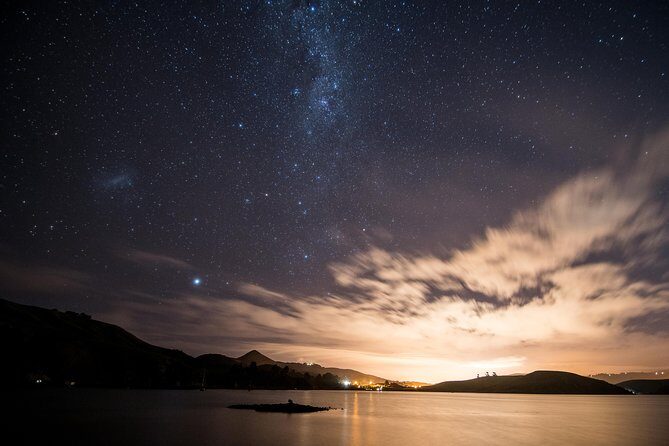
The tour is described as being ideal for viewing the southern lights (aurora australis) under certain conditions. That’s honest. Aurora viewing isn’t guaranteed, and it depends on the night and space-weather conditions.
What you can control as a traveler is your willingness to adapt when the sky doesn’t cooperate. One review noted the guide went out of their way to bring the group to see more of the night sky because of cloudy skies. That tells you the operator isn’t just waiting for a perfect moment with a shrug.
So here’s the practical takeaway: don’t plan this as a guaranteed aurora hunt. Plan it as a guided night of southern-sky viewing that may include aurora if conditions allow, and where the guide actively improves your odds when the sky gets messy.
What to bring for a 4-hour night out
The tour includes warm beverages and light food, which is a big relief. Still, you should plan like you’ll be outside for hours at a time.
I recommend bringing:
- Warm layers for cold night air
- A hat or something to protect your head if wind shows up
- A camera or smartphone you can steady if you want to try photos
- A way to keep your hands warm, because fiddling with settings is harder when your fingers feel frozen
If you’re doing Milky Way photos, the guide’s help can make a real difference. And since they’re guiding a small group, you’re more likely to get quick adjustments rather than waiting behind a line.
Who this tour suits best
This is a strong pick if you:
- Want southern sky stargazing with context, not just time spent looking up
- Like cultural storytelling and want Māori perspective built into the experience
- Prefer small-group tours with personal attention
- Are traveling solo and want a guide who clearly makes space for you
It’s also good if you’re short on time in Dunedin. You get peninsula and beach viewing within about 4 hours, with a schedule designed around darkness.
If you’re the kind of traveler who only wants a high-probability aurora and nothing else, you may feel less satisfied. That’s not the fault of the tour—it’s how aurora viewing works. But for stargazing plus stories, it’s a very solid deal.
Should you book Southern Skies Stargazing Tour?
If you want an evening that mixes warm comfort, small-group attention, and Māori stories about the stars, I think this is worth booking. The $109 price makes sense when you factor in two dedicated viewing locations, the included drinks and light supper, and the guide support—especially if you’re hoping to photograph the sky without getting stuck figuring it out alone.
I’d book it now if your priority is a well-paced night out under the southern sky, with a guide who helps you see more even when the weather isn’t perfect. Just be realistic: aurora australis depends on conditions, and stargazing at night is always weather-aware.
If the idea of coffee in your hands, a beach horizon in front of you, and Kylie’s stories guiding your eyes upward sounds like your kind of evening, you’ll probably be very happy with this one.