REVIEW · WANAKA
Wanaka: Full-Day Guided Packrafting Tour with Lunch
Book on GetYourGuide →Operated by Wanaka River Journeys · Bookable on GetYourGuide
Glacial rivers and inflatable boats? This day on the Matukituki River hits fast. You get real packrafting time under snow-capped peaks and glaciers, plus a riverside swim break and picnic lunch. The one big catch: you must be able to swim to join.
What really makes it feel like a guided adventure, not a chaotic activity, is the human touch. I like how the day includes gear fitting, a safety brief, and paddle tuition before you’re sent down-river. And if you’re lucky enough to have guides Sue and Kaylie, their calm confidence makes the whole process click quickly.
In This Review
- Key things to love about this Wanaka packrafting day
- Why the Matukituki River packrafting day feels different
- Getting to the action: Wanaka meeting point and the mountain shuttle
- Gear-on in the cold: what’s included and what you should bring
- Paddle prep: safety briefing and first strokes
- The river day: wave trains, calm eddies, and real swimming holes
- Lunch on the riverbank: why a picnic stop matters
- Step-by-step flow of your 7-hour adventure
- Is packrafting here worth the cost? Value check at $256
- Who this tour suits best (and who should skip it)
- Should you book Wanaka River Journeys’ Matukituki packrafting?
- FAQ
- Where do I meet for the shuttle?
- What’s included in the tour price?
- Do I need to be able to swim?
- How long is the full experience?
- Who isn’t this tour suitable for?
- What should I bring?
Key things to love about this Wanaka packrafting day
- Exclusive Matukituki access with dramatic Mt Aspiring National Park scenery
- Real coaching before you paddle, including technique and safety basics
- A full river day with two paddling sections and a lunch stop on the bank
- Swim opportunities in turquoise swimming holes, made safer with the right kit
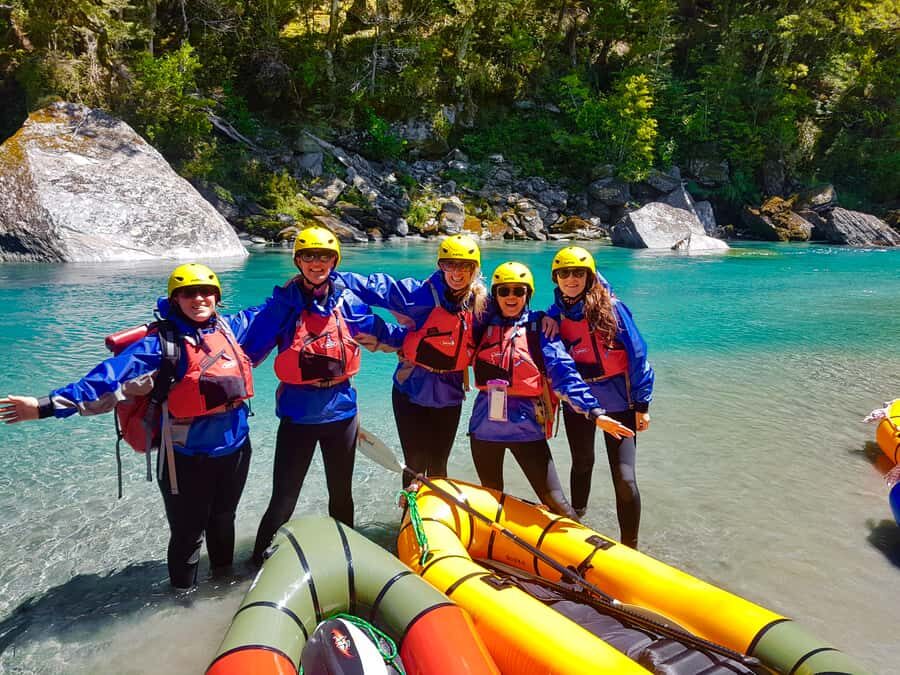
- Warmth-focused included gear like wetsuit, spray jacket, helmet, and PFD
Why the Matukituki River packrafting day feels different
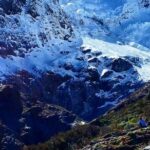
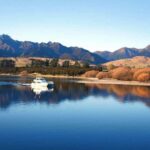
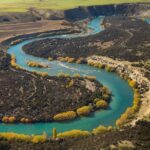
Most outdoor days in New Zealand are impressive. This one adds speed, water sounds, and the satisfaction of moving under your own power. The Matukituki River sits in Mt Aspiring National Park country, so even when you’re just cruising into calmer stretches, you’re surrounded by mountains, waterfalls, and glacier-fed scenery.
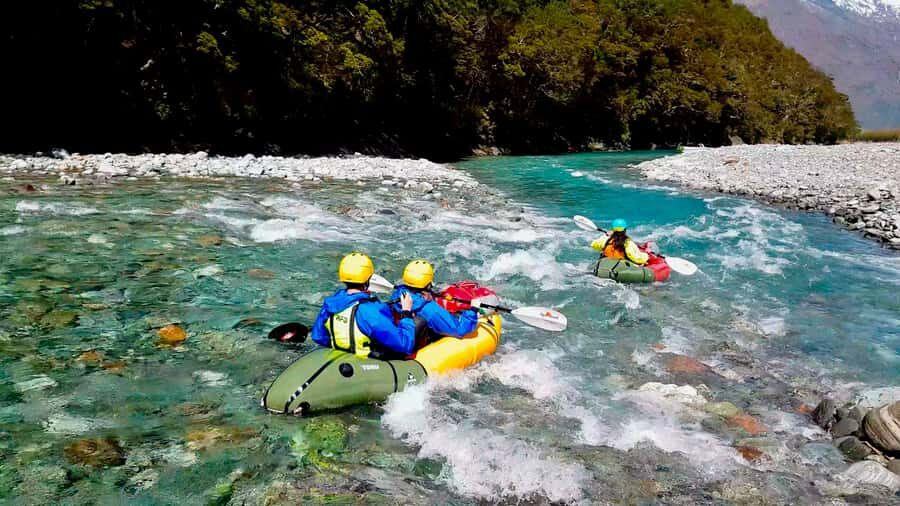
Packrafting is also a better fit for rivers like this than you might expect. These are fun, inflatable boats, but the ones used here are described as stable and strong. That matters because it turns your day from fear-management into play—paddle through wave trains, work with the flow, then slide into calmer eddies where you can rest your arms and focus on balance.
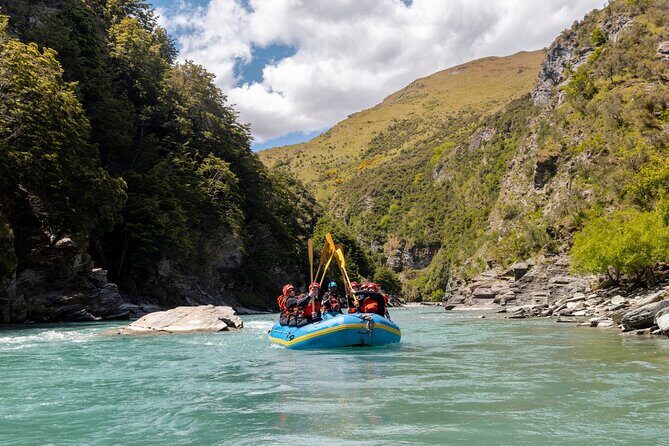
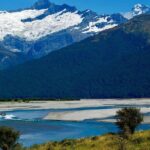
And yes, you’ll paddle beneath snow-capped mountains and glaciers. That visual is the headline, but the feel is what stays with you: cold water brushing past your spray jacket, your paddle dipping cleanly, and the constant sense that you’re riding a living system.
You can also read our reviews of more guided tours in Wanaka
Getting to the action: Wanaka meeting point and the mountain shuttle
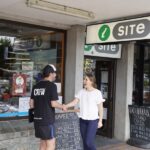
You start in Wanaka with a shuttle departing outside of the Lake Wanaka i-SITE. The day begins from 99 Ardmore Street, then you’re on a scenic drive that’s long enough to set expectations and short enough that you still feel energized for the water.
That shuttle time is part of the experience, not dead time. You travel through the Matukituki Valley under towering mountains, glaciers, and waterfalls. Even before you touch a paddle, it’s a quick education in why this river is worth the effort.
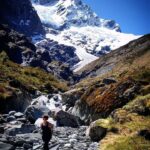
Once you’re in the park area, there’s a short walk (about 20 minutes) that gives your eyes a break and helps you notice terrain and water features you’ll later recognize on the river. Then there’s a short van transfer before the formal safety and prep time.
Gear-on in the cold: what’s included and what you should bring
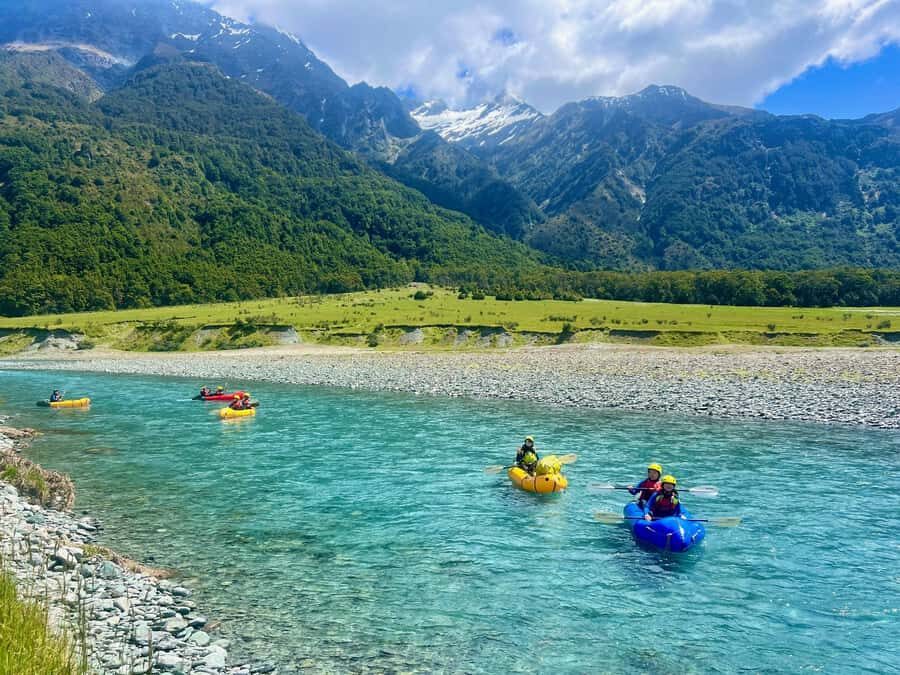
This tour takes warmth and safety seriously, and you’ll feel it right when you suit up. Included gear covers the big-ticket items that make packrafting possible in cold mountain water:
- Wetsuit
- Booties
- Spray jacket
- Helmet
- PFD (personal flotation device)
- Packraft and paddle
So you’re not hunting for the right size wetsuit or trying to guess if your “water shoes” will survive. The equipment is part of the plan. It also means your energy goes to paddling and scenery instead of logistics.
Still, you should show up prepared. Bring swimwear, thermal clothing, sports shoes, socks, sunglasses, a towel, and a change of clothes. A reusable water bottle helps because you’ll want to hydrate, especially after time in a wetsuit. Drinks aren’t included, so having water sorted is a small but smart win.
The tricky part here isn’t just temperature. It’s the water shock if you flip or take a dip. The trip is designed for people who can swim, and the safety setup is built around that reality. If cold water is a worry, plan for it mentally and physically. The best approach is to treat the day like a water sport, not a casual sightseeing cruise.
Paddle prep: safety briefing and first strokes
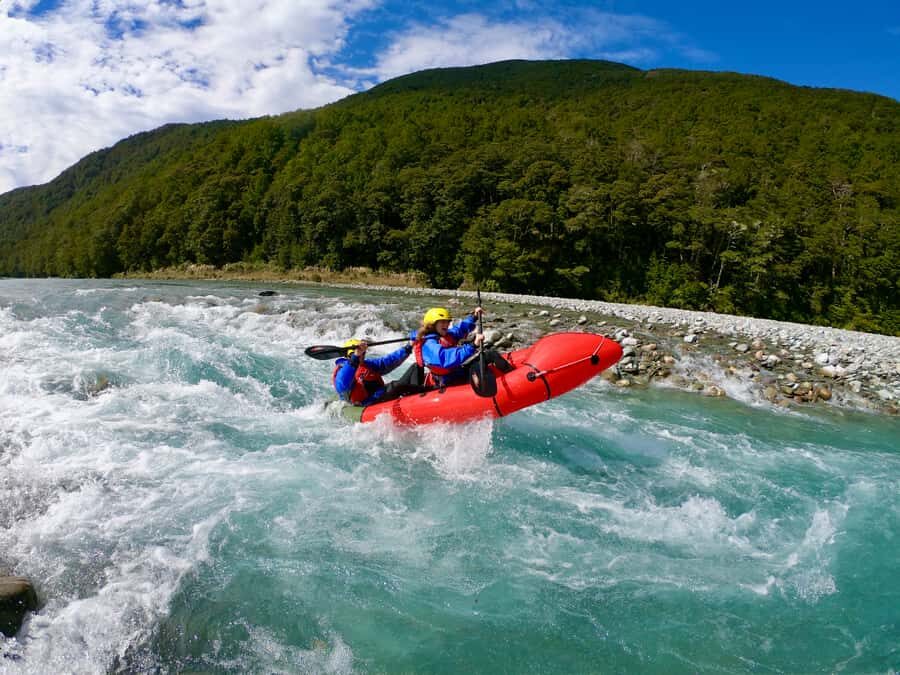
Before you go down-river, you get gear-on, safety brief, and paddle tuition. That sequence is key. It keeps everyone aligned on how to hold the paddle, how to move with the boat, and what to do if conditions change.
The safety briefing and break time together add up to about 30 minutes. That’s long enough to cover essentials and short enough that you don’t spend the whole morning waiting. You also get time to settle your body after getting kitted out and before committing to the river.
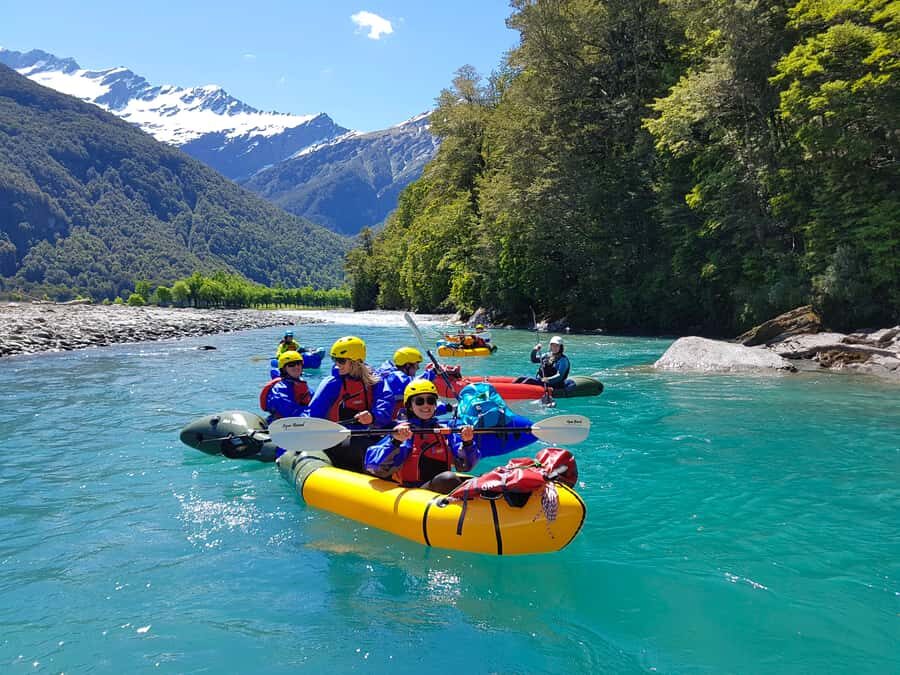
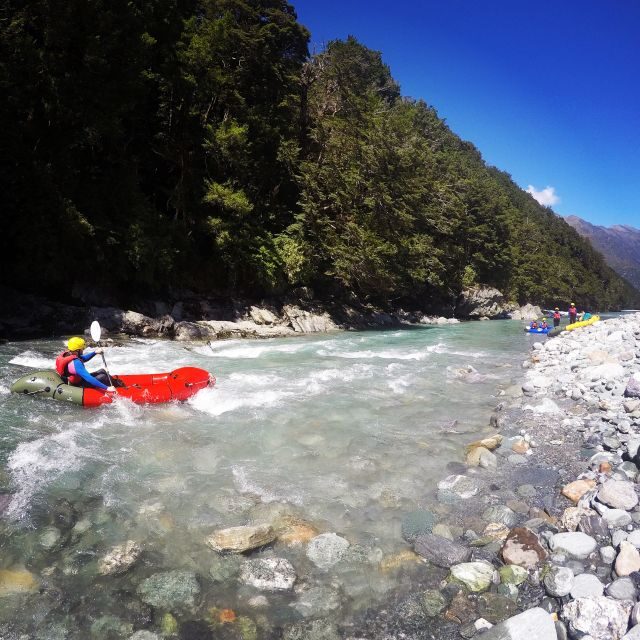
Then you start paddling one of New Zealand’s most spectacular mountain rivers. Expect a mix of motion and technique. You’ll ride wave trains, paddle into calm eddies, and float with the river flow. That blend keeps it fun. You’re not constantly working your arms in rough water, and you’re not just drifting.
The river day: wave trains, calm eddies, and real swimming holes
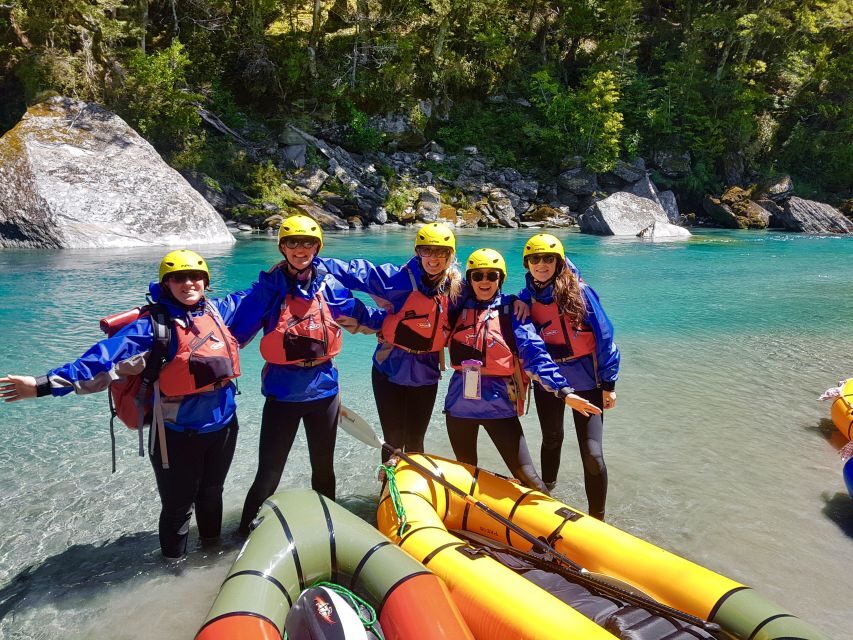
Your first rafting/paddling section is about 2 hours. This is where the day earns its adventurous reputation. The river pushes you to pay attention—where you sit, how you angle your paddle, and when you relax into steadier water.
One of the best parts of packrafting is how quickly you can adjust. If you feel you’re drifting wide, your paddle placement changes your line. If you want a breather, you move toward calmer water and use the eddies to reset. The guides help you get comfortable with that rhythm.
Midway through the day, lunch happens on the riverbank. You’ll also get time to play in turquoise swimming holes. The trip description makes it clear this is part of the fun, so don’t treat it like an optional bonus. Treat it like one of the day’s scheduled moments.
After lunch, you head back down for about 1.5 more hours of paddling. By then, you’re not a beginner anymore. Your body understands the boat. Your hands know what to do with the paddle. You’re more likely to relax, enjoy the scenery, and notice the way the river shape changes as you go.
And when the day ends, it’s because you’ve actually spent hours moving. The guides aim to have you paddling like a pro by the time you’re finished, and the pacing supports that goal.
Lunch on the riverbank: why a picnic stop matters
Lunch is only about 30 minutes, but it’s perfectly placed. You need a reset after time in a wetsuit and after your arms start to feel the effort of steering through moving water.
Because it’s a picnic lunch by the bank, you get a different kind of scenery break—more stillness, less paddling concentration, and a chance to watch the river run past without participating in every second.
A practical note: drinks aren’t included. If you’re the type who easily forgets to drink during active days, plan for it. Bring your own water and treat hydration like part of your gear.
You’ll also want to manage your temperature after lunch if you’ve been swimming. A towel and change of clothes are there for a reason. Don’t skip them thinking you’ll dry off quickly. Mountain water stays cold long enough to make you uncomfortable if you get it wrong.
Step-by-step flow of your 7-hour adventure
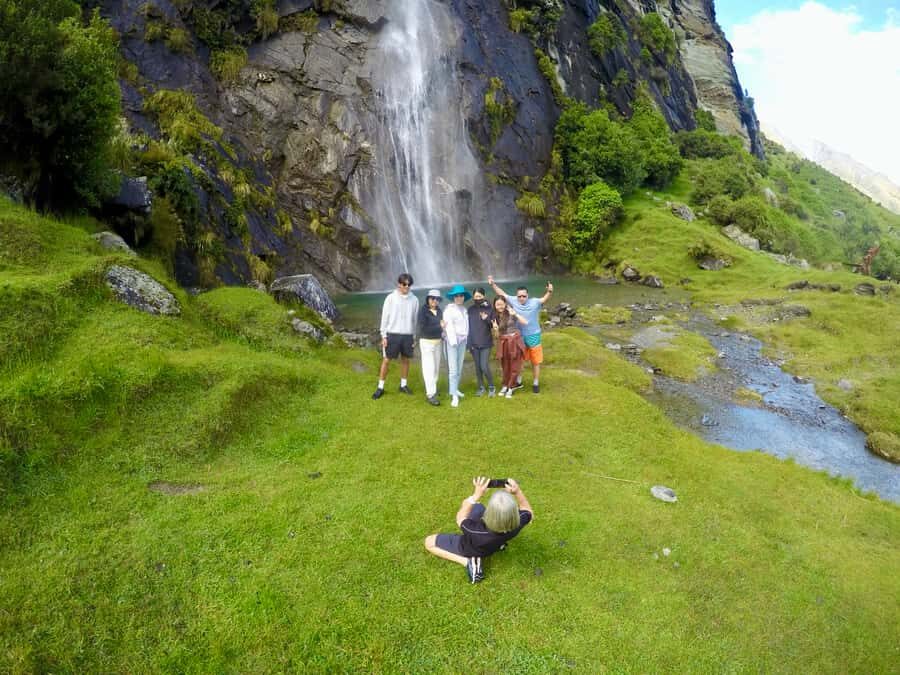
Here’s how the day typically unfolds, and why the timing is set the way it is:
Start in Wanaka (99 Ardmore Street) + shuttle to the park
You meet outside the Lake Wanaka i-SITE and head out on a scenic drive that’s about an hour. That’s enough time for the scenery to register and for the group to get organized.
Short walk for a landscape read (about 20 minutes)
In Mount Aspiring National Park territory, you get a short walk. It’s not about a long hike workout. It’s about giving you a visual reference for what you’ll see and experience on the river.
Van transfer + break + safety briefing (about 30 minutes total)
There’s a brief van ride, then a break and the safety talk. This is where you learn what matters most: paddling basics, safety expectations, and how to move as a group.
Paddling down-river (about 2 hours)
This first river run is your learning block. You’ll practice control through wave trains and find your comfort using calmer eddies.
Lunch on the bank (about 30 minutes)
You refuel, cool down or warm back up depending on conditions, and get a chance to enjoy the river from shore.
More paddling (about 1.5 hours)
This second section is where you get to use your skills. You’re not starting from scratch again; you’re building confidence and enjoying the ride.
Return to Wanaka (about 1 hour)
When you’re done, you head back by shuttle to Wanaka and finish at 99 Ardmore Street. At that point, you’ll likely feel the day in your shoulders and legs, which is exactly what you want from an active outing.
Is packrafting here worth the cost? Value check at $256
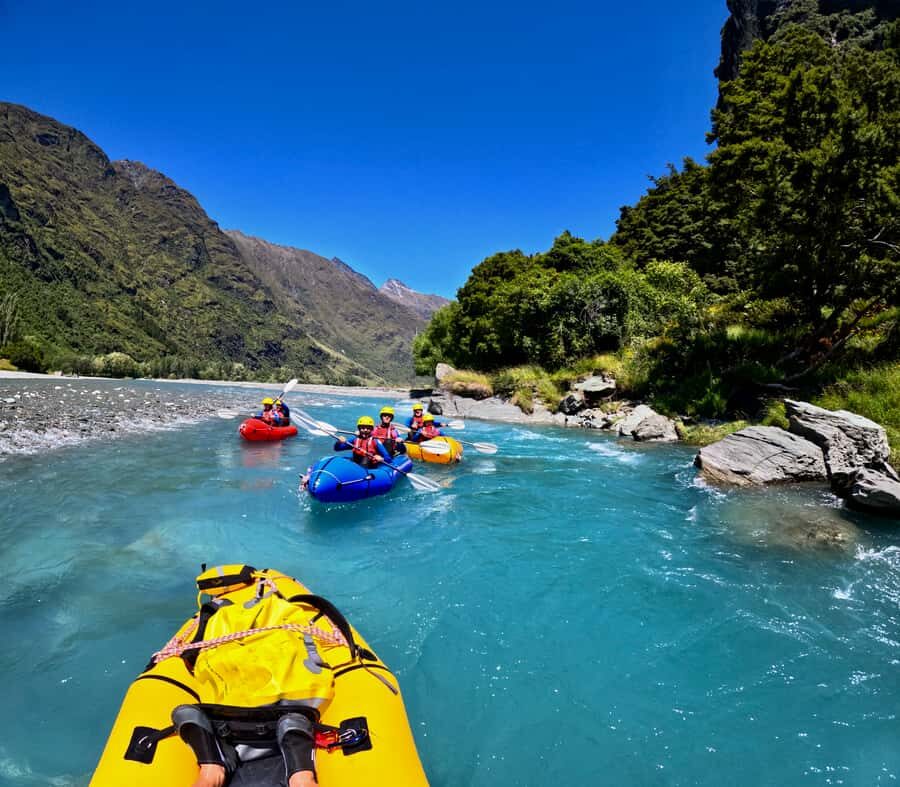
At $256 per person for a 7-hour guided day, it’s not the cheapest thing you can do in Wanaka. But it’s also not just paying for a ride in water.
You’re getting a guided experience with:
- A full-day structure that includes paddling time and a riverside lunch
- Included wet gear that would be expensive and annoying to source yourself
- Safety equipment like helmet and PFD
- Packraft, paddle, and instruction so you’re not guessing on the river
- A shuttle that builds in travel time without making you plan logistics
If you were trying to replicate parts of this independently, the gear and safety coaching are the expensive pieces. Here, they’re bundled in a way that keeps the day focused on the actual adventure: paddling, swimming holes, and Mt Aspiring scenery.
So for the right person, it feels like solid value. For someone who wants a mellow half-day with dry shoes and zero swim risk, it’s probably overpriced because this is built around water time and confidence.
Who this tour suits best (and who should skip it)
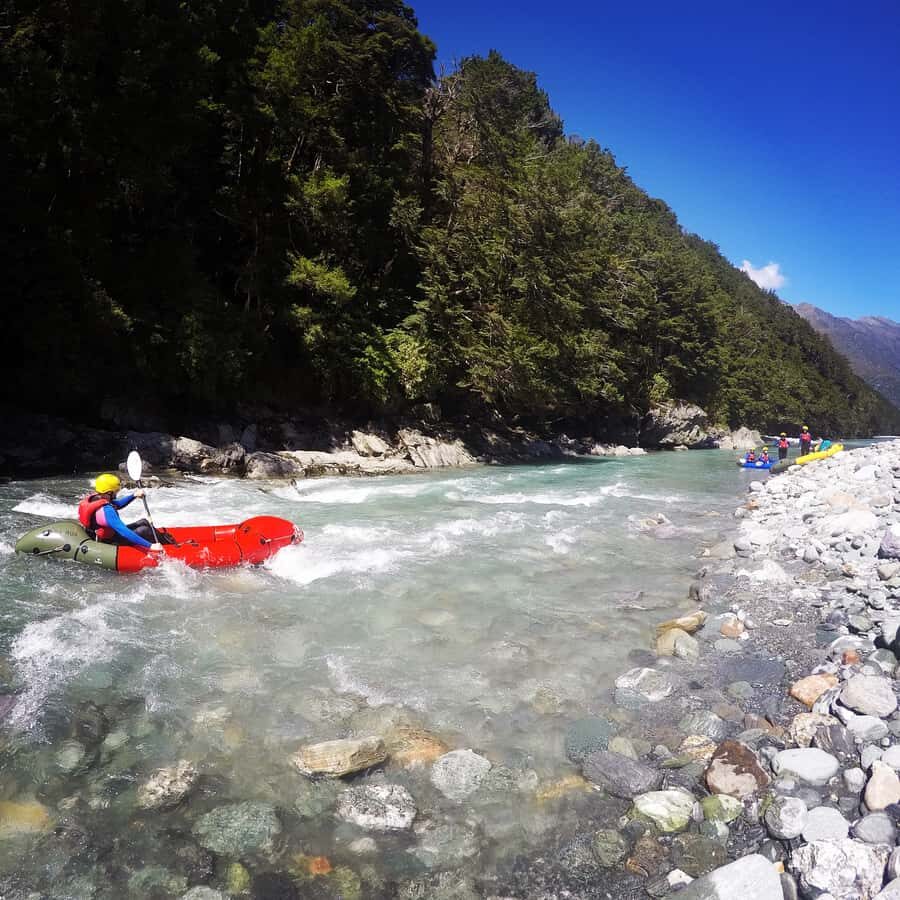
This is for people who can handle an active water day. The big requirement is swimming ability. The trip description is direct: you must be able to swim to join.
It also isn’t suitable for:
- Children under 10
- Pregnant women
- People with back problems
- Non-swimmers
If that fits you, you’ll probably love it. You’ll enjoy the coaching, the river play, and the way the day balances instruction with real momentum. The pacing also works well for travelers who want a full chunk of adventure without spending their entire day hiking or organizing transportation.
If you’re a first-time paddler, that’s fine. The tuition and gear support are part of why this works as a guided day rather than a DIY challenge.
Should you book Wanaka River Journeys’ Matukituki packrafting?
Book it if you want a guided, water-focused day with real scenery payoff. I’d put this high on your list if you’re comfortable swimming, don’t mind cold water sport reality, and want more than photo stops.
Skip it if swimming isn’t your thing, if you have mobility or back concerns, or if you’d rather spend your day on calmer shore-based views. Even with the safety brief and included gear, this is still an active river environment with risks that can’t be erased.
One final practical tip: pack thoughtfully. Bring the towel and change of clothes you’ll need after swim time. Bring thermal clothing to stay comfortable on the shore. And if you’re unsure about your comfort in cold water, take that seriously before you show up.
FAQ
Where do I meet for the shuttle?
You’ll meet at 99 Ardmore Street, and the shuttle departs from outside of Lake Wanaka i-SITE.
What’s included in the tour price?
The tour includes a wetsuit, booties, spray jacket, helmet, PFD, packraft, paddle, and lunch.
Do I need to be able to swim?
Yes. You must be able to swim to join this trip.
How long is the full experience?
The duration is 7 hours.
Who isn’t this tour suitable for?
It isn’t suitable for children under 10, pregnant women, people with back problems, or non-swimmers.
What should I bring?
Bring sunglasses, swimwear, a change of clothes, a towel, sports shoes, socks, a reusable water bottle, and thermal clothing.