REVIEW · CANTERBURY NEW ZEALAND
Akaroa: Guided Sunrise Sea Kayaking Tour
Book on GetYourGuide →Operated by Akaroa Guided Kayak Safari · Bookable on GetYourGuide
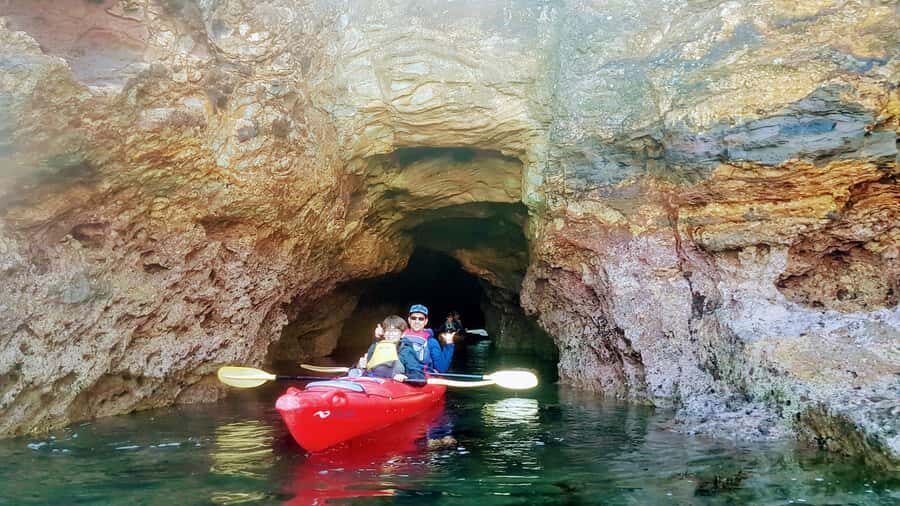
Sunrise kayaking in Akaroa feels like a secret. You’re on the water before the other boats, paddling the protected harbour for Hector dolphins and other wildlife. I also like that you get stop-and-learn moments from a local nature guide, so the scenery comes with real context, not just photos.
What really makes this tour click is the setup: a small, intimate group, a safety briefing, then your guide leads the pace through calm water with brief pauses to explain what’s happening around you. You also start right in the heart of Akaroa and get maximum water time, since you don’t need to travel out to a distant launch area.
One thing to keep in mind: wildlife isn’t guaranteed, and early mornings can be cold enough to change what you’ll see. On a perfectly calm but chilly day, you may get more birds and seals than dolphins or penguins.
In This Review
- Key things worth planning for
- First Paddle Out at Sunrise in Akaroa Harbour
- Marine Reserve Paddling: How the Tour Actually Works
- Wildlife Odds in Akaroa: Hector Dolphins, Penguins, Seals, and Birds
- 3 Hours of Maximum Water Time (and Why That’s Value)
- Weather Reality: Cold Water, Wind, and What to Pack
- Meeting Point in Akaroa: Where to Show Up and How to Prep
- Price and Value: Is $92 Worth It?
- Who This Tour Suits Best (and Who Should Think Twice)
- Should You Book This Akaroa Sunrise Sea Kayaking Tour?
- FAQ
- Where do I meet for the Akaroa guided sunrise sea kayaking tour?
- How long is the tour?
- What’s included in the price?
- Will the guide be with us during the paddling?
- What wildlife might I see?
- Is this a small group tour?
- Do I need to bring a kayak?
- What should I bring with me?
- What clothing or items are not allowed?
- Do I get a safety briefing before paddling?
- Is there free cancellation and a pay-later option?
Key things worth planning for
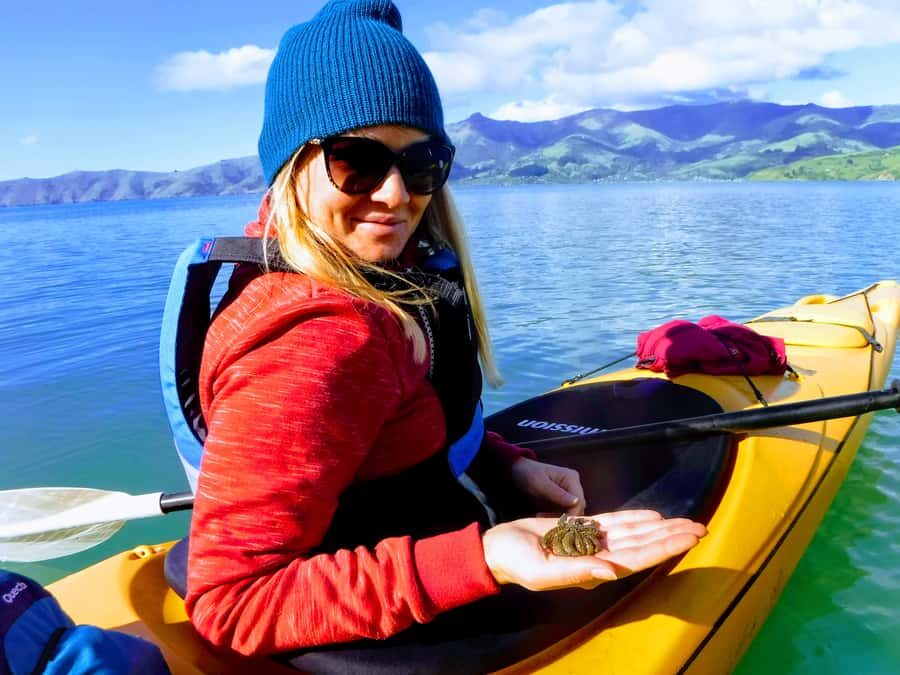
- First on the water: you usually have the harbour to yourselves while other tours start later
- A local nature guide: quick facts at the water’s edge help you read the marine reserve
- Multiple wildlife styles of encounters: you might spot Hector dolphins, penguins, fur seals, and birds
- Short stops, real paddling: the goal is a lot of time moving, not sitting through transfers
- Eco-minded handling: your guide aims to avoid unnecessary disturbance in conservation areas
First Paddle Out at Sunrise in Akaroa Harbour
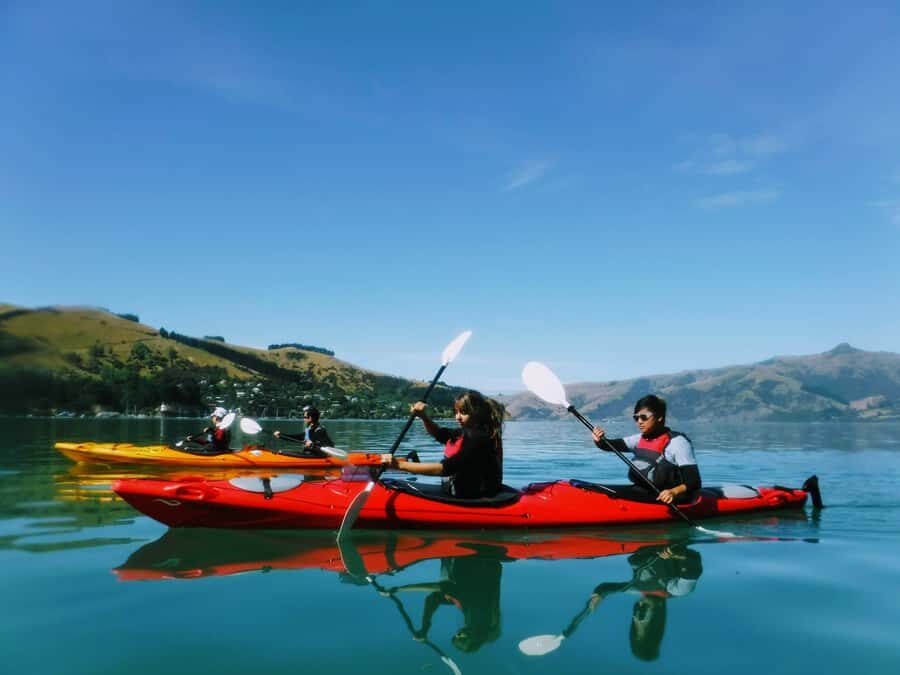
Akaroa has that classic South Island vibe—French roots on the streets, then the ocean turns it into a whole different world. The sunrise sea kayaking tour leans hard into the best part of the day: the quiet. You meet outside the Akaroa Bowling club and wait by the picnic tables, then get going early enough that you’re typically the first operators on the water.
That timing matters more than it sounds. When you go out first, you’re not paddling around other groups and wakes. You also get calmer sightlines, which helps when you’re trying to watch wildlife behave naturally—hunting, surfacing, preening, or just doing their thing without a crowd.
If you’ve read about Hector dolphins before, here’s why this kind of approach is valuable. These dolphins are native to New Zealand, and the best encounters tend to come from low-pressure viewing: quieter water, fewer interruptions, and a guide who knows when to slow down.
You might also notice the difference in guide style. Reviews point to guides like Alex and Peter, plus others such as John, Shaun, Lee, and Sheamus, all bringing a mix of instruction and stories. One guide is praised for being dynamic and smiling; another is praised for relaxed energy while still taking safety seriously. That balance is what you want on a cold, windy-ish coastline.
You can also read our reviews of more guided tours in Canterbury New Zealand
Marine Reserve Paddling: How the Tour Actually Works
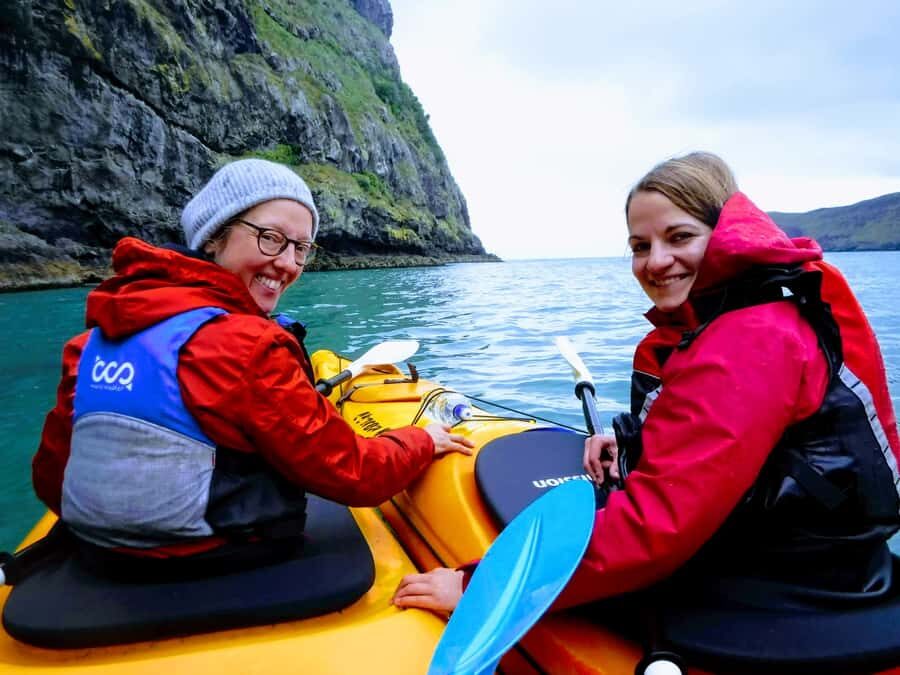
Once your safety briefing is done, the tour turns into a guided paddle with frequent, short information stops. Your guide leads you through the marine reserve, and the route isn’t just about getting from point A to point B. It’s about where you spend time.
Here’s the rhythm you can expect:
First, you’ll get instructions and get your bearings. Sea kayaking isn’t rocket science, but early sessions do help. You’ll learn how to paddle efficiently, how to manage your kayak with the wind and swell you might feel near shore, and what to do when the guide signals you to pause.
Then you move into the calm-water phase—your “nature guide mode.” The guide shares what’s around you: wildlife behaviour, local habitat, and facts on flora and fauna. Reviews back this up with people describing strong wildlife and history talk, plus clear instruction that made them feel safe and confident.
The tour also keeps breaks short. You stop briefly on the water, then you paddle again. That’s a big deal for value, because the point of sea kayaking is time on the water—feeling the motion, working with the kayak, and watching for movement you can’t see from land.
A small note from experience-based feedback: on at least one tour, a guest found it harder to hear explanations because the guide was sometimes speaking with their back turned. I’d treat this as a reminder to position yourself so you can see and hear your guide during stop moments. If you’re in the middle of the group, just lean in and angle your body toward the guide.
Wildlife Odds in Akaroa: Hector Dolphins, Penguins, Seals, and Birds
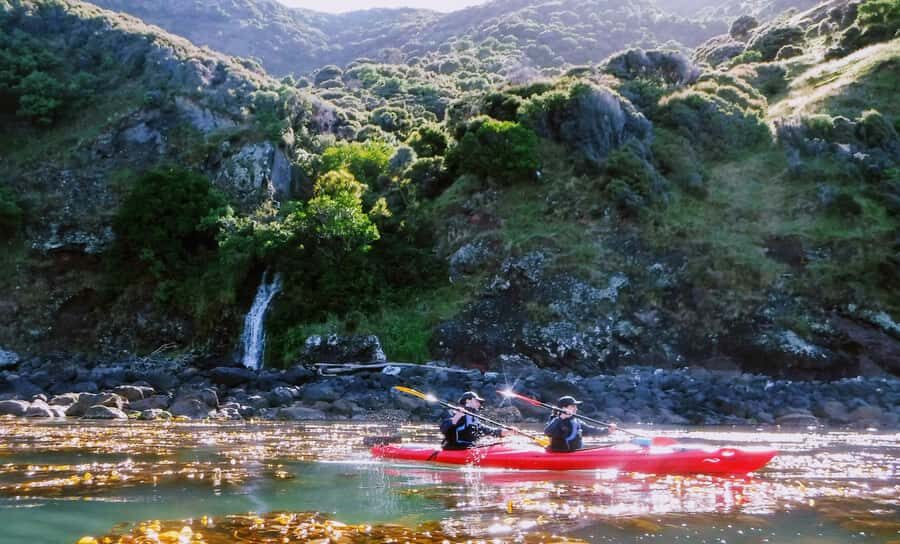
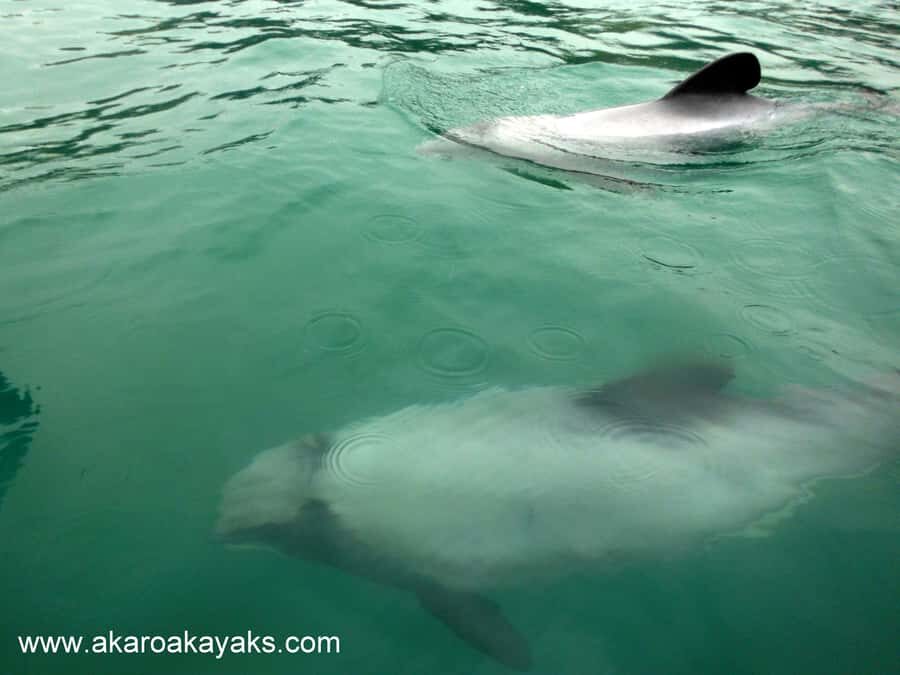
The headline wildlife for this Akaroa sunrise kayak is Hector dolphins. The information you’re given during the tour also sets you up to notice the smaller stuff—because marine encounters aren’t always dramatic at first.
Here’s what you may see, based on what’s been reported and what the tour specifically highlights:
Hector dolphins
This is the main reason many people book. Your guide watches and slows the group when something appears. When dolphins come close, the encounter can feel magical—not just a “there they are” moment, but a full behaviour window as they move near the kayak.
Penguins (white-flippered penguins)
Preening and resting birds are the kind of wildlife moment that rewards patience. On calm water and good light, you may see penguins working through their morning routine. If conditions are tough, you might still get penguin sightings, but they’re more likely to show up as brief, quiet moments rather than a long swim-by.
NZ fur seals
Fur seals can be easier to spot because they move less than dolphins. You might see them swimming, or resting and sunning on rocks. Even when dolphins don’t show up, seal sightings can still make the tour feel like a true marine adventure.
Bird life, including cormorants
Birds are often the “always there” layer. Cormorants are called out specifically, with the action being more about sudden plunging feeding behaviour than a slow glide. If you like wildlife that moves fast and makes you keep your eyes open, this part is fun.
How conditions affect what you see
One review notes that on a calm but cold morning, wildlife sightings were lower than expected. That’s not a knock on the guide—it’s just biology. Cooler mornings can mean different animal activity. Your best play is to dress for the cold so you can stay focused and comfortable long enough for chance encounters.
3 Hours of Maximum Water Time (and Why That’s Value)
At $92 per person for about three hours, this tour is positioned as a premium guided experience. The best way to judge that price isn’t only by dollars; it’s by how much you actually get to paddle.
This operator aims for maximum water time because there’s no extra travel to get to a launch point. That saves you from the common kayaking trap: spending half your morning in a vehicle and being on the water for the rest.
Here’s how that “no trailer time” approach shows up in real terms:
- You get your safety briefing and then you’re paddling soon after.
- You can spend more of the tour in the marine reserve area, not transit corridors.
- You’re back in Akaroa when the rest of the harbour activity is just beginning to ramp up.
And because you usually head out before other boats, you’re not only saving time—you’re improving the quality of the time you do spend on the water. It’s easier to watch wildlife when your kayak isn’t navigating around other groups.
If you’re doing an Akaroa itinerary with limited morning slots, this kind of tight schedule is a strong fit. You can also pair it with a later cafe stop, a walk around town, or a relaxed afternoon elsewhere in the South Island.
Weather Reality: Cold Water, Wind, and What to Pack
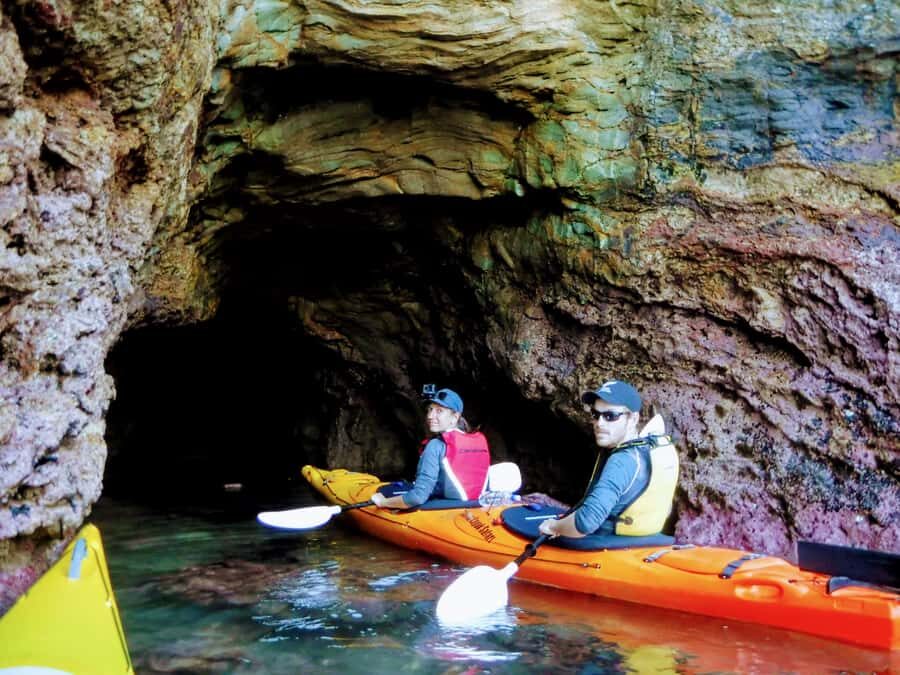
Early sunrise kayaking in Akaroa can feel crisp fast. You’ll want to pack like you’re going to be on the water long enough to get chilled, even if the day looks sunny on land.
The tour guidance lists a few must-haves:
- a windbreaker
- a sun hat
- drinks
Those are simple, but they matter. A windbreaker keeps you comfortable when the breeze hits your face and shoulders. Sun hats are practical because you’ll be looking out and staying awake for sightings. And drinks are necessary because three hours can sneak by while you’re focused on watching and listening.
Also, note what’s not allowed: jeans, and no luggage or large bags. That doesn’t just keep things tidy—it also reduces loose fabric and extra bulk that can make kayaking more awkward.
If you’re trying to decide what to wear, think about flexibility and comfort over fashion. You’ll be moving your arms and adjusting your position, so you want clothing that doesn’t bunch up or soak and stay heavy.
One more practical tip: check your messages the day beforehand. The meeting location can change due to wind direction. That’s not unusual in coastal operations, and it’s easy to handle as long as you read your update.

Meeting Point in Akaroa: Where to Show Up and How to Prep
You’ll meet outside the Bowling club in Akaroa and wait by the picnic tables. You can use Akaroa Bowling club in Google maps to orient yourself quickly.
Then do two quick prep steps:
- bring the windbreaker and hat you actually plan to wear
- check your phone or email the day before in case the team adjusts the meeting spot based on wind conditions
This matters because the whole tour experience depends on starting smoothly. If you arrive late or show up at the wrong spot, you can throw off the timing that makes the harbour feel so calm.
Price and Value: Is $92 Worth It?
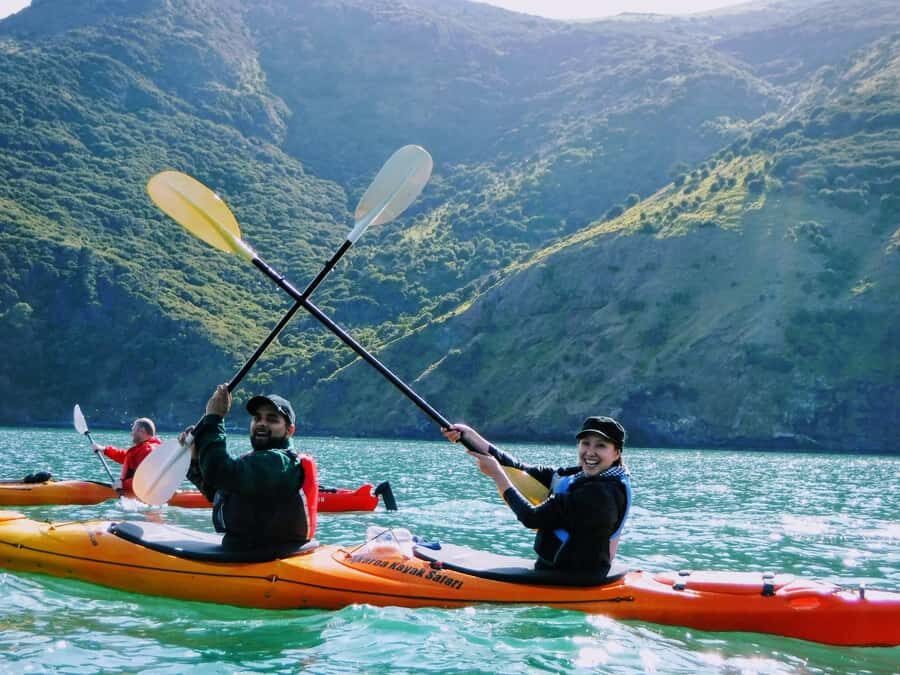
Let’s talk money in a grounded way. At $92 per person for three hours, you’re not just paying for a kayak. You’re paying for a guide, safety support, and a schedule built around early access to the marine reserve.
Here’s what improves value in this specific tour:
- you’re on the water early, when conditions are often best for calm wildlife viewing
- your guide leads through the reserve with short info stops, so you’re not just paddling blindly
- you get maximum water time because there’s no separate launch travel
- the tour is designed to minimize disturbance in conservation areas
Could you kayak in Akaroa on your own cheaper? Sure. But you’ll likely miss the “what you’re seeing and why it matters” layer. You’ll also have a harder time timing your paddling around wildlife behaviour and spotting patterns the guide already knows.
That’s why this tour works best as a guided experience. If you want a hand-held, nature-focused morning with a real shot at Hector dolphins, the price feels reasonable relative to what you get.
Who This Tour Suits Best (and Who Should Think Twice)
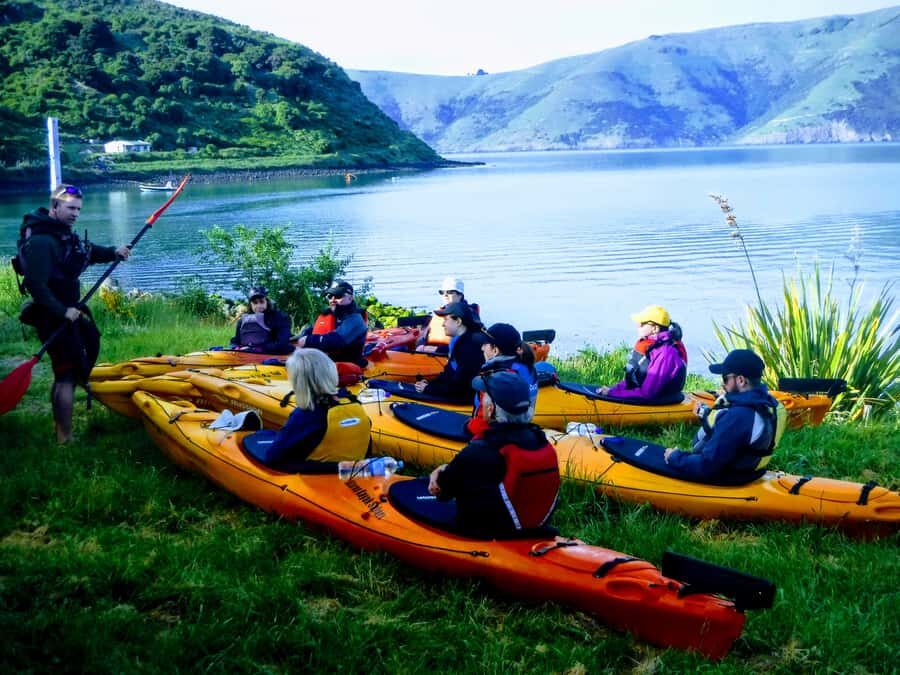
This sunrise sea kayaking tour fits best if you like early starts and you want your Akaroa morning to feel special, not rushed. You’ll also enjoy it if you care about wildlife and want your guide to explain what you’re seeing as you paddle—not after you’re back on land.
It’s a good match for:
- first-time sea kayakers who want a safety briefing and clear instruction
- wildlife lovers, especially anyone hoping for Hector dolphins
- people who prefer small groups and quieter conditions
Think twice if:
- cold mornings make you miserable. Bring the windbreaker and plan to dress warm.
- you hate the uncertainty of wildlife. Encounters depend on conditions, and you might have a bird-and-seal-heavy trip rather than dolphin-heavy.
Even in less active wildlife mornings, the scenery and marine reserve experience can still be satisfying. One guest even noted a calm-but-cold day still brought fur seals and birds, which suggests the tour isn’t only a “dolphins or nothing” plan.
Should You Book This Akaroa Sunrise Sea Kayaking Tour?
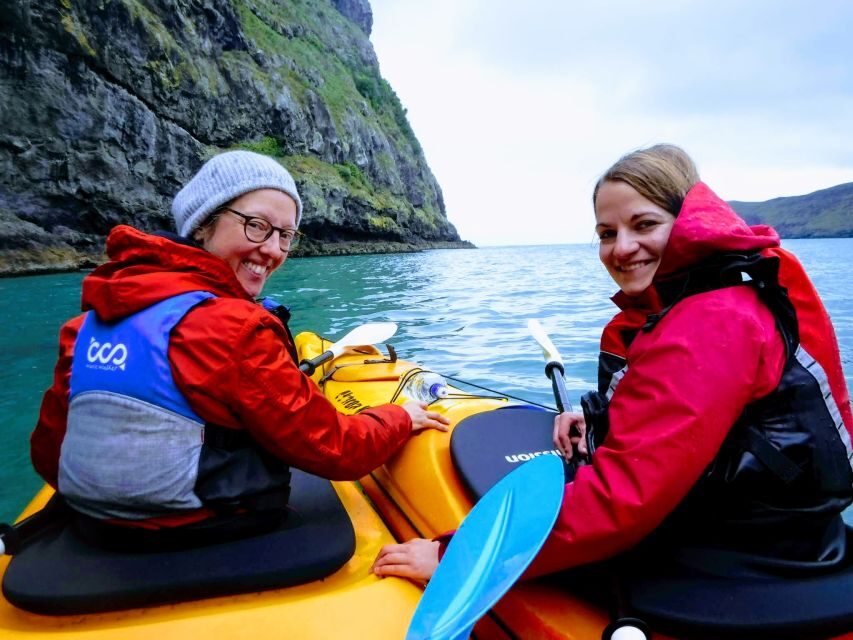
I’d book this if you want a guided, conservation-aware way to experience Akaroa’s marine reserve at the best time of day. The early start, small-group feel, and maximum water time are the trio that makes this tour feel like a real experience instead of a token adventure.
Do it if Hector dolphins are on your wish list, but also go if you’re open to the whole ecosystem—penguins preening, fur seals resting, and birds keeping you alert.
If you hate cold, don’t assume the morning will be warm. Pack for wind and chill, and you’ll be happier the moment you push off.
If you want a calm, well-guided sunrise paddle with strong safety focus and real wildlife watching, this is one of the better ways to spend a morning in Akaroa.
FAQ
Where do I meet for the Akaroa guided sunrise sea kayaking tour?
Meet outside the Akaroa Bowling club and wait by the picnic tables. You can search Akaroa Bowling club on Google maps. The operator may change the meeting location because of wind direction, so check your messages the day beforehand.
How long is the tour?
The tour runs for 3 hours.
What’s included in the price?
The tour includes a guide, a safety briefing, and a kayak.
Will the guide be with us during the paddling?
Yes. You have a live tour guide, and the guide leads you through the waters, including brief stops to share information.
What wildlife might I see?
The tour highlights possible wildlife encounters such as Hector dolphins, penguins (including white-flippered penguins), NZ fur seals, and various birds like cormorants.
Is this a small group tour?
Yes. It’s described as a small, intimate group to help avoid disturbing conservation areas.
Do I need to bring a kayak?
No. The kayak is included.
What should I bring with me?
Bring a windbreaker, a sun hat, and drinks.
What clothing or items are not allowed?
Jeans are not allowed. There’s also no luggage or large bags permitted.
Do I get a safety briefing before paddling?
Yes. The tour includes a comprehensive safety briefing before you start paddling.
Is there free cancellation and a pay-later option?
Yes. You can cancel up to 24 hours in advance for a full refund, and there’s also a reserve now & pay later option so you can keep plans flexible.