REVIEW · CANTERBURY NEW ZEALAND
Mount Cook: Tasman Glacier & National Park Scenic Flight
Book on GetYourGuide →Operated by Southern Lakes Helicopters · Bookable on GetYourGuide
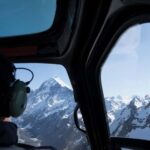
Glaciers feel closer from the air. This 40-minute Mt Cook helicopter flight pairs jaw-dropping Aoraki/Mt Cook National Park views with the full length of the Tasman Glacier, so you see both the drama in the sky and the real size of the ice below. I also like the constant cockpit-style context from the pilot and commentary, which helps you actually understand what you’re looking at instead of just staring.
One thing to keep in mind: this is weather-dependent, and helicopter flights can also be affected by minimum numbers, so it’s smart to plan with flexibility.
In This Review
- Key highlights
- Entering the Aoraki/Mt Cook zone from the Heliworks terminal
- The 40-minute flight plan: Mt Cook peaks to the full Tasman Glacier
- Glacier hover, then snow landing: why the Tasman feels different in person
- Aoraki peaks and those mountain-hut views you’ll never get by car
- The pilot experience: safety briefing, commentary, and Captain Toby Morris
- Price and value: is $379 worth it?
- What to bring (and what to leave behind) for the glacier landing
- Who this Mt Cook helicopter flight is best for
- FAQ
- Is the flight duration really 40 minutes?
- Where do I meet for the Mt Cook scenic flight?
- Is there a glacier landing included?
- Do I need to bring food or drinks?
- Is the flight commentary available in English?
- What should I bring?
- Are drones or selfie sticks allowed?
- Are flights guaranteed no matter the weather?
- Do I get a refund if I cancel in advance?
- Should you book this Mt Cook helicopter tour?
Key highlights
- Full-length Tasman Glacier route: you fly along the whole glacier, not just a quick flyover
- Glacier landing on the Tasman: you get on the ice (snow landing) for photos and time out of the helicopter
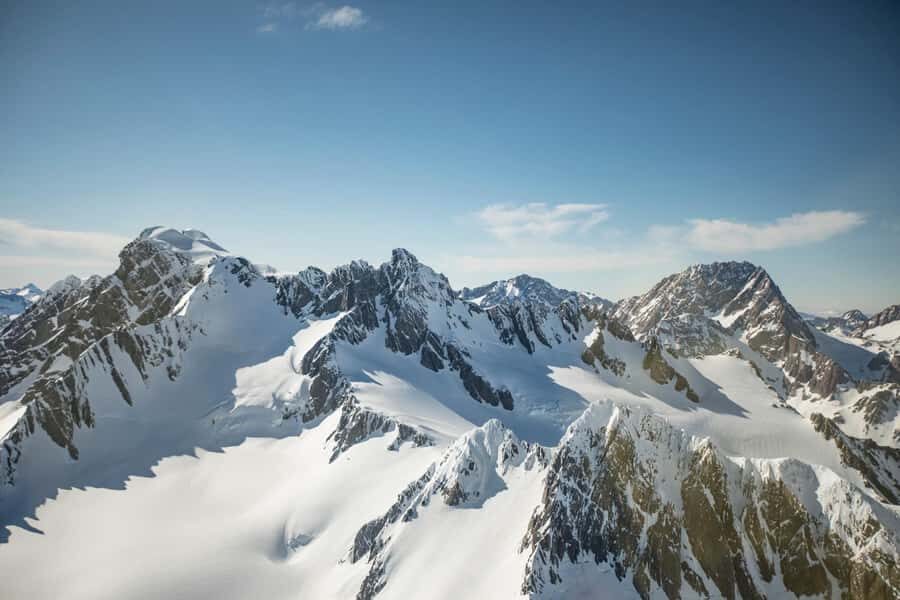
- Aoraki/Mt Cook summit views: New Zealand’s highest peak shows up during the flight
- Blue ice, hanging glaciers, and peaks: you’ll see the big alpine details from a high vantage point
- Sound of silence moment: your pilot may shut off the helicopter so you can experience quiet at altitude
Entering the Aoraki/Mt Cook zone from the Heliworks terminal
Your day starts at Heliworks Mt Cook, the meeting point where you’ll check in before you take to the air. When you walk in through the sliding doors, turn left—this is where you’ll find Heliworks. I recommend arriving 15 minutes early so you’re not rushed, especially if the team needs time to sort out passenger details.
There’s no hotel pickup included, so you’ll want to plan how you get there. Also plan to travel light: bags are not allowed, along with selfie sticks and drones. In other words, bring what fits into your day bag-free reality: camera, layers, and that phone you’ll want charged for the glacier photos.
You can also read our reviews of more tours and experiences in Canterbury New Zealand.
The 40-minute flight plan: Mt Cook peaks to the full Tasman Glacier
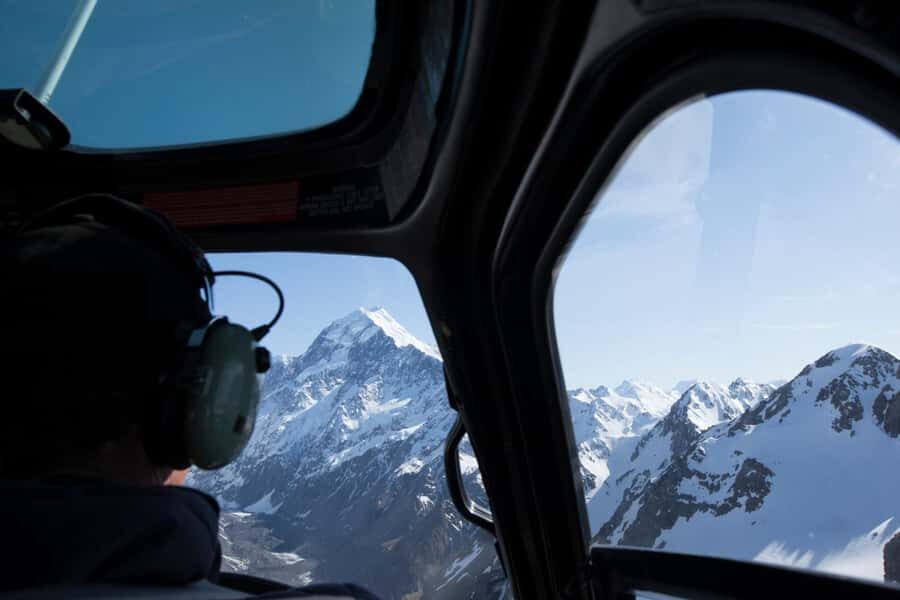
The core experience is simple and fast: a 40-minute scenic flight with live English inflight commentary and a professional pilot plus a safety briefing. In this short window, the goal is to give you mountain context and maximize time over the ice.
Here’s what you should expect as you go:
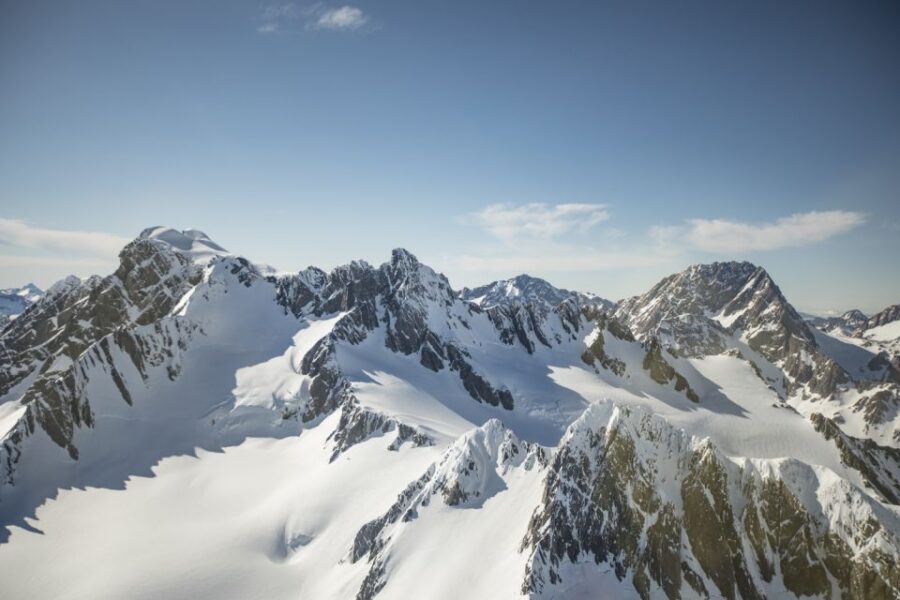
- You’ll soar above Aoraki/Mt Cook National Park, picking up sweeping views of the range and the dramatic terrain that makes this part of the South Island famous.
- You’ll fly along the whole length of the Tasman Glacier, which matters because it lets you track the glacier like a route, not like a single point on a map.
- You’ll get standout views of Aoraki/Mt Cook, New Zealand’s highest peak, so even if you don’t know the geography, your brain will still recognize the scale once it’s right in front of you.
This kind of aerial route is why the helicopter option is so popular here. Driving or hiking is amazing, but it can’t replicate the way flight shows the glacier’s flow, the surrounding peaks, and the huge open space around them.
Glacier hover, then snow landing: why the Tasman feels different in person
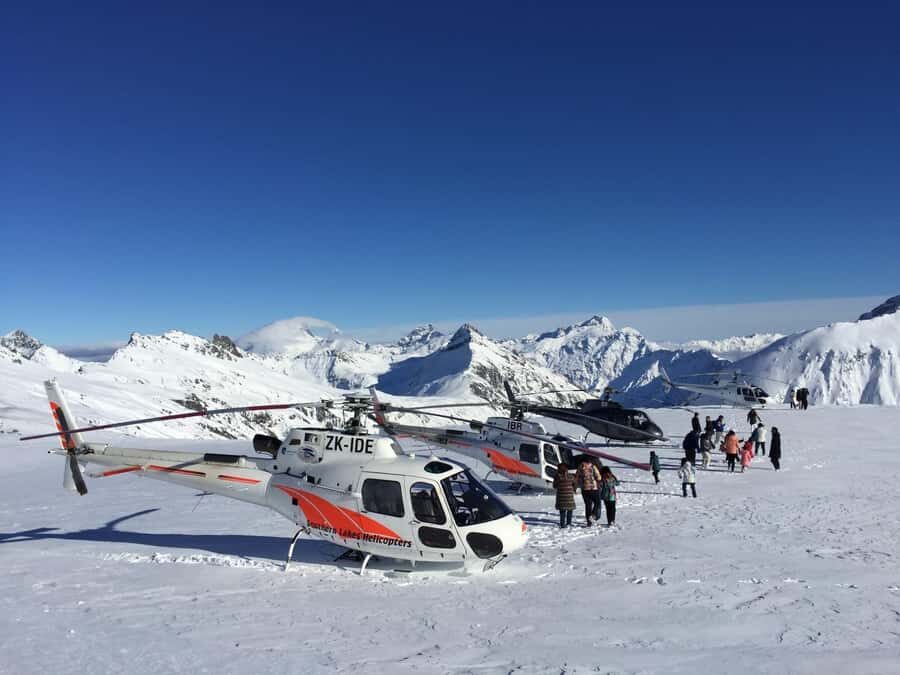
A big part of why this tour is worth considering is that you don’t just watch the Tasman Glacier—you also experience it up close. After flying the glacier route, the flight includes a hover over the Tasman Glacier so you can appreciate the size and scale of the glacier. This is where the phrase river of ice becomes real, because the distance and width land differently when you’re above it.
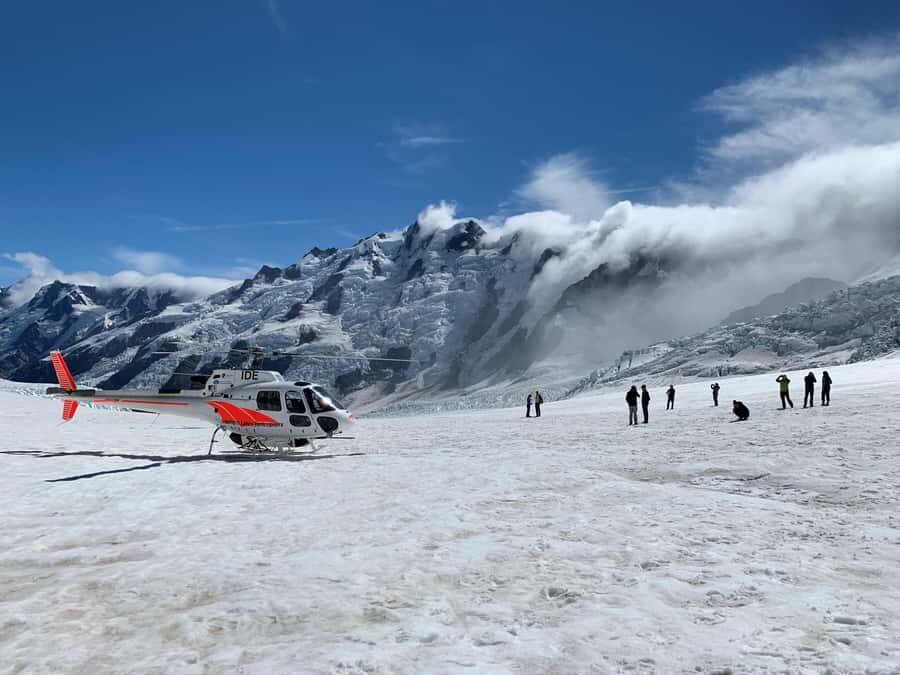
Then comes the snow landing on the Tasman Glacier. From there, you’ll have photo opportunities in every direction—exactly what you want with mountains and ice, because the best angles tend to be all around you, not off to one side.
A detail that I think is especially useful: the glacier scenery isn’t just white. You’ll see hanging glaciers, blue ice, and rocky mountain peaks. That mix is part of what makes glacier photography work here: you get texture, contrast, and layers, not just a single sheet of snow.
Practical drawback: landing on a glacier is weather-sensitive and depends on conditions. If the weather doesn’t cooperate, the experience may be adjusted or rescheduled—this is a common reality for high-alpine operations.
Aoraki peaks and those mountain-hut views you’ll never get by car
The aerial view of the park includes more than peaks. You’ll also see incredible mountain huts from above, along with the hidden “how do people even live there?” details that make alpine New Zealand feel so remote. From the air, huts and ridgelines show how the terrain channels movement—what’s walkable, what’s too steep, and what looks like a postcard but is actually a serious environment.
You’ll also enjoy views connected to Murchison and the Tasman Glacier, which helps tie the glacier back to the wider South Island story. It’s a reminder that glaciers aren’t isolated objects; they’re part of a living landscape system.
Tip that helps: keep your camera ready for quick framing changes. The best photos often come right after a turn or a new viewpoint shift, because the glacier and peaks move relative to each other constantly in flight.
The pilot experience: safety briefing, commentary, and Captain Toby Morris
This flight leans hard into the human side of flying. You get a full safety briefing, and you’ll be flying with a professional pilot. Then there’s the inflight piece: inflight commentary is part of what turns this from sightseeing into real understanding.
The strength of the operation shows in the kinds of compliments it earns: people highlight not just the scenery, but the pilot’s approach—smooth flying, clear guidance, and a sense of calm. One name that stands out from the captain feedback is Captain Toby Morris, praised as humble and experienced as a navigator. If you’re the kind of traveler who cares whether the person in charge is steady and sharp, that detail is reassuring.
There’s also a special moment in the air: your pilot may shut off the helicopter so you can experience the sound of silence. Even if you’ve never heard anything like that before, it’s the kind of pause that makes the mountains feel less like scenery and more like a place with its own rhythm.

Price and value: is $379 worth it?
At $379 per person for a 40-minute experience, it’s not cheap. But helicopter time here isn’t just “getting there fast.” You’re paying for three things at once:
1) Time in the air above the Aoraki/Mt Cook National Park where views are otherwise out of reach
2) A full-length flight along the Tasman Glacier, which is a specific routing choice
3) A glacier landing on the Tasman Glacier, including time for photos and a close-up perspective
That landing is the value driver. A lot of scenic helicopter flights stop at flyovers. This one includes the chance to be out on the ice surface in a controlled tour setting, which changes the whole feel of the trip from distant wow to real, tactile wow.
So I’d call it good value if you:
- want a “best of” overview that you can do in a short time
- care about glacier scale and want it seen from above and below (literally)
- would otherwise spend hours driving for partial views
If you already have the budget for guided glacier hikes and long road time, you might skip this. But if you’re tight on days—or you hate the idea of spending a whole day just to glimpse the glacier from far away—this makes a strong case.
What to bring (and what to leave behind) for the glacier landing
Keep your packing simple. The essentials listed for the flight are:
- Sunglasses
- Camera
- Weather-appropriate clothing
- Charged smartphone
- Closed-toe shoes
I like this list because it’s practical for a high-alpine setting. Bright snow and ice can be hard on eyes, and charged devices matter because you’ll likely want to save photos immediately.
What you should not bring:
- Drones
- Selfie sticks
- Bags
If you’re a traveler who likes to bring extra gear, go lighter than you think. A “full kit” day usually turns into clutter once you’re heading into a helicopter environment.
Also note: you’ll be asked for all passengers’ weights for aircraft weight and balance. That’s normal for safe flight operations, but it’s worth taking seriously—don’t wait until the last moment to gather the info.
Who this Mt Cook helicopter flight is best for
This is a strong fit if you want big scenery without big travel days. It’s especially good for:
- people who want a first-time helicopter experience and like guided context
- travelers who want Aoraki/Mt Cook and Tasman Glacier in one go
- anyone who values a mix of aerial views and the chance to step onto the ice
You might reconsider if you:
- have strict timing where a weather shift would ruin your schedule
- dislike the idea of operations that can change based on mountain conditions
- are expecting food or a full half-day meal plan (it’s not included)
Wheelchair accessibility is listed, so if mobility access matters for you, this is worth investigating with the operator directly to understand how they handle boarding and glacier-time movement in practice.
FAQ
Is the flight duration really 40 minutes?
Yes. The scenic flight is listed as 40 minutes.
Where do I meet for the Mt Cook scenic flight?
Meet at Heliworks Mt Cook. Enter through the sliding doors and turn left. Arrive 15 minutes before the activity starts.
Is there a glacier landing included?
Yes. The experience includes a snow landing on the Tasman Glacier, plus time for views and photos once on the glacier.
Do I need to bring food or drinks?
No food or drinks are included.
Is the flight commentary available in English?
Yes. There is inflight commentary in English.
What should I bring?
Bring sunglasses, a camera, weather-appropriate clothing, a charged smartphone, and closed-toe shoes.
Are drones or selfie sticks allowed?
No. Drones and selfie sticks are not allowed.
Are flights guaranteed no matter the weather?
No. All flights are weather dependent.
Do I get a refund if I cancel in advance?
Yes. Free cancellation up to 24 hours in advance is listed for a full refund.
Should you book this Mt Cook helicopter tour?
I’d book it if you want the highest-impact way to see Aoraki/Mt Cook National Park and the Tasman Glacier without spending an entire day on the road. The combination of a full-length glacier flight, a hover to grasp scale, and a snow landing makes it feel more complete than the typical scenic hop.
I’d skip it (or at least be cautious) if your schedule can’t handle weather changes. Since the operation depends on conditions and flight timing, flexible days make this experience much less stressful.
If you want, tell me what month you’re going and whether you’re staying near Mt Cook village or further away. I can help you decide if this fits well with your other South Island plans.