REVIEW · CANTERBURY NEW ZEALAND
Akaroa: Scenic Coastline Wildlife Cruise
Book on GetYourGuide →Operated by Coast Up Close · Bookable on GetYourGuide
Akaroa’s coast looks wild from the water. This 150-minute wildlife cruise lets you cruise the volcanic edges of Akaroa Harbour with a small team and a real Kiwi storyteller, so the scenery comes with context, not just views. You’ll keep an eye out for local animals while the captain talks through what you’re seeing and where it fits on Banks Peninsula.
What I like most is the chance to get up close to nature on a smaller boat, with space to shift for better sightings and photos. I also really enjoy how Tony (a Kiwi who’s been exploring these waters since the 1960s) shares stories that make the coastline feel personal, and how Scruffy the boat dog shows up on afternoon trips to add a warm, human touch.
One thing to consider: this type of cruise can be cancelled if sea or weather conditions aren’t suitable, so you’ll want a bit of flexibility in your Akaroa plans.
In This Review
- Key things to know before you go
- Entering Akaroa Harbour from Drummonds Jetty
- The Wairiri boat: why a 41-foot launch changes the cruise
- Tony’s Kiwi storytelling and the value of real context
- The volcanic coastline of Banks Peninsula: what you’re actually cruising past
- Wildlife moments: penguins, seabirds, and dolphins in one trip
- Lobster pot pulls: the science-y surprise part of the cruise
- Group size, movement, and photo opportunities that don’t feel frantic
- How long is 150 minutes, and how to plan your Akaroa day
- Price and value: what $65 gets you in Akaroa
- Who this Akaroa wildlife cruise fits best
- Should you book Coast Up Close in Akaroa?
- FAQ
- How long is the Akaroa scenic coastline wildlife cruise?
- How much does the cruise cost?
- Where do I meet the tour?
- What time should I arrive?
- Is there food or drinks included?
- What’s included in the ticket price?
- What languages are available for the live guide?
- What animals might I see?
- Is the tour suitable for wheelchair users?
- What if sea or weather conditions are not suitable?
- Can I cancel or change plans?
Key things to know before you go
- Small-group comfort on Wairiri: A 41-foot kauri launch built in 1964, designed for moving around for wildlife viewing.
- Tony’s real-water experience: Local stories from a Kiwi who’s been exploring the Peninsula waters since the 1960s.
- Wildlife viewing with respect: Focus on letting animals come to you rather than chasing them.
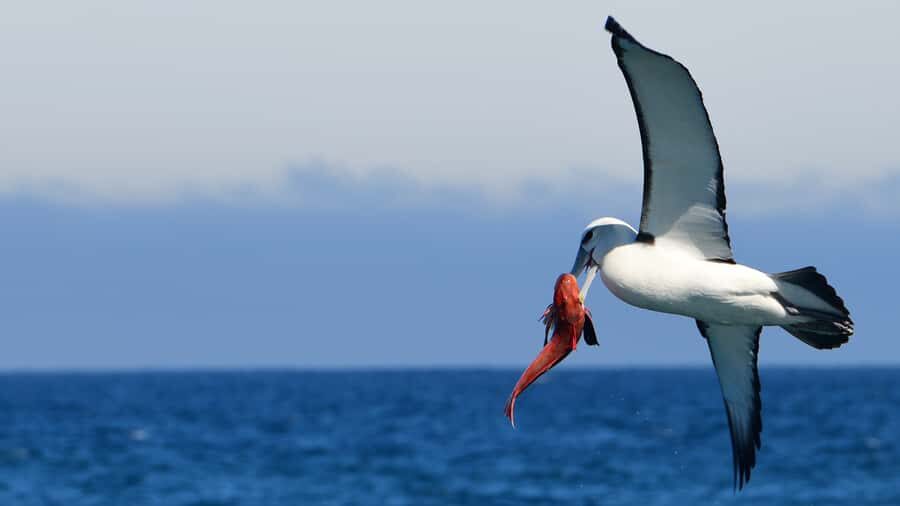
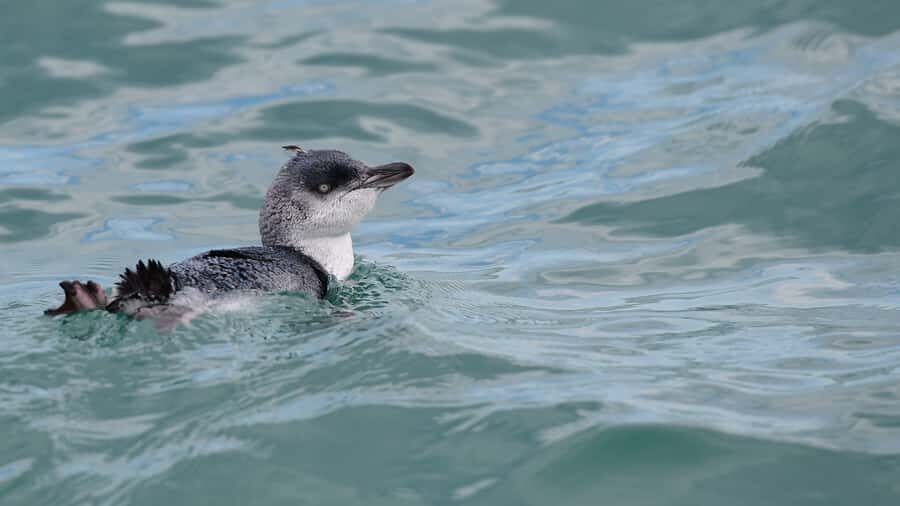
- Penguins and seabirds are part of the plan: You’re not only hunting dolphins—there’s a wider wildlife mix.
- Lobster pot surprise: Some trips pull up the pot, and you might see lobster, octopus, conger eel, starfish, and even sand sharks.
Entering Akaroa Harbour from Drummonds Jetty
Akaroa has a way of making you slow down. From Drummonds Jetty you head out on the water and immediately shift from town energy to harbour quiet, with the volcanic coastline and inlets doing the talking. The whole cruise is set up to keep you looking outward, not buried in a scripted lecture.
Plan to arrive about 15 minutes early and go find the Coast Up Close boat near the jetty entrance (it’s opposite Akaroa Fish ’n Chips on 59E Beach Road). This is the kind of tour where being a few minutes early helps—boarding runs smoother and you’re settled before the captain starts pointing out what to watch for.
Also note the “no big-fleet” vibe. The operator keeps tour numbers limited, which matters a lot when wildlife is the main event. You can actually position yourself, watch for a while, and then get ready for the next sighting without feeling packed in.
You can also read our reviews of more tours and experiences in Canterbury New Zealand.
The Wairiri boat: why a 41-foot launch changes the cruise
This trip isn’t on a huge tourist vessel. It’s on Wairiri, a 41-foot Kauri Launch built in 1964, and that size difference is the whole point. You’ll have enough space to move around the boat as animals appear, which is handy for both photos and just plain good viewing.
What that means for you: you’re not stuck staring through rails while everyone else is doing the same thing. You can shift your angle when seabirds wheel overhead, or when the coast opens up into a stretch that tends to hold marine life. On a smaller boat, you also feel the captain’s attention more directly—when something shows up, you notice it fast.
One practical note: you’ll be out on the water for 2.5 hours (150 minutes). Dressing for wind and spray is smart, even if Akaroa looks calm before you go. And since smoking isn’t allowed on board, it’s easier to keep the air comfortable.
Tony’s Kiwi storytelling and the value of real context
The cruise’s wildlife is the headline, but the stories are what keep it from feeling random. Tony is described as a real Kiwi who’s been exploring these waters since the 1960s, and his local knowledge shapes how you see the coast. Instead of just naming places, he connects the scenery to how the Harbour and Banks Peninsula work.
I love that the captain’s commentary is tied to local history and geography. That turns your “nice view” moments into “oh, that makes sense” moments—like understanding why certain parts of the coastline are better for watching wildlife at sea level, and how the volcanic coastline affects the way animals move.
And then there’s Scruffy. On afternoon trips, the friendly boat dog joins in, which sounds simple, but it adds a relaxed energy on deck. It’s the kind of detail that makes the tour feel personal, not industrial.
The volcanic coastline of Banks Peninsula: what you’re actually cruising past
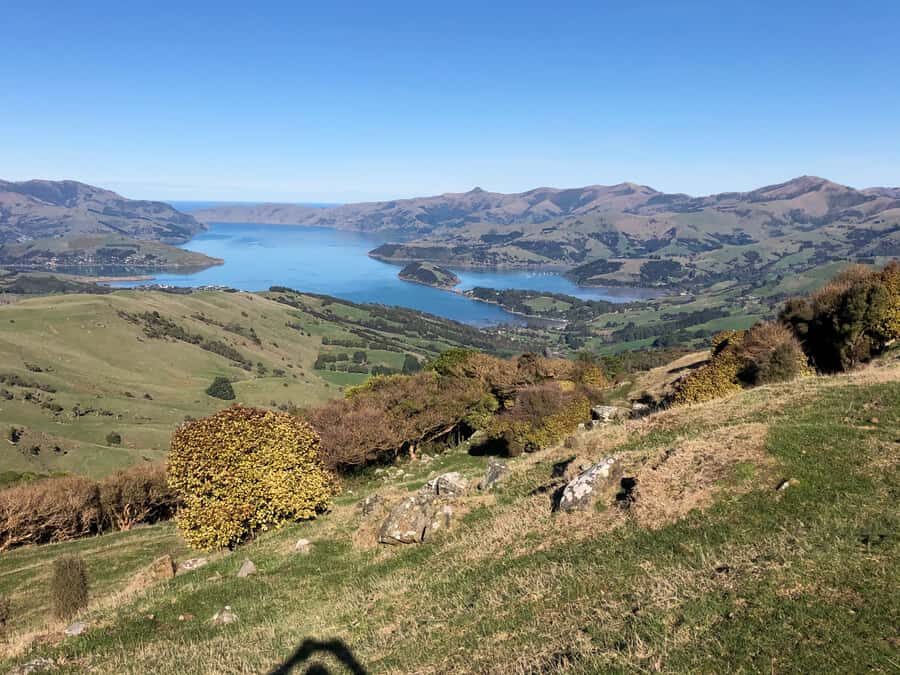
This is a spectacular volcanic coastline cruise around Akaroa Harbour and Banks Peninsula. The big value here is that you see the coast as a working marine environment, not as a postcard view from shore. As you travel along the harbour edges, you get repeated chances to scan for seabirds and other wildlife that use these waters.
This isn’t a stop-and-stare walk. It’s a moving cruise where the captain keeps adjusting your viewpoint as the day unfolds. That keeps you actively engaged—your eyes aren’t only on the horizon, but also on the water surface, cliffs, and bird patterns that can hint at what’s happening below.
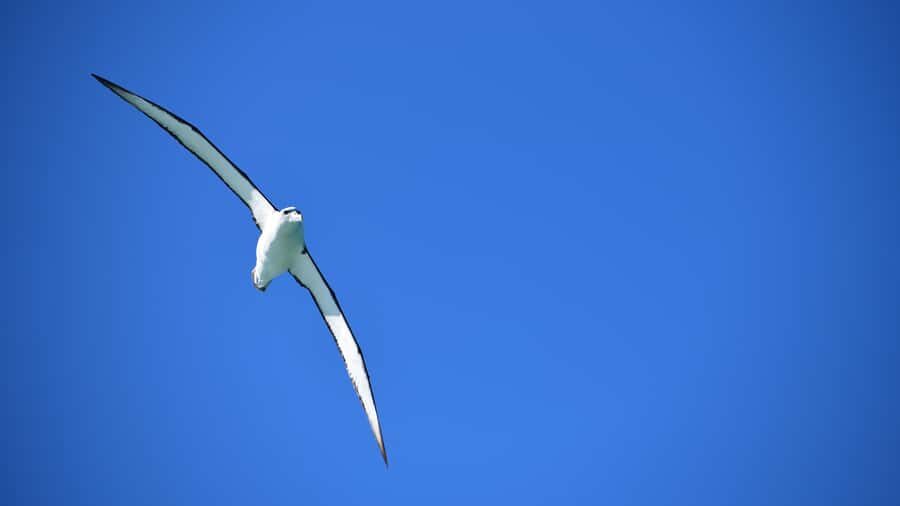
What you should do while cruising: watch for birds first. Seabirds can signal feeding areas, and their flight patterns often give you a head start on what’s coming. Then keep an eye on the water for quick surface changes—on cruises like this, the best moments usually happen fast.
Wildlife moments: penguins, seabirds, and dolphins in one trip
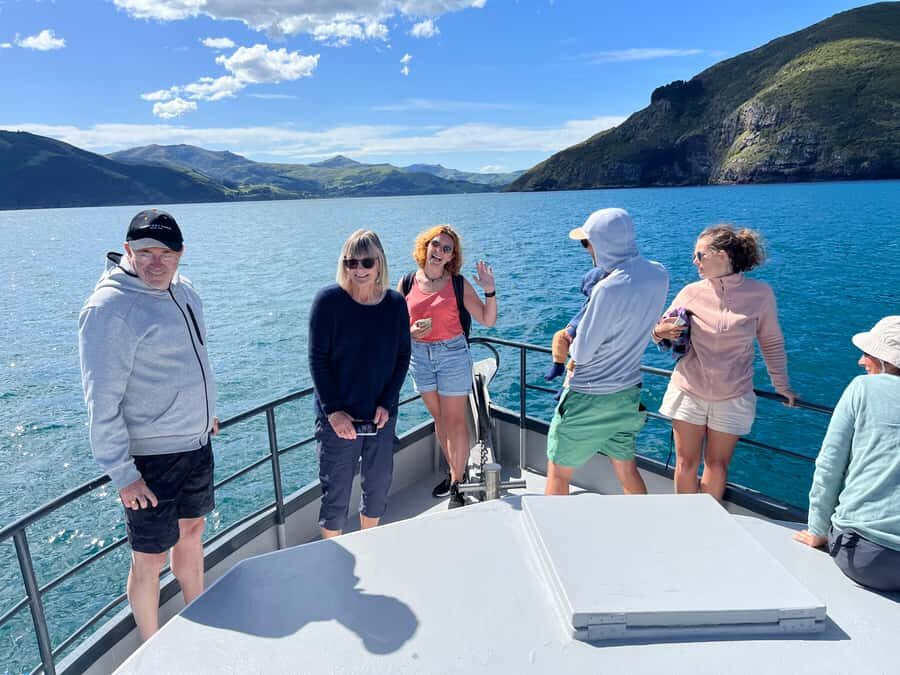
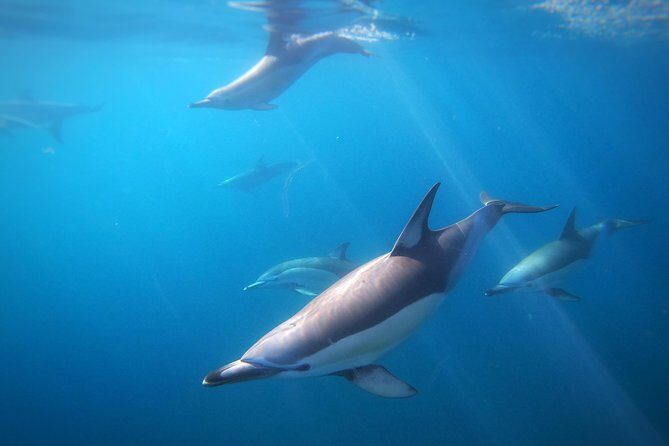
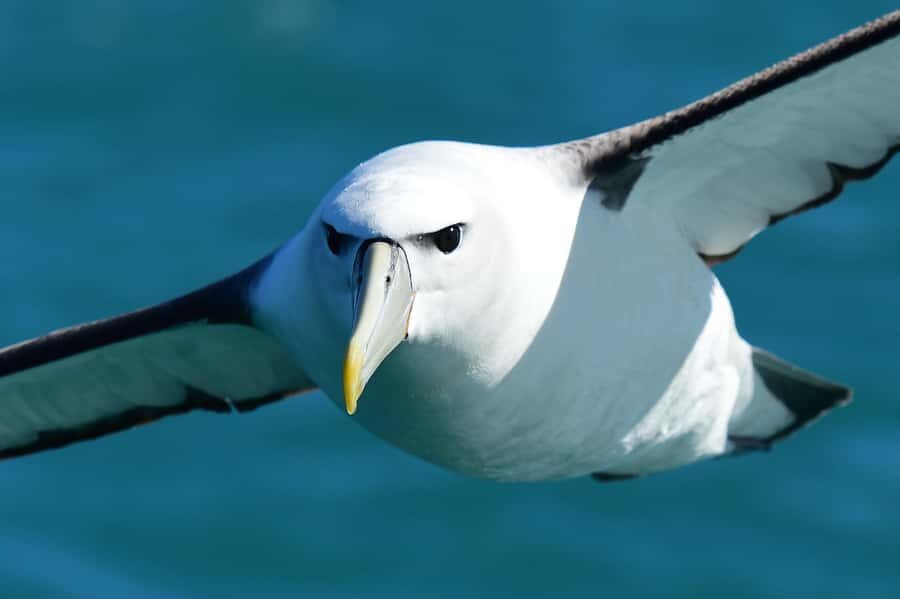
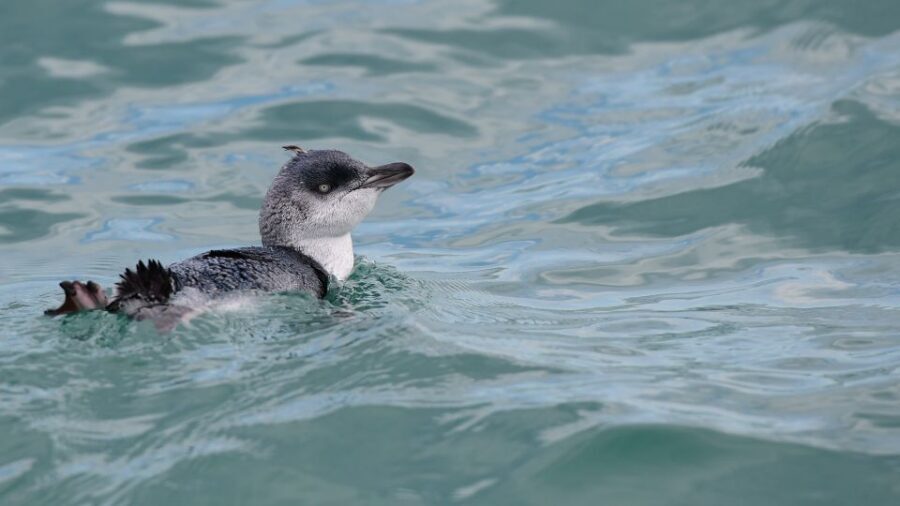
One of the strongest reasons to choose this cruise is that it’s not only about one animal. You’re set up to look for a wildlife mix that includes little blue penguins and a range of seabirds. The hope is you’ll also spot dolphins—reviews describe hunter dolphins—and the captain’s approach emphasizes respect over pursuit.
The dolphin philosophy is worth noting: you’re guided toward a calmer style of wildlife viewing, where the animals come to you rather than being hunted or harassed. That approach generally feels better and often leads to longer, more natural encounters because you’re not constantly pushing into an animal’s comfort zone.
Here’s the practical angle for you: wildlife sightings are never 100% guaranteed, but the captain’s local experience and the smaller boat’s flexibility raise your odds. Limited numbers also mean fewer bodies blocking your view when an animal surfaces near the coastline.
If you’re planning this as your main wildlife activity in Akaroa, this is a good one-stop option because it targets multiple species groups rather than betting the whole day on a single sighting.
Lobster pot pulls: the science-y surprise part of the cruise
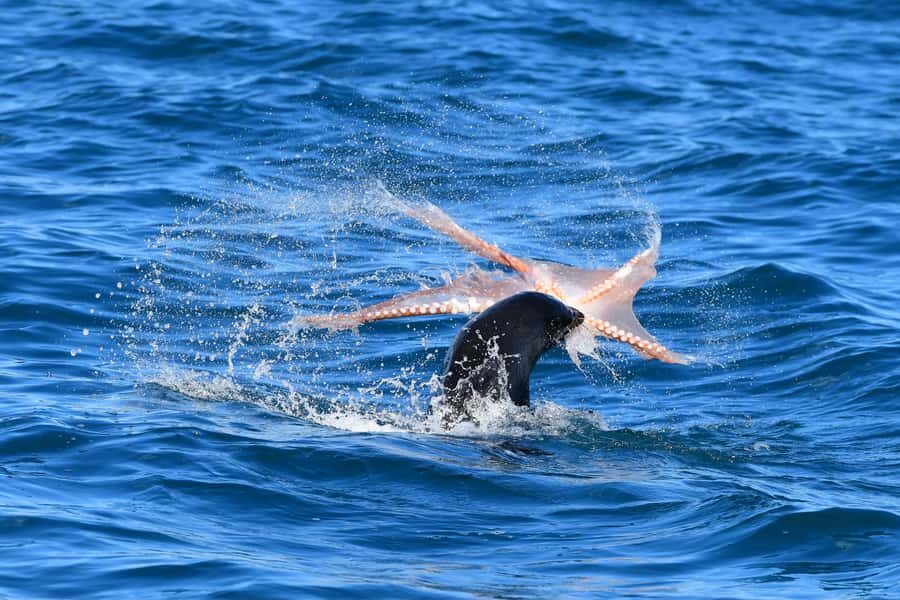
A fun and unexpectedly educational detail is that Tony often still has a lobster pot out, and on some trips the crew pulls it up. You never know exactly what you’ll find, which adds a genuine element of surprise without feeling gimmicky.
The creatures listed as possible finds include lobster, octopus, conger eel, starfish, and sand sharks. You might not see all of these in every trip, but the point is that the cruise connects wildlife viewing with what’s actually living in the water near the Peninsula.
For you, this is a nice balance to the usual “spot wildlife at a distance” style of cruises. It nudges the experience toward understanding the ecosystem—what’s present locally, and how marine life fits together around the coast.
Group size, movement, and photo opportunities that don’t feel frantic
The operator specializes in small groups, and there’s enough space to move around the boat for best wildlife viewing and photo opportunities. That matters more than it sounds. On crowded cruises, people stand in the same spot, block each other, and you lose the chance to react when something appears.
Here, you’re encouraged to move with the action—step slightly, reposition for angle, then settle again. That keeps you engaged and reduces the stress of trying to get a perfect photo while everyone else is doing the same frantic thing.
For the best results, I’d bring gear that’s easy to manage on a moving boat. Secure your phone or camera, wipe salt spray from your lens when you can, and keep your hands free when the boat shifts direction. If you’re using a bigger camera, watch your footing first—stability beats sharpness.
How long is 150 minutes, and how to plan your Akaroa day
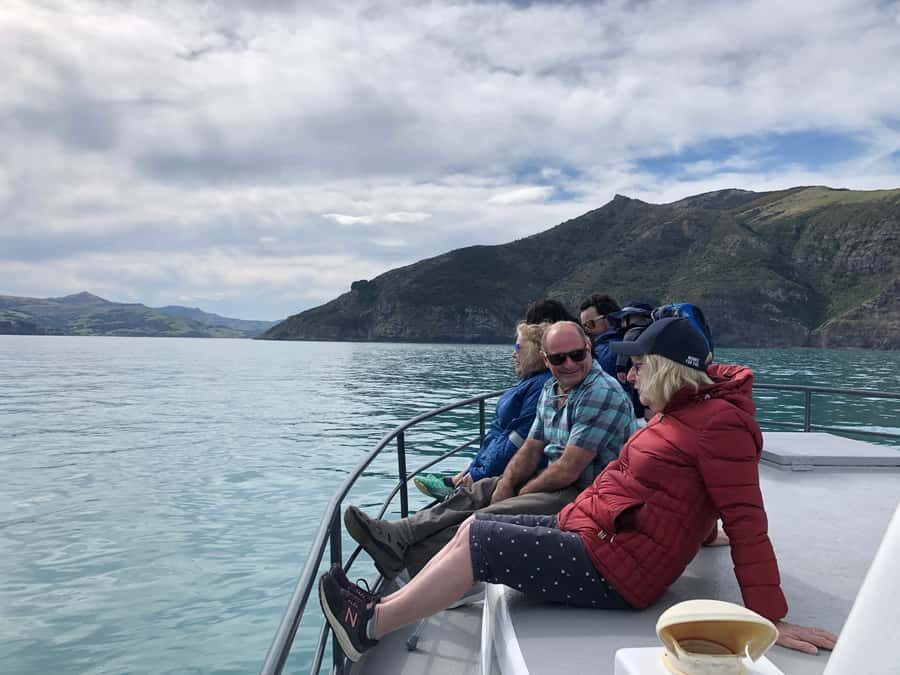
This cruise runs 150 minutes, so it’s long enough to feel like a real outing, not a quick hop across the bay. You’ll have time for repeated wildlife scanning along the volcanic coastline, plus the chance for the captain’s stories to build momentum rather than ending right when you start paying attention.
Because it’s an afternoon-friendly experience (Scruffy joins on afternoon trips), you can also plan it as a flexible mid-to-late day activity. Pair it with a relaxed meal after, and don’t schedule something immediately before that depends on your exact return time.
A simple strategy: plan your other Akaroa plans with a little buffer. If sea conditions are rough, tours may be cancelled, and weather delays are part of life on the water here.
Price and value: what $65 gets you in Akaroa
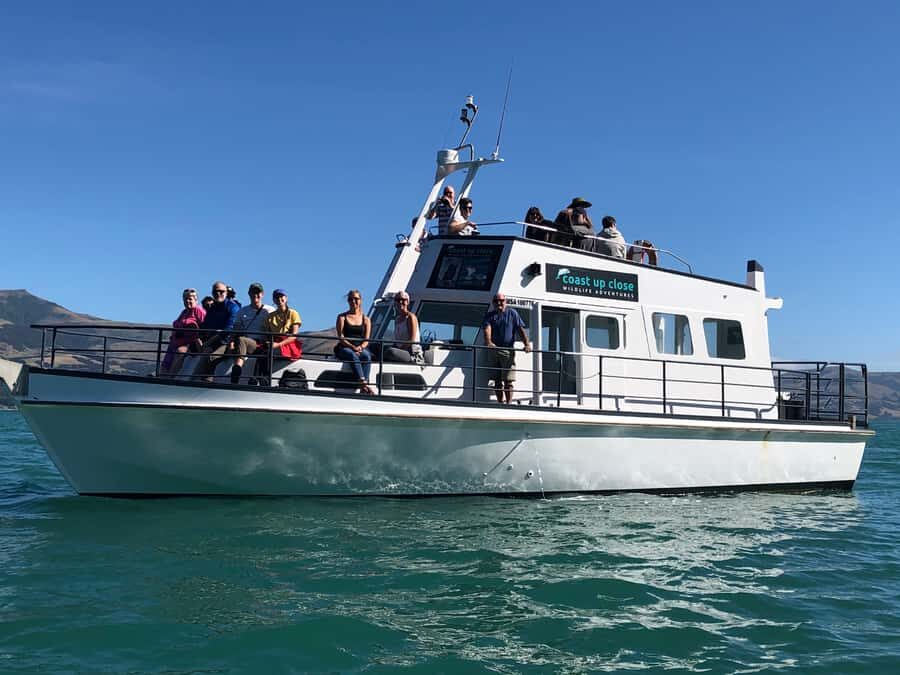
The price is $65 per person, and for Akaroa, the key question is what you’re buying beyond the ride. You’re getting a 2.5-hour scenic cruise, a captain, and a guided wildlife experience built for small-group viewing. You’re also paying for local storytelling from Tony, plus the chance of added surprises like the lobster pot pull-up.
That’s where value shows up. Big tours can be cheaper, but you often trade away closeness, comfort, and time on the water when animals appear. Here, the smaller boat and limited numbers help you actually benefit from the wildlife part of the experience, not just sit on a larger vessel and hope.
What you should budget separately: food and drinks aren’t included, and there’s no hotel pickup or drop-off. So plan to carry a water bottle or purchase drinks before you go. If you’re prone to getting chilled on boats, bring a light layer too—your comfort affects how much you enjoy the wildlife watching.
Who this Akaroa wildlife cruise fits best
This tour is ideal if you want nature time with context. If you love wildlife but you also like hearing why the coastline looks the way it does, the Tony-led storytelling is a strong match.
It’s also a good fit if you dislike crowded group tours. Limited numbers and a boat layout that supports movement mean you’re more likely to get the viewing angles you want.
One clear limitation: it’s not suitable for wheelchair users, which matters for anyone with mobility needs. Also, smoking and alcohol or drugs aren’t allowed, so it stays focused on the experience and keeps the atmosphere comfortable.
Should you book Coast Up Close in Akaroa?
I’d book this cruise if you care about small-group wildlife viewing, enjoy local stories from a long-time Peninsula explorer, and want a broader mix than just one species. The combination of the Wairiri boat style, Tony’s history-and-geography commentary, and the respectful wildlife approach makes it feel like a more thoughtful way to see Akaroa from the water.
Skip it only if you need wheelchair accessibility, or if you can’t handle the possibility of weather-based cancellation. If your schedule can flex, this is the kind of outing that turns Akaroa’s dramatic coast into an actual experience—not just a view.
FAQ
How long is the Akaroa scenic coastline wildlife cruise?
The duration is 150 minutes, which is about 2.5 hours.
How much does the cruise cost?
The price is $65 per person.
Where do I meet the tour?
Meet at Drummonds Jetty, 59E Beach Road (opposite the Akaroa Fish ’n Chips shop). Look for the Coast Up Close boat.
What time should I arrive?
You should arrive 15 minutes prior to the trip for boarding.
Is there food or drinks included?
No. Food and drinks are not included.
What’s included in the ticket price?
The ticket includes a 2.5-hour scenic cruise and the captain.
What languages are available for the live guide?
The live tour guide is available in English and German.
What animals might I see?
The tour focuses on wildlife around Akaroa Harbour and Banks Peninsula, including little blue penguins and seabirds. Sightings may also include dolphins.
Is the tour suitable for wheelchair users?
No. It is not suitable for wheelchair users.
What if sea or weather conditions are not suitable?
Tours may be cancelled if sea or weather conditions are not suitable.
Can I cancel or change plans?
There is free cancellation up to 24 hours in advance for a full refund, and you can also reserve now and pay later to keep plans flexible.