REVIEW · CANTERBURY NEW ZEALAND
Mount Cook, Lake Pukaki: Billion Star Dining
Book on GetYourGuide →Operated by Mt Cook Lakeside Retreat · Bookable on GetYourGuide
Stars and dinner in one night is the plan. This Billion Star Dining experience pairs a high-quality meal at The Moraine with real stargazing at Pukaki Observatory, using a proper telescope and a guide who explains what you’re seeing. It feels like you get two different sides of Lake Pukaki in one tidy evening: food first, sky second.
I especially love the way the dinner is handled: fresh, innovative cuisine in a refined setting, before you move on while your brain is still in “tell me more” mode. The second thing I like a lot is the hands-on astronomy focus afterward, where the night sky is treated like a story you can actually follow, not just a dim view from a deck.
One thing to plan around: stargazing is weather dependent, and on a bad night the stars can be disappointing, even though the dining part is designed to keep going.
In This Review
- Key highlights to know before you go
- Dinner at The Moraine: refined food before the sky show
- Wine cellar welcome: a smart warm-up for the Southern sky
- Pukaki Observatory after dark: a purpose-built stargazing room
- The 9-inch telescope: what you’ll actually see
- Weather reality check (and how the program handles it)
- Meeting point and getting there around Lake Pukaki
- Price and value: what you’re paying for at $224 per person
- Who should book Billion Star Dining (and who should skip it)
- Should you book Billion Star Dining?
- FAQ
- How long is Billion Star Dining?
- What’s included in the price?
- Where is the meeting point?
- What should I bring?
- Is stargazing guaranteed?
- Is this suitable for children?
Key highlights to know before you go
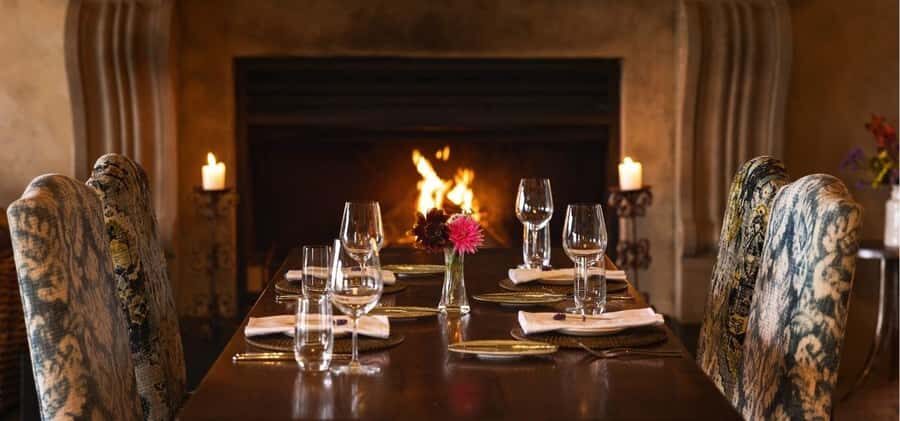
- The Moraine dinner first: A proper fine dining meal that doesn’t feel like filler before the stargazing.
- Pukaki Observatory after dinner: You shift from table talk to sky talk with an astro-guide.
- A real 9-inch reflector telescope: You’re not just looking up; you’re using equipment.
- Retractable-roof viewing: The observatory walls frame the sky, then the roof pulls back for a wide window.
- You may spot aurora on special nights: Aurora Australis is possible when conditions cooperate.
- Small group size (up to 10): More attention from the guide, less waiting around.
Dinner at The Moraine: refined food before the sky show
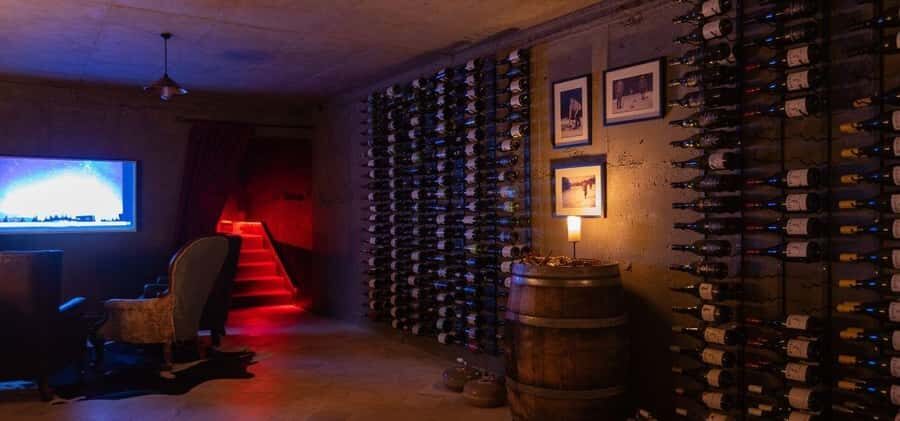
Your evening starts with dinner at The Moraine, and that matters more than it sounds. In places like this, stargazing nights can run late or get affected by conditions. Here, you get the meal portion locked in as the first act, so you’re not scrambling later if the sky turns cloudy.
What I like about the way the dinner is described is that it’s not “simple resort food.” You’re there for fresh, innovative cuisine in a refined dining experience. At $224 per person for a 4-hour program, you’re paying for an evening that blends two premium activities—so the dining portion has to hold its own. From the standout feedback, it’s doing exactly that, with people calling the food outstanding.
You’ll also be in a more comfortable rhythm than you might expect. Instead of arriving, standing out in the cold immediately, and hoping you can eat after, you’ll eat first and then head to the observatory when you’re ready to shift gears. The transition is part of the charm: you go from warm plates to crisp air, and suddenly the sky becomes the main event.
You can also read our reviews of more tours and experiences in Canterbury New Zealand.

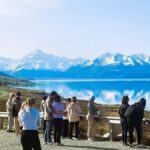
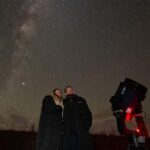
Wine cellar welcome: a smart warm-up for the Southern sky
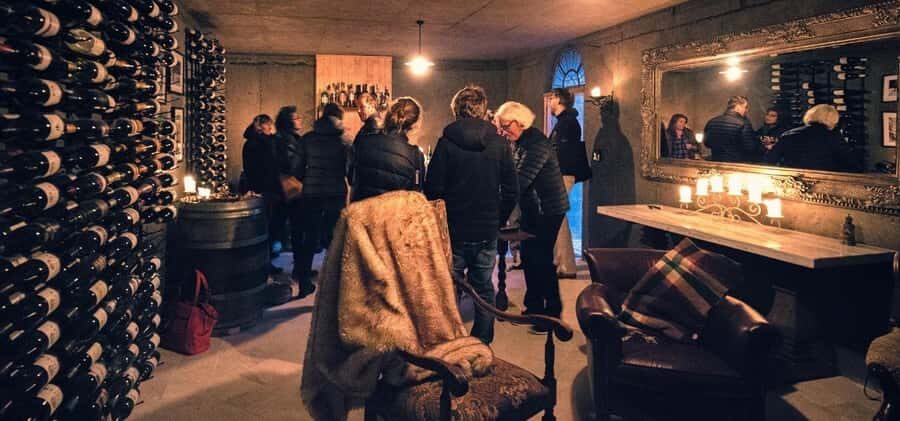
Before you head to the telescope, you’ll sip a welcome drink in the wine cellar. That’s not just a pre-show snack. It sets expectations and helps you understand the sky you’re about to look at.
You’ll get an introduction to the Southern sky—the idea is to give your eyes something to latch onto once you step outside the observatory. Even if you’ve never done stargazing before, this kind of pre-lesson makes the night feel structured instead of random. You’re not just seeing dots; you’re learning which ones matter and why.
And since this is a “Billion Star” style night, the pacing is built for maximum payoff. You start with a drink, you learn a few key pointers, then you go where the equipment and the dark-adapted viewing can do their job.
Pukaki Observatory after dark: a purpose-built stargazing room
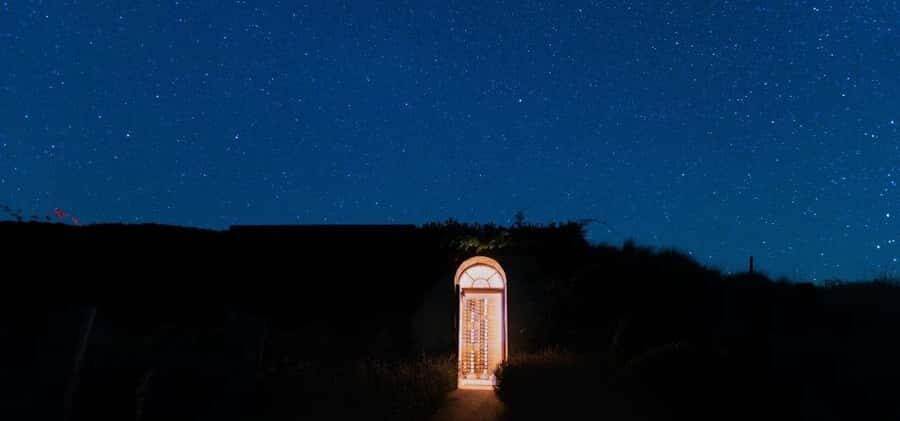
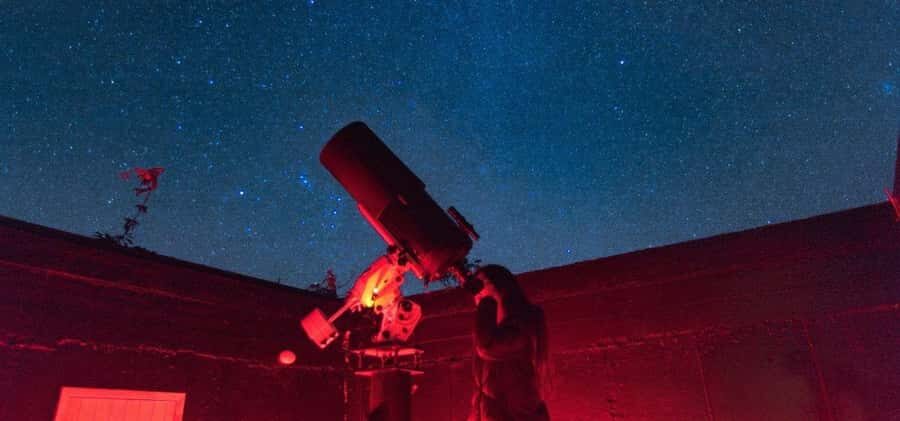
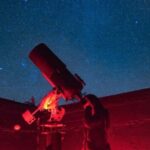
Once dinner is done, you move to Pukaki Observatory for the stargazing portion with an astronomer/astro-guide. The observatory is purpose-built, and the big feature is the retractable roof.
Here’s why that detail is more than a gimmick. When the roof pulls back, you get a breathtaking window to the stars framed by the walls of the observatory. In other words, it helps your eyes. It creates a contained view of the sky, so you feel like you’re looking into a scene, not just staring upward into an empty black.
It also makes the night feel special in a practical way. Cold weather and wind are real up here, and a retractable-roof space lets you settle in before you’re out fully exposed. You’re watching the sky, but you’re not suffering through the whole process.
From the strongest feedback, the staff’s enthusiasm is a major part of the experience. People describe the astronomer as passionate and brilliant—exactly what you want when you’re paying for a guided telescope session rather than doing it on your own.
The 9-inch telescope: what you’ll actually see
The core of the stargazing experience is time at the 9-inch reflector telescope. A telescope this size is the difference between “wow, stars” and “wow, I can identify stuff.”
With the telescope, you can see:
- the rings of Saturn
- the bands of Jupiter
- sparkling star clusters
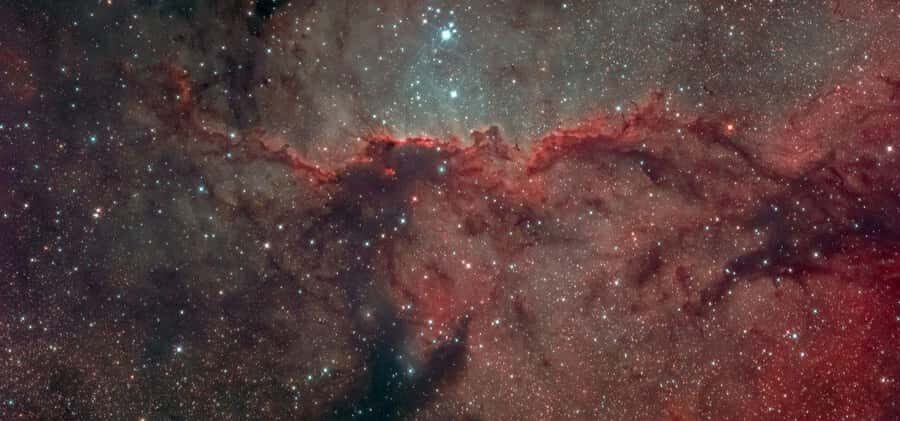
- nebulae and other deep-sky objects
- planets (depending on what’s visible that night)
The viewing is guided, so you’re not left guessing. And that guidance is the value. Without an astro-guide, a lot of what you see is just light. With one, those lights become targets with explanations: what you’re looking at, how it works, and what makes it worth your time.
One of the best parts of the experience design is that it’s built to show variety. It’s not only planets. You get clusters and nebulae too, which can feel like a different kind of wonder. Planets are bright and dramatic. Nebulae and clusters are softer and more mysterious, like the sky has a texture you’ve never noticed.
On special nights, you may also get a glimpse of the Southern Lights (Aurora Australis). That’s not a guarantee, but it’s a huge “if the sky cooperates” bonus. For most people, the idea alone is worth the effort.
Weather reality check (and how the program handles it)
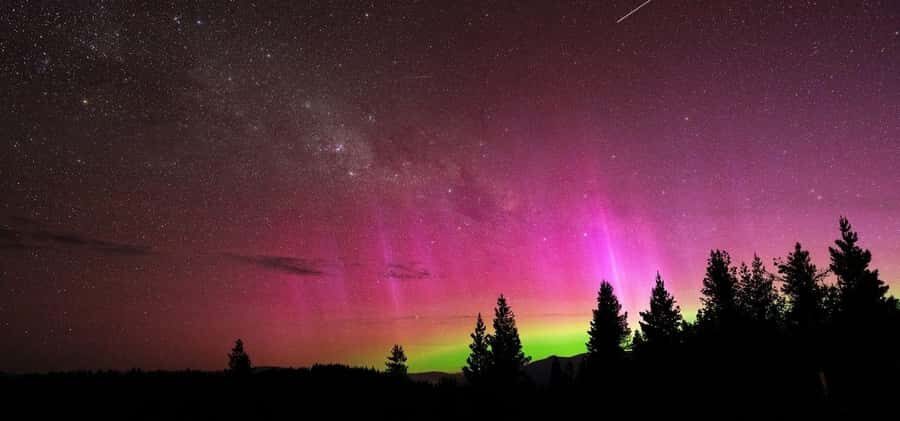
Let’s talk about the one drawback you can’t fully dodge: stargazing depends on the weather. If it’s cloudy, foggy, or otherwise limited, the stars won’t deliver the way you hoped.
What helps here is how the experience is structured. The dining portion will proceed in bad weather, which is a relief. So even if the telescope time becomes a bust, you’re not paying only for a gamble. You still get the dinner and the welcome wine-cellar intro.
That said, on a night where the sky truly won’t clear, you may have fewer telescope views than expected. One review example called out that stargazing unfortunately failed due to weather, even though the food and location were great. That’s the tradeoff: you’re booking into the real outdoors, not a studio.
My advice is simple: dress for cold, and keep your expectations flexible about the sky. If the night turns good, you’ll feel like you won the lottery. If it doesn’t, at least you still had a very solid meal and a guided astronomy intro.




Meeting point and getting there around Lake Pukaki
This experience is set in the Mount Cook Lakeside Retreat area, and the meeting point is specific.
You’ll meet at the entrance gate to the property. It’s about 860 meters from the SH80/SH8 turnoff. Look for the sign at the gate, then follow the signs to the observatory, which is roughly 1.2 km from the gate.
Why I mention this: in rural areas, the difference between “we’re close” and “we’re lost” is usually one wrong turn and zero cell service. Following the signposted route is the easiest way to arrive calm and on time, so you can settle in before dark skies start doing their thing.
Also, remember you’ll be outside for stargazing. Even if you think you’re prepared, bring layers and warm outerwear. The experience explicitly tells you to bring warm clothing, and that’s exactly the sort of detail that makes a night enjoyable rather than rushed.
Price and value: what you’re paying for at $224 per person
At $224 per person for about 4 hours, this is not the cheapest “activity plus a view” option. But it’s also not just a dinner ticket with a hobby-class telescope afterward. You’re paying for a tightly packaged combination:
- a fine dining meal at The Moraine
- a welcome drink in a wine cellar
- an astro-guide session tied to real observing
- use of a 9-inch telescope
- small-group attention (limited to 10 participants)
Value is really about whether you get two premium experiences without long gaps or awkward transitions. Here, you do. Dinner gives you comfort and satisfaction first. Then the stargazing portion gives you a guided, equipment-based show that most people can’t recreate on their own.
The small-group limit is also part of the value. In a group of up to 10, it’s easier for the guide to keep an eye on what people can see and help you connect the explanation to the view through the lens.
And the setting carries extra credibility too. The experience is noted as having been awarded as one of the Greatest Places in the World by TIME. You don’t need awards to enjoy a good night sky, but it usually signals that the operation runs with care.
Who should book Billion Star Dining (and who should skip it)
This experience is a great fit if you want a guided astronomy night paired with real dining, not a basic lookout with a few facts tossed in.
It’s especially good for:
- adults and couples who want an evening that feels thoughtful and not rushed
- people who love learning a bit about what they’re seeing
- anyone traveling through the South Island and wanting a “special night,” not just a car-and-pull-over stop
It’s not suitable for children under 10, based on the info provided. If you’re traveling with younger kids, you’ll need a different kind of activity.
If you’re the type who hates cold or hates the idea that weather can affect outcomes, you can still go—but you should mentally prepare for Plan B (the food and intro still make it worth the time).
Should you book Billion Star Dining?

Yes—if you want a high-value, adult-leaning evening where the sky is guided and the dinner is genuinely part of the experience. I’d book it if you’re visiting Lake Pukaki/Mt Cook and you want one night that feels polished: refined cuisine, a wine-cellar welcome, then a retractable-roof observatory with real telescope time.
I’d think twice if you know you won’t handle disappointment from cloudy skies. The sky is weather-dependent, and one review example specifically mentioned stargazing failing due to weather. Still, the dinner moves forward, so you’re not walking away empty.
Best move: bring warm layers, show up ready for learning, and keep your expectations flexible about the clouds. If the night clears, this is the kind of outing that turns the Southern sky into something you can point to—even after you head back to your accommodation.
FAQ
How long is Billion Star Dining?
The experience lasts about 4 hours.
What’s included in the price?
You get fine dining at The Moraine, stargazing at Pukaki Observatory, a welcome drink, and use of a 9-inch reflector telescope.
Where is the meeting point?
Meet at the property entrance gate near the SH80/SH8 turnoff (about 860 meters). The observatory is about 1.2 km from the gate, and you should follow the signs.
What should I bring?
Bring warm clothing, since you’ll be outside for stargazing.
Is stargazing guaranteed?
No. Stargazing is weather dependent.
Is this suitable for children?
It’s not suitable for children under 10 years old.