REVIEW · LAKE TEKAPO
Dark Sky Indoor Maori Cultural Astronomy Experience
Book on Viator →Operated by Dark Sky Project · Bookable on Viator
The stars start before bedtime. At Lake Tekapo, this indoor Dark Sky Experience brings you Māori astronomy and science storytelling in one guided visit, plus a look at the restored Brashear Telescope without waiting for clouds to clear.
I like the clear focus on how people read the sky for real-world life, not just pretty pictures. I also like that it works in bad weather, which matters in the South Island.
The only drawback to plan around is the indoor format: you get cultural astronomy and a “night-sky” presentation, but it’s not a replacement for seeing the sky outside.
In This Review
- Key things worth knowing before you go
- A Daytime Doorway to the Southern Night Sky
- Māori Astronomy and Western Science: the thread that ties it together
- Four Interactive Zones that teach you how to read the sky
- Constellations as a living map
- Navigation through stars and ocean currents
- Star clusters and why they matter
- Mythology in the stars
- The Brashear Telescope: a nine-meter lesson in old tech
- Your guide matters: how the storytelling lands
- Price and value: why $37.56 can be a smart buy in Tekapo
- Practical stuff that helps your visit go smoothly
- Who should book this, and who might prefer outdoor stargazing
- Should you book the Dark Sky Indoor Māori Cultural Astronomy Experience?
- FAQ
- FAQ
- How long is the Dark Sky Indoor Māori Cultural Astronomy Experience?
- Where does the experience start in Lake Tekapo?
- What’s included in the ticket price?
- Is it only for adults, or is it suitable for families?
- What will I see or do inside?
- Is there anything to eat or drink included?
- Can I get a refund if my plans change?
Key things worth knowing before you go
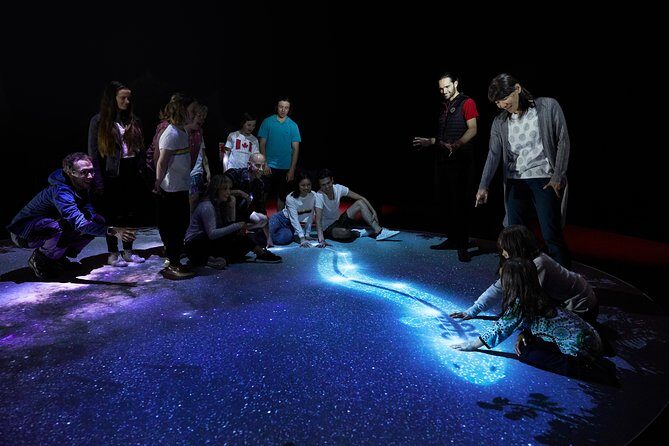
- Daytime access to night-sky stories: you explore the southern heavens even when the weather is messy
- Māori and Western science side-by-side: you’ll hear how the two ways of understanding connect
- Four interactive zones: constellations and navigation ideas, star clusters, and mythology in the stars
- A restored 125-year-old Brashear Telescope: a nine-meter-tall Victorian-era instrument you can experience through the program
- Tour-led, not self-guided: a guide keeps the pace moving for kids and adults together
A Daytime Doorway to the Southern Night Sky
Lake Tekapo is famous for its dark skies, but weather has its own agenda. This is smart because the Dark Sky Project lets you experience the core story of the night sky year-round, indoors, so you’re not stuck gambling on clear conditions.
The attraction is built around the idea that you can understand the heavens without first waiting for darkness. You’ll get a guided walk through space, time, and cultural heritage, with the presentation shaped to keep families engaged. That matters here because a lot of astronomy attractions either go way too technical or go purely visual. This one tries to do both: it explains the sky, then adds the human layer—how people used it.
Expect a visit around one hour total, with 45 minutes guided time inside the four-zone experience.
You can also read our reviews of more tours and experiences in Lake Tekapo.

Māori Astronomy and Western Science: the thread that ties it together
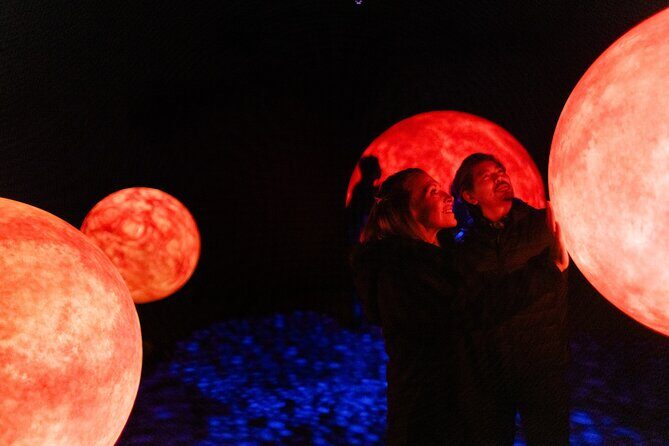
What I find most valuable is the program’s main promise: it connects Māori astronomy with Western science instead of treating them like separate worlds.
You’ll see that Māori knowledge wasn’t only about naming stars. It included practical sky-reading skills—especially for things like navigation, and also for how living life connects to the sky. The program also includes a science-based narrative about how living beings came to be. That lets the guide pivot between stories and explanations, and helps you keep a “big picture” view rather than getting lost in trivia.
If you’re the type who likes context—why a culture cared about the sky, and how scientists later framed the same objects—you’ll probably love how the tour keeps returning to meaning. And if you’re traveling with kids, this style of teaching usually lands better than just saying, that’s Orion.
Four Interactive Zones that teach you how to read the sky
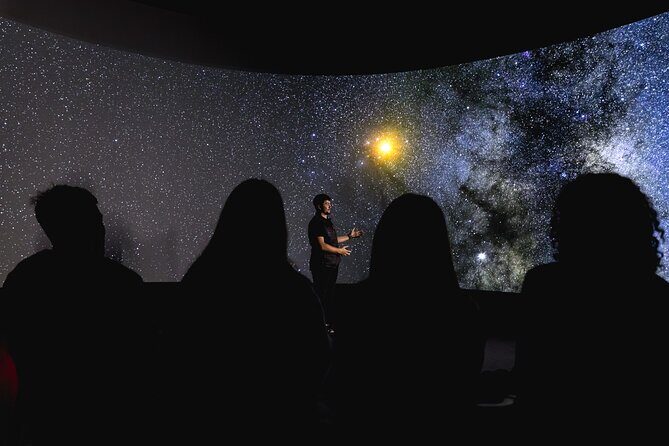
The heart of the visit is the four-zone layout. Each space has its own focus, and the guide leads you from one idea to the next. Rather than treating the night sky like a static chart, the zones show the sky as something people actively used.
Here’s what you can expect from the four areas:
Constellations as a living map
One zone focuses on how Māori used constellations as a kind of map. You’re not just learning names—you’re learning the logic behind tracking patterns in the sky. For many kids, that clicks fast because it feels like solving a puzzle: the sky becomes a set of repeatable clues.
Navigation through stars and ocean currents
Another zone connects celestial patterns with ocean knowledge, including how ocean currents played into navigation. This is where the program gets genuinely interesting, because it reminds you the sky wasn’t a hobby. It helped people move through the world safely and predictably.

Star clusters and why they matter
You’ll also learn about the significance of star clusters. This is a helpful stop because clusters are one of those things people often gloss over in casual astronomy. Here, you get a reason to care: they’re part of what makes the night sky feel structured, not random.
Mythology in the stars
Finally, there’s a zone for mythology—how stories live in the night sky. This is usually the part where families relax. The facts are there, but the mood becomes human. The guide’s job is to keep it clear, so the mythology doesn’t feel like vague folklore, and the science doesn’t bulldoze the meaning.
If you want the single best takeaway from this indoor format, it’s that the program teaches you a way to look. By the end, you’re likely to recognize that the “night sky” isn’t only an image—it’s a system of relationships.
The Brashear Telescope: a nine-meter lesson in old tech
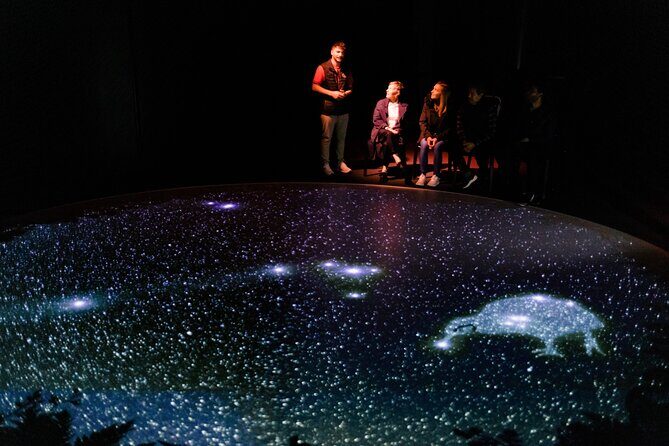
One standout included feature is the restored 125-year-old Brashear Telescope. It’s described as a nine-meter-tall, Victorian-era instrument, and even if you’re not a gear nerd, that scale lands.
In practical terms, the telescope turns the story into something physical. You’re not only listening about how people used instruments to study the sky. You’re also seeing how technology shaped what humans could notice, measure, and pass on.
It also helps with the family factor. Kids often don’t care that much about astronomy until they see something that looks built for a purpose. A tall antique telescope gives you that instant “wow,” then the guide ties it back to the program’s themes.
Your guide matters: how the storytelling lands
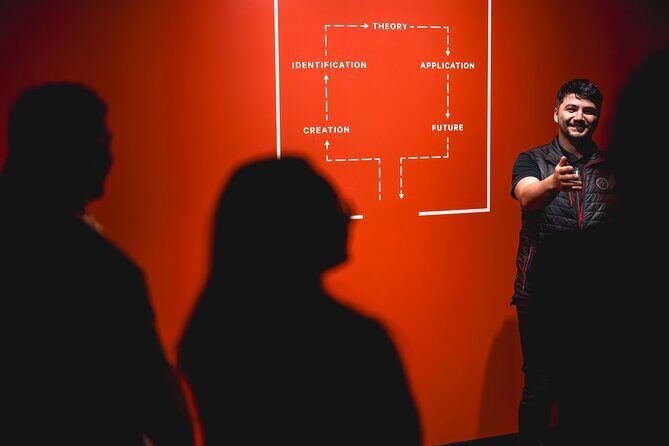
A good guide can make or break a small-ticket attraction, especially when families are involved. This one leans hard on guided storytelling through the zones, and it shows.
From the way the experience is described, the guides are enthusiastic and keep things moving. One guide mentioned in the feedback is To (sometimes referred to with the familiar sound of everyday nicknames). The style is described as interactive and easy to follow, which is exactly what you want in a 45-minute program. There isn’t time for long lectures, and this format doesn’t treat the audience like museum furniture.
You’ll also notice a repeated theme: the tour blends European and Māori perspectives and keeps that pairing clear, not awkward. That’s not always easy to do in real life. Here, the structure gives it a fighting chance.
Price and value: why $37.56 can be a smart buy in Tekapo

At $37.56 per person, this isn’t a freebie, so value matters. Here’s how I judge it:
You’re paying for:
- A guided, 45-minute tour through four zones
- The included telescope experience via the restored Brashear instrument
- A cultural learning experience built around Māori astronomy, navigation ideas, and science connections
- A weather-proof plan in a place where rain can seriously derail your day
For families, the weather-proof part is often the big win. If you’re in Lake Tekapo with kids, one rainy hour can turn into a whole wasted afternoon—unless you’ve lined up something that still delivers.
Also, the group size is capped at 26 travelers, which usually helps keep the experience from feeling like a factory line. It’s not private, but it’s also not huge. That matters when the guide needs to keep attention and questions flowing.
Net: if you want a night-sky themed experience without betting on clear skies, the price looks fair.
Practical stuff that helps your visit go smoothly
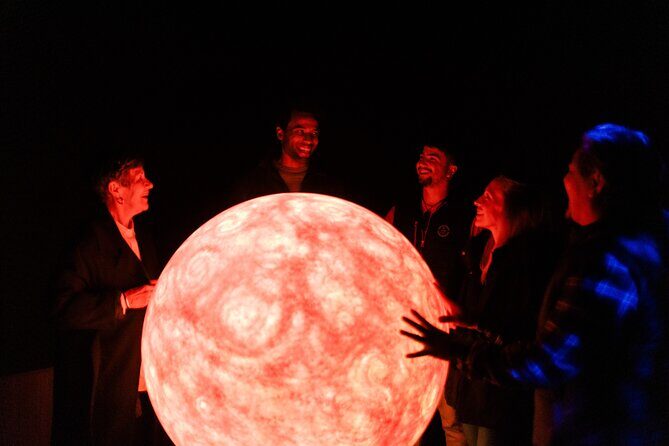
You’ll start at 1 Motuariki Lane, Lake Tekapo 7999, and the experience ends back at the meeting point. It runs with a mobile ticket, so you can keep things simple on arrival.
Because it’s indoors, you don’t need to dress like you’re going to an overnight star party. Still, the South Island can be cool, and rooms can vary—so I’d bring something light you can add or remove.
Timing-wise, plan for about one hour total. That includes the guided tour and the time it takes to move through the zones. If you’re stacking activities in Lake Tekapo, I’d build in a little buffer so you don’t feel rushed.
One more small but useful detail: this is set up for all ages. That doesn’t mean everything will be equally deep for every kid, but it does mean the pace and explanations are designed for mixed ages.
Who should book this, and who might prefer outdoor stargazing
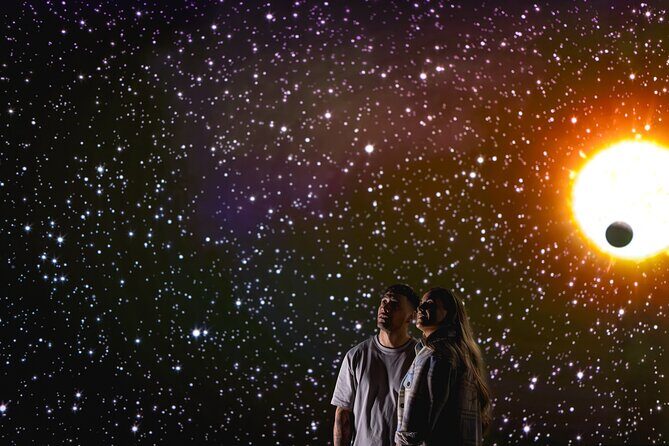
This is a great fit if:
- you’re traveling with children and want a structured, short-format experience
- you care about Māori astronomy and how it connects to Western science
- you’re in Tekapo during cloud, rain, or wind, and you still want a meaningful “dark sky” activity
- you like guided learning more than self-guided exhibits
You might think twice if:
- you’re mainly chasing the actual view of the night sky with the naked eye or through outdoor telescopes. This indoor experience is excellent for understanding and context, but the promise is cultural astronomy and indoor presentation—not replacing the outdoor stargazing vibe.
If your schedule allows, the ideal strategy is to use the indoor tour to get your bearings fast, then (if the weather cooperates) step outside afterward to see how the story lines up with the real sky.
Should you book the Dark Sky Indoor Māori Cultural Astronomy Experience?
I’d book it if you want a weather-proof Lake Tekapo activity that teaches you how people read the sky for navigation, meaning, and life. The included restored telescope adds credibility, and the four-zone structure keeps it from turning into a one-note slideshow.
Skip it only if you already have your heart set on outdoor, night-only stargazing and you don’t care much about the cultural-science storytelling. Otherwise, this is a smart way to get real value out of a visit to the Aoraki Mackenzie Dark Sky area—even when the sky won’t cooperate.
FAQ
FAQ
How long is the Dark Sky Indoor Māori Cultural Astronomy Experience?
The guided portion is about 45 minutes, and the full experience runs for roughly 1 hour.
Where does the experience start in Lake Tekapo?
It starts at 1 Motuariki Lane, Lake Tekapo 7999, New Zealand, and ends back at the same meeting point.
What’s included in the ticket price?
Your ticket includes a 45-minute guided tour through four zones, plus the program elements tied to the experience, including time and space storytelling and the restored 125-year-old Brashear Telescope.
Is it only for adults, or is it suitable for families?
It’s suitable for all ages, making it a good option for families.
What will I see or do inside?
You’ll explore four interactive zones that cover Māori astronomy and related themes like navigation ideas, ocean currents, the significance of star clusters, and mythology in the stars, along with viewing the restored Brashear Telescope.
Is there anything to eat or drink included?
Snacks and coffee or tea are not included.
Can I get a refund if my plans change?
Yes. You can cancel up to 24 hours in advance for a full refund, but if you cancel less than 24 hours before the start time, the amount you paid won’t be refunded.