REVIEW · LAKE TEKAPO
Stargazing Experience at Cowan’s Private Observatory
Book on Viator →Operated by Dark Sky Project · Bookable on Viator
Some nights, the sky feels close enough to touch.
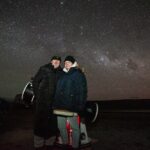
This Cowan’s Private Observatory experience is built for first-timers: you get a guided look at what’s actually up there, using telescopes and handheld tools, all in sheltered, low-light craters near Lake Tekapo. I especially like that it’s focused on seeing (not just hearing), and that the setting is designed to cut down wind and light so you can concentrate on the stars.
Two things I like a lot: the chance to learn the Southern sky quickly with an astronomy guide, and the Aoraki Mackenzie International Dark Sky Reserve (Gold Standard) location, which is famous for dark, clear views. One drawback to plan around: it runs on weather, so if clouds or conditions spoil the view, you may switch to an indoor alternative and not go out to the telescopes that night.
In This Review
- Key points before you go
- Why Lake Tekapo’s Night Sky Works So Well
- Price and value: What you pay for at Cowan’s Private Observatory
- Entering the plan: Two stops, one continuous night
- Stop 1: Dark Sky Project base, shuttle ride, and the crater orientation
- Stop 2: Aoraki Mackenzie Gold Standard skies through powerful telescopes
- What you’re most likely to see (and why it feels different)
- Guides, equipment, and how the night stays fun
- Weather plan: what happens when clouds roll in
- Logistics that matter: timing, midnight check, and getting to the shuttle
- Who this tour suits best (and who may want a different style)
- Should you book Cowan’s Private Observatory stargazing?
- FAQ
- How long is the Cowan’s Private Observatory stargazing experience?
- Where do I check in for the tour?
- Is the observatory accessible for wheelchair users?
- What’s included in the experience?
- What should I bring or wear?
- What if the weather is bad?
- Is food included?
- Do I need to print my tickets?
- What’s the minimum age for this stargazing tour?
Key points before you go
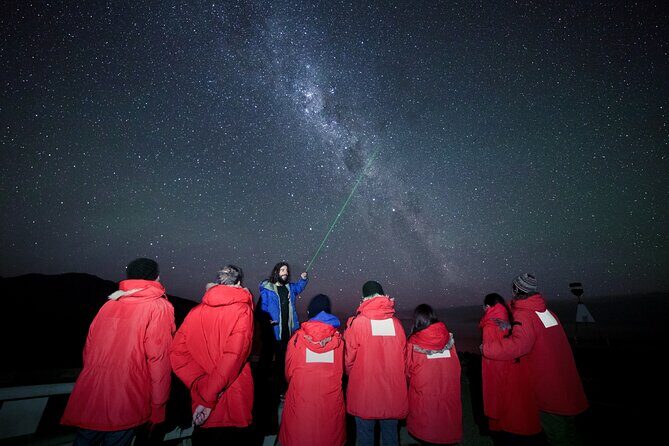
- Purpose-built craters keep you sheltered from wind and light pollution during telescope time
- Gold Standard Dark Sky Reserve means clearer views of the Milky Way and bright southern targets
- Two-part format: a short orientation plus a longer guided telescope session
- Small group size (max 22) helps the night stay organized and personal
- Mobile e-tickets save you from printing hassles, and bad-weather refunds are available
Why Lake Tekapo’s Night Sky Works So Well
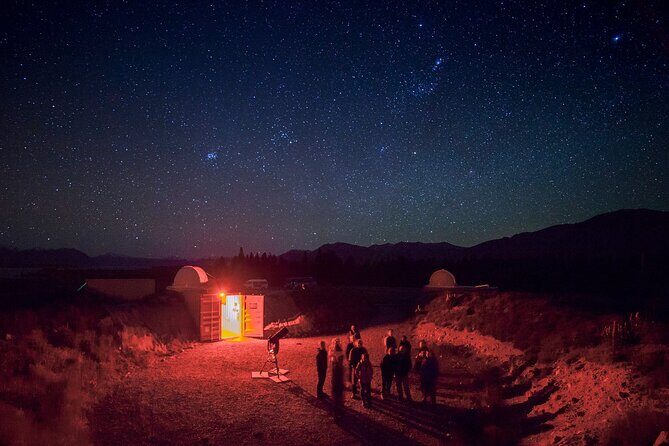
Lake Tekapo is one of New Zealand’s best places to chase clean, dark skies, and this tour uses that advantage intelligently. You’re not just standing outside hoping for magic. You go to a purpose-built observatory area in the Lake Tekapo region, then settle into sheltered viewing craters that reduce wind and stray light.
The big “why” is simple: the Mackenzie Basin area is part of the Aoraki Mackenzie International Dark Sky Reserve, and this specific site is described as a Gold Standard reserve. In plain terms, that’s the difference between “I saw stars” and “I can follow what’s overhead and spot real structure in the sky.”
You can also read our reviews of more tours and experiences in Lake Tekapo.
Price and value: What you pay for at Cowan’s Private Observatory
At $82.11 per person for about 1 hour 30 minutes, this isn’t a casual bargain—yet it also doesn’t try to be a luxury dinner experience. You’re paying for a working observatory setup: return transport from the Dark Sky base, trained guides, and telescope time in a dedicated facility.
I look at it like this: if you’re new to stargazing, the value is in having someone point you toward what to look for. Without guidance, the southern sky can feel overwhelming. With guidance, you get order fast—constellations, planets, and deep-sky objects become recognizable. That’s also why the tour caps at 22 people: it’s easier to manage attention and help you get your bearings quickly.
Entering the plan: Two stops, one continuous night
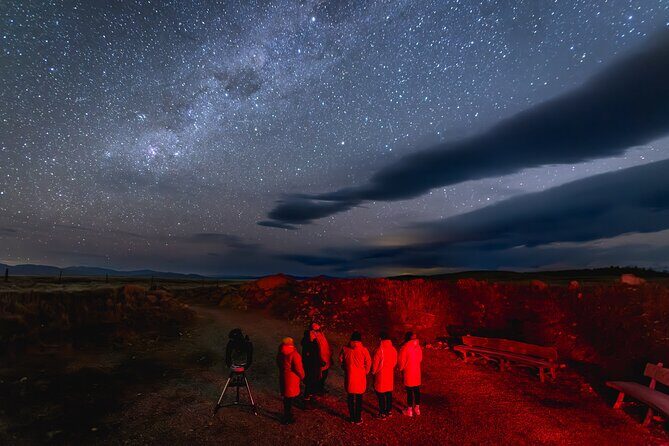
This is a two-part experience that feels smooth from start to finish, even though it’s divided into two phases.
You check in at the Dark Sky Project base in Lake Tekapo, then hop on a shuttle for about a five-minute drive to Cowan’s Private Observatory. That short transfer matters: you’re not losing a big chunk of precious night sky time to long rides.
From there, the experience runs in two layers:
1) an early orientation and crater settling-in moment, and
2) the longer guided telescope session focused on what’s visible that night.
Stop 1: Dark Sky Project base, shuttle ride, and the crater orientation
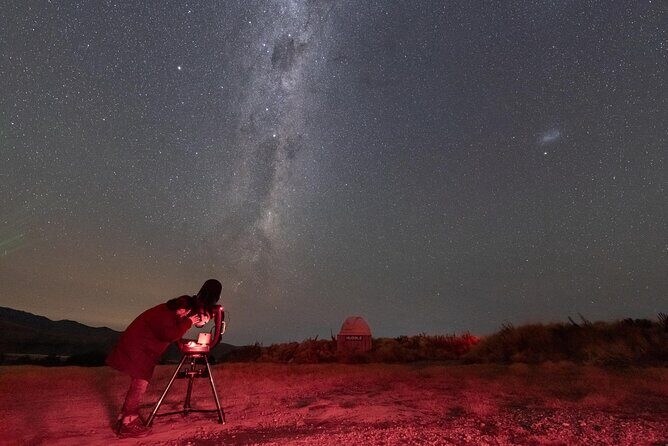
Stop 1 is basically your “get comfortable and get oriented” phase. After check-in at the Dark Sky Project base, you’re transported to the observatory area in a short shuttle ride.
Once you arrive, you’re sheltered from wind and light pollution in the observatory’s purpose-built craters. That detail sounds small, but it’s a big deal in real life. Cold air and stray lighting can make stargazing hard—especially for kids and first-timers. A crater-style setup gives you a calmer environment so your brain can actually learn the sky instead of just feeling chilly.
This stop also fits well for families. The experience is designed to work for a wide range of ages (minimum age 5, with children accompanied by an adult), and the early structure helps younger kids stay engaged before the longer telescope time.
Stop 2: Aoraki Mackenzie Gold Standard skies through powerful telescopes
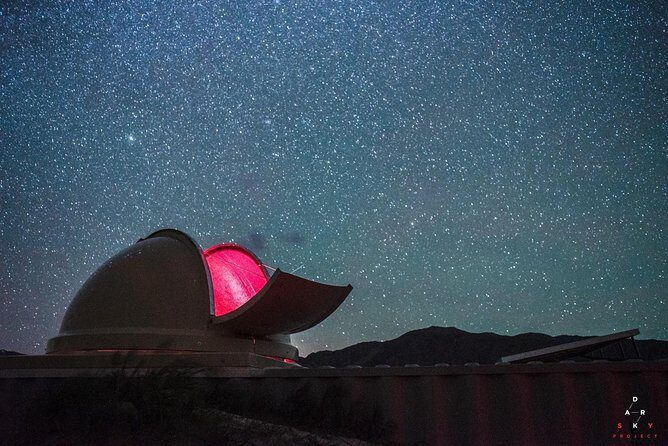
Stop 2 is the main event: you settle into the longer guided session within the Aoraki Mackenzie International Dark Sky Reserve, described as a Gold Standard reserve. The promise here is better clarity: darker skies usually mean sharper views of star fields and the Milky Way’s structure.
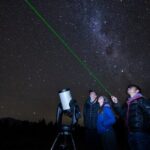
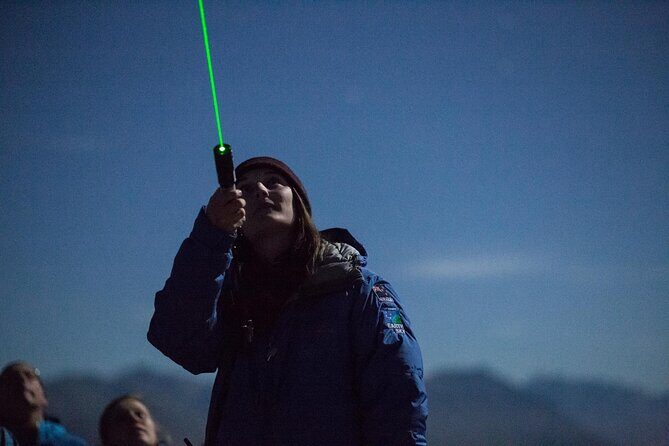
Your guide uses a mix of tools—handheld lasers plus powerful telescopes—to show you what’s overhead. This combination is helpful. A laser helps you match a bright point in the sky to a specific object. Then the telescope turns that into something you can really see.
The tour’s phrasing is practical: what you see will depend on season, time of night, and cloud cover. That’s not a cop-out; it’s accurate stargazing reality. Clouds and haze change everything. Even on a clear night, targets shift as the sky rotates, so guides focus on what’s best at your viewing time.
What you’re most likely to see (and why it feels different)
On clear nights, the experience is built around the bright, “wow” targets first, then deeper structure. The review highlights give you a good sense of the typical big moments:
- Saturn with rings is a standout when conditions are good.
- Jupiter and the Moon show up as frequent favorites because they’re bright and easy to follow.
- Southern Cross is a common highlight for first-timers learning their way around the southern sky.
- Star clusters and other southern sky features can be surprisingly satisfying once you know where to look.
Here’s the key idea: the tour isn’t only about “seeing something.” It’s about understanding how to keep seeing. You’ll get help finding stars and constellations, then using the telescopes to confirm what your guide shows you.
Also, the observatory is described as sheltered from both wind and light pollution, and that likely helps more than you think. Turbulent air makes views less steady. Reduced wind exposure can mean sharper observing.
Guides, equipment, and how the night stays fun
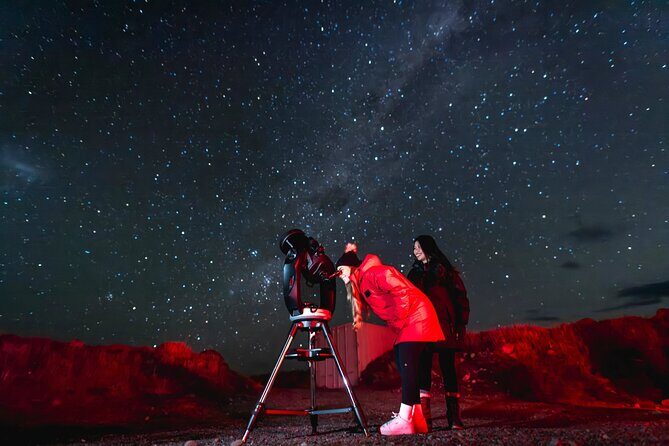
The guide experience is a major part of the value. Reviews consistently point to guides who are friendly and make the night feel like a conversation, not a lecture. The best part is the pacing: the guides tailor what you do to what’s visible that night, so you’re not stuck watching a slideshow while the sky does the real work.
Equipment-wise, you should expect multiple telescope setups. Even if you don’t get every target every time, you’re still learning the sky in layers—find it, point it out, then zoom in.
One practical tip I’d take seriously: dress for cold. Even when it’s clear, stargazing sessions can run long enough that you feel every bit of nighttime chill. Reviews mention it being cold in mid-April, and it makes sense: you’re stationary outdoors for a chunk of time.
Weather plan: what happens when clouds roll in
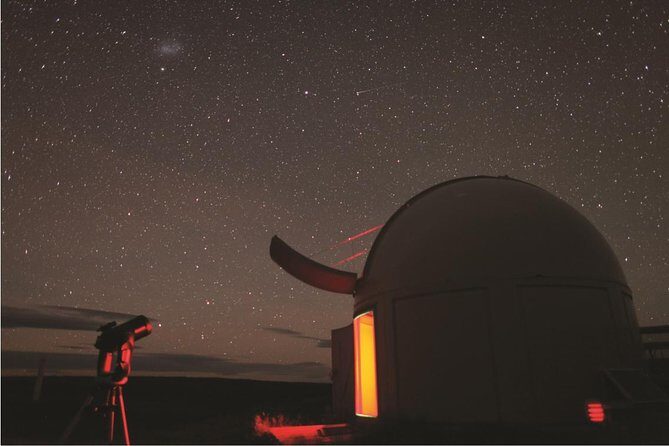
This tour requires good weather, and that’s honest. If the viewing conditions are poor, you won’t necessarily go out to the telescopes. Instead, you may be offered an alternate indoor experience.
The upside is that the indoor option isn’t presented as “kill time.” It’s described as an alternative that still teaches—so you’re not paying just to lose the night. And on nights when clouds clear after the initial conditions improve, you may still get a chance to observe later.
If you’re planning a trip with limited nights in the area, this is worth thinking through. Dark-sky tours are weather-dependent everywhere. Here, at least, the plan includes a real fallback rather than leaving you empty-handed.
Logistics that matter: timing, midnight check, and getting to the shuttle
A lot of stargazing disappointment comes down to timing, and this one has a specific watch-out: if you’re booking a time after midnight, double check the date you’re booking. The night can look like a single continuous adventure, but calendars don’t agree.
Also, be ready to arrive on time for check-in. One harsh lesson shown in feedback is that if you miss the shuttle departure, the staff may not be able to transport you to the stargazing spot. So treat the first minutes at check-in like you would a flight connection: show up early, stay ready, and don’t assume the night will wait for you.
If you’re traveling with kids, this matters even more. Plan for waking, coats, and keeping everyone in the right headspace for a late night.
Who this tour suits best (and who may want a different style)
This is one of the better fits for:
- First-time stargazers who want direction, not guesswork
- Families with kids age 5+ (children must be with an adult)
- People who care about dark-sky quality and want to know the difference between random stars and a real astronomy lesson
- Anyone who wants a wheelchair-accessible option, since the observatory is stated as accessible for wheelchair users
A couple considerations to weigh:
- You may need to handle a language requirement for safety. The tour states you must speak the language of the tour, or you may not be allowed to join.
- If you hate outdoor cold or you’re very sensitive to weather uncertainty, the outdoor viewing time may be hard to predict because the tour depends on conditions.
Should you book Cowan’s Private Observatory stargazing?
If your goal is a structured, guided introduction to the southern night sky in one of New Zealand’s best dark-sky zones, I think it’s a strong choice. The value isn’t just the telescopes—it’s the guided navigation of the sky in a sheltered observatory setup, plus the Gold Standard reserve location.
Book it if you can dress warmly, arrive on time (especially for late slots), and you’re okay with weather being the boss. If you want a guaranteed “always outdoors” viewing experience, stargazing tours in this region can’t promise that. But if you’re flexible and want to learn something real while the sky cooperates, this one is built to deliver.
FAQ
How long is the Cowan’s Private Observatory stargazing experience?
It runs for about 1 hour 30 minutes (approx.).
Where do I check in for the tour?
You check in with the team at the Dark Sky Project base in Lake Tekapo, then you’re transported by shuttle to the observatory area.
Is the observatory accessible for wheelchair users?
Yes. The observatory is described as accessible to wheelchair users.
What’s included in the experience?
You get guided stargazing in a private observatory facility with telescopic viewing technology, expert astronomy guides tailored to what’s visible, and return transport from the Dark Sky base. The experience also includes viewing within sheltered craters.
What should I bring or wear?
Bring warm clothing, since you’ll be outdoors during the experience. The tour notes that you should dress warm all year round.
What if the weather is bad?
If weather prevents the tour from operating, you may be offered an alternate indoor experience. If it can’t go ahead due to poor weather, you’ll receive options including a refund or another date, depending on how it’s handled for that night.
Is food included?
No. Food and drinks are not included unless specified.
Do I need to print my tickets?
No. You’ll have downloadable mobile e-tickets, so you do not need to find a printer.
What’s the minimum age for this stargazing tour?
The minimum age is 5 years, and children must be accompanied by an adult.