
REVIEW · DUNEDIN AND THE OTAGO PENINSULA
Explore Dunedin: Self-Guided Audio Tour Adventure
Book on Viator →Operated by Citywalksz Ltd · Bookable on Viator
Dunedin feels better when you control the pace. This self-guided audio walk strings together major sights from The Octagon to the end on Stuart Street, using a built-in GPS map and English narration so you can pause, look up, and keep moving without a group timer.
What I like most is the mix of architecture and story: you’ll hear about Dunedin’s Scottish roots and how the city grew into a lively urban hub, while still getting practical landmark-by-landmark prompts. The other big win is flexibility. You can treat it like a quick morning circuit or stretch it with breaks; just know there’s one catch: you need internet to get the audio downloaded at the start, and you bring your own headphones.
In This Review
- Key highlights at a glance
- A self-guided Dunedin walk that keeps your attention on the details
- Starting at The Octagon, ending at Stuart Street
- Stop-by-stop: churches, law courts, and the old rail hub
- Stop 1: The Octagon
- Stop 2: St. Paul’s Cathedral
- Stop 3: First Church of Otago
- Stop 4: Dunedin High and District Court
- Stop 5: Dunedin Railways (Train Station)
- Stop 6: Toitū Otago Settlers Museum
- Stop 7: Dunedin Chinese Garden
- Stop 8: Speight’s Brewery
- Stop 9: St Joseph’s Cathedral School
- Price and value: does $13.99 make sense for Dunedin?
- Gear, offline audio, and the one lesson that matters
- Timing your day: how long should you really plan?
- Who this tour fits best
- Quick FAQ for Dunedin audio tour planning
- FAQ
- How long is the Dunedin self-guided audio tour?
- Where does the tour start and end?
- What do I need to run the audio?
- Is admission included for all stops?
- Is the tour available in languages other than English?
- Do I get a physical guide or transporter service?
- Should you book this Dunedin audio tour?
Key highlights at a glance

- GPS map + audio files guide you stop to stop
- English-only narration keeps the route clear and easy to follow
- Great city-center walking with major landmarks clustered close together
- Most stops are free to enter, with a couple paid attractions
- Pause anytime for shops, photos, and extra time inside churches and buildings
A self-guided Dunedin walk that keeps your attention on the details

Dunedin can be a lot of fun when you move at a steady clip, but it can also turn into a blur if you’re just trying to hit checkboxes. This tour is built for the in-between moments: standing in front of a landmark long enough to notice what makes it distinct, then getting the story when you’re actually in place.
The heart of the experience is that you’re not stuck with one pace. The audio tour is designed to take around two hours, but the booking window lists an overall duration of about 5 hours 30 minutes. That’s usually what self-guided tours mean in real life: plan on around two hours for listening, then add time for walking slower, reading plaques, grabbing a snack, or lingering outside churches you find interesting.
You also get a useful layer of guidance. The GPS map and stop sequence help you keep your bearings, especially in a center like Dunedin where streets curve and cross. If you want a structured plan without feeling boxed in, this hits the sweet spot.
You can also read our reviews of more guided tours in Dunedin and The Otago Peninsula


Starting at The Octagon, ending at Stuart Street
The tour begins at The Octagon in Central Dunedin. That’s a smart way to start because it’s the natural hub of the city center—perfect for orienting yourself before you head into the church-and-civic landmark zone.
You end at 231 Stuart Street, and it’s the last point of the audio tour. This matters because you can plan a tidy day around it. For example, you can finish your walk, then move on to whatever you want next—coffee, shopping, or a longer sit-down elsewhere in town.
One practical point: the tour uses a mobile ticket, and you’ll start at 8:00 am. Since it’s self-paced, you’re not doing a strict guided group march—but your phone still needs the audio set up ahead of time.
Stop-by-stop: churches, law courts, and the old rail hub
The route is basically a guided stroll through Dunedin’s big public buildings and major places of worship. The story thread you’ll hear connects the city’s Scottish heritage with its later growth and development, and it does so by pointing your eyes at things you’d miss if you just passed by.
Most stops have a similar rhythm: about 30 minutes allocated, with audio prompts to help you look for architecture, symbols, and building features. Some places are best for exterior viewing, while others invite you to look up at ceilings, windows, and details once you’re inside.
Stop 1: The Octagon
You’ll start at The Octagon, the central open space where city life and local architecture meet. This is where the tour gets you oriented fast. Listen for what you’re looking at and why the surrounding buildings matter.
Why it’s worth your time: This is your launch pad. If you start here and actually let the audio frame the area, the rest of the walk makes more sense.
Possible drawback: If you’re in a rush and skip the first few minutes, you can lose the story context that helps the churches and civic buildings land better.
Stop 2: St. Paul’s Cathedral
Next is St. Paul’s Cathedral, known for its Gothic Revival look—stonework, tall spires, and intricate detail. The audio also points out what you can notice inside, including high ceilings and stained-glass elements.
Why you’ll like it: It’s the kind of stop where looking slowly pays off. These buildings are designed to draw your eyes upward, and the audio cues help you spot the right features instead of wandering aimlessly.
Watch-outs: Church interiors can have rules around access. The tour notes architecture and what to look for, but your actual time inside may depend on what’s open when you arrive.





Stop 3: First Church of Otago
Then you’ll move to the First Church of Otago, another Gothic Revival landmark. The audio focuses on what makes it recognizable—its spire, stone carving details, and stained-glass windows.
Why it’s special: This is where the walk feels more than sightseeing. You start noticing patterns in design choices and how Dunedin expressed its identity through major religious buildings.
Potential consideration: If you’re not into architecture, this stop can feel like a lot of looking without obvious fun. If you are into architecture, it’s a highlight.
Stop 4: Dunedin High and District Court
At the Dunedin High and District Court (often referred to as the law courts), you’ll encounter Victorian-era civic architecture: grand facades, intricate stonework, and elegant interiors described in the audio.
Why it works: You get a break from churches, and you see how power and public life show up in the built environment.
How to use the time well: Stand back enough to take in the facade first, then move closer for detail. The audio is easiest to follow when you alternate between wide views and close viewing.
Stop 5: Dunedin Railways (Train Station)
Now for the iconic one: Dunedin Railways, the old Edwardian-style station. The audio calls out the Edwardian Baroque design, including the clock tower and stained-glass windows. This is a classic “stop and stare” building.
Why it’s a top value stop: The station is a landmark you’ll remember even if you don’t go inside anywhere. It’s also a natural place to take photos because the architecture is so visually structured.
Timing tip: If you want photos without stress, keep this stop tight at first, then return if the light is right.
Stop 6: Toitū Otago Settlers Museum
Next up is Toitū Otago Settlers Museum. The audio nudges you toward the human story: exhibits connected to the history and cultural heritage of Otago’s people.
Why this stop matters: Walking through civic buildings and churches is interesting, but a museum helps you anchor the story with context. This is where the day often clicks into place.
Cost note: This stop is listed as admission free in the tour outline you’re given. Still, you’ll want to plan time to actually read or watch what you can.
Stop 7: Dunedin Chinese Garden
The Dunedin Chinese Garden is a quieter shift from stone buildings and busy squares. It’s presented as a serene, authentic slice of Chinese culture, designed to reflect a scholar’s garden style from a late Ming/early Qing vibe.
Why you’ll appreciate the change: It’s a breather stop. After architecture and civic landmarks, the garden gives you calm pacing and a different kind of detail.
Cost watch-out: Admission here is not included, so you may pay separately. If you’re trying to keep the day low-cost, this is the first stop where you should decide how important it is to you.
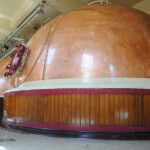
Stop 8: Speight’s Brewery
Then comes Speight’s Brewery, one of the most recognizable New Zealand brewery names. The audio frames its history (including that it was established in 1876) and points you toward the brewery’s guided tour-style approach.
What makes it useful: Even if you skip a paid internal tour, you’re learning what the brand means and how long it’s been part of Dunedin’s story.
Cost watch-out: Like the Chinese Garden, admission is not included for this stop, so build in extra budget if you plan to go deeper here.
Stop 9: St Joseph’s Cathedral School
You finish at St Joseph’s Cathedral School, designed by Francis Petre and completed in 1886. The audio highlights its Gothic Revival style and stained-glass features.
Why this works as a finish: It’s a final architecture-focused moment that feels like closure—another upward-looking stop that helps the walk feel coherent from start to finish.
Practical note: Your phone’s battery matters more at the end because you’ll still be following the last segments. Keep your screen brightness sensible.
Price and value: does $13.99 make sense for Dunedin?

At $13.99 per person, this is priced like a smartphone add-on rather than a full guided tour. That’s a good sign for value because you’re paying mainly for the structure: audio files and a GPS map that guide you around central Dunedin.
Here’s where the value really shows:
- You’re getting a self-paced format, which often saves time (you can stop when you want, not when a guide says).
- Most of your listed stops are admission free, including the big civic and church landmarks, plus Toitū Otago Settlers Museum.
- You can use the audio to learn, not just to navigate.
Here’s where you’ll want to do simple math:
- Headphones and an audio device are not included. If you don’t already have a comfortable pair, factor that in.
- Food and drink aren’t included, so plan your own breaks.
- A couple attractions likely cost extra (Dunedin Chinese Garden and Speight’s Brewery), since those admissions aren’t included.
So the deal is strong if you treat paid stops as optional add-ons and you mainly want the walking route with storytelling.
Gear, offline audio, and the one lesson that matters

This is where one potential frustration can happen. The tour relies on the app and your phone, and the system needs internet at the start so you can download the audio. One clear lesson from real use is that if you show up without working connectivity, you can end up unable to access the audio as intended.
Here’s the best way to avoid that:
- Download the tour audio on Wi-Fi before you leave.
- Once downloaded, switch your phone to airplane mode and test playback if you can.
- Bring your own headphones. The tour ticket does not provide them.
Also, keep your phone battery in mind. A full morning walk plus GPS use can drain power. A small power bank is a cheap insurance policy if you know your phone runs hot.
Lastly, remember this is English-only. If English isn’t your strongest language, this may not be the best fit, even if you understand the landmark names.
Timing your day: how long should you really plan?

The tour’s audio is about two hours, but it’s listed under a longer duration window. That means you should plan flexibly based on your style.
If you want a quick hit:
- Move steadily between stops.
- Spend about 15 to 25 minutes per site and skip long museum reading.
- Treat paid attractions as optional.
If you want a calmer experience:
- Give the cathedrals and stations more time for photos and looking up.
- Add at least one extra break, especially at the Chinese Garden.
- If you’re planning anything at Speight’s, don’t cram it at the last minute.
Moderate walking fitness is recommended, and the route is in Central Dunedin. It’s not described as a remote hike, but it does require enough stamina for a sustained walk plus repeated stops.
Who this tour fits best

This is a great choice if you:
- Prefer your own pace over joining a group walk.
- Want architecture and city-story context without paying for a full guided tour.
- Like wandering with a plan, using a GPS map so you don’t feel lost.
It’s less ideal if you:
- Hate relying on your phone.
- Want a live guide to answer questions on the spot.
- Need the audio accessible without any chance to download it first.
Quick FAQ for Dunedin audio tour planning

FAQ
How long is the Dunedin self-guided audio tour?
The audio tour takes about two hours, but the overall experience duration is listed as approximately 5 hours 30 minutes.
Where does the tour start and end?
It starts at The Octagon in Central Dunedin and ends at 231 Stuart Street, also in Central Dunedin.
What do I need to run the audio?
You’ll need the Citywalksz app on your mobile device, plus internet access to download initially. The tour includes audio files and a GPS map, but it does not include an audio device or headphones.
Is admission included for all stops?
Not all stops are free. The tour lists admission free for places like The Octagon, St. Paul’s Cathedral, First Church of Otago, the law courts, Dunedin Railways, Toitū Otago Settlers Museum, and St Joseph’s Cathedral School. Admission is not included for the Dunedin Chinese Garden and Speight’s Brewery.
Is the tour available in languages other than English?
No. The tour is available only in English.
Do I get a physical guide or transporter service?
No. There’s no physical guide included and transport is not included. It’s a self-paced walking experience near public transportation.
Should you book this Dunedin audio tour?
Yes, if you want a simple way to see Dunedin’s main landmarks while learning what to notice. The GPS map plus audio combo is a strong value, especially because most key stops are listed as admission free. It’s also a smart option for budget-minded travelers who still want context and storytelling.
Skip or be cautious if you rely on having perfect internet on the spot, since you need connectivity to download the audio at the start. Also, pack the basics: your phone, a charged battery, and your own headphones. If you do that, this becomes a calm, efficient way to experience Dunedin’s center at your own pace, from the Octagon to the final stop on Stuart Street.