REVIEW · WELLINGTON
Remutaka Rail Trail Mountain Bike Explorer Cycle Tour
Book on Viator →Operated by Cycle Remutaka · Bookable on Viator
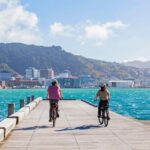
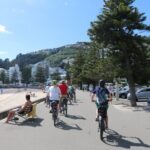
Tunnels, bridges, and a summit picnic in one ride. I love how this Remutaka Rail Trail day mixes easy rail-trail cycling with big, satisfying scenery like bird-filled forest, bridges, and tunnel sections. I also really like the built-in picnic lunch at the summit, because it breaks the ride into two clear moods: climb for a while, then flow downhill toward Cross Creek. One thing to consider: while it’s suitable for riders of all levels, the route can include tighter, rockier riding near the end, so you’ll want good bike control and steady confidence.
This tour is low-hassle in the best way. You start with a shuttle from central Wellington (Wellington Station or Wellington Port for cruise guests), then you’re issued everything you need: a pedal mountain bike, helmet and safety gear, lights, and even a pannier bag. There’s no guide pedaling alongside you, so your day depends on the pre-ride briefing and route wayfinding, plus staying flexible if the weather turns.
In This Review
- Key things to know before you ride the Remutaka Rail Trail
- Getting to Kaitoke: the Wellington pickup that keeps things easy
- The 28km feel: from Kaitoke and Pakuratahi Forest vibes
- Summit picnic: the break that makes the day memorable
- Bridges, tunnels, and why old railway engineering is fun
- Cross Creek to the Featherston pickup: finishing without the scramble
- What’s included (and what you should bring) for a smooth day
- Bike level: suitable for all, with one real caution near the end
- Price and value: where $124.11 actually makes sense
- Weather matters more than you think on this trail
- Should you book this Remutaka Rail Trail cycle tour?
- FAQ
- How long is the Remutaka Rail Trail cycle tour?
- Is there a guide with you while you ride?
- What pickup times and locations are available in Wellington?
- What’s included with the tour price?
- Can I bring dietary requirements for lunch?
- What should I wear for the ride?
Key things to know before you ride the Remutaka Rail Trail
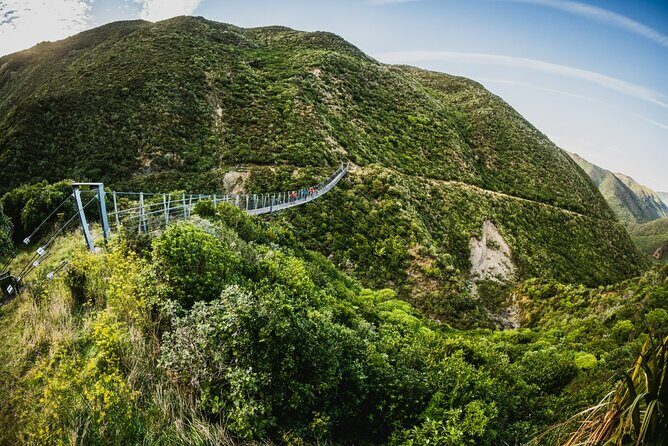
- A rail-trail cycle with a summit picnic: the route is planned around a lunch stop that makes the day feel structured, not rushed
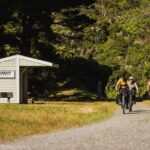
- Native forest, bridges, and rail tunnels: you cycle through Pakuratahi Forest and get that old railway feel fast
- No on-trail guide, but you still get support: staff brief you and can help with questions; you ride at your own pace
- Included equipment that matters: helmet and safety gear, bike lights, and a pannier bag are part of the package
- Small group feel (max 11 travelers): fewer people usually means quicker setup and clearer communication
- Wellington transfers reduce the stress: shuttles handle you getting to Kaitoke and back from the Featherston area
Getting to Kaitoke: the Wellington pickup that keeps things easy
The day starts with a shuttle, not a car rental stress-fest. You’ll be picked up at either 9:15am from Wellington Port (cruise ship guests only) or 9:30am from Wellington Station (main entrance). From there, you’re moved to the start of the trail at Kaitoke.
Why I like this setup for you: you can focus on cycling, not navigation. Wellington’s location is great, but getting out to the trail by yourself can turn into a half-day of logistics. This tour handles that part so you get your full six hours outdoors without spending your energy on transport puzzles.
You can also read our reviews of more cycling tours in Wellington

The 28km feel: from Kaitoke and Pakuratahi Forest vibes
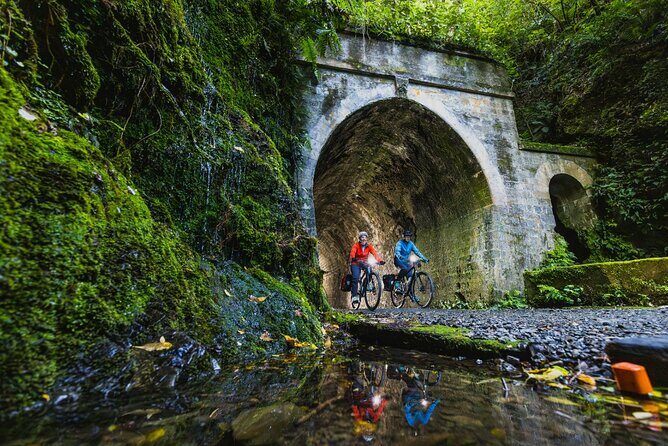
At Kaitoke, your 28km ride begins right away in Pakuratahi Forest, a native-bird-filled stretch that helps set the tone: quieter, greener, and more “away from city life” than most half-day trips.
A rail trail has a rhythm. Old railway lines tend to be graded, so the cycling feels steady instead of stop-and-go. You’ll follow the old track over bridges and through tunnels, which keeps things interesting even when you’re going at an easy pace.
Two practical notes I’d keep in mind:
- This isn’t a race. You’ll ride your own pace, and the way the route is set up makes it easy to throttle yourself.
- Bring your attention to the surface. Some sections can include rocks and narrower bits, and rail trails are still outdoor trails, not smooth paths.
Summit picnic: the break that makes the day memorable
The tour is built around a meal stop, and it’s not just some token sandwich. You’ll enjoy a picnic lunch at the summit before descending toward Cross Creek.
For me, this is the smartest kind of tour planning. It gives your muscles a pause at a predictable time, and it also gives you a reason to slow down and take it in. A summit stop can be a little “earned,” and this one is timed so you can enjoy the views without turning the rest of the ride into a grind.
You’ll also get lunch and water provided. If you have dietary needs, you’ll want to message the operator with details in advance (for example: gluten free, vegetarian, no seafood). This matters because you’re not planning around what a cafe might have later. Your meal is part of the schedule.
Bridges, tunnels, and why old railway engineering is fun

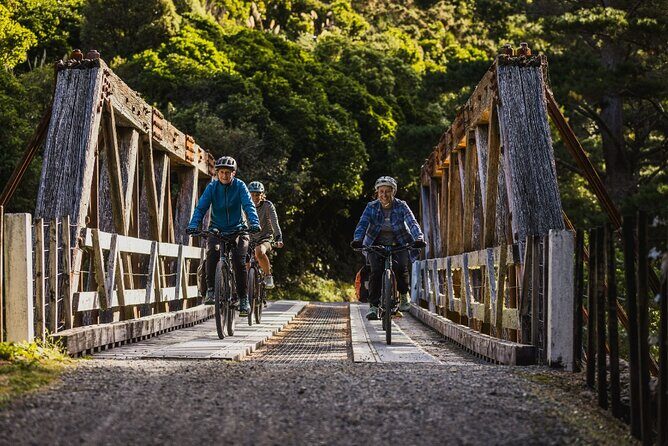
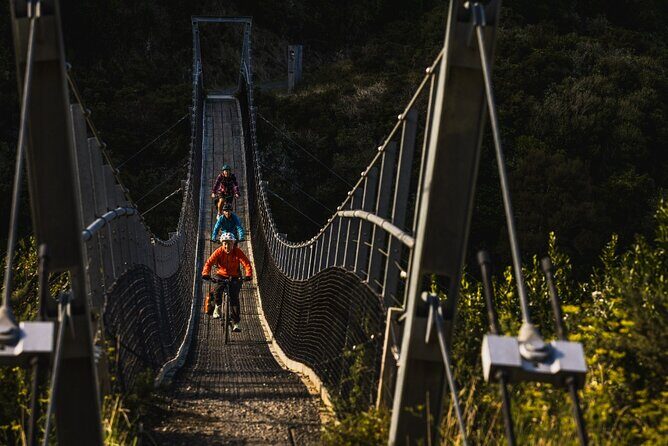
A big part of the Remutaka Rail Trail experience is that you’re not just moving through scenery. You’re riding through the infrastructure of the old railway—bridges and rail tunnels included.
Why this feels good on a bike:
- Bridges keep your speed and momentum moving while offering a constant sense of progress.
- Tunnels make the ride feel different every few minutes. One moment it’s open air and birdsong; the next, it’s dark enough that you notice your own pace and breathing.
- The mix breaks boredom. Even if you’re riding slower, you’re always transitioning.
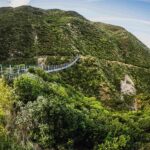
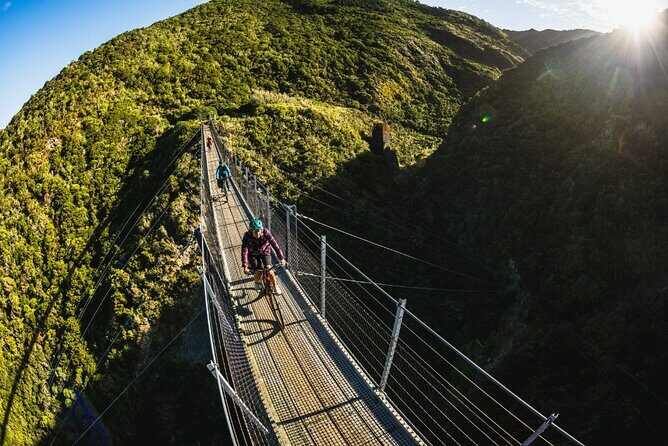
There’s also a suspension bridge section on the route. On windy days, it can feel intense. One rider noted that wind gusts were strong enough that crossing by bike wasn’t comfortable that day, even though the view down into the canyon was spectacular. If weather is gusty, don’t force a hero moment. Ride carefully, and if you need to walk the bike for safety, that’s still a win.
Cross Creek to the Featherston pickup: finishing without the scramble
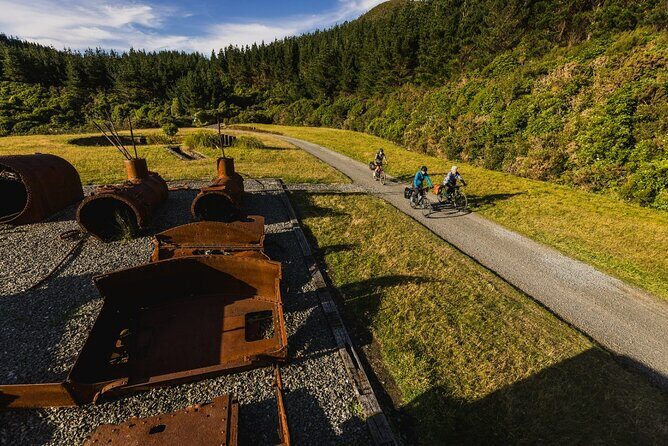
After your lunch, the route shifts into descent mode as you make your way toward Cross Creek. That change in grade is why the trail can work for a wide range of cyclists. Many riders will feel like the day is mostly rolling, downhill, or flatter cycling rather than constant steep climbing.
Where it gets especially nice is that the trail is designed to be easy to follow. It’s well-signed posted, and it’s hard to accidentally take a wrong turn. That matters because you won’t have a guide accompanying you on the trail. You’ll get a briefing and then you’re free to enjoy the ride.
At the end, the day wraps with pickup connected to the Royal Hotel in Featherston. After you finish, you’ll shuttle back over the Remutaka ranges, down the Hutt Valley, and return to Wellington Station or Wellington Port (with arrival around 3:30–3:45pm as stated).
What’s included (and what you should bring) for a smooth day
This is one of those tours where the included items actually improve the experience, because they remove small annoyances that ruin outdoors days.
Included:
- Mountain bike (pedal, not electric)
- Helmet and other safety gear
- Lights
- Pannier bag
- Lunch and water
- Shuttles to and from the trail
Not included:
- An on-trail guide (you’ll get a briefing and staff support for questions)
What you should bring or plan around:
- Closed shoes must be worn the whole time (running shoes are perfect)
- Outdoor clothing that fits the season, plus a light jacket for temperature shifts
- In colder months, long pants or tights that won’t get baggy around the bike parts
- Your height at booking so the bike sizing can be set up correctly
Also, pay attention during the briefing about what to do if you need help when there’s no cellular service. That kind of instruction can feel boring in the moment, but it’s the difference between relaxed confidence and frantic searching.
Bike level: suitable for all, with one real caution near the end
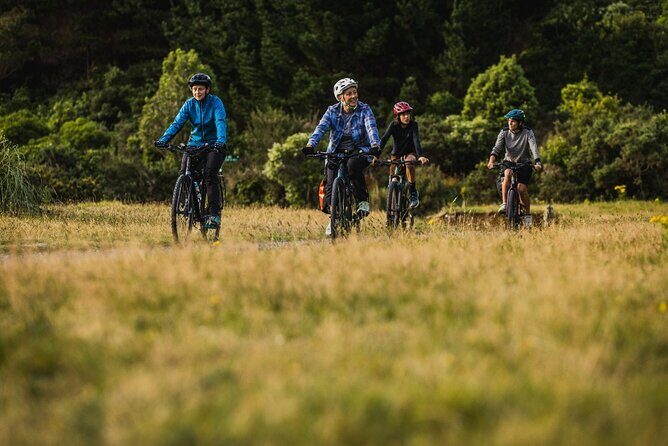
The tour is described as suitable for cyclists of all levels. That’s fair, with one big caveat: the trail isn’t uniform the whole way.
A recurring practical note is that most of the track is manageable by most riders, but the last stretch can be tighter and rockier. One rider who described themselves as fit still ended up walking their bike for the final few kilometers because the path was narrow with rocks to navigate around and a steep drop nearby.
How you should think about that:
- If you’re comfortable on a mountain bike and can brake smoothly on uneven ground, you’ll likely enjoy the whole ride.
- If you only feel confident on very smooth surfaces, you might find the last part demanding even if the earlier sections feel easy.
- Plan for the possibility of walking the bike for a short section. That’s not failure. That’s smart trail behavior.
If you’re wondering about e-bikes: the bikes on this tour are pedal-only, and one rider said they didn’t think an e-bike was necessary on their ride. Still, if you want the easiest possible effort, you’ll benefit from matching your fitness to the trail conditions.
Price and value: where $124.11 actually makes sense
At $124.11 per person for about a six-hour day, the real question is what you’re paying for.
You’re not just paying for a bike rental. You’re paying for:
- A fully guided-in-the-background transport plan (shuttles from Wellington to Kaitoke, and back from the Featherston area)
- The equipment bundle (bike, helmet, safety gear, lights, pannier bag)
- Your lunch and water
- A route experience that combines native forest, tunnels, bridges, and a summit break
If you tried to DIY this, you’d spend real time arranging transport, sourcing a suitable mountain bike, and finding food that fits your schedule. Here, those pieces are bundled so you can spend your day riding instead of managing details.
Also, the small group size (max 11 travelers) supports the value. Smaller groups tend to run smoother—better setup, fewer delays, and clearer communication.
Weather matters more than you think on this trail
This experience is subject to favorable weather conditions. If it’s cancelled due to poor weather, you’ll be offered a different date or a full refund.
That isn’t just legal wording. Trail riding is a different animal when rain or wind shows up:
- Surfaces can get slippery on rockier segments.
- Wind can make bridges feel unsafe or unpleasant.
- Visibility inside tunnels and on bridges can change how comfortable you feel.
My practical advice: dress for outdoors first, comfort second. Even on a pleasant day, Wellington conditions can shift quickly, so pack a light jacket and don’t wear anything you mind getting dirty.
Should you book this Remutaka Rail Trail cycle tour?
Book it if you want a classic Wellington day out that feels adventurous without requiring you to plan everything yourself. This tour is a great fit if you like the idea of cycling through Pakuratahi Forest, riding railway-era structures like tunnels and bridges, and enjoying a real scheduled meal at the summit.
I’d hesitate only if you:
- Don’t feel comfortable on uneven, narrow sections (especially toward the end), or
- Expect a completely smooth, beginner-flat ride from start to finish, every minute of the way.
If you’re a confident mountain-bike rider or you’re okay with walking a short rocky stretch, you’ll likely come away thinking this was one of your best value “get outside” days from Wellington.
FAQ
How long is the Remutaka Rail Trail cycle tour?
The full experience runs for about 6 hours. The time on the trail ride is listed as around 3 hours, plus shuttle time and the summit picnic.
Is there a guide with you while you ride?
No. A guide does not accompany you on the trail. You’ll get a briefing from staff and you can ask questions if you need help.
What pickup times and locations are available in Wellington?
You can be picked up at 9:15am from Wellington Port (cruise ship guests only) or 9:30am from Wellington Station (main entrance).
What’s included with the tour price?
The price includes a mountain bike (pedal, not electric), helmet and safety gear, lights, a pannier bag, lunch and water, and shuttles to and from the trail. No hidden extras are listed.
Can I bring dietary requirements for lunch?
Yes. Lunch is provided, and you should message your dietary restrictions as soon as possible so the team can prepare for you.
What should I wear for the ride?
Wear appropriate outdoor clothing for the season and closed shoes (running shoes are perfect). Bring a light jacket as a reserve layer, especially if it cools down.