REVIEW · ROTORUA
Rotorua: Floatplane Flight with Orakei Korako Landing
Book on GetYourGuide →Operated by Volcanic Air · Bookable on GetYourGuide
A river landing makes Rotorua unforgettable. This floatplane flight over Rotorua’s geothermal parks turns big scenery into something close-up, with a river landing that feels different from any lookout. You’ll head out from Volcanic Air, rise from Lake Rotorua, and get aerial views that would take you hours to stitch together by car.
My favorite part is how the landing sets up an easy, satisfying visit on the ground. The Orakei Korako one-hour self-guided walk lets you linger at the hot springs, gushing geysers, bubbling mud pits, and a thermal cave without rushing, and pilot Ben keeps the flight entertaining and clear in English. The one real catch: the plane is compact (six small bucket seats), so you’ll want to be comfortable getting in and out, and the ride can feel a bit bumpy when the weather isn’t perfect.
In This Review
- Key highlights you’ll actually care about
- Why this Rotorua floatplane feels efficient (and fun)
- From Lake Rotorua to the lakes district: the view setup
- Mount Tarawera’s volcanic rift and crater colors
- Waimangu Volcanic Valley from above: youngest geothermal energy
- Wai-O-Tapu from the sky: Artist’s Palette and Champagne Pool
- The approach south to Orakei Korako via the Waikato River
- Orakei Korako: one hour self-guided in a hidden valley
- Getting the timing right: how the 2 hours actually plays
- Comfort, weather, and who should take a pass
- Price and value: what $505 is buying you
- Should you book this Orakei Korako floatplane flight?
- FAQ
- How long is the floatplane experience?
- What is included in the price?
- How long do I get at Orakei Korako?
- How large is the group?
- Is hotel pickup and drop-off included?
- What should I bring?
- Who should avoid this activity?
Key highlights you’ll actually care about
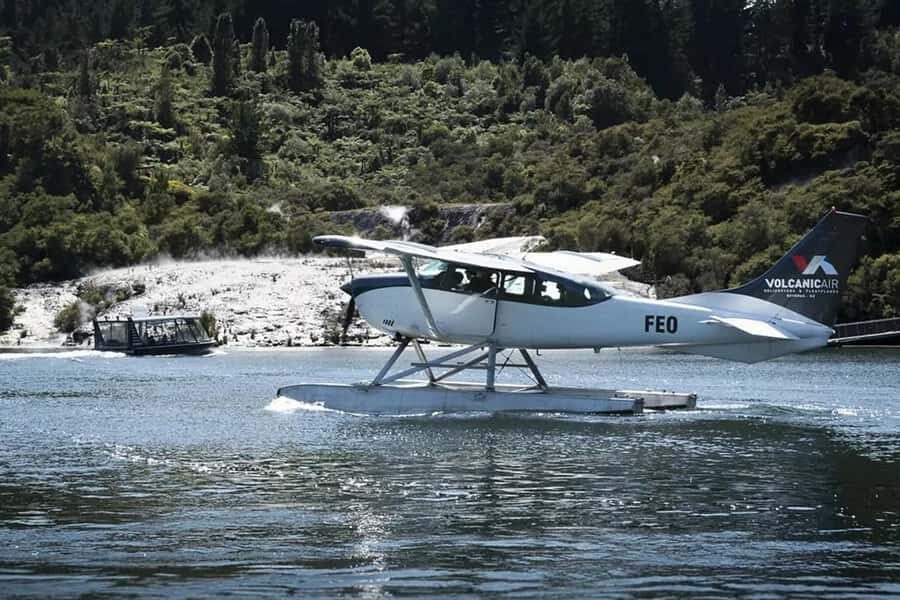
- A Waikato River docking at Orakei Korako that feels like you’re landing somewhere remote, not staging for photos
- Pilot Ben’s commentary in English, helping you spot craters, lakes, and volcanic rifts from above
- Big aerial route through Mount Tarawera, Waimangu, and Wai-O-Tapu without spending a full day on the road
- One hour to self-guide Orakei Korako at your own pace through silica terraces, geysers, mud pools, and a thermal cave
- Small group limited to 6, so the experience stays relaxed rather than rushed
Why this Rotorua floatplane feels efficient (and fun)
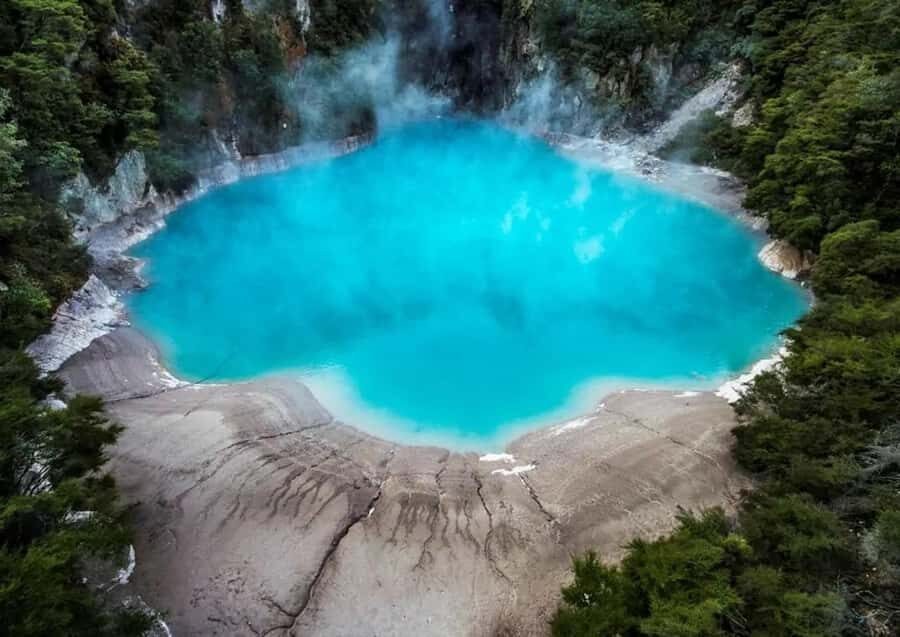
Rotorua has geothermal parks that look dramatic from the road. But from the air, the whole system makes more sense: volcano, lakes, steam, and geothermal basins connect like pieces of one giant puzzle. In just two hours, you get an overview you can’t easily get by hopping between stops on the ground.
I also like the pace. The flight has short, practical photo and sightseeing moments, and then you get real time on land at Orakei Korako. That mix is what makes it feel worth the price, not just a ride over scenery.
And yes, it’s compact. You’ll sit in bucket-style seats (there are six), and getting settled takes a little flexibility. For most people it’s part of the charm, but if you’re sensitive to tight spaces, plan for that up front.
You can also read our reviews of more tours and experiences in Rotorua.
From Lake Rotorua to the lakes district: the view setup
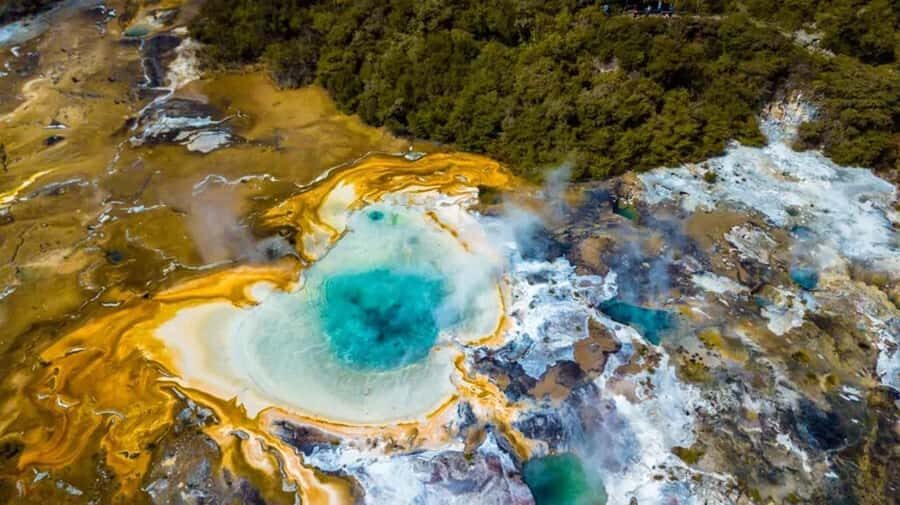
You start at Volcanic Air and lift off from the Rotorua area, with an early chance to take photos over Lake Rotorua. From there, you gain altitude and the city drops into a pattern: waterlines, pockets of forest, and the geometry of the lakes district start to pop.
One of the neat little challenges is spotting the lakes below—there are 14 to look out for as you fly across the region. It’s not just sightseeing fluff; from above, it’s easier to understand how the geothermal parks sit alongside water, farm blocks, and native bush.
You also pass over the Rotorua District from the air for a short scenic stretch. This is the part where the flight turns from transfer into experience, because you’re actively mapping the area in your head instead of just looking out a window.
Mount Tarawera’s volcanic rift and crater colors
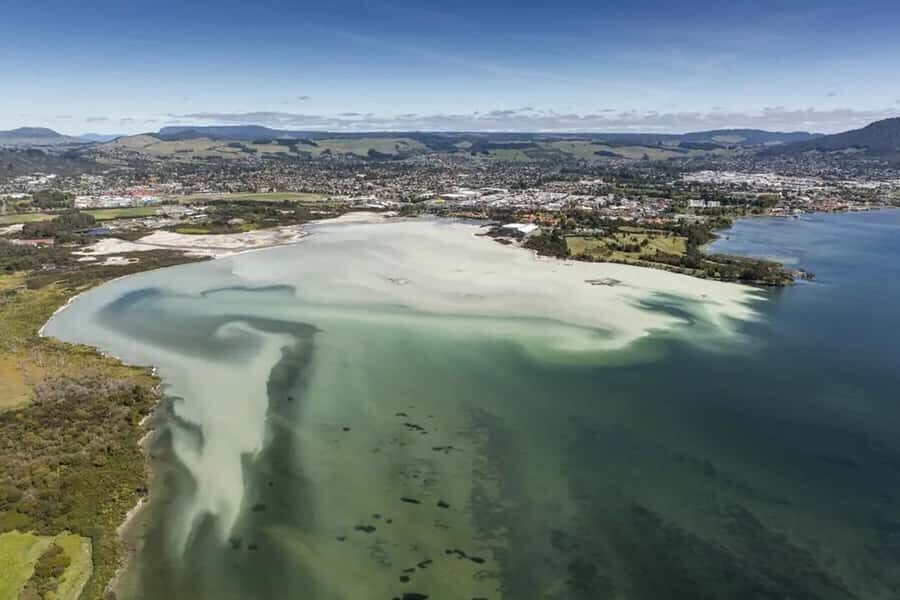
Then the scenery starts doing the dramatic stuff. You’ll head toward Mount Tarawera, including views of the 17-kilometer volcanic rift. This is the kind of volcanic feature that’s hard to appreciate from ground level because the scale wraps around you only when you’re high enough to see the pattern.
As you approach, look for the colorful craters and volcanic lakes. You’ll see how the ground has been reshaped, and you’ll also get a sense of where famous features used to be. The flight includes views connected to the Pink and White Terraces—now covered by lakes—so you get the story of change without needing to read a museum plaque.
This section is also where pilot commentary really helps. With the right explanations, crater shapes and basin colors stop being random swirls and start sounding like a timeline of events.
If you care about photography, this is the best time to be ready. Light changes quickly across volcanic rock, and the craters can look more saturated when the aircraft angle lines up with the sun.
Waimangu Volcanic Valley from above: youngest geothermal energy
From Mount Tarawera you’ll continue toward Waimangu Volcanic Valley. You’ll get aerial views there too, with the kind of quick, wide-angle perspective that makes geothermal activity feel immediate.
Waimangu is described as the youngest geothermal park on Earth, and from the plane you can almost see why. The terrain often looks fresh—less like long-eroded scenery and more like an active system still writing its next chapter.
On this stretch, the flight keeps moving, but it doesn’t feel like you’re rushing. Those short sightseeing windows matter because they let you look, register, and then look again when the plane reorients.
Wai-O-Tapu from the sky: Artist’s Palette and Champagne Pool
Next comes Wai-O-Tapu Thermal Wonderland, which is famous for visual color. From the air, you get a wider “where everything is” view—then you can connect that to specific highlights you might know by name on the ground.
You’ll fly over areas tied to the Artist’s Palette and Champagne Pool. I like seeing these spots from above because the colors don’t look like isolated attractions; they look like part of a geothermal mosaic, where minerals, heat, and water create color gradients over distance.
This is also a good moment to compare the different geothermal looks. Some basins look steamy and pale, others look dark and mineral-stained, and the contrast helps you understand why geothermal parks can feel like entirely different worlds even though they’re close together.




The approach south to Orakei Korako via the Waikato River
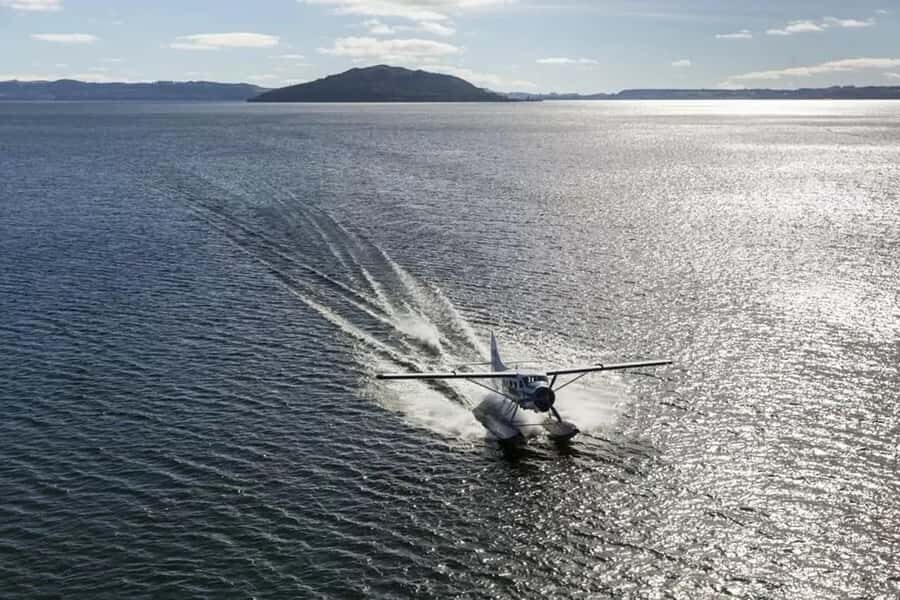
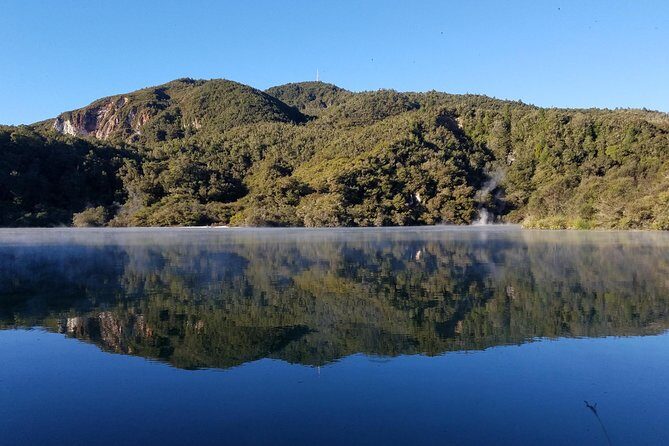
As the flight ventures further south, your pilot descends along the Waikato River. This is one of those transitions that makes the rest of the experience click: you’re shifting from “hot and colorful from above” to “quiet valley with life on the move.”
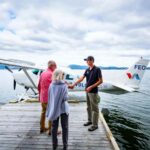
And then comes the big standout: landing on the river. The approach feels calmer than you might expect, because you’re gliding past native bush and navigating the river’s bends toward the docking point. It’s a genuine highlight, and it’s also where the small-plane feel becomes a benefit—you’re close enough to notice details, not just watch a dot in the distance.
When you land by water, it changes the rhythm of the whole day. You stop thinking of this as a flight and start thinking of it as access to a place that feels separate from the usual tourist route.
Orakei Korako: one hour self-guided in a hidden valley
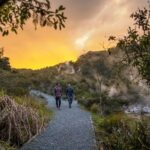
Once you’re on land at Orakei Korako, you get one hour to explore on a self-guided walk. This is the right length for most people: long enough to slow down, short enough that you’re not exhausted before reboarding.
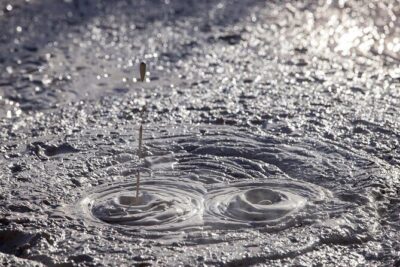
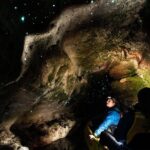
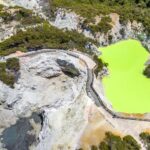
Orakei Korako is known for features like hot springs, spouting geysers, bubbling mud pits, and a thermal cave. You’ll also see some of the largest silica terraces in the world, and if you like geology, this is the part that rewards patient looking.
Because it’s self-guided, you can pace yourself. If you want photos, you can pause where you like. If you prefer simply watching steam drift and water move, you can do that too. There’s no pressure to keep up with a group walking in lockstep, which I find makes geothermal sights feel more personal.
You’ll also likely want a camera ready and shoes that feel solid underfoot. The terrain is geothermal, so you don’t want slippery footing to be the limiting factor.
There’s a café for a break where you can stop for coffee or tea and grab a snack before you head back. Since meals and drinks aren’t included in the price, treat this as a chance to buy something convenient rather than expecting it to be all covered.
Getting the timing right: how the 2 hours actually plays
This is a short experience in terms of total time—two hours from start to finish. But that doesn’t mean it feels rushed, because the schedule uses the time smartly: multiple brief lookouts in the air, then a full hour on land where geothermal sights do the heavy lifting.
If you’re the type who wants to “tick off” a lot of attractions in one day, this works well. If you prefer to go slowly and soak up just one park thoroughly, you may wish you had more time on the ground after the flight.
One practical tip: build in mental flexibility. Small planes involve more movement while boarding and disembarking, and the comfort level depends on how you handle tight seating and quick transitions.
Comfort, weather, and who should take a pass
Floatplanes can be a bit bumpy when conditions shift. Based on people who’ve done this before, it’s sometimes not perfectly smooth, and the aircraft is compact—so you’ll want to be comfortable with that reality.
Here’s who should consider skipping the flight:
- pregnant women
- people with back problems
- people with heart problems
Also note that smoking isn’t allowed.
What to bring is straightforward and matters: comfortable shoes for the walk, a hat and sunscreen for sun exposure, water to stay hydrated, and your camera because the views are genuinely why you’re here.
If the weather is poor, floatplane operations can be more sensitive than road travel. The good news is you’re not locked in forever—there’s free cancellation up to 24 hours in advance for a full refund, and you can often reserve first and pay later to keep your plans realistic.
Price and value: what $505 is buying you
At $505 per person, this isn’t a bargain-style outing. But it also isn’t just a short scenic ride. You’re paying for a guided aerial circuit over multiple major geothermal areas, plus the special part: a landing and access at Orakei Korako.
The value is strongest if you care about three things at once:
1) seeing a large geothermal region from above
2) visiting Orakei Korako without doing a long, stop-and-start drive
3) doing it with a small group limited to 6
Your time on the ground is also meaningful: a full hour self-guided at Orakei Korako, which is the core on-land experience. That balance is what makes the price feel more justified than a flight that drops you off somewhere with no real time to explore.
What’s not included is meals and drinks, and there’s no hotel pickup. So budget for your own transport to Volcanic Air and your food while you’re at the café.
If you already planned to spend a day bouncing between Rotorua parks, this can save time. If you only want one geothermal stop and no aerial views, then you can get more value elsewhere by focusing on a single park at a slower pace.
Should you book this Orakei Korako floatplane flight?
Book it if you want a high-impact Rotorua day with two different kinds of magic: the big view from the air and the close, steamy details in Orakei Korako. The river landing is the kind of experience that sticks in your memory because it’s not something you can easily recreate with a bus schedule or a random viewpoint.
Skip it (or choose something else) if compact seating and possible bumpy rides would stress you out, or if you fall into the groups listed as not suitable. Also consider skipping if you’d rather spend your time on the ground than in a quick, two-hour total window.
If you’re on the fence, here’s my practical test: if aerial views are a “must” for your Rotorua trip, this is an efficient way to cover major geothermal highlights. If you’re mostly chasing one park and don’t care about the sky, you might be happier putting that money into a longer, ground-based day.
FAQ
How long is the floatplane experience?
The experience runs for about 2 hours total.
What is included in the price?
You get the floatplane flight over Rotorua’s geothermal parks, a landing at Orakei Korako, and a self-guided walk in the park.
How long do I get at Orakei Korako?
You have 1 hour to explore Orakei Korako on your own.
How large is the group?
It’s a small group with a maximum of 6 participants.
Is hotel pickup and drop-off included?
No. Hotel pickup and drop-off are not included.
What should I bring?
Wear comfortable shoes and bring a hat, camera, sunscreen, and water.
Who should avoid this activity?
It’s not suitable for pregnant women, people with back problems, or people with heart problems.