REVIEW · ROTORUA
Rotorua: Te Pa Tu Māori Cultural Experience with Dinner
Book on GetYourGuide →Operated by Te Pā Tū · Bookable on GetYourGuide
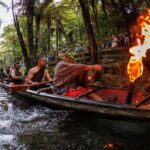
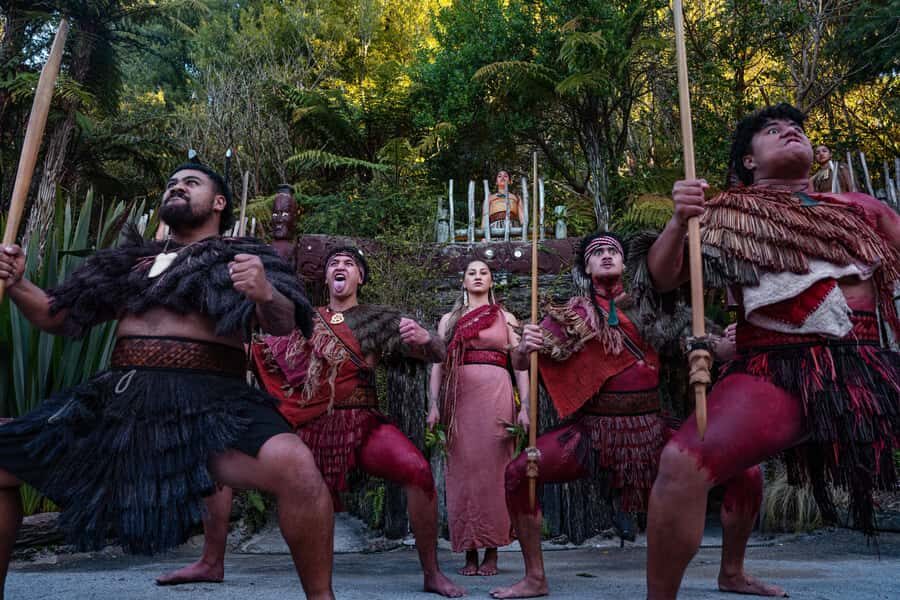
Bonfires and haka in Rotorua’s forest. At Te Pā Tū, you’ll watch Māori storytelling and dance in a woodland amphitheater, then eat a 4-course feast outdoors under towering tawa trees.
I love the way this isn’t just sit-and-watch. You get invited into hands-on moments like poi ball and stick activities, and you’ll be close enough to feel the energy during major performance moments like the haka.
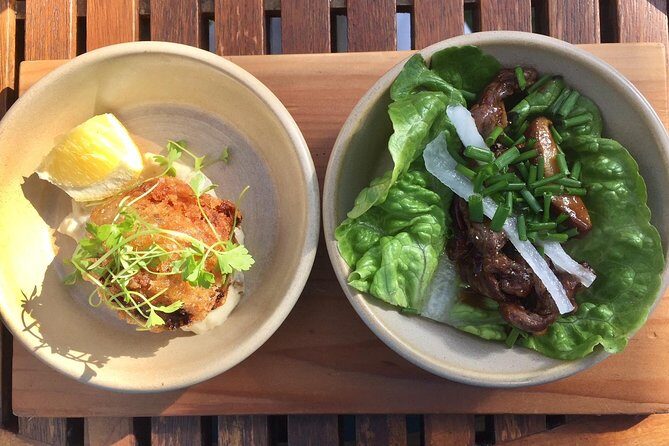
I also love the food pacing: forest canapés lead into an award-winning Māori chef-designed fusion menu, served with the Maramataka (Māori lunar calendar) in mind.
One consideration: Māori-style cuisine can be hard to tailor for everyone. The kitchen is not coeliac-approved, and the experience can’t cater to all dietary needs, so if you have strict restrictions or avoid specific meats, plan to ask questions ahead of time.
In This Review
- Key things to know before you go
- Why Te Pā Tū feels like more than another Rotorua night show
- Getting there: hotel pickup, a short bus ride, and an easy arrival
- Arrival in the village: welcoming ceremony, wharenui time, and forest energy
- The performance flow: songs, storytelling, and haka up close
- Hands-on culture: poi balls and stick practice (and how to play along)
- The meal: forest canapés, a 4-course Māori fusion feast, and what Maramataka means for your plate
- Dietary reality: what they can do, what you should ask, and how to avoid surprises
- What to wear and bring so you stay comfortable in the forest
- Price and value: is $167 per person worth it?
- Who should book Te Pā Tū, and who might want a different option
- Quick tips to make the night better
- Should you book this Rotorua Māori cultural dinner?
- FAQ
- What is the duration of the Te Pa Tu cultural experience with dinner?
- Does this tour include hotel pickup and drop-off?
- Where do I go if my hotel isn’t on the pickup list?
- What time does the main tour start?
- What’s included in the price?
- Is this dinner served indoors or outdoors?
- Can they accommodate dietary needs?
- What should I bring for the evening?
- Are cash payments accepted?
- What language is the guide or host?
Key things to know before you go
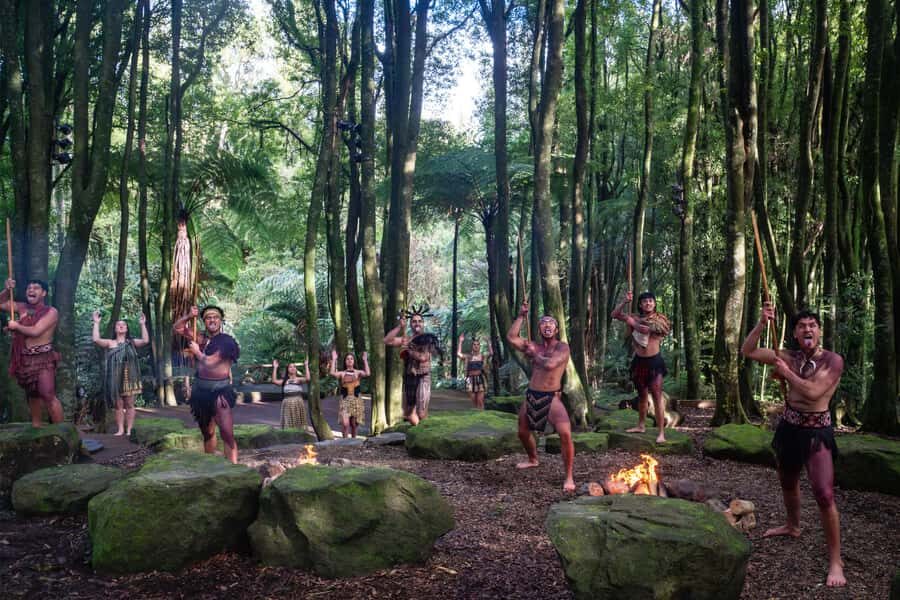
- Forest amphitheater performances: songs, storytelling, and dance held in a natural woodland setting.
- Bonfires and tawa trees: you’ll spend the evening surrounded by the forest atmosphere, not under a ceiling.
- Hands-on culture moments: poi ball and stick activities show up, not just speeches.
- Maramataka-inspired menu: seasonal choices are tied to the Māori lunar calendar.
- A real 4-course dinner: not snacks plus a show—this is a proper meal with canapés and multiple courses.
- Diet flexibility has limits: vegetarian and gluten-free can be possible, but it’s not universal.
Why Te Pā Tū feels like more than another Rotorua night show
Rotorua runs on shows. You’ll see plenty of dance performances with dinner tacked on. Te Pā Tū works differently because the evening flows like a guided cultural exchange, with the emphasis on participation and explanation, not just performance.
The setting helps. You’re not in a generic hall. You’re in a forest-formed amphitheater, with blazing bonfires and towering tawa trees all around you. That matters because it changes your brain from tourist-mode into evening-mode. You relax, you listen harder, and the performances land with more weight.
And the tone feels intentionally respectful. Even when things get fun—like short practice moments for dance or rhythm—the staff keep it grounded in tradition and context. If you’re the type who wants to understand what you’re seeing, this is a good fit.
A few more Rotorua tours and experiences worth a look


Getting there: hotel pickup, a short bus ride, and an easy arrival
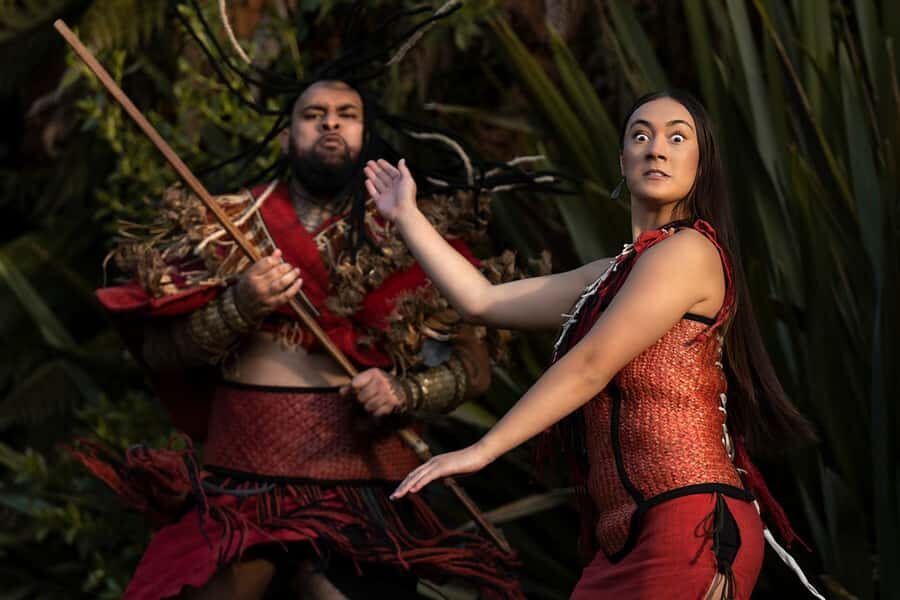
The evening starts with convenience. Hotel pickup and drop-off are included, and the pickup window from main Rotorua hotels begins from 6:35 PM. You’ll want to be ready in the lobby about 10 minutes early.
If your accommodation isn’t on the listed pickup points, head to Te Pā Tū Gathering Place instead. From there, you board a bus and travel about 12 km south to the village area where the evening takes place. It’s not a long haul, but it’s enough time for the guide to orient you and set the stage for what comes next.
The main start time is a 7:30 PM tour. Plan to be at the Gathering Place around 6:45 PM so you’re not rushing in the dark.
Why this matters: you don’t waste half your evening figuring out transport, and you arrive when the rhythm of the program is ready to run.
Arrival in the village: welcoming ceremony, wharenui time, and forest energy
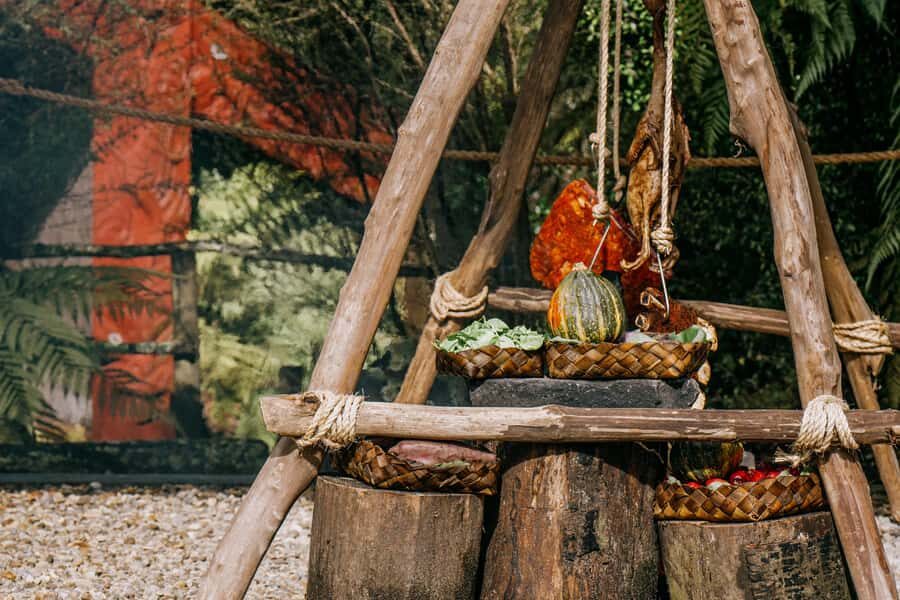
Once you reach the village, you’ll be welcomed with a traditional opening ceremony. After that, the night builds in a clear order: you learn, you watch, then you take part in activities.
A key part is time in the wharenui (the traditional meeting house). This is where many of the songs and performances happen, and it tends to feel powerful because you’re inside a space that’s designed for community gathering and storytelling—not just stage spectacle.
Then you head back into the broader village setup with firelight and forest atmosphere. Bonfires create warmth, but they also create mood. You get that sense of being “inside” the event rather than passing through it.
The village portion also includes explanations of Māori customs and what you’re seeing—like how traditional meeting-house life works, what different parts of the cultural setting represent, and how performers connect movement and meaning.
The performance flow: songs, storytelling, and haka up close
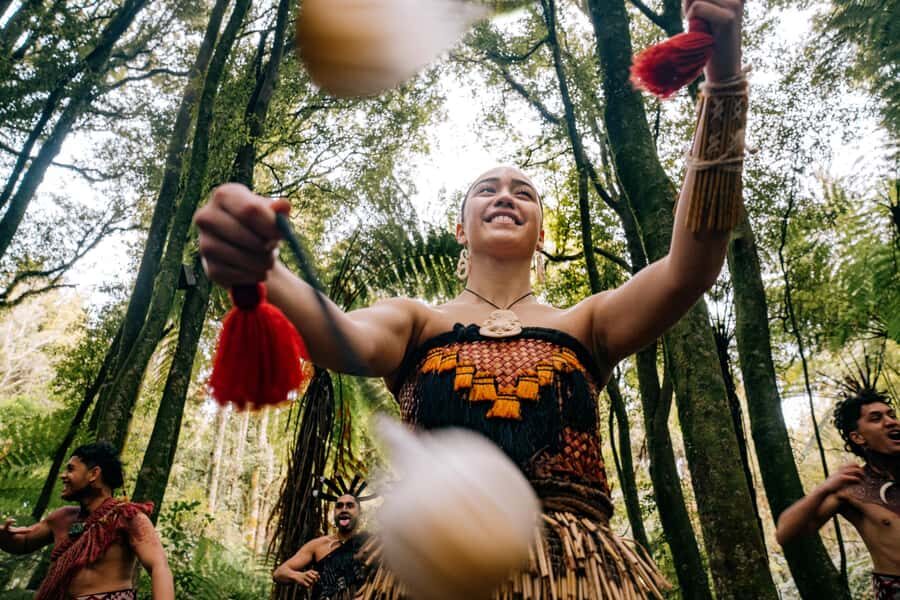
The show isn’t one long dance track. It’s a sequence of moments—songs, storytelling, and dance—with the program changing pace so you stay attentive.
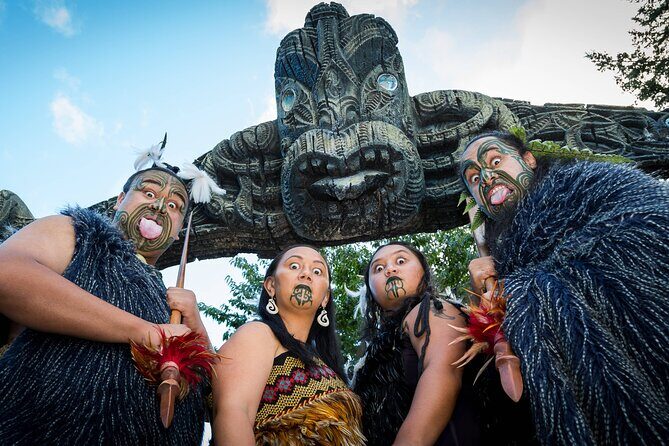
Expect Māori songs and performances tied to the Maramataka (Māori lunar calendar). You don’t need to be an expert to enjoy this, but it helps to know they’re not random “festival moves.” The evening is arranged around seasonal timing and cultural context, so the performances feel connected to place and calendar rather than just a generic set list.
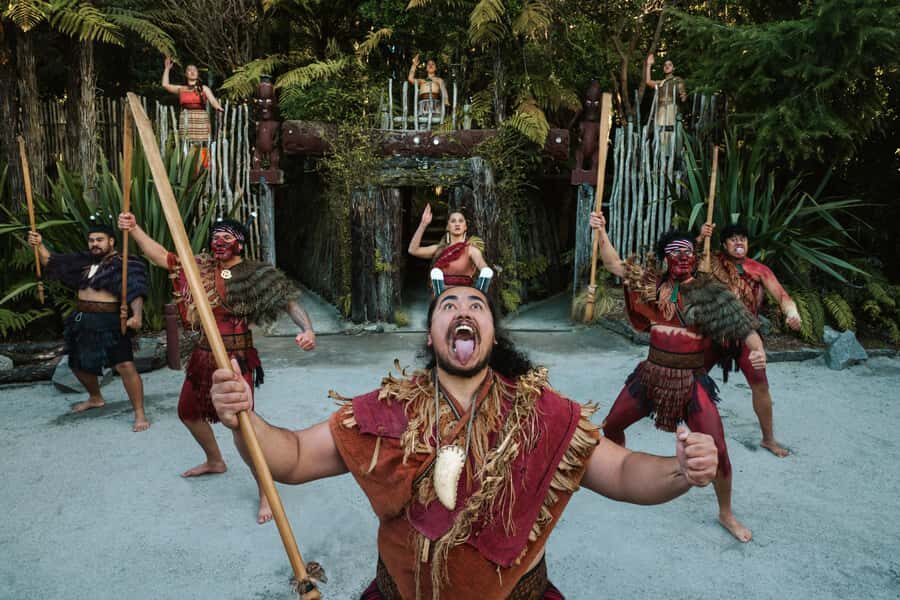
The most intense moment for many people is the haka. In the better reviews, you see the same pattern: people describe the moment as front-row and powerful. That’s a big deal if you care about authenticity and energy, because you’re not watching from the back. You’re close enough to feel the force.
Between performance segments, there’s usually space for explanation and interaction. The program isn’t only about seeing; it’s about understanding why the performances exist.
Hands-on culture: poi balls and stick practice (and how to play along)
If you want a cultural night where you’re not glued to your seat, this is one of Te Pā Tū’s strengths. There are interactive elements where you learn basic rhythms and movements—especially with poi balls and sticks activities.
In the feedback, people often mention being taught fighting-stick style practice, and also learning how to work with poi balls. You don’t need to be coordinated to join. The instruction is straightforward and brief, designed so you can try without turning it into a performance audition.
My practical advice: go in with a “student brain.” Don’t worry about getting it perfect. The point is participation—trying the movement, feeling the tempo, and learning what it represents.
If you’re someone who gets self-conscious, this kind of activity can be a stretch at first. But the vibe is typically warm, and the program keeps pulling you back to the shared fun of music and movement.
A few more Rotorua tours and experiences worth a look


The meal: forest canapés, a 4-course Māori fusion feast, and what Maramataka means for your plate
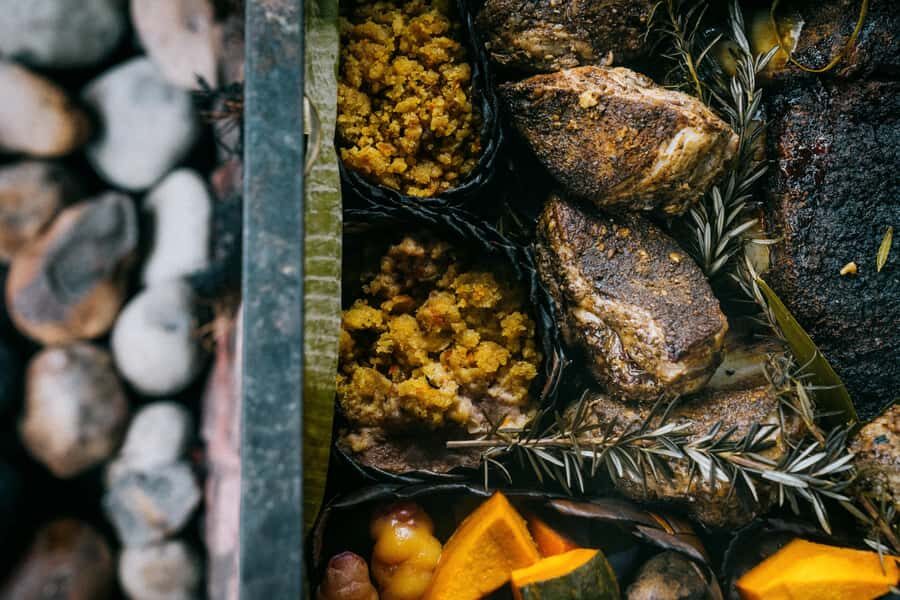
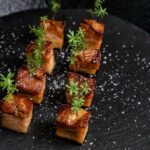
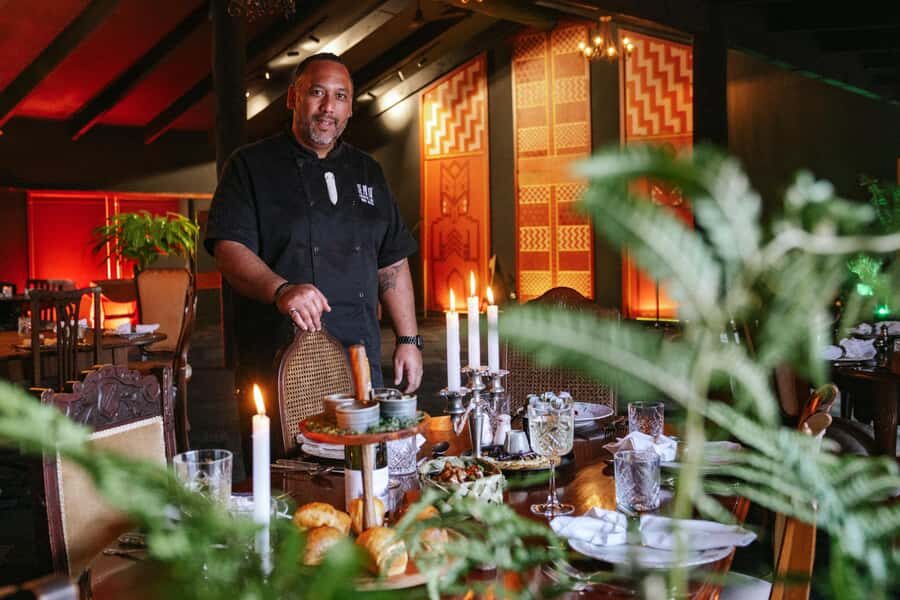
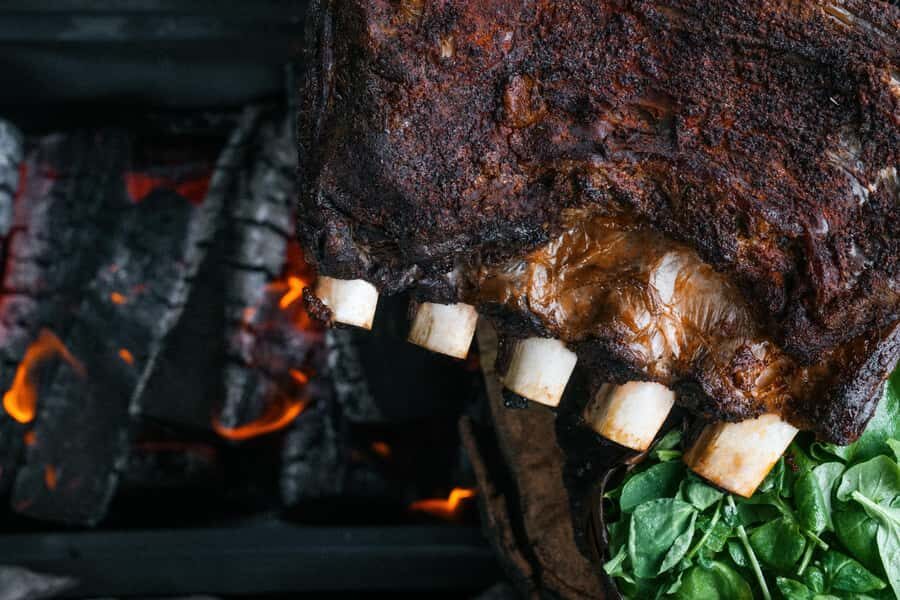
Dinner here is not an afterthought. Forest canapés arrive first, then the evening builds into a 3-course fusion feast designed by award-winning Māori chefs and prepared in-house. Together, that’s your 4-course meal.
The menu is seasonal and aligned with the Maramataka, the Māori lunar calendar. What you’ll feel as a diner is variety and a sense of “this is planned,” not random buffet leftovers. The seasoning and choices aim for local flavors, and the fusion approach keeps it interesting without losing the cultural backbone.
The meal is served al fresco (outdoors) in an outdoor area, with an option to take in views from an indoor space if needed due to weather. Even if you eat inside, you still keep the setting’s forest mood in your mind because the event is designed around the trees and firelight.
What I like about this pacing: canapés keep you moving through the program, then dinner gives your body a proper break after the haka-and-dance energy.
Dietary reality: what they can do, what you should ask, and how to avoid surprises
Here’s the plain truth: this isn’t a place where every dietary rule can be perfectly engineered on request. The data you’re given is clear that it’s not possible to cater to all dietary needs.
What you can plan around:
- Gluten-free can be accommodated.
- Vegetarian requirements can be accommodated.
- The kitchen is not coeliac-approved.
Also important: extra drinks are available to purchase, but water is included.
Now for the human side. The feedback includes examples of real flexibility, like vegan alternative meals being provided and specific adjustments for food rules around honey. That’s encouraging, but it still comes down to communication. If you have allergies, avoidances, or religious restrictions, message or request details during booking so the team can tell you what’s realistically possible.
One more warning from real-world experience: if you avoid beef and lamb, don’t assume it’ll work out automatically. Ask what proteins are used and what alternatives are available. If you don’t, dinner can feel disappointing even if the show is amazing.
What to wear and bring so you stay comfortable in the forest
This is an evening outdoors. Even if you can move indoors when needed, you’ll still be outside for parts of the program around the bonfires.
Bring:
- Comfortable shoes (you may walk on uneven ground)
- Warm clothing (Rotorua evenings can turn chilly)
- Comfortable clothes for sitting, standing, and light participation
If you’re tempted to dress fancy, I’d reconsider. You’ll enjoy the program more if you’re not thinking about cold knees or sore feet.
Price and value: is $167 per person worth it?
At $167 per person, this isn’t the cheapest cultural dinner in Rotorua. But value here isn’t only the food. It’s the package: pickup and drop-off, forest canapés, a full 4-course dinner, and a full evening of performances plus cultural explanations.
The duration—210 minutes (about 3.5 hours)—also matters. You’re buying an evening. Not a quick stop.
And the transport is part of the deal. The transport is rated highly, with 88% of reviewers giving it a perfect score. That’s meaningful because punctual pickup and smooth arrival makes the difference between a relaxed evening and one that starts with stress.
So here’s how I’d judge the price: if you want a genuine cultural night with real food and you’ll actually take part, the cost starts to look fair. If you’re only interested in watching a dance show and you’re picky about meal restrictions, then it’s harder to call it a win.
Who should book Te Pā Tū, and who might want a different option
This experience is a strong match if:
- You want a guided cultural evening with context, not only entertainment
- You like hands-on moments like poi or rhythm practice
- You plan to eat a real dinner outdoors and you’re open to Māori fusion flavors
- You want the haka experience up close in a respected setting
You might think twice if:
- You have strict dietary needs beyond gluten-free or vegetarian support, especially since the kitchen is not coeliac-approved
- You avoid specific meats like beef and lamb and can’t confirm alternatives ahead of time
- You dislike being asked to participate in any way (even basic practice counts here)
Quick tips to make the night better
- Go hungry. The meal is described as plentiful and plentiful enough that skipping dinner beforehand is a common mistake.
- Ask about your food rules early. Don’t assume generic dietary handling will cover your situation.
- Wear warmth-friendly clothes. You’ll appreciate it when the bonfires are great but the air cools down.
- Watch with intent during the storytelling. The meaning is part of what makes the performances feel worth it.
Should you book this Rotorua Māori cultural dinner?
If you’re choosing between “a show with dinner” and “a cultural evening with real context and a full meal,” I’d lean toward booking Te Pā Tū. The best part is the combination: forest setting + respectful performances + a serious 4-course dinner that keeps moving at a lively pace.
But do your homework on food restrictions. If you’re coeliac or have complex allergies, clarify what’s possible before you commit. If you’re within gluten-free or vegetarian needs, and you’re open to how the menu works with seasonal Maramataka timing, this is the kind of Rotorua night that tends to stick with you for the right reasons.
FAQ
What is the duration of the Te Pa Tu cultural experience with dinner?
The experience lasts 210 minutes (about 3.5 hours).
Does this tour include hotel pickup and drop-off?
Yes. Hotel pickup and drop-off are included. Pickup times from main Rotorua hotels begin from 6:35 PM, and you should be ready about 10 minutes before.
Where do I go if my hotel isn’t on the pickup list?
You’ll meet at Te Pā Tū Gathering Place. From there, you board a bus and travel about 12 km south to the village.
What time does the main tour start?
For the 7:30 PM tour, meet at the Gathering Place at 6:45 PM.
What’s included in the price?
Included are forest canapés, a 4-course dinner, water, and hotel pickup/drop-off. Extra drinks can be purchased.
Is this dinner served indoors or outdoors?
Dinner is served al fresco (outdoors). There is also an indoor area where you can view and eat depending on weather.
Can they accommodate dietary needs?
They can accommodate gluten-free and vegetarian requirements. It is not possible to cater to all dietary needs, and the kitchen is not coeliac-approved.
What should I bring for the evening?
Bring comfortable shoes, warm clothing, and comfortable clothes.
Are cash payments accepted?
No cash is accepted during the experience.
What language is the guide or host?
The host or greeter is English.