REVIEW · ROTORUA
Mitai Maori Village: Cultural Experience and Dinner Buffet
Book on GetYourGuide →Operated by Mitai Maori Village - Maori Experience · Bookable on GetYourGuide
Drums, canoe paddles, and dinner in the bush. Mitai Maori Village in Rotorua pairs a waka canoe arrival with an earth-cooked hangi feast and a haka performance, all in a guided 3-hour evening.
I love the warm start with Māori maidens and the way the group selects a chief to represent visiting guests. I also like the practical flow of an actual buffet dinner after you’ve seen the preparation and performance.
One consideration: the walk in the bush has limits for wheelchair access, with a return route that uses stairs. The accessibility note also says you will not see the glow worms from that route, even though glow worms are part of the standard experience.
In This Review
- Key highlights you should plan around
- 1) What Mitai Maori Village delivers in 3 hours
- 2) Price and value: what you actually get for $101
- 3) Pickup from Rotorua and where you’ll meet
- 4) Entering the village: rules, respect, and your group role
- 5) Warriors on the water: canoe paddling down Wai-o-whiro
- 6) The bush walk, sacred spring, and glow worm reality checks
- 7) Performance time: haka, songs, and learning ta moko
- 8) The hangi buffet dinner: how the meal works and what to expect
- 9) Small logistics that affect your comfort
- 10) Who should book Mitai Maori Village, and who might reconsider
- 11) Should you book this Rotorua night
- FAQ
- How long is the Mitai Maori Village experience?
- Is hotel pickup included?
- Where do I meet if I’m not using pickup?
- What food is included in the dinner?
- Are drinks included?
- Is there free cancellation?
- Can I reserve now and pay later?
- Is the tour wheelchair accessible?
- Will I definitely see glow worms?
- What should I wear for the evening?
Key highlights you should plan around
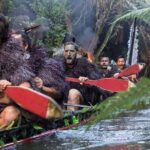
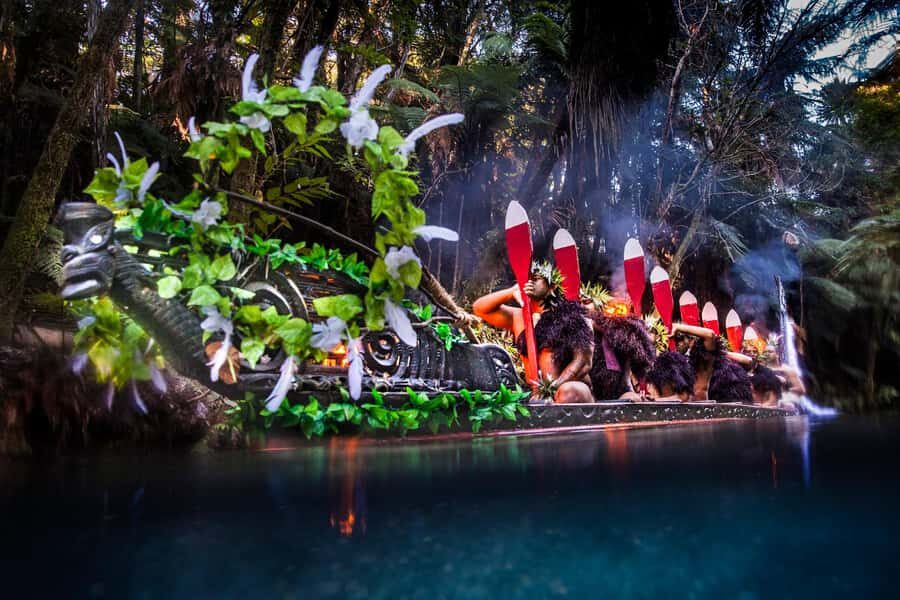
- Waka canoe paddling on Wai-o-whiro stream: warriors paddle and chant down the waterway
- Pick a chief from your group: your group gets a ceremonial representative for the visit
- Earth-cooked hangi, served hot: you see the hangi removed from the oven before the buffet
- Bush walk to sacred spring: nature walk includes uneven ground and weather factors
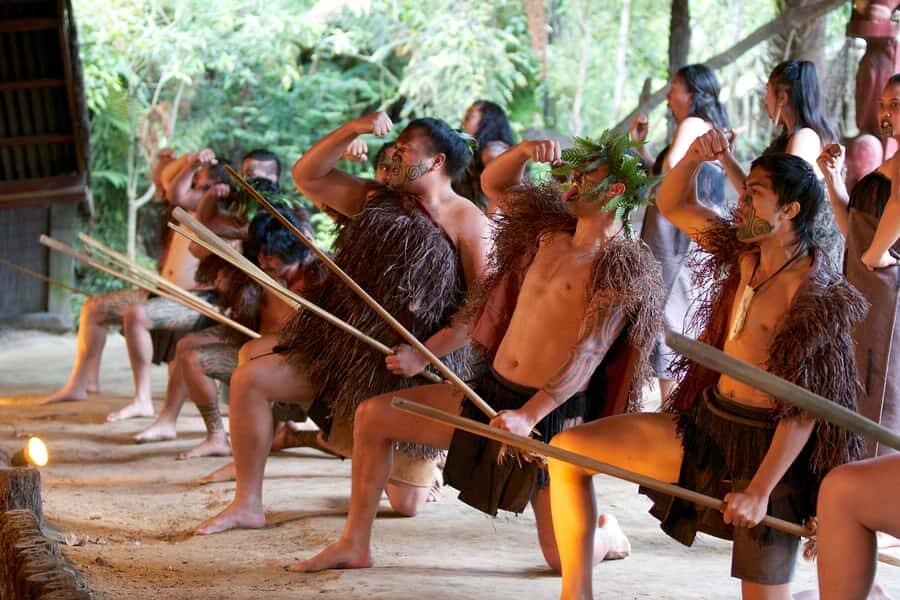
- Performance with haka: songs, dance, and the spine-tingling war dance
- Ta moko and cultural explanations: learn about traditional tattoo art and customs
1) What Mitai Maori Village delivers in 3 hours
Mitai Maori Village is built for an evening. You’re not signing up for a long seminar; you’re getting a timed, guided cultural program in a natural bush setting, capped off with dinner. The whole experience runs about 3 hours, so it’s a solid option if you want culture plus food without eating up your entire day.
The best part is the pacing. You move from greeting and site rules, to water and canoe arrival, to nature time, to stage performance, and then to the hangi buffet. It feels like the night has chapters, not just one long show.
At $101 per person, you’re paying for a bundle: a live English guide, round-trip pickup (if you book it and it’s available), performance time, and an included buffet meal with dessert. Drinks are separate, so plan on that extra cost if you like a glass of wine or a soft drink with dinner.
A few more Rotorua tours and experiences worth a look

2) Price and value: what you actually get for $101
Let’s break down value in plain terms. This isn’t just an entry ticket to a performance. You’re also getting:
- A guided cultural experience with a live tour guide in English
- Hotel pickup and drop-off in Rotorua if you’re staying at a registered accommodation (subject to availability)
- A hangi feast-style buffet plus dessert
- Nature elements like the bush walk and sacred spring viewing
The one consistent “extra” is beverages, which are available to purchase. If you’re careful with drink costs, the package holds up well for a single, well-timed evening plan—especially in Rotorua, where a lot of experiences are either show-only or food-only.
Also, the show includes meaningful parts: you’ll see the hangi removed from the earth-cooked oven, watch performances including haka, and get cultural explanations (including ta moko). That combination is what makes the evening feel like more than dinner entertainment.
3) Pickup from Rotorua and where you’ll meet
If you want the lowest-stress start, choose the optional pickup. Pickup is only from registered accommodations in Rotorua, and transfers are subject to availability. The operator also notes that if you book without a pickup location available at the time of booking, you might end up with no transfer.
A few practical timing rules matter:
- Drivers wait no longer than 5 minutes after the scheduled pickup time.
- Winter pickup is 5:15pm to 5:45pm.
- Summer pickup is 5:45pm to 6:15pm.
If you don’t use pickup, the meeting point is 196 Fairy Springs Road, Fairy Springs, Rotorua 3015. Either way, be ready to move at the scheduled time—this tour runs on a clock, and the evening includes staged moments you don’t want to miss.
4) Entering the village: rules, respect, and your group role
Before anything dramatic happens on water or stage, you’ll do the respectful stuff. You enter a Maori village in a natural bush setting and you’ll go over guidelines for visiting a sacred site. This isn’t presented as a casual stop; it’s framed as learning what to do and how to act while you’re there.
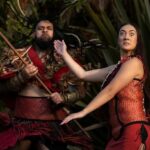
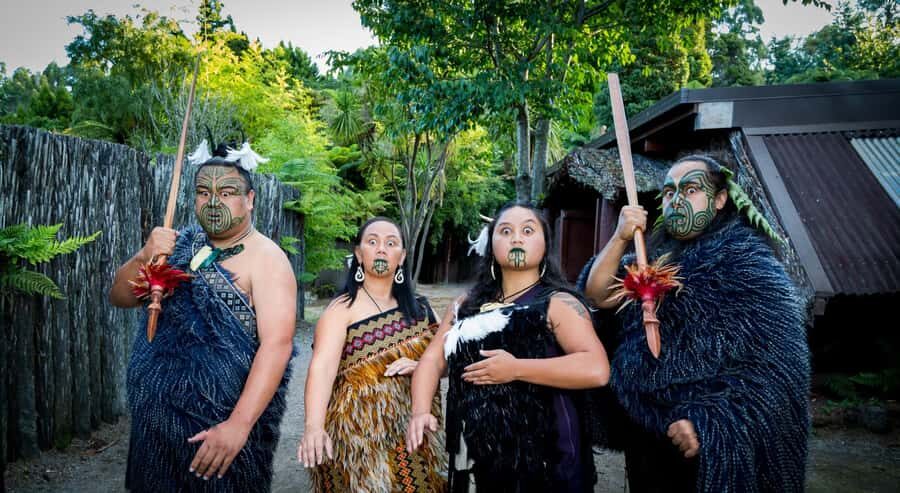
You’ll also get a meet-and-greet from Māori maidens, and one of the more memorable moments is the group involvement: you’ll be asked to select a chief from your group to represent those visiting the village. That simple detail changes the tone. It turns the evening from spectator-only to “you’re part of the ceremony.”
If you like experiences that give you a clear sense of how to behave—without feeling like a lecture—you’ll appreciate this structure.
5) Warriors on the water: canoe paddling down Wai-o-whiro
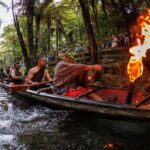
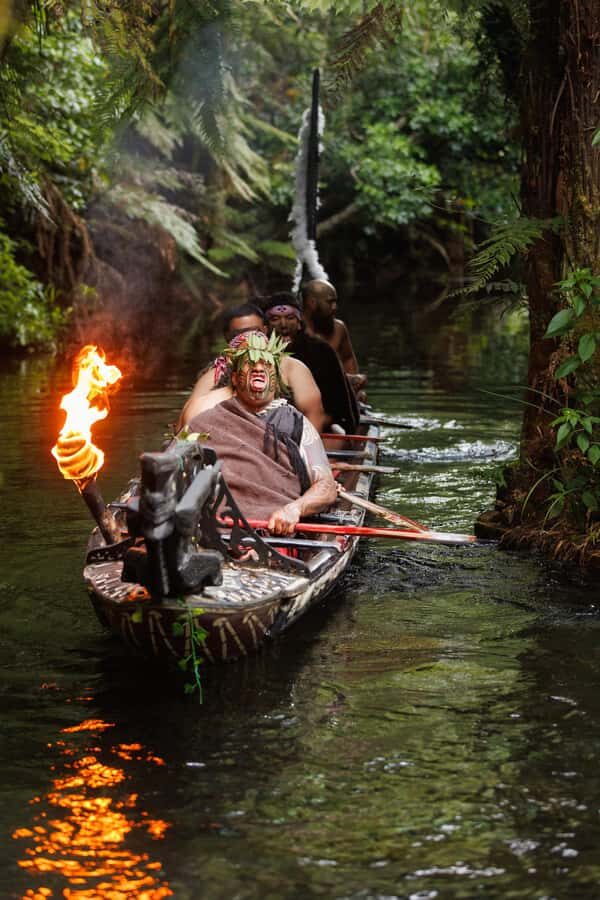
Then comes the action. You’ll see warriors in traditional dress paddle an ancient warrior canoe down the Wai-o-whiro stream while chanting. This is the part that many people remember because it’s visual and immediate: you’re watching people perform a cultural element tied to water and movement, not just reading about it later.
Even if you don’t know the language or the deeper background of each chant, the delivery comes through: drum-and-body rhythm, coordinated movement, and the sense of storytelling through performance.
Practical note: the tour includes movement outside in changing light. Wear shoes with grip. If it’s wet, you’ll want traction during the walk segments and the approach to viewing areas.
A few more Rotorua tours and experiences worth a look

6) The bush walk, sacred spring, and glow worm reality checks
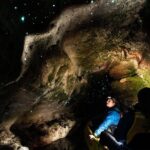
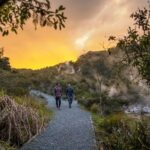
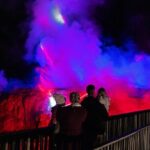
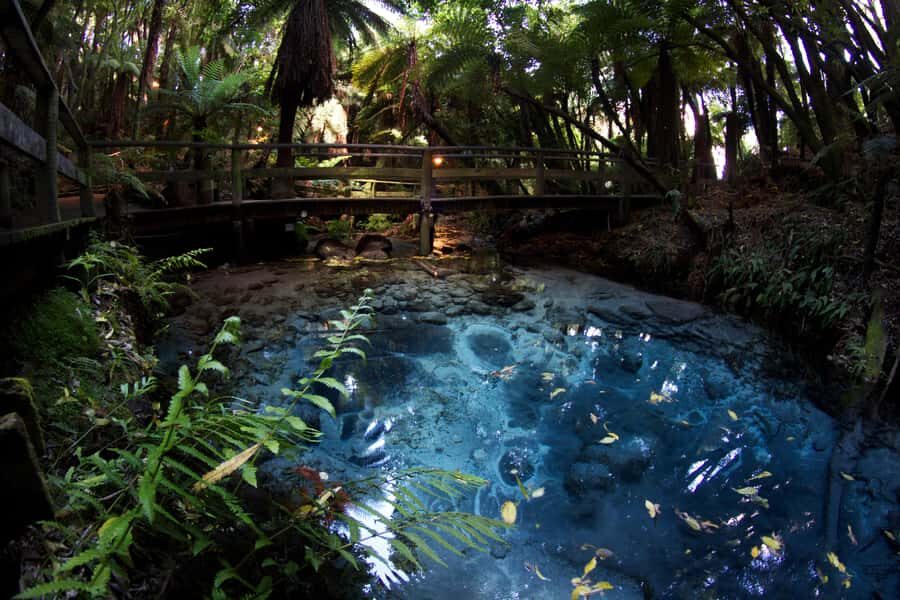
This is nature time—but it’s also a logistics test. You’ll walk through bush to see the sacred spring and glow worms (when conditions allow). Expect some uneven surfaces, and the operator encourages flat walking shoes and comfortable clothes, plus a jacket in winter.
Now, the important accessibility caveat: the experience describes wheelchair accessibility as limited for the bush walk. The exit into the forest uses stairs, and viewing of the waka is from a platform. For wheelchair access, the note specifically says you unfortunately will not see the glow worms from that route.
So if glow worms are your main “must-see,” keep two thoughts in mind:
1) The standard experience includes a glow worm look during the nature segment.
2) If you need an accessible route, the note indicates glow worms may not be visible to you there.
Bottom line: if you’re planning around glow worms, ask your booking contact about the exact viewing setup for your access needs before you commit.
7) Performance time: haka, songs, and learning ta moko
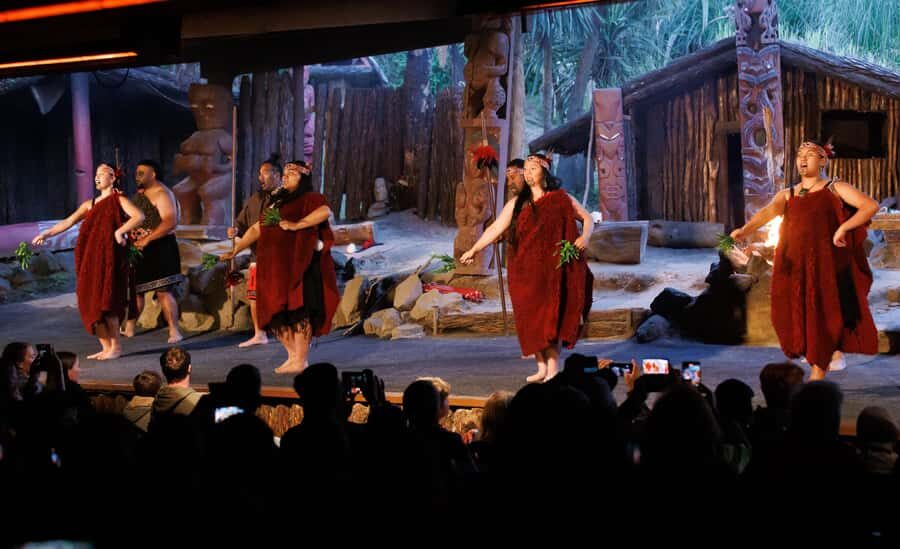
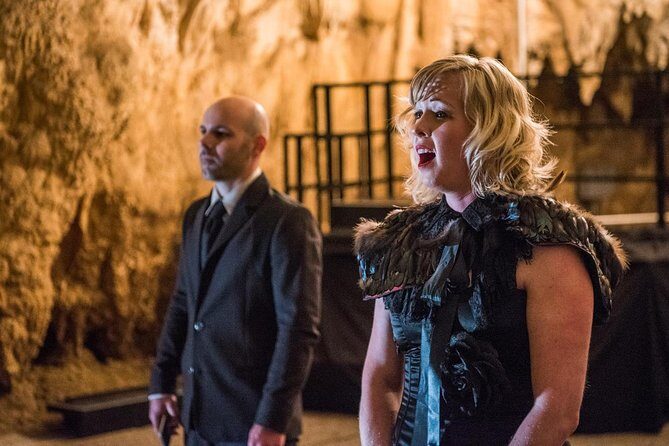
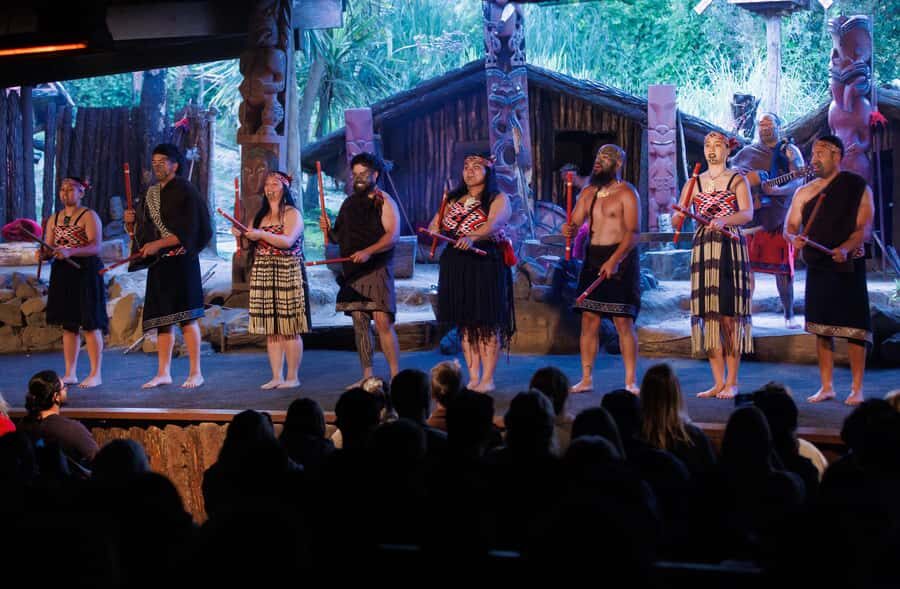
After the nature and water moments, the evening shifts to stage performance. You’ll be captivated by songs and dances, including the haka war dance that’s often described as spine-tingling. This is also where the MC/guide helps connect what you’re seeing to meaning and tradition.
One of the most valuable parts is the cultural teaching component. You’ll get explanations on customs and rituals, and you’ll also learn about ta moko (traditional tattoo art). That’s a great add-on because it gives context to something many visitors have heard of, but may not understand.
A small practical consideration: seating and sightlines. One note from the field says some viewers may struggle to see the show from the back, and that the stage may need a higher position for some angles. If you want the best view, get there early and try to place yourself where you can see both performers’ bodies and the MC area.
8) The hangi buffet dinner: how the meal works and what to expect
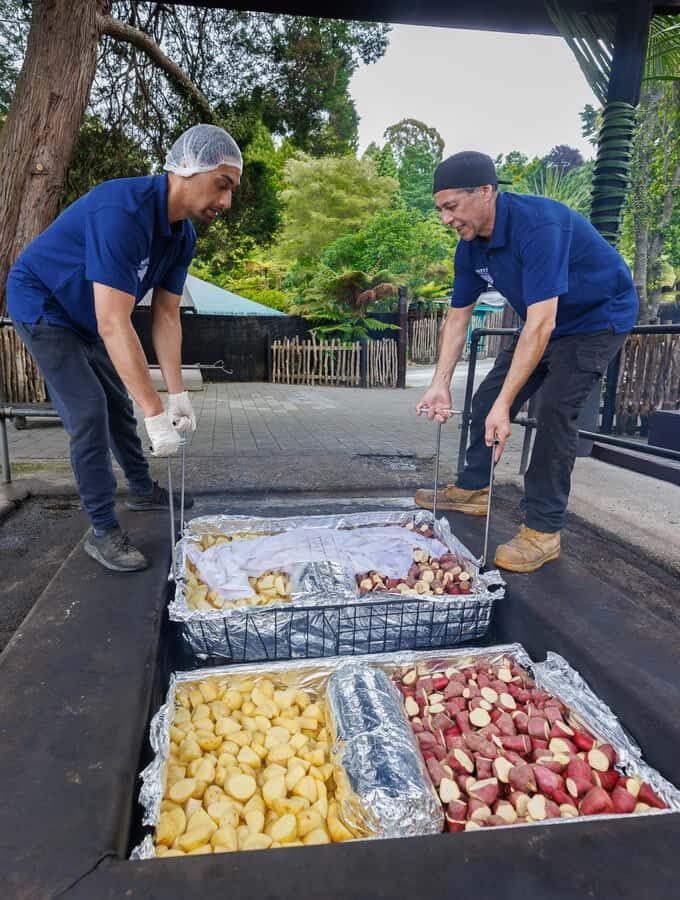
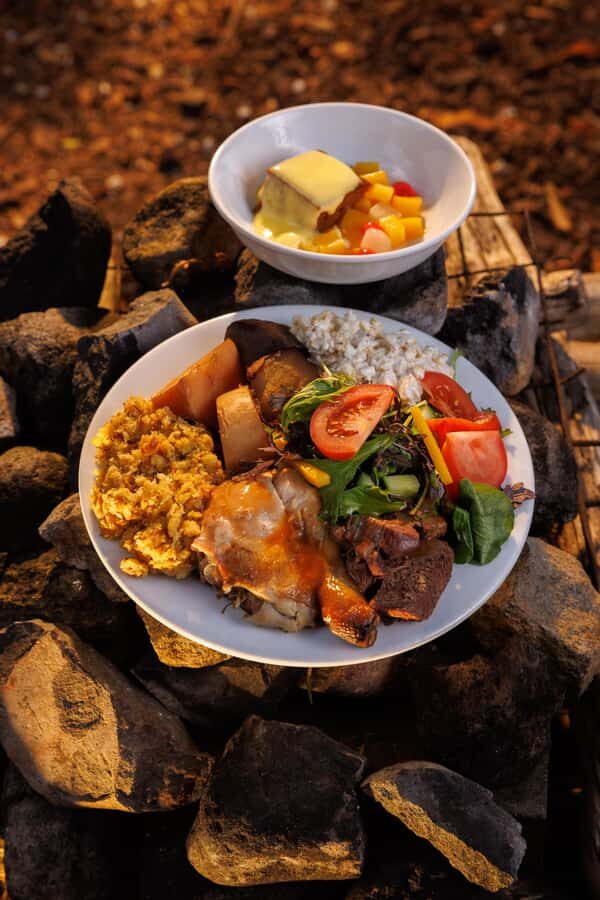
This is the food chapter, and it’s not just “buffet, then done.” You’ll watch as the hangi feast is removed from the earth-cooked oven, then you move into the buffet dinner.
The buffet includes:
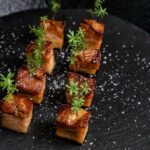
- Hot succulent meats and poultry
- Vegetables and fresh salads
- Desserts to finish
Beverages aren’t included, but you can purchase them. If you’re thinking about dinner logistics, here’s the simple approach: don’t wait until you’ve had a long conversation during the program. The buffet is there for a reason, and food quality is best when the trays are freshly served.
Dietary notes: the provided information doesn’t list a full menu or allergen sheet, but one account mentions the kitchen was able to accommodate restricted needs such as no gluten, dairy, and eggs. If you have allergies or strict dietary rules, contact the provider ahead of time (or ask staff on the night) and look for clear labeling before you load your plate.
Also, sauces and sides can make a difference. One person noted that some meats can be a bit dry, so grab salad fix-ins or ask where the freshest pieces are going first.
9) Small logistics that affect your comfort
Because this runs outdoors and includes walking, your comfort is mostly about preparation.
Wear and bring:
- Flat walking shoes (non-slip if it’s damp)
- Comfortable clothes
- A jacket in winter
- Something warm for later in the evening (Rotorua can cool down fast)
During the show and dinner:
- Be ready for a fast-paced evening where you won’t have tons of “free time.”
- If you’re the type who gets hungry fast, plan your buffet timing so you eat while things are still hot.
Rules you should know up front:
- Smoking indoors isn’t allowed.
- Littering isn’t allowed.
- Unaccompanied minors aren’t allowed.
This is mostly standard tour behavior, but it’s worth knowing so you don’t get caught off guard.
10) Who should book Mitai Maori Village, and who might reconsider
Mitai Maori Village is a strong fit if you want:
- A Rotorua evening that mixes nature, performance, and dinner
- A cultural introduction that includes haka and explanations of customs
- A hangi buffet that feels like more than a generic buffet
It may be less ideal if:
- You need full wheelchair-friendly access through the bush walk. The accessibility note points out stairs for exiting into the forest and limited viewing.
- Glow worms are a top requirement and you depend on the accessible viewing route.
For families, it can work well because the evening includes active elements and a clear sequence. Just remember: unaccompanied minors aren’t permitted.
If you’re the kind of person who likes your cultural experiences with structure and food at the end, this is a good match.
11) Should you book this Rotorua night
I’d book Mitai Maori Village if you want a 3-hour, single-ticket plan that covers canoe drama, cultural performance, and a hangi dinner. At $101, the value comes from the full package—guide, included buffet with dessert, and the staged cultural elements that make the evening feel intentional.
I would think twice if your mobility needs are significant for the bush walk, since wheelchair access is limited and the glow worm viewing may not happen from the accessible route.
If you’re flexible, dress for the outdoors, and prioritize getting the best viewing angle early, you’ll likely leave with a strong sense of what Māori culture looks and sounds like in an evening setting—not as distant info, but as a guided experience.
FAQ
How long is the Mitai Maori Village experience?
It’s a 3-hour Māori cultural experience.
Is hotel pickup included?
Hotel pickup and drop-off from Rotorua is included subject to availability. Pickup is optional and works only from registered accommodations in Rotorua.
Where do I meet if I’m not using pickup?
The meeting point is 196 Fairy Springs Road, Fairy Springs, Rotorua 3015.
What food is included in the dinner?
Dinner includes a hangi feast and a buffet with meats and poultry, vegetables, fresh salads, and desserts.
Are drinks included?
No. Beverages are available to purchase, but they’re not included.
Is there free cancellation?
Yes. You can cancel up to 24 hours in advance for a full refund.
Can I reserve now and pay later?
Yes. The experience offers reserve now & pay later, so you can book your spot and pay nothing today.
Is the tour wheelchair accessible?
It is listed as wheelchair accessible, but access is limited for the bush walk. The exit into the forest is via stairs, and waka viewing is from a platform. The note also says glow worms won’t be seen from the accessible route.
Will I definitely see glow worms?
The experience describes a chance to see glow worms during the nature segment, but the accessibility note states that you unfortunately will not see the glow worms from the wheelchair-access route.
What should I wear for the evening?
Wear flat walking shoes and comfortable clothes. A jacket is encouraged for winter months.