REVIEW · ROTORUA
Maori Culture Small Group Afternoon Tour including Te Puia
Book on GetYourGuide →Operated by Elite Adventures · Bookable on GetYourGuide
Rotorua’s geothermal drama is real. This small-group afternoon tour pairs Te Puia Maori culture with up-close geothermal sights, so you get both the story and the science in just a few hours. I particularly like the guided pacing through Te Puia’s key areas, and I love that you get to see the Pōhutu geyser erupt in person. One drawback to plan around: the tour is short, so if you’re expecting extra lake stops like Green and Blue Lakes, you should confirm that detail before you book.
The best part is how the day fits around your arrival and timing. You get a hotel pickup window in the early afternoon, then a guided visit focused on Te Puia’s core experiences, including Maori performance and craft areas. I also like that the group is capped at 15 people, which usually makes it easier to ask questions and follow the guide without getting lost in the crowd.
Do keep expectations realistic, especially once you reach Te Puia. Even with a small-group van ride, you may still join a larger format inside Te Puia, and one past guest felt the experience became more like a bigger-group visit. Also, Te Puia involves some walking, so comfortable shoes matter.
In This Review
- Key things that make this tour worth your attention
- Rotorua in the afternoon: a smooth start that fits your schedule
- Hotel pickup and the scenic Rotorua District drive (about 1 hour)
- Te Puia in 1.5 hours: what the guided layout is really trying to do
- The geothermal show: Pohutu eruption and boiling mud pools up close
- Kiwi House at Te Puia: nocturnal viewing without the hard planning
- Maori culture at Rotowhio Marae: what the weaving and carvings teach
- Value check: is $110 for 3 hours a good deal?
- Who this tour is best for (and who should choose differently)
- Practical tips before you go
- Should you book this Maori culture and Te Puia afternoon tour?
- FAQ
- How long is the Maori Culture small-group afternoon tour including Te Puia?
- What time is hotel pickup in Rotorua?
- What exactly is included in the price?
- Is the tour really small group size?
- Is this tour suitable for people with mobility impairments?
- Can I cancel and get a full refund?
Key things that make this tour worth your attention
- Te Puia guided entry saves time and keeps the focus on the parts that connect geothermal and Maori culture
- Pōhutu geyser eruption is the headline moment, delivered in person rather than via a viewpoint
- Kiwi House with nocturnal viewing helps you experience New Zealand’s kiwi without needing special off-hours planning
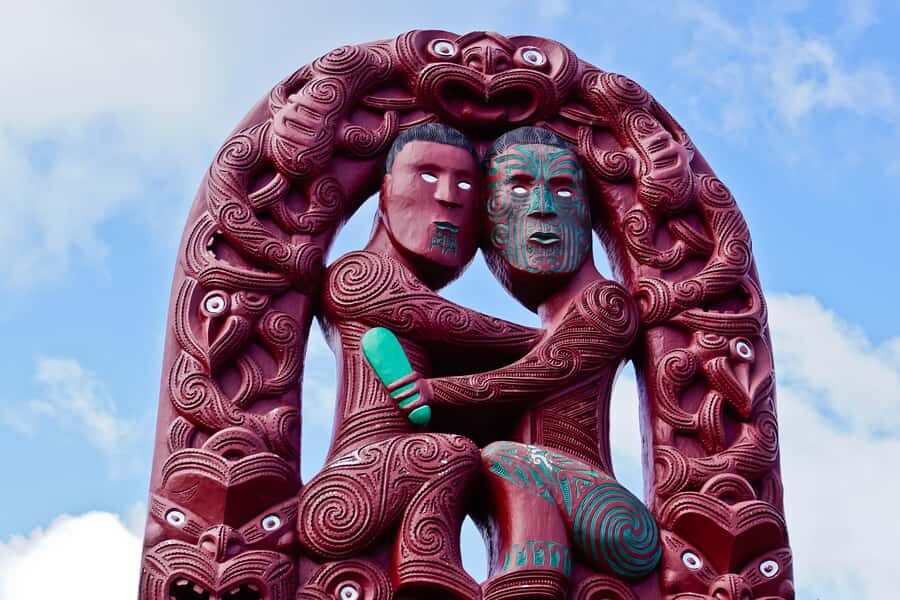
- Rotowhio Marae and traditional weaving display give cultural context beyond quick photos
- A scenic Rotorua drive adds breathing room and local context before and after Te Puia
Rotorua in the afternoon: a smooth start that fits your schedule
This tour is built for people arriving later in the day. Pickup happens between 1:00 PM and 1:15 PM from a long list of Rotorua-area hotels and pickup points. That timing is helpful if you’ve already used your morning for geothermal walks, rafting, or the city center.
The overall duration is about 3 hours, and you’ll typically roll back into Rotorua around 4:00 PM to 4:30 PM. In practical terms, that means you still have time afterward for dinner in town or a relaxed lakeside stroll. It’s also a smart choice if you want a focused cultural experience without committing to a full-day itinerary.
The other good thing here is that the tour is small group capped at 15 guests. That matters when you’re listening to live commentary and trying to keep track of what’s going on at multiple stops.
You can also read our reviews of more tours and experiences in Rotorua.

Hotel pickup and the scenic Rotorua District drive (about 1 hour)
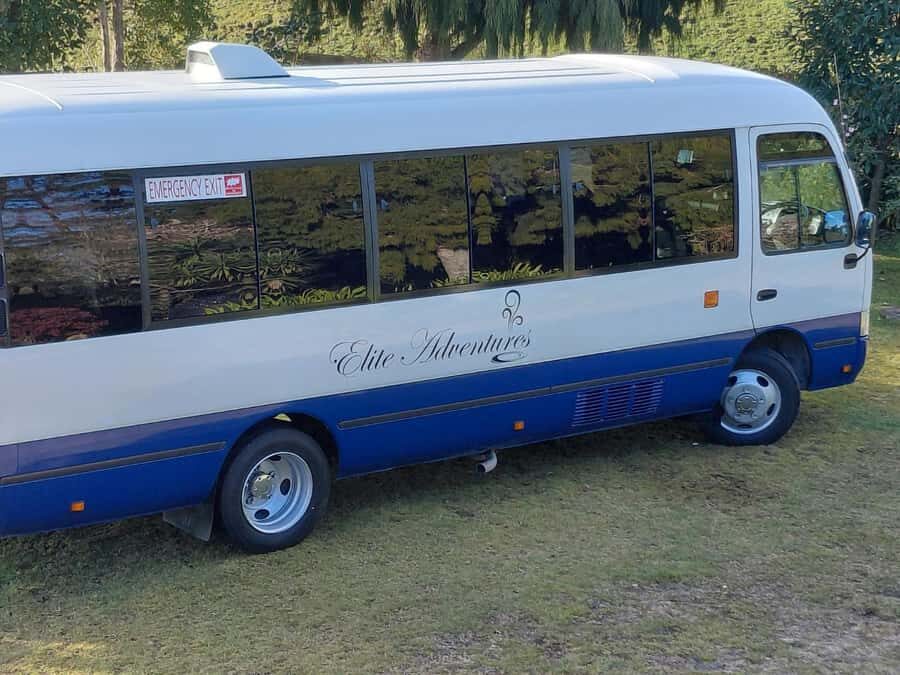
After pickup, the van heads into Rotorua District sightseeing for roughly an hour. The value of this is simple: Rotorua can feel “all geothermal, all the time” if you’re only reading maps. A guided scenic loop helps you get your bearings fast, so later stops make more sense.
This is also where the tour’s rhythm is set. You’re not rushed straight into Te Puia; you get a transition period where the driver/guide can explain the region and what you’re about to see. That context is useful when you’re about to watch boiling mud and a major geyser erupt.
One detail I like: the driving portion is not just transportation. The tour includes live commentary, which usually turns the ride into a mini orientation. And in one case I found especially encouraging, the driver Clyve stood out as both friendly and informed. That kind of guide energy can make a short tour feel more satisfying.
Te Puia in 1.5 hours: what the guided layout is really trying to do
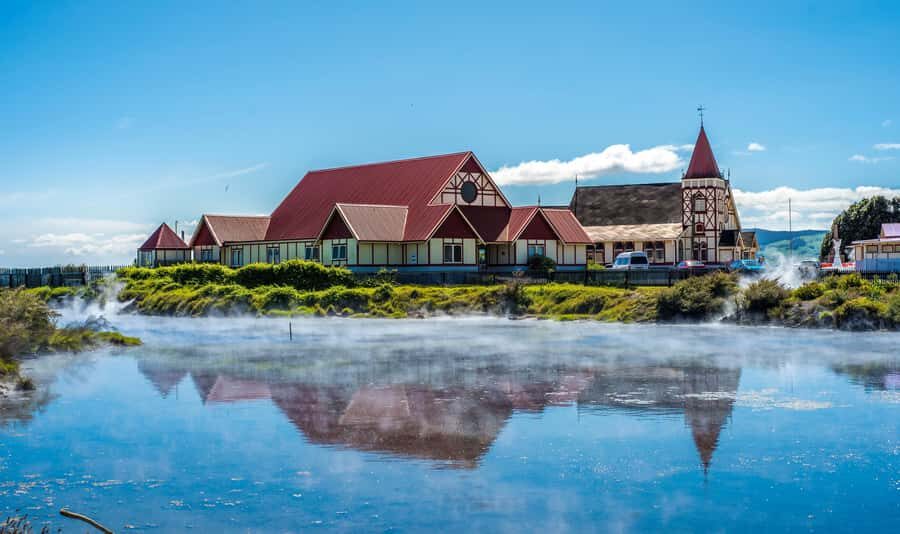
Your Te Puia stop is about 1.5 hours on a guided tour. This is where the “culture plus geothermal” promise becomes real.
Inside Te Puia, you’re guided through several highlights that connect Maori arts, community spaces, and geothermal landscapes in one site. The experience is designed to avoid the trap of a scattershot visit where you see a geyser, snap photos, and leave without understanding what you just witnessed.
Here’s what the guided visit includes:
- Woodcarving school: you’ll see where traditional carving skills are practiced
- Art and craft gallery: a place to understand the look and purpose behind the designs
- Rotowhio Marae: a key cultural space tied to community and tradition
- Traditional weaving display: you can watch weaving as a living craft rather than a static exhibit
- Kiwi House: where kiwi viewing happens in a dedicated nocturnal-style setting
The big advantage for you is that the time is structured. In a site like Te Puia, it’s easy to wander too quickly. With a guide, you’re more likely to leave feeling like you understood what you saw.
The geothermal show: Pohutu eruption and boiling mud pools up close
Now for the part your camera will remember: the geothermal features.
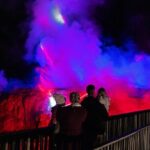
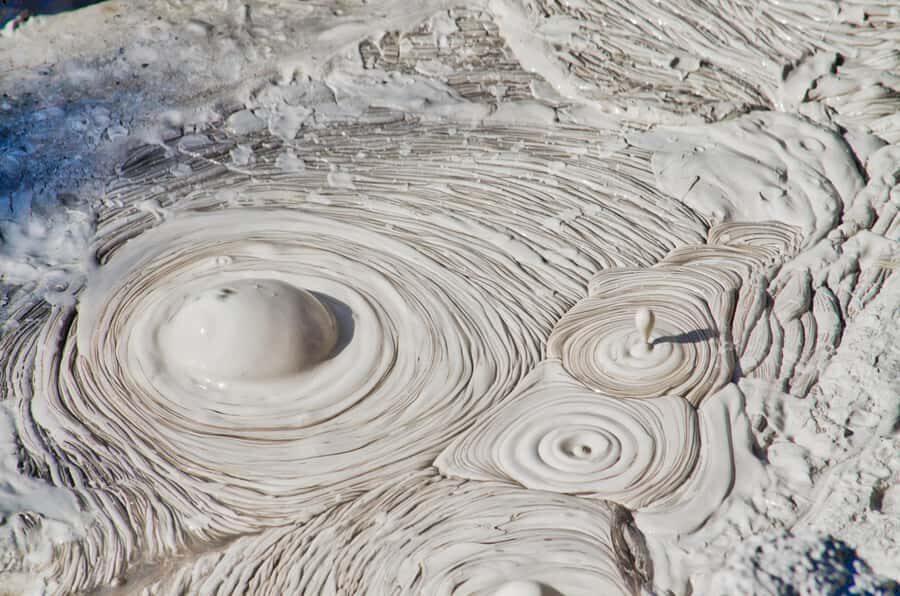
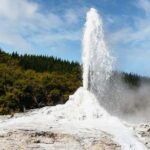
You’ll get close to boiling mud-pools and see New Zealand’s largest active geyser, Pōhutu, erupting on site. That eruption moment is the real payoff of Te Puia. It’s one thing to read about geysers; it’s another to see how power and heat work right there, with steam, sound, and constant motion.
What I find practical about this portion is that the guide experience helps you focus. When you’re near geothermal features, it’s tempting to spend all your attention hunting for the best photo angle. But the guide’s commentary keeps you aligned with what’s happening and what you’re looking at.
A note to plan for: geothermal areas can feel active all around you, which means you’ll likely be standing, walking short distances, and watching for eruption timing during your visit window. Wear comfortable shoes and be ready to move at an easy pace.
Kiwi House at Te Puia: nocturnal viewing without the hard planning
One highlight that genuinely adds value is the Kiwi House, where you can discover NZ’s iconic kiwi birds through a nocturnal house setup.
Kiwi are famously hard to spot in the wild, so this is where Te Puia gives you something more “guaranteed” than casual hoping. The experience is still not a guarantee of specific moment-by-moment behavior, but you’re in the right environment to increase your odds and learn what you’re seeing.
For a lot of people, this is also the emotional shift in the tour. You start with geothermal power and Maori arts, and then you end with a living animal experience. That mix helps the afternoon feel balanced instead of one-note.






Maori culture at Rotowhio Marae: what the weaving and carvings teach
The cultural parts here are more than decorative add-ons. They’re meant to explain how Maori culture connects to place, community, and craft.
At Te Puia, you’ll visit Rotowhio Marae and see traditional weaving on display. You’ll also look through areas like the art and craft gallery and the woodcarving school. Even if you’re not an expert, these stops are helpful because they show process and tradition in a place where you can slow down briefly.
What’s especially useful for you is the way this tour organizes culture. Instead of treating Maori culture as a single performance moment, you get multiple angles: carving, weaving, and community space. That helps you walk away with a clearer sense of why these arts matter and how they’re practiced.
And since this is a small-group format with live commentary, it’s easier to ask questions like how carving skills are taught or what weaving signifies in that cultural context.
Value check: is $110 for 3 hours a good deal?
At $110 per person for about 3 hours, this tour sits in the mid-range for experiences that bundle admission and guided interpretation. The reason it can be good value is that it includes several expensive-to-buy-on-your-own components:
- Transport with hotel pickup and drop-off
- Small-group format with a driver/guide and live commentary
- Te Puia admission plus a guided tour
If you were to assemble your own afternoon—getting to Te Puia, buying entry, and figuring out the best order—you’d likely spend time and energy that’s not always worth it when you only have a short window. Here, the tour does that coordination for you.
That said, the short time cuts both ways. You get a focused highlights pass, not a slow, full-site exploration. So the “value” depends on your expectations. If you want a quick, guided hit of Te Puia, this price makes sense. If you’re hoping for multiple extra stops beyond Te Puia, you may feel constrained by the 3-hour structure.
Who this tour is best for (and who should choose differently)
This afternoon tour fits best if you want:
- A Te Puia-first experience with guidance
- Maori culture explained alongside geothermal activity
- A schedule that doesn’t steal your whole day
- A group that’s capped at 15 guests
It’s not suitable if you have mobility impairments, because some walking is involved and the tour notes that it’s not designed for wheelchair access.
It also isn’t meant for people who are planning to scuba without certification, which is an unusual detail, but it signals the operator keeps the experience within safe, normal sightseeing boundaries.
If you’re the type who likes lots of stops and long time at every viewpoint, consider that this is a curated highlights tour. You’ll see the key moments—especially Pōhutu and kiwi—but you won’t have hours of wandering.
Practical tips before you go
Here’s how to set yourself up for an easy afternoon.
- Bring comfortable shoes. Some walking is involved, and you’ll be standing around geothermal areas.
- Dress for cool-to-mild Rotorua conditions. Even if it’s sunny, steam zones can feel cooler and damp.
- If you’re picky about what’s included, confirm any extra lake expectations before booking. The tour is strongly Te Puia-centered, and not every Rotorua stop you might read about is automatically part of this 3-hour plan.
- Expect that Te Puia can feel more crowded than the van ride. It’s still the same site and guided interpretation, but the experience can shift once you’re inside.
Should you book this Maori culture and Te Puia afternoon tour?
If your goal is a structured, guided introduction to Rotorua’s Maori culture plus geothermal highlights, I think booking this makes sense. The combination of Te Puia admission with a guided route, the Pōhutu eruption, and the Kiwi House gives you three big emotional hits in a short time: craft and culture, earth power, and a kiwi encounter.
I’d only hesitate if your must-do list includes additional Rotorua sights beyond Te Puia—especially specific lakes—because the tour is timed tightly. It’s designed to be efficient, not exhaustive.
If you want a smooth afternoon that gets you out of your hotel, gets you inside Te Puia with guidance, and returns you to town with time for dinner, this is a solid fit.
FAQ
How long is the Maori Culture small-group afternoon tour including Te Puia?
The tour runs for about 3 hours total, with Te Puia taking about 1.5 hours as part of the schedule.
What time is hotel pickup in Rotorua?
Pickup is offered between 1:00 PM and 1:15 PM from select accommodation locations.
What exactly is included in the price?
Your ticket includes hotel pickup and drop-off, transport, the driver/guide with live commentary, and Te Puia admission plus a guided tour.
Is the tour really small group size?
Yes. The tour is capped at 15 guests, designed as a more personal experience.
Is this tour suitable for people with mobility impairments?
No. It is not suitable for people with mobility impairments due to walking involved during the experience.
Can I cancel and get a full refund?
Yes. The tour offers free cancellation up to 24 hours in advance for a full refund.