REVIEW · ROTORUA
Rotorua: Lakefront Hot Springs & Spa – Luxury Māori Wellness
Book on GetYourGuide →Operated by Wai Ariki Hot Springs and Spa · Bookable on GetYourGuide
Geothermal water on Lake Rotorua feels personal. The 2-hour Wai Whakaora Restorative Journey blends mineral soaking, mud and steam, plus Māori blessings tied to Ngāti Whakaue tradition, all with lakefront views. I like how the circuit is structured (so you don’t wonder what to do next) and how the therapies move from cleanse to heat to cold and back. One catch: it’s not a long, slow day spa, so if you want extended time in the mud or pools, you’ll feel the time limit.
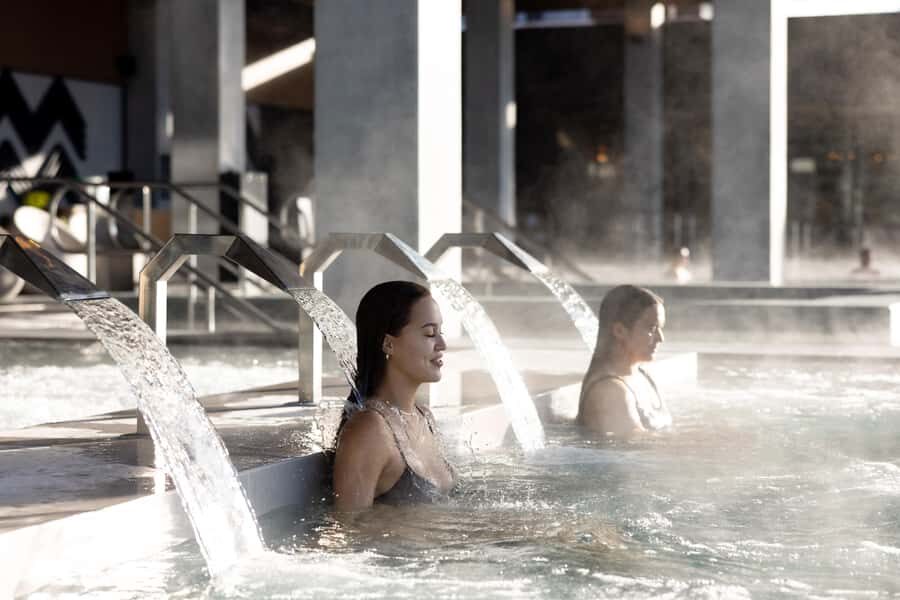
I also really like that Wai Ariki turns wellness into something more than just water in a pool. You start with a mauri focus, add waterfall showers and saunas, then move into geothermal mineral pools and hydrotherapy-style easing. And yes, there’s a big emphasis on calm behavior and respect, which keeps the place feeling restorative instead of chaotic.
The main consideration is practical. You’ll need to plan for what you’re bringing and what you’re skipping: food and drink aren’t allowed inside, and slippers aren’t included. If you show up ready with swimwear and flip-flops, the whole experience tends to feel smooth.
In This Review
- Key highlights at Wai Ariki Hot Springs & Spa
- Why a Lakefront Geothermal Spa Feels Different Here
- The Wai Whakaora Restorative Journey: What Happens in 2 Hours
- Start at the mauri stone with Te Hirihiri blessing
- Waterfall showers for Wairere cleansing
- Te Tukinga Fire & Ice: saunas, wade pool, frigidarium
- Te Taiwhanga Matua geothermal mineral alkaline pools + herbal pools
- Hydrotherapy support for gentle muscle easing
- Te Pae Paru mud lounge for skin-softening care
- Kohu Wai Ariki steam room and the closing Te Ngao blessing
- What Makes This Māori-Inspired Approach More Than Just Hot Pools
- Fire & Ice Without Regret: How to Get the Most From Te Tukinga
- Mud Lounge Reality Check: What You Should Bring (and What to Expect)
- Value at $104: Is It Worth It for a 2-Hour Wellness Reset?
- Getting There and Using the Rules to Your Advantage
- Who This Is Best For (and Who Should Skip It)
- Should You Book Wai Ariki Hot Springs & Spa?
- FAQ
- How long is the Rotorua Lakefront Hot Springs & Spa experience?
- How much does it cost?
- What is included in the wellness journey?
- What should I bring?
- Is food and drink allowed during the experience?
- Is it suitable for children or pregnancy?
Key highlights at Wai Ariki Hot Springs & Spa
- Māori cultural blessings built into the journey, including a mauri stone start and a closing blessing
- Te Tukinga fire & ice circuit with saunas, a wade pool, and a frigidarium
- Mineral alkaline geothermal pools plus herbal and hydrotherapy-style soaking
- Te Pae Paru geothermal mud lounge with self-application natural mud mixed with Indigenous plant/oils
- Kohu Wai Ariki steam room for a final warm, reflective reset
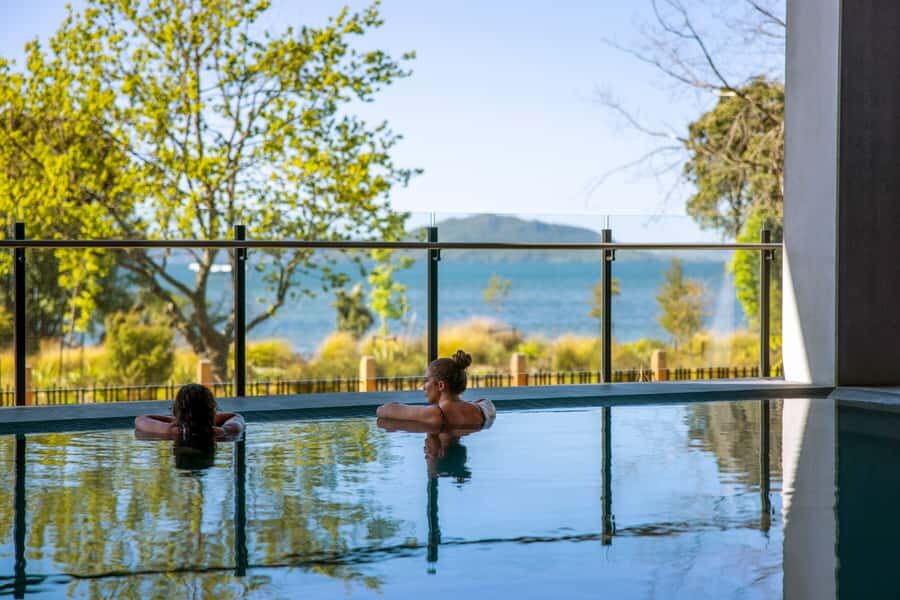
- Lake Rotorua and Mokoia Island views from the foreshore spa setting
Why a Lakefront Geothermal Spa Feels Different Here
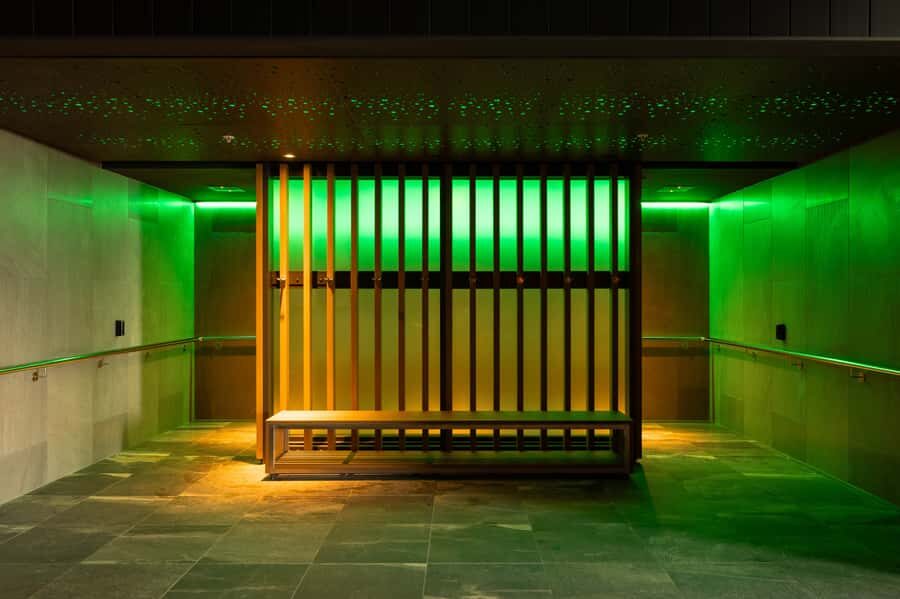
Rotorua is famous for geothermal energy, but Wai Ariki’s setting makes it feel more like a ritual than a stop on a sightseeing list. The spa sits on the foreshore of Lake Rotorua, so the air, the views, and the steady presence of water all make the experience feel tied to place.
I like that the wellness journey is paced. You’re not handed a locker key and sent off to freestyle for two hours. Instead, you move through a clear sequence: cleanse, heat, temperature contrast, mineral soaking, mud care, and then steam. That order matters because your body reacts differently at each stage.
You’ll also notice the tone. The experience has rules designed to protect quiet, respect, and comfort (no intoxication, no smoking, and even no making noise). That might sound strict, but it helps keep the vibe calm. One of the best parts of a hot springs visit is leaving with that heavy, relaxed feeling. Here, the environment is built to support it.
A few more Rotorua tours and experiences worth a look
The Wai Whakaora Restorative Journey: What Happens in 2 Hours
This is a guided two-hour circuit called the Wai Whakaora Restorative Journey. It’s culturally infused and designed to run like a full-body reset, not just a soak-and-go.
Start at the mauri stone with Te Hirihiri blessing
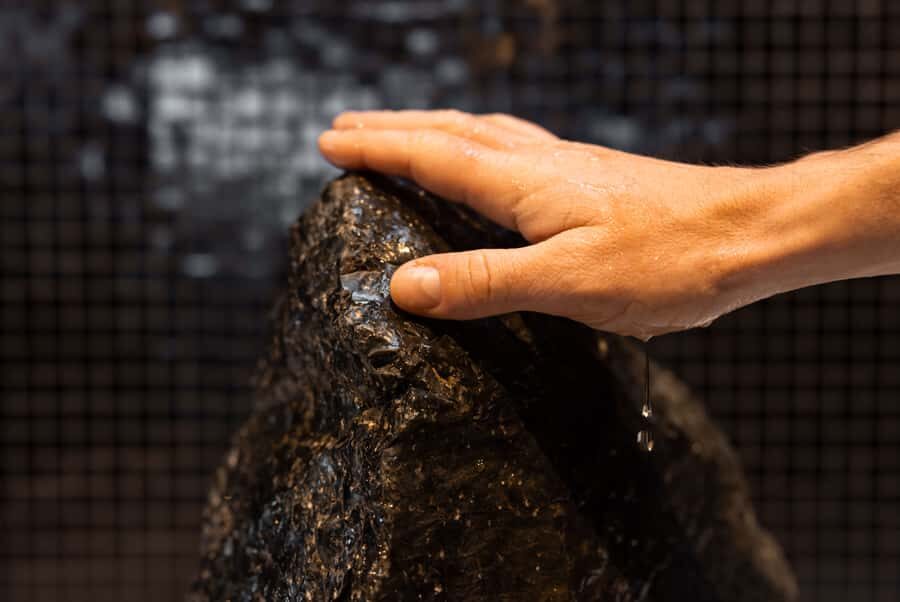
You begin at the mauri (lifeforce/energy) stone. You’re invited to release tension, stress, and everyday worries before the therapies start. Each guest receives a traditional Māori blessing at this point, so the experience opens with a mental shift as much as a physical one.
Practical tip: treat the first moments like part of the treatment. If you rush past it, you’ll lose the calm pacing that sets up the rest of the circuit.
Waterfall showers for Wairere cleansing
Next come Wairere waterfall showers. You cleanse and prepare the body. It’s not just about hygiene; it’s the moment where you’re “getting ready” for heat and minerals, so you don’t feel like you’re jumping straight into something intense.
This also helps emotionally. You move from cool fresh water toward warm therapies in a deliberate way.
Te Tukinga Fire & Ice: saunas, wade pool, frigidarium
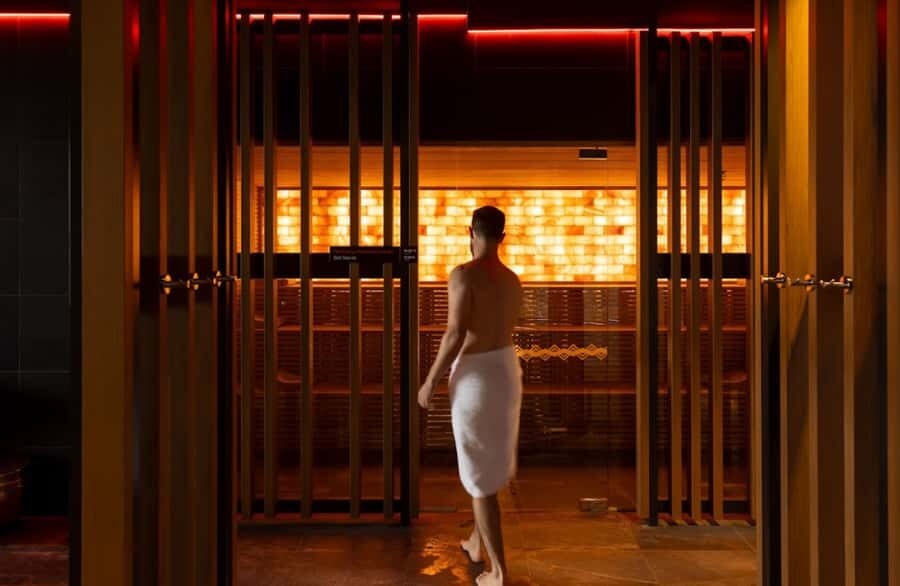
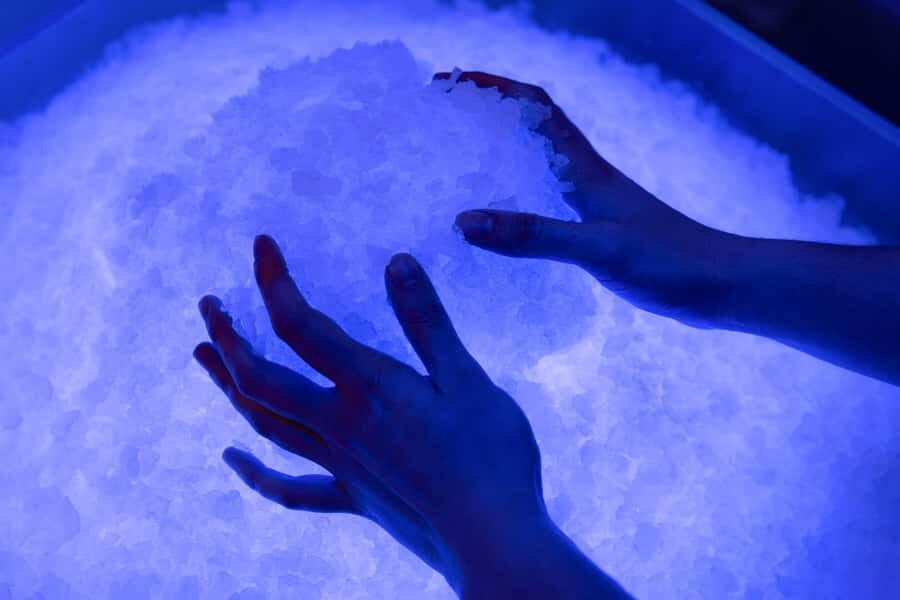
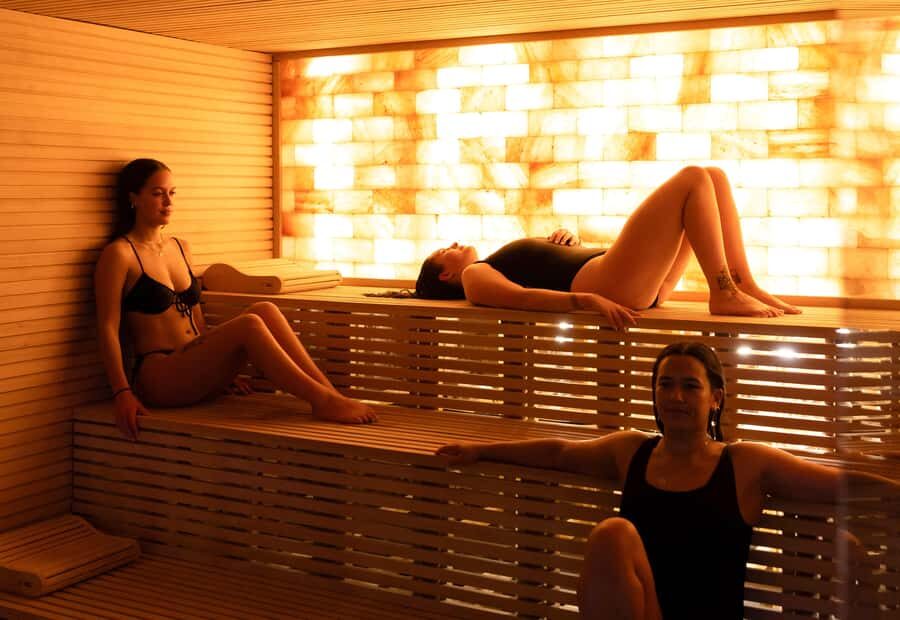
Then you hit the signature contrast zone: Te Tukinga (Fire & Ice). Expect saunas for deep unwinding, a wade pool for a gentler temperature transition, and a frigidarium for cold contrast.
If you’re new to cold plunging, don’t fight your body. Go slow. In the hot part, sit with your breathing and let your muscles soften first. Then in the cold section, think short and controlled rather than heroic. The goal is a full-body reset, not a personal endurance event.
A few more Rotorua tours and experiences worth a look
Te Taiwhanga Matua geothermal mineral alkaline pools + herbal pools
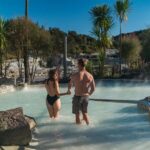
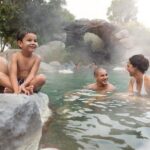
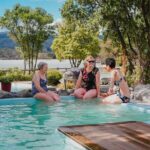
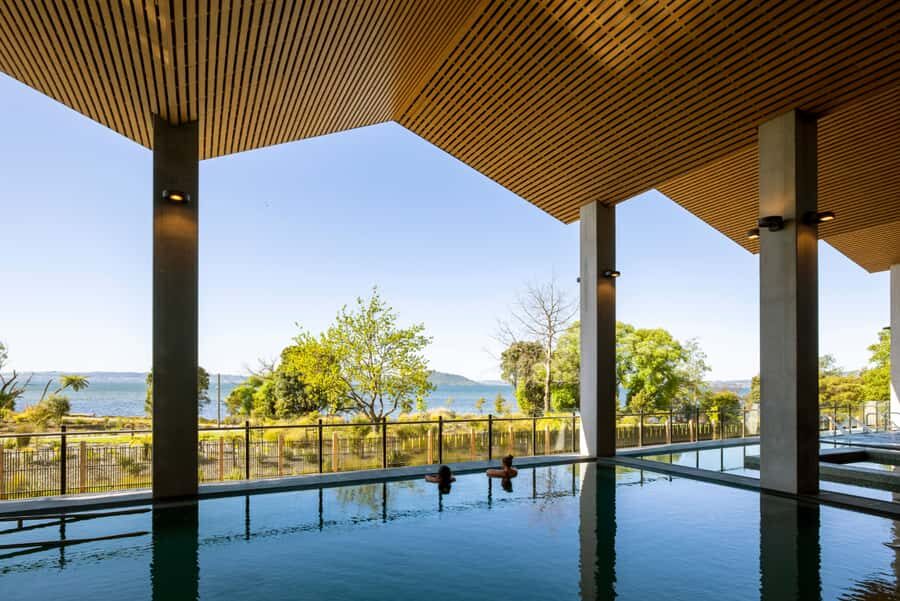
After the temperature work, you move into Te Taiwhanga Matua, the geothermal pool zone. This includes mineral alkaline pools, a cold-water plunge, herbal pools, and hydrotherapy-style pools.
This is where the “geothermal wellness” part becomes tangible. Your body gets the mineral contact that hot springs are known for, and the colder moments help you feel alert again once the initial relaxation kicks in.
Hydrotherapy support for gentle muscle easing
The circuit includes hydrotherapy as part of the pool experience. You’ll likely find this helpful if you carry everyday aches from walking, driving, or just being on the move. The intent here is restorative movement and tension easing.
You don’t need to be a fitness person to benefit. If you’re stiff, this stage is often the one that makes you feel looser as you go from one area to the next.
Te Pae Paru mud lounge for skin-softening care
Next is Te Pae Paru geothermal mud lounge. You apply natural mud yourself, mixed with Indigenous plant/oils. This is one of those therapies that feels part spa and part skin care workshop.
Here’s a realistic expectation: you may not get a massive, cinematic mud bath. One guest described receiving the mud as a bowl mixed with honey, and that the mud part felt more curated than an all-over muddy soak. The takeaway for you is simple: plan for measured application aimed at nourishing and softening skin, not full-body plaster mode.
Practical tip: keep your hair secure. You’ll want a hair tie on hand, and it helps to wear/adjust your outfit so you’re not constantly thinking about it.
Kohu Wai Ariki steam room and the closing Te Ngao blessing
Finish in Kohu Wai Ariki, the steam room with heated stone. Steam has a slow, enveloping feel, which makes it ideal for settling your breath and reflecting after the colder/hotter contrast earlier in the circuit.
Then comes the Te Ngao closing Māori blessing, bringing the experience back to calm closure. For me, the best ending is when you don’t feel rushed out. The structure gives you that quiet landing.
What Makes This Māori-Inspired Approach More Than Just Hot Pools
A lot of hot springs experiences focus only on the physics: heat, minerals, temperature change. Wai Ariki keeps that, but adds something human—ceremony and story. You’ll move through stages connected to cultural themes, including pūrākau (stories) guiding each therapy.
You don’t need to memorize the meanings to feel the difference in how the session flows. The guidance creates a sense of care and rhythm. Instead of wondering what you should do next, you get directed through a sequence with purpose.
And the fact that blessings bookend the journey matters. It changes your mindset. You’re less in “tour mode” and more in “body mode.”
Fire & Ice Without Regret: How to Get the Most From Te Tukinga
Te Tukinga is the part that can feel the most dramatic because it mixes heat and cold in one structured circuit. That contrast is part of the design, but your comfort depends on your approach.
Here’s how I’d play it for best results:
- In the saunas: aim for relaxing, not overheating. Let your body warm gradually.
- In the wade pool: use it as a buffer. Don’t jump straight from sauna heat to extreme cold.
- In the frigidarium: think controlled short sessions. Focus on calm breathing.
You’ll also likely notice that your body feels different after each transition. That’s the point. The experience is designed to energize the senses and encourage a full-body reset.
Mud Lounge Reality Check: What You Should Bring (and What to Expect)
The mud lounge is labeled as self-application, and it’s geothermal mud mixed with Indigenous plant/oils. That means you’re not just watching a treatment happen. You’re doing a careful, guided skincare step.
So come prepared:
- Swimwear (you’ll want to feel comfortable during application)
- Flip-flops for walking around
- Toiletries and a hair tie (especially for steam and pool stages)
- A reusable water bottle (there are water station facilities, but having your own bottle is handy)
One more expectation-setting point: if you’re picturing a thick mud “bain de boue” covering your whole body, you might be surprised by how curated the application is. One guest said the mud was served in a bowl mixed with honey, and that it ended up being great anyway. In other words, the texture and care can be better than you imagine, even if it’s not a full-body mud film.
Value at $104: Is It Worth It for a 2-Hour Wellness Reset?
At around $104 per person for a 2-hour experience, the value comes from the complete set of included stops and materials. You’re not paying only for one pool. Your ticket covers the whole circuit—from waterfall showers to saunas and temperature contrast, then mineral pools, hydrotherapy-style pools, mud lounge care, and a steam room finish.
You also get practical inclusions that reduce your hassle:
- Robe and towel
- Water station facilities
- The core wellness journey items (multiple pool types, mud lounge, steam room)
- Cultural blessings integrated into the flow
What you don’t get is also part of the cost equation. Transfers aren’t included, food and drink aren’t included, and slippers aren’t included. If you count those as part of your planning, the price starts to feel more straightforward. If you’re hungry after, plan a meal outside the spa area rather than expecting food onsite.
Overall, I’d call it good value if you want a guided, structured, culturally infused wellness session. If you just want free-form soaking, you’d spend less by choosing a simpler option. But if you want the full cycle with meaning, this one makes sense.
Getting There and Using the Rules to Your Advantage
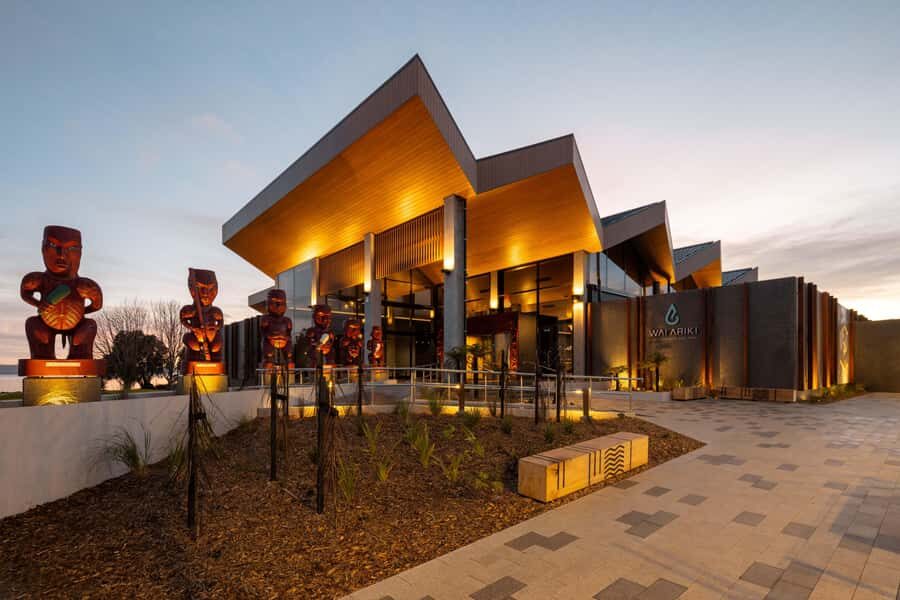
You can walk from Rotorua CBD, and there’s free car parking onsite. The meeting point is easy to spot: Wai Ariki is a striking building visible from the Novotel Hotel, right on the lake foreshore.
Inside, rules matter. No food or drinks, no vaping or smoking, and no intoxication. Nudity isn’t allowed. Even noise is controlled. That’s a lot of “no’s,” but for wellness it’s the point: the spa stays calm.
A smart move is to show up wearing layers you can strip down quickly and comfortably. You’ll change into swimwear, use flip-flops for movement, and then move through stations. If you’re slow and fiddling, the visit can feel busier than it should.
Who This Is Best For (and Who Should Skip It)
This experience is for adults who want relaxation with guidance. It’s also a great fit if you like the idea of combining body care with cultural context, not just soaking in geothermal water.
It’s not suitable for:
- Children under 16
- Pregnant women
Wheelchair accessibility is listed, which is good news if mobility support is part of your planning. Because the tour includes multiple temperature and water stages, your own comfort matters, but the accessibility note suggests you won’t be completely blocked from participating.
Should You Book Wai Ariki Hot Springs & Spa?
Book it if you want a structured 2-hour geothermal circuit with more than soaking—mud lounge care, steam finish, and Māori blessings that set a calm tone. If you’re the type who likes clear guidance, you’ll appreciate how each stage has a place in the flow.
Skip it or rethink if:
- You hate cold plunging or temperature contrast.
- You expected a longer, lingering day in the pools and mud.
- You need food or drinks during the session (those aren’t part of the experience).
If you do book, go in with the right mindset: slow breathing, respect the calm rules, and treat every step as part of the reset. That’s when the time feels worth it.
FAQ
How long is the Rotorua Lakefront Hot Springs & Spa experience?
It runs for 2 hours, starting at times shown when you check availability.
How much does it cost?
The price is listed as $104 per person.
What is included in the wellness journey?
The included circuit covers the 2-hour wellness journey plus Māori blessings, waterfall showers, fire & ice rooms (saunas, wade pool, frigidarium), geothermal mineral alkaline, cold-water plunge, herbal and hydrotherapy pools, a geothermal mud lounge, and a steam room. Robe and towel are provided, along with water station facilities and lakefront views.
What should I bring?
Bring swimwear, a credit card, comfortable clothes, flip-flops, toiletries, a hair tie, personal medication, and a reusable water bottle.
Is food and drink allowed during the experience?
Food and drinks are listed as not allowed.
Is it suitable for children or pregnancy?
It’s not suitable for children under 16 and not suitable for pregnant women.