REVIEW · ROTORUA
Rotorua: Marama Geyser Light Trail & Geothermal Experience
Book on GetYourGuide →Operated by Te Puia · Bookable on GetYourGuide
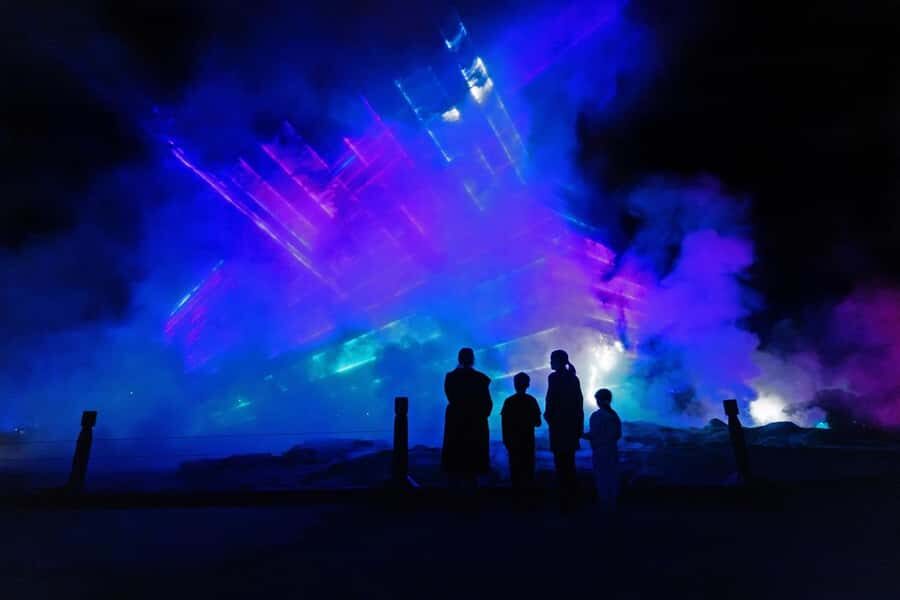
Geothermal wonders glow at night. Te Puia’s Marama light trail turns the geothermal valley into a guided night show, with Maisey Rika music weaving through ten illuminated scenes. One key caution: the light effects can be intense, and they may bother you if you’re light-sensitive or prone to motion sickness.
What I like most is how the whole experience feels built around night walking, not just staring at a single geyser. And I also love the payoff at the Terrace, where you get a view of Pōhutu Geyser while the valley around you is lit up. The main drawback is simple: this is on unpaved paths, so it’s not suitable for wheelchairs and it’s a slower, more careful walk.
In This Review
- Marama Light Trail at Te Puia: Key Things You Should Know
- Where It Fits in Your Rotorua Night Plans
- Entering Te Puia After Dark: The First Shift From Day Mode
- The Marama Light Trail Itself: Ten Scenes and a 1.5 km Path
- Interactive Artworks: Fun Pauses, Not a Playground
- Maisey Rika’s Soundtrack: Music That Shapes the Walk
- The Terrace Moment and Pōhutu Geyser Views
- Pikirangi Village Farewell Under Mārama (the Moon)
- Price and Value: Is $29 Worth It?
- Timing, Gates, and Choosing a Start Time
- What to Bring (and What to Leave Behind)
- Mobility and Light Sensitivity: Your Real Constraints
- Who Should Book This Night Walk
- Should You Book Marama at Te Puia?
- FAQ
- How long does the Marama geyser light trail take?
- How much does it cost?
- What days and hours does it run?
- Where do I meet for the experience?
- Is food included?
- Is it wheelchair accessible?
Marama Light Trail at Te Puia: Key Things You Should Know
- A 1.5 km, self-paced night walk through Te Puia’s geothermal valley
- Ten unique scenes that shift from darkness to light as you go
- Maisey Rika’s sound runs through the experience to help guide the mood and timing
- A Terrace stop for a sweet treat or drink (purchase on-site) and a view of Pōhutu Geyser
- Interactive artworks along the path, including scenes you can pause for
- Light and motion effects may be intense, so plan accordingly
Where It Fits in Your Rotorua Night Plans
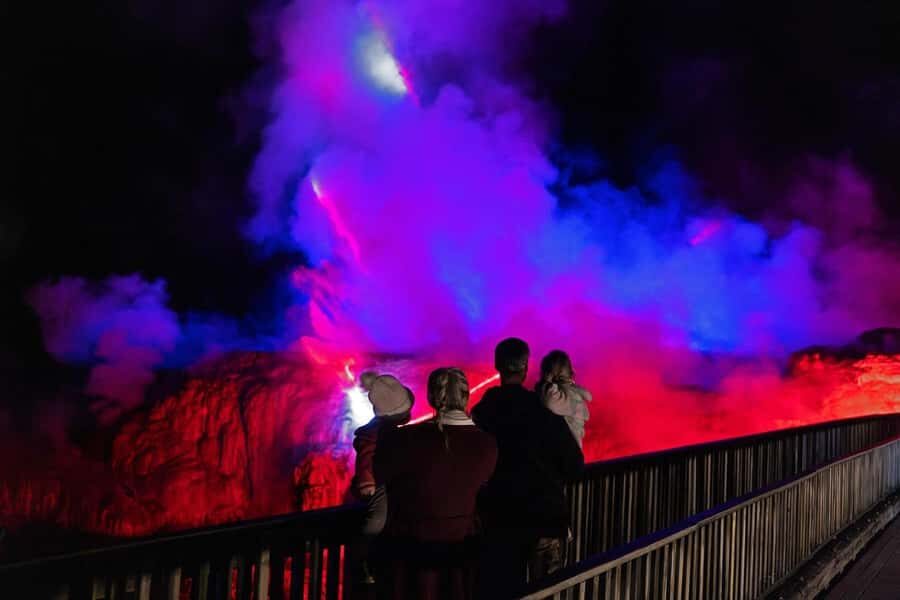
Rotorua is one of those places where the day already has plenty going on, but the geothermal valley at night is a different story. This Marama experience is a hosted night-time walk through Te Puia, the geothermal park right near Whakarewarewa. You meet at the Te Puia main entrance, carpark 1, about 2.5 km south of Rotorua on Hemo Road.
Think of it as a way to experience Te Puia without racing around in daylight. You’re moving through a curated-feeling journey, guided by sound and light rather than just signage. The trail is about 1.5 km, and you should plan roughly 60 minutes to explore at your own pace, even though the total experience runs about 90 minutes end to end.
Timing matters here. It runs Wednesday to Sunday, and the gates are open for four hours each evening. Your final entry is up to one hour before closing, so I’d avoid the last possible slot if you want a relaxed walk and time to stop for photos.
You can also read our reviews of more tours and experiences in Rotorua.

Entering Te Puia After Dark: The First Shift From Day Mode
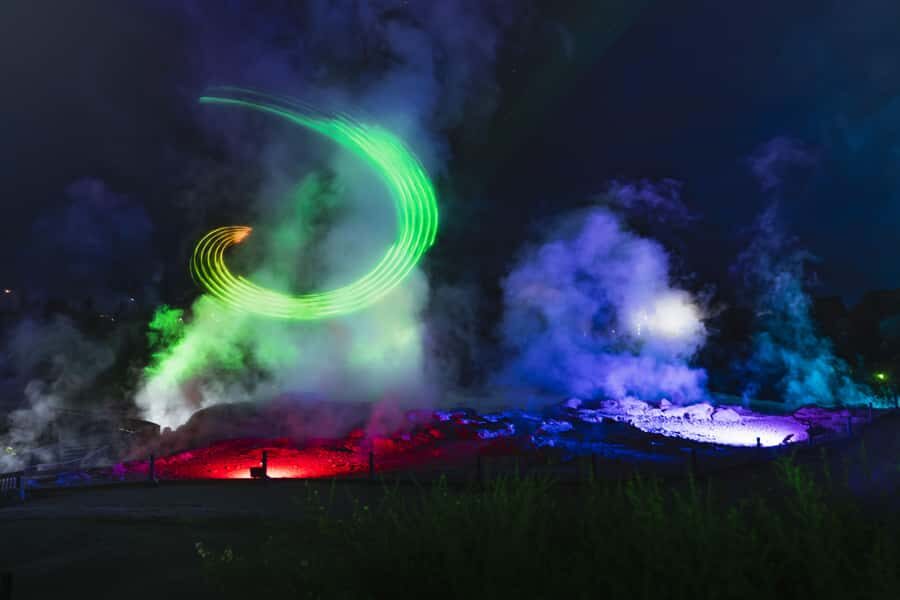
When you arrive, you’re set up for a nighttime transition right away. The entry is described as festival-like, and that’s the right word for the vibe: you’re not walking into a quiet museum. You’re stepping into a moving show.
This matters because night experiences can feel either too staged or too random. Here, the flow is designed to start with the sense that something is happening in the darkness, then gradually open up into full valley scenes. You’ll pass interactive artworks and scenes before you reach the main geothermal valley area.
Also, you’re walking at night, so your planning should be practical. Wear comfortable shoes you can trust on uneven, unpaved ground. Keep warm layers handy; even in Rotorua, nights can feel colder once you’re outside longer than you expect.
The Marama Light Trail Itself: Ten Scenes and a 1.5 km Path
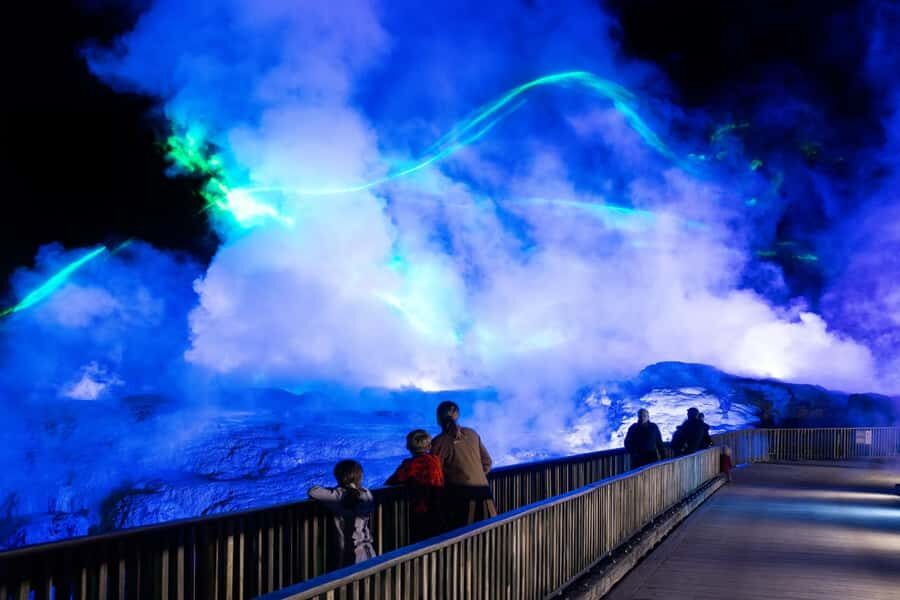
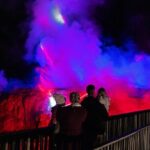
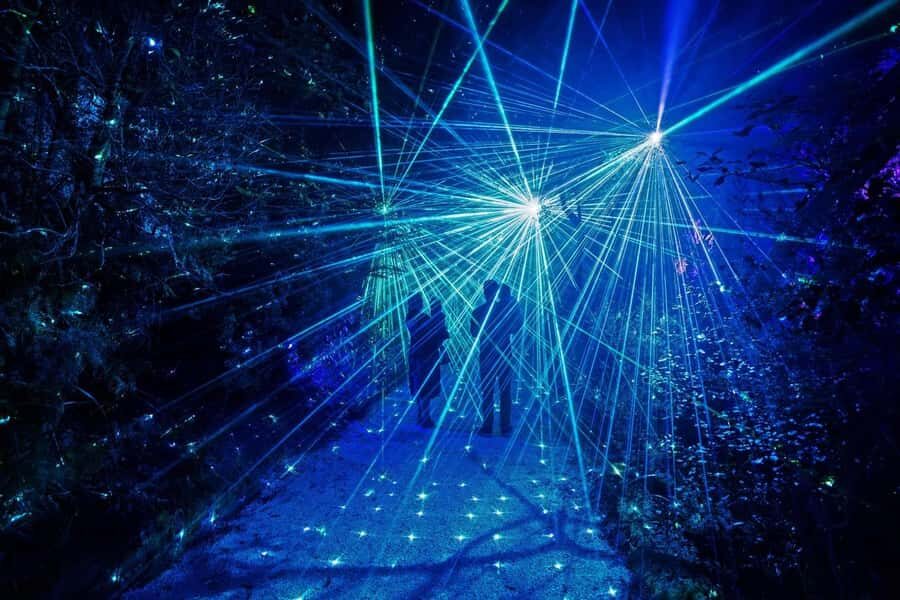
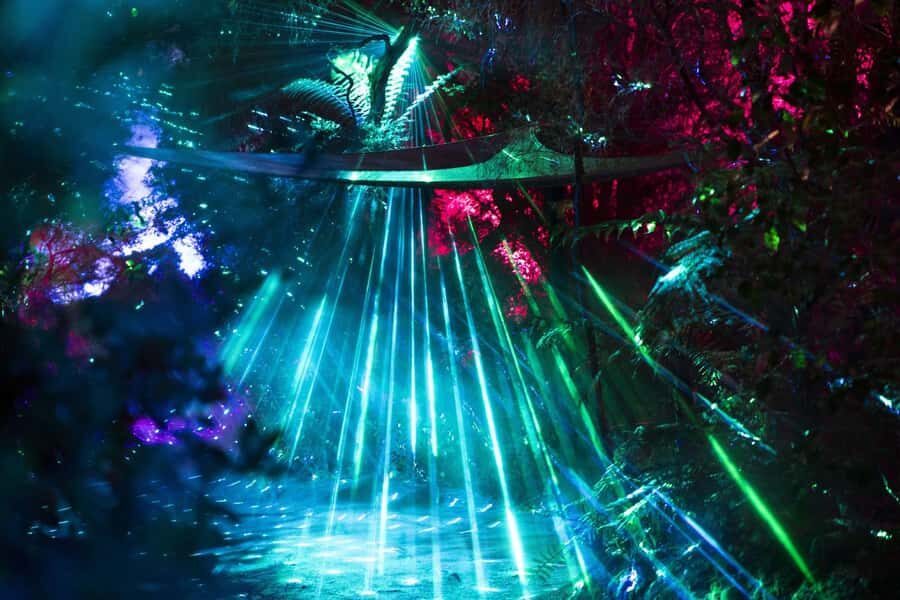
The heart of Marama is a walk through the geothermal valley where paths, geysers, and surrounding terrain are illuminated in a spectrum of light. The goal isn’t just to point out what’s there in daylight. It’s to change how you perceive it at night—so the geothermal area feels almost cinematic.
You’ll move through ten unique scenes, and each one is brought to life with light and sound timing. That means you can’t treat it like a casual stroll with zero attention. You don’t need to rush either, but stopping when a scene clicks into place is part of the fun.
A quick reality check: the trail is only 1.5 km, but it’s at night and on unpaved paths. That combination can slow you down. Build in time for photos, pauses, and for simply letting your eyes adjust. A camera helps, but low-light shots can be tricky if you’re also walking, so don’t stress if your photos aren’t perfect. The experience looks better in person than photos usually manage.
Interactive Artworks: Fun Pauses, Not a Playground
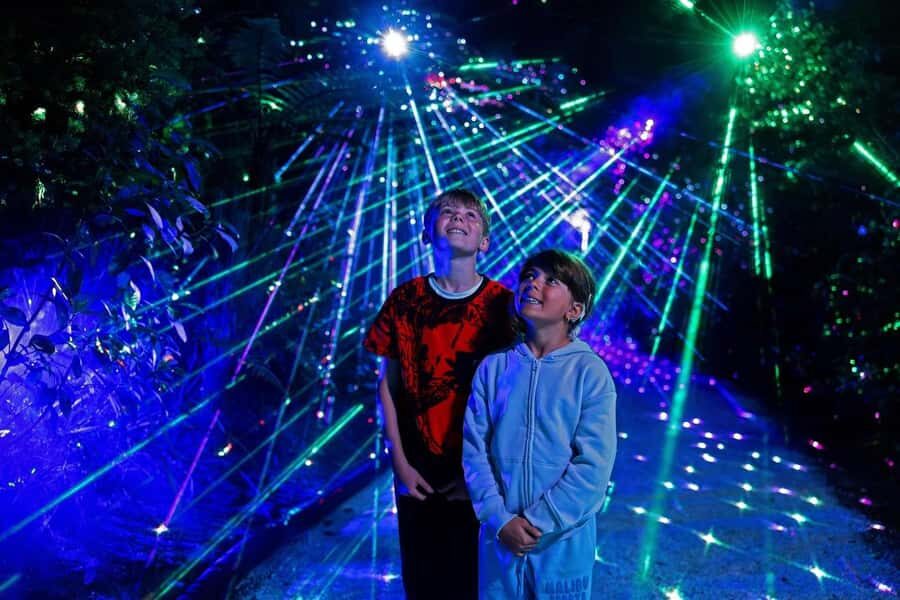
Along the way, you’ll encounter interactive artworks and set pieces. From the experience design, the artworks seem aimed at getting you to pause, look closely, and sync your attention with the lighting and sound.
Here’s the balance point. If you like a light show with stories and visuals, you’ll probably love this section. If you’re specifically hoping for lots of puzzles or game-style interactions, you might find it more “watch and listen” than “solve and play.” In other words: it’s interactive in a visual and experiential way, not necessarily in a game way.
That’s still valuable, though—because geothermal sites are busy places in daylight. At night, these artworks become a reason to slow down and notice details you’d miss in a quick daytime route.
Maisey Rika’s Soundtrack: Music That Shapes the Walk
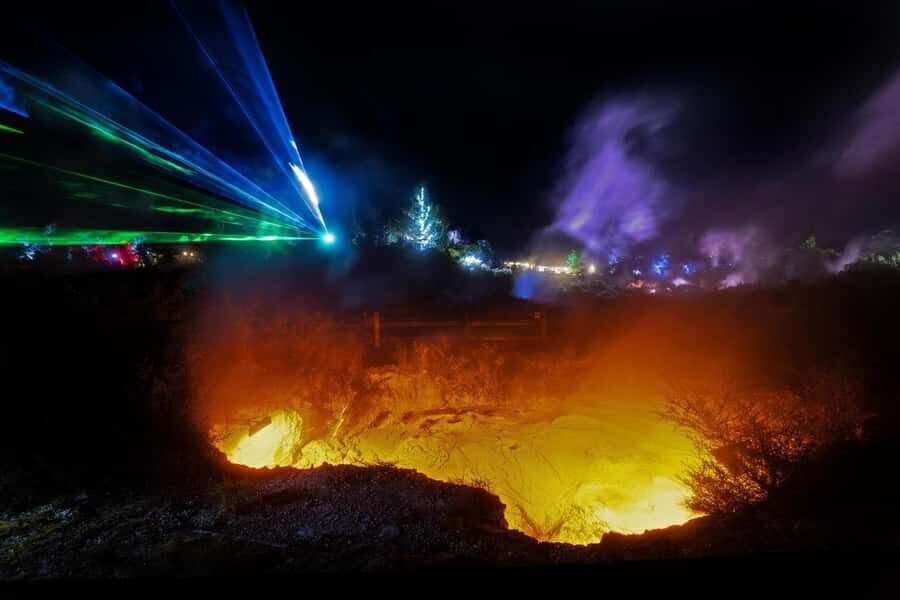
One of the standout parts of this experience is that the sound isn’t just background noise. The music by local artist Maisey Rika weaves through the walk and helps guide you from scene to scene.
This is one of those design choices that pays off if you’re paying attention. Music can act like an invisible metronome, nudging you toward the next moment without making you feel like you’re being herded. It also helps set an emotional tone—so when the lights change, it feels like a sequence, not random decoration.
If you’re someone who enjoys performances, this is a big reason to book. If you’re the type who prefers pure sightseeing with minimal audio, the soundtrack might feel like part of the package rather than optional flavor—but it’s central to the experience, so go in expecting that.





The Terrace Moment and Pōhutu Geyser Views
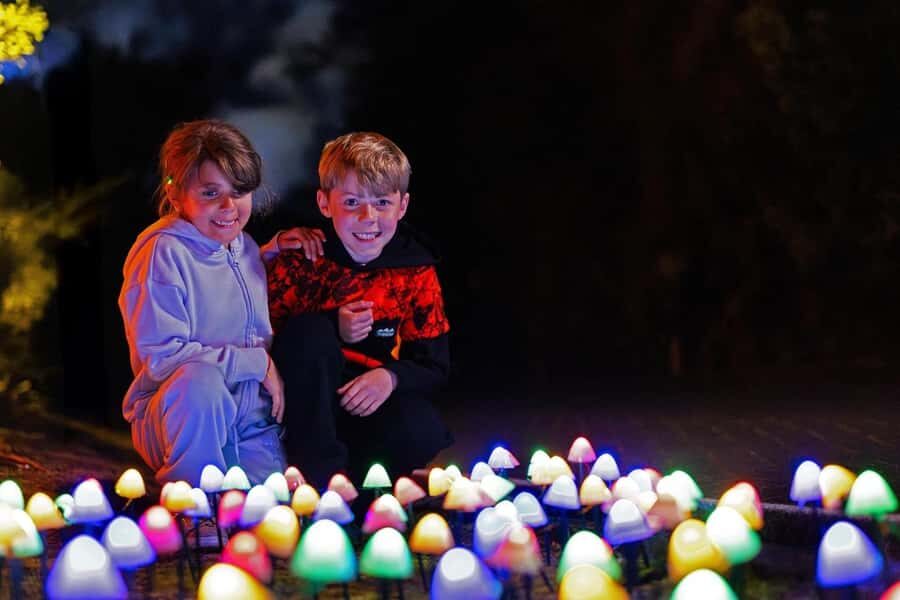
Midway through, there’s a Terrace stop. This is a practical break point and also a visual one. You can enjoy a sweet treat or a drink here, but you’ll need to purchase it on-site since food isn’t included.
The Terrace also gives you views of Pōhutu Geyser. Seeing a geyser at night works in your favor. In daylight, you can end up scanning for details and missing the scale. At night, lighting creates contrast, and the steam and steaminess become part of the show. You’ll likely notice how the geothermal activity looks more dramatic once your eyes aren’t competing with sunlight.
This is also the time to take a breather before the final walk toward the end. Use the break to reposition your camera if you want a specific shot. If you’re sensitive to motion or light effects, this is a smart moment to slow down and let your body recalibrate before the later scenes.
Pikirangi Village Farewell Under Mārama (the Moon)
The trail ends with a farewell beneath the glow of Mārama, described as the moon, as you pass through the traditional setting of Pikirangi Village.
This ending matters because it gives the night walk closure. Instead of stopping right when the main geothermal sights are done, the experience carries you into a final atmosphere—part cultural setting, part night-time moment.
From a visitor standpoint, this is where the whole experience earns its emotional finish. The lighting effects, sound, and story pacing have been building through the ten scenes, and the last area gives you a sense of stepping out of the show rather than abruptly turning around.
If you want photos, this final stretch is often where people linger the most. Try not to rush your last few minutes just to beat the crowd movement. You’ll get more from the ending if you let it land.
Price and Value: Is $29 Worth It?
At $29 per person, Marama sits in a sweet spot for Rotorua. You’re paying specifically for a timed night experience—lighting, sound, guided storytelling elements, and the walking route through Te Puia’s geothermal valley.
What makes the price feel fair is that you’re not just buying entry. You’re getting:
- The light and sound programming across multiple scenes
- A structured night route through the valley
- A soundtrack by Maisey Rika
- A built-in pacing moment with the Terrace view of Pōhutu Geyser
Food isn’t included, so budget a little extra if you want a treat or drink at the Terrace. But you can also treat it as a bonus, not a requirement. And because the walk is only 1.5 km and time-efficient, you’re not committing a half-day.
So if you’re choosing between another daytime activity and a night add-on, I’d view this as a practical evening option. It gives you a different side of Te Puia without stealing your whole day.
Timing, Gates, and Choosing a Start Time
The schedule runs Wednesday to Sunday, with gates opening for four hours each evening. Final entry is available up to one hour before closing.
In practical terms: pick a time that doesn’t feel rushed. If you enter too late, you lose the ability to linger at scenes and you’ll feel the pressure of time. If you can, aim for earlier within the four-hour window so you can actually enjoy the shift from darkness to light without checking your watch every five minutes.
Also remember: some visual effects may be intense. Starting earlier gives you more flexibility if you need to pause, step aside for a minute, or simply take the walk slower.
What to Bring (and What to Leave Behind)
This experience is outside and at night, so pack for comfort and visibility rather than for a full-day trek.
Bring:
- Comfortable shoes with good grip
- A camera if you want it (night photos can be rewarding)
- Weather-appropriate clothing, including warm layers
Leave behind anything that’s hard to manage on uneven paths. You’ll be walking the full route on unpaved ground, and you’ll want both hands free if you’re handling a drink or snack at the Terrace.
If you’re prone to motion sickness or you know strong light affects you, plan carefully. Consider sunglasses or other eye protection, dress warmly, and go slower than you think you need to. The effects are part of the show, but your comfort has to come first.
Mobility and Light Sensitivity: Your Real Constraints
This is the part I’d check before you book.
The path is described as unpaved, and the experience is not suitable for wheelchairs. So if mobility is a concern, you’ll need a different Te Puia plan.
The other constraint is the visual experience. Some visual effects may be intense and could cause discomfort for guests with light sensitivity or motion sickness. You don’t have to panic, but you should take it seriously. If you tend to feel unwell with flashing lights, strobes, or strong color changes, this is a clear flag.
Also, because it’s a nighttime walk, footing matters. You’re moving through a dark environment with illuminated sections, which is great for the spectacle—but your shoes still have to do their job.
Who Should Book This Night Walk
Marama is best for you if:
- You like night photography and want a geothermal setting with dramatic lighting
- You enjoy sound-led experiences where music shapes the route
- You’d rather walk a set path at a relaxed pace than do a fast sightseeing loop
- You want a Rotorua evening that feels special without being all-day
It may not be ideal if:
- You’re sensitive to intense lights or you’re prone to motion sickness
- You need wheelchair-friendly access
- You’re expecting lots of game-style interaction beyond pausing for artworks and scenes
Should You Book Marama at Te Puia?
If you’re doing Te Puia anyway, Marama is a strong way to see it differently. For $29, you’re buying a themed night walk through a geothermal valley, with Maisey Rika’s sound shaping the journey and the Terrace providing a high-impact view of Pōhutu Geyser.
Book it if you’re comfortable walking on unpaved ground and you can handle strong lighting effects. Skip it or choose another option if lights or motion make you feel unwell. And if you’re the type who loves atmospheric shows more than games, you’ll likely feel like the value is in the mood, pacing, and the way the valley changes when the lights come up.
FAQ
How long does the Marama geyser light trail take?
Allow around 60 minutes to explore the 1.5 km track at your own pace. The overall experience duration is approximately 90 minutes.
How much does it cost?
It costs $29 per person.
What days and hours does it run?
It runs Wednesday to Sunday. Gates open for four hours each evening, and final entry is available up to one hour before closing.
Where do I meet for the experience?
Meet at Te Puia main entrance, carpark 1 (about 2.5 km south of Rotorua on Hemo Road, Whakarewarewa).
Is food included?
No. Food isn’t included, though you can buy a sweet treat or drink at the Terrace during the experience.
Is it wheelchair accessible?
No. Because the paths are unpaved, the experience is not suitable for wheelchairs, and mobility impairments may be an issue.