REVIEW · ROTORUA
Ultimate self-drive rail car journey
Book on Viator →Operated by Rotorua Rail Cruising · Bookable on Viator
Train tracks, but in comfy cruise mode.
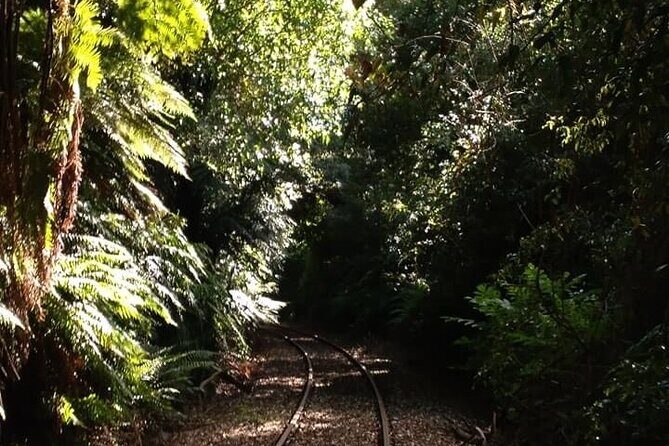
This ultimate self-drive rail car journey is a slow, scenic ride through Rotorua’s countryside, with waterproof sides so you can actually see out in any weather and snag clear photos of the audio tour narration as the track rolls past Lake Rotorua and Mount Tarawera. You get a front-row seat to 1000-year-old native forest (yes, the real stuff), plus farmland views that feel a world away from town.
I also like how the ride is built for real time with your group. Each rail car seats up to four passengers, and the experience keeps things light with simple ways to stay engaged, like the wildlife spotting game. One thing to set expectations: even though it’s called self-drive, the railcar runs automatically, so you’re more of a passenger than the pilot.
In This Review
- Key highlights to know before you go
- Rotorua rail cruising at 20 km/h: the rare slow view that works
- Rotorua RailCruising: safety briefing, setting the track, and getting your bearings
- Tarukenga Station site, Toi te Whenua sculpture, and the Tarukenga Marae roadside moment
- Ohokeriki (Dansey Road) Scenic Reserve: 468 hectares of ancient trees and wildlife time
- Mamaku Railcruising Station turnaround: the log cabin stop and a handy break
- How the audio tour shapes the ride (and why it’s the right volume)
- Small-group comfort: waterproof sides, seating for four, and the mellow pace
- Who should book this rail cruise?
- Practical tips: timing, mobile tickets, and dealing with Rotorua weather
- Should you book the Ultimate self-drive rail car journey?
- FAQ
- How long is the rail cruise?
- Where does the experience start?
- Is it actually self-drive?
- How many people can ride in each rail car?
- Can I bring a pet or service animal?
- What if the weather is bad?
Key highlights to know before you go
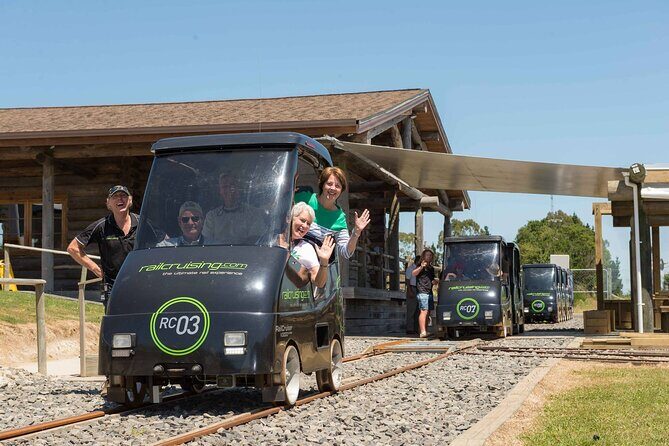
- Up to four passengers per railcar for a small-group, relaxed feel
- Leisurely cruising around 20 km/h so you can actually look out the window
- Tarukenga Station area + Toi te Whenua sculpture + Tarukenga Marae along the route
- Ohokeriki or Dansey Road Scenic Reserve with ancient rimu and tawa trees
- Wildlife bingo-style spotting that makes the countryside feel like a game
- Mamaku turnaround with time in a log cabin and a baby changing station
Rotorua rail cruising at 20 km/h: the rare slow view that works
This is the kind of activity where your brain stops rushing. The railcar glides along at about 20 km/h, which means you can watch the changes in the scenery without craning your neck or missing the story. If you’re the type who likes a calm afternoon between Rotorua highlights, this fits.
You’ll be inside a petrol-electric railcar designed for comfort and visibility. The sides are waterproof, which matters in Rotorua. Even when the weather shifts, you still get a proper look at what’s moving past you—forest edges, open fields, and lake-and-volcano views.
And yes, you’ll hear the onboard audio tour. The narration ties what you’re seeing to the wider story of New Zealand railways, so it’s not just sightseeing from a seat.
You can also read our reviews of more tours and experiences in Rotorua.
Rotorua RailCruising: safety briefing, setting the track, and getting your bearings
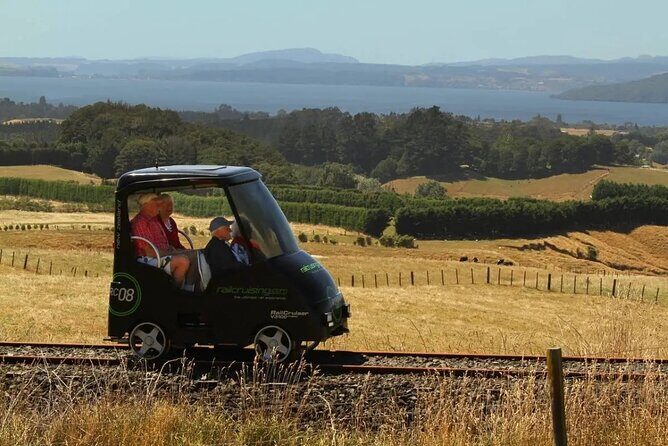
Your start point is Rotorua RailCruising, 45 Ngongotaha Road, Ngongotahā, Rotorua 3010. Plan to arrive a little early so you can settle in before the safety briefing and setup.
At the station, a guide handles the practical part: they’ll get you into the railcar and then set you on the track. This is one of those small-but-important touches. It keeps things smooth, especially if you’re traveling with kids or you’re not big on complicated transport.
You’ll also get your bearings fast. Once you’re rolling, the experience becomes simple: sit, listen, and watch the countryside flow by.
Tarukenga Station site, Toi te Whenua sculpture, and the Tarukenga Marae roadside moment
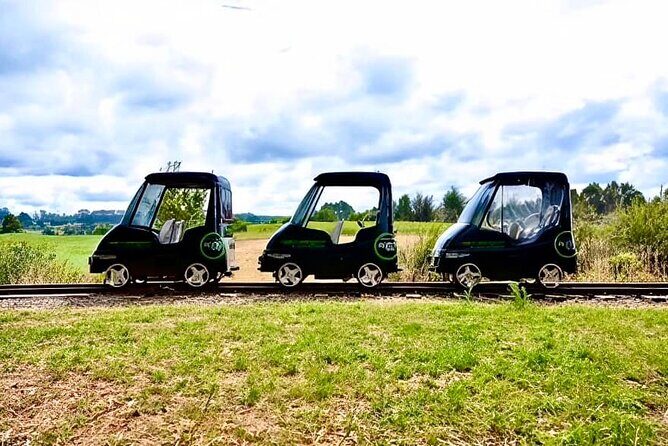
One of my favorite parts of this ride is how it threads culture and place into the route without turning it into a lecture.
Early on, you pass the site of the now-gone Tarukenga Station. It’s a brief glimpse, but it does something useful: it helps you feel that this rail line has a past, not just a present-day route.
A little farther along, you’ll see Toi te Whenua, a 5.5-meter aluminium sculpture positioned along the road as you enter Rotorua from the Waikato side. It’s the kind of roadside landmark that looks great in photos, but also helps anchor you in the bigger geography of the region.
Then comes a stop you shouldn’t rush through if you’re traveling with kids. You pass the Tarukenga Marae, described as a Te Arawa marae, connected with Ngāti Te Ngākau and Ngāti Tura hapū of the Te Ure area. Even if you don’t know the details before you arrive, seeing the marae from the track is a clear reminder that this journey runs alongside living communities.
Ohokeriki (Dansey Road) Scenic Reserve: 468 hectares of ancient trees and wildlife time
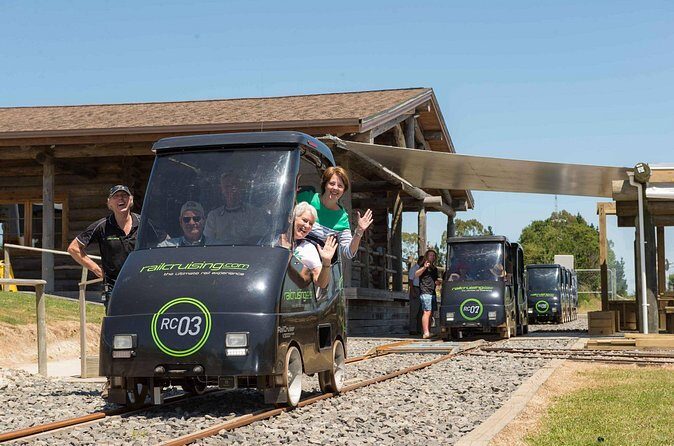
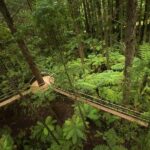
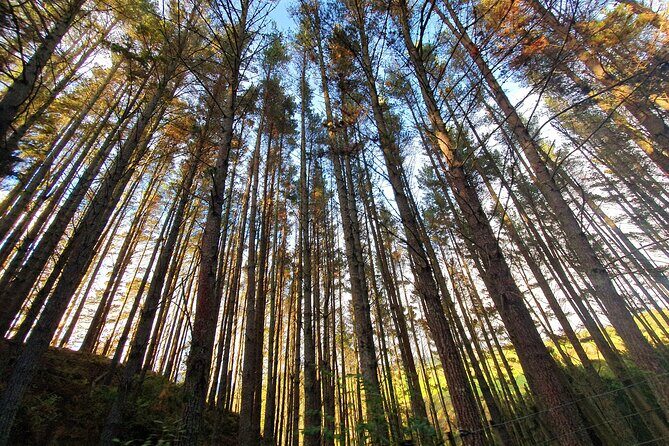
After the built environment moments, the ride shifts into full nature mode. You’ll cruise through Ohokeriki, also called Dansey Road Scenic Reserve, a 468-hectare native forest west of Ngongotahā.
This is where the ancient-tree details matter. The reserve is known for rimu and tawa trees, and it’s also described as having rich biodiversity and active conservation efforts. Translation: you’re not just passing pretty scenery—you’re passing through habitat that’s been protected long enough for real age to show.
I especially like this section because the railcar’s slow speed gives you time to scan. If you’re hoping to spot birds or other wildlife, this is the stretch where you can actually put your eyes on the job rather than watching everything blur past.
And here’s a fun trick that makes that wildlife scanning easier: pick up the bingo sheet at the beginning. It turns the ride into a gentle game. I like that it keeps the kids focused without forcing them into constant noise or screen time.
Mamaku Railcruising Station turnaround: the log cabin stop and a handy break
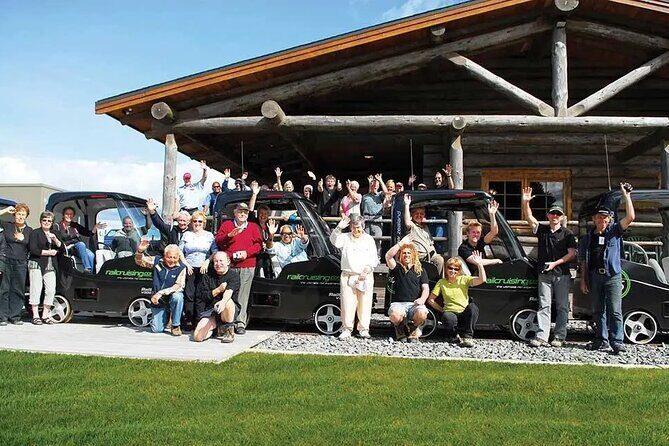
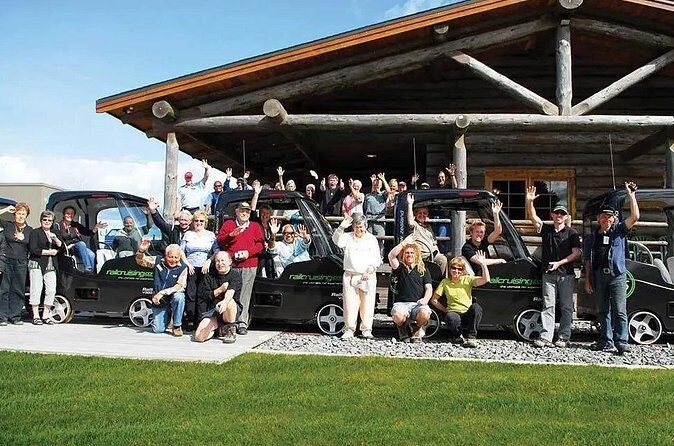
Your turnaround point is Mamaku Railcruising Station, set on the site of the original Mamaku rail station. Expect time here to get off the railcar and reset.
You can go inside the log cabin, which adds a bit of warmth and human-scale comfort to what’s otherwise an open-and-airy outdoor ride. It’s a nice break, especially if you’ve got kids or you’re traveling on a day that includes other Rotorua activities.
There’s also a practical family detail at Mamaku: a baby changing station. If you’re planning around a baby or toddler schedule, it’s a relief to have that built in.
When you’re ready, you hop back in and head back the way you came—still at that same relaxed pace that makes the countryside feel watchable.

How the audio tour shapes the ride (and why it’s the right volume)
The onboard narration is a big part of why this rail cruise feels more satisfying than a simple sightseeing loop.
The audio tour gives context for what you’re seeing, including the history of New Zealand railways, and it’s timed so it matches the scenery as it appears. In other words, it doesn’t feel like constant talking. It’s more like a helpful guide that turns on when it matters.
One staff member in particular is called out for local rail knowledge—John. That kind of person-to-person expertise matters. You can tell they care about explaining the track and its background in a way that’s understandable.
If you like learning, you’ll get your payoff. If you don’t, you can still enjoy the ride. The experience is designed so you’re not forced to keep your attention locked to the speakers the whole time.
Small-group comfort: waterproof sides, seating for four, and the mellow pace
Each railcar has space for up to four passengers, which keeps things intimate. That’s a real advantage. You’re not stuck in a crowd, and it’s easier to enjoy the view even if you’re sitting with kids who need frequent windowside breaks.
The seating is described as comfortable, and the view through the waterproof sides is the practical hero here. Rotorua can be unpredictable. Having visibility in mist or drizzle changes the whole experience, because the ride doesn’t stop when the weather gets moody.
Also, the railcar’s cruise speed means you can talk. You’re not sprinting through stations. You’re not rushing photos. You’re just moving through the countryside at a pace that lets you actually notice it.
Who should book this rail cruise?
This is a strong fit for a few types of travelers:
Families will likely love it. The ride is relaxing, the scenery is varied, and the game element (the bingo sheet) gives kids something to do beyond just sitting. Even if you’re traveling with school-age kids, it’s the kind of activity that works without turning into a full-day commitment.
If you’re the kind of visitor who likes railways, you’ll appreciate how the audio tour adds meaning to the line. It’s not just mechanical. It’s tied to New Zealand’s rail story.
Pet owners should also take note. The experience is pet friendly, and service animals are allowed. That means you don’t have to solve the whole logistics puzzle just to do something different.
If you hate waiting, this is another reason it works. The experience is about two hours (approx.), with a shorter start setup and a turnaround stop at Mamaku, so you’re not spending your whole day on rails.
Practical tips: timing, mobile tickets, and dealing with Rotorua weather
A couple of planning notes can help you enjoy the ride more.
First, bring your best window-staring mindset. This is a cruising experience, not a sprint. If you go expecting big leaps of excitement every minute, you might feel underwhelmed. If you go expecting an easy, scenic ride with a story attached, it clicks.
Second, go prepared for weather. The experience requires good weather. If it’s canceled due to poor conditions, you’ll be offered another date or a full refund. In Rotorua, that’s smart—because the whole point is seeing out those waterproof sides while the countryside passes by.
Third, use your mobile ticket. It’s set up for contactless, modern convenience, and it reduces the hassle when you’re traveling with kids or juggling multiple activities.
Finally, double-check the small details that make a difference for comfort: if you need baby changing, it’s available at Mamaku. And since the activity is described as private with only your group participating, you’re not sharing your railcar time with strangers.
Should you book the Ultimate self-drive rail car journey?
I think this is worth booking if you want a calm Rotorua activity that feels different from the usual geothermal stops. The value here is the combination: a short, doable two-hour ride, small-group seating, clear window views through waterproof sides, and narration that turns the scenery into something with context.
If you’re expecting a true self-driving experience where you steer or control the railcar, adjust your expectations. You’ll still enjoy the ride, but it’s closer to guided rail cruising where you ride comfortably while the vehicle does the work.
If you’re traveling with kids, this is also a smart choice. Between the bingo-style wildlife spotting and the slow pace, it’s one of the easier ways to get everyone out of the car and into the fun without chaos.
Book it when you want a relaxed afternoon and you care about looking out the window.
FAQ
How long is the rail cruise?
The experience is listed as about 2 hours (approx.).
Where does the experience start?
You meet at Rotorua RailCruising, 45 Ngongotaha Road, Ngongotahā, Rotorua 3010, New Zealand. The activity ends back at the meeting point.
Is it actually self-drive?
The ride is described as a self-drive rail car journey, and the railcar cruises at a leisurely 20 km/h. From the way the experience is run, you should expect to be seated and enjoy the route rather than personally steering.
How many people can ride in each rail car?
There is space for up to four passengers in the rail car.
Can I bring a pet or service animal?
Yes. The experience is pet friendly, and service animals are allowed.
What if the weather is bad?
This experience requires good weather. If it’s canceled due to poor weather, you’ll be offered a different date or a full refund.