REVIEW · WELLINGTON
Wellington: Remutaka Rail Trail Cycle Tour
Book on GetYourGuide →Operated by Wildfinder · Bookable on GetYourGuide
Tunnels and farmland in one ride. I love how this tour gives you headlights for the old fell railway tunnels and how it builds to big swing-bridge views in the Remutaka Mountains. It is the rare bike ride where the scenery comes with built-in story.
One thing to consider: there is a narrow, cliffside-feeling section where you’ll want solid bike control and confidence with steep edges and no guardrail.
In This Review
- Key things to know before you go
- Remutaka Rail Trail: what this 6-hour ride actually feels like
- Price and bikes: is $119 good value?
- Pickup to Kaitoke: morning logistics that keep the ride smooth
- The calm climb through native bush, then tunnels with real stakes
- Bridges and the summit plateau: when you switch from working to enjoying
- The descent to Cross Creek and the farmland shift to Wairarapa
- Featherston finish: a relaxed end after the more intense sections
- Pace, difficulty, and the weather reality check
- Who this Remutaka ride is best for
- Guide style: why the day runs smoothly
- Should you book the Wellington to Remutaka Rail Trail tour?
- FAQ
- Where do you pick up from in Wellington?
- Do cruise ship guests get picked up differently?
- How long is the tour from start to finish?
- How much cycling do you do?
- Is lunch included?
- Do you provide a bike and safety gear?
- Are headlights provided for tunnels?
- What should I wear or bring?
- Will the tour run in bad weather?
Key things to know before you go
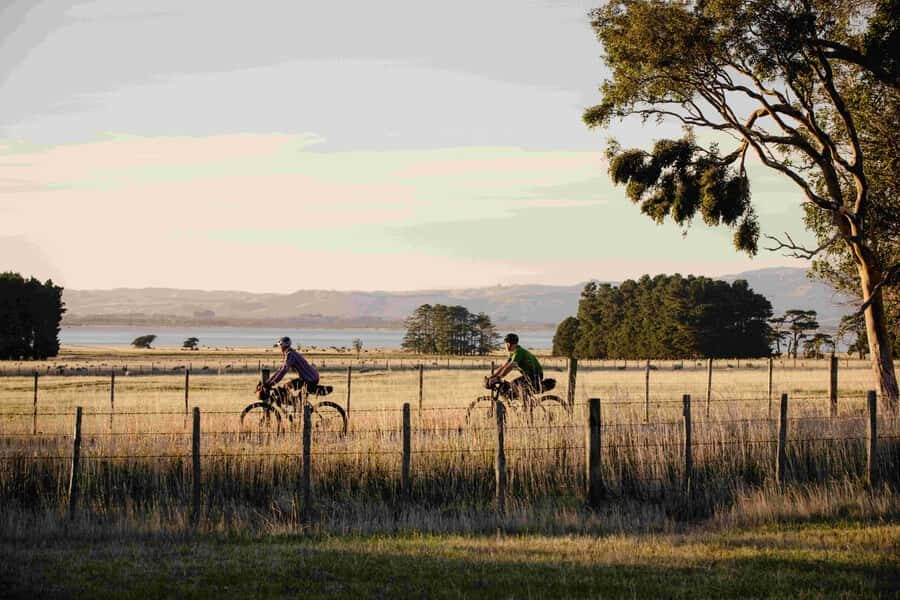
- Headlights for tunnel riding so the rail history is real, not just theoretical.
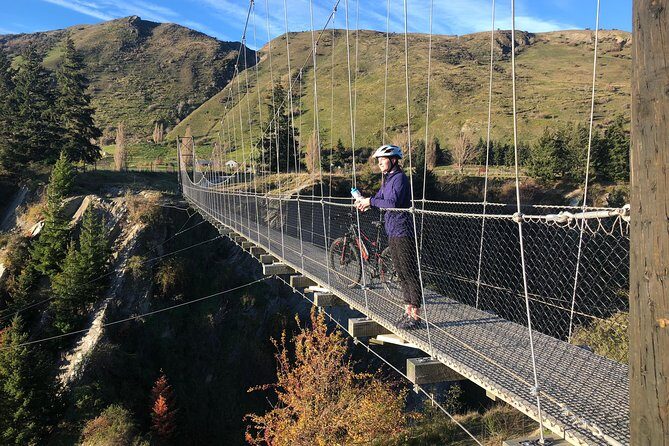
- Swing bridge photo moment with wide mountain views you can actually stop and appreciate.
- Railway info boards that explain how hard it was to build this fell railway system.
- Summit grassy plateau picnic where you pause for lunch and a drink before the downhill.
- Wairarapa farmland finish that feels relaxed after the more intense parts of the ride.
- Time-saver shuttle logistics that keep your cycling focused on the trail, not getting there.
Remutaka Rail Trail: what this 6-hour ride actually feels like
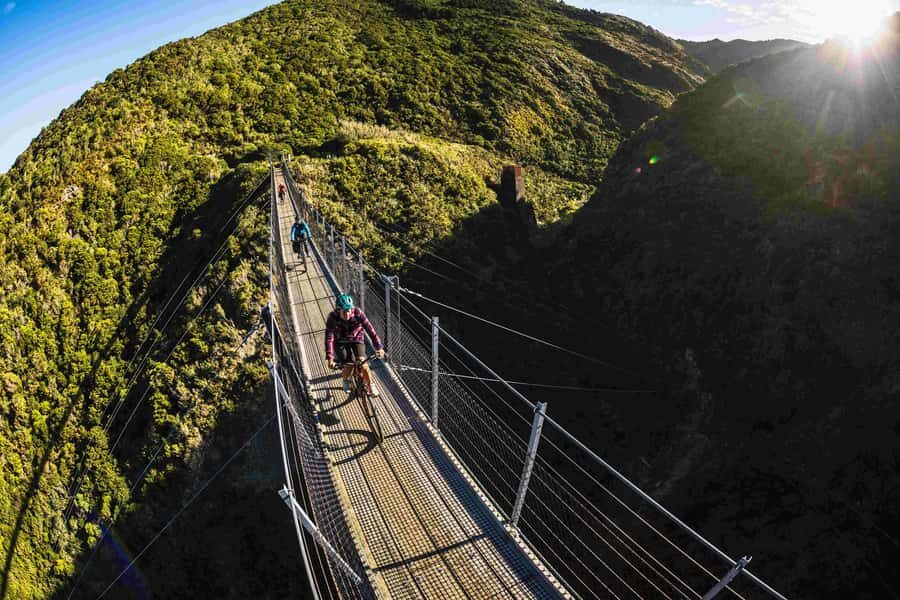
This tour is built around one idea: you’re not just cycling a pretty track. You’re tracing the route of the old fell railway through a dramatic slice of the Remutaka Range, mixing native bush, tunnels, bridges, and farmland.
The day has a clear rhythm. You start gradually at Kaitoke, work into the tunnels and bridges, then reach a summit plateau for lunch. After that, you get the fun payoff with a descent to Cross Creek and a calmer farmland stretch toward Featherston.
If you like “active sightseeing” where you are moving through the place instead of watching from the roadside, this works. If you want a flat, casual pedal with zero challenge, you might find parts of the trail a bit more serious than you expected.
You can also read our reviews of more cycling tours in Wellington

Price and bikes: is $119 good value?
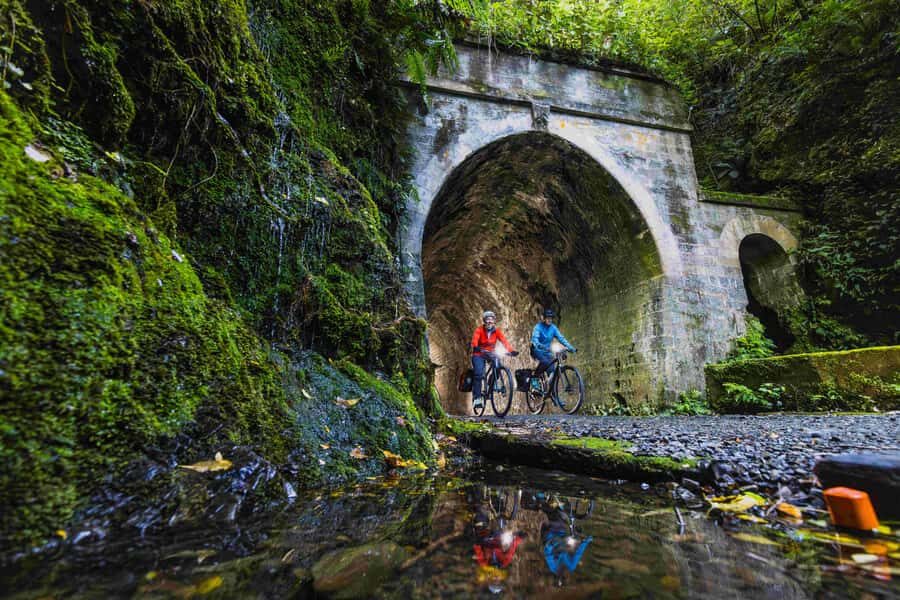
At $119 per person for about 6 hours, the value comes from what is included, not just the bike. You get pickup from Wellington, the shuttle positioning at Kaitoke, a mountain bike with helmet and a repair kit, plus packed lunch and water. You also get maps, information, and on-tour safety support (first aid kit and a GPS tracker).
The setup matters on a ride like this because it lets the trail do the heavy lifting. You are not spending your morning figuring out transport, parking, or how to connect sections. You show up, ride, eat, and finish with a scheduled shuttle back.
One practical note from real-world experience: the bikes can include different levels of pedal assist depending on what you receive. If you were expecting a fully non-electric ride and you end up with assist, it can change how hard you feel the climb. It is usually adjustable in practice, so it’s worth asking when you meet the team.
Pickup to Kaitoke: morning logistics that keep the ride smooth
Your day starts in Wellington with two pickup options. Most people are picked up at 151 Aotea Quay, outside the main entrance to Wellington Station around 9:30am. If you are on a cruise, there’s a separate Wellington Port pickup option at 9:15am for cruise guests only, and you should skip any cruise shuttle and go straight to the meeting point.
You then ride out to the start at Kaitoke in Upper Hutt. The tour uses shuttles to position you, which is a big part of why the total day stays around 6 hours without feeling rushed on cycling time.
What to bring is simple and strict: closed-toe shoes. Sandals and flip-flops are not allowed. That matters on a tour that includes tunnels, uneven ground, and changing weather conditions.
The calm climb through native bush, then tunnels with real stakes
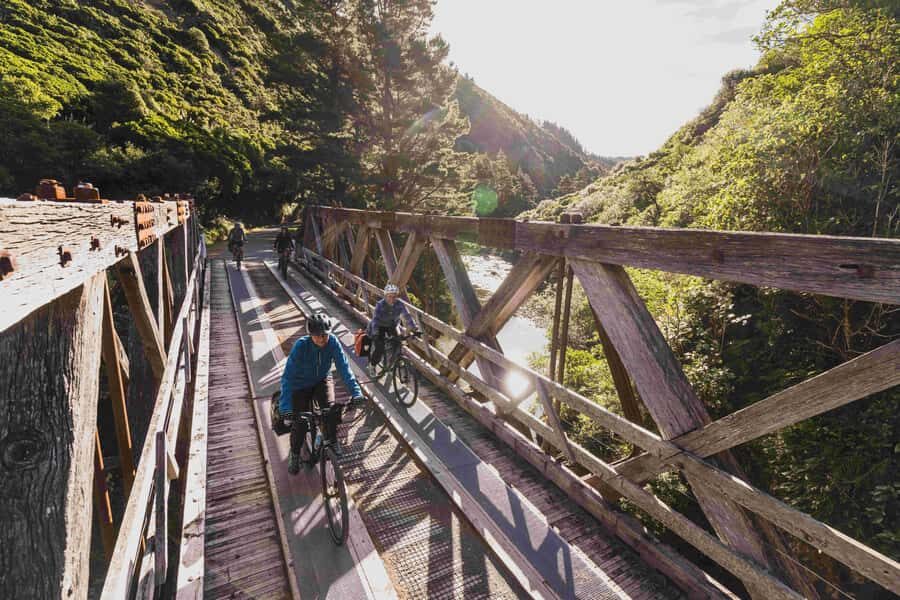
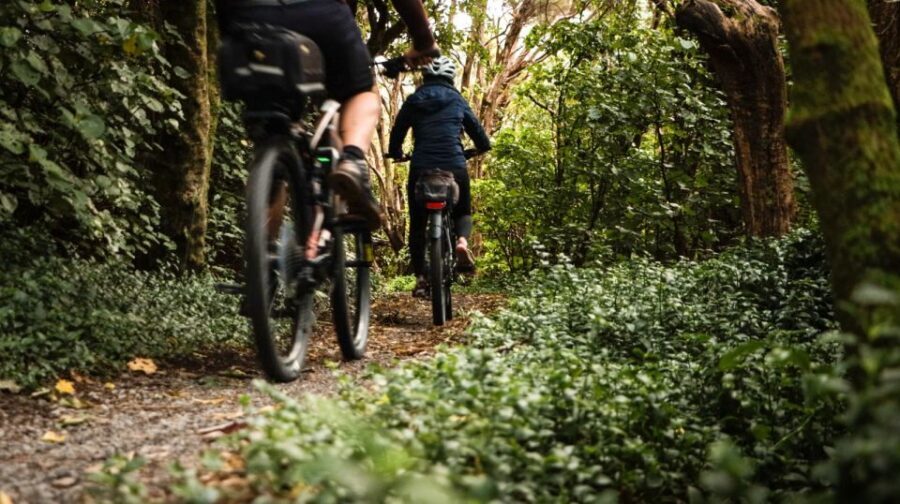
From Kaitoke, you ride about 28 km of easy-to-moderate riding with a very gradual incline. This is the part of the day that warms you up and sets your rhythm before the more intense bits.
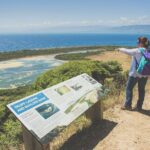
You move through native bush, and you’ll see information boards along the way explaining the sheer engineering challenge behind the old fell railway system. That turns the route from scenery into something closer to a moving lesson: you start noticing why tunnels and bridges mattered so much.
Then come the tunnels. The tour provides headlights, so you can actually see where you’re going instead of riding by guesswork. It also adds a layer of mood you don’t get on daylight-only rail trails. Dark, enclosed space + bike sounds + the awareness of turning your speed into something controlled equals a ride that feels special.
Bridges and the summit plateau: when you switch from working to enjoying
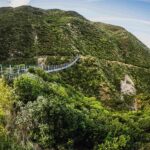
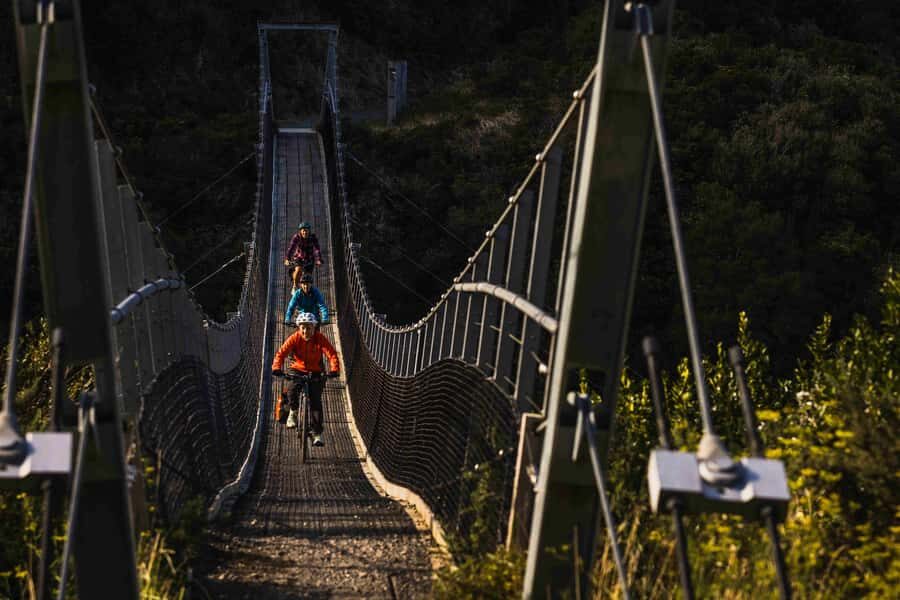
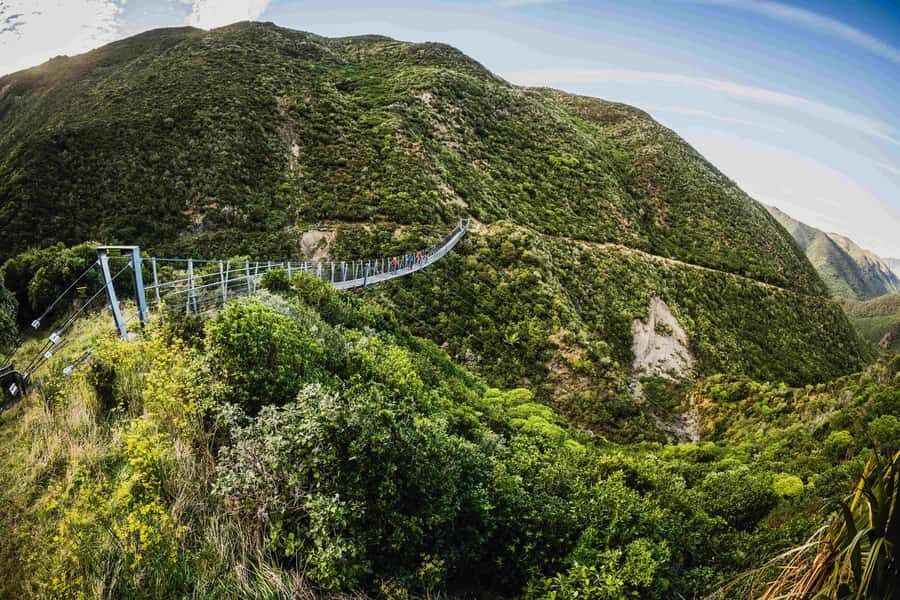
At some point the trail opens up into moments where your efforts get rewarded. One of the top highlights is the swing bridge, where you get breathtaking mountain views. Even if you’re not a professional photographer, you’ll want to slow down, look up, and take in the scale.
You reach the summit at a large grassy plateau. This is not just a checkpoint. It’s a break designed for your body and your head. You stop for your picnic lunch (with water supplied), then settle for cold drinks and a breather before the downhill.
This is also where you can make a quick mental switch. Before the summit, you’re focused on staying smooth and controlled. After the summit, you shift into downhill mode, where pacing is everything.
The descent to Cross Creek and the farmland shift to Wairarapa
The downhill to Cross Creek in the Wairarapa is where the tour becomes more of a true mountain-bike experience. It’s fun, but the key word is controllable. You’ll likely feel the difference between pedaling comfort and bike handling demands.
One caution worth taking seriously: the ride includes sections that can feel narrow and exposed. In a real example, a rider described a steep downward, cliffside-feeling stretch with limited width and no guardrail or natural barrier. That section may turn it into something closer to advanced beginner than casual.
In plain terms, if you’re the kind of rider who grips the brakes too hard, freezes at edges, or avoids narrow single-track, you’ll want to slow down and focus on technique in those moments. The good news is you’re not on your own; the route is guided, and the rest of the day is built to keep you moving safely.
After Cross Creek, you ride about 2 km along a single lane track to the car park. Then it’s a quieter phase: a separate cycle path along a road heading north about 10 km through Wairarapa farmland toward Featherston.
Featherston finish: a relaxed end after the more intense sections
Featherston is where the day winds down. You cycle past farmland and you’ll have access to cafes and pubs once you reach town. You get a sense of contrast here: big mountain effort earlier, then open countryside and an easier mental pace.
The tour picks you up at 2:15pm and drives you back to Wellington. Drop-off is at Wellington Station for non-cruise guests, or Wellington Port for cruise guests.
This return timing matters. You’re not scrambling to find transport, and you’re not stuck in a long wait. It’s also why lunch + the summit break feel important: they keep you fueled for a ride that can include tunnel time and handling sections, not just smooth cruising.
Pace, difficulty, and the weather reality check
This tour is designed as easy-to-moderate overall from Kaitoke, but parts can feel more challenging in practice. The key difficulty factor isn’t distance alone. It’s terrain: tunnels, bridges, and narrow sections that can be steep and exposed.
One more reality check: weather. The tour notes that if conditions look bad or totally miserable, the booking will be called off. Still, rain can happen. In one case, heavy rain ran for much of the day and the tour continued. That means you should plan for wet riding rather than counting on perfect sunshine.
My practical advice: pack for being damp. A rain layer you can actually move in is more important than sun protection. If you expect to feel chilly in the rain, add a warm layer you can wear under your wet jacket.
Also consider comfort at the end. A rider wished for something simple like a towel, which tells you wet cycling is not just a small inconvenience. If you want to feel human on the drive back, bring a small towel or a microfiber cloth in your bag.
Who this Remutaka ride is best for
This is a strong fit if you:
- Want mountain-bike fun plus story-driven sightseeing.
- Like tunnels, bridges, and heritage explanations through on-trail info boards.
- Are comfortable cycling with occasional narrow, exposed-feeling stretches.
- Enjoy a scheduled day with shuttles, so you spend energy on the trail.
It is not a fit if you need fully flat ground or simple, wide beginner-only paths. It also isn’t suitable for people who can’t ride a bike, people with mobility impairments, and it’s not recommended for children under 10 or for pregnant women.
If you are an experienced beginner to early intermediate rider, you may find it manageable with slow control on the trickier bits. If you’re a brand-new rider, you’ll likely feel the steep and narrow sections more than you expect.
Guide style: why the day runs smoothly
A big part of why this kind of rail trail feels safe and enjoyable is the guide’s attention to small things. One guide named Sam is described as very friendly and knowledgeable, and there’s a practical detail: when a rider forgot a raincoat, Sam loaned one. That kind of calm problem-solving matters when the weather changes fast.
The tour also provides a repair kit with the bike and keeps a first aid kit and GPS tracker onboard for emergencies. That reduces stress because you’re not constantly wondering what happens if something breaks or someone needs help.
Should you book the Wellington to Remutaka Rail Trail tour?
Book it if you want a day that blends real engineering history with active biking: tunnels with headlights, bridges with mountain views, and a summit picnic that breaks up the effort. The $119 price feels fair when you factor in shuttles, lunch, bike gear, and safety support.
Think twice if you hate narrow, steep, exposed-feeling trail segments or you’re sensitive to rain and getting wet. Also, if you’re expecting a gentle beginner cruise with no handling demands, you may find parts of the ride nerve-racking.
FAQ
Where do you pick up from in Wellington?
You can be picked up at 151 Aotea Quay (Wellington Station) for most guests.
Do cruise ship guests get picked up differently?
Yes. Cruise ship guests can be picked up at Wellington Port at 9:15am. The tour specifically asks cruise guests not to use the cruise shuttle and to meet the tour directly.
How long is the tour from start to finish?
The tour is listed as 6 hours total.
How much cycling do you do?
You cycle about 28 km on the main trail segment, plus additional connecting sections as you move toward Featherston.
Is lunch included?
Yes. A packed lunch and water are included.
Do you provide a bike and safety gear?
Yes. The tour includes a mountain bike with a helmet and a repair kit.
Are headlights provided for tunnels?
Yes. Headlights are provided so you can ride through the railway tunnels.
What should I wear or bring?
Bring closed-toe shoes. Sandals or flip-flops are not allowed.
Will the tour run in bad weather?
If the weather looks bad and unsafe (or totally miserable), the booking will be called off.